Sweet Sauces: Elevate Your Dishes with Irresistible Flavors

Sweet Sauces: The Unsung Heroes Of Flavor
Imagine your favorite dessert or breakfast without its finishing touch—a drizzle of golden honey, a swirl of dark chocolate, or a glossy pool of berry coulis. Sweet sauces are everywhere, yet they rarely get the spotlight. They transform simple dishes into something memorable, add complexity to flavors, and can even rescue a dry cake or plain pancake. Across the world, cultures have created their own sweet sauces to enhance desserts, breakfast foods, drinks, and even some savory dishes.
But what makes a sweet sauce special? How do you choose or make the right one? Whether you’re a home cook or a food lover curious about global flavors, understanding the world of sweet sauces opens up endless possibilities. This article explores the history, types, recipes, uses, and even the science behind these delicious liquids.
The Origins And Evolution Of Sweet Sauces
Sweet sauces have a long and colorful history. In ancient times, honey and fruit juices were the original dessert toppings. The Greeks and Romans poured honey over cheese and bread, while in Asia, syrups made from fruits or sugar cane sweetened rice dishes and teas. By the Middle Ages, sugar became more accessible in Europe, giving rise to fruit preserves, jams, and custards that resembled today’s sauces.
As trade routes expanded, new ingredients like chocolate, vanilla, and spices entered kitchens. By the 18th and 19th centuries, cooks began to create more refined sauces, such as caramel and chocolate ganache, using improved cooking techniques. The French, famous for their love of sauces, developed classics like crème anglaise and fruit coulis.
Today, sweet sauces are used worldwide—not just on desserts but also in breakfast foods, beverages, and even some savory pairings. Their evolution reflects changes in taste, technology, and cultural exchange.
What Defines A Sweet Sauce?
A sweet sauce is any liquid or semi-liquid mixture with a high sugar content, used to add flavor, moisture, and visual appeal to food. Unlike jams or spreads, sweet sauces are pourable or spoonable. They can be thick or thin, smooth or chunky, and made from a wide range of ingredients.
Key characteristics include:
- Sweetness: From sugar, honey, syrups, or fruit.
- Texture: Ranging from silky to syrupy to chunky.
- Flavor: Can be pure (like honey), or complex with added spices, alcohol, or dairy.
- Use: Often added at the end of cooking or right before serving.

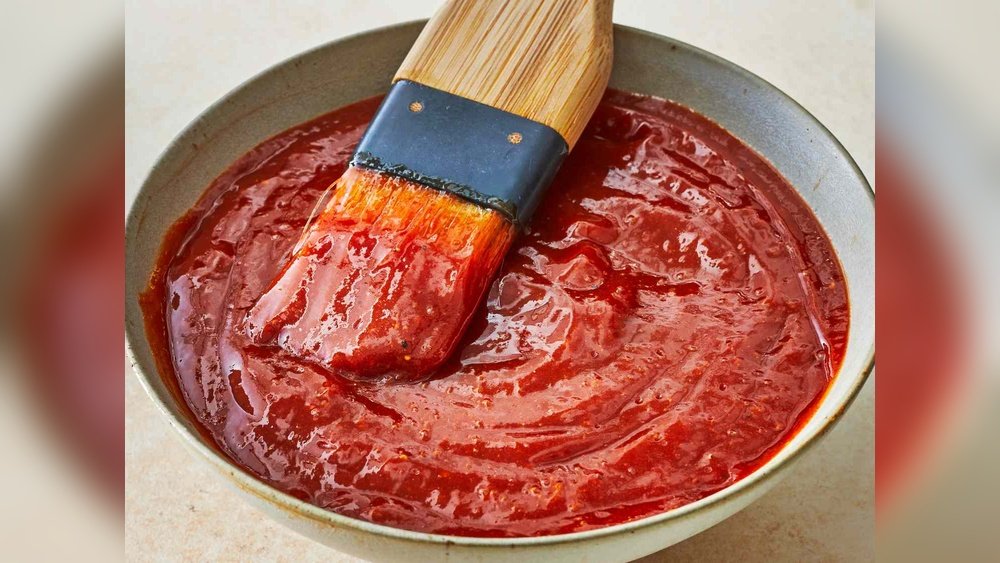
Credit: cookingformysoul.com
Common Types Of Sweet Sauces
Sweet sauces come in many varieties, each with its own personality. Here are some of the most popular:
1. Chocolate Sauces
Chocolate sauce is a classic favorite for desserts. It can be simple—just melted chocolate and cream—or complex with added flavors like orange or chili. Chocolate sauce is used for ice cream, cakes, pancakes, and even in coffee drinks.
- Basic Ingredients: Chocolate (dark, milk, or white), cream, sugar, butter.
- Famous Variations: Ganache, hot fudge, Mexican chocolate sauce (with cinnamon and chili).
2. Caramel Sauces
Caramel is made by heating sugar until it melts and browns, creating a rich, nutty flavor. Adding cream and butter makes it smooth and pourable. Caramel sauce is perfect for drizzling over apples, popcorn, or cheesecake.
- Basic Ingredients: Sugar, butter, cream, salt (for salted caramel).
- Famous Variations: Salted caramel, toffee sauce, butterscotch.
3. Fruit-based Sauces
These sauces use pureed or cooked fruit, sometimes sweetened and thickened. They bring brightness and acidity that balances rich desserts.
- Basic Ingredients: Berries, stone fruits, apples, citrus, sugar.
- Famous Variations: Berry coulis, apple compote, lemon curd, mango puree.
4. Syrups
Syrups are simple, sweet liquids, often flavored with fruits, spices, or extracts.
- Basic Ingredients: Sugar (or honey), water, optional flavorings.
- Famous Variations: Maple syrup, honey, simple syrup, grenadine, agave nectar.
5. Dairy-based Sauces
These sauces use milk, cream, or eggs for a rich, custardy texture.
- Basic Ingredients: Milk, cream, eggs, sugar.
- Famous Variations: Crème anglaise, pastry cream, sabayon, Bavarian sauce.
6. Nut And Seed Sauces
Nut butters and pastes can be sweetened and thinned into sauces.
- Basic Ingredients: Almonds, peanuts, tahini, sugar, milk or water.
- Famous Variations: Sweet peanut sauce, marzipan sauce, sesame-honey drizzle.
7. Alcohol-infused Sauces
A small amount of alcohol can add depth and aroma.
- Basic Ingredients: Liqueurs (rum, brandy, Grand Marnier), sugar, cream or fruit.
- Famous Variations: Rum sauce, bourbon caramel, sabayon with Marsala wine.
How Sweet Sauces Are Made: Techniques And Tips
The method for making a sweet sauce depends on its type. However, there are general techniques every cook should know.
Melting And Caramelizing Sugar
For caramel and toffee sauces, sugar is heated until it melts and turns golden. This process is delicate—too little heat and the sugar will not caramelize; too much, and it becomes bitter or burns.
Simmering And Reducing
Fruit sauces and syrups often start with fruit and sugar simmered together. As the mixture cooks, water evaporates, thickening the sauce and concentrating its flavor.
Emulsifying
Chocolate ganache and dairy sauces rely on emulsification. Hot cream is poured over chocolate or egg yolks, then whisked to create a smooth, glossy sauce. The key is steady temperature and constant stirring.
Pureeing
Berry coulis and mango sauces are made by blending fresh or cooked fruit with sugar, then straining for a smooth finish.
Tips For Perfect Sweet Sauces
- Control the heat: Low and slow is usually best, especially for dairy or egg-based sauces.
- Use fresh ingredients: The flavor of your fruit or chocolate will shine through, so use the best you can.
- Balance sweetness: Taste as you go. Some fruits need more sugar; others are naturally sweet.
- Strain for smoothness: Use a fine sieve for a velvety texture, especially with fruit sauces.
- Finish with flavor: A drop of vanilla, a pinch of salt, or a splash of liqueur can transform a simple sauce.
Global Sweet Sauces: A Culinary Tour

Every culture has its own sweet sauces, shaped by local ingredients and traditions. Here are some examples from around the world:
North America
- Maple syrup: Tapped from maple trees in Canada and the US, poured over pancakes, waffles, and oatmeal.
- Chocolate fudge sauce: A staple for ice cream sundaes and cakes.
Europe
- Crème anglaise: A light, pourable custard from France, used on fruit, cake, or pastries.
- Sabayon/Zabaglione: An Italian sauce made with egg yolks, sugar, and Marsala wine, often served with berries.
- Fruit coulis: Blended and strained berries, a French classic for desserts.
Asia
- Coconut caramel: Popular in Vietnam and Thailand, made by simmering coconut milk and sugar.
- Red bean syrup: Used in Japanese and Korean sweets.
- Jaggery syrup: Used in Indian desserts like jalebi and gulab jamun.
Latin America
- Dulce de leche: Sweetened milk cooked until thick and caramelized, used in cakes, cookies, and ice cream.
- Guava sauce: Made from guava fruit and sugar, common in Brazil and the Caribbean.
The Middle East
- Date syrup (dibs): Thick, dark syrup made from dates, used on bread or in desserts.
- Rosewater syrup: Used to flavor pastries like baklava and Turkish delight.
Sweet Sauces In Everyday Cooking
Sweet sauces are not just for special occasions. They can make simple meals exciting, turn leftovers into treats, or help kids eat more fruit. Here are some practical ways to use them:
- Breakfast: Pour fruit syrup over pancakes, waffles, or yogurt. Swirl honey into oatmeal or smoothie bowls.
- Snacks: Dip fresh fruit in chocolate or caramel sauce. Drizzle nut butter sauce over rice cakes.
- Desserts: Top ice cream with hot fudge, or cheesecake with berry coulis.
- Drinks: Sweeten coffee with caramel sauce, or add chocolate syrup to milk.
- Savory dishes: Try a touch of fruit sauce with roast meats or cheese for a sweet-salty contrast.
Homemade Sweet Sauces: Recipes For Every Occasion
Making your own sauce is often cheaper, tastier, and lets you control ingredients. Here are a few easy recipes to try at home.
Classic Chocolate Sauce
Ingredients:
- 1 cup heavy cream
- 8 oz dark chocolate, chopped
- 2 tbsp sugar
- 1 tsp vanilla extract
Instructions:
- Heat the cream in a small pot until just simmering.
- Remove from heat, add chocolate and sugar, and let sit 1 minute.
- Stir until smooth. Add vanilla.
- Serve warm over ice cream or cake.
Caramel Sauce
Ingredients:
- 1 cup sugar
- 6 tbsp butter
- 1/2 cup heavy cream
- Pinch of salt
Instructions:
- Heat sugar in a saucepan over medium heat, stirring often.
- When melted and amber, add butter (careful—it will bubble).
- Stir in cream and salt. Simmer 1–2 minutes.
- Cool before using.
Berry Coulis
Ingredients:
- 2 cups fresh or frozen berries
- 1/4 cup sugar
- 1 tbsp lemon juice
Instructions:
- Combine berries and sugar in a saucepan. Cook until soft.
- Puree and strain through a fine sieve.
- Stir in lemon juice. Chill before serving.
Simple Fruit Syrup
Ingredients:
- 1 cup fruit juice (orange, apple, or berry)
- 1/2 cup sugar
Instructions:
- Simmer juice and sugar until reduced by half.
- Cool. Store in a jar for up to two weeks.
Nut Butter Drizzle
Ingredients:
- 1/2 cup peanut or almond butter
- 2 tbsp honey or maple syrup
- 2–4 tbsp warm water
Instructions:
- Mix nut butter and honey. Add water until pourable.
- Drizzle over fruit, pancakes, or toast.
Comparing Sweet Sauces: Texture, Flavor, And Use
Choosing the right sauce depends on your dish and your preferences. Here’s a quick comparison to help you decide:
| Type | Main Flavor | Texture | Best Use |
|---|---|---|---|
| Chocolate Sauce | Rich, bittersweet | Thick, glossy | Ice cream, cakes |
| Caramel Sauce | Buttery, sweet | Smooth, sticky | Apples, cheesecake |
| Berry Coulis | Fruity, tart | Thin, smooth | Pancakes, panna cotta |
| Syrups | Sweet, mild | Thin, pourable | Waffles, drinks |
| Nut Sauce | Nutty, creamy | Thick, smooth | Fruit, toast |
Nutritional Aspects Of Sweet Sauces
Sweet sauces are delicious, but they can be high in sugar and calories. Some also contain fat, especially dairy- or nut-based sauces. If you’re watching your diet, here are some practical tips:
- Portion control: A tablespoon or two is usually enough to add flavor without too many extra calories.
- Choose natural sweeteners: Honey, maple syrup, and fruit-based sauces may offer more nutrients than refined sugar.
- Look for hidden sugars: Some commercial sauces have corn syrup or artificial sweeteners.
- Experiment with less sugar: Many homemade recipes can be adjusted to use less sugar or alternative sweeteners.
Here’s a quick look at the nutritional profile of popular sweet sauces:
| Sauce (1 tbsp) | Calories | Sugar (g) | Fat (g) | Notes |
|---|---|---|---|---|
| Chocolate Sauce | 60 | 6 | 3 | Contains dairy |
| Caramel Sauce | 80 | 10 | 4 | High sugar & fat |
| Berry Coulis | 25 | 5 | 0 | Low fat |
| Maple Syrup | 52 | 13 | 0 | Natural minerals |
| Honey | 64 | 17 | 0 | Antioxidants |
Sweet Sauces And Special Diets
People with dietary restrictions can still enjoy sweet sauces, with some adjustments:
- Vegan: Use plant-based milk or coconut cream in place of dairy. Maple syrup and fruit sauces are naturally vegan.
- Gluten-free: Most sweet sauces are gluten-free, but check labels for thickeners or flavorings.
- Low sugar: Try sauces based on fresh fruit, or use stevia or monk fruit as sweeteners.
- Nut-free: Avoid nut butters; use seed-based sauces or classic fruit options.
Secrets To Storing And Serving Sweet Sauces
Proper storage keeps your sauces safe and tasty. Here’s what you need to know:
- Refrigeration: Most homemade sauces should be kept in the fridge and used within 1–2 weeks.
- Freezing: Some fruit sauces and chocolate ganache freeze well. Store in airtight containers for up to 3 months.
- Reheating: Warm gently over low heat. Avoid boiling dairy-based sauces, as they may curdle.
- Serving tips: For a professional look, use a squeeze bottle or spoon to drizzle sauces in patterns. A little sauce on the plate, not just on top, makes desserts look elegant.
The Science Behind Sweet Sauces
Why do sweet sauces taste and feel so satisfying? It’s all about how sugar and fat interact with our senses.
- Sugar triggers the brain’s pleasure centers, making food more enjoyable.
- Fat (from cream, butter, or nuts) carries flavor and creates a smooth, rich mouthfeel.
- Acidity (from fruit or lemon juice) balances sweetness, so sauces aren’t cloying.
- Aroma: Vanilla, spices, or alcohol add complexity through their scent.
Texture also matters. A glossy, thick sauce feels more luxurious than something watery. Many professional chefs use a process called reduction—slowly boiling a sauce to thicken it and concentrate the flavor.

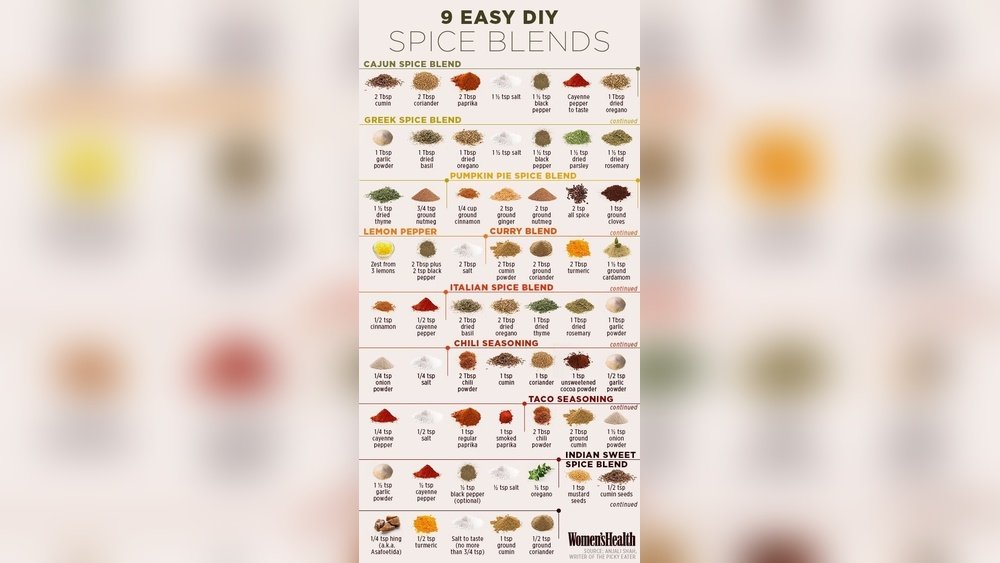
Credit: www.chilesandsmoke.com
Advanced Uses: Sweet Sauces In Modern Cuisine

Sweet sauces are not just for pouring. Chefs use them for artistic plating, flavor layering, and even surprising pairings with savory foods.
- Plating designs: Use sauces to create lines, dots, or abstract shapes on dessert plates. This adds visual excitement and suggests where to dip each bite.
- Flavor contrasts: Pair fruit sauces with rich cheeses, or drizzle balsamic reduction over strawberries for a sweet-tart effect.
- Fusion cuisine: Try miso caramel with brownies, or coconut-lime sauce with tropical fruits.
Two insights many beginners miss:
- A small pinch of salt in a sweet sauce can intensify other flavors without making the sauce taste salty. Salt helps bring out hidden notes in chocolate, caramel, and even fruit.
- Many sauces thicken as they cool. If your sauce seems thin when hot, let it cool before adding more thickener or sugar.
Making Sweet Sauces Your Own: Customization And Creativity
The beauty of sweet sauces is how flexible they are. Once you know the basics, you can invent your own combinations.
- Mix and match: Try adding citrus zest, spices, or herbs (like basil or mint) to fruit sauces.
- Infuse flavors: Steep a vanilla bean or cinnamon stick in your syrup for extra aroma.
- Swap sweeteners: Replace sugar with honey, agave, or coconut sugar for different flavors and nutrition.
- Add texture: Stir in toasted nuts, seeds, or chopped dried fruit for a chunky sauce.
Experimenting with these small changes lets you match your sauce to the season, the occasion, or your mood.
Sweet Sauces In Commercial And Restaurant Settings
In professional kitchens, sweet sauces are key for plating and flavor. Many restaurants make their own sauces to set their desserts apart. Commercially, you’ll find bottled versions in every supermarket, from chocolate syrup to caramel drizzle.
When buying ready-made sauces, check the ingredient list. Shorter lists usually mean fewer additives. Some brands use high-fructose corn syrup or artificial flavors, while others stick to natural ingredients. For quality and taste, homemade or artisan sauces are often worth the extra effort or cost.
According to a Statista report, the global market for syrups and sweet spreads reached over $13 billion in 2026, showing just how popular and essential these products are in modern food culture.
Frequently Asked Questions
What Is The Difference Between A Syrup And A Sauce?
A syrup is usually a simple mixture of sugar and water, sometimes with added flavors. It is thinner and more pourable than most sauces. A sweet sauce can include ingredients like cream, butter, fruit, or chocolate, and may be thicker or have a richer texture. Syrups are often used for drinks or pancakes, while sauces can be used for a wider range of desserts.
Can I Make Sweet Sauces Ahead Of Time?
Yes, most sweet sauces can be made in advance. Store them in airtight containers in the refrigerator. Many can last up to two weeks, although fruit sauces should be used within a week for best flavor. Reheat gently before serving, if needed.
What’s The Best Way To Thicken A Sweet Sauce?
You can reduce the sauce by simmering it, which evaporates water and concentrates flavor. For fruit sauces, a small amount of cornstarch mixed with cold water can be added and cooked until thickened. For dairy-based sauces, use egg yolks or cream, but heat gently to avoid curdling.
Are There Healthy Options For Sweet Sauces?
Yes! Try sauces based on pureed fruit, low-sugar recipes, or natural sweeteners like honey or maple syrup. Nut butter sauces offer healthy fats and protein. Homemade sauces let you control sugar and ingredients, making them a better choice for health-conscious eaters.

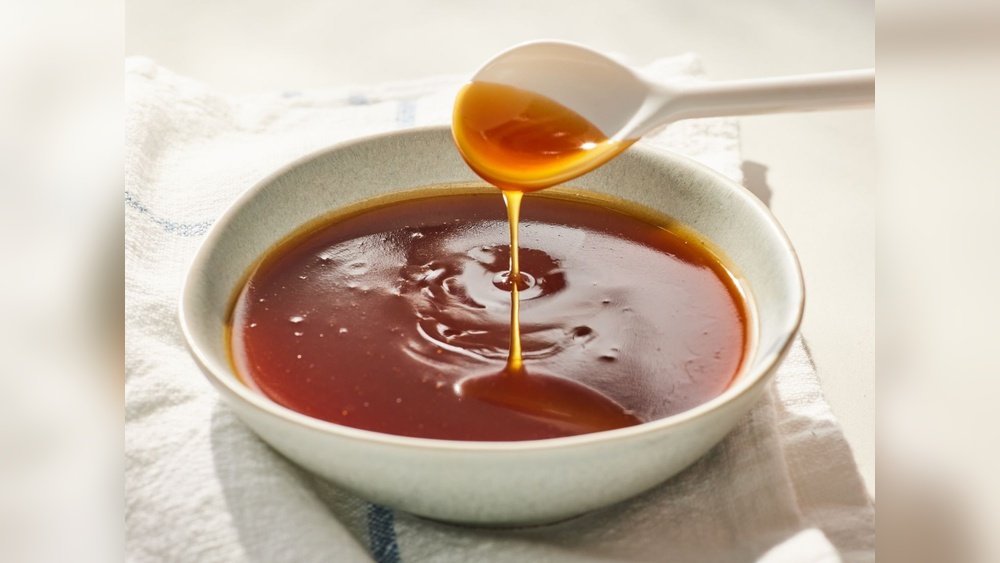
Credit: outgrilling.com
Why Do Some Sweet Sauces Separate Or Crystallize?
Separation or crystallization often happens if the sauce is not mixed well, or if it cools too quickly. In caramel or syrups, sugar can crystallize if not dissolved fully or if impurities are present. Adding a little lemon juice or corn syrup can help prevent crystals.
Stirring in butter or cream can help keep sauces smooth.
Sweet sauces are more than just decoration—they are a canvas for creativity, a tool for balancing flavors, and a tradition that connects cultures. Whether you make them at home or buy them in a store, understanding how to use and enjoy sweet sauces can make every meal a little more special.