Best Store‑Bought Sauces: Top Picks to Elevate Any Meal

Store-bought sauces are an easy way to add flavor to meals without spending hours in the kitchen. These sauces come in many types—some for pasta, others for grilling, and many for dipping or drizzling. With so many brands and flavors, choosing the best store-bought sauces can be confusing.
But the right sauce can transform a simple dish into something memorable. Whether you’re a busy professional, a student, or someone who just wants a quick meal, quality sauces are your secret weapon.
Many people think store-bought sauces are “all the same. ” That’s not true. Today’s market offers sauces made with real ingredients, less sugar, and even options for special diets. Some brands use organic tomatoes, aged peppers, or traditional recipes. There are sauces for every taste—spicy, sweet, tangy, creamy, and everything in between.
Knowing which ones are worth buying saves money, time, and disappointment.
This guide explores the best store-bought sauces available in the US. We’ll look at different types, compare popular brands, and show which sauces stand out for flavor, quality, and value. You’ll find new favorites for your pantry and learn how to use them in creative ways.
If you want to upgrade your meals, this article is for you.
The Power Of Store-bought Sauces
Sauces are more than just a “side.” They often bring dishes together. Think of pasta sauce on noodles, barbecue sauce on ribs, or hot sauce on eggs. For many people, sauces are the flavor heroes of a meal.
But why choose store-bought instead of homemade? Here are some reasons:
- Convenience: No chopping, blending, or simmering. Open the bottle and enjoy.
- Consistency: Quality brands keep their recipes stable. You know what you’ll get every time.
- Variety: From classic Italian marinara to Thai peanut sauce, stores offer flavors from around the world.
- Cost-effective: Making sauces from scratch can cost more, especially for special ingredients.
- Shelf-life: Most store-bought sauces last longer due to careful packaging and preservatives.
However, not all store sauces are equal. Some use too much sugar, low-quality oils, or artificial flavors. Others are made with care, using real vegetables, spices, and traditional methods. Learning to spot the best can make a big difference.
Best Store-bought Sauces By Category
Let’s break down the top sauces by type. This section covers pasta sauces, barbecue sauces, hot sauces, soy-based sauces, salsas, pesto sauces, salad dressings, and specialty sauces like curry or peanut.
Pasta Sauces
Pasta sauces are a staple in many homes. The best ones taste fresh and have a balanced flavor. Here are some top choices:
1. Rao’s Homemade Marinara
Rao’s has a cult following. Made with imported Italian tomatoes, olive oil, garlic, and onions, it’s simple but full of flavor. Rao’s uses no added sugar, which is rare. The sauce tastes homemade and works for spaghetti, lasagna, or pizza.
2. Classico Traditional Sweet Basil
Classico offers a sweet basil sauce that’s bright and aromatic. It uses real basil and tomatoes for a classic Italian taste. It’s affordable and easy to find.
3. Barilla Tomato & Basil
Barilla’s sauce is smooth, not chunky. It’s good for kids and picky eaters. The flavor is mild, and the sauce pairs well with penne or fettuccine.
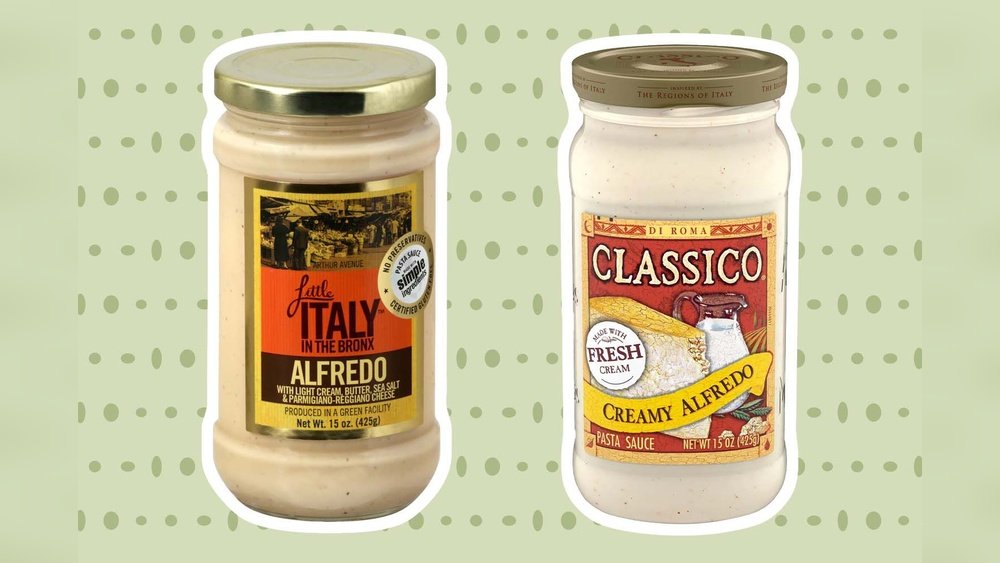
4. Prego Homestyle Alfredo
For creamy pasta, Prego’s Alfredo is rich and cheesy. It uses real cream and parmesan. It’s great for chicken Alfredo or baked casseroles.
5. Mezzetta Napa Valley Bistro Sauce
Mezzetta uses California tomatoes and adds roasted garlic. The sauce is thick and slightly sweet. It’s good for baked pasta or dipping bread.
Pasta Sauce Comparison
Here’s a quick look at how these brands stack up:
| Brand | Main Ingredients | Sugar (per 1/2 cup) | Calories | Texture | Price Range |
|---|---|---|---|---|---|
| Rao’s Homemade | Tomatoes, Olive Oil, Garlic | 3g | 70 | Chunky | $$$ |
| Classico Sweet Basil | Tomatoes, Basil | 4g | 60 | Smooth | $$ |
| Barilla Tomato & Basil | Tomatoes, Basil, Garlic | 6g | 70 | Smooth | $ |
| Prego Alfredo | Cream, Cheese | 1g | 80 | Rich | $ |
| Mezzetta Napa Valley | Tomatoes, Garlic | 5g | 65 | Thick | $$ |
Barbecue Sauces
Barbecue sauces are used for grilling, dipping, and marinating. Good sauces balance sweet, smoky, and tangy flavors.
1. Sweet Baby Ray’s Original
This is the top-selling barbecue sauce in the US. It’s sweet, smoky, and thick. Great for ribs, chicken, and burgers.
2. Stubbs Original Bar-b-q
Stubbs uses real spices and vinegar for a tangy taste. It’s less sweet than Ray’s and has a stronger pepper flavor.
3. Jack Daniel’s Barbecue Sauce
Jack Daniel’s adds Tennessee whiskey for a unique flavor. The sauce is rich and has a hint of heat.
4. Kc Masterpiece Classic
KC Masterpiece is smoky and bold. It’s good for brisket or pulled pork.
5. Lillie’s Q Carolina Gold
Lillie’s Q makes a mustard-based sauce, popular in the Carolinas. It’s tangy and works well with pork.
Barbecue Sauce Comparison
| Brand | Flavor Profile | Sugar (per 2 tbsp) | Heat Level | Price Range |
|---|---|---|---|---|
| Sweet Baby Ray’s | Sweet, Smoky | 16g | Low | $ |
| Stubbs Original | Tangy, Peppery | 6g | Medium | $$ |
| Jack Daniel’s | Rich, Spicy | 14g | Medium | $$$ |
| KC Masterpiece | Smoky, Bold | 12g | Low | $ |
| Lillie’s Q Carolina Gold | Mustard, Tangy | 10g | Low | $$$ |
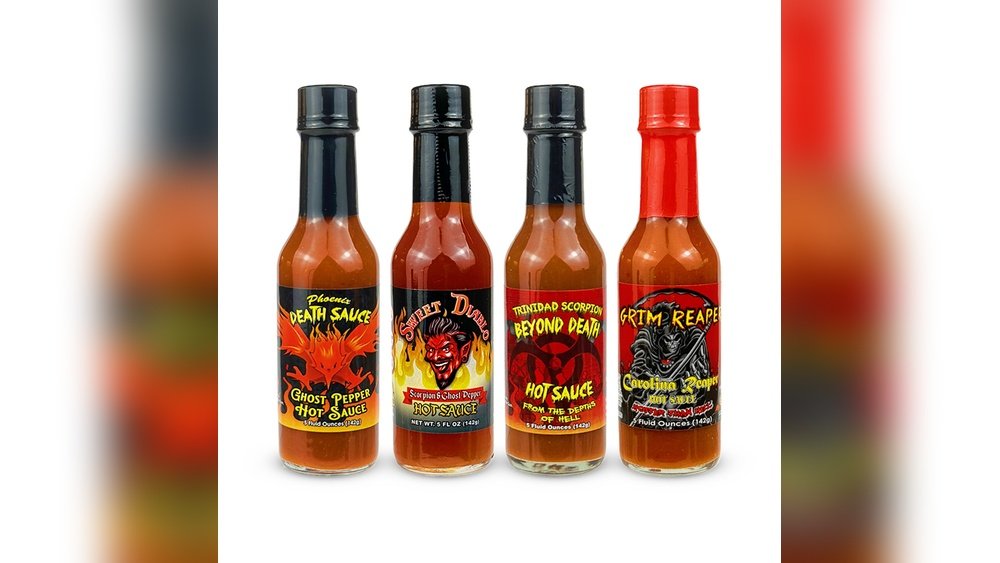
Hot Sauces
Hot sauces add heat and flavor to many foods. They come in many styles—vinegar-based, chili-based, or smoky.
1. Frank’s Redhot Original
This sauce is mild and tangy. Used for Buffalo wings, eggs, and sandwiches.
2. Tabasco Original
Tabasco is made from aged peppers and vinegar. It’s thin and very spicy.
3. Cholula Hot Sauce
Cholula is less spicy than Tabasco but more flavorful. It uses chili and piquin peppers for a smooth taste.
4. Sriracha By Huy Fong Foods
Sriracha is sweet, garlicky, and hot. It’s popular for Asian dishes, pizza, and fries.
5. Tapatío
Tapatío is a Mexican-style hot sauce. It’s zesty and works well on tacos.
Hot Sauce Comparison
| Brand | Heat (Scoville) | Flavor Notes | Best For |
|---|---|---|---|
| Frank’s RedHot | 450 SHU | Tangy, Mild | Wings, Eggs |
| Tabasco | 2,500 SHU | Vinegar, Spicy | Seafood, Bloody Mary |
| Cholula | 1,000 SHU | Smoky, Pepper | Tacos, Rice |
| Sriracha | 2,200 SHU | Garlic, Sweet | Noodles, Pizza |
| Tapatío | 3,000 SHU | Zesty, Mild | Tacos, Burritos |
Soy-based Sauces
Soy-based sauces are important in Asian cooking. They give depth to stir-fries, rice, and sushi.
1. Kikkoman Soy Sauce
Kikkoman is the standard for sushi and stir-fry. It’s aged and has a balanced salty flavor.
2. San-j Tamari
Tamari is gluten-free and richer than regular soy sauce. It’s good for people with wheat allergies.
3. Lee Kum Kee Panda Brand Oyster Sauce
Oyster sauce is thick and sweet. It’s used for Chinese stir-fries and vegetables.
4. La Choy Soy Sauce
La Choy is lighter and less salty than others. It’s good for marinades.
5. Yamasa Soy Sauce
Yamasa is a premium Japanese soy sauce. It’s smooth and less sharp.
Salsas
Salsa is a must for Mexican food. It’s used for dipping, topping, and mixing.
1. Herdez Salsa Verde
Herdez makes a green salsa with tomatillos and chili. It’s tangy and fresh.
2. Tostitos Chunky Salsa
This salsa is thick and tomato-rich. Good for chips.
3. Pace Picante Salsa
Pace is spicy and smooth. It works for tacos or eggs.
4. Frontera Tomatillo Salsa
Frontera uses real tomatillos and jalapeños. It’s bright and slightly spicy.
5. Trader Joe’s Salsa Autentica
Trader Joe’s offers a simple, mild salsa. It’s affordable and good for many dishes.
Pesto Sauces
Pesto is made from basil, cheese, nuts, and oil. It’s used for pasta, pizza, and sandwiches.
1. Barilla Traditional Basil Pesto
Barilla’s pesto is creamy and aromatic. It uses real basil and parmesan.
2. Classico Traditional Basil Pesto
Classico’s pesto is nutty and rich. It’s good for spreading on bread.
3. Trader Joe’s Pesto Alla Genovese
Trader Joe’s pesto is more garlicky. It’s made in Italy.
4. Mezzetta Basil Pesto
Mezzetta uses fresh basil and olive oil. It’s bright and less oily.
5. Buitoni Refrigerated Pesto
Buitoni’s pesto is fresh and must be kept cold. It’s good for salads.
Salad Dressings
Store-bought dressings can make salads more interesting. The best ones use real herbs and oils.
1. Ken’s Steak House Ranch
Ken’s Ranch is creamy and tangy. It’s good for dipping vegetables.
2. Newman’s Own Balsamic Vinaigrette
Newman’s Balsamic is sweet and sharp. It uses real balsamic vinegar.
3. Hidden Valley Ranch
Hidden Valley is the classic American ranch. It’s thick and flavorful.
4. Annie’s Organic Goddess Dressing
Annie’s Goddess is tangy and made from tahini. It’s vegan-friendly.
5. Brianna’s Homestyle Caesar
Brianna’s Caesar is garlicky and rich. It uses parmesan cheese.
Specialty Sauces
Some sauces don’t fit the usual categories but are still favorites.
1. Patak’s Tikka Masala Curry Sauce
Patak’s is good for quick Indian meals. It uses tomatoes, cream, and spices.
2. Thai Kitchen Peanut Satay Sauce
Thai Kitchen’s Satay is nutty and sweet. It’s used for dipping chicken or drizzling over noodles.
3. House Of Tsang Stir-fry Sauce
House of Tsang offers a sweet and spicy sauce for stir-fry.
4. Goya Mojo Criollo Marinade
Goya Mojo is citrusy and garlicky. Used for marinating pork or chicken.
5. Heinz 57 Sauce
Heinz 57 is tangy and slightly spicy. It’s used for steak or burgers.

What Makes A Store-bought Sauce Great?
A great sauce is more than just flavor. Here are key factors:
Quality Of Ingredients
Sauces with real tomatoes, olive oil, or natural spices taste better. Avoid sauces with too many artificial flavors or cheap oils.
Balanced Flavor
Good sauces balance sweetness, saltiness, and acidity. For example, a barbecue sauce should not be only sweet—it needs tang and spice.
Versatility
The best store-bought sauces work with many foods. A ranch dressing can be used for salads, sandwiches, and as a dip.
Value For Money
Premium sauces cost more, but you don’t always need to buy the most expensive. Sometimes, mid-priced brands offer great taste.
Nutrition
Many sauces have added sugar or sodium. Compare labels—some brands use less sugar or salt. For example, Rao’s Marinara uses no added sugar, while Sweet Baby Ray’s is high in sugar.
Packaging
Look for sauces in glass jars or BPA-free bottles. They keep the flavor better and are safer for health.
How To Use Store-bought Sauces Creatively
Sauces are not just for their “main use.” Here are creative ways to use them:
- Mix barbecue sauce with mayo for a smoky sandwich spread.
- Add hot sauce to soups for extra heat.
- Drizzle pesto on roasted vegetables for extra flavor.
- Use salsa as a topping for grilled fish.
- Combine Alfredo sauce with tomato sauce for a creamy pasta.
Many store sauces can be “doctored up. ” For example, add fresh herbs to jarred pasta sauce. Or stir chopped garlic into bottled dressing.
Non-obvious Insights For Sauce Lovers
Most buyers overlook these points:
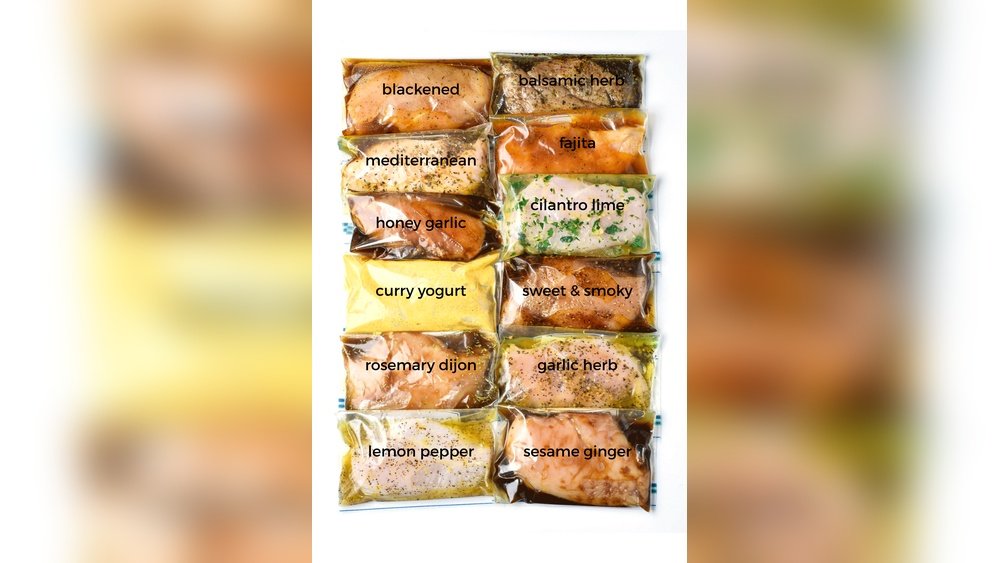
- Sauce as a Marinade: Many sauces can be used to marinate meat. For example, barbecue sauce or soy sauce can tenderize chicken overnight.
- Mix and Match: Try mixing two sauces. For example, combine Sriracha with ranch dressing for a spicy dip.
- Regional Variations: Some sauces taste different depending on where they are sold. For instance, salsa brands made in Texas are often spicier than those from California.
A beginner may not realize that sauce brands sometimes change recipes. If you find a favorite, buy a few bottles—recipes can change without notice.
Common Mistakes When Choosing Store-bought Sauces
- Ignoring the label: Many sauces have hidden sugars or preservatives. Always check the ingredients.
- Choosing only by price: Cheap sauces often use lower-quality oils or fillers. Value is not always about price.
- Not tasting before buying in bulk: Try a small jar first. Some sauces that seem popular may not suit your taste.
- Assuming all sauces are gluten-free or vegan: Many have hidden animal products or wheat. Read labels carefully.
- Storing incorrectly: Some sauces need refrigeration after opening. Check the label.

Credit: blog.doordash.com
Trends In Store-bought Sauces
The sauce market is changing fast. Here are some trends:
- Organic and clean-label sauces are growing. More brands use real vegetables and avoid artificial additives.
- Global flavors are more popular. For example, curry, harissa, and gochujang are now in stores.
- Low-sugar and keto sauces are available. Good for health-conscious buyers.
- Plant-based and vegan sauces are rising. For example, Annie’s Goddess Dressing uses tahini, not dairy.
- Premium packaging is more common. Glass jars and resealable bottles keep sauces fresh longer.
According to Statista, the US sauce market was worth over $10 billion in 2026, and it’s expected to grow as people cook at home more often.
How To Store And Use Sauces Safely
Proper storage is key to keeping sauces fresh and tasty.
- Keep unopened sauces in a cool, dry place.
- After opening, refrigerate most sauces. Even if the label says “refrigerate after opening,” don’t ignore it.
- Check expiration dates. Some sauces last months; others, only weeks.
- Avoid cross-contamination. Use clean spoons and never dip food directly into bottles.
If you see mold, off smells, or a strange color, throw the sauce away. Food safety matters.
:max_bytes(150000):strip_icc()/ar-burger-sauce-tt-ashia-aubourg-11-4x3-7de04169dbd642d9a8f660b08539c96d.jpg)
Credit: www.allrecipes.com
Best Sauces For Special Diets
Many buyers have special needs—vegan, gluten-free, low-sodium, etc. Here are some top picks:
- San-J Tamari (gluten-free soy sauce)
- Annie’s Organic Goddess Dressing (vegan)
- Rao’s Homemade Marinara (low sugar)
- Buitoni Refrigerated Pesto (fresh, vegetarian)
- Patak’s Tikka Masala (vegetarian)
Always check the label. Some brands offer “lite” versions, with less sodium or fat.
How To Choose The Right Sauce For Your Meal
Choosing the right sauce depends on the dish. Here are some tips:
- Pasta: Tomato-based for red meats, creamy for chicken or seafood.
- Grilled meats: Smoky barbecue or tangy mustard-based sauces.
- Asian dishes: Soy sauce, oyster sauce, or peanut satay.
- Mexican food: Salsa or hot sauce.
- Salads: Vinaigrette for greens, creamy dressing for heavier salads.
If you’re unsure, start with a classic—like Rao’s Marinara or Sweet Baby Ray’s. Then try specialty sauces for variety.

Credit: nepapizzareview.com
Where To Buy Store-bought Sauces
Most sauces are available at supermarkets like Walmart, Target, or Kroger. Specialty sauces can be found at international markets or online stores like Amazon. Trader Joe’s and Whole Foods offer unique brands.
Some brands, such as Rao’s, are harder to find in smaller stores. If you want to try premium sauces, look for them in larger supermarkets or order online.
For more information about sauce ingredients and health, see Wikipedia’s Sauce article.

Frequently Asked Questions
What Is The Healthiest Store-bought Sauce?
The healthiest sauce depends on your needs. For low sugar and real ingredients, Rao’s Homemade Marinara is a top choice. For gluten-free diets, San-J Tamari is safe. Always check the label for sodium and sugar content.
How Long Do Store-bought Sauces Last After Opening?
Most sauces last 1–3 months in the fridge after opening. Creamy sauces spoil faster. Always check the label and watch for mold or bad smells.
Are Store-bought Sauces Safe For Children?
Most store sauces are safe for kids, but watch the sodium and sugar levels. Avoid very spicy sauces like Tabasco or Sriracha for young children.
Can I Use Store-bought Sauce As A Marinade?
Yes, many sauces work as marinades. Barbecue sauce, soy sauce, and salsa are common choices. Marinate meat for at least 2 hours for best flavor.
What Are The Best Store-bought Sauces For Vegetarians?
Top vegetarian sauces include Rao’s Marinara, Buitoni Pesto, Annie’s Goddess Dressing, and Patak’s Tikka Masala. Always check for animal ingredients in creamy or cheese-based sauces.
Store-bought sauces are a simple way to make meals better. With so many options, there’s a sauce for everyone. The best sauces use real ingredients, have balanced flavors, and are easy to use. Try new brands, mix sauces, and experiment with global flavors.
You’ll find that even a plain meal can become special with the right sauce. Remember, a good sauce is not just about taste—it’s about making cooking easier and more fun.