Keeping Your Outdoor Kitchen in Top Shape

So, you’ve got that awesome outdoor kitchen, huh? It’s more than just a place to grill; it’s a whole vibe, a summer hub for friends and family. But like anything worth having, it needs a little TLC to keep it looking good and working right. Think of this as your friendly guide to keeping your outdoor kitchen from becoming an eyesore or a repair nightmare. We’ll break down what you need to do, when to do it, and why it matters, all without making it feel like a chore.
Your outdoor kitchen is exposed to all sorts of weather, from scorching sun to freezing rain. Protecting its core structure is the first and most important step to longevity. Ignoring this is like building a house without a good roof – it’s just asking for trouble down the line.
Material Matters: Understanding Your Kitchen’s Construction
The materials used in your outdoor kitchen will dictate how you need to care for it. A stainless steel grill has different needs than a brick pizza oven, and a granite countertop requires a different approach than a concrete one.
Stainless Steel Vigilance
Stainless steel is fantastic for outdoor kitchens because it resists rust and corrosion. However, it’s not invincible.
- Regular Cleaning: After every use, wipe down the surfaces. Use a good stainless steel cleaner or a mixture of warm water and a mild dish soap. Always wipe with the grain of the steel to avoid scratches and maintain that sleek look.
- Deep Cleaning: Periodically, give it a more thorough scrub. This might involve using a specialized stainless steel polish to bring back its shine and a protective layer.
- Rust Spotting: If you notice small rust spots, they often come from external sources, like water from sprinklers or metal tools left on the surface. These can usually be removed with a fine-grade stainless steel cleaner or even a paste of baking soda and water.
Stone and Masonry Care
Whether it’s granite countertops, a brick fireplace, or a tiled backsplash, stone and masonry need attention to prevent staining and cracking.
- Sealing is Key: Most natural stone and porous masonry materials benefit from sealing. This creates a barrier against grease, moisture, and acids that can cause permanent stains or degradation. How often you re-seal depends on the product used and the exposure, but checking annually is a good idea.
- Gentle Cleaning: Avoid harsh chemicals, especially on natural stone like marble or granite, as they can etch the surface. A pH-neutral cleaner or a mixture of water and a mild detergent is usually sufficient. For tougher stains, consult a professional or research specific stain removal methods for your material.
- Crack Inspection: Regularly inspect for any cracks or crumbling mortar. Small issues can become big problems if left unaddressed, especially with freeze-thaw cycles in colder climates.
Wood Elements: Treating and Protecting
If your outdoor kitchen incorporates wood elements, like an island base or decorative trim, it’s crucial to maintain its integrity.
- Regular Inspection: Look for signs of rot, insect damage, or warping. Pay close attention to areas that are in contact with the ground or are consistently exposed to moisture.
- Staining and Sealing: Apply a high-quality exterior wood sealer or stain regularly. This protects against UV rays, moisture, and mildew. The frequency depends on the product and climate, but a yearly reapplication is often recommended.
- Ventilation: Ensure that any enclosed wooden sections have adequate ventilation to prevent moisture buildup, which can lead to rot and mold.
Covering Up: The Art of Protection
When your outdoor kitchen isn’t in use, especially during off-seasons or bad weather, covering it is one of the most effective ways to extend its life.
When to Cover
- Extended Absence: If you’re going away for an extended period, especially during inclement weather, covering is a must.
- Harsh Weather: In areas prone to heavy rain, snow, hail, or strong winds, keeping your kitchen covered is a wise precaution.
- Off-Season Storage: During the winter months (or your local equivalent of an off-season), comprehensive covering is essential to protect against freezing temperatures and moisture ingress.
Choosing the Right Covers
- Breathable Materials: Opt for covers made from breathable, waterproof materials. This prevents condensation from building up underneath, which can lead to mold, mildew, and rust.
- Custom Fit vs. Universal: While universal covers can work, custom-fit covers offer better protection by eliminating gaps where wind and debris can enter.
- Secure Fastenings: Ensure your covers have secure fastenings like buckles, straps, or drawstrings to prevent them from blowing away in the wind.
Keeping the Heart of the Home Pumping: Grill and Appliance Maintenance
The grill is the star of the show, but all your appliances need attention to function safely and effectively. Skipping these steps is a fast track to disappointing meals and potential hazards.
Grill Grime: Tackling the Build-up
This is where many people stop, but a clean grill is a safe and efficient grill.
After Every Cook
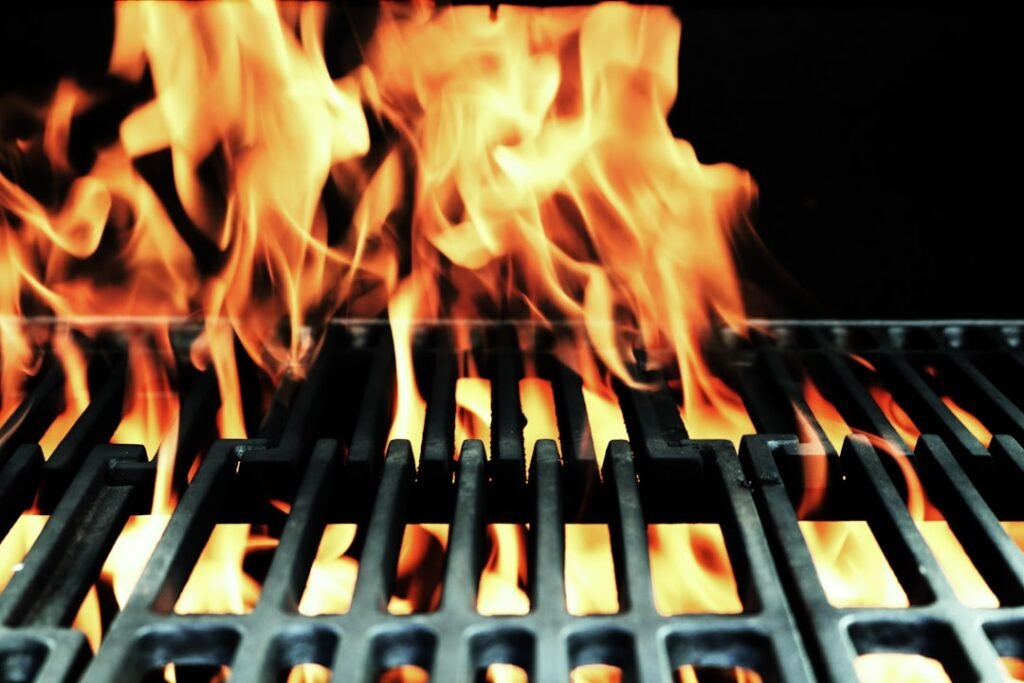
- Brush Those Grates: While the grill is still warm (but not scorching hot to avoid burns), use a sturdy grill brush to scrape off any food residue. This is far easier and more effective when done while warm.
- Empty Drip Pans: If your grill has a drip pan, empty it after it cools down. Excessive grease buildup is a fire hazard.
Monthly Deep Clean
- Burner Brushing: Use a softer brush to clean the burners and ensure the gas ports are clear of debris. This ensures even heat distribution.
- Interior Wipe Down: Wipe down the interior of the grill lid and firebox.
- Flavorizer Bar/Heat Plate Check: If your grill has these, clean them or replace them if they’re significantly deteriorated. They protect the burners and contribute to flavor.
Annual Overhaul
- Full Disassembly (if applicable): For gas grills, consider a more thorough cleaning where you might remove grates, heat plates, and even some interior components. Refer to your grill’s manual for specific instructions.
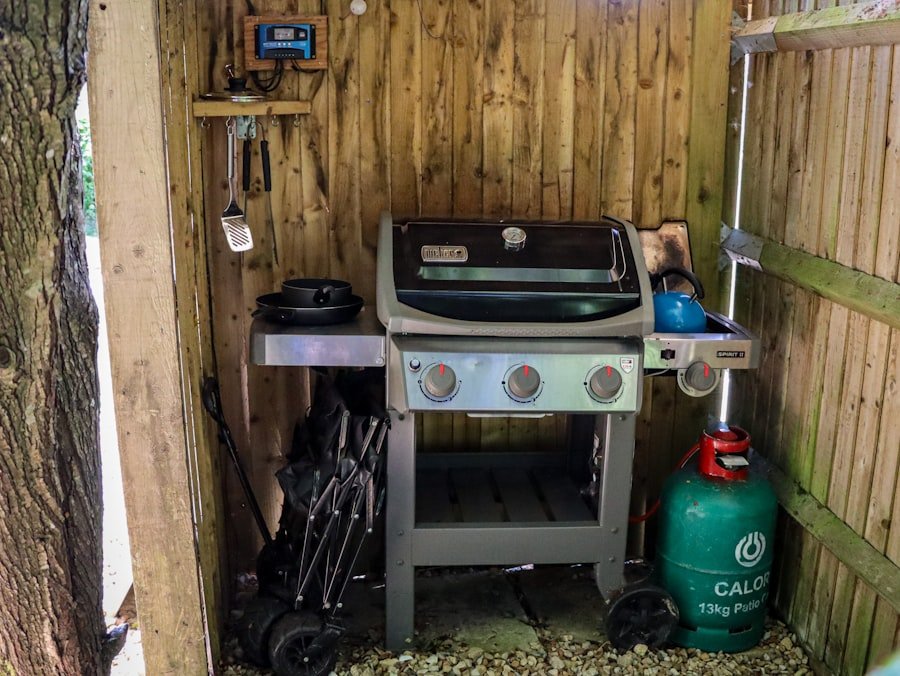
- Hose and Regulator Check (Gas Grills): Inspect the gas hose for cracks or leaks. You can do this by applying soapy water to the connections; if bubbles appear, you have a leak. Ensure the regulator is functioning correctly. This is a critical safety step.
- Ignition System Check: Ensure your ignition system is working reliably. Clean any electrodes if necessary.
Beyond the Grill: Other Appliance Care
Your outdoor kitchen might include more than just a grill, and each needs its own attention.
Side Burners and Wok Burners
- Keep Ports Clear: Just like the main grill burners, ensure the ports on side burners aren’t clogged with debris, which can affect flame consistency.
- Clean Grates: Remove and clean the grates as you would your main grill grates.
Refrigerators and Ice Makers
- Clean Coils: For outdoor refrigerators, ensure the condenser coils are cleaned regularly. Dust and debris here can make the unit work harder and less efficiently. Unplug the unit and use a vacuum cleaner with a brush attachment.
- Interior Cleaning: Wipe down the interior regularly. For ice makers, follow the manufacturer’s instructions for descaling and cleaning to prevent mineral buildup.
- Door Seals: Ensure door seals are clean and intact to maintain proper temperature.
Sinks and Faucets
- Drainage Check: Keep drains clear of food particles and debris to prevent clogs. Use a drain strainer.
- Surface Cleaning: Clean stainless steel or other sink materials with appropriate cleaners.
- Faucet Functionality: Check for leaks and ensure the faucet operates smoothly.
The Plumbing and Electrical: The Unsung Heroes
These are the systems that make your outdoor kitchen truly functional, but they can also be the source of significant problems if neglected. Safety and functionality are paramount here.
Water Woes: Plumbing Maintenance
Proper plumbing ensures you have water for washing and for any included features.
Winterization (Critical in Cold Climates)
- Drain the Lines: This is non-negotiable in areas that experience freezing temperatures. You need to ensure all water lines are completely drained to prevent pipes from bursting. This often involves shutting off the main water supply and opening faucets to let everything out. Consider using compressed air to blow out any remaining water.
- Inspect for Leaks: Before you fully winterize, check for any existing leaks. It’s easier and cheaper to fix them before the cold sets in.
Summer Checks
- Faucet Function: Ensure faucets are running smoothly and don’t have any drips.
- Drainage: Check that sinks and any other drainage points are functioning correctly and not backing up.
- Hose Inspection: If you use garden hoses for your sink or other functions, inspect them for cracks or wear.
Electrical Essentials: Safety First
Outdoor electrical components need special care due to their exposure to the elements.
Professional Installation and Inspection
- Prioritize Safety: If your outdoor kitchen was recently installed or you’re unsure about its electrical setup, it’s wise to have a qualified electrician inspect it. Outdoor electrical work needs to comply with specific safety codes to prevent shocks and fires.
- GFCI Outlets: Ensure all outlets are Ground Fault Circuit Interrupter (GFCI) protected. This is a critical safety feature that cuts power if it detects a fault, preventing serious injury.
Regular Checks
- Weatherproof Covers: Make sure any outdoor-rated outlets and connections have their protective covers securely in place.
- Cord Condition: If you use any portable appliances with cords, inspect them for nicks, cuts, or fraying. Never use damaged cords outdoors.
- Lighting: Check your outdoor lighting fixtures for any signs of damage, loose connections, or bulb issues. Clean lenses to ensure good light output.
- Surge Protection: Consider surge protectors for any sensitive electronics you might use outdoors, like outdoor sound systems or smart devices plugged into your kitchen.
Beyond the Basics: Aesthetics and Comfort

Keeping your outdoor kitchen looking good is about more than just functionality. It’s also about making it an inviting place to spend time.
Seating and Surfaces: Keeping it Inviting
The places where you and your guests sit and place things need to be clean and well-maintained.
Furniture Fabrics
- Regular Cleaning: Wipe down outdoor furniture regularly to remove dust and light grime.
- Deep Cleaning: Periodically, use specialized outdoor fabric cleaners to tackle stains and mildew. For removable cushions, follow care instructions, which might include machine washing or spot cleaning.
- Storage: During off-seasons or extended periods of rain, store cushions and removable furniture pieces in a dry, protected area to prevent damage.
Countertops and Tabletops
- Immediate Spill Cleanup: Address spills on countertops as soon as they happen, especially acidic liquids like wine or citrus juice, which can etch some surfaces.
- Regular Washing: Wash down countertops with mild soap and water to remove food residue.
- Polishing: For materials like stainless steel or granite, occasional polishing can restore their shine and provide an extra layer of protection.
Lighting and Ambiance: Setting the Mood
Good lighting is crucial for both safety and creating the right atmosphere.
Bulb Replacement and Cleaning
- Keep it Bright: Periodically check and replace any burnt-out bulbs.
- Clean Fixtures: Dust and clean light fixtures to ensure they’re giving off their best illumination. Bird droppings or cobwebs can significantly reduce light output.
Wiring and Connections
- Loose Wires are a Hazard: Inspect any exposed wiring for damage or loose connections. If you see anything concerning, call a professional.
- Weatherproofing: Ensure all outdoor lighting connections are properly weatherproofed.
A Little Prevention Goes a Long Way: Seasonal Routines
| Task | Frequency | Time Required |
|---|---|---|
| Clean grill grates | After each use | 5 minutes |
| Empty and clean grease trap | Monthly | 10 minutes |
| Inspect gas lines | Annually | 30 minutes |
| Check and replace grill brushes | Every 3 months | 5 minutes |
Establishing a consistent routine for cleaning and maintenance will save you a lot of headaches (and money) in the long run.
Spring Kick-off: The Awakening
As the weather warms up, it’s time to bring your outdoor kitchen back to life.
Pre-Season Inspection
- Thorough Cleaning: Give everything a good clean after its winter slumber. This includes wiping down surfaces, brushing grills, and checking for any damage that might have occurred during storage.
- Appliance Check: Turn on and test all appliances to ensure they are working correctly before your first big cookout. Check gas levels for grills.
- Plumbing and Electrical: If you winterized your plumbing, re-establish your water supply and check for leaks. Ensure electrical connections are sound.
Summer Spotlight: Ongoing Care
The summer is prime time for using your outdoor kitchen, so regular, quick maintenance is key.
Weekly Touches
- Quick Grill Clean: Brush down grates after each use.
- Surface Wipe Down: Give countertops and prep areas a quick wipe.
- Sweep and Clear: Keep the area around your kitchen free of debris.
Monthly Deep Dive
- Appliance Check: A more thorough clean of your grill and other appliances.
- Cover Inspection: Check your covers for wear and tear.
- Pest Control: Be mindful of ants or other pests that might be attracted to food residue.
Fall Wrap-up: Preparing for Hibernation
As the weather cools down, it’s time to get your outdoor kitchen ready for its rest.
Deep Cleaning and Detailing
- Thorough Grill Cleaning: Give your grill a deep clean, including its interior.
- Appliance Maintenance: Clean out refrigerators, ice makers, and other appliances.
- Surface Protection: Apply any necessary protective treatments to countertops and wood elements.
Winterization Steps
- Plumbing Draining: Essential in cold climates.
- Covering: Apply your protective covers.
- Storage: Bring in cushions and any sensitive accessories.
By following these practical steps, you can ensure your outdoor kitchen remains a fantastic asset, providing countless enjoyable moments for years to come. It’s not about endless chores, but about smart, regular care that keeps everything running smoothly and looking its best.