Homemade BBQ Sauce: Easy, Flavorful Recipes to Try Today
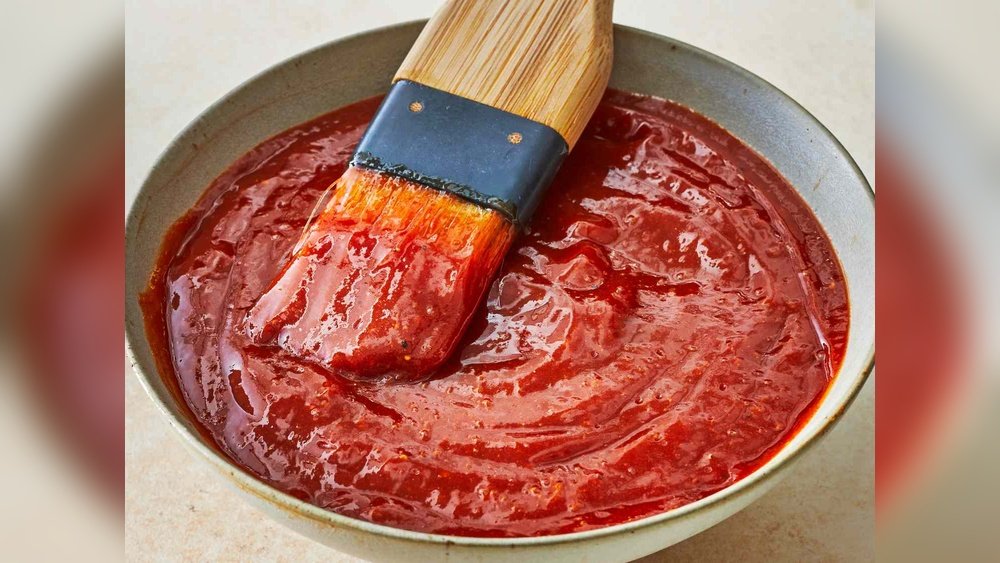

There’s something special about making your own BBQ sauce. You can control the flavor, the spice, and even the texture. If you’ve ever tasted store-bought sauces and thought, “This is good, but it’s missing something,” then homemade BBQ sauce might be exactly what you need. When you make it yourself, you can match your taste, adjust sweetness, and use fresh ingredients. It’s not just about flavor—it’s about the experience and pride of serving something you created.
This guide will show you how to make BBQ sauce from scratch, explain different styles, and share tips for perfecting your recipe. You’ll also learn about the history of BBQ sauce, how to use it, and how to store it safely.
Let’s dive into the world of homemade BBQ sauce and unlock flavors that store-bought brands can’t match.
What Is Bbq Sauce?
BBQ sauce is a condiment used mainly for grilled or smoked foods. It’s famous for its sweet, tangy, and smoky taste. People use it as a marinade, baste, or dipping sauce. The main ingredients usually include:
- Tomato (ketchup or paste)
- Vinegar
- Sweeteners (brown sugar, molasses, honey)
- Spices (mustard, pepper, paprika)
- Smoke flavor (liquid smoke or smoked spices)
Each region in the US has its own style. Some are thick and sweet, others are thin and tangy. The sauce’s flavor depends on the balance of ingredients. Homemade BBQ sauce lets you control that balance.
The History Of Bbq Sauce
BBQ sauce has roots in American history, especially in the Southern states. Early versions were simple—just vinegar, salt, and pepper. As time passed, people added tomato, sugar, and spices. The sauce became a symbol of regional cooking styles:
- Eastern North Carolina: Thin, vinegar-based, spicy
- Kansas City: Thick, tomato-based, sweet
- Texas: Bold, smoky, peppery
The sauce helped preserve meat and add flavor during outdoor cooking. Today, BBQ sauce is enjoyed worldwide, but its American origins are still strong.
Why Make Bbq Sauce At Home?
Homemade BBQ sauce has many advantages:
- Flavor control: Adjust sweetness, tanginess, and spice
- Freshness: Use natural ingredients, avoid preservatives
- Customization: Make it thicker, thinner, spicier, or milder
- Cost: Often cheaper than store-bought
- Diet: Avoid allergens, gluten, or artificial colors
Most people don’t realize that store-bought sauces often contain corn syrup or artificial flavors. By making your own, you can use honey, real sugar, or organic ketchup. You can also add a personal twist, like fresh herbs or fruit.
Key Ingredients Explained
Let’s look at the main ingredients you’ll need. Each one affects the sauce in a different way.
Tomato Base
Most BBQ sauces use ketchup or tomato paste. Ketchup gives sweetness and body. Tomato paste is thicker and less sweet. Choose ketchup for a classic taste, or paste for more control.
Vinegar
Vinegar adds tang and helps preserve the sauce. Common types are:
- Apple cider vinegar: Fruity, mild
- White vinegar: Strong, sharp
- Balsamic vinegar: Sweet, rich
Apple cider vinegar is popular in homemade recipes.
Sweetener
Sweetness balances acidity and spice. Options include:
- Brown sugar: Deep, molasses flavor
- Honey: Floral, light
- Molasses: Rich, strong
- Maple syrup: Unique, earthy
Brown sugar is most common, but honey gives a lighter texture.
Spices
Spices create depth and heat. Typical choices are:
- Mustard powder
- Black pepper
- Paprika
- Cayenne pepper
- Garlic powder
- Onion powder
Adjust spices for your taste. Paprika and cayenne add smokiness and heat.
Smoke Flavor
Liquid smoke or smoked paprika can give BBQ sauce a smoky aroma without a grill.
Salt
Salt enhances every other flavor. Use sea salt or kosher salt for best results.
Optional Ingredients
Try adding:
- Worcestershire sauce: Savory, umami
- Soy sauce: Adds salt and depth
- Hot sauce: For extra heat
- Fruit puree: Pineapple, peach, or mango for sweetness and flavor
Experiment with combinations to find your perfect sauce.
Types Of Bbq Sauce
Different regions have unique BBQ sauce styles. Here’s a quick comparison:
| Style | Main Ingredients | Flavor Profile | Common Use |
|---|---|---|---|
| Kansas City | Tomato, molasses, vinegar | Sweet, thick, smoky | Ribs, brisket |
| Carolina | Vinegar, pepper | Tangy, thin, spicy | Pulled pork |
| Texas | Tomato, spices, pepper | Bold, spicy, smoky | Beef, sausage |
| Alabama | Mayonnaise, vinegar | Rich, creamy, tangy | Chicken |
| Memphis | Tomato, vinegar, spices | Balanced, spicy | Pork ribs |
You can make any of these styles at home. The main difference is the balance between sweet, tangy, and spicy.
Homemade Bbq Sauce Recipe
Let’s make a classic Kansas City-style BBQ sauce. This recipe serves about 2 cups, enough for 6–8 people.
Ingredients
- 1 cup ketchup
- 1/2 cup apple cider vinegar
- 1/3 cup brown sugar
- 1/4 cup molasses
- 2 tablespoons Worcestershire sauce
- 1 tablespoon smoked paprika
- 1 tablespoon mustard powder
- 1 teaspoon garlic powder
- 1 teaspoon onion powder
- 1/2 teaspoon black pepper
- 1/2 teaspoon salt
- 1/4 teaspoon cayenne pepper (optional)
- 1 teaspoon liquid smoke (optional)
Instructions
- Combine all ingredients in a medium saucepan.
- Stir well to mix.
- Bring to a simmer over medium heat.
- Lower the heat and simmer for 15–20 minutes, stirring often.
- Taste and adjust salt, sugar, or spice as needed.
- Let cool. Use immediately or store in the fridge.
Cooking time: About 25 minutes
Serving size: 2 cups (serves 6–8)
Practical Tips
- If the sauce is too thick, add a splash of water.
- For a smoother sauce, blend with an immersion blender.
- Let the sauce cool before storing.
- Taste before finishing. Adjust ingredients to your liking.
Variations To Try
You can change the recipe to make different flavors. Here are some ideas:
- Spicy BBQ Sauce: Add extra cayenne and a few drops of hot sauce.
- Honey BBQ Sauce: Replace half the brown sugar with honey.
- Fruit BBQ Sauce: Blend in 1/4 cup peach or mango puree for a fruity twist.
- Carolina Style: Omit ketchup, double the vinegar, and add more black pepper.
- Smoky Texas Style: Use chipotle powder instead of paprika and increase the pepper.
Experiment and find your favorite. Homemade BBQ sauce is forgiving—you can fix mistakes easily.
Common Mistakes And How To Fix Them
Beginners often make these mistakes:
- Too sweet: Add more vinegar or mustard to balance.
- Too thin: Simmer longer or add more tomato paste.
- Too spicy: Add more sugar or ketchup.
- Too tangy: Add extra brown sugar or molasses.
- Burnt taste: Simmer on low heat and stir often.
A non-obvious tip: Always taste the sauce after cooling. Flavors change as it cools—what tastes bold when hot may taste milder later.
Storing Homemade Bbq Sauce
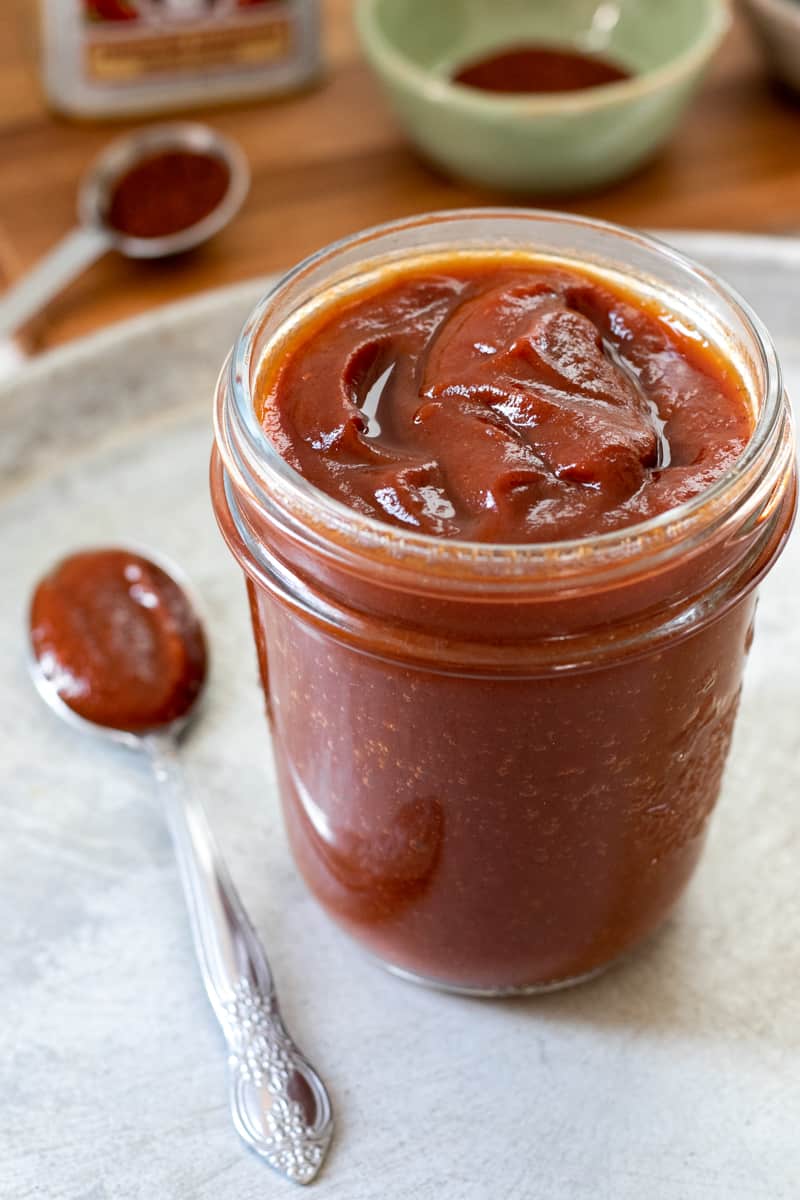
Homemade BBQ sauce lasts about 2–3 weeks in the refrigerator. Store in a clean glass jar or airtight container. Always use a clean spoon to prevent contamination.
If you want to keep it longer, freeze it in small portions. Thaw and stir before use.
How Long Does Homemade Bbq Sauce Last?
Here’s a quick comparison:
| Storage Method | Temperature | Shelf Life |
|---|---|---|
| Refrigerator | 35–40°F | 2–3 weeks |
| Freezer | 0°F | Up to 3 months |
| Room Temp (Unopened, canned) | 60–75°F | 6–12 months |
Homemade sauce does not contain preservatives, so check for spoilage before use.
How To Use Bbq Sauce
BBQ sauce is versatile. Here are some ways to use it:
- Baste: Brush sauce on meat during the last 10 minutes of grilling.
- Dip: Serve as a dip for chicken wings, fries, or vegetables.
- Marinade: Mix sauce with oil and coat meat before grilling.
- Sandwiches: Add to pulled pork, burgers, or grilled chicken.
- Pizza: Use instead of tomato sauce for BBQ chicken pizza.
Never add BBQ sauce too early when grilling—sugar can burn. Wait until the meat is almost done.
Bbq Sauce For Different Meats
Each type of meat pairs best with certain sauces. Here’s a quick guide:
- Pork: Sweet, tangy sauces (Kansas City, Memphis)
- Beef: Bold, spicy sauces (Texas style)
- Chicken: Creamy or fruity sauces (Alabama, honey BBQ)
- Ribs: Thick, sticky sauces
Try matching the sauce to the meat for the best flavor.

Nutritional Information
Homemade BBQ sauce is healthier than most store-bought versions. It has fewer additives and less sugar if you control the recipe. Here’s a typical breakdown per 2-tablespoon serving:
- Calories: 60–80
- Sugar: 8–12g
- Fat: 0g
- Sodium: 150–250mg
If you use honey or fruit, calories may be higher, but the sauce will have more vitamins.
Credit: myquietkitchen.com
Making Bbq Sauce For Special Diets
If you have dietary needs, homemade sauce is ideal. You can make it:
- Gluten-free: Use gluten-free ketchup and Worcestershire sauce
- Low-sugar: Replace sugar with stevia or monk fruit sweetener
- Vegan: Use vegan Worcestershire or omit it
Always check labels for hidden ingredients.
Example: Gluten-free Bbq Sauce
- Use gluten-free ketchup
- Substitute soy sauce with tamari
- Use apple cider vinegar
This makes the sauce safe for people with gluten allergies.
How Homemade Bbq Sauce Compares To Store-bought
Let’s see how homemade sauce compares to a typical store brand:
| Factor | Homemade | Store-Bought |
|---|---|---|
| Flavor | Customizable, fresher | Standard, often sweet |
| Ingredients | Natural, real food | Preservatives, corn syrup |
| Cost | Lower per batch | Higher per bottle |
| Nutrition | Lower sugar, salt | High sugar, sodium |
| Allergens | Easy to avoid | Hard to avoid |
A non-obvious insight: Homemade sauce can be adjusted quickly, even after cooking. If you taste it and want more heat or tang, just stir in extra spices or vinegar.
How To Make Bbq Sauce In Bulk
If you want to make a large batch, double or triple the recipe. Use a bigger pot and stir often. Bulk sauce is perfect for parties or meal prep.
Tip: Store in small jars or containers. This makes it easy to grab just what you need.
Safety And Shelf Life
Homemade BBQ sauce is safe if you follow these rules:
- Always use clean utensils and containers.
- Cool sauce before storing in the fridge.
- Don’t keep sauce at room temperature for more than 2 hours.
- If sauce smells sour or has mold, throw it away.
If you want to preserve sauce for months, use canning methods. Sterilize jars and use proper canning lids. Always check for signs of spoilage.
:max_bytes(150000):strip_icc()/51226-A-Very-Popular-BBQ-Sauce-mfs-2-4b5e154adb1e4280b0975bb276b6c142.jpg)
Credit: www.allrecipes.com
Creative Ways To Use Bbq Sauce
BBQ sauce isn’t just for grilling. Try these ideas:
- Salad dressing: Mix with olive oil for a smoky vinaigrette.
- Tacos: Drizzle on pulled chicken tacos.
- Roasted vegetables: Toss with carrots or potatoes before roasting.
- Eggs: Add a spoonful to scrambled eggs for a twist.
- Soup: Stir into tomato soup for smoky flavor.
These uses make BBQ sauce a pantry staple.
Bbq Sauce Around The World
BBQ sauce is popular in many countries. In Korea, people use gochujang for spicy BBQ. In South Africa, braai sauce is tangy and herbal. Australia’s BBQ sauce is sweeter, often used on burgers.
You can make international versions at home. Try adding soy sauce, ginger, or chili for Asian flavors. Or add curry powder for Indian-inspired BBQ sauce.
How To Develop Your Own Recipe
If you want to create a unique BBQ sauce, start with a basic recipe. Change one ingredient at a time, and keep notes. Taste each batch, and ask friends or family for feedback.
Steps to create your recipe:
- Start with ketchup, vinegar, sugar, and spices.
- Adjust sweetness, tang, and heat to your liking.
- Add one new ingredient—fruit, herbs, or special spices.
- Taste and record the results.
- Repeat until you find your signature sauce.
Many famous BBQ sauces started as homemade recipes. Don’t be afraid to experiment.
Bbq Sauce For Kids
Kids often prefer milder, sweeter sauces. To make a kid-friendly BBQ sauce:
- Use more honey or brown sugar.
- Reduce spices (less pepper, cayenne).
- Add fruit puree for extra sweetness.
Serve as a dip for chicken nuggets or fries.
Bbq Sauce For Vegetarians And Vegans
Homemade BBQ sauce is great for plant-based diets. It pairs well with:
- Grilled tofu or tempeh
- Roasted vegetables
- Veggie burgers
- Jackfruit “pulled pork”
To keep it vegan, avoid Worcestershire (or use vegan versions) and check ketchup for animal ingredients.
Using Bbq Sauce As A Gift
A jar of homemade BBQ sauce makes a thoughtful gift. Decorate the jar with a label and ribbon. Include a note about ingredients and suggestions for use.
Tip: Small jars are perfect for party favors or holiday gifts.
Advanced Tips For Flavor
If you want to take your sauce to the next level, try these advanced techniques:
- Roast your spices: Toast paprika and mustard powder in a dry pan before adding.
- Caramelize onions: Sauté onions until golden, then blend into the sauce.
- Add alcohol: A splash of bourbon or whiskey adds depth.
- Ferment: Let the sauce ferment for a day for complex flavor.
Most beginners don’t realize that roasting spices or caramelizing onions can change the flavor dramatically. These steps add richness and make your sauce stand out.
Bbq Sauce And Nutrition: Myths And Facts
Many people think BBQ sauce is unhealthy because of sugar. But homemade BBQ sauce can be healthy if you control the ingredients. Use honey, maple syrup, or fruit for natural sweetness. Reduce salt and avoid additives.
Fact: Homemade sauce is lower in sodium and sugar than most store brands.
Myth: All BBQ sauce is high in calories. With fresh ingredients and less sugar, homemade sauce can be part of a balanced diet.
Environmental Benefits Of Homemade Sauce
Making your own BBQ sauce is eco-friendly. You reduce packaging waste and can reuse jars. You can also buy local ingredients, lowering your carbon footprint.
Pairing Bbq Sauce With Drinks
BBQ sauce’s bold flavors go well with certain drinks:
- Beer: Pairs with sweet and spicy sauces
- Iced tea: Balances tangy flavors
- Red wine: Works with smoky, bold sauces
Choose drinks that match the main flavor of your sauce.
Bbq Sauce For Food Businesses
If you run a food business, homemade BBQ sauce can set you apart. Offer unique flavors or special dietary options. People remember signature sauces.
Tip: Test your sauce with customers before selling. Get feedback and improve.
Bbq Sauce And Food Safety
Always follow food safety rules:
- Wash hands and utensils before cooking.
- Use fresh, high-quality ingredients.
- Cool sauce quickly after cooking.
- Label jars with the date.
Food safety is key, especially if you gift or sell your sauce.

Credit: californiaprunes.org
Bbq Sauce Resources
For more ideas and recipes, check out Wikipedia’s BBQ Sauce page. It offers history, variations, and links to regional recipes.
Frequently Asked Questions
How Do I Make Bbq Sauce Less Sweet?
Add more vinegar or mustard powder. You can also reduce the amount of sugar or molasses. Taste as you go and adjust until balanced.
Can I Make Bbq Sauce Without Ketchup?
Yes. Use tomato paste or crushed tomatoes instead. Add extra sugar and vinegar to match the flavor of ketchup-based sauces.
What Is The Best Way To Store Homemade Bbq Sauce?
Store in a glass jar or airtight container in the refrigerator. Use within 2–3 weeks. For longer storage, freeze in small portions.
Can I Use Bbq Sauce As A Marinade?
Yes, but thin it with oil or water for better coverage. Marinate meat for 2–6 hours. Remember, BBQ sauce is thick and sticky, so it works best as a finishing sauce.
Is Homemade Bbq Sauce Healthier Than Store-bought?
Usually, yes. You can control sugar, salt, and additives. Homemade sauce uses real ingredients, making it better for most diets.
—
Making homemade BBQ sauce is a rewarding experience. You get fresh flavor, control over every ingredient, and a sense of pride. Whether you love sweet, tangy, or spicy sauces, there’s a recipe for you. Experiment, taste, and share your creations with friends and family. The world of BBQ sauce is big—start exploring today and enjoy every bite.