Chicken Marinades: Flavorful Recipes for Juicy, Tender Chicken
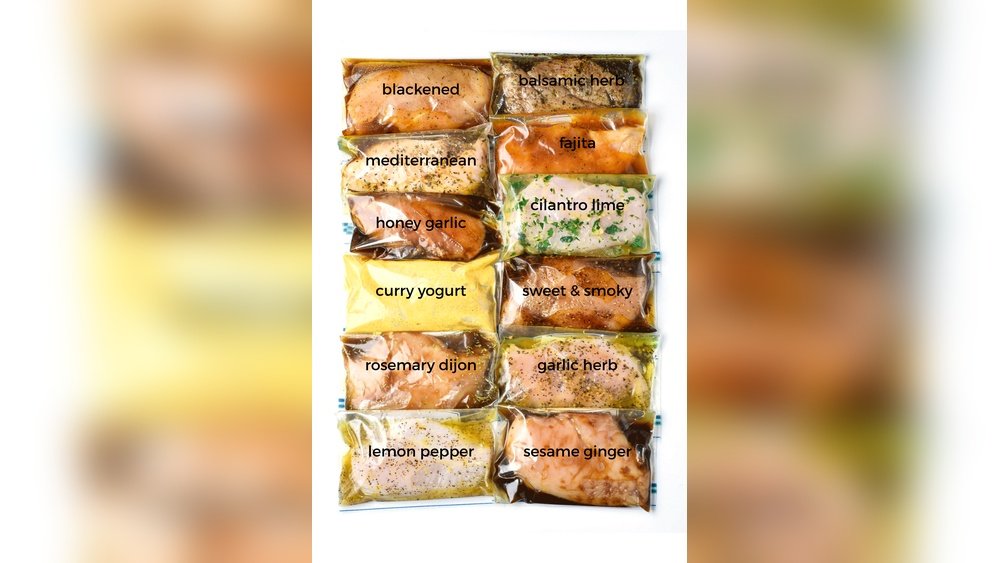

Chicken Marinades: The Secret To Flavorful, Juicy Chicken
Chicken is loved all over the world for its mild taste and versatility. However, plain chicken can sometimes feel boring. This is where chicken marinades come in. A good marinade can transform simple chicken into a dish full of flavor, tenderness, and aroma. Whether you cook at home often or are new to the kitchen, understanding chicken marinades opens up a world of possibilities. In this article, you’ll discover what makes a marinade work, different types from around the globe, and how to use them for best results. You’ll also get practical tips, common mistakes to avoid, and answers to questions people often ask.
What Is A Chicken Marinade?
A marinade is a mixture of ingredients used to soak chicken before cooking. The purpose is to add flavor, make the meat softer, and sometimes help it stay moist. Marinades usually have three main parts:
- Acid: Like lemon juice, vinegar, or yogurt. This helps break down tough fibers.
- Oil: Such as olive oil or sesame oil. It carries flavors and keeps the meat juicy.
- Flavorings: Herbs, spices, garlic, onion, soy sauce, and more.
The chicken is left to soak in the marinade for some time—this can be 30 minutes or several hours, depending on the recipe.
Why Marinate Chicken?
There are several reasons why marinating chicken makes a big difference:
- Flavor Boost: Marinades add taste inside and out, not just on the surface.
- Tenderness: Acids and enzymes in the marinade help soften the meat.
- Juiciness: Oil in the marinade helps lock in moisture, so chicken does not dry out.
- Variety: You can create many different styles—spicy, sweet, tangy, smoky, or herby.
How Marinades Work
When chicken soaks in a marinade, the acids and salt can change the structure of proteins. This creates small spaces that absorb more flavor and liquid. However, most marinades only penetrate about 1/4 inch into the meat. For thick pieces, scoring or cutting the chicken helps the marinade go deeper.
Key Ingredients In Chicken Marinades
Not all marinades are the same, but most use a mix of these core elements:
Acidic Ingredients
- Lemon or lime juice
- Vinegar (apple cider, white, balsamic)
- Yogurt or buttermilk
- Wine
Acid helps break down muscle fibers, making chicken more tender.
Oils
- Olive oil (most common)
- Canola or vegetable oil
- Sesame oil (for Asian-style marinades)
Oil spreads flavors and keeps the chicken moist.
Salty Or Umami Ingredients
- Soy sauce
- Fish sauce
- Worcestershire sauce
- Salt
These build a rich, savory taste.
Sweeteners
- Honey
- Brown sugar
- Maple syrup
- Molasses
Sweetness balances acidity and salt, and helps with browning.
Aromatics And Spices
- Garlic, ginger, onion
- Herbs (rosemary, thyme, cilantro)
- Spices (paprika, chili, cumin, pepper, curry powder)
These give the main flavors to your marinade.
Types Of Chicken Marinades
There are endless combinations, but most marinades fit into a few major types:
1. Classic Herb Marinade
This type uses olive oil, lemon, garlic, and fresh herbs. It’s great for grilled chicken breasts or drumsticks. It’s light, fresh, and works for many diets.
2. Asian-inspired Marinade
Uses soy sauce, ginger, garlic, sesame oil, and sometimes a touch of honey. It’s perfect for stir-fries, skewers, or baked chicken. The flavors are sweet, salty, and savory.
3. Spicy Marinade
Chili powder, cayenne, hot sauce, or fresh chilies add heat. These marinades are common in Mexican, Cajun, or Indian styles.
4. Yogurt-based Marinade
Popular in Middle Eastern and Indian cooking (like chicken tikka or shawarma). Yogurt not only adds tang but also makes the chicken extra tender.
5. Citrus Marinade
Lemon, lime, or orange juice with herbs and a bit of oil. Citrus breaks down the meat and adds brightness—perfect for summer grilling.
6. Sweet And Smoky Marinade
Brown sugar, molasses, smoked paprika, and a little vinegar. Used for BBQ chicken and gives a caramelized, smoky flavor.
Popular Chicken Marinade Recipes
Let’s look at some tried-and-true recipes that you can use at home. Each recipe is for about 1 pound (450g) of chicken and can be scaled up as needed.
Classic Lemon Herb Marinade
Ingredients:
- 1/4 cup olive oil
- 2 tablespoons lemon juice
- 2 garlic cloves, minced
- 1 tablespoon chopped fresh parsley
- 1 tablespoon chopped fresh thyme
- 1 teaspoon salt
- 1/2 teaspoon black pepper
Instructions:
- Mix all ingredients in a bowl.
- Add chicken, coat well, and marinate for at least 1 hour (up to 8 hours in the fridge).
- Grill, bake, or pan-fry as you like.
Asian Soy-ginger Marinade
Ingredients:
- 3 tablespoons soy sauce
- 2 tablespoons sesame oil
- 1 tablespoon honey
- 2 teaspoons grated fresh ginger
- 2 garlic cloves, minced
- 1 tablespoon rice vinegar
- 1/2 teaspoon chili flakes (optional)
Instructions:
- Combine everything in a resealable bag or bowl.
- Add chicken and turn to coat.
- Marinate in the fridge for 30 minutes to 4 hours.
- Cook as desired.
Spicy Cajun Marinade
Ingredients:
- 1/4 cup olive oil
- 2 tablespoons lemon juice
- 1 tablespoon Cajun spice mix (or a mix of paprika, cayenne, garlic powder, onion powder, oregano)
- 1 teaspoon salt
- 1/2 teaspoon black pepper
Instructions:
- Mix together all ingredients.
- Coat chicken and marinate for 1–4 hours.
- Grill or roast for a spicy kick.
Indian Yogurt Marinade
Ingredients:
- 1/2 cup plain yogurt
- 1 tablespoon lemon juice
- 2 teaspoons ground cumin
- 1 teaspoon turmeric
- 1 teaspoon paprika
- 1 teaspoon garam masala
- 1 tablespoon minced garlic
- 1 tablespoon grated ginger
- 1 teaspoon salt
Instructions:
- Blend all ingredients until smooth.
- Cover chicken pieces with marinade.
- Let sit in the fridge for 2–8 hours.
- Cook in oven, grill, or pan.
Honey Mustard Marinade
Ingredients:
- 1/4 cup Dijon mustard
- 2 tablespoons honey
- 2 tablespoons olive oil
- 1 tablespoon apple cider vinegar
- 1 garlic clove, minced
- 1/2 teaspoon salt
Instructions:
- Whisk together the marinade.
- Add chicken and marinate for 1–3 hours.
- Bake, grill, or sauté.
Citrus-garlic Marinade
Ingredients:
- Juice of 1 orange
- Juice of 1 lime
- 2 tablespoons olive oil
- 2 garlic cloves, minced
- 1 tablespoon chopped cilantro
- 1 teaspoon salt
- 1/2 teaspoon black pepper
Instructions:
- Mix all ingredients.
- Pour over chicken and marinate for 1–2 hours.
- Ideal for grilling.
Sweet Bbq Marinade
Ingredients:
- 1/4 cup ketchup
- 2 tablespoons brown sugar
- 2 tablespoons apple cider vinegar
- 1 tablespoon Worcestershire sauce
- 1 tablespoon smoked paprika
- 1 teaspoon garlic powder
- 1/2 teaspoon salt
Instructions:
- Stir ingredients in a bowl.
- Coat chicken and marinate for 1–2 hours.
- Grill or bake for a sticky, smoky finish.
How Long Should You Marinate Chicken?
Marinating time matters. Too little, and the flavor won’t go in. Too much, and the acid can make the chicken mushy.
Here’s a guide for different cuts:
| Chicken Cut | Minimum Time | Best Time | Maximum Time |
|---|---|---|---|
| Whole Chicken | 4 hours | 12 hours | 24 hours |
| Bone-in Thighs/Drumsticks | 1 hour | 6 hours | 12 hours |
| Boneless Breasts/Thighs | 30 minutes | 2 hours | 8 hours |
| Chicken Wings | 30 minutes | 2 hours | 8 hours |
| Chicken Tenders | 15 minutes | 1 hour | 4 hours |
Tip: If you use a high-acid marinade (lots of lemon or vinegar), don’t go past the “best time.” The meat can get too soft.
How To Marinate Chicken Safely
Food safety is essential when marinating. Here are key points to remember:
- Always marinate in the fridge, never on the counter.
- Use a glass, ceramic, or stainless steel container. Avoid aluminum (it reacts with acids).
- If you want to use leftover marinade as a sauce, boil it first to kill bacteria.
- Do not reuse marinade from raw chicken unless it’s cooked.
- Wash your hands and tools after handling raw chicken.
Cooking Methods After Marinating
Marinated chicken can be cooked in many ways. The method you choose will affect the final texture and flavor:
Grilling
Gives smoky flavor and charred edges. Oil-based marinades prevent sticking. Wipe off extra marinade before cooking to avoid flare-ups.
Baking Or Roasting
Great for juicy results and easy cleanup. Use a rimmed baking sheet or roasting pan. You can pour a little extra marinade over the chicken, but only if it has not touched raw meat or has been boiled.
Pan-searing
Quick and gives a nice crust. Good for boneless breasts or thighs. Don’t overcrowd the pan.
Broiling
High heat from above caramelizes sugars in the marinade. Watch closely to prevent burning.
Air Frying
A newer method that gives crispiness with less oil. Use thicker marinades for best results.
Slow Cooking
Works for some marinades, especially yogurt or tomato-based. Good for shredded chicken dishes.
How Marinades Affect Nutrition
Marinades can change the nutrition of chicken in several ways:
- Reduced Fat: Grilled marinated chicken needs less oil to stay moist.
- Added Sugar and Sodium: Some recipes use honey, sugar, or soy sauce. Watch amounts if you have health concerns.
- Antioxidants: Herbs, garlic, ginger, and spices can add healthy compounds.
- Safer Grilling: Marinades with herbs and acids can lower the formation of harmful substances (HCAs) when grilling at high heat.
Global Chicken Marinade Styles
Chicken marinades are found in almost every cuisine. Here’s a quick look at some famous styles from around the world.
| Region | Signature Marinade Ingredients | Common Dishes |
|---|---|---|
| Mediterranean | Olive oil, lemon, garlic, oregano | Greek souvlaki, Italian pollo al limone |
| East Asia | Soy sauce, ginger, garlic, sesame oil | Teriyaki chicken, Korean BBQ |
| South Asia | Yogurt, turmeric, cumin, chili, garlic | Tandoori chicken, chicken tikka |
| Latin America | Lime, orange, cilantro, chili | Pollo asado, Peruvian grilled chicken |
| North America | BBQ sauce, brown sugar, vinegar, paprika | BBQ chicken, buffalo wings |
| Middle East | Yogurt, lemon, garlic, sumac | Shawarma, shish taouk |
Insight: Many beginners miss that traditional marinades are often tied to local ingredients and climate. For example, yogurt is used in hot climates to tenderize tough cuts.
Mistakes To Avoid When Marinating Chicken
Some common errors can ruin a great marinade:
- Using Too Much Acid: Too much lemon or vinegar makes chicken mushy.
- Marinating Too Long: Over-marinating can make the texture unpleasant.
- Not Enough Salt: Salt helps flavors go inside the meat.
- Skipping Oil: No oil means dry chicken and less flavor absorption.
- Uneven Marinating: Not turning or mixing chicken leads to uneven taste.
- Cooking with Wet Marinade: Wipe off excess before grilling to prevent burning.
- Unsafe Practices: Never reuse marinade from raw chicken without boiling.
How To Choose The Right Marinade For Your Chicken
Choosing the right marinade depends on several factors:
- Cooking Method: Grilling favors oil-based, thicker marinades. For baking, almost any style works.
- Time Available: If you only have 30 minutes, pick a strong-flavored, quick marinade.
- Dietary Needs: For low-sodium diets, limit soy sauce. For low-fat, use yogurt or citrus-based marinades.
- Flavor Profile: Think about the cuisine you want to match—Asian, Mediterranean, BBQ, etc.
Quick Guide: Chicken Cuts Vs Marinade Types
| Chicken Cut | Best Marinade Style | Why |
|---|---|---|
| Breasts | Yogurt, citrus, herb-based | Adds moisture to lean meat |
| Thighs | Spicy, smoky, soy-ginger | Handles bold flavors, stays juicy |
| Drumsticks | BBQ, sweet & sour | Great for grilling and sticky marinades |
| Wings | Spicy, tangy, BBQ | Bold marinades stick well to skin |
| Whole Chicken | Mediterranean, citrus-herb | Even flavor, tenderizes all parts |
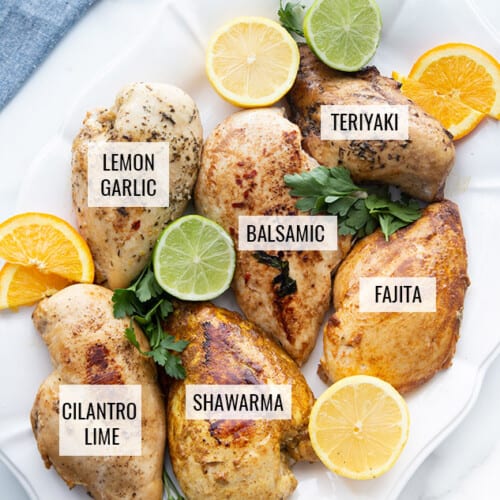
Credit: hilinelaw.com
Marinade Tips Only Experienced Cooks Know
- Balance Is Key: The best marinades have a balance of acid, salt, oil, and flavorings. Too much of one can overpower the chicken.
- Double Duty Marinades: Save some marinade (before adding raw chicken) to use as a sauce or glaze after cooking.
- Scoring or Pounding Chicken: For thick cuts, lightly score or pound the meat so the marinade soaks in better.
- Room Temperature Start: Let marinated chicken sit out for 15–20 minutes before cooking. This helps it cook more evenly.
- Use a Zip-Top Bag: Bags let the marinade coat chicken on all sides and are easy to clean up.
- Don’t Overcrowd the Pan or Grill: Cook in batches if needed so the chicken browns well.
- Try Enzyme Marinades: Some fruits like pineapple or papaya contain enzymes that quickly tenderize meat. But don’t marinate too long—these are very strong.
Non-obvious Insight: Many people think the longer you marinate, the better. In reality, over-marinating can make chicken tough, rubbery, or mushy, especially with acidic or enzyme-rich marinades.
Marinade Myths And Misconceptions
You might have heard some advice about marinades that isn’t true. Let’s clear up a few:
- Myth: Marinades deeply flavor the whole chicken.
Truth: Most flavor stays near the surface, so don’t expect deep penetration for thick pieces.
- Myth: You must always marinate overnight.
Truth: Some marinades work in just 30–60 minutes. Overnight can be too long for some recipes.
- Myth: All acids tenderize the same.
Truth: Vinegar is stronger than yogurt or citrus and can make chicken mushy faster.
- Myth: You can use any leftover marinade as a sauce.
Truth: Only if you boil it first to kill bacteria.
How To Store Marinated Chicken
Proper storage is important for safety and best flavor:
- In the fridge: Marinate up to the recommended time. Cover tightly.
- In the freezer: You can freeze chicken in marinade for up to 2 months. Thaw in the fridge before cooking.
- After marinating: Cook chicken within 24 hours for best quality.
Tip: If you want to prep ahead, portion chicken and marinade into freezer bags. Label with the date and flavor.
Chicken Marinades For Special Diets
People with different dietary needs can still enjoy great marinades. Here’s how:
- Low Sodium: Use herbs, citrus, and garlic. Limit soy sauce and salt.
- Gluten-Free: Use tamari or coconut aminos instead of soy sauce.
- Dairy-Free: Avoid yogurt or buttermilk marinades. Try citrus or olive oil-based.
- Low Sugar: Skip honey, sugar, or sweet sauces. Use spices and vinegar for flavor.
- Keto-Friendly: Use olive oil, herbs, spices, and no sugar.
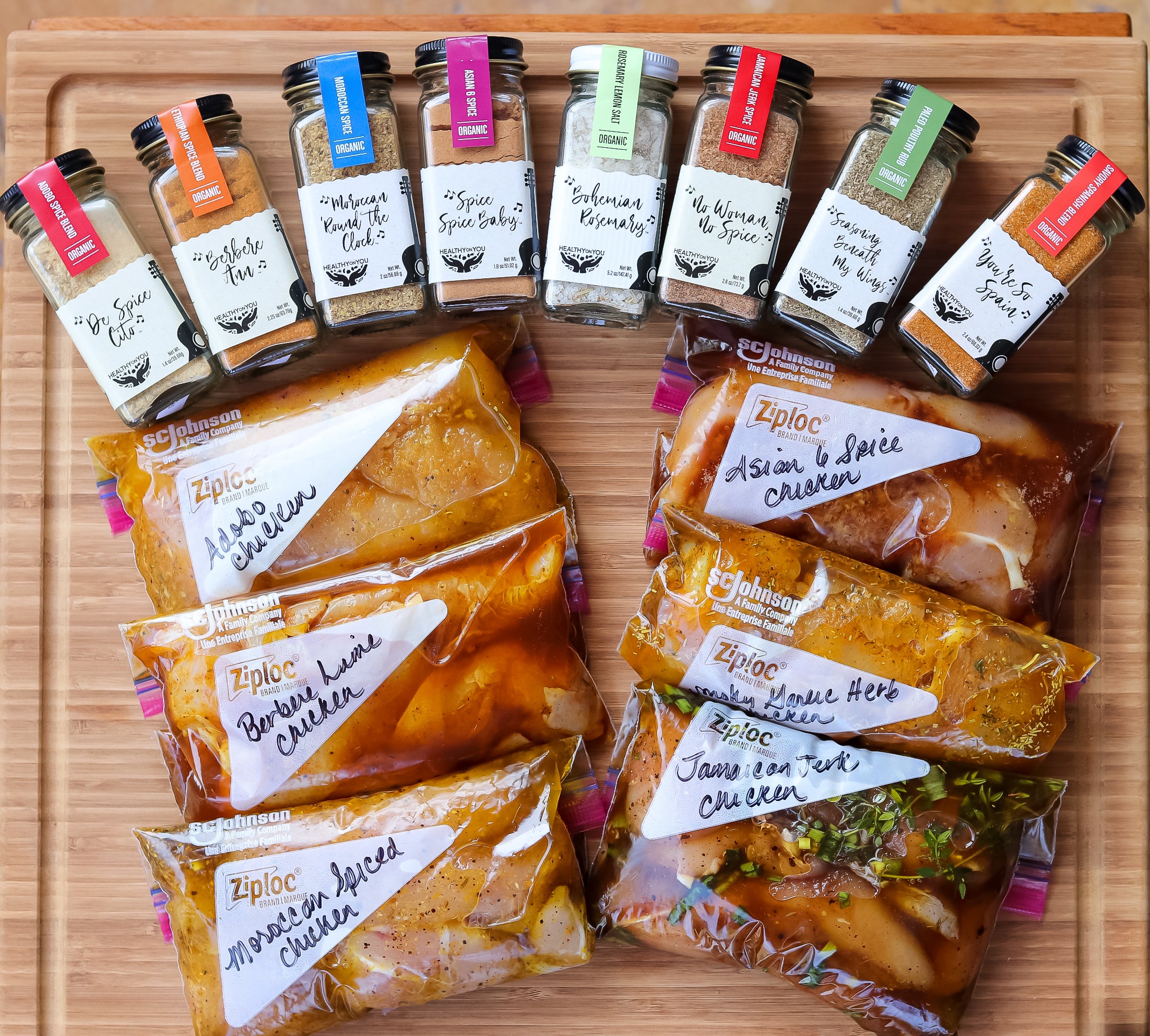
Credit: healthyonyou.com
Chicken Marinade Faqs: What Beginners Miss
1. Can I Reuse Leftover Marinade?
Only if you boil it first to kill bacteria. Never pour used marinade directly over cooked chicken.
2. Does Marinating Longer Always Mean More Flavor?
No. After a certain point, more time does not mean better flavor, and can hurt the texture.
3. Should I Poke Holes In The Chicken?
Lightly scoring or pounding can help, but don’t overdo it. Too many holes can make chicken lose juice.
4. Can I Freeze Chicken In Marinade?
Yes. This is a great way to meal prep. The marinade acts as a freezer bag flavor booster.
5. What If I Forgot To Marinate?
Use a quick marinade (30 minutes) with strong flavors, or make a sauce to serve after cooking.
Best Store-bought Chicken Marinades
Sometimes you need a shortcut. Store-bought marinades can be convenient but vary in quality. Here’s what to look for:
- Short ingredient lists: Fewer chemicals and preservatives.
- Real herbs and spices: Not just “flavorings.”
- Low sugar and salt: Check the label.
- No artificial colors: These add nothing to taste.
Top-rated Brands (us Market)
- Newman’s Own: Offers classic and bold flavors with real ingredients.
- Primal Kitchen: Known for clean, paleo-friendly marinades.
- Kikkoman: Trusted for Asian-style marinades.
Pro Tip: Even with store-bought, you can add fresh garlic, lemon, or herbs to boost the flavor.
Creative Ways To Use Chicken Marinades
Don’t just limit marinades to plain chicken pieces. Try these ideas:
- Skewers/Kebabs: Thread marinated chicken with veggies for grilling.
- Stir-Fries: Use Asian marinades for quick wok dishes.
- Stuffed Chicken: Marinate, then stuff with cheese or spinach before baking.
- Salad Toppers: Marinate, grill, and slice chicken for salads.
- Wraps & Sandwiches: Use marinated, cooked chicken as a filling.
- Shredded Chicken: Marinate, slow-cook, then shred for tacos or rice bowls.
How To Know When Marinated Chicken Is Cooked
Chicken is safe to eat at an internal temperature of 165°F (74°C). Use a meat thermometer for accuracy. Juices should run clear, not pink.
Tip: Marinated chicken sometimes looks darker due to soy sauce or spices. Don’t judge doneness by color alone—check the temperature.

The Science Behind Marinades: What Really Happens
When you soak chicken in a marinade, several things happen:
- Acid (like vinegar or lemon juice) starts breaking down proteins.
- Salt draws in water and flavors through osmosis.
- Oil helps dissolve fat-soluble flavor compounds and coats the meat.
- Enzymes (from yogurt, pineapple, or papaya) can quickly soften tough fibers.
However, only the outer layer of the chicken is affected. For thick pieces, marinades will not reach the center. This is why marinating thin cuts or scoring the meat works best.
Non-obvious insight: Spices like turmeric and paprika not only add color but also protect chicken from oxidation, keeping it fresher during cooking.
Chicken Marinades And Food Culture
Marinades are more than just flavor—they are a part of culture and tradition. In many places, family marinade recipes are passed down through generations. In the Caribbean, jerk chicken is marinated with allspice and Scotch bonnet peppers. In the Middle East, shish taouk uses yogurt, lemon, and garlic for a unique tang.
Interesting Fact: In some Asian countries, marinades are used to cure chicken for longer storage, not just for flavor. This method is centuries old.
:max_bytes(150000):strip_icc()/665982-italian-chicken-marinade-wannabe-chefette-4x3-1-ac0b567c5bd0457e96e6a15317d9ab57.jpg)
Credit: www.allrecipes.com
Quick Chicken Marinade Ideas For Busy Days
Short on time? Here are three super-fast marinades that work in just 15–30 minutes:
- Lemon-Pepper Splash: Lemon juice, olive oil, black pepper, salt.
- Soy-Garlic Dash: Soy sauce, garlic powder, a little sugar.
- Chili-Lime Zing: Lime juice, chili flakes, olive oil, salt.
Mix, coat, wait 15–30 minutes, and cook.
Marinades For Meal Prep And Batch Cooking
Marinating chicken is perfect for meal prep. Here’s how to do it efficiently:
- Batch Marinate: Prepare several bags with different marinades and freeze.
- Label Everything: Include date and flavor type.
- Cook Once, Eat Twice: Use marinated chicken for multiple meals—salads, wraps, rice bowls.
Tip: Some marinades (like yogurt-based) work better if not frozen for too long, as texture can change.
Environmental Impact: Marinades And Food Waste
Marinating tougher or leftover chicken pieces can help reduce food waste. By improving texture and flavor, you can enjoy every part of the chicken—not just boneless breasts. Using herbs from your garden or leftover citrus peels also cuts waste.
Non-obvious insight: Even small amounts of leftover marinade (before adding chicken) can be used to flavor grains, beans, or roasted vegetables.
Chicken Marinade Troubleshooting
If your marinated chicken didn’t turn out as expected, here’s what might have gone wrong:
- Chicken is tough: Too much acid or marinated too long.
- Chicken is bland: Not enough salt, or marinated too short.
- Chicken is dry: Overcooked, or no oil in marinade.
- Chicken is too salty: Too much soy sauce or salt in the mix.
Adjust next time by balancing acid, salt, oil, and time.

Frequently Asked Questions
How Long Is Too Long To Marinate Chicken?
Marinating chicken for over 24 hours is usually too long, especially with acidic marinades. The meat can become mushy or start to break down. For most recipes, 2–8 hours is best. Always follow the recipe for timing.
Can I Use The Same Marinade For Beef, Pork, Or Fish?
You can use similar ingredients, but the balance may need adjustment. Beef can handle stronger flavors and longer marinating, while fish needs milder, shorter marinades. Always check safe marinating times for each protein.
What Is The Best Way To Marinate Chicken For Grilling?
Use a marinade with oil, acid, and bold flavors. Pat chicken dry before grilling to prevent burning. Let chicken come to room temperature for 15–20 minutes before cooking for even results.
Are Marinades Healthy?
Most homemade marinades are healthy, especially when they use olive oil, fresh herbs, and natural acids. Watch out for added sugars and high-sodium sauces in store-bought versions. Marinades can even make grilled chicken safer by reducing harmful compounds.
Where Can I Learn More About The Science Of Marinades?
For more details on how marinades work, check out this Wikipedia page on Marination for scientific explanations and cultural history.
Chicken marinades are a simple way to make your meals more exciting, juicy, and flavorful. With endless combinations, you can match any cuisine or mood. Try different styles, experiment with ingredients, and enjoy the process. Remember, the best marinade is the one that makes you look forward to dinner.