Spicy Sauces: Ignite Your Taste Buds with Bold Flavor
Spicy Sauces: A Deep Dive into Heat, Flavor, and Global Culture
A spoonful of spicy sauce can wake up almost any dish. Across the world, people reach for bottles, jars, or homemade blends to add both heat and flavor. Spicy sauces are more than just condiments—they are traditions, stories, and even a test of bravery for some. From the burning chili oils of Asia to the tangy hot sauces of the Americas, these sauces bring excitement to food and sometimes, a little sweat to the brow.
But what makes a spicy sauce truly great? Is it just about how hot it is, or is there more to consider? In this guide, you’ll discover how spicy sauces are made, the wide variety found across cultures, how to use them wisely, and even how to create your own blend at home.
Whether you’re a spice lover or just curious, this article will help you understand and appreciate the world of spicy sauces.
What Makes A Sauce Spicy?
The sensation of spiciness comes mainly from a group of chemicals called capsaicinoids, found in chili peppers. The most famous is capsaicin, which tricks your nerves into feeling heat. Your tongue reacts as if it’s been burned, but no actual damage occurs.
Scoville Scale
The Scoville Heat Unit (SHU) measures the spiciness of peppers and sauces. For example:
- Bell pepper: 0 SHU
- Jalapeño: 2,500–8,000 SHU
- Tabasco sauce: 2,500–5,000 SHU
- Habanero pepper: 100,000–350,000 SHU
Some commercial hot sauces can reach over 1,000,000 SHU, but most people prefer sauces in the 1,000–10,000 SHU range for daily use.
Other Ingredients
While chili peppers provide heat, many spicy sauces contain:
- Vinegar: Adds tang and preserves the sauce
- Garlic and onions: Boost depth and aroma
- Sugar or fruit: Balances heat with sweetness
- Salt and spices: Round out the flavor
The balance of these ingredients is what separates a good sauce from a great one.
A Global Tour Of Spicy Sauces
All over the world, cultures have created their own spicy sauces. Each one reflects local ingredients and traditions.
North America
Hot sauce is a staple in the United States, with brands like Tabasco and Frank’s RedHot found in diners and homes. These sauces use vinegar, salt, and cayenne or tabasco peppers. In Mexico, salsa picante like Valentina and Cholula are common, made with dried chilies, vinegar, and spices.
Central And South America
In the Caribbean, Scotch bonnet and habanero peppers form the base of many sauces, often with fruit like mango or papaya for a sweet touch. In Peru, ají amarillo gives sauces a bright yellow color and medium heat. Chimichurri from Argentina is a spicy green sauce made with parsley, garlic, vinegar, and chili flakes.
Europe
Spicy sauces are less common, but some countries have their own versions. In Portugal, piri piri sauce uses African bird’s eye chilies, garlic, and olive oil. Hungary’s Erős Pista is a paste of hot paprika peppers.
Africa
Africa’s sauces are full of flavor and heat. Harissa from North Africa blends chilies with garlic, spices, and olive oil. In West Africa, shito combines dried fish, ginger, and hot peppers for a complex taste.
Asia
Asia offers a huge variety of spicy sauces:
- Sriracha (Thailand): Red chilies, garlic, vinegar, sugar
- Sambal oelek (Indonesia): Raw ground chilies, salt, vinegar
- Chili crisp (China): Oil, fried garlic, Sichuan peppercorns, dried chilies
- Gochujang (Korea): Fermented chili paste, sweet and spicy
Middle East
Zhug from Yemen is a bright green sauce with chilies, coriander, and spices. It’s spreading quickly in Western kitchens.
Types Of Spicy Sauces
Spicy sauces come in many forms. Some are thin and pourable, others are thick and chunky. Here’s a breakdown of major types:
Vinegar-based Sauces
Popular in the US and Caribbean, these are thin, tangy, and often bright red. Example: Louisiana hot sauce.
Fermented Sauces
Sauces like gochujang and Tabasco are aged for months. Fermentation adds complexity and umami.
Oil-based Sauces
Chili oil and chili crisp use hot oil to extract flavors from chilies and spices. They’re great for drizzling on noodles or rice.
Paste And Relish Sauces
Thicker and chunkier, these sauces like harissa or sambal can be used as a marinade or stirred into dishes.
Sweet And Spicy Sauces
Combine heat with sugar, honey, or fruit. Great for dipping or glazing meats.
The Science Of Heat: Why Do We Love Spicy Sauces?
Eating spicy food causes your body to react:
- Releases endorphins (feel-good hormones)
- Increases heart rate and sweat
- Can boost metabolism
People often crave the “rush” that follows a spicy meal. For some, it’s also about building tolerance—each level of heat conquered brings a sense of achievement.
:max_bytes(150000):strip_icc()/best-hot-sauces-4688507-7f06292281484056a19c3bdc2f33b855.jpg)
Credit: www.thespruceeats.com
Popular Peppers In Spicy Sauces
Different chilies bring unique flavors and heat levels. Here’s a look at common peppers used in sauces:
| Pepper | Origin | Scoville Range | Flavor Profile |
|---|---|---|---|
| Jalapeño | Mexico | 2,500–8,000 | Fresh, grassy |
| Habanero | Caribbean | 100,000–350,000 | Fruity, floral |
| Scotch Bonnet | Caribbean | 100,000–350,000 | Sweet, tropical |
| Serrano | Mexico | 10,000–23,000 | Crisp, bright |
| Bird’s Eye | Africa/Asia | 50,000–100,000 | Pungent, sharp |
| Ghost Pepper | India | 1,000,000+ | Intense, earthy |
How To Use Spicy Sauces In Cooking
You can use spicy sauces in many ways, not just as a dip or topping. Here are some ideas:
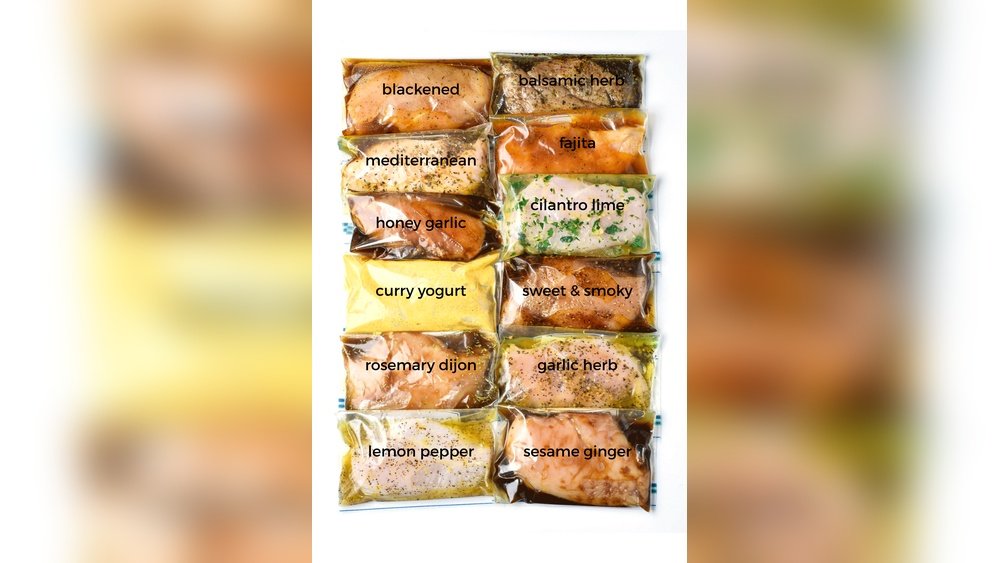
- Marinades: Add a spoonful to meat or tofu before grilling.
- Soups and Stews: Stir in for depth and a hint of heat.
- Egg Dishes: A dash on scrambled eggs or omelets.
- Sandwiches and Wraps: Spread on bread or tortillas.
- Pasta and Noodles: Mix with sauce or toss with cooked noodles.
- Salad Dressings: Blend with oil and vinegar.
- Pizza: Drizzle over slices for an extra kick.
Cooking Tips
- Start with a small amount. You can always add more.
- Add sauce at the end of cooking to keep flavor bright.
- Some sauces are best uncooked (like chili crisp) for texture and aroma.
Making Your Own Spicy Sauce At Home
Homemade spicy sauce can be simple and rewarding. Here’s a basic recipe for a fermented hot sauce:
Ingredients
- 1 pound fresh hot chilies (jalapeño, habanero, or a mix)
- 4 cloves garlic
- 2 teaspoons salt
- 1 cup water
- 1/2 cup vinegar (white or apple cider)
Steps
- Wash and chop chilies (remove seeds for less heat).
- Add chilies, garlic, salt, and water to a clean jar.
- Weigh down chilies with a small jar or glass to keep submerged.
- Cover jar with cloth and let ferment at room temperature (3–7 days).
- When bubbly and tangy, blend the mixture.
- Stir in vinegar.
- Store in fridge up to 3 months.
Tips
- Use gloves when handling hot peppers.
- Taste daily; when you like the flavor, blend and refrigerate.
- Try adding fruit (mango, pineapple) for a sweet-spicy version.
Comparing Top Bottled Spicy Sauces
Supermarkets offer many choices. Here’s a comparison of popular options:
| Brand | Origin | Heat (SHU) | Main Pepper | Flavor Notes |
|---|---|---|---|---|
| Tabasco | USA | 2,500–5,000 | Tabasco | Vinegar, tangy |
| Sriracha | Thailand/USA | 2,200 | Red Jalapeño | Garlic, sweet |
| Cholula | Mexico | 3,600 | Piquin, Arbol | Smoky, mild |
| Valentina | Mexico | 900–2,100 | Puya | Citrusy, mild |
| Frank’s RedHot | USA | 450 | Cayenne | Buttery, mild |
| Huy Fong Chili Garlic Sauce | USA | 1,000–2,000 | Jalapeño | Chunky, garlicky |
| El Yucateco Green | Mexico | 8,000–9,000 | Habanero | Herbal, sharp |
Health Benefits And Risks
Spicy sauces do more than add flavor. Some studies suggest eating chilies may:
- Boost metabolism (helping burn calories)
- Lower blood pressure
- Act as an antioxidant
However, there are risks if you overdo it:
- Can cause stomach pain or heartburn
- May irritate mouth or skin
- Not suitable for people with some digestive issues
As with any food, moderation is key.
Spicy Sauces In Food Culture
Spicy sauces are woven into the food culture of many regions. In Mexico, bottles of hot sauce are present at nearly every table. In Thailand, chili sauces are used at breakfast, lunch, and dinner. In the US, hot sauce is growing in popularity—over 50% of American households now keep at least one bottle in their fridge.
Competitions like Chili Eating Contests and “Hot Ones” (a web show where celebrities eat wings with increasing heat) have brought spicy sauces into pop culture. Some people collect hot sauces, searching for unique bottles or extreme heat levels.
Social And Regional Differences
Different regions have unique preferences. For example:
- In the American South, vinegar-based hot sauces are most popular.
- In East Asia, oil-based chili condiments are common.
- In the Caribbean, thick, fruity, pepper sauces dominate.
These differences are part of what makes exploring spicy sauces so much fun.

Credit: www.eatthis.com
How To Choose The Right Spicy Sauce
With so many options, picking the right spicy sauce can be overwhelming. Here are some things to consider:
Heat Level
Know your tolerance. Mild sauces (under 2,000 SHU) are great for beginners. Medium sauces (2,000–10,000 SHU) work for most people. Extra hot (above 10,000 SHU) is for those who enjoy the burn.
Flavor Profile
- Do you like smoky or fruity?
- Prefer vinegar tang or sweetness?
- Some sauces have lots of garlic, others are pure chili.
Try a few different styles to see what suits your taste.
Texture And Use
- Thin, pourable sauces are best for splashing on food.
- Chunky, relish-style sauces are good for sandwiches or mixing into dips.
- Oil-based sauces work great with noodles or rice.
Ingredients
Read labels. Some sauces have preservatives, artificial colors, or high sugar. If you prefer natural sauces, look for simple ingredient lists.
Packaging
Glass bottles are usually better for flavor and storage. Squeeze bottles are more convenient for casual use.
Making The Most Of Spicy Sauces
Try these ideas to expand your spicy sauce experience:
- Spicy Mayo: Mix hot sauce with mayonnaise for a creamy, spicy spread.
- Buffalo Sauce: Combine hot sauce with melted butter for wings.
- Sweet Heat Glaze: Blend hot sauce with honey or maple syrup to glaze chicken or tofu.
- Fiery Salsa: Add hot sauce to fresh tomatoes, onions, and cilantro.
- Spicy Cocktails: A dash of hot sauce in a Bloody Mary or Michelada.
Storage Tips
- Keep most sauces in the fridge after opening to extend shelf life.
- Oil-based sauces should be used within a few months.
- Fermented sauces last longer due to acidity.
The Science Behind “chili Head” Challenges
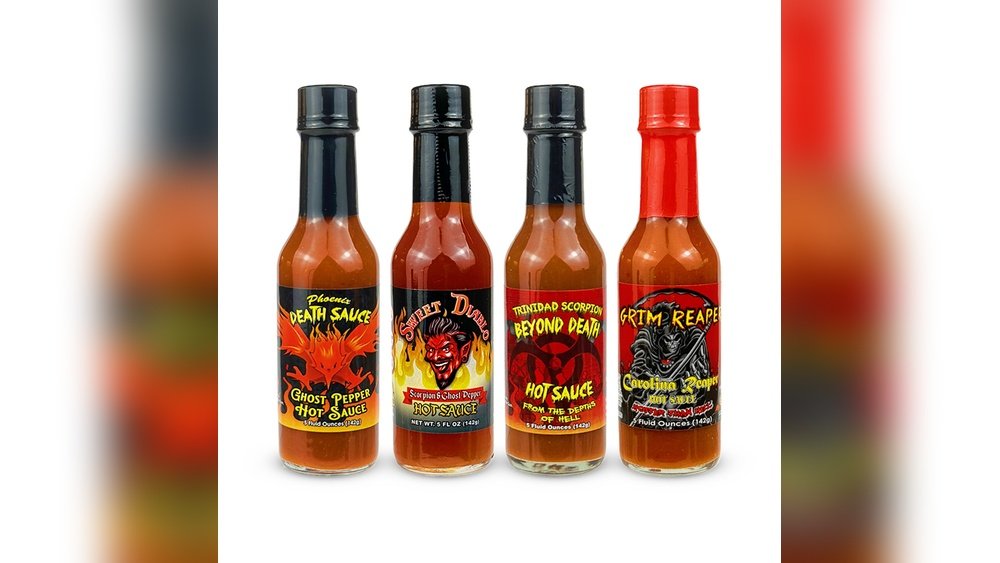
Some people crave extreme heat. Superhot sauces use peppers like Carolina Reaper or Trinidad Scorpion, which can reach over 2 million SHU. Eating these can cause tears, sweating, or even hiccups.
Why do people do it? For some, it’s about the endorphin rush. For others, it’s social—proving they can handle the hottest sauce in the group. But it’s important to know your limits. Extreme sauces are not for everyone and can cause real discomfort.
Spicy Sauce Trends
The world of spicy sauces is always changing. Some current trends:
- Chili Crisp Craze: Chinese-style chili crisp is gaining fans worldwide for its crunchy bits of garlic and shallot.
- Fermented Sauces: More brands are making aged, probiotic-rich sauces.
- Unique Ingredients: Some sauces use yuzu (Japanese citrus), smoked peppers, or even coffee.
- Artisanal Brands: Small-batch sauces with local ingredients are popular at farmers’ markets and specialty shops.
- Heat and Sweet: Sauces blending chili with fruit (like pineapple or blueberry) are on the rise.
How To Host A Spicy Sauce Tasting
Want to share your love of spicy sauces? Host a tasting party:
- Gather 6–8 sauces with different heat levels and origins.
- Provide neutral foods (bread, chips, rice) for tasting.
- Offer milk or yogurt to help cool the burn.
- Label each sauce and have guests rate them for heat, flavor, and overall enjoyment.
- Discuss favorites and new discoveries.
This is a great way to explore new flavors and learn how different sauces pair with foods.

Spicy Sauce Myths And Common Mistakes
Many people believe the following myths:
- Myth: Water helps with chili burn.
- Truth: Dairy (milk, yogurt) works better. Water spreads the capsaicin.
- Myth: All hot sauces are the same.
- Truth: Every sauce has a unique flavor and heat profile.
- Myth: Spicy sauce will always upset your stomach.
- Truth: Many people enjoy spicy food without problems. Start slow and listen to your body.
Common Mistakes:
- Using too much sauce the first time. Start with a drop, not a spoonful.
- Not shaking the bottle—ingredients can separate.
- Storing sauce in a warm place, which can cause spoilage.
:max_bytes(150000):strip_icc()/Hot-Sauce-Taste-Test-Results-badge-4da10440932445a4a39bf7b6f66f23ee.jpg)
Credit: www.foodandwine.com
Spicy Sauces For Special Diets
Many spicy sauces are naturally vegan and gluten-free, but not all. Some contain:
- Fish sauce (common in Asian chili sauces)
- Wheat (in some soy-based sauces)
- Honey
If you have dietary needs, check the ingredient list or make your own.
The Environmental Impact Of Spicy Sauce Production
Growing chili peppers is generally low-impact, but some factors matter:
- Water use: Peppers need less water than some crops.
- Transportation: Local brands have a smaller carbon footprint.
- Packaging: Glass is more recyclable than plastic.
Supporting small, local sauce makers can be a greener choice.
Collecting Spicy Sauces
Some fans collect bottles from around the world. Unique labels, rare peppers, and limited editions are prized. Collectors often display bottles in kitchens or “man caves. ” Just remember, sauces can lose flavor over time, so don’t be afraid to open and enjoy them.
Pairing Spicy Sauces With Foods
Matching the right sauce to the right dish can elevate a meal. Here are some pairing ideas:
| Food | Recommended Sauce Type | Why It Works |
|---|---|---|
| Tacos | Mexican hot sauce (like Valentina) | Tangy and mild, complements fillings |
| Fried Rice | Chili crisp or sambal | Adds crunch and umami |
| Grilled Chicken | Piri piri or harissa | Herbal heat, works as marinade |
| Pizza | Sriracha | Sweet heat balances cheese |
| Burgers | Spicy mayo or jalapeño relish | Creamy and spicy, boosts flavor |
| Sushi | Wasabi sauce | Cleans palate, adds quick heat |
Spicy Sauce As A Gift
A bottle of unique spicy sauce makes a great gift for food lovers. Look for local brands, limited editions, or gift sets with different heat levels. Add a note with serving ideas to make it personal.
How To Make Spicy Sauce Milder
If a sauce is too hot, you can:
- Mix with mayonnaise, sour cream, or yogurt.
- Add a little sugar or honey.
- Dilute with tomato sauce or vinegar.
This lets you enjoy the flavors without overwhelming heat.
Where To Find Unique Spicy Sauces
Besides the supermarket, you can find interesting sauces at:
- Farmers’ markets
- International grocery stores
- Online shops specializing in hot sauces
- Food festivals
Some people travel just to taste local sauces, bringing back bottles as souvenirs.
Non-obvious Insights For Spicy Sauce Lovers
- Aging changes flavor: Even after opening, a sauce’s taste can mellow or deepen over time.
- Layering sauces: You don’t have to pick just one. Try using a mild sauce as a base and a drop of a superhot on top for complexity.
- Heat builds: The more you eat, the hotter it feels—so take breaks between bites.
- Oil-based sauces can separate: This is normal; just stir or shake before using.
- Spicy sauces can “wake up” leftovers: A few drops on yesterday’s food can make it feel fresh.
Spicy Sauces In Restaurants
Many restaurants make their own signature sauces. Don’t hesitate to ask for a taste or what’s in the house blend. Some chains now sell their sauces for you to enjoy at home.
The Future Of Spicy Sauces
With global tastes mixing more than ever, expect to see new flavors—like Indian-inspired curry hot sauces or African peri-peri blends in mainstream stores. Health trends may also lead to more probiotic, low-salt, or sugar-free options.
Frequently Asked Questions
What Is The Hottest Spicy Sauce In The World?
The hottest sauces use extracts from superhot peppers like the Carolina Reaper or Pepper X. Some sauces reach over 3 million SHU, but these are for novelty, not regular eating.
How Should I Store Spicy Sauce?
Most sauces should be kept in the refrigerator after opening to preserve freshness. Oil-based or fermented sauces can be kept at room temperature for a short time but last longer chilled.
Can I Make Spicy Sauce Without Vinegar?
Yes. Many Asian and African sauces use oil, citrus, or fermentation instead of vinegar. Vinegar helps preserve, but isn’t required for flavor.
Is Spicy Sauce Good For Your Health?
In moderation, yes. Chili peppers contain vitamin C, antioxidants, and may boost metabolism. However, too much can irritate your digestive system. Always listen to your body.
Where Can I Learn More About Spicy Sauces?
Great resources include cookbooks, food blogs, and specialty websites. For a deep dive into chili peppers and sauces, see the Wikipedia page on hot sauce.
—
Spicy sauces are more than just heat—they’re about flavor, culture, and adventure. Whether you buy, collect, or make your own, there’s a whole world to explore, one drop at a time. Start small, try new things, and enjoy the journey through the bold, colorful world of spicy sauces.