Direct Vs Indirect Heat (BBQ): Master Grilling Techniques Explained

Barbecue is more than just cooking outdoors—it’s a mix of science, art, and tradition. One of the most important choices you make when grilling is how you use heat. Direct heat and indirect heat are two main methods, and each brings different results to your food. If you’ve ever wondered why some steaks get perfect sear while others cook slowly and evenly, or why chicken sometimes dries out, understanding these methods is the key.
Many beginners don’t realize that choosing between direct and indirect heat changes not only the flavor and texture, but also how easy it is to control the cooking. Each approach is suited to different foods and recipes, so using the right one can turn your BBQ from average to excellent.
In this guide, you’ll learn what each method is, how to use them, and when to switch—plus some advanced tips that most people miss.
What Is Direct Heat?
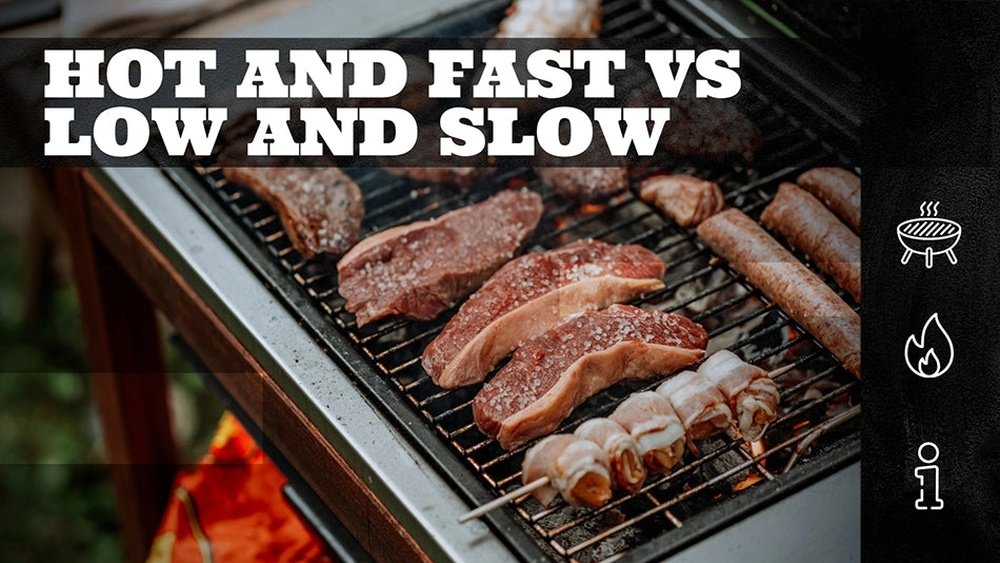
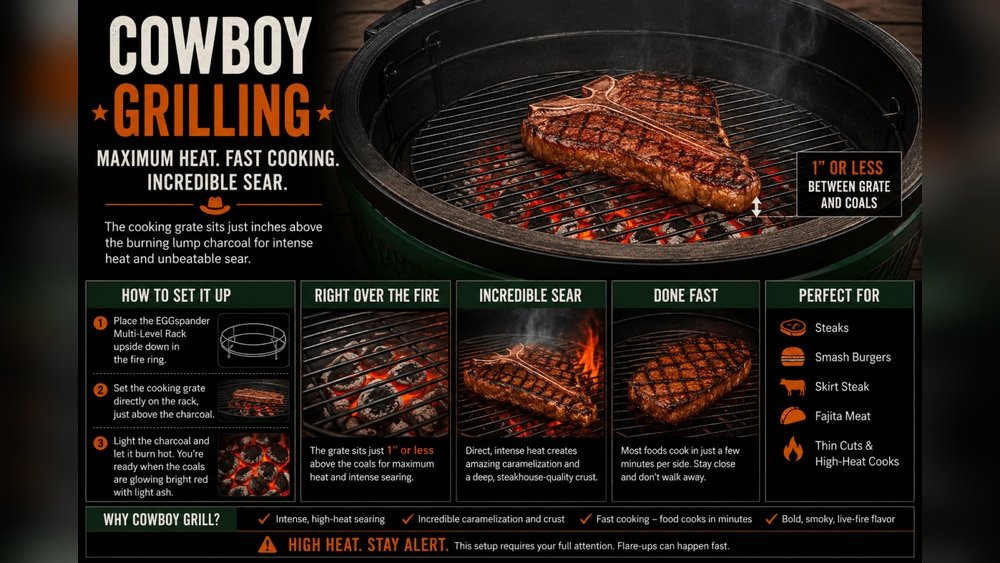
Direct heat is like cooking over a stove burner. You place food right above the flame or hot coals. The high temperature hits the food fast, making it ideal for searing and quick grilling.
How Direct Heat Works
With direct heat, the energy comes straight from the fire to your food. The surface gets very hot, sometimes reaching 500°F or higher. This causes food to brown quickly, creating a tasty crust known as the Maillard reaction. The inside of the food may stay less cooked, making it perfect for foods that need a crisp outside but not a long cook.
If you want bold grill marks and a charred crust, direct heat is the way to go. This method works well for foods that benefit from a short, intense blast of heat. The fast cooking also helps keep juices inside, so meats stay tender and moist if you don’t overcook them.
Best Foods For Direct Heat
Direct heat is best for:
- Steaks: Thick cuts like ribeye or sirloin get a beautiful sear and a juicy center. For thinner steaks, direct heat ensures they cook fast and don’t dry out.
- Burgers: Quick cooking keeps them juicy. The direct flame locks in flavor and gives you that classic burger taste.
- Hot dogs and sausages: Cooks evenly and fast. If you want a snappy bite and smoky flavor, direct heat works well.
- Chicken breasts: Thin pieces finish quickly without drying. The outside gets crisp while the inside stays tender.
- Fish fillets: Just a few minutes per side. Fish is delicate, and direct heat helps avoid overcooking.
Foods that are thin or need a crisp surface do well here. Most vegetables, like asparagus or bell peppers, also work great. You can grill sliced zucchini, mushrooms, or even pineapple for a quick, flavorful side.
Example: If you’re grilling shrimp, direct heat cooks them in 2–3 minutes per side. This keeps them tender and prevents rubbery texture.
How To Set Up Direct Heat
On a charcoal grill: Spread the coals evenly across the bottom. Place the grate above, and cook directly over the hot area. Make sure the layer of coals is thick enough to produce high heat.
On a gas grill: Turn all burners to high. Place food right above the burners. If your grill has a lid, keep it open for thin foods to avoid overcooking.
Pro Tip: Use direct heat for the first and last minute when grilling thicker cuts. This gives you the best crust and flavor.
If you want extra flavor, try brushing the food with oil or a simple rub before grilling. For even cooking, keep the food moving and flip once or twice.
What Is Indirect Heat?
Indirect heat is more like oven baking than frying. Food sits away from the flames, and heat surrounds it gently. This method cooks food slowly and evenly, making it ideal for bigger cuts.
How Indirect Heat Works
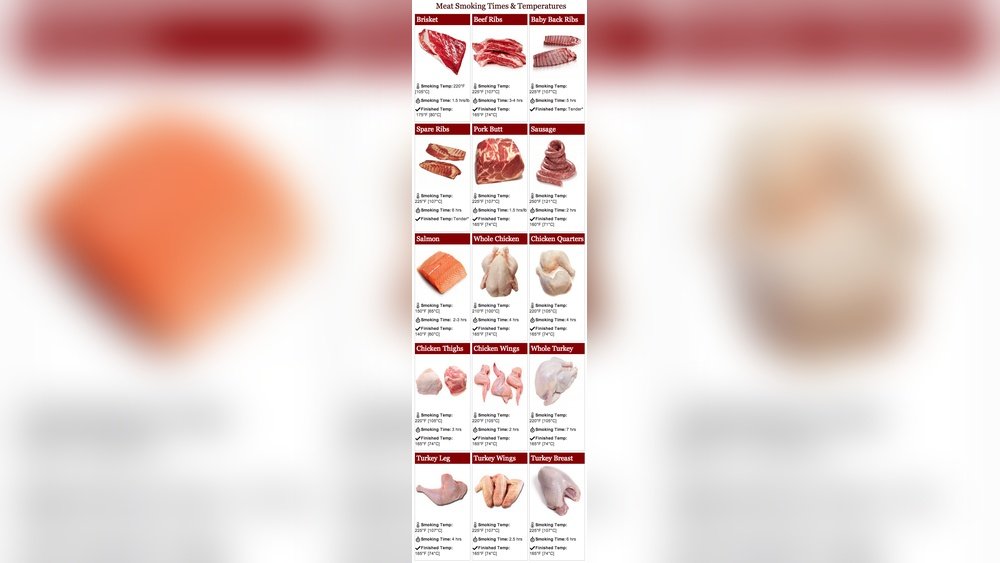
With indirect heat, you create a zone with no flames or coals under the food. Heat travels around the grill, using air to cook. Temperatures are lower, usually 225°F to 350°F, which prevents burning and gives time for flavors to develop.
Indirect heat is especially helpful for recipes that need time, like slow-roasting or smoking. The gentle heat lets the inside of the food cook without burning the outside. Marinades and spices have more time to soak in, making the flavor deeper.
If you want juicy, tender meat and don’t mind waiting, indirect heat is your friend. It’s also perfect for cooking with a lid closed, as the heat circulates and cooks from all sides.
Best Foods For Indirect Heat
Indirect heat is best for:
- Whole chickens or turkeys: Cooks through without burning skin. The gentle heat helps the bird cook evenly, and the skin turns golden without charring.
- Ribs: Low and slow creates tender meat. Ribs need time for the fat and connective tissue to break down.
- Roasts: Pork or beef roasts need time to cook evenly. Indirect heat ensures the center cooks while the outside stays juicy.
- Brisket: Needs hours to break down and stay moist. The slow process is what gives brisket its famous texture.
- Large fish: Won’t dry out or fall apart. Whole salmon or trout cook perfectly without sticking or burning.
Thick or tough cuts, or foods that need longer cooking, should use indirect heat. Even some vegetables—like potatoes—benefit from this gentle method. For example, baked potatoes or stuffed peppers cook better with indirect heat.
Example: If you’re grilling a pork shoulder, indirect heat lets it cook for hours, resulting in soft, pull-apart meat.
How To Set Up Indirect Heat
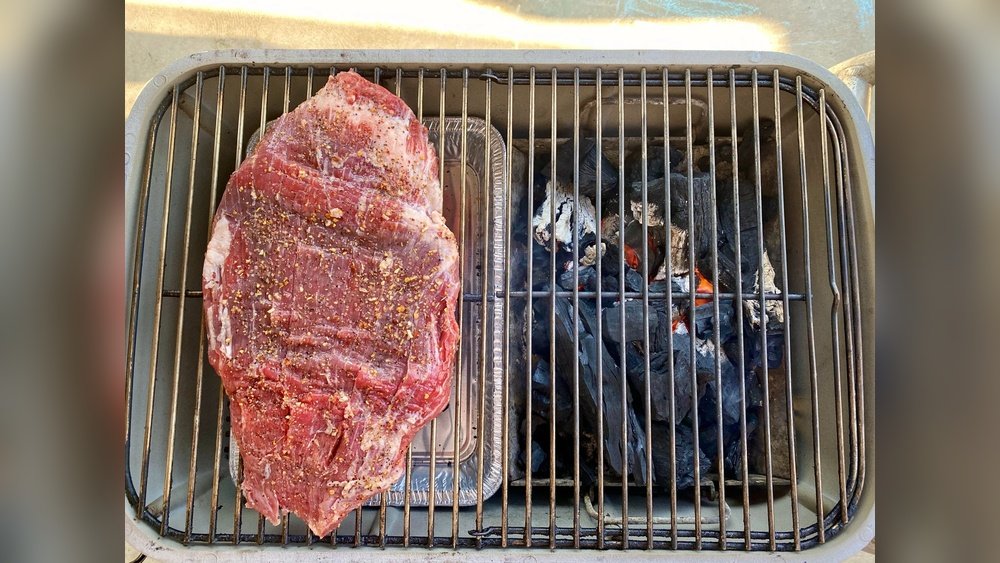
On a charcoal grill: Push coals to one side or split them into two piles. Place a drip pan in the center, with food above the pan. The drip pan catches fat and juices, preventing flare-ups.
On a gas grill: Turn one burner off or set burners to different levels. Place food over the area without flames. If your grill has multiple burners, use two or three zones for better control.
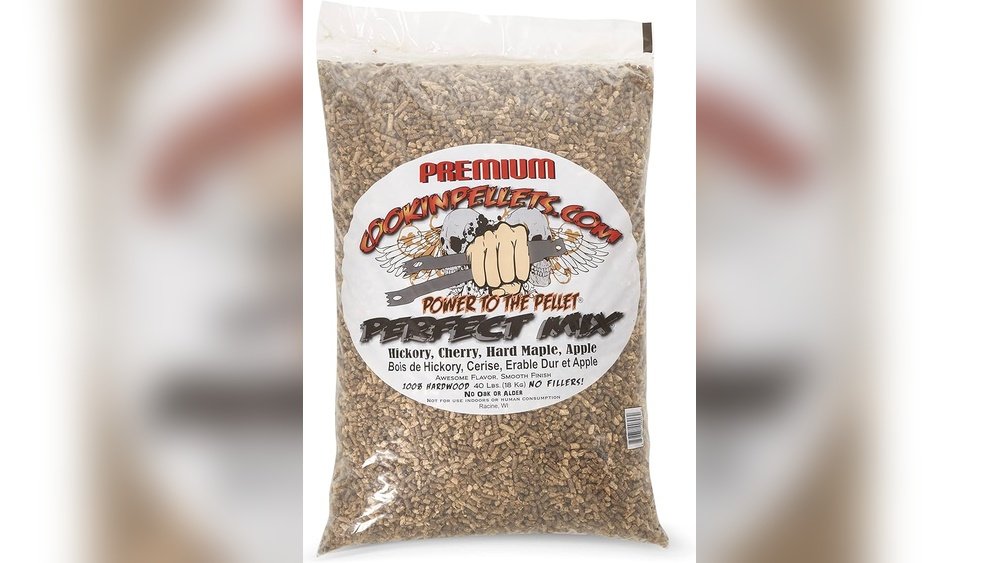
Pro Tip: For smoky flavor, add wood chips to the hot area. The smoke moves around the food in the indirect zone.
You can also cover the grill with a lid to trap heat and smoke. This turns your grill into an oven, perfect for slow-cooking.

Direct Vs Indirect Heat: Key Differences
To understand which method to use, you need to see the main differences. Here is a comparison:
| Feature | Direct Heat | Indirect Heat |
|---|---|---|
| Temperature | High (400-550°F) | Low/Medium (225-350°F) |
| Cooking Time | Fast (minutes) | Slow (hours) |
| Food Placement | Directly over flame/coals | Away from flame/coals |
| Best For | Thin cuts, quick cooking | Large cuts, slow cooking |
| Texture | Crispy, seared exterior | Even, tender interior |
| Flavor | Charred, smoky | Deep, developed |
Extra Detail: If you’re unsure which method to use, check the recipe’s cooking time and thickness of the food. Fast recipes and thin foods usually need direct heat. Thick foods or long recipes need indirect heat.
When To Use Direct Or Indirect Heat
Choosing the right method depends on the food and the result you want. Here’s how to decide:
Direct Heat Is Best When
- Cooking thin meats (steak, burgers, fish).
- You want a crispy crust.
- The food cooks in under 15 minutes.
- You need quick caramelization.
Direct heat is also good for grilling bread, like naan or pita, where you want fast browning. It’s perfect for appetizers or quick snacks.
Indirect Heat Is Best When
- Cooking large or thick meats (whole chicken, brisket).
- You want tender, juicy results.
- The recipe takes over 30 minutes.
- Avoiding burning or drying out.
Indirect heat is the right choice if you’re preparing party-sized dishes or want to use BBQ as a slow cooker. It’s also safer for foods with lots of marinade or sugar, which can burn easily.
Non-obvious Insight: Many beginners use direct heat for everything. But even foods like chicken wings or pork chops taste better if you start with indirect heat and finish with direct for crispiness.
Combining Direct And Indirect Heat
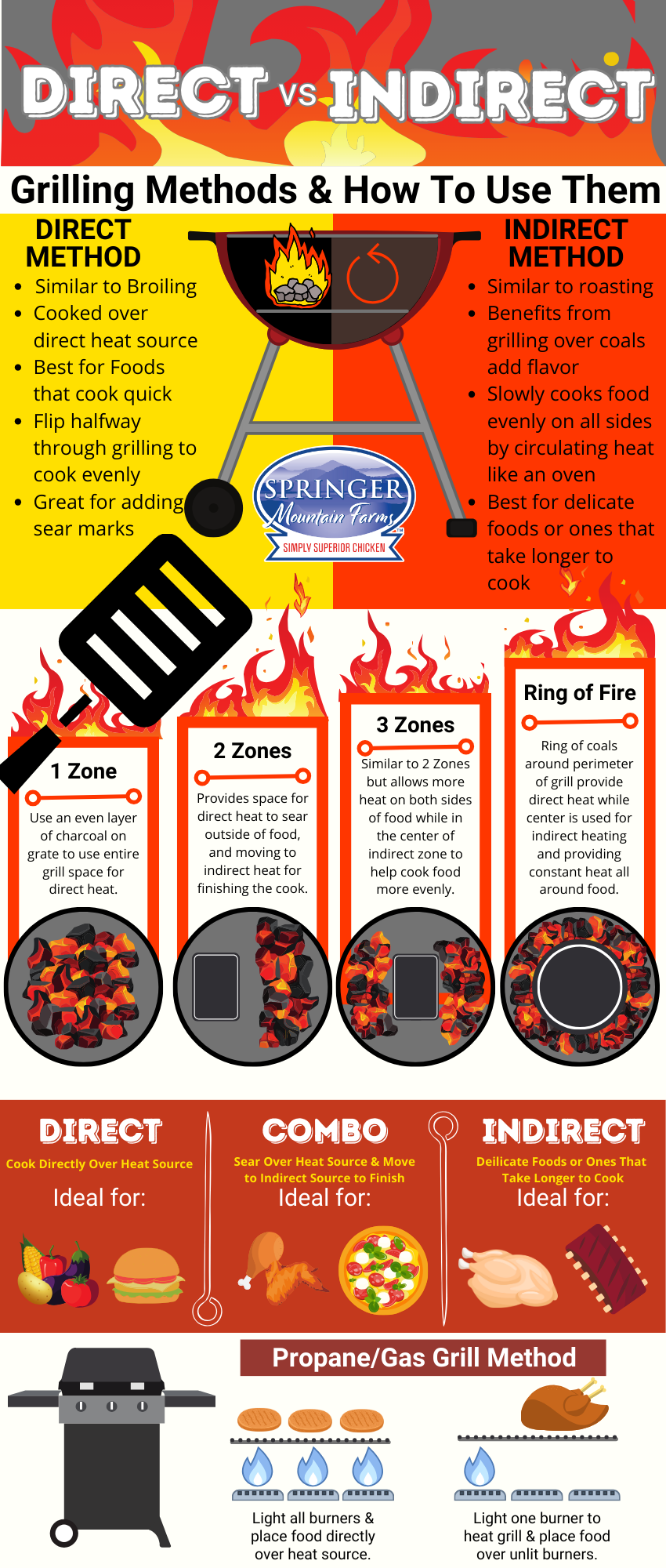
Some BBQ experts use both methods in one cook. This is called two-zone cooking. You start with indirect heat to cook the inside, then switch to direct heat for searing.
Two-zone Setup
On a charcoal grill: Move half the coals to one side. The other side has no coals. Place food first on the cool side, then finish on the hot side.
On a gas grill: Turn one burner to high, the other to low or off. Start food on the cool part, then move to hot.
This approach avoids overcooking and gives you control. It’s ideal for thick steaks, pork chops, or bone-in chicken.
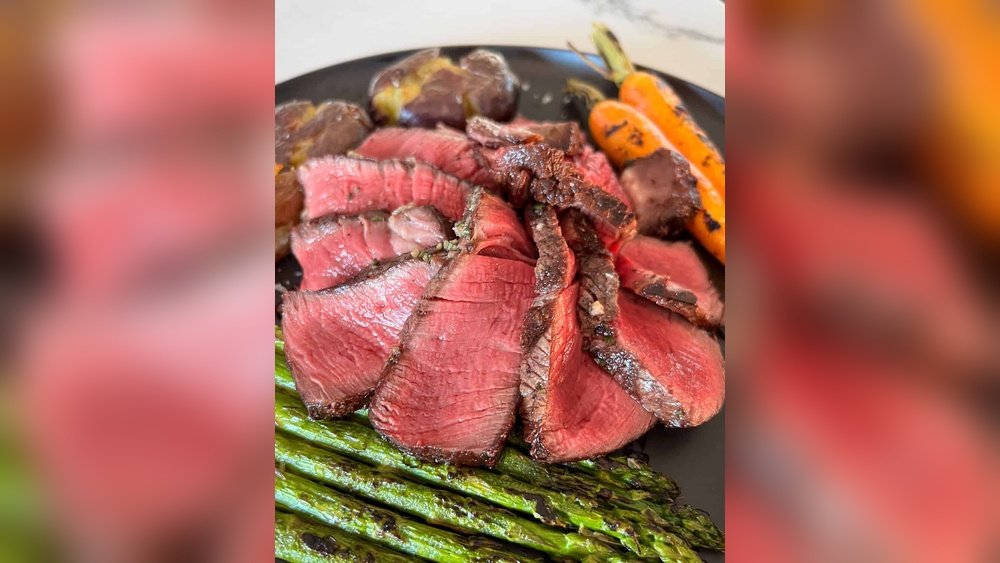
Example: For a thick steak, cook on indirect heat until 10°F below your target. Then sear over direct heat for 1-2 minutes per side.
Advanced Tip: For perfect BBQ, use a thermometer. Move food between zones based on internal temperature, not time.
Two-zone cooking is also useful when grilling for a group. You can keep some food warm on the indirect side while finishing others on direct heat.
Real-world Examples
Let’s look at how these methods work in real recipes.
Steak
For a 1.5-inch ribeye:
- Sear over direct heat for 2 minutes per side.
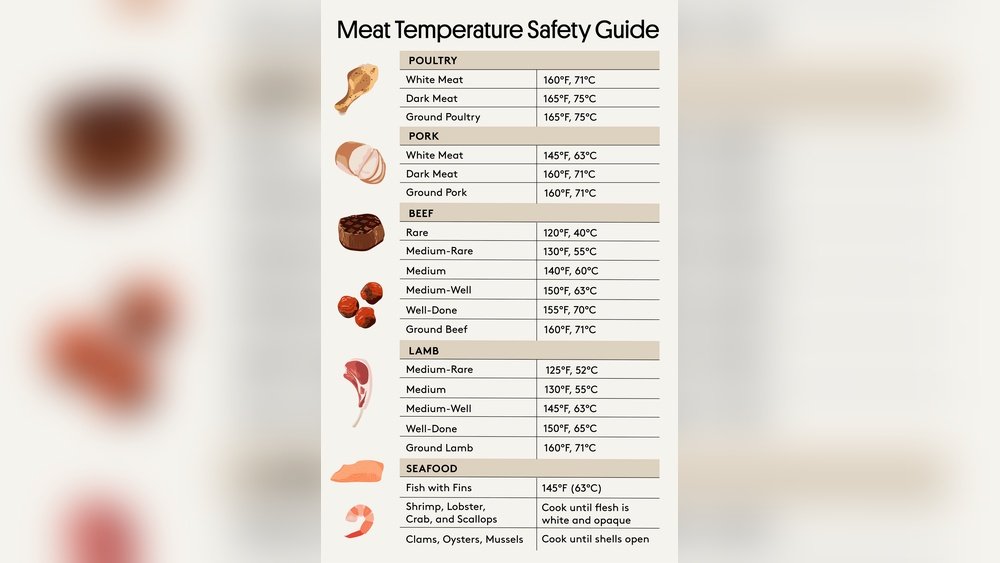
- Move to indirect heat until internal temp reaches 130°F.
- Rest before serving.
If you want cross-hatch grill marks, rotate the steak 45 degrees halfway through each side.
Whole Chicken
For a 4-lb chicken:
- Set up indirect heat.
- Cook for 1.5 to 2 hours at 325°F.
- Move to direct heat for last 5 minutes to crisp skin.
Baste with butter or oil every 30 minutes for extra flavor and moisture.
Ribs
For pork ribs:
- Indirect heat at 250°F for 3 hours.
- Wrap in foil, continue indirect for 2 hours.
- Finish on direct heat for 10 minutes with sauce.
Apply sauce only at the end to prevent burning. Let the ribs rest before cutting.
Extra Example: Grilled pizza works best with a two-zone setup. Start with indirect heat to cook the dough, then finish with direct heat for a crisp bottom.
Common Mistakes And How To Avoid Them
Many people struggle with BBQ because they don’t use the right heat method. Here are mistakes to watch out for:
- Using direct heat for thick meats: This leads to burnt outside and raw inside. Always start with indirect heat for thick cuts.
- Not creating a two-zone setup: Limits control and flexibility. Two zones give you a backup if things cook too fast.
- Ignoring temperature: Guessing leads to overcooking or undercooking. Use a thermometer for reliable results.
- Not adjusting during cooking: Some foods need to switch methods. For example, start chicken wings on indirect heat, then move to direct.
- Skipping rest time: Resting meat after cooking makes it juicier. Let steaks and roasts sit for at least 5–10 minutes.
Non-obvious Insight: Even vegetables can benefit from indirect heat—like sweet potatoes or corn, which cook evenly and stay moist.
Extra Mistake: Using too much marinade or sauce at the start can cause flare-ups. Apply sauces late in the cook for best results.
How Heat Affects Flavor And Texture
Heat is not just about cooking—it changes the taste, smell, and look of your BBQ.
Direct Heat
- Makes food crisp and browned.
- Creates grill marks.
- Adds smoky flavor from char.
The Maillard reaction is what makes grilled food taste so good. It happens when high heat changes proteins and sugars, making new flavors.
Indirect Heat
- Keeps food moist.
- Allows spices and marinades to soak in.
- Makes tough cuts tender.
Indirect heat is perfect for slow-cooked meats, letting fat melt and soak into the meat. This gives a richer taste and softer texture.
Data: A study by the USDA shows that indirect heat reduces loss of moisture by up to 30% compared to direct heat for large meats.
Extra Insight: Using a water pan in the grill (for indirect heat) keeps humidity high, which helps prevent food from drying out.
Tools For Managing Direct And Indirect Heat
Using the right tools makes BBQ easier and safer.
Essential Tools
- Grill thermometer: Measures inside temp of food and grill. Instant-read thermometers are best for quick checks.
- Tongs and spatula: For moving food between zones. Long tongs keep your hands safe from heat.
- Drip pan: Keeps grill clean and adds moisture. Use disposable aluminum pans for easy cleanup.
- Charcoal baskets: Controls coal placement for indirect heat. They help create neat zones.
- Wood chips: Adds smoke flavor. Soak chips in water for 30 minutes before adding.
Optional Upgrades
- Infrared thermometer: Checks grill surface temp. Useful for checking hot spots.
- Grill mats: Prevents sticking, useful for delicate foods.
Extra Tool: Heat-resistant brush for cleaning grates. Keeping grates clean helps prevent sticking and improves flavor.
How To Create Two-zone Heat On Different Grills
Every grill is different, so setting up heat zones changes depending on the type.
| Grill Type | Direct Heat Setup | Indirect Heat Setup |
|---|---|---|
| Charcoal | Spread coals evenly | Push coals to one side or split into two piles |
| Gas | Turn all burners on | Turn some burners off, place food above off burners |
| Pellet | Set to high, cook above heating element | Set to lower temp, use indirect side |
| Kamado | Use full fire, cook over direct flame | Add ceramic plate to block heat, cook above plate |
Pro Tip: Always preheat your grill for 10-15 minutes. This helps get even heat and prevents sticking.
Extra Detail: For charcoal grills, use a chimney starter for easy lighting and even heat.
Safety Tips For Using Direct And Indirect Heat
BBQ is fun, but safety matters. Here’s how to stay safe:
- Use heat-resistant gloves: Protect your hands.
- Keep a spray bottle nearby: For flare-ups on direct heat. Water or apple juice works well.
- Don’t leave grill unattended: Especially with children around.
- Check propane and gas lines: Before starting gas grills.
- Clean grill regularly: Prevents grease fires.
Extra Tip: Keep a fire extinguisher close if grilling in dry areas.
The Science Behind Bbq Heat
Heat transfers in three ways:
- Conduction: Direct contact (like food on grates).
- Convection: Hot air moves around (indirect heat).
- Radiation: Energy from flames.
Direct heat uses conduction and radiation. Indirect heat uses convection. Understanding this helps you control results.
Non-obvious Insight: The surface of the grill can be much hotter than the air inside. Always check both temps for best results.
Extra Science: The Maillard reaction starts at about 300°F. If you want deep flavor, make sure your grill reaches this temperature.
Choosing The Right Bbq Method For Your Event
The method you use changes the mood and results of your BBQ. For a quick weeknight meal, direct heat is faster. For a weekend party, indirect heat lets you cook bigger cuts and impress guests.
Tips For Choosing
- Small groups: Direct heat, easy and fast.
- Large gatherings: Indirect heat for big meats, less stress.
- Kids: Indirect heat reduces risk of burnt food.
If you’re cooking for people with dietary needs, indirect heat is safer for gluten-free or vegetarian dishes, as it avoids cross-contamination.
How To Tell If You’re Using The Right Heat
Sometimes, even experienced grillers aren’t sure which method they’re using. Here’s how to check:
- Direct heat: Food cooks in under 10 minutes, gets grill marks, and sizzles loudly.
- Indirect heat: Food takes 30+ minutes, stays moist, and browns slowly.
Test: Place your hand 3 inches above the grate. If you can’t hold for more than 2 seconds, it’s direct heat. If you can hold for 5-8 seconds, it’s indirect.
Extra Test: Use a small piece of bread. Place it on the grill; if it browns in less than 60 seconds, that’s direct heat.
Myths And Facts About Bbq Heat
There are many myths about grilling. Let’s clear some up:
- Myth: “All BBQ should be cooked over direct heat.”
Fact: Many recipes need slow indirect heat.
- Myth: “Indirect heat is only for smokers.”
Fact: Regular grills use indirect heat every day.
- Myth: “Direct heat always gives better flavor.”
Fact: Indirect heat allows deeper flavors.
Extra Myth: “You must flip food often.”
Fact: Letting food sit allows better grill marks and flavor.
Using Marinades And Rubs With Different Heat Methods
Marinades and rubs behave differently depending on heat.
- Direct heat: Marinades can burn, so use less sugar. If you want sweet glaze, apply it after cooking.
- Indirect heat: Rubs and marinades soak in, giving more flavor. The slow cook helps spices blend.
Tip: For sticky sauces, apply during last few minutes over direct heat.
Extra Tip: Dry rubs are safer for direct heat, as they don’t drip and cause flare-ups.

Credit: bbqhouse.shop
How Weather Affects Bbq Heat
Wind, rain, and temperature change how your grill works.
- Wind: Makes direct heat hotter, indirect cooler.
- Rain: Lowers grill temp, especially for indirect heat.
- Cold weather: Grill loses heat faster, so increase fuel.
Pro Insight: If it’s windy, use a windbreak or grill shield.
Extra Advice: In cold weather, preheat longer and keep the lid closed as much as possible.
Cleaning And Maintenance For Direct And Indirect Heat Grilling
Keeping your grill clean helps both methods work well.
Cleaning Steps
- Brush grates after cooking: Removes burnt food. Use a wire brush or grill stone.
- Empty ash (charcoal): Keeps airflow smooth. Ash blocks vents and lowers heat.
- Clean burners (gas): Prevents uneven heat. Use a soft brush for burner tubes.
- Wash drip pans: Stops flare-ups. Replace or wash after every cook.
Tip: Clean grates when hot. It’s easier and faster.
Extra Maintenance: Check for rust and replace damaged parts. A well-maintained grill lasts longer and cooks better.
How To Get Consistent Results
Consistency is what separates great BBQ from average. Here’s how to get it:
- Use a thermometer: Don’t guess.
- Record cook times: Helps repeat success.
- Adjust for grill differences: Every grill is unique.
- Practice two-zone setup: Gives flexibility.
Extra Tip: Keep a BBQ journal. Write down recipes, settings, and results so you can improve each time.
Mastering Bbq: Advanced Strategies
Once you understand basic heat, you can try advanced methods.
Reverse Searing
Cook steak slowly on indirect heat, then finish with a quick sear. This keeps meat juicy and gives a perfect crust.
Example: For a thick steak, cook to 120°F on indirect heat, then sear on direct until it reaches your target.
Smoking
Use indirect heat with wood chips to add smoky flavor. Works for brisket, ribs, and even vegetables.
Tip: Try different woods—apple for sweet smoke, hickory for strong flavor.
Rotisserie
Rotisserie uses indirect heat and constant movement. Makes chicken and pork roast evenly.
Extra Strategy: Baste rotisserie meat with melted butter or herbs for extra flavor.

Credit: bbqchamps.com
Comparing Bbq Results: Direct Vs Indirect
Here’s how final results look for common BBQ foods:
| Food | Direct Heat Result | Indirect Heat Result |
|---|---|---|
| Steak | Seared crust, rare center | Even doneness, less crust |
| Chicken | Crispy skin, risk of dry meat | Juicy meat, less crisp skin |
| Ribs | Charred edges, tough inside | Tender, fall-off-the-bone |
| Vegetables | Quick char, risk of burning | Soft, sweet flavor |
Direct And Indirect Heat For Bbq Around The World
Different cultures use these methods in unique ways.
- US BBQ: Uses indirect heat for brisket and ribs.
- Korean BBQ: Mostly direct heat for thin meats.
- South African Braai: Mix of both, often starts direct, finishes indirect.
- Brazilian Churrasco: Direct heat, quick cooking.
Fact: Over 70% of BBQ restaurants in the US use indirect heat for slow-cooked meats.
Extra Detail: In Japan, yakitori is cooked over direct heat, but with careful control to avoid burning.
Credit: www.springermountainfarms.com
Environmental Impact: Charcoal Vs Gas
Your choice of grill and heat method affects the environment.
- Charcoal: Higher emissions, more smoke.
- Gas: Lower emissions, easier to control.
Tip: Use natural lump charcoal for less pollution.
If you want to grill greener, consider electric or pellet grills, which use less energy.
For more information on BBQ science and environmental impact, see Serious Eats.
Frequently Asked Questions
What Is The Main Difference Between Direct And Indirect Heat?
Direct heat cooks food right above the flame or coals, making it hot and fast. Indirect heat cooks food away from the fire, using lower, gentle heat for slow and even cooking.
Can I Use Both Methods In The Same Cook?
Yes. Many grillers use both by starting with indirect heat and finishing with direct heat. This gives tender inside and crisp outside.
How Do I Set Up Indirect Heat On A Gas Grill?
Turn one or more burners off, place food above the area with no flame. The other burners stay on to create heat. This makes a cool zone for indirect cooking.
Why Does My Food Burn With Direct Heat?
Direct heat is very hot. Thin or sugary foods burn easily. Try lowering the temp, moving food to indirect heat, or applying sauces late in the cook.
Is Indirect Heat The Same As Smoking?
Indirect heat is similar, but smoking adds wood chips for flavor. Smoking uses indirect heat plus smoke for hours, making food tender and flavorful.
Barbecue is a journey, not just a meal. Understanding direct and indirect heat opens up new possibilities for flavor, texture, and fun. Whether you’re grilling a steak or slow-cooking ribs, knowing how to use heat will make every BBQ a success. Try both methods, experiment with different foods, and enjoy the process. The best BBQ isn’t just cooked—it’s crafted with skill and care.