BBQ Temperature Chart: Ultimate Guide for Perfect Grilling

Grilling is not just about fire and flavor. The real secret behind delicious BBQ is temperature. If you want juicy steak, tender chicken, or perfect ribs, you need to know the right heat for each food. Many beginners think barbecue is only about time or “looks,” but the truth is, temperature is what makes your food safe and tasty. With a BBQ temperature chart, you can avoid overcooking, undercooking, or wasting expensive meat. This guide explains how to use a BBQ temperature chart, why it matters, and shares practical tips for every grill lover.
Why Bbq Temperature Matters
Cooking meat to the proper temperature is essential for three reasons: safety, taste, and texture. Meat that is too cold inside may carry bacteria, while overcooked meat becomes tough and dry. Every type of meat has a recommended internal temperature. For example, chicken needs to reach 165°F to kill harmful germs. Steak is best at 130–145°F, depending on how pink you like it. Using the right temperature ensures your food is safe, juicy, and full of flavor.
Many people rely on guesswork, but this can be risky. The USDA reports thousands of cases of foodborne illnesses each year, often caused by undercooked poultry or pork. A simple thermometer and a BBQ temperature chart help you avoid these problems.
Even the best chefs use temperature as their main guide.
Understanding Bbq Temperature Charts
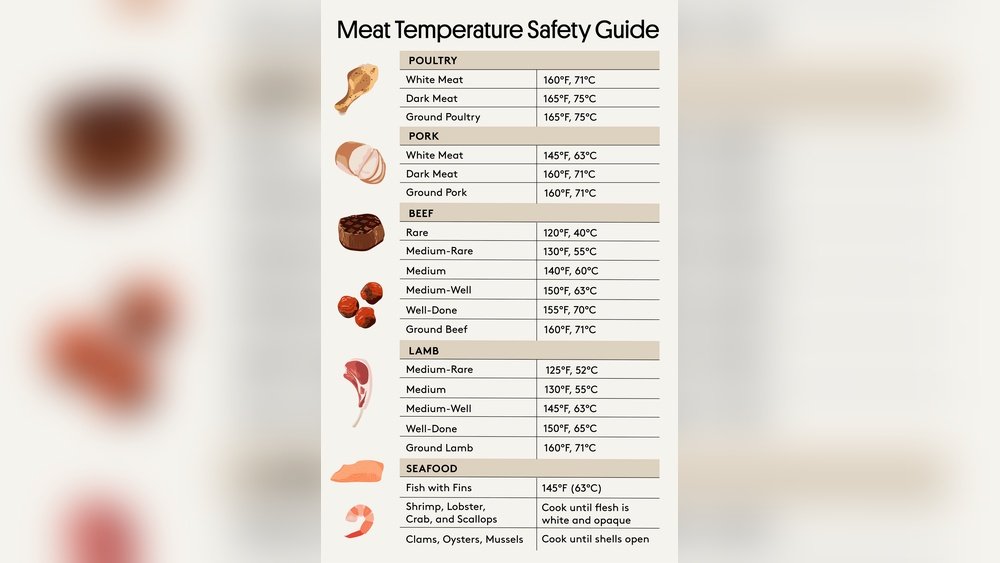
A BBQ temperature chart is a simple tool. It shows the recommended internal temperatures for different meats and cuts. Most charts also list “doneness” levels for steak or lamb: rare, medium, well-done, etc. Some charts show safe minimum temperatures, while others include ideal cooking temperatures for smoking or slow roasting.
Here’s a basic example:
| Meat | Safe Internal Temp (°F) | Doneness Level |
|---|---|---|
| Beef Steak | 145 | Medium |
| Chicken Breast | 165 | Fully Cooked |
| Pork Chop | 145 | Medium |
| Lamb | 145 | Medium |
| Fish | 145 | Flaky |
Charts like this help you cook meat to the correct level. Some cuts, like brisket or ribs, need higher temperatures for tenderness.
Key Temperatures For Common Bbq Meats
Every type of meat has its own rules. Let’s look at the most popular BBQ foods and their key temperatures.
Beef Steak
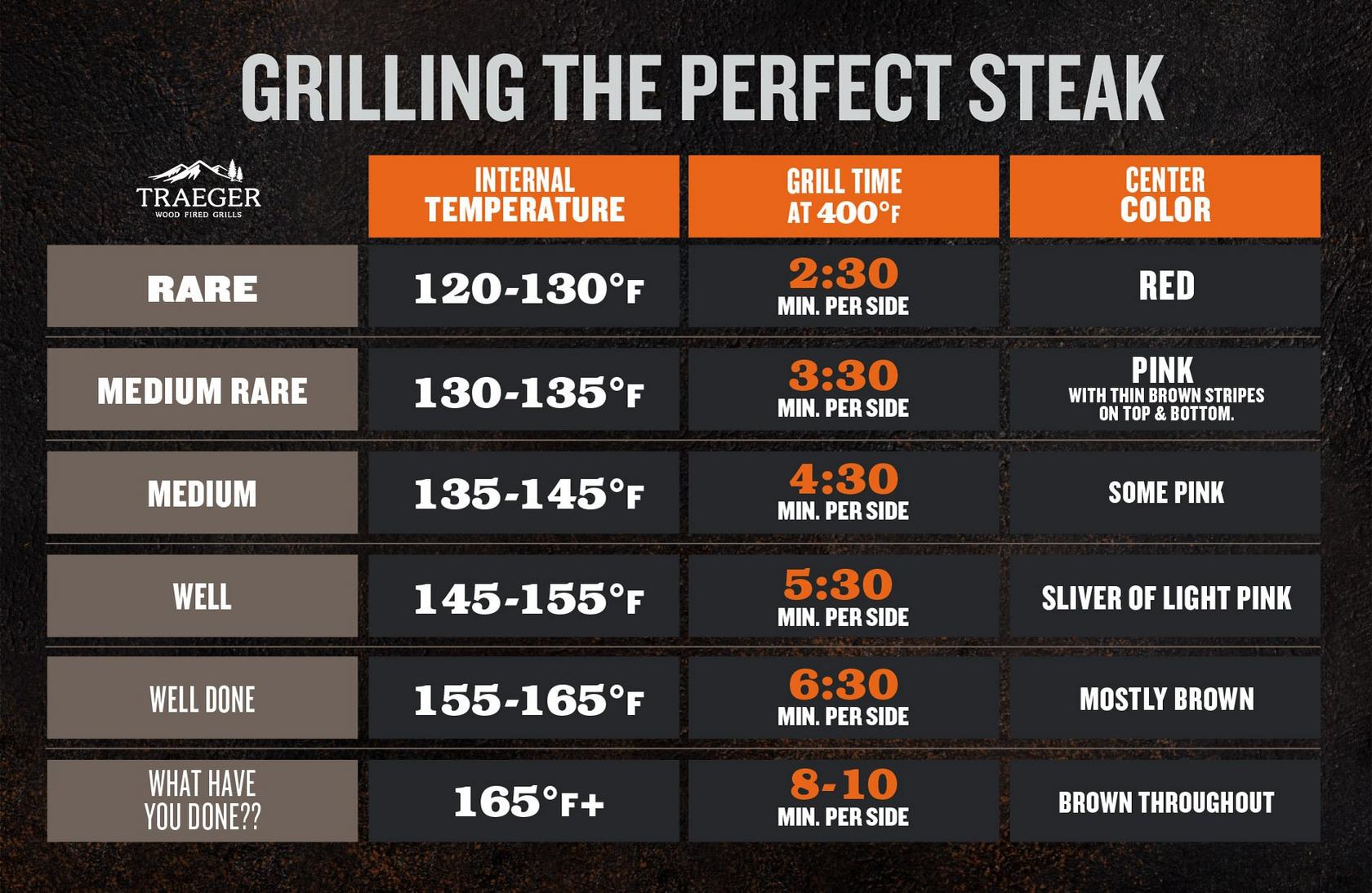
Steak is famous for its “doneness” levels. Here’s a quick guide:
- Rare: 120–130°F (red inside, very juicy)
- Medium Rare: 130–135°F (pink, juicy)
- Medium: 135–145°F (light pink, less juice)
- Medium Well: 145–155°F (slightly pink)
- Well Done: 155°F+ (brown, firm)
For safety, USDA recommends at least 145°F. Many people prefer medium rare at 130–135°F for more flavor. Let your steak rest after grilling to keep juices inside.
Chicken And Turkey
Poultry must be cooked well to avoid illness. The safe internal temperature is:
- Chicken/Turkey (whole or pieces): 165°F
- Ground Chicken/Turkey: 165°F
If you see pink meat, check the temperature. Sometimes bones or smoke can cause a pink color, but only a thermometer can confirm safety.
Pork
Pork is safe at a lower temperature than chicken:
- Pork Chops: 145°F (medium)
- Pork Ribs: 190–203°F (for tenderness)
- Ground Pork: 160°F
Pork ribs and pulled pork need higher temperatures for the fat and collagen to break down.
Lamb
Lamb is similar to beef:
- Rare: 125°F
- Medium Rare: 130–135°F
- Medium: 135–145°F
- Well Done: 155°F+
Fish And Seafood
Fish cooks fast and can dry out if overdone.
- Fish (salmon, cod, tilapia, etc. ): 145°F
- Shrimp and Lobster: Cook until opaque and firm (usually 145°F)
Sausages And Ground Meat
Ground meats need higher temperatures due to more surface area:
- Beef, Pork, Lamb Sausage: 160°F
- Chicken/Turkey Sausage: 165°F
Brisket And Tough Cuts
These meats need to reach higher internal temperatures for tenderness:
- Beef Brisket: 195–205°F
- Pork Butt/Pulled Pork: 195–205°F
The high temperature breaks down tough fibers, making meat soft.
Using A Meat Thermometer
A thermometer is your best friend for BBQ. There are several types:
- Instant-read thermometer: Fast, easy, good for checking doneness
- Leave-in probe thermometer: Stays in the meat during cooking, great for slow BBQ
To use a thermometer:
- Insert it into the thickest part of the meat.
- Avoid touching bone or fat.
- Wait a few seconds for the reading.
- Check against your BBQ temperature chart.
Never guess. Even experienced grillers use thermometers for accuracy.
Bbq Cooking Temperature Vs. Internal Temperature
People often confuse grill temperature with internal meat temperature. These are not the same. Grill temperature is the heat of your grill or smoker (like 350°F), while internal temperature is inside the meat.
For example:
- You might cook chicken on a grill set at 400°F, but the chicken is safe only when its inside reaches 165°F.
- Slow-cooked brisket is smoked at 225°F, but it needs an internal temperature of 195–205°F to become tender.
Always use a thermometer to check the internal temperature, not just the grill setting.
Smoking And Slow Bbq Temperatures
Smoking is a favorite BBQ style, especially for brisket, ribs, and pulled pork. Smoke adds flavor, but slow cooking is about temperature control.
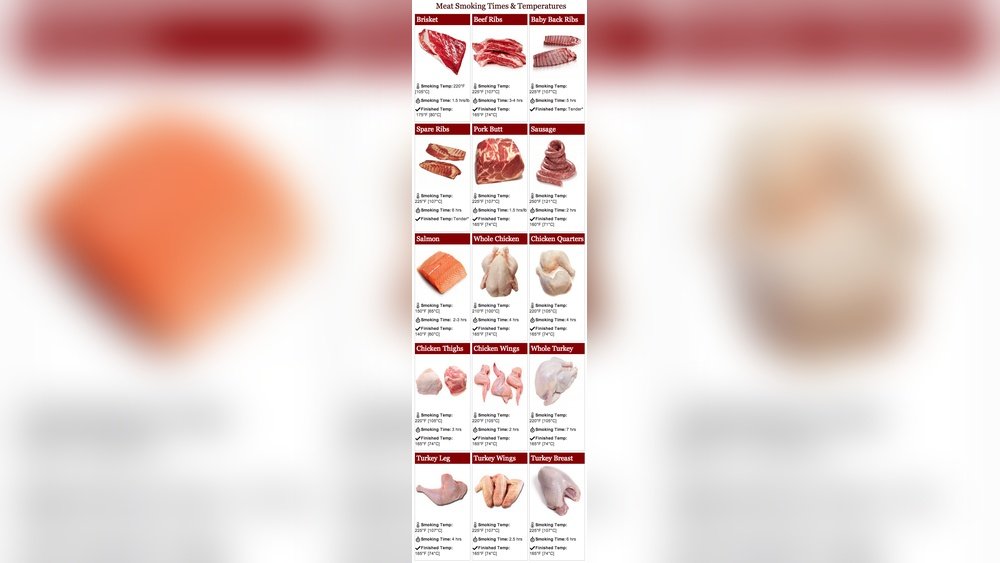
Common smoker temperatures:
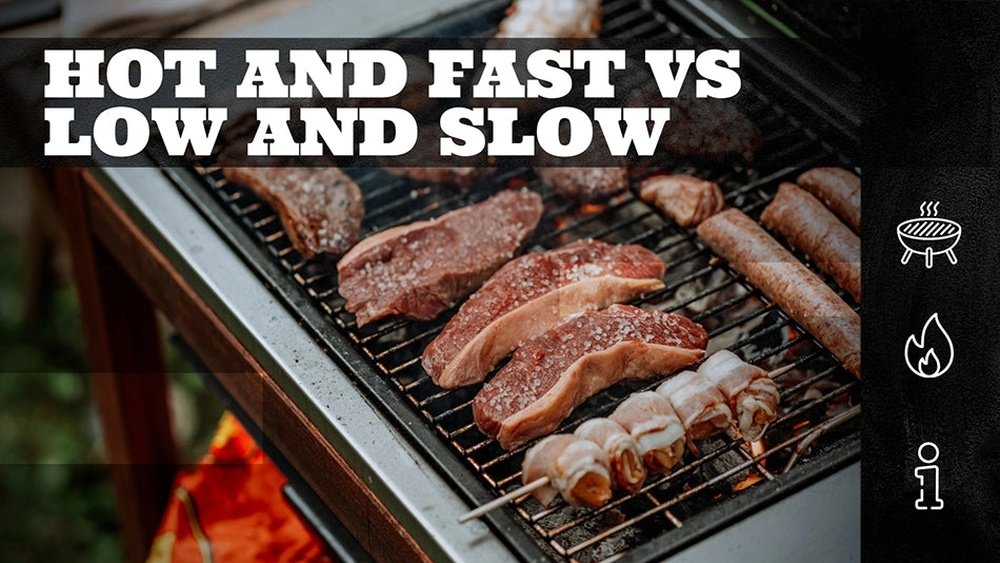
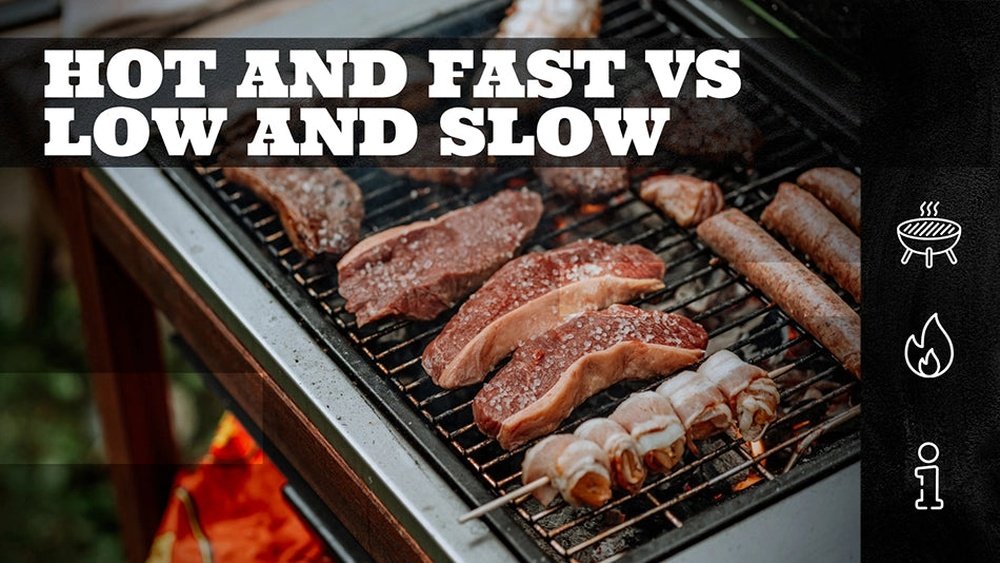
- Low and slow: 225–250°F
- Medium smoking: 275–300°F
Low temperatures allow tough cuts to become tender. Smoking is about patience; sometimes, a brisket can take 10–12 hours.
Smoke And Internal Temperatures
Here’s a comparison of smoking times and internal temperatures for popular meats:
| Meat | Smoker Temp (°F) | Target Internal Temp (°F) | Approx. Time |
|---|---|---|---|
| Brisket | 225 | 200 | 10–12 hrs |
| Pork Butt | 225 | 200 | 8–10 hrs |
| Ribs | 225 | 190 | 5–6 hrs |
| Chicken | 250 | 165 | 2–3 hrs |
| Salmon | 225 | 145 | 1–2 hrs |
Smoking times depend on thickness and weight, but always check the internal temperature.
Bbq Temperature Chart For Grilling
Many BBQ fans want a quick reference. Here’s a detailed chart for grilling temperatures:
| Food | Grill Temp (°F) | Safe Internal Temp (°F) | Doneness Notes |
|---|---|---|---|
| Steak (1″ thick) | 450–500 | 135–145 | Medium |
| Chicken Breast | 400–425 | 165 | Juicy, fully cooked |
| Pork Chop | 400–450 | 145 | Medium |
| Salmon | 375–400 | 145 | Flaky, moist |
| Hamburger | 375–400 | 160 | Safe for ground beef |
| Sausage | 375–400 | 160–165 | Firm, juicy |
This chart shows the best grill temperatures and safe internal temperatures for popular foods. Always cook to the internal temperature, not just the grill heat.
How To Read And Use Bbq Temperature Charts
Many beginners get confused by charts. Here’s how to use them:
- Choose your meat or food.
- Find the recommended internal temperature.
- Set your grill or smoker to the right cooking temperature.
- Use a thermometer to check the internal temperature.
- Let meat rest after cooking (usually 5–10 minutes).
Some charts show “minimum” safe temperatures, others show “ideal” for taste. For example, steak is safe at 145°F, but many prefer 135°F for more flavor.
Non-obvious Tips
- Resting meat: After cooking, let meat sit for a few minutes. Temperature rises a little (“carryover cooking”), and juices spread evenly.
- Thickness matters: Thin cuts cook faster and may need lower grill heat to avoid burning outside before inside is done.
- Bone-in meats: Bones can make temperature readings tricky. Always check the thickest, boneless part.
Bbq Temperature For Vegetables And Plant-based Foods
While BBQ is often about meat, vegetables and plant-based foods also have ideal grilling temperatures. Proper heat keeps them crispy and flavorful.
- Corn on the cob: Grill at 400–425°F for 10–15 minutes
- Bell peppers: Grill at 400°F for 6–8 minutes
- Mushrooms: Grill at 375–400°F for 6–8 minutes
- Plant-based burgers: Grill at 375–400°F, cook until firm (usually 8–10 minutes)
Most vegetables are safe to eat at any temperature, but proper grilling improves texture and taste. Plant-based meats should be cooked until firm and hot inside.
How To Avoid Common Bbq Temperature Mistakes
Temperature mistakes can ruin BBQ. Here are common problems and how to avoid them:
- Cooking by time only: Every grill is different. Cooking times are only estimates. Always check the internal temperature.
- Guessing doneness: Color is not always a good guide. Smoke and bones can make meat look pink even when fully cooked.
- Using old thermometers: Cheap or old thermometers can be inaccurate. Test yours in boiling water (should read 212°F).
- Skipping resting time: Resting lets juices settle. Cutting too soon makes meat dry.
- High heat for tough cuts: Tough meats like brisket need low, slow cooking for tenderness.
Bbq Temperature Chart For Different Doneness Levels
Some people like their steak rare, others want it well done. Here’s a chart for doneness levels:
| Doneness | Internal Temp (°F) | Appearance |
|---|---|---|
| Rare | 120–130 | Red, cool center |
| Medium Rare | 130–135 | Warm red center |
| Medium | 135–145 | Pink center |
| Medium Well | 145–155 | Slightly pink |
| Well Done | 155+ | Brown, no pink |
Use this chart to get your steak or lamb just how you like it.
Bbq Temperature For Safety
The USDA and food safety experts recommend certain minimum temperatures:
- Beef, lamb, veal (steaks, roasts): 145°F
- Pork (chops, roasts): 145°F
- Ground meats (beef, pork, lamb): 160°F
- Poultry (chicken, turkey, duck): 165°F
- Fish and shellfish: 145°F
These temperatures kill bacteria and ensure safety. Always check with a thermometer.
Bbq Temperature For Smoking Wood Types
Different woods burn at different temperatures and add unique flavors. Here are some common woods and their best uses:
- Hickory: Burns hot, strong flavor. Great for pork and beef.
- Mesquite: Very hot, bold flavor. Best for steak.
- Applewood: Milder heat, sweet flavor. Good for poultry and fish.
- Oak: Medium heat, versatile flavor. Works for almost anything.
Wood choice can affect temperature and cooking time. Experiment to find your favorite.
Bbq Temperature Chart For International Styles
BBQ is popular worldwide. Different countries use unique temperature rules:
- American BBQ: Low and slow (225–250°F), high internal temp for tenderness.
- Brazilian Churrasco: High heat (500°F+), quick grilling, steak rare to medium.
- Korean BBQ: Thin cuts, fast grilling (450°F), cooked to medium.
- Australian BBQ: Medium heat (350–400°F), lamb and beef, cooked to medium.
Understanding local styles can help you try new flavors and techniques.
How Altitude And Weather Affect Bbq Temperature
Grilling at high altitude or in cold weather changes cooking times and temperatures. At higher elevations, water boils at lower temperatures, and food cooks slower. In cold weather, grill heat drops faster, so you may need to use more fuel or preheat longer.
Tips:
- At altitude, give meats more time, but always check internal temperature.
- In cold or windy conditions, keep the grill lid closed as much as possible.
- Avoid grilling in heavy rain, as steam can lower grill temperature.
Bbq Temperature For Marinades And Brines
Marinating or brining meat before BBQ adds flavor and moisture. These methods don’t change safe cooking temperatures, but they can affect cooking time. Wet marinades may cause meat to cook slower, so always check internal temperature.
- Marinated steak: Cook to the same doneness as plain steak
- Brined chicken: Cook to 165°F inside
Marinades can burn at high heat, so use medium grill temperatures for best results.
Bbq Temperature Chart For Grilling Times
Here’s a quick chart for estimated grilling times (always check internal temperature):
| Food | Grill Temp (°F) | Estimated Time | Safe Internal Temp (°F) |
|---|---|---|---|
| Steak (1″ thick) | 450–500 | 6–8 min/side | 135–145 |
| Chicken Breast | 400–425 | 8–12 min/side | 165 |
| Pork Chop | 400–450 | 5–7 min/side | 145 |
| Salmon | 375–400 | 6–8 min/side | 145 |
| Hamburger | 375–400 | 5–7 min/side | 160 |
| Vegetables | 400 | 6–10 min | N/A |
Remember, these times are estimates. Always use a thermometer for accuracy.
Bbq Temperature Chart For Kids And Family Safety
If you’re cooking for kids, pregnant women, or elderly people, always use the higher end of safe internal temperatures. For example, cook ground beef to 160°F, chicken to 165°F, and avoid rare steak.
Food safety is more important for those with weaker immune systems. Always clean your thermometer between different meats to prevent cross-contamination.
Using Technology For Bbq Temperature
Modern BBQ tools make temperature control easier. Here are some options:
- Wireless thermometers: Send readings to your phone, so you can check from a distance.
- Digital grill controllers: Keep smoker temperature steady, ideal for long cooks.
- Smart apps: Some BBQ apps offer timers, reminders, and temperature charts.
Technology helps reduce guesswork and makes BBQ more fun. Always trust your thermometer over visual cues.
Bbq Temperature Chart For Party And Catering
Cooking for a crowd means keeping food safe and tasty. Here are tips:
- Cook meats to safe internal temperatures, then keep warm at 140°F or higher.
- Use chafing dishes or warming trays.
- Avoid letting cooked food sit at room temperature for more than 2 hours (1 hour in hot weather).
- Offer a BBQ temperature chart at your serving table to show guests the doneness levels.
Safety and flavor both matter at large gatherings.
Bbq Temperature Chart For Searing And Reverse Sear
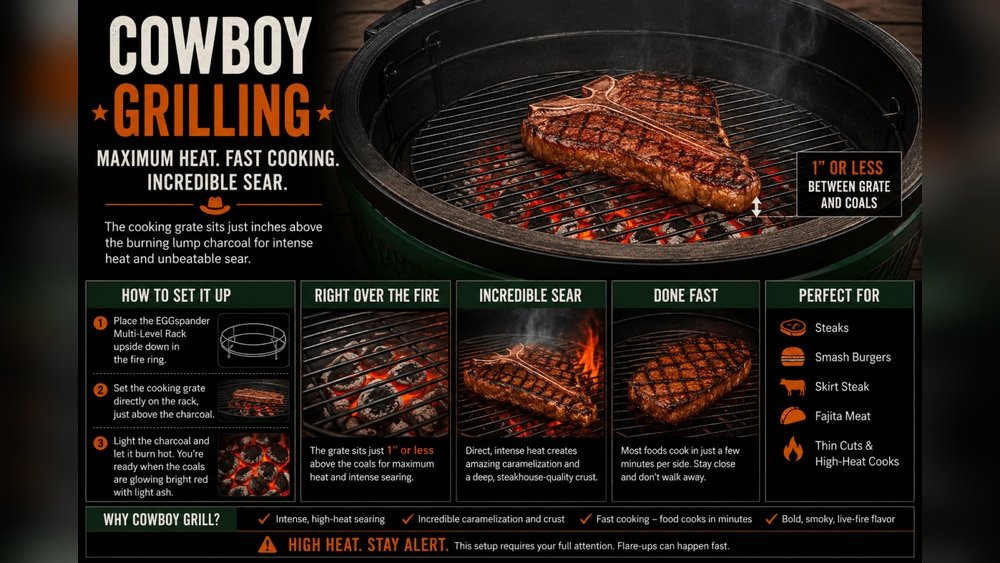
Searing is cooking meat at high heat to create a crispy crust. Reverse sear is cooking meat slowly first, then finishing with high heat.
- Sear steak: 500°F grill, cook each side 1–2 minutes for crust, then finish at lower heat
- Reverse sear: Cook steak at 225°F to 120°F internal, then sear at 500°F to finish at 135–145°F
These methods create great flavor and texture. Always check internal temperature for safety.
Bbq Temperature Chart For Resting Meat
Resting is a step many people skip, but it’s key for juicy BBQ. After meat reaches the desired internal temperature, let it rest:
- Steak: Rest 5–10 minutes
- Chicken: Rest 5–10 minutes
- Brisket/Pork Butt: Rest 30–60 minutes (cover with foil)
Resting lets juices spread, making meat moist. The internal temperature rises a little as it rests (“carryover cooking”).

Credit: uzuner-consulting.com
Bbq Temperature Chart For Reheating Leftovers
Leftovers are safe and tasty if reheated to the right temperature. Always heat leftovers to 165°F to kill any bacteria. Use a microwave or oven, and check with a thermometer.
- Meat leftovers: Heat to 165°F
- BBQ sauce: Heat until bubbling
Don’t reheat leftovers more than once. Store leftovers in the fridge within 2 hours of cooking.
Bbq Temperature Chart For Low-carb And Healthy Bbq
Healthy BBQ means lean meats, vegetables, and smart grilling. Here are some tips:
- Use chicken breast, fish, or lean steak
- Grill vegetables at 400°F for best texture
- Avoid sugary sauces that burn at high heat
- Cook plant-based burgers to firm texture
Healthy BBQ still needs proper temperature for safety.
Credit: magazine.joovy.com
Bbq Temperature Chart For Beginners
If you’re new to BBQ, start with these basics:
- Always use a thermometer
- Follow a BBQ temperature chart for each meat
- Start with easy foods: Chicken breast, steak, salmon
- Use medium grill heat (375–425°F)
- Let meat rest after cooking
Practicing with simple foods helps you learn temperature control.
Bbq Temperature Chart For Advanced Grillers
Experienced grillers can experiment more. Try slow smoking, reverse searing, or cooking large cuts. Keep a detailed BBQ temperature chart nearby, and use wireless thermometers for long cooks.
Advanced tips:
- Try different wood types for flavor
- Cook brisket or pork butt “low and slow” to 200°F inside
- Use foil wraps (“Texas crutch”) for tenderness
- Track temperature changes during resting
Advanced BBQ is about patience, practice, and precise temperature.
Bbq Temperature Chart For Different Grills
Different grills offer unique temperature options:
- Gas grill: Easy to control, heats quickly
- Charcoal grill: Hotter, smoky flavor, harder to control
- Pellet smoker: Steady temperature, wood flavor
Each grill type has its own learning curve. Always check the grill surface temperature and adjust as needed.
Bbq Temperature Chart For Cleaning And Maintenance
A clean grill cooks better and safer. High heat burns off stuck food, but regular cleaning is key.
- After cooking, heat the grill to 500°F for 10 minutes to burn off residue
- Use a wire brush to clean grates
- Wash thermometers after each use
A dirty grill can cause uneven temperatures and unsafe food.
Bbq Temperature Chart For International Food Safety Standards
Different countries have unique food safety rules. For example, in Europe, pork is sometimes cooked to 160°F, while in the US, 145°F is considered safe. Always check local guidelines if you’re traveling or cooking for people from different backgrounds.
Bbq Temperature Chart For Bbq Sauce
Sauce can change BBQ flavor and cooking time. Some sauces burn at high heat due to sugar. Apply sauce during the last few minutes of grilling, at medium heat (350–400°F). Always cook meat to the correct internal temperature before adding sauce.

Credit: www.amazon.com
Non-obvious Insights For Bbq Temperature
Most beginners miss these key points:
- Carryover cooking: Meat continues to cook after leaving the grill. If you want steak at 135°F, remove it at 130°F and let it rest.
- Thermometer placement: Always check the thickest part, away from bone or fat. Bone conducts heat and can give false readings.
These tips help you get perfect BBQ every time.
Bbq Temperature Chart For Bbq Competitions
Professional BBQ competitions use strict temperature rules:
- Brisket must be tender at 200°F inside
- Chicken must be juicy at 165°F
- Ribs must be soft at 190°F
Judges check for both taste and safety. If you dream of competing, practice temperature control.
Bbq Temperature Chart For Outdoor Bbq
Outdoor grilling is fun, but weather and wind can affect temperature. Keep your grill in a sheltered spot, and check both grill and meat temperature often.
Tips:
- Preheat the grill 10–15 minutes
- Use a thermometer to check food
- Keep a BBQ temperature chart handy
Outdoor BBQ is about adapting to conditions.
Frequently Asked Questions
What Is The Most Important Bbq Temperature For Safety?
The most important safety temperature is 165°F for poultry. This kills harmful bacteria. For ground meats, use 160°F, and for beef or pork steaks, 145°F is safe.
Can I Use Color To Judge If Meat Is Done?
No, color can be misleading. Smoke, bone, or marinades can make meat look pink even when fully cooked. Always use a thermometer for accuracy.
How Do I Check Bbq Temperature If I Don’t Have A Thermometer?
If you don’t have a thermometer, use the finger test for steak (press the meat and feel resistance), but this is not reliable for safety. For poultry or pork, always use a thermometer. They’re inexpensive and save you from illness.
What Is “carryover Cooking,” And Why Does It Matter?
Carryover cooking means meat continues to cook after leaving the grill. Internal temperature can rise 5–10°F while resting. Remove meat from the grill a few degrees before your target temperature.
Is It Safe To Eat Rare Steak?
Rare steak is safe if it reaches at least 120°F inside and the outside is browned. For ground beef, always cook to 160°F, as bacteria can spread inside.
Mastering BBQ temperatures is the key to delicious and safe grilling. With a BBQ temperature chart, a reliable thermometer, and a little practice, you can cook juicy, flavorful meals every time. Whether you’re grilling for yourself, your family, or a crowd, knowing the right temperatures makes all the difference. Remember, temperature is more important than time or appearance. Use the tips and charts in this guide to become a true BBQ expert. For more food safety information, visit USDA Food Safety.