Aprons: Essential Styles and Uses for Every Kitchen
Aprons: History, Uses, Styles, And Practical Tips
Aprons are simple, everyday items, but they have a rich history and important role in many areas of life. Whether you see them in a busy restaurant, an artist’s studio, or your grandmother’s kitchen, aprons bring both protection and a touch of personality. In this article, we explore aprons in depth: their history, types, materials, functions, buying tips, care instructions, cultural significance, and even a few surprises. If you’re curious about aprons, want to buy one, or simply appreciate their place in daily life, you’ll find everything you need right here.
The History Of Aprons
Aprons have been around for thousands of years. Early evidence shows that people wore aprons in ancient Egypt, Greece, and Rome. Workers, priests, and even royalty used aprons for protection, ceremony, and style.
In the Middle Ages, aprons became common in Europe. Craftsmen like blacksmiths, butchers, and cobblers wore heavy aprons to shield themselves from sparks, stains, and sharp tools. Each trade had its own apron style, often made from leather or thick cloth.
During the 19th century, aprons grew more popular in homes. Housewives wore aprons to keep their dresses clean while cooking, cleaning, and caring for children. Aprons also became a sign of status: fancier aprons showed wealth or skill.
In the 20th century, aprons became symbols of hospitality and tradition. Many people remember their mothers or grandmothers wearing aprons every day. Today, aprons are used worldwide in kitchens, workshops, schools, and more. Their designs have evolved, but their purpose remains the same: protection and practicality.
Types Of Aprons
Aprons come in many shapes and forms. Each type serves a specific purpose or fits a unique style. Let’s look at the main types and their uses.
Bib Apron
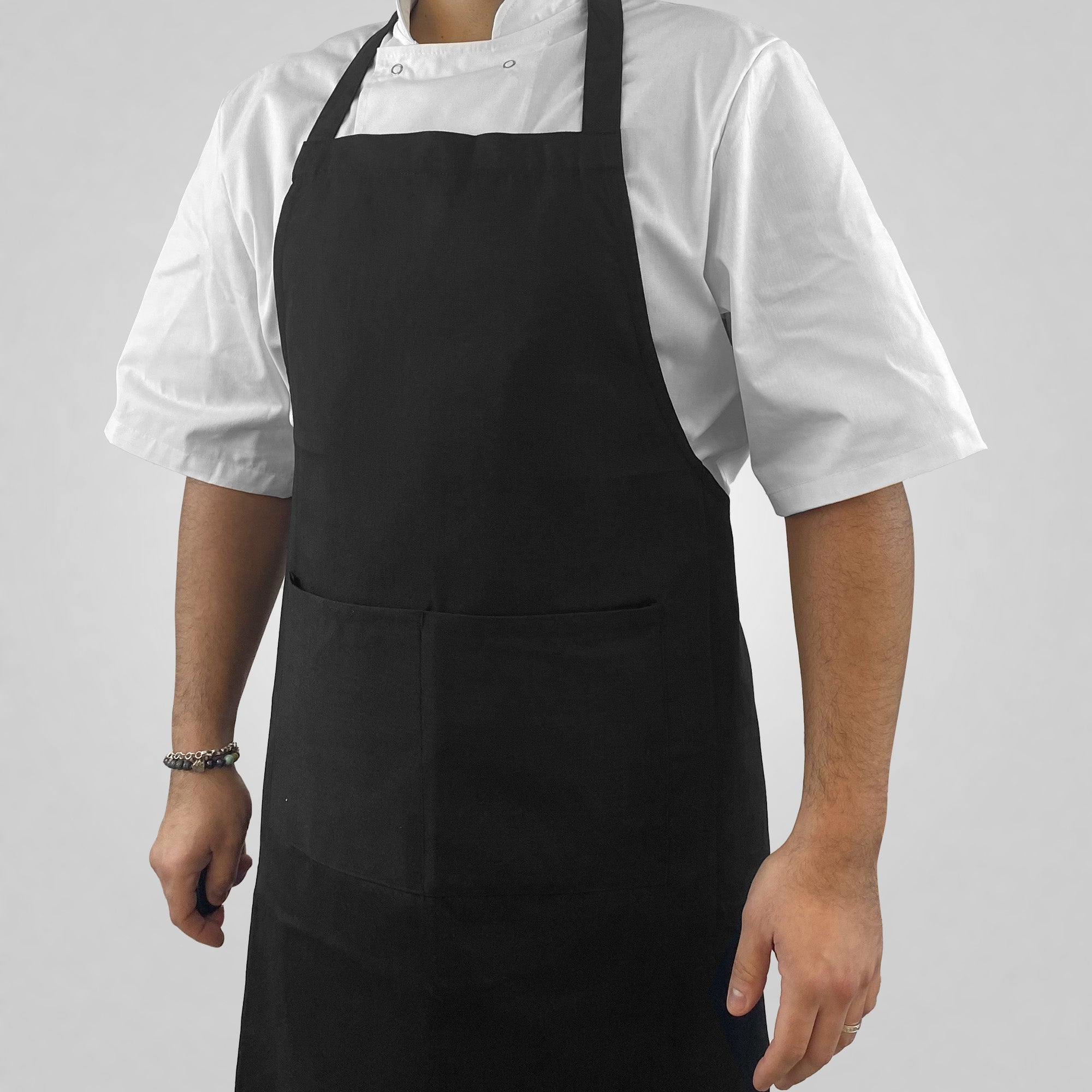
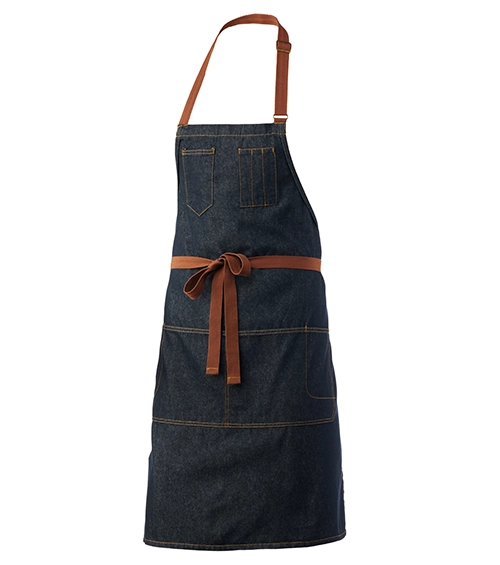
The bib apron is the most common style. It covers the chest and ties around the waist. Chefs, home cooks, and artists prefer bib aprons because they protect the upper body and are easy to wear.
Waist Apron
A waist apron covers only the area from the waist down. Servers in restaurants and cafes often wear waist aprons because they allow easy movement and have handy pockets for tools or notepads.
Pinafore Apron
The pinafore apron has straps that go over the shoulders and often cross at the back. This style is popular with children and in home settings, offering extra coverage and a comfortable fit.
Cobbler Apron
A cobbler apron covers both the front and back of the body, fastening at the sides. It’s often used in schools, hospitals, and workshops, giving full protection against spills and stains.
Disposable Apron
Disposable aprons are made from thin plastic or paper. Hospitals, labs, and food processing plants use them for hygiene. They’re cheap and convenient but not very durable.
Cross-back Apron
The cross-back apron features straps that cross behind the back, reducing pressure on the neck. Many baristas and artists prefer this style for comfort during long shifts.
Chef Apron
A chef apron usually has a longer length and extra pockets for tools. Professional kitchens often use these, as they offer maximum protection and convenience.
Smock Apron
A smock apron covers the entire upper body, like a loose jacket. Artists, teachers, and gardeners often wear smock aprons for full coverage and ease of movement.
Children’s Apron
Children’s aprons are smaller and often feature playful designs. They protect kids during art projects, cooking, or gardening, making activities less messy.
Specialty Aprons
Some aprons are made for very specific tasks. For example, welding aprons are thick and fire-resistant, while barber aprons have pockets for scissors and combs.
Materials Used In Aprons
The material of an apron affects its durability, comfort, and function. Here are the most common materials and their unique qualities.
Cotton
Cotton is soft, breathable, and easy to wash. Most home and kitchen aprons are made from cotton. It’s comfortable and suitable for light tasks, but cotton stains easily and offers little protection against heat or heavy spills.
Polyester
Polyester is durable, stain-resistant, and dries quickly. Many commercial aprons use polyester or blends. It’s less comfortable than cotton but lasts longer and handles frequent washing well.
Canvas
Canvas is thick and strong, making it perfect for heavy-duty aprons. Artists, gardeners, and woodworkers often use canvas aprons. They’re sturdy and resist wear, but can feel stiff.
Leather
Leather aprons offer the best protection against heat, sparks, and sharp objects. Blacksmiths, welders, and some chefs prefer leather. These aprons are expensive and require special care.
Denim
Denim aprons are fashionable and durable. Baristas and crafters often wear denim for style and practicality. Denim resists stains and looks good, but is heavier than cotton.
Pvc And Plastic
PVC or plastic aprons are waterproof and cheap. Food processors, cleaners, and medical workers use them to avoid liquid spills. They aren’t breathable and can feel uncomfortable during long use.
Linen
Linen aprons are lightweight and absorbent. They’re often chosen for baking or light kitchen tasks. Linen wrinkles easily but feels cool and stylish.
Paper
Some disposable aprons are made from paper. They’re used in medical settings or food service for single-use protection.
Blends
Many aprons mix materials, like cotton-polyester blends, to balance comfort and durability.
Comparing Apron Materials
Here is a quick comparison of common apron materials:
| Material | Durability | Comfort | Protection | Cost |
|---|---|---|---|---|
| Cotton | Medium | High | Low | Low |
| Polyester | High | Medium | Medium | Medium |
| Canvas | High | Medium | High | Medium |
| Leather | Very High | Medium | Very High | High |
| PVC/Plastic | Low | Low | High (Liquid) | Low |
| Linen | Medium | High | Low | Medium |
Functions And Uses Of Aprons
Aprons do more than just protect clothes. They serve many functions in daily life, work, and culture.
Protection
The main purpose of an apron is protection. Aprons shield clothes and skin from stains, hot liquids, sharp objects, chemicals, and dirt. For example, chefs wear aprons to avoid grease splatters, while artists use aprons to keep paint off their clothes.
Hygiene
Aprons help maintain hygiene in food service, healthcare, and laboratories. They create a barrier between the wearer and germs or contaminants. In hospitals, disposable aprons help prevent the spread of infection.
Identification
Aprons often signal a person’s role or profession. Waiters, chefs, and baristas are easy to spot by their aprons. In schools, aprons can show which group or activity a child belongs to.
Convenience
Many aprons have pockets for holding tools, pens, towels, or order pads. This makes work easier and more organized.
Style And Self-expression
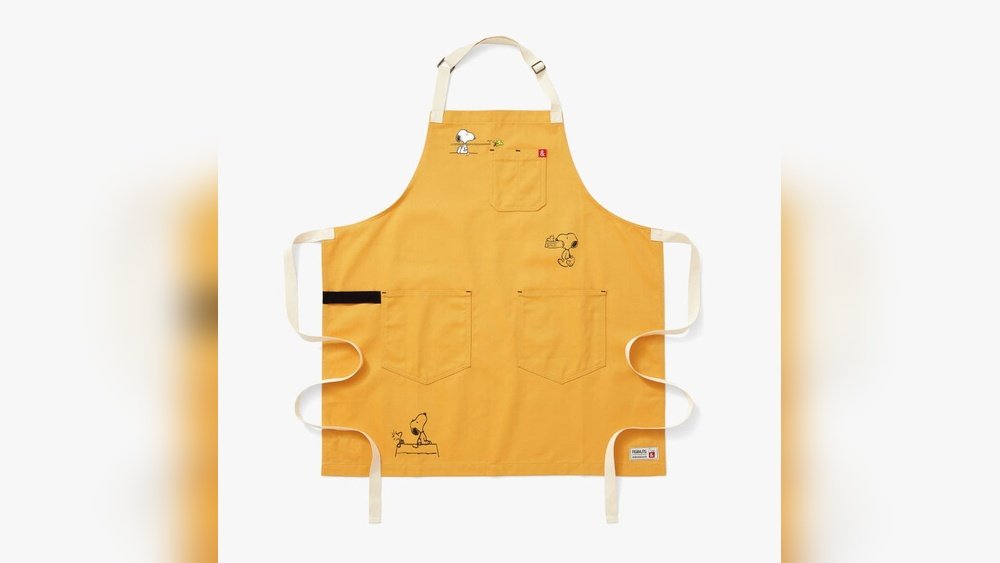
Aprons are not just functional—they can also be stylish. Some people choose aprons with unique prints, embroidery, or colors to show personality or match their décor.
Ritual And Tradition
Aprons are part of many cultural and family traditions. For example, some families pass down aprons as heirlooms. In certain ceremonies, aprons have symbolic meaning, such as in Freemasonry.
Safety
Special aprons protect against serious risks. Welders use fire-resistant aprons, while medical workers wear aprons to avoid hazardous chemicals.
Examples Of Apron Uses
- Chefs: Protect from heat, stains, and spills
- Artists: Keep paint and ink off clothing
- Gardeners: Shield from dirt and moisture
- Barbers: Hold scissors and combs in pockets
- Teachers: Use smock aprons for classroom activities
- Cleaners: Wear plastic aprons to avoid chemical splashes
Choosing The Right Apron
Buying an apron sounds simple, but there are key factors to consider. The right apron depends on your needs, style, and budget. Here’s how to make a smart choice.
Purpose
First, decide why you need an apron. Cooking, cleaning, gardening, or crafting? Each activity needs a different type of apron. For example, a chef should choose a bib apron with sturdy material and deep pockets, while a painter may want a smock apron for full coverage.
Material
Pick a material that fits your task. For heavy-duty work, canvas or leather is best. For light cooking, cotton or linen is comfortable. If you need waterproof protection, choose PVC or plastic.
Fit And Size
Aprons should be comfortable and allow easy movement. Measure your body and check the size before buying. Adjustable straps and ties help fit different shapes.
Features
Look for practical features:
- Pockets: Useful for holding tools, pens, or towels
- Adjustable straps: For a better fit
- Cross-back design: Reduces neck strain
- Waterproof lining: Useful for messy jobs
Style
Aprons come in many styles and colors. Choose one that matches your personality or workplace. Some aprons have fun prints, embroidery, or custom designs.
Durability
A good apron lasts through many washes and tough tasks. Check the stitching and material quality. Avoid aprons that feel flimsy or have weak seams.
Price
Aprons range from cheap disposables to luxury leather. Set your budget and compare options. Often, paying a little more gives you a better, longer-lasting apron.
Comparing Apron Features
Here’s a quick table to help compare common apron features:
| Feature | Benefit | Best For |
|---|---|---|
| Pockets | Carry tools or supplies | Chefs, baristas, gardeners |
| Adjustable Straps | Comfortable fit | All users |
| Cross-back | Reduces neck strain | Long shifts, heavy work |
| Waterproof | Protects from spills | Cleaners, medical staff |
| Custom Design | Personal style or branding | Home, business |
Common Buying Mistakes
Many buyers make mistakes when choosing aprons. Here are some to avoid:
- Ignoring material quality: Cheap fabrics wear out fast.
- Choosing the wrong size: Aprons that are too small or too large are uncomfortable.
- Overlooking pockets: Missing pockets can make work harder.
- Buying only for looks: Stylish aprons may lack practical features.
- Not considering cleaning needs: Some aprons require special washing.
Caring For Aprons
A well-cared-for apron lasts longer and works better. Here’s how to keep your apron in good shape.
Washing Aprons
Most cotton, polyester, and canvas aprons can be machine washed. Use mild detergent and cold or warm water. Avoid bleach unless the apron is white and bleach-safe.
Leather aprons need special care. Wipe with a damp cloth and use leather conditioner. Never soak leather in water.
Plastic and PVC aprons can be wiped clean with soap and water.
Linen aprons should be washed gently. Hang to dry to avoid wrinkles.
Drying Aprons
Air drying is best for most aprons. Tumble drying may shrink cotton or linen. Hang aprons after washing to keep their shape.
Removing Stains
Treat stains quickly. For food stains, use mild soap and water. For paint or ink, try rubbing alcohol or stain remover. Always test cleaners on a small area first.
Storage
Hang aprons on hooks or fold neatly in a drawer. Avoid storing damp aprons—they can mold or smell.
Repairing Aprons
Small tears or loose seams can be fixed with basic sewing. For expensive aprons, consider professional repair.
Practical Care Tips
- Wash aprons regularly to avoid odors and buildup.
- Don’t use harsh chemicals unless needed.
- Store aprons away from heat and moisture.
- Check straps and ties for wear—replace if needed.
Credit: pegasusuk.com
Aprons In Culture And Society
Aprons are not just practical—they have deep meaning in many cultures.
Symbol Of Home And Family
In many families, aprons represent hospitality, care, and warmth. The image of a parent or grandparent in an apron is tied to memories of home-cooked meals, holidays, and love.
Fashion And Identity
Aprons have become fashion statements. Some designers create stylish aprons for home and work. Aprons with custom embroidery or prints show personality or brand.
Ritual And Ceremony
Aprons are part of rituals in groups like the Freemasons. Their aprons are decorated and symbolize purity and responsibility.
Art And Media
Aprons appear in art, movies, and literature. They symbolize work, service, or tradition. Famous chefs, artists, and TV characters often wear aprons.
Gender And Equality
In the past, aprons were mostly worn by women. Today, men and women wear aprons equally in kitchens, workshops, and businesses. This change reflects growing equality and shared roles.
Aprons As Gifts
Aprons are popular gifts for holidays, weddings, or housewarmings. Personalized aprons with names, dates, or funny quotes are common.
Aprons Around The World
Different countries have their own apron styles. For example, Japanese kappogi aprons are loose and long, while French tablier aprons are fitted and elegant.
Non-obvious Insight
Aprons can be used to teach children responsibility. Giving a child an apron during chores or cooking helps them feel included and signals the importance of the task.
Aprons In Professional Settings
Aprons are essential in many jobs. Let’s see how different industries use aprons and what makes their aprons special.
Culinary Industry
Chefs, cooks, and bakers rely on aprons for safety and hygiene. Restaurant aprons often have pockets and are made from thick, stain-resistant materials. High-end kitchens use custom aprons for branding.
Healthcare
Nurses, doctors, and lab technicians use disposable aprons to prevent infection. Medical aprons are usually plastic and changed often.
Hospitality
Waiters and baristas wear aprons to stay clean and look professional. Many cafes use aprons with logos for branding.
Art And Craft
Artists, potters, and woodworkers wear aprons to protect from paint, clay, or sawdust. Smock and canvas aprons are popular.
Cleaning And Maintenance
Cleaners use waterproof aprons to avoid chemical splashes. These aprons are easy to wipe clean.
Education
Teachers and school staff wear aprons during messy activities. Children’s aprons are colorful and fun, making learning more enjoyable.
Industry And Manufacturing
Welders, mechanics, and factory workers use heavy-duty aprons made from leather or thick canvas. These aprons protect against burns, cuts, and dirt.
Professional Apron Comparison
Here’s a table comparing apron use in different professions:
| Profession | Apron Type | Material | Purpose |
|---|---|---|---|
| Chef | Bib, Chef | Cotton, Polyester | Protection, pockets |
| Medical Worker | Disposable | PVC, Plastic | Hygiene |
| Artist | Smock | Canvas | Full coverage |
| Waiter | Waist | Polyester, Cotton | Convenience |
| Welder | Specialty | Leather | Safety |
| Gardener | Bib, Smock | Canvas, Polyester | Protection |
Apron Trends And Innovations
Aprons are evolving with new materials, designs, and technology. Here are some trends and innovations shaping modern aprons.
Eco-friendly Aprons
Many brands now offer eco-friendly aprons made from organic cotton, recycled polyester, or sustainable linen. These aprons reduce environmental impact and appeal to conscious buyers.
Custom And Personalized Aprons
Custom aprons with names, logos, or artwork are popular for gifts, businesses, and home use. Digital printing and embroidery make personalization easy.
Smart Aprons
Some aprons now include smart features, like built-in thermometers, phone pockets, or tool holders. These innovations improve convenience and safety.
Fashion-forward Designs
Aprons are becoming stylish, with trendy colors, patterns, and cuts. Some brands collaborate with designers for unique looks.
Aprons For Accessibility
Aprons are being designed for people with disabilities. Features include magnetic closures, easy ties, and adjustable fits.
Apron Subscription Boxes
Some companies offer apron subscription boxes, delivering new aprons monthly with recipes, tools, or crafts.
Non-obvious Insight
Aprons are increasingly used for branding. Cafes, restaurants, and shops choose aprons with their logo or color scheme to create a cohesive look and build brand identity.
Aprons In The Digital Age
The internet has changed how people buy and use aprons. Here’s how aprons fit into modern life.
Online Shopping
Aprons are easy to buy online. Websites offer wide choices, reviews, and custom options. Comparing prices and features is simple.
Social Media Influence
Food bloggers, chefs, and artists show off their aprons on Instagram and other platforms. Aprons have become part of personal branding.
Diy Apron Projects
Many people make their own aprons using online tutorials and patterns. DIY aprons allow creativity and save money.
Apron Communities
Online groups share apron tips, reviews, and photos. This builds a sense of community around apron use and appreciation.
Reviews And Ratings
Online reviews help buyers choose the best apron. Look for feedback on durability, comfort, and features.
Digital Design
Custom apron designs can be created and ordered online. This makes unique, personal aprons more accessible.

Credit: www.amazon.com
Aprons For Special Occasions
Aprons are not just for daily chores—they play a role in special events and celebrations.
Weddings
Some couples wear matching aprons during wedding cooking or cake-cutting. Personalized aprons make unique wedding gifts.
Holidays
Aprons with festive designs are common during Christmas, Thanksgiving, and other holidays. They add fun and tradition to family gatherings.
Birthdays And Parties
Aprons are used in themed parties, cooking classes, or craft events. Children’s aprons with cartoon characters are popular for birthday parties.
Corporate Events
Businesses use branded aprons for team-building, cooking competitions, or promotional events.
Charity And Fundraising
Aprons are often sold or auctioned for charity. Custom designs raise money and awareness for causes.
School Events
Aprons are used in school plays, art shows, and science fairs. They help students stay clean and add to the event’s theme.
Apron Maintenance And Storage Tips
Keeping your aprons organized and in good condition saves time and money. Here are some practical tips.
Organizing Aprons
Hang aprons on hooks near your kitchen or workspace. This keeps them within reach and prevents wrinkles.
Folding Aprons
Fold aprons neatly and store them in drawers or bins. Label drawers for easy access.
Travel And Portable Aprons
If you need an apron for travel, choose a lightweight, easy-to-pack style. Fold carefully and use a zip bag for protection.
Seasonal Aprons
Store holiday or themed aprons separately. Use boxes or bins labeled by season.
Apron Rotation
Rotate aprons to spread wear evenly. Keep backup aprons for emergencies.
Apron Care Routine
Set a routine for washing and checking aprons. This keeps them clean and ready for use.
Apron Safety Tips
Aprons protect, but they can also cause problems if not used correctly. Here’s how to stay safe.
Avoid Loose Straps
Loose apron ties can catch on equipment or objects. Always tie straps securely.
Check For Fire Safety
Never wear synthetic aprons near open flames—they can melt. Choose cotton or leather for cooking.
Watch For Allergies
Some people are allergic to certain fabrics. Check labels and choose hypoallergenic materials if needed.
Use Proper Fit
Aprons that are too loose or tight can restrict movement and cause accidents.
Inspect Before Use
Check for damage, loose threads, or weak ties before each use.
Remove Aprons When Not Needed
Don’t wear aprons outside work areas—they can carry dirt or germs.
Apron Fun Facts And Surprises
Aprons are full of surprises. Here are a few fun facts:
- The word apron comes from the old French “naperon,” meaning small cloth.
- Famous chefs like Julia Child and Gordon Ramsay are known for their signature aprons.
- Aprons have appeared in famous paintings, such as works by Vermeer.
- In some cultures, aprons are worn as wedding or ceremonial garments.
- Apron-wearing competitions exist, where people show off unique designs and skills.
Credit: www.cintas.com
Frequently Asked Questions
What Is The Best Material For A Kitchen Apron?
The best material depends on your needs. Cotton is comfortable and easy to wash, while polyester is durable and stain-resistant. For heavy cooking, canvas or a cotton-poly blend offers a good balance.
How Do I Clean A Leather Apron?
Use a damp cloth to wipe the surface. Apply leather conditioner every few months. Do not soak leather in water or use harsh chemicals.
Are Aprons Necessary For Home Cooking?
Aprons are not strictly necessary, but they protect clothes from stains and make cooking easier. Many people find aprons practical and comfortable for everyday use.
Can Aprons Be Personalized?
Yes, many brands offer custom aprons with names, logos, or designs. Personalization is popular for gifts, businesses, and events.
Where Can I Find Quality Aprons Online?
You can find quality aprons on sites like Wikipedia and specialty kitchen stores. Look for reviews and compare features before buying.
Aprons may seem simple, but they’re full of history, style, and function. Whether you need an apron for cooking, crafting, or work, knowing the types, materials, and care tips helps you make the best choice. Aprons connect us to family, tradition, and the tasks that shape our daily lives.