Kamado Cooking: Unlocking Flavor With Ancient Grilling Techniques
Kamado Cooking: The Ancient Art For Modern Grilling
Kamado cooking is a tradition that goes back thousands of years. Today, it’s becoming popular with people who love grilling, smoking, and baking outdoors. The kamado grill is not just a BBQ tool. It is a versatile cooker that can roast, bake, and smoke food with amazing flavor and texture. If you’re curious about kamado cooking or want to become an expert, this guide covers everything you need to know—from history and setup to recipes, techniques, comparisons, and tips.
What Is A Kamado?
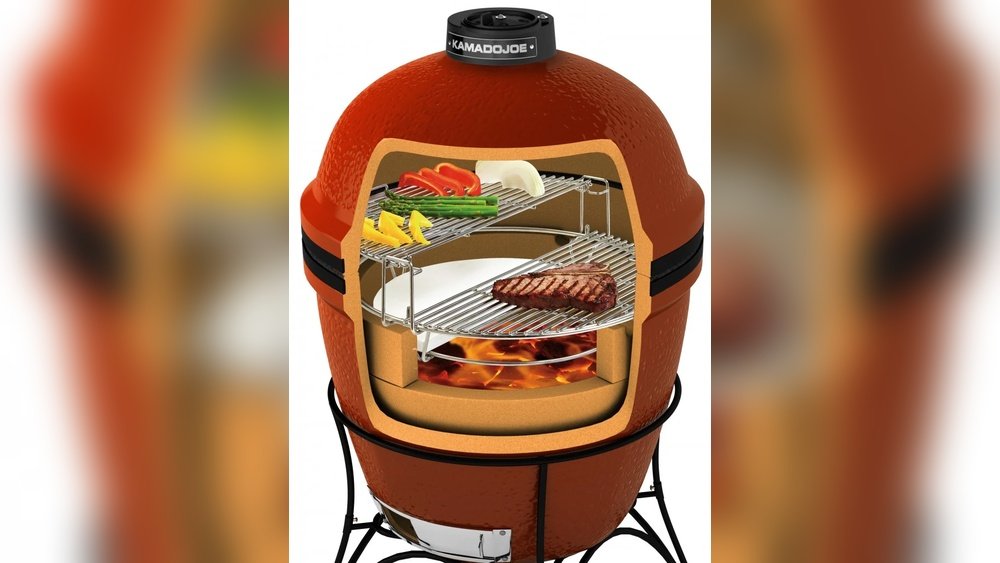
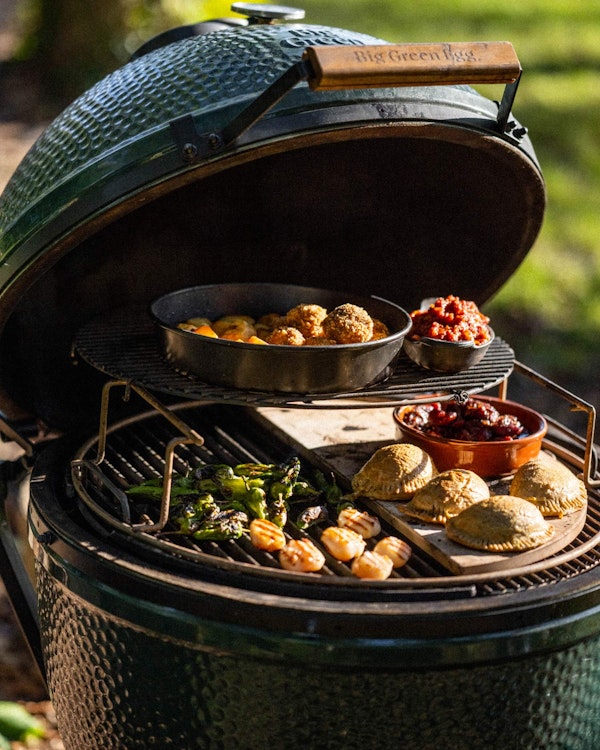
A kamado is a dome-shaped, ceramic grill. Its design comes from ancient Japanese and Chinese clay ovens. The name “kamado” means “stove” or “cooking range” in Japanese. Kamados are famous for their thick walls, which keep heat inside and allow for steady cooking.
Most kamado grills today are made of high-quality ceramics, but some use steel or other materials. The main features are:
- Dome lid for airflow and heat control
- Thick walls for insulation
- Air vents to adjust temperature
- Charcoal or wood fuel
Kamados are used for grilling, smoking, roasting, and even baking pizza. Their unique design helps food stay moist and flavorful.
The History Of Kamado Cooking
Kamado-style cooking started in Asia. Archaeologists found early clay ovens in China from over 3,000 years ago. These ovens spread to Japan, where the word “kamado” was first used. The traditional Japanese kamado was a stationary clay pot, heated by wood or charcoal.
In the mid-20th century, American soldiers in Japan saw kamado stoves and brought the idea home. Companies like Big Green Egg and Kamado Joe began making modern ceramic grills in the 1970s. Today, kamado grills are used worldwide and loved for their versatility.
Why Kamado Grills Are Different
Kamado grills stand out from other grills because of their:
- Heat retention: Thick ceramic walls hold heat for hours.
- Versatile cooking: Grill, smoke, bake, and roast in one device.
- Moisture retention: Food stays juicy thanks to sealed lids.
- Fuel efficiency: Use less charcoal than metal grills.
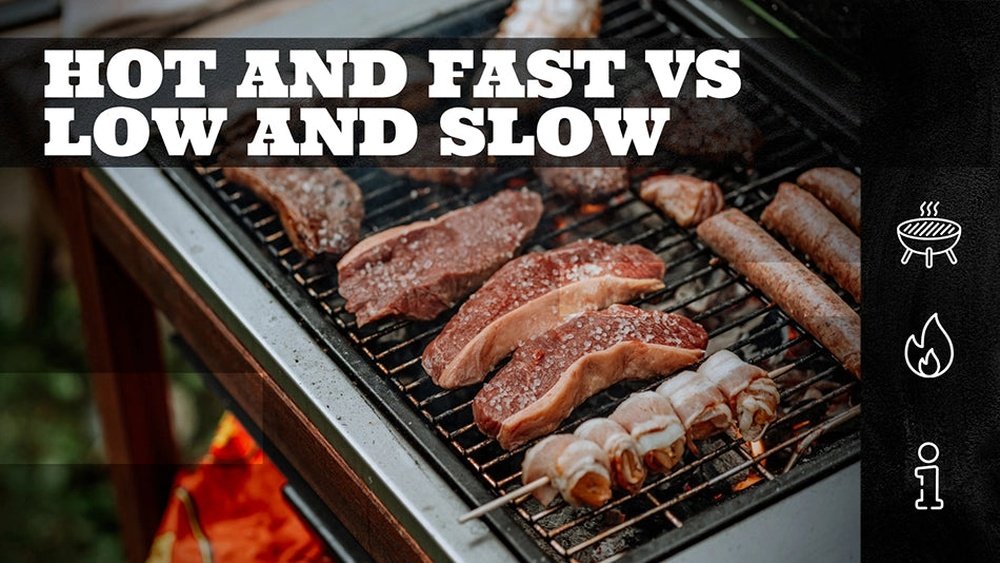
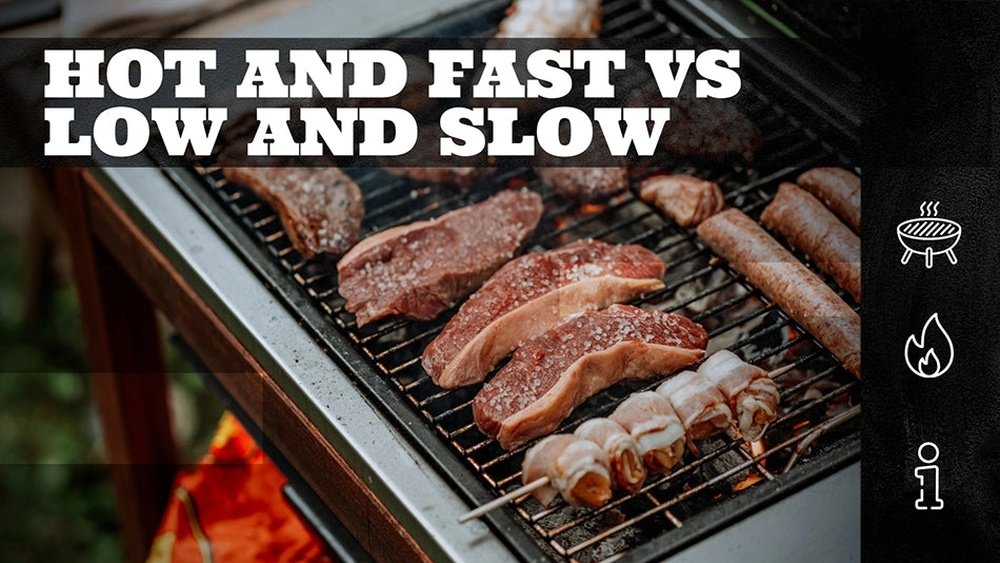
Kamados can reach temperatures over 700°F for searing steaks. Or, you can cook low-and-slow at 225°F for smoked meats. They are excellent for both beginners and experts.
Kamado Grill Types And Models
There are many kamado grills available. Here’s a comparison of popular brands and models:
| Brand | Material | Cooking Area | Price (USD) | Special Features |
|---|---|---|---|---|
| Big Green Egg | Ceramic | 262 sq. in. | $999 | Wide accessories, lifetime warranty |
| Kamado Joe | Ceramic | 250 sq. in. | $1199 | Divide & Conquer system, air lift hinge |
| Char-Griller Akorn | Steel | 314 sq. in. | $329 | Lightweight, affordable |
| Primo Oval | Ceramic | 300 sq. in. | $1450 | Oval shape, dual zone cooking |
Ceramic kamados are best for heat retention and durability, but steel models are lighter and cheaper. Beginners often choose steel kamados, while serious cooks prefer ceramic.
Setting Up Your Kamado Grill
Getting your kamado grill ready is easy, but there are some important steps:
- Choose your location: Place the grill on a flat, fire-safe surface. Keep it away from walls and flammable items.
- Add charcoal: Use natural lump charcoal, not briquettes. Lump charcoal burns cleaner and hotter.
- Light the charcoal: Use a chimney starter, electric starter, or natural fire starters. Avoid lighter fluid—it can ruin the flavor.
- Set the airflow: Adjust the bottom and top vents. More air = hotter fire.
- Preheat: Close the lid and let the grill heat up for 20–30 minutes. Ceramic grills take longer to warm up, but they keep heat steady.
Tip: Never use water to cool a hot ceramic grill—it can crack.
Kamado Cooking Techniques
Grilling
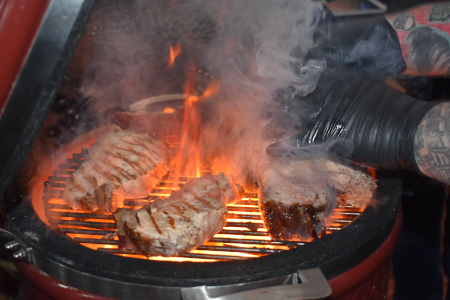
Kamados are great for direct grilling. Place charcoal directly under the cooking grate and use high heat for steaks, burgers, and vegetables.
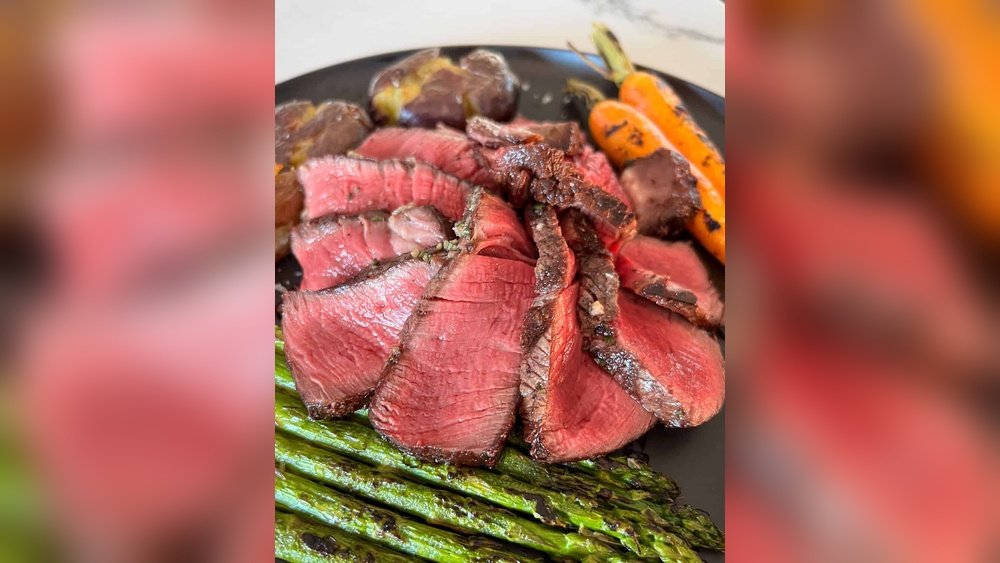
- Steaks: Sear at 600–700°F for 2–3 minutes per side.
- Vegetables: Grill at 350–400°F, turning often.
Smoking
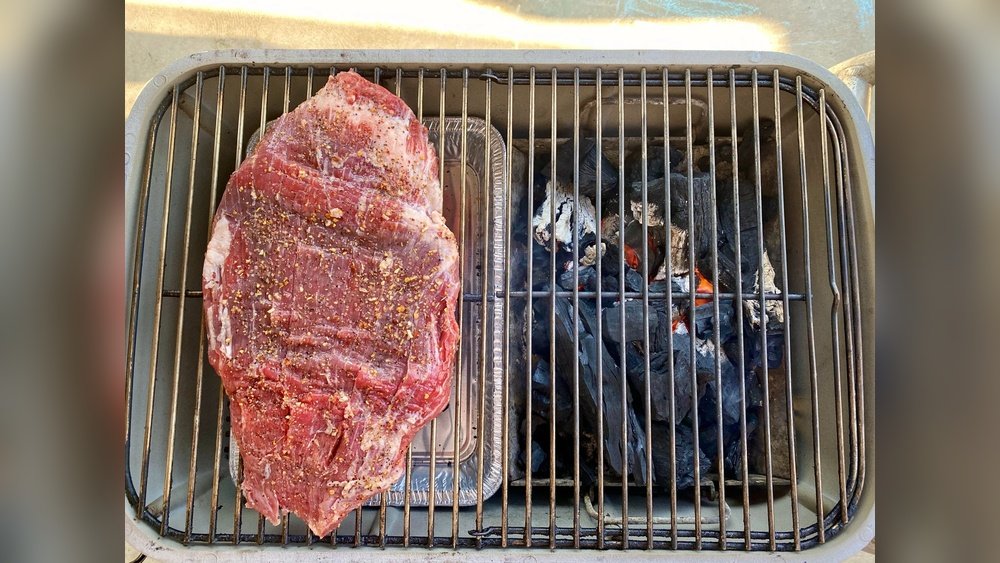
Low-and-slow cooking is a kamado specialty. Use the indirect method—place charcoal on one side and food on the other.
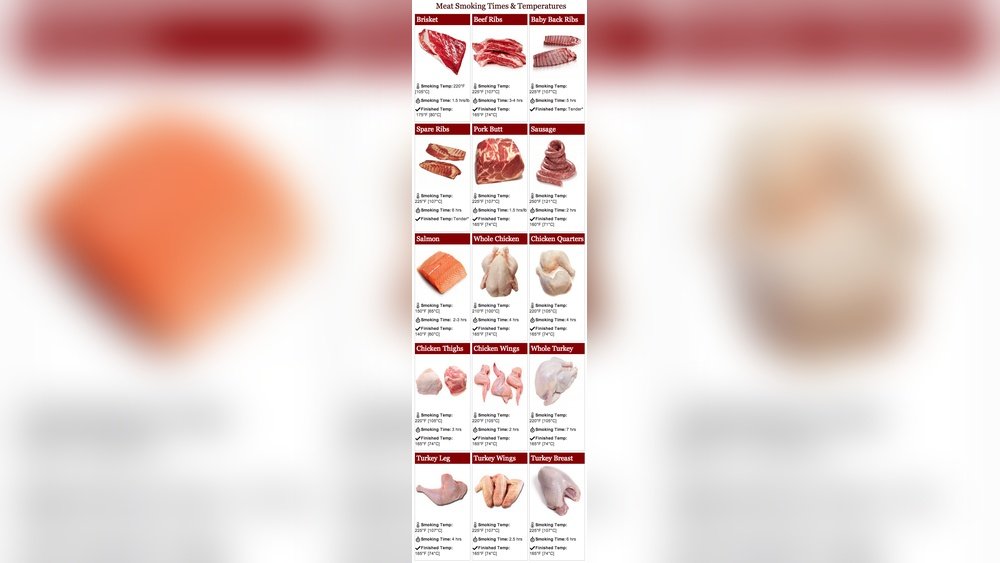
- Ribs: Smoke at 225–250°F for 4–6 hours.
- Brisket: Smoke at 225°F for 10–12 hours.
Add wood chunks (like hickory or apple) for extra flavor.
Baking
Kamados can bake bread, pizza, and desserts. Use a ceramic heat deflector to prevent burning.
- Pizza: Bake at 500–600°F for 8–10 minutes.
- Bread: Bake at 350–400°F for 25–40 minutes.
Roasting
Roast chicken, turkey, or vegetables. Use indirect heat and a drip pan.
- Chicken: Roast at 375°F for 1–1.5 hours.
- Turkey: Roast at 325°F for 2–3 hours.
Key Ingredients For Kamado Cooking
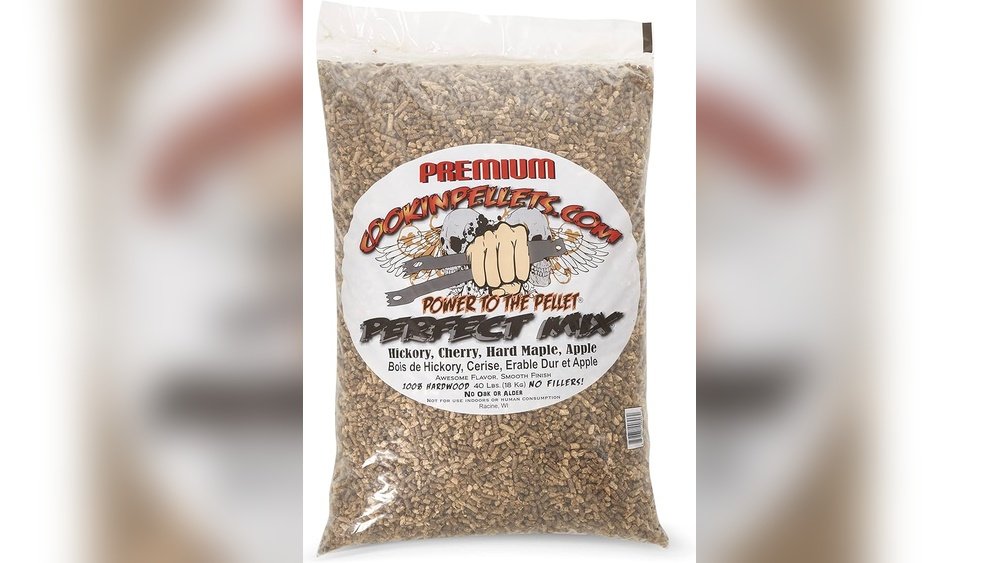
Lump charcoal is the main fuel for kamado grills. It burns hotter and has less ash than briquettes. You can add wood chunks for smoke flavor.
Common woods for smoking:
- Hickory: Strong, smoky taste (good for pork)
- Apple: Mild, sweet flavor (good for chicken)
- Cherry: Sweet and mild (good for beef)
- Mesquite: Intense, earthy flavor (good for brisket)
Tip: Avoid softwoods (like pine) because they produce bitter smoke.
Kamado Accessories That Matter
Accessories can improve your kamado experience. Here are the most important ones:
- Heat deflector: Lets you cook with indirect heat. Great for smoking and baking.
- Grill expander: Adds more cooking space.
- Ash tool: Helps remove ash easily.
- Pizza stone: Makes perfect pizza crust.
- Cast iron grate: Gives better sear marks.
Some brands have unique accessories, but these are useful for all kamados.
Kamado Cooking Vs. Other Grill Types
Kamado grills are often compared to other grills. Here’s a side-by-side look:
| Grill Type | Heat Retention | Versatility | Fuel Efficiency | Flavor | Price Range |
|---|---|---|---|---|---|
| Kamado | Excellent | High | High | Rich, smoky | $300–$2000 |
| Gas Grill | Poor | Medium | Medium | Mild | $150–$1000 |
| Charcoal Kettle | Medium | Medium | Medium | Smoky | $100–$500 |
| Pellet Grill | Good | High | Medium | Mild, woodsy | $400–$2000 |
Kamado grills are best for people who want versatile cooking and deep flavor. Gas grills are faster and easier, but the taste is not as rich.
Essential Kamado Cooking Tips
Kamado cooking can be simple, but a few tips will help you get the best results:
- Use lump charcoal only. It burns hotter and produces less ash.
- Don’t overload the grill. Airflow is important for temperature control.
- Let the grill preheat. Ceramic grills need time to reach the right temperature.
- Adjust vents slowly. Changes take several minutes to show.
- Keep the lid closed. Opening the lid lets heat escape and messes up cooking times.
- Clean out ash regularly. Too much ash blocks airflow.
Non-obvious Insights
- Ceramic walls act like a thermal battery: They keep heat steady even in cold weather, unlike metal grills that lose heat quickly.
- Kamado grills excel at temperature swings: You can quickly switch from high-heat searing to low-and-slow smoking by adjusting vents. This is hard with other grill types.
- Moisture retention is key: The sealed dome traps moisture, so food doesn’t dry out. That’s why kamado-cooked chicken or bread is extra juicy.
Credit: www.infinibandta.org
Common Mistakes Beginners Make
Kamado cooking is simple, but there are easy mistakes to avoid:
- Using lighter fluid: It ruins the flavor and can damage the ceramic.
- Not preheating long enough: Ceramic needs 20–30 minutes to heat up.
- Adding too much wood: Too much smoke makes food bitter.
- Opening the lid too often: This changes the temperature and slows cooking.
- Ignoring the vents: Airflow is the main way to control heat.
Tip: Practice adjusting vents and checking temperatures with a thermometer.
Kamado Recipes: Classic And Creative
Kamado grills are famous for classic BBQ, but you can cook almost anything. Here are some recipes to try:
Kamado-smoked Ribs
Ingredients:
- 2 racks pork ribs
- 1/4 cup BBQ rub
- 1 cup apple juice
- Wood chunks (apple or hickory)
Instructions:
- Remove membrane from ribs.
- Coat ribs with BBQ rub.
- Set up kamado for indirect heat at 225°F.
- Add wood chunks for smoke.
- Place ribs on the grill, smoke for 3 hours.
- Wrap ribs in foil with apple juice, cook for 2 hours.
- Unwrap, cook for 1 more hour.
- Let rest 10 minutes before serving.
Kamado Grilled Pizza
Ingredients:
- 1 pizza dough ball
- 1/2 cup tomato sauce
- 1 cup shredded cheese
- Toppings (pepperoni, vegetables)
- Olive oil
- Cornmeal (for pizza stone)
Instructions:
- Preheat kamado to 500°F with pizza stone.
- Stretch dough, add sauce, cheese, and toppings.
- Sprinkle cornmeal on pizza stone.
- Bake pizza for 8–10 minutes with lid closed.
- Remove and drizzle with olive oil.
Kamado-roasted Chicken
Ingredients:
- 1 whole chicken (3–4 lbs)
- 2 tbsp olive oil
- 1 tbsp salt
- 1 tsp pepper
- 1 lemon (halved)
- Fresh herbs (thyme, rosemary)
Instructions:
- Coat chicken with oil, salt, pepper, and herbs.
- Place lemon halves inside chicken.
- Set up kamado for indirect heat at 375°F.
- Roast chicken for 1–1.5 hours, until juices run clear.
- Rest 10 minutes before carving.
Kamado-baked Bread
Ingredients:
- 3 cups bread flour
- 1 cup water
- 1 tbsp yeast
- 1 tsp salt
- 2 tbsp olive oil
Instructions:
- Mix ingredients and knead dough.
- Let rise for 1 hour.
- Preheat kamado to 400°F with heat deflector.
- Shape dough, place on baking stone.
- Bake 25–30 minutes, until golden.
Tip: Kamado bread stays moist due to the sealed dome.
Kamado Cooking For Special Diets
Kamado grills can cook for any diet. You can make gluten-free pizza, vegan BBQ, or paleo meals.
- Vegan: Grill mushrooms, tofu, and veggies.
- Gluten-free: Use gluten-free dough for pizza and bread.
- Low-carb: Smoke meats, roast fish, and grill vegetables.
Tip: Use separate grill zones for different foods to prevent cross-contamination.
Cleaning And Maintenance
Kamado grills are easy to care for if you follow a few steps:
- Clean out ash every 2–3 uses.
- Scrub the grill grate after each cook with a stiff brush.
- Check for cracks in the ceramic. Small cracks are normal, but big ones need repair.
- Oil the grate to prevent rust.
- Store covered when not in use.
Tip: Never use water on a hot ceramic grill—it can cause damage.
Kamado Grill Safety
Kamado grills get very hot. Here’s how to use them safely:
- Wear heat-resistant gloves when handling the lid.
- Keep children and pets away.
- Don’t use indoors; kamados need lots of ventilation.
- Open lid slowly to avoid sudden flames (called “flashback”).
Tip: Always use a thermometer to check food temperature.
Kamado Cooking In Different Climates
Kamado grills are popular worldwide because they work well in any climate. The thick ceramic walls keep heat steady even in cold or windy weather.
Winter cooking: Kamados can grill and smoke in snow. You may need more charcoal, but the heat stays inside.
Summer cooking: Keep the grill shaded to prevent overheating.
Tip: Wind affects airflow, so adjust vents if cooking outdoors in windy weather.
Kamado Cooking For Parties And Large Groups
Kamado grills are perfect for gatherings. You can cook for 10–15 people on a medium-sized grill. Here are some party tips:
- Use grill expanders for more space.
- Cook in batches: Start with appetizers, then main dishes.
- Try crowd-friendly recipes: Smoked ribs, grilled pizza, roasted vegetables.
- Keep food warm: Kamados hold heat well; use indirect zones to keep cooked food warm.
Buying A Kamado Grill: What Matters Most
If you’re shopping for a kamado grill, consider these factors:
- Material: Ceramic is best for heat retention, but steel is lighter and cheaper.
- Size: Medium models (16–18 inches) are good for families. Large models (22 inches+) are best for parties.
- Price: Expect $300–$2,000 depending on size and brand.
- Warranty: Good brands offer lifetime warranties.
- Accessories: Look for grills with heat deflectors, grill expanders, and ash tools.
- Brand reputation: Choose brands with good reviews and support.
Tip: Don’t buy a grill that’s too big if you only cook for a few people—it wastes charcoal.
Kamado Grill Comparison
Here’s a comparison of three popular kamado models:
| Model | Cooking Area | Weight | Warranty | Best For |
|---|---|---|---|---|
| Big Green Egg Large | 262 sq. in. | 162 lbs | Lifetime | Families, BBQ lovers |
| Kamado Joe Classic II | 250 sq. in. | 188 lbs | Lifetime | Advanced cooks, pizza fans |
| Char-Griller Akorn | 314 sq. in. | 90 lbs | 5 years | Beginners, budget buyers |
Tip: Weight matters for moving the grill. Ceramic grills are heavy, so plan carefully.
Kamado Cooking For Beginners
If you’re new to kamado cooking, start simple:
- Grill burgers and vegetables first to get used to temperature control.
- Try smoking ribs or chicken once you’re comfortable.
- Bake pizza or bread after learning how to use a heat deflector.
- Keep a cooking log: Write down times, temperatures, and results to improve each cook.
Tip: Join online communities or forums for advice and recipes.
Kamado Cooking For Advanced Users
Experienced cooks can try more complex recipes and techniques:
- Reverse searing: Cook meat low-and-slow, then finish with high heat for a crisp crust.
- Dual-zone cooking: Use grill expanders and heat deflectors to cook different foods at once.
- Sous-vide finish: Cook meat sous-vide, then sear on the kamado for flavor.
Tip: Experiment with different woods and rubs for unique flavors.
Kamado Cooking Around The World
Kamado cooking is not just American BBQ. In Japan, kamado stoves are used for rice and stews. In India, clay tandoors (similar to kamados) cook naan bread and kebabs.
Global recipes to try:
- Japanese rice cooked in a kamado
- Indian tandoori chicken
- Italian pizza
- American smoked brisket
Tip: Kamados are flexible—adapt recipes from other cuisines.

The Science Behind Kamado Cooking
Kamado grills are efficient because of how they manage heat and airflow. The ceramic walls act like an oven, keeping heat inside. The dome shape lets hot air circulate, so food cooks evenly.
Airflow matters: The bottom vent lets air in, fueling the fire. The top vent lets air out, controlling temperature. If you close both vents, the fire dies. Open them, and heat rises.
Moisture retention: Sealed lids trap steam, so meat stays juicy.
Tip: Use a digital thermometer for precise temperature control.

Credit: kamadothailand.com
Kamado Cooking And Sustainability
Kamado grills are eco-friendly. They use less charcoal than metal grills, so you save money and reduce waste.
- Ceramic grills last decades if cared for.
- Lump charcoal is made from natural hardwood, not chemicals.
- Low ash production: Easier to clean and less waste.
Tip: Use sustainable hardwood lump charcoal for best results.
Kamado Cooking: Real-life Stories
Many cooks have switched from gas or pellet grills to kamado. Here’s what they say:
- “My kamado grill makes the juiciest chicken I’ve ever tasted.”
- “I love baking bread on my kamado—it’s so soft and moist.”
- “Smoking brisket is easy, and the flavor is amazing.”
Tip: Practice and patience are key. Kamado cooking rewards careful attention.
Kamado Cooking: Future Trends
Kamado grills are getting smarter. Some new models have:
- Wi-Fi temperature control
- Integrated meat probes
- Easy-clean features
- Modular accessories
Tip: Technology can help, but learning basic vent control is still important.

Frequently Asked Questions
How Do I Control The Temperature In A Kamado Grill?
Control temperature by adjusting the bottom and top vents. Open vents for more heat, close for less. Changes take 5–10 minutes to show. Use a thermometer for accuracy.
What Is The Best Charcoal For Kamado Grills?
Use lump charcoal made from hardwood. It burns hotter, produces less ash, and adds natural flavor. Avoid briquettes—they have fillers and chemicals.
Can I Use A Kamado Grill In Winter?
Yes. Kamado grills work well in cold weather because their ceramic walls keep heat inside. You may need more charcoal, but the temperature stays steady.
Are Kamado Grills Good For Baking?
Absolutely. Kamado grills bake bread, pizza, and desserts. Use a heat deflector or pizza stone for best results. The sealed dome keeps food moist.
How Do I Clean A Kamado Grill?
Let the grill cool, then remove ash with an ash tool. Scrub the cooking grate with a brush. Oil the grate to prevent rust. Never use water on a hot ceramic grill.
—
Kamado cooking is a blend of ancient tradition and modern technique. Whether you grill, smoke, bake, or roast, the kamado gives you unmatched flavor and flexibility. With a little practice and the right tools, you can create delicious meals for family and friends—and enjoy the true art of outdoor cooking. For more details on kamado ovens and their history, check out Wikipedia’s Kamado page.
Credit: www.barbecue-smoker-recipes.com