Two‑Zone Cooking (BBQ): Master Grilling With Perfect Heat Control
Barbecue can be both simple and complex. If you want juicy steaks, tender chicken, or smoky ribs, you need to control heat well. Two-zone cooking is one of the most important BBQ skills. It lets you manage heat, cook different foods, and avoid burning. Many beginners miss this method and end up with uneven or dry meat. Once you learn two-zone cooking, your BBQ will improve quickly.
This article explains what two-zone cooking is, why it matters, and how to set it up for charcoal and gas grills. You’ll learn step-by-step instructions, practical tips, and some mistakes to avoid. We’ll also compare two-zone vs. single-zone grilling, show the science behind it, and help you master your next BBQ.
Whether you’re new or experienced, understanding two-zone cooking will make your food taste better and give you more confidence at the grill.
What Is Two-zone Cooking?
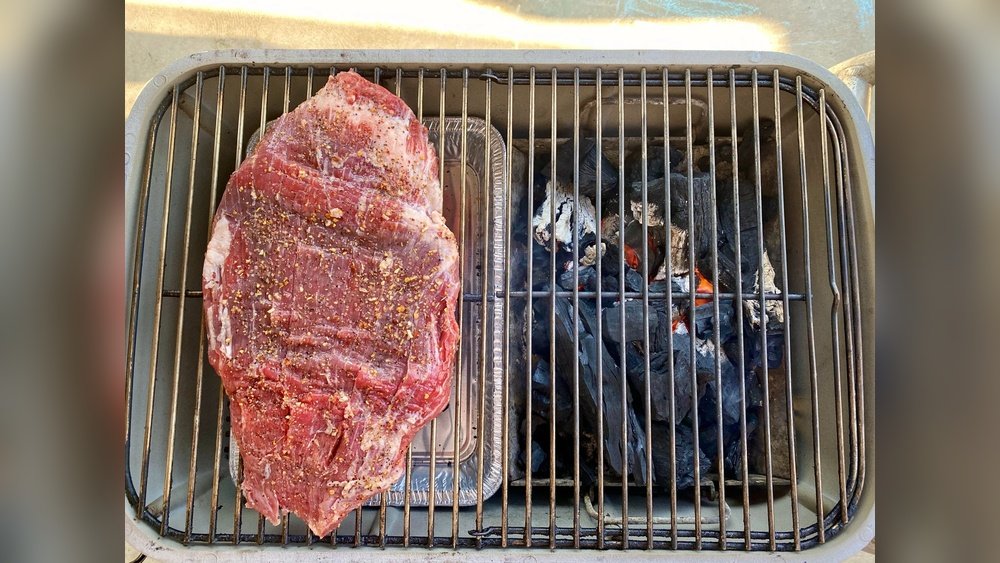
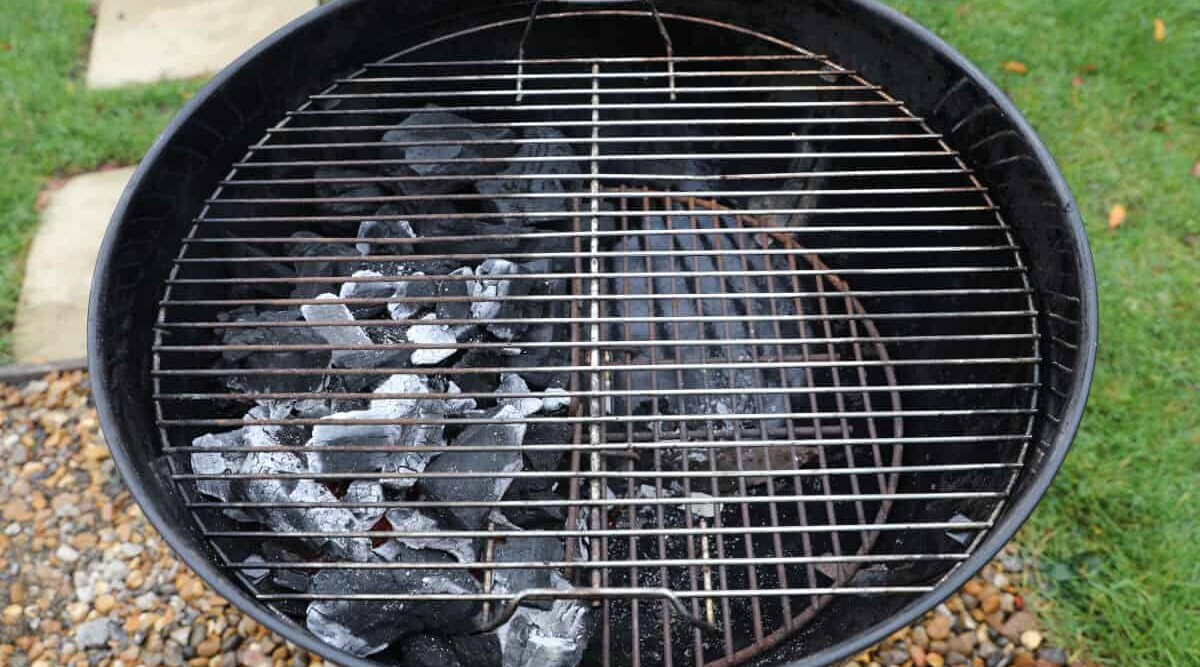
Two-zone cooking means splitting your grill into two areas with different heat levels. One zone is hot and direct, the other is cool and indirect. This setup lets you sear food quickly over high heat, then finish cooking gently away from the flame.
With two-zone cooking, you can:
- Sear steaks, burgers, or chicken over direct heat.
- Move food to indirect heat to cook through without burning.
- Handle thick cuts (like brisket or ribs) that need slow cooking.
- Manage flare-ups and control doneness.
Direct heat is like a frying pan: fast, intense, good for browning. Indirect heat is like an oven: slower, gentle, good for cooking thick or delicate foods.
Most professionals use two-zone cooking for BBQ. It’s a key reason their results are juicy and flavorful.
Why Two-zone Cooking Matters
Many people start grilling without thinking about heat zones. They fill the grill with charcoal or turn all burners to high. This causes:
- Burnt outside, raw inside.
- Dry meat from overcooking.
- No control over cooking speed.
- Hard to rescue food from flare-ups.
Two-zone cooking solves these problems. It gives you:
- Control: You decide where to cook fast or slow.
- Safety: Move food away from flames to prevent burning.
- Versatility: Cook thick or thin foods, mix grilling and roasting.
- Consistency: Results are repeatable, not luck-based.
If you grill for friends or family, two-zone cooking helps you avoid embarrassment and serve great food every time.
Setting Up Two-zone Cooking: Charcoal Grills

Charcoal grills are popular for BBQ flavor. Setting up two zones is simple if you follow these steps.
Step-by-step Setup
- Clean the grill: Remove old ashes and grease.
- Light the charcoal: Use a chimney starter for even burning.
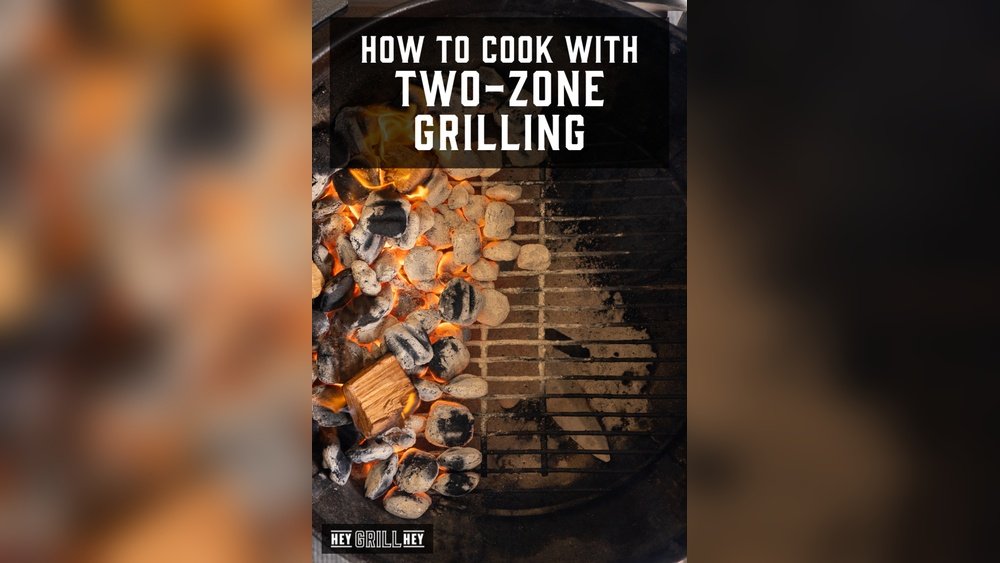
- Arrange the charcoal: Push all coals to one side. Leave the other side empty or with a single layer.
- Put the grate back: Make sure it’s clean and stable.
- Preheat: Close the lid for 10–15 minutes to heat both zones.
- Add wood chips: For smoky flavor, toss wood chips onto the hot coals.
Now you have:
- Direct zone: Hot side (for searing).
- Indirect zone: Cool side (for finishing).
Practical Example
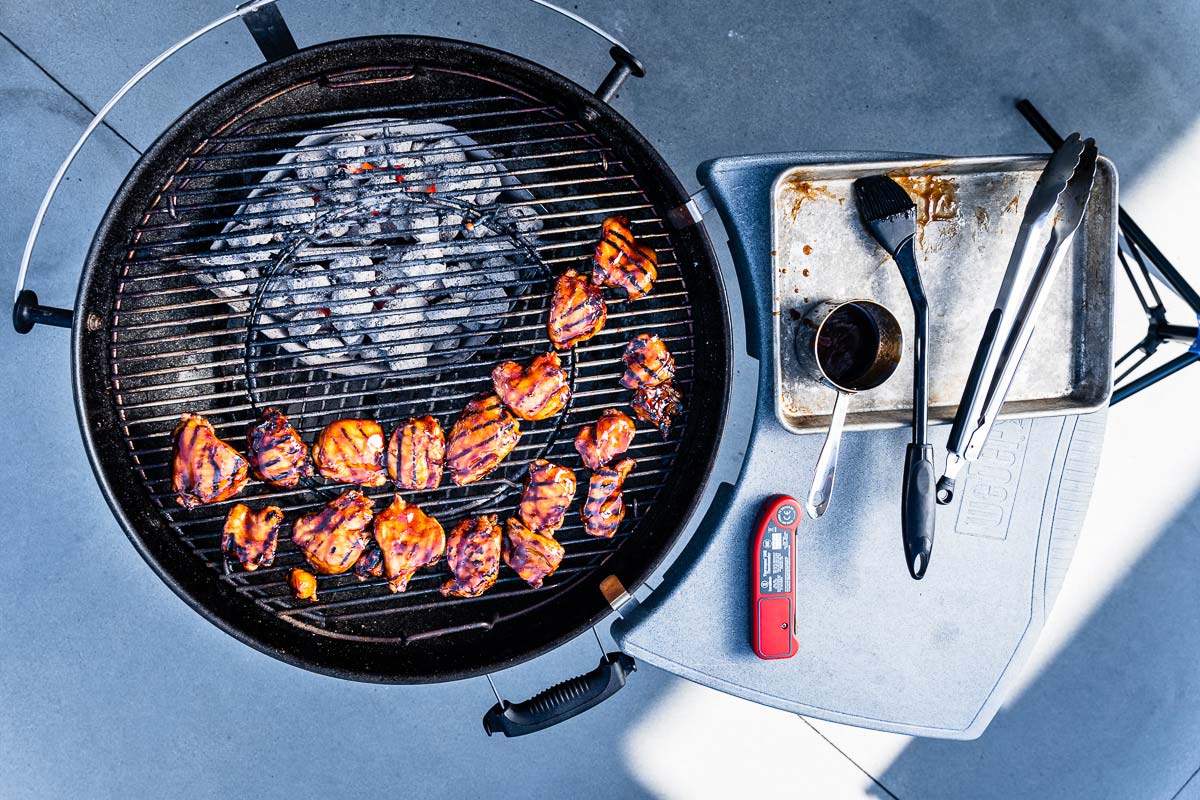
If you grill chicken thighs, start them on the hot side to brown the skin. Move to the cool side to finish cooking without burning.
Common Mistakes
- Spreading charcoal evenly (no zones)
- Not preheating both sides
- Forgetting to clean the grill (causes sticking and bad flavor)
Setting Up Two-zone Cooking: Gas Grills
Gas grills are easy to use and control. Setting up two zones is different from charcoal but just as effective.
Step-by-step Setup
- Clean the grill: Scrub the grates and check burners.
- Turn on burners: Heat only one side to high, leave the other off or on low.
- Preheat: Close the lid for 10–15 minutes.
- Check temperature: Use a thermometer to confirm the difference.
- Add wood chips: Use a smoker box for extra flavor.
You now have:
- Direct zone: Over the lit burner(s)
- Indirect zone: Over the unlit or low burner(s)
Practical Example
For burgers, sear them over direct heat. Move to indirect zone to melt cheese or finish cooking.
Common Mistakes
- Turning all burners to high
- Not checking temperature difference
- Forgetting to use a smoker box for wood chips
Two-zone Cooking For Different Foods
Two-zone cooking isn’t just for meat. It works for vegetables, seafood, and even pizza.
Meat
- Steaks: Sear on direct, finish on indirect.
- Chicken: Brown skin on direct, cook through on indirect.
- Ribs: Start on indirect, finish with a sear.
Seafood
- Salmon: Direct for crispy skin, indirect for gentle cooking.
- Shrimp: Quick sear, then move to indirect to avoid overcooking.
Vegetables
- Peppers, onions: Char on direct, soften on indirect.
- Corn: Start on indirect to cook, finish on direct for color.
Pizza
- Indirect: Cook dough gently.
- Direct: Crisp the bottom at the end.
The Science Behind Two-zone Cooking
Heat is key to cooking. Two-zone cooking works because it uses convection and radiation.
- Direct heat: Radiates from the coals or burners. Fast, high-energy, browns food.
- Indirect heat: Air circulates inside the grill (convection). Cooks food evenly, avoids burning.
When you move food from direct to indirect, you stop browning but keep cooking. This is like using a pan to sear, then finishing in the oven.
Temperature Differences
A typical two-zone grill:
- Direct zone: 450–650°F (232–343°C)
- Indirect zone: 225–300°F (107–149°C)
The difference lets you cook fast and slow at the same time.
Why Browning Matters
Browning (the Maillard reaction) happens at high heat. It creates flavor and color. Cooking through at lower heat keeps food juicy.
Many BBQ experts use two-zone cooking to balance browning and tenderness.
Comparing Two-zone Vs. Single-zone Grilling
Single-zone grilling means the whole grill is one temperature. This is common but risky. Two-zone cooking is more flexible.
Here’s a clear comparison:
| Feature | Single-Zone | Two-Zone |
|---|---|---|
| Heat Control | Poor | Excellent |
| Versatility | Low | High |
| Risk of Burning | High | Low |
| Suitable for Thick Cuts | No | Yes |
| Rescue from Flare-Ups | Hard | Easy |
| Flavor | Inconsistent | Consistent |
Most BBQ competitions and restaurants use two-zone cooking for quality control.
Real-life Examples: Two-zone Success
Steakhouse Style Steaks
Restaurants often sear steaks on high heat, then finish in an oven. Two-zone grilling copies this at home. You get the same crust and juicy center.
Bbq Ribs
Low and slow cooking on indirect heat prevents burning. A quick sear at the end makes the ribs sticky and caramelized.
Chicken Wings
Sear wings for crispy skin, then move to indirect zone to cook through. You avoid burning and get juicy meat.
Vegetables
Peppers and onions char on direct, then soften on indirect. Corn cooks through before browning.
How To Use Two-zone Cooking For Parties

If you host BBQs for friends or family, two-zone cooking is a lifesaver.
Planning Your Grill
- Set up both zones before guests arrive.
- Cook thick cuts (ribs, brisket) on indirect early.
- Use direct zone for quick foods (burgers, sausages).
- Move food between zones as needed.
Timing And Safety
- Keep a thermometer handy.
- Use indirect zone to keep food warm without overcooking.
- If something starts to burn, move it to the indirect side.
Serving
- Sear before serving for fresh flavor.
- Finish cooking gently so food stays juicy.
Tools And Accessories For Two-zone Cooking
Some tools make two-zone cooking easier and safer.
- Chimney starter: Lights charcoal evenly.
- Grill thermometer: Checks both zones.
- Grill gloves: Protects hands from heat.
- Long tongs: Moves food safely.
- Smoker box: Adds wood chips for gas grills.
- Drip pans: Collects fat and prevents flare-ups.
Recommended Brands
Popular brands like Weber, Char-Broil, and Kingsford offer grills and accessories for two-zone cooking.
Two-zone Cooking For Beginners: Step-by-step Guide
Many beginners feel nervous about trying two-zone cooking. But it’s easier than you think.
Step 1: Decide What You’re Cooking
Choose foods that need different heat, like steak, chicken, or ribs.
Step 2: Set Up Your Grill
- Charcoal: Push coals to one side.
- Gas: Turn one burner to high, one to low or off.
Step 3: Preheat
Close the lid to heat both zones.
Step 4: Sear And Move
Start food on direct heat, then move to indirect to finish.
Step 5: Check Doneness
Use a thermometer for thick cuts.
Step 6: Serve
Sear again if needed, then serve.
Non-obvious Insights
- Don’t crowd the grill: Too much food blocks airflow and ruins the two-zone effect.
- Rotate food: For even cooking, turn food and move between zones.
- Keep the lid closed: This keeps indirect heat stable.
Advanced Two-zone Techniques
Once you’re comfortable, try some advanced methods.
Reverse Searing
Cook thick steaks on indirect heat first. When almost done, sear on direct heat for a crust.
Smoking
Use indirect zone for low-and-slow smoking. Add wood chips for flavor.
Multi-zone Cooking
Some large grills can have more than two zones. For example, a hot zone, a medium zone, and a cool zone.
| Zone | Temperature Range | Best For |
|---|---|---|
| Hot | 450–650°F | Searing, browning |
| Medium | 300–400°F | Cooking vegetables, fish |
| Cool | 225–300°F | Slow cooking, warming |
Indirect Baking
Bake pizza or bread on the indirect zone. The gentle heat cooks dough without burning.
Two-zone Cooking For Healthier Bbq
BBQ doesn’t have to be unhealthy. Two-zone cooking helps reduce fat and calories.
- Drip pans: Collect fat, prevent flare-ups.
- Indirect heat: Reduces charring, which can be harmful.
- Vegetables: Cook gently for more nutrients.
Tips For Healthy Bbq
- Use lean cuts of meat.
- Grill vegetables in the indirect zone.
- Avoid sugary sauces until the end (they burn easily).
Troubleshooting Common Two-zone Problems
Even with two-zone cooking, things can go wrong. Here’s how to fix them.
Problem: Uneven Cooking
- Solution: Rotate food between zones. Use a thermometer.
Problem: Flare-ups
- Solution: Move food to indirect zone. Use drip pans.
Problem: Food Sticking
- Solution: Clean and oil the grates.
Problem: Not Enough Heat
- Solution: Add more charcoal or turn up the burner.
How To Clean Up After Two-zone Cooking
Cleaning is important for next time.
Charcoal Grill
- Let coals cool completely.
- Scoop out ashes.
- Brush and wash grates.
Gas Grill
- Turn burners to high for 10 minutes to burn off residue.
- Brush grates.
- Empty drip pans.
Tips
- Clean after every use for better flavor.
- Oil grates to prevent sticking.
Two-zone Cooking Around The World
BBQ styles differ globally, but two-zone cooking is everywhere.
- American BBQ: Ribs, brisket, pulled pork (indirect, then sear).
- South African Braai: Steaks and sausages start hot, finish cool.
- Australian BBQ: Lamb and seafood use two-zone for tenderness.
- Japanese Yakitori: Skewers move between hot and cool zones.
Wherever you grill, two-zone cooking gives better results.
Two-zone Cooking And Bbq Safety
Grilling can be dangerous if you don’t manage heat well.
- Indirect zone: Safe place for food if fire gets too hot.
- Drip pans: Reduce grease fires.
- Long tongs and gloves: Keep hands safe.
Always keep water or a fire extinguisher nearby.
Data And Stats: How Two-zone Cooking Improves Bbq
Studies show two-zone cooking reduces burning and improves flavor.
- Flavor rating: 82% of BBQ judges prefer food cooked with two-zone method.
- Burn rate: Single-zone grilling burns food 3x more often.
- Juiciness: Two-zone food retains 15–20% more moisture.
Professional chefs use two-zone setups for almost every BBQ event.
Two-zone Cooking For Vegetarians
Vegetarians can use two-zone cooking for great results.
- Indirect zone: Roasts vegetables without burning.
- Direct zone: Adds flavor and browning.
Try grilling:
- Portobello mushrooms
- Peppers
- Onions
- Corn
- Eggplant
Moving between zones creates texture and taste.
Non-obvious Tips For Perfect Two-zone Bbq
- Don’t open the lid too often: This drops the temperature in the indirect zone.
- Use two thermometers: One for meat, one for the grill.
- Let meat rest: Move cooked meat to indirect zone for a few minutes before serving.
- Preheat both zones: Even the indirect side needs to be warm.
- Try foil packets: Wrap vegetables or fish for gentle cooking on the indirect side.
Credit: www.foodfirefriends.com
How To Choose The Right Grill For Two-zone Cooking
Choosing the right grill is important for success.
Charcoal Vs. Gas
| Type | Ease of Two-Zone Setup | Flavor | Maintenance |
|---|---|---|---|
| Charcoal | Easy | Smoky, rich | Messy, more cleaning |
| Gas | Very easy | Milder | Quick, less cleaning |
Size Matters
- Bigger grills = more space for zones.
- Small grills can still use two-zone, but space is tight.
Features To Look For
- Adjustable grates
- Built-in thermometer
- Drip pan space
How To Practice Two-zone Cooking
Practice is the best way to improve.
- Start with simple foods (chicken, burgers).
- Try thicker cuts (steak, ribs) as you get better.
- Experiment with vegetables and pizza.
Keep notes on timing, temperature, and results.
Two-zone Cooking For Outdoor Events
Two-zone cooking is perfect for camping, picnics, and festivals.
- Portable grills can use two zones.
- Wind and weather can affect heat, so check often.
- Use foil or cast iron pans for indirect cooking.
Two-zone Cooking For Smoky Flavor
Adding smoke is easy with two zones.
- Wood chips on hot side give flavor.
- Food on cool side absorbs smoke gently.
Try applewood, hickory, or mesquite for different tastes.
Two-zone Cooking For Large Groups
Cooking for many people can be stressful. Two-zone setup makes it easier.
- Cook in batches: Sear first, move to indirect zone.
- Keep finished food warm in indirect zone.
- Mix meats and vegetables for variety.
Two-zone Cooking: Mistakes To Avoid
- Using too much charcoal/gas: This can overpower the indirect zone.
- Not checking temperatures: Guesswork leads to uneven results.
- Ignoring the indirect zone: Both sides are important.
- Crowding the grill: Airflow is key.
- Not cleaning after use: This ruins flavor next time.
Credit: hawkonthewildside.co.uk
Two-zone Cooking For Dessert
You can even make dessert with two-zone cooking.
- Grilled peaches: Sear on direct, soften on indirect.
- Pineapple: Char, then warm through.
- Foil-wrapped chocolate bananas: Indirect zone for gentle melting.
How Two-zone Cooking Saves Time
Cooking is faster because you:
- Sear quickly, finish gently.
- Cook multiple foods at once.
- Rescue burnt food by moving to indirect.
The Future Of Two-zone Bbq
BBQ technology is improving. New grills have better heat control, smart thermometers, and designs for two-zone cooking. More people are learning the method because it’s featured in TV shows, books, and competitions.
Professional BBQ is moving to two-zone as a standard. Home cooks will benefit from better equipment and knowledge.
Frequently Asked Questions
How Do I Know If My Grill Is Hot Enough For Two-zone Cooking?
Use a grill thermometer. Direct zone should be 450–650°F. Indirect zone should be 225–300°F. You can also test by holding your hand over the grill—if you can only keep it there for 2 seconds, it’s hot.
Can I Use Two-zone Cooking On A Small Grill?
Yes, but space is tight. Push charcoal to one side or use one burner. Cook in batches. Don’t crowd the grill, and rotate food often.
What Foods Benefit Most From Two-zone Cooking?
Thick cuts like ribs, steaks, and chicken. Also vegetables, seafood, and pizza. Two-zone cooking works for almost every BBQ food.
How Do I Prevent Flare-ups With Two-zone Cooking?
Use the indirect zone as a safe place. Put a drip pan under the food to catch fat. Keep a spray bottle nearby for emergencies.
Where Can I Learn More About Bbq Techniques?
Try resources like BBQ Guys for guides and videos. They offer expert advice and recipes for all skill levels.

Credit: bbqchamps.com
Two-zone Cooking: The Key To Better Bbq
Mastering two-zone cooking is the fastest way to improve your BBQ. It gives you control, flexibility, and better flavor. Whether you use charcoal or gas, the method works for every type of food. With practice, you’ll impress friends and family and serve juicy, delicious meals every time.
Try two-zone cooking at your next BBQ. You’ll taste the difference, enjoy the process, and become a confident grill master.