Spice Blends: Elevate Your Cooking With Bold Flavors
Spice Blends: Unlocking Flavors From Around The World
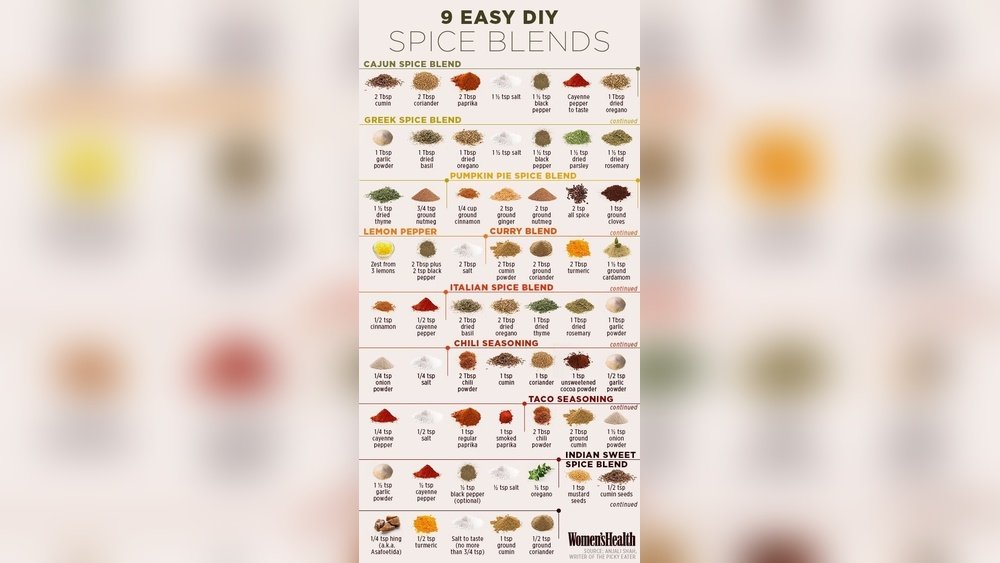
Spices have shaped the world’s food history, trade, and culture for centuries. But when individual spices are carefully mixed, they create something even more powerful: spice blends. These combinations are key to the world’s most iconic dishes, from curry to chili. Spice blends not only make food taste better, but they also save time in the kitchen and allow cooks to recreate global flavors at home. Whether you are a curious beginner or an experienced cook, understanding spice blends will transform the way you think about flavor.
Many people buy pre-made blends, but making your own gives you control over taste, freshness, and health. It also opens a door to history and tradition, as each blend tells a story about a place and its people. In this guide, you’ll discover how spice blends work, the most famous blends from around the globe, how to create your own, and practical tips for cooking with them.
You will also see how blends influence health, and find answers to common questions. Let’s explore the world of spice blends together.
What Are Spice Blends?
Spice blends are mixtures of two or more ground or whole spices, herbs, seeds, or other flavorings. Unlike using a single spice, blends offer complex layers of taste, aroma, and even color. They can be simple, like mixing salt and pepper, or complex, with a dozen ingredients. Spice blends are used to season meats, vegetables, soups, stews, grains, and sauces.
Blends are often connected to a culture or region—think Garam Masala in India, Herbes de Provence in France, or Cajun seasoning in the United States. Many have been passed down for generations and are closely guarded family secrets.
Key Elements Of Spice Blends
Every blend starts with a few basics:
- Base spices: These form the main flavor, such as cumin, coriander, or paprika.
- Supporting spices: Add depth or heat, like black pepper, chili, or cloves.
- Aromatics: Dried herbs, garlic, or onion powder.
- Salt and sugar: Sometimes included for balance or to enhance other flavors.
Some blends are for dry use, while others are mixed with oils, vinegar, or liquids to make pastes or rubs.
Why Use Spice Blends?
Blends save time and reduce guessing. Instead of adding ten spices one by one, you use a single spoonful of a mix. They also help cooks achieve the right balance of flavor. For beginners, blends are an easy way to start cooking dishes from new cuisines.
For pros, they are a shortcut to consistency.
A Brief History Of Spice Blends
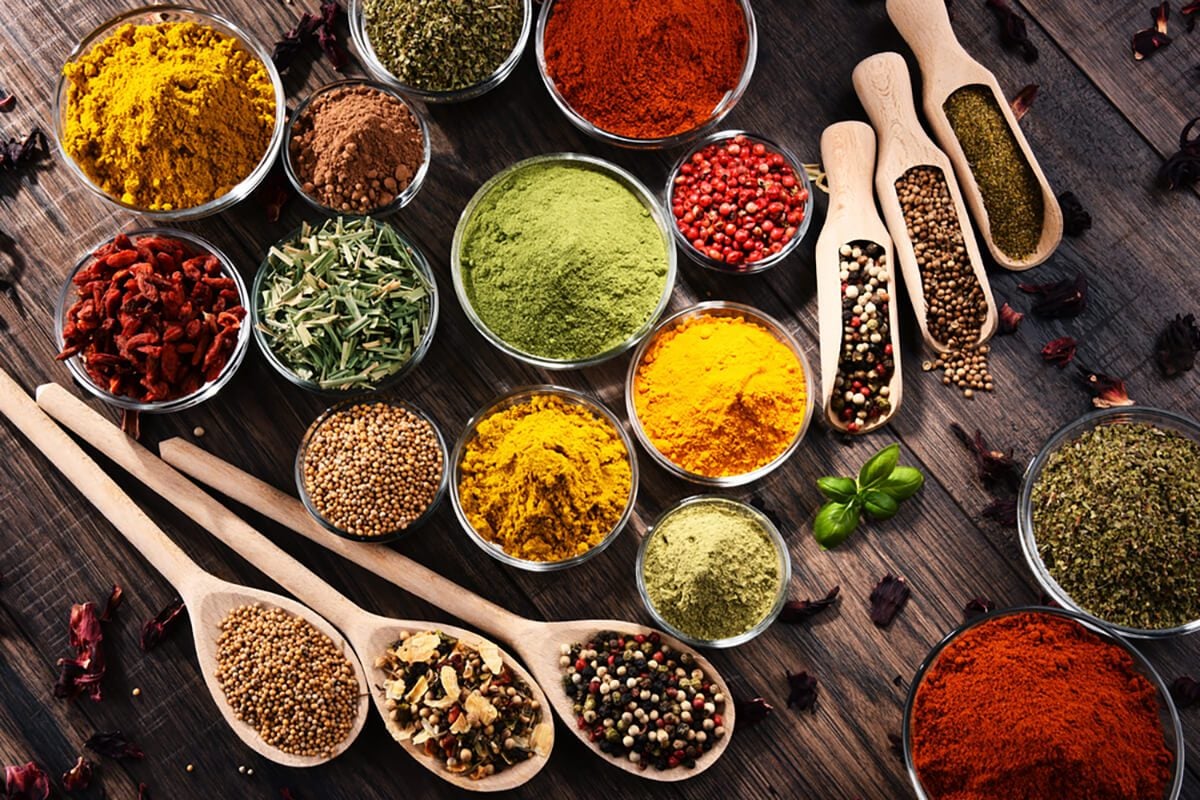
The story of spice blends is as old as cooking itself. Ancient Egyptians used spice mixtures in food and for preserving meats. As trade routes opened between Asia, the Middle East, Africa, and Europe, spices were exchanged, and new blends were born.
In the Middle Ages, spice blends showed wealth and status. Royal chefs created secret mixes for feasts. Some blends, like Ras el Hanout in Morocco or Za’atar in the Middle East, have been made for centuries and are still used today.
As people moved and cultures mixed, so did their spices. Today, you can find a world of blends in most supermarkets—testament to the long journey of these flavor combinations.
Credit: www.tasteofhome.com
Famous Spice Blends From Around The World
Exploring spice blends is like taking a trip across the globe. Here are some of the most iconic blends and what makes them special.
1. Garam Masala (india)
Garam Masala is the heart of many North Indian dishes. The blend typically includes cumin, coriander, cardamom, cinnamon, cloves, and black pepper. Some families add nutmeg, fennel, or bay leaves. It is usually added at the end of cooking for a warm, aromatic finish.
Tip: Always add Garam Masala toward the end to keep its aroma strong.
2. Herbes De Provence (france)
This French blend is a mix of dried herbs like thyme, rosemary, marjoram, oregano, and sometimes lavender. It’s used for seasoning grilled meats, vegetables, and stews. The flavor is light, floral, and earthy.
Did you know? The blend was inspired by herbs that grow wild in the Provence region.
3. Chinese Five-spice
A balance of sweet, sour, bitter, salty, and umami, this blend usually contains star anise, cloves, Chinese cinnamon (cassia), Sichuan peppercorns, and fennel seeds. It’s used in Chinese braised dishes, duck, and pork.
4. Za’atar (middle East)
Za’atar combines dried thyme, oregano, marjoram, toasted sesame seeds, sumac, and salt. It’s sprinkled on breads, mixed with olive oil, or used to season meats and vegetables.
Example: Try it on fresh pita bread with olive oil.
5. Ras El Hanout (morocco)
This blend can have up to 30 ingredients, but usually includes cardamom, cumin, clove, cinnamon, nutmeg, mace, allspice, dried ginger, chili peppers, coriander seed, and peppercorns. The name means “head of the shop” because it features the best spices.
6. Berbere (ethiopia)
Berbere is spicy, warm, and deeply aromatic. It includes chili peppers, garlic, ginger, basil, korarima (Ethiopian cardamom), rue, ajwain, and fenugreek. It’s essential in Ethiopian stews (wats).
7. Advieh (iran)
This Persian blend is floral and mild, with dried rose petals, cinnamon, cardamom, cumin, and nutmeg. It’s used in rice, meats, and vegetable dishes.
8. Baharat (middle East)
A versatile blend with black pepper, coriander, paprika, cardamom, nutmeg, cumin, cloves, and cinnamon. Used in soups, meats, and rice dishes.
9. Taco Seasoning (mexico/us)
A modern blend for tacos, often containing chili powder, cumin, paprika, garlic powder, onion powder, oregano, salt, and pepper.
10. Cajun Seasoning (southern Us)
Cajun cooking uses a spicy, bold blend: paprika, cayenne, garlic powder, onion powder, thyme, oregano, and black pepper.
11. Jerk Seasoning (jamaica)
This fiery blend includes allspice, Scotch bonnet peppers, thyme, cinnamon, nutmeg, and garlic. It’s used for marinating chicken or pork.
12. Dukkah (egypt)
A mix of crushed nuts (like hazelnuts), sesame seeds, coriander, and cumin. It’s used as a dip or sprinkled on salads and vegetables.
13. Italian Seasoning
A convenient mix of basil, oregano, rosemary, thyme, and marjoram. It’s used in pasta sauces, pizza, and grilled dishes.
14. Old Bay (united States)
Originally for seafood, Old Bay includes celery salt, black pepper, crushed red pepper, paprika, and other spices.
15. Curry Powder (uk/india)
A British invention inspired by Indian flavors. Typical ingredients are turmeric, coriander, cumin, fenugreek, and chili peppers.
16. Fines Herbes (france)
A delicate blend for eggs and light dishes: parsley, chives, tarragon, and chervil.
17. Quatre Épices (france)
A French “four-spice” mix: ground pepper, nutmeg, cloves, and ginger. Used in charcuterie and stews.
18. Shichimi Togarashi (japan)
A seven-spice blend with chili pepper, orange peel, sesame seeds, Japanese pepper, ginger, and seaweed. Used for soups and noodles.
19. Panch Phoron (india/bangladesh)
A blend of five whole seeds: cumin, fennel, fenugreek, nigella, and mustard. Used for tempering oil in Bengali dishes.
20. Hawaij (yemen)
A Yemeni blend for soups: cumin, black pepper, turmeric, and cardamom.
Non-obvious insight: Many popular blends—like curry powder—were created outside their “home” countries by colonizers or traders, then adapted to local tastes.
Key Ingredients Used In Spice Blends
Certain ingredients appear again and again in blends because they offer unique flavors or balance. Here’s a closer look at some common and special spices.
- Cumin: Earthy and warm, found in Mexican, Indian, and Middle Eastern blends.
- Coriander: Citrus-like, used in Garam Masala and many curry powders.
- Paprika: Sweet or smoked, key in Cajun and Spanish blends.
- Cardamom: Sweet, floral, common in Indian and Middle Eastern blends.
- Cloves: Strong, sweet, and pungent; used sparingly.
- Cinnamon: Warm and sweet; found in both savory and sweet blends.
- Sumac: Tart and lemony; gives Za’atar its bright flavor.
- Chili peppers: For heat; the type (mild or hot) changes the blend’s character.
- Herbs: Thyme, oregano, basil, rosemary add freshness and aroma.
Beginner tip: The freshness of your spices can make or break a blend. Always check for aroma—if a spice smells weak, it will taste weak.
How To Make Your Own Spice Blends
Creating your own blend is easier than you think and is often more flavorful and healthy than store-bought mixes. Here’s how to get started:
Step 1: Decide The Purpose
Are you making a rub for grilled meats? Seasoning for vegetables? Each use needs a different balance.
Step 2: Choose Your Spices
Pick a base spice (like cumin or coriander), add secondary flavors, then finish with aromatics or herbs.
Example: For a taco blend: Chili powder (base), cumin (support), garlic and onion powder (aromatics), oregano (herb), salt and pepper.
Step 3: Toast And Grind (if Needed)
Whole spices can be toasted in a dry pan for 1-2 minutes to boost flavor, then ground. Use a spice grinder, mortar and pestle, or even a coffee grinder.
Step 4: Mix And Store
Mix your ground spices well and store in an airtight container away from light and heat.
Step 5: Test And Adjust
Try your blend in a small dish. Adjust amounts as needed—maybe a bit more salt, or less chili.
Practical tip: Write down your recipe as you go. It’s easy to forget what you mixed if you want to recreate it later.
Sample Diy Recipe: Simple Curry Powder
- 2 tbsp ground coriander
- 2 tbsp ground cumin
- 2 tbsp turmeric
- 1 tbsp ground ginger
- 1 tsp chili powder
- 1 tsp black pepper
Mix all ingredients. Store in a jar for up to 6 months.
Common Mistakes When Making Spice Blends
- Using old spices: Stale spices lose aroma and flavor.
- Skipping toasting: Toasting brings out oils and deepens taste.
- Overcomplicating: More is not always better. Start simple.
- Not balancing flavors: Too much heat or bitterness can overwhelm.
- Ignoring salt: Many blends skip salt so you can control it in the dish.
How Spice Blends Affect Taste And Cooking
Spice blends do more than just add flavor—they can change the texture, color, and even the healthiness of a meal.
Layering Flavors
Blends allow cooks to create layers of taste. For example, in a stew, a blend might add warmth up front (cinnamon), heat in the middle (chili), and a cooling finish (coriander).
Enhancing Aroma
Many blends are designed to release aroma when heated. This can make a simple dish taste much more complex.
Adding Color
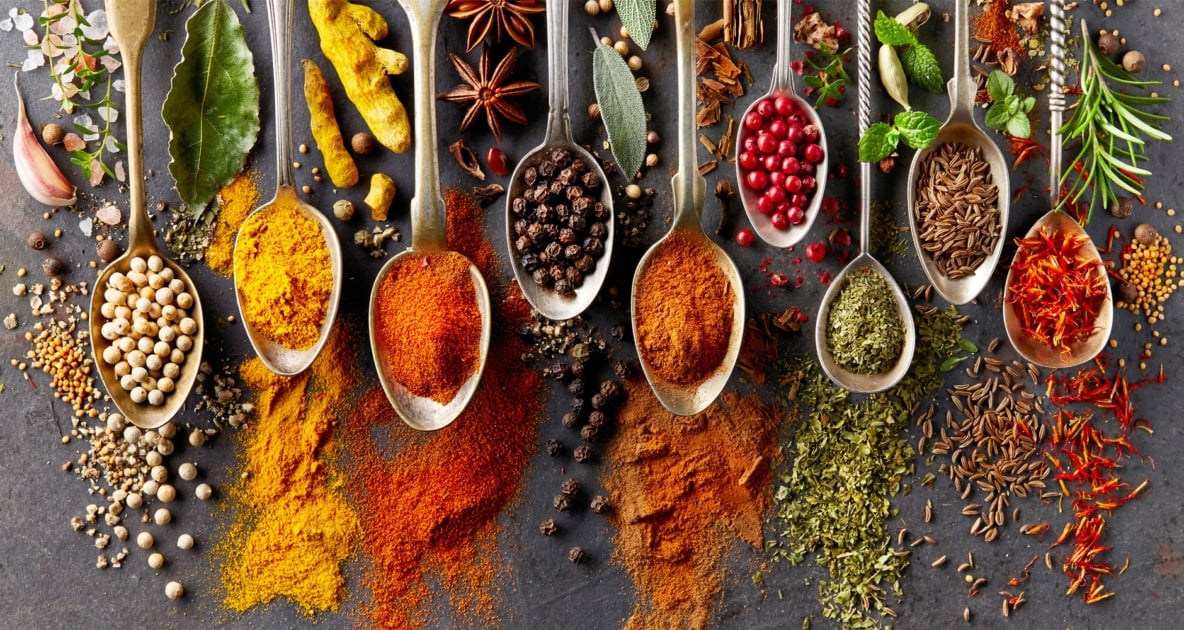
Turmeric, paprika, and annatto give bright yellow, red, or orange colors. This makes food more appealing.
Texture
Some blends, like Dukkah, add crunch because of nuts and seeds. Others are fine powders for coating meats or mixing into sauces.
Non-obvious insight: The order of adding blends matters. For example, adding Garam Masala at the start dulls its aroma, while adding at the end keeps it bright.
Credit: www.farmersalmanac.com
Comparing Store-bought Vs. Homemade Spice Blends
People often wonder if they should buy blends or make them at home. Here’s a comparison to help you decide:
| Factor | Store-Bought Blends | Homemade Blends |
|---|---|---|
| Flavor | Often mild; may use fillers | Fresh and bold; customizable |
| Convenience | Very easy; no prep needed | Takes time to make |
| Cost | Usually higher per ounce | Cheaper if buying spices in bulk |
| Freshness | Can be months old | As fresh as your spices |
| Customization | Fixed recipe | Adjust to your taste or needs |
| Additives | May include salt, sugar, anti-caking agents | You control every ingredient |
Health Benefits And Concerns
Spice blends can offer health benefits, but there are also things to watch for.
Health Benefits
- Antioxidants: Many spices, like turmeric and cinnamon, are rich in antioxidants.
- Anti-inflammatory: Ginger, garlic, and turmeric may reduce inflammation.
- Lower sodium: Homemade blends let you control the salt content.
- Digestive help: Spices like cumin and coriander aid digestion.
Health Concerns
- Allergies: Some blends contain nuts (like Dukkah) or seeds.
- Salt and sugar: Some store blends have high sodium or added sugar.
- Food safety: Homemade blends can spoil if stored improperly.
Tip: Always read labels on store blends and check for hidden ingredients.
How To Store And Use Spice Blends
Proper storage helps blends keep their aroma and power.
Storage Tips
- Use airtight containers (glass jars or tins).
- Keep away from light, heat, and moisture.
- Label with blend name and date.
- Whole spices last longer than ground. Ground blends are best within 3–6 months.
How To Use Spice Blends In Cooking
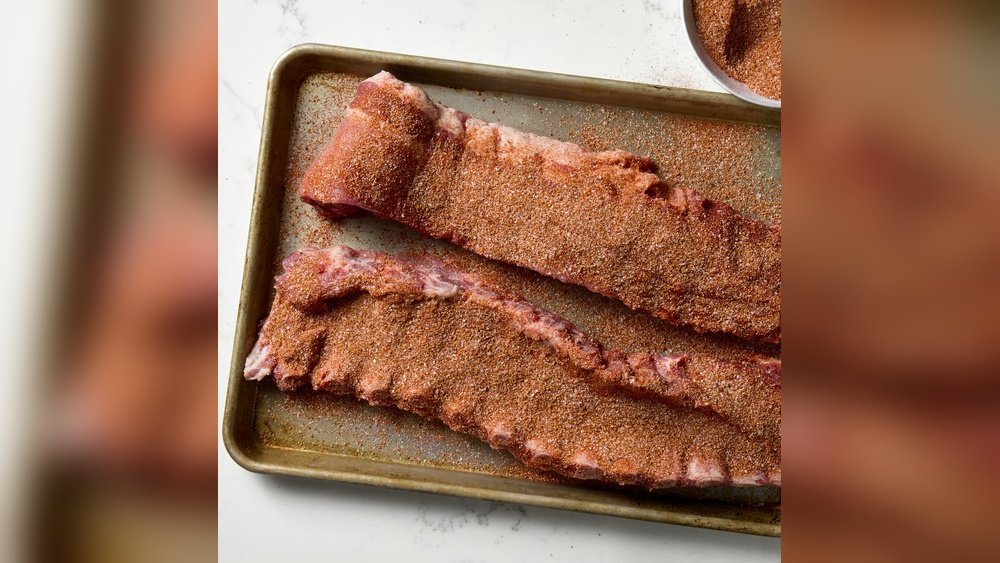
- Dry rubs: Coat meats or vegetables before grilling or roasting.
- Seasoning: Add to soups, stews, or sauces.
- Finishing: Sprinkle on top of dishes just before serving.
- Baking: Use sweet blends (like pumpkin spice) in cakes or breads.
- Marinades: Mix with oil or yogurt for a marinade.
Practical tip: Start with a little—spice blends are potent. You can always add more.
Popular Spice Blend Recipes For Home Cooks
Here are three easy blends you can make at home, with suggested uses.
Homemade Taco Seasoning
- 1 tbsp chili powder
- 1 tsp ground cumin
- 1 tsp garlic powder
- 1 tsp onion powder
- 1/2 tsp smoked paprika
- 1/2 tsp dried oregano
- 1/2 tsp salt
- 1/4 tsp black pepper
Mix and use for 1 pound of meat or beans.
Simple Italian Seasoning
- 2 tbsp dried basil
- 2 tbsp dried oregano
- 1 tbsp dried rosemary
- 1 tbsp dried thyme
- 1 tsp dried sage
Mix and use 1 tsp per cup of tomato sauce or on roasted vegetables.
Garam Masala
- 2 tbsp ground coriander
- 1 tbsp ground cumin
- 1 tbsp ground cardamom
- 1 tbsp ground black pepper
- 1 tsp ground cinnamon
- 1/2 tsp ground cloves
- 1/2 tsp ground nutmeg
Mix and add 1–2 tsp to curries or stews at the end of cooking.

How To Choose The Right Spice Blend For Your Dish
With so many blends, choosing the right one can be confusing. Here’s a quick guide.
Consider The Cuisine
- Mexican: Taco seasoning, chili powder
- Indian: Garam Masala, Curry powder
- Middle Eastern: Za’atar, Baharat
- French: Herbes de Provence, Fines Herbes
- American South: Cajun, Old Bay
Match Main Ingredients
- Beef: Chili powder, Berbere, Baharat
- Chicken: Jerk, Ras el Hanout, Italian seasoning
- Fish: Old Bay, Herbes de Provence, Za’atar
- Vegetables: Dukkah, Za’atar, Fines Herbes
Experiment
Try swapping blends in recipes for new flavors—use Berbere instead of Cajun for spicy chicken, or Ras el Hanout instead of curry powder for a new twist.
Common mistake: Using too much at once. Start small; blends are concentrated.
Creating Your Own Signature Spice Blend
Every cook can develop a personal blend—a “house blend”—that suits their taste and cooking style.
Steps To Develop A Signature Blend
- Start simple: Combine 2–3 favorite spices.
- Test on different foods: Try the blend on chicken, potatoes, or rice.
- Adjust: Add or reduce based on taste.
- Name your blend: It makes it feel special.
- Share: Give small jars as gifts to friends and family.
Example: A smoky BBQ rub—equal parts smoked paprika, brown sugar, cumin, black pepper, and a little salt.
Recording Your Blends
Keep a kitchen notebook or digital file with your recipes, notes on what works, and what to change next time.
Non-obvious insight: Even small changes—like switching black pepper for white—can make a big difference in your blend’s final taste.
Regional Comparison: How Spice Blends Differ Globally
Let’s compare spice blends from three regions: India, the Middle East, and the Americas.
| Region | Common Blends | Main Flavors | Typical Uses |
|---|---|---|---|
| India | Garam Masala, Panch Phoron, Curry Powder | Warm, aromatic, sometimes spicy | Curries, rice, lentils |
| Middle East | Za’atar, Baharat, Ras el Hanout | Herbal, earthy, tangy | Meats, breads, dips |
| Americas | Cajun, Taco, Old Bay | Spicy, smoky, savory | Grilled meats, seafood, stews |
Practical tip: The same spice, like cumin, is used in different ways—whole in Indian blends, ground in Mexican blends.
Buying And Sourcing Quality Spices
The quality of your blend starts with the quality of your spices.
Where To Buy
- Supermarkets: Convenient, but turnover may be slow.
- Specialty stores: More variety and fresher spices.
- Online retailers: Wide selection, reviews, and often fresher stock.
- International markets: Authentic spices for ethnic blends.
What To Look For
- Color: Spices should be bright and vibrant, not dull.
- Aroma: A strong smell is a sign of freshness.
- Whole vs. ground: Whole spices last longer; grind as needed.
Non-obvious insight: Buy small amounts unless you cook large batches. Spices lose potency over time.
For more on spice trade history, see Wikipedia’s Spice Trade.

Credit: thepaleodiet.com
Spice Blends And Food Trends
Today, spice blends are more than tradition—they’re part of modern food trends.
Health And Wellness
People are choosing blends with anti-inflammatory or antioxidant properties. Turmeric blends are especially popular.
Fusion Cuisine
Chefs combine blends from different cultures, like using Garam Masala in a burger or Za’atar on pizza.
Meal Kits
Many meal kits come with custom blends, making it easy for home cooks to try new flavors.
Diy Movement
Social media has made DIY spice blends popular, with home cooks sharing recipes and tips.
Tip: Try making a small batch before committing to a large amount. This way, you can adjust and avoid waste.

Spice Blend Data: Usage And Popularity
Spice blend usage varies by country, cuisine, and even age group. Here’s a snapshot of trends:
| Blend | Most Popular In | Common Dishes | Estimated Annual Sales (US) |
|---|---|---|---|
| Taco Seasoning | USA, Mexico | Tacos, chili, soups | $130 million |
| Garam Masala | India, UK | Curries, rice, meats | $80 million |
| Herbes de Provence | France, US, Canada | Roast meats, vegetables | $25 million |
| Curry Powder | UK, India, Australia | Curry dishes, sauces | $110 million |
| Cajun Seasoning | Southern US | Seafood, chicken, rice | $45 million |
Non-obvious insight: Taco seasoning outsells curry powder in the US, showing how local tastes shape global spice markets.
Frequently Asked Questions
What Is The Difference Between A Spice Blend And A Spice Mix?
A spice blend usually refers to a combination of ground spices, herbs, and sometimes salt or sugar, meant to create a specific flavor profile for a dish or cuisine. Some people use “spice mix” as a synonym, but it sometimes means a blend with added salt or sugar. The terms are often used interchangeably.
How Long Do Homemade Spice Blends Last?
Most homemade blends keep their best flavor for 3 to 6 months if stored in an airtight container away from heat, light, and moisture. Whole spice blends last longer—up to a year. Always check for strong aroma before use.
Are Spice Blends Safe For People With Allergies?
Not always. Some blends contain nuts, seeds, or gluten (like Dukkah, which uses hazelnuts). Always read labels, ask questions at restaurants, and be careful when making or buying blends if you have allergies.
Can I Use A Spice Blend Instead Of Individual Spices In A Recipe?
Yes, but with care. Using a blend can give you the main flavor, but the balance may change. Start with half the amount of blend compared to the total called-for spices, then taste and adjust.
Why Do Some Spice Blends Taste Different From Brand To Brand?
Blends can vary based on ingredient quality, ratios, and freshness. Some brands use more fillers, salt, or sugar. Making your own gives you the most control over taste and health.
Spice blends are a simple way to add world-class flavor to your cooking. They let you travel the globe from your kitchen, experiment with taste, and discover new favorites. Whether you buy or make your own, learning about blends brings creativity and confidence to every meal.
Enjoy the journey, and don’t be afraid to try something new—you might create your own signature blend that becomes a family tradition.