Pellet Cooking: Unlock Flavorful Meals With Expert Tips
Pellet Cooking: The Modern Way To Grill, Smoke, And Bake
Pellet cooking has changed the way many people grill, smoke, and even bake outdoors. In the past, backyard cooking meant using gas, charcoal, or wood. Today, more people are turning to pellet grills and smokers for their unique blend of flavor, ease, and control.
If you are new to this method, you may wonder how it works, what you need, and if it is the right choice for you. This article will guide you through everything you need to know about pellet cooking, from the basics to expert tips, so you can decide if it’s the right addition to your outdoor kitchen.
What Is Pellet Cooking?
Pellet cooking uses compressed wood pellets as fuel to heat grills and smokers. These pellets are made from natural hardwood, ground into sawdust, and then pressed into small, uniform cylinders. Unlike traditional wood chunks or charcoal, pellets burn consistently and cleanly, making them ideal for controlled cooking.
A pellet grill or smoker works by feeding these pellets from a storage hopper into a fire pot using an electric auger. A digital controller regulates the temperature, adjusting the speed at which pellets enter the fire. This gives you precise control, similar to an oven, but with the added bonus of real wood flavor.
Pellet cooking is often called a “set-it-and-forget-it” method. Once you set the temperature, the grill handles the rest. This is different from charcoal or wood fires, where you must watch and adjust the heat often.
The History And Growth Of Pellet Grills
Pellet grills are a relatively new invention. The first pellet grill was created in 1985 by Joe Traeger, who wanted a better way to smoke meat. He combined an electric auger system with a wood-burning fire, offering both flavor and convenience. Traeger patented the design, and for almost 20 years, his company was the only one making pellet grills.
After the patent expired in 2006, many other brands entered the market, leading to more innovation and lower prices. Today, pellet grills are one of the fastest-growing segments in outdoor cooking. According to the Hearth, Patio & Barbecue Association, over 8% of US households own a pellet grill, and this number is rising every year.
Credit: www.yudinsappliances.com
How Pellet Grills Work
Understanding how a pellet grill works can help you get the most from your cooking. A typical pellet grill has several main parts:
- Pellet Hopper: This is where you load the wood pellets. It usually holds enough for several hours of cooking.
- Auger: A motor-driven screw that moves pellets from the hopper to the fire pot.
- Fire Pot: Where the pellets burn, creating heat and smoke.
- Induction Fan: Supplies air to the fire, keeping it burning efficiently.
- Drip Tray: Catches fat drippings, reducing flare-ups and helping distribute heat evenly.
- Digital Controller: Lets you set and monitor the temperature.
When you set your desired temperature, the grill’s controller adjusts how many pellets are fed into the fire. More pellets mean more heat; fewer pellets keep the temperature low for smoking. Most modern pellet grills can hold temperatures within 10–15°F of the setting, making them more consistent than most charcoal or gas grills.
Benefits Of Pellet Cooking
Pellet cooking offers several unique advantages that make it popular with both beginners and experienced cooks.
Consistent Temperature Control
Pellet grills use digital controllers to keep the temperature steady. This means you don’t have to watch the fire constantly or worry about sudden temperature spikes. For slow-smoked meats like brisket, this is a huge advantage.
Real Wood Flavor
Because pellets are made from real hardwood, you get the smoky taste that many people love. Different types of wood (like hickory, apple, cherry) can add unique flavors to your food.
Easy To Use
Many pellet grills are as simple as pressing a button and setting a temperature. You do not need to be an expert pitmaster to get good results. This makes pellet cooking very beginner-friendly.
Versatility
You can do more than just grill. Most pellet grills can smoke, roast, bake, and even braise. Some people bake bread, cook pizza, or even make desserts in their pellet grill.
Cleaner Burning
Pellets burn efficiently, producing less ash than charcoal or wood. This means less cleanup and less air pollution.
Safety
Since there is no open flame in most pellet grills, flare-ups are rare. This lowers the risk of burning your food or starting a fire.
Drawbacks Of Pellet Cooking
No cooking method is perfect. Here are some common concerns with pellet grills:
Need For Electricity
Pellet grills need power for the auger and digital controller. This means you need an electrical outlet nearby, which may limit where you can use the grill.
Pellet Availability
You must use food-grade wood pellets. Not all stores carry them, especially in some countries or rural areas. Running out of pellets in the middle of a cook can ruin your meal.
Less Direct Heat
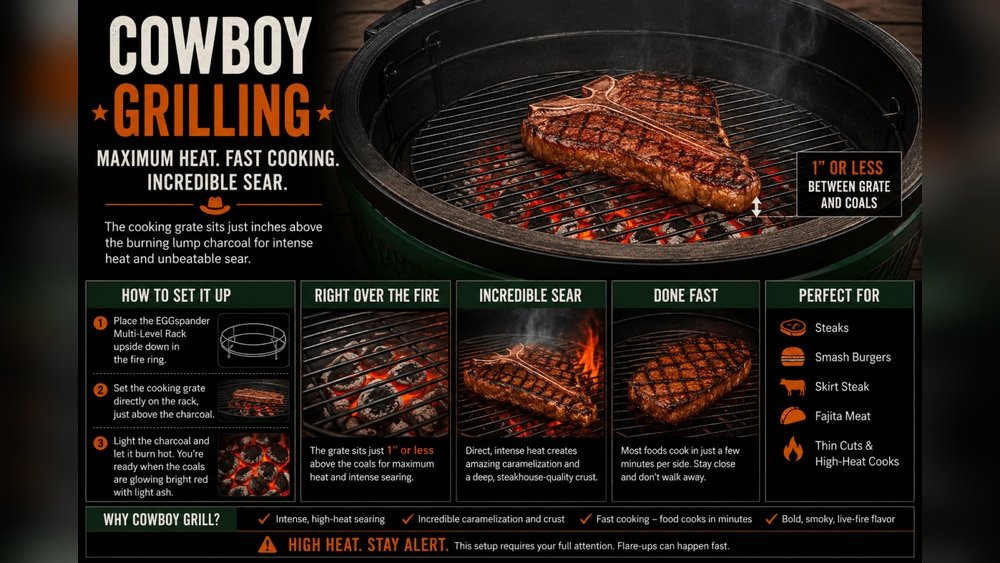
Most pellet grills are not great at high-heat searing. While newer models have features to boost direct heat, traditional pellet grills usually max out at 450–500°F. This is hot, but not as much as a charcoal grill.
Cost
Pellet grills often cost more than basic charcoal or gas grills. While prices have dropped, a good entry-level pellet grill is still an investment.
Repair And Maintenance
Because they have electronic parts and motors, pellet grills can break down. Parts like the auger or controller may need repair or replacement after a few years.
Pellet Types And Flavor Profiles
One of the joys of pellet cooking is trying different wood flavors. Each type of wood pellet brings its own character to your food.
Common Wood Pellet Varieties
- Hickory: Strong, classic barbecue flavor. Great for pork and beef.
- Mesquite: Bold and earthy. Best for red meats.
- Apple: Mild and slightly sweet. Good for poultry and pork.
- Cherry: Sweet and fruity. Also good for poultry and fish.
- Oak: Balanced and versatile. Works with almost any food.
- Maple: Mild and sweet. Nice for vegetables and lighter meats.
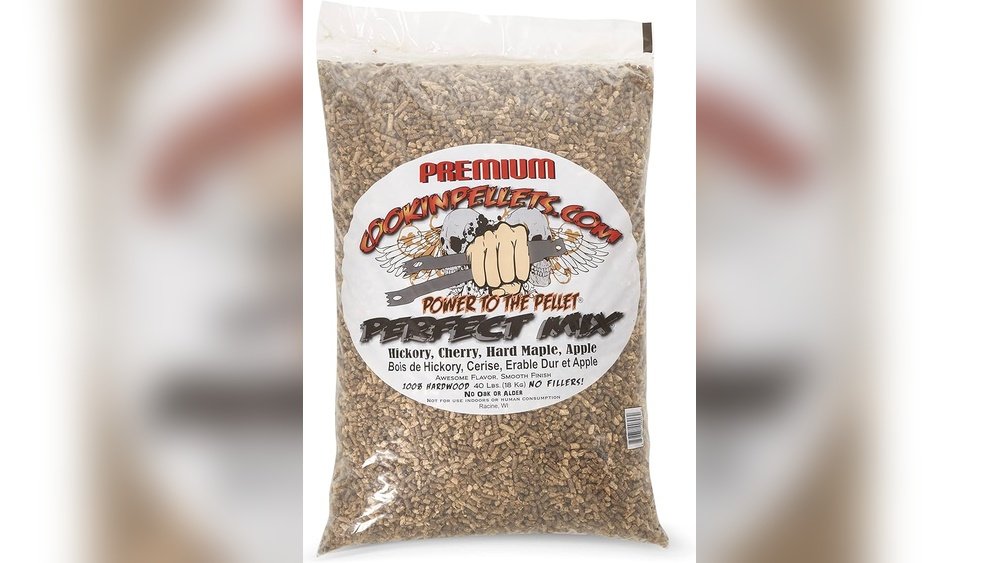
Some brands offer blends, mixing woods for a balanced smoke. Always use food-grade pellets. Heating pellets (for stoves) may contain chemicals and should never be used for cooking.
How Pellet Flavor Impacts Food
The flavor from pellets is usually more subtle than using big wood chunks in a smoker. For some, this is a plus, as it’s easier to avoid over-smoking. If you want a stronger flavor, try using a “smoke tube” filled with extra pellets or choosing bolder woods like hickory or mesquite.
Pellet Grill Features: What Matters Most
Choosing the right pellet grill can be overwhelming. Here are the most important features to consider:
Cooking Area
Think about how much food you usually cook. Grills are measured in square inches. A small family might need 300–500 sq in, while big gatherings may need over 1,000 sq in.
Temperature Range
If you want to sear steaks, look for grills that reach at least 500°F. For low-and-slow smoking, make sure the grill can hold steady at 180–225°F.
Controller Type
Basic models have a simple dial. Advanced models offer digital displays, programmable meat probes, and even Wi-Fi connectivity for remote monitoring.
Pellet Hopper Size
A larger hopper means longer cooking without refilling. If you plan to cook overnight or smoke brisket, this can be a big help.
Build Quality
Look for stainless steel parts and sturdy construction. Thicker metal holds heat better and lasts longer.
Price
Entry-level pellet grills start around $300–$500. Premium models can cost $1,000 or more, but offer more features and better build quality.
Warranty
A good warranty (3+ years) can save money on repairs. Some brands offer longer coverage on certain parts, like the fire pot or controller.
Comparing Pellet Grills, Charcoal, And Gas
It’s helpful to compare pellet grills to traditional options. This table highlights the main differences:
| Feature | Pellet Grill | Charcoal Grill | Gas Grill |
|---|---|---|---|
| Heat Source | Wood Pellets | Charcoal Briquettes/Lump | Propane/Natural Gas |
| Flavor | Wood-Smoked | Smoky, Robust | Mild, Less Smoke |
| Temperature Control | Digital, Precise | Manual, Less Precise | Good, Easy to Adjust |
| Ease of Use | Very Easy | Requires Skill | Very Easy |
| Startup Time | 10–15 Minutes | 20–30 Minutes | 5–10 Minutes |
| Maintenance | Low–Medium | Medium–High | Low |
| Price Range | $$–$$$ | $–$$$ | $–$$$ |
| Outdoor Power Needed | Yes | No | No |
As you can see, pellet grills offer a unique combination of convenience and wood flavor. However, they do require electricity and are often more expensive up front.
Credit: www.webstaurantstore.com
Essential Accessories For Pellet Cooking
To get the best results, you’ll need more than just a grill. Here are some helpful accessories:
- Pellet Storage Bin: Pellets absorb moisture easily. Store them in a dry, sealed container.
- Meat Thermometer: While many grills have built-in probes, a separate instant-read thermometer helps ensure perfect doneness.
- Grill Cover: Protects your grill from the weather.
- Drip Pans and Foil: Makes cleanup easier and keeps your grill cleaner.
- Grill Brush: For cleaning the grates after each use.
- Smoke Tube: For extra smoke flavor.
- Grill Mats: Useful for cooking delicate foods like fish or vegetables.
- Cooking Gloves: For handling hot grates or pans.
One insight beginners often miss is the importance of keeping pellets dry. Even a little moisture can cause jams in the auger or make the pellets burn poorly.
Cooking Techniques: Smoking, Grilling, Baking, And More
Pellet grills are popular for their versatility. Here’s how you can use one for different types of cooking.
Smoking
Pellet grills shine at low-and-slow smoking. Set the temperature between 180–225°F, add your choice of pellets, and let the grill do the work. Foods like brisket, ribs, pulled pork, and whole chickens come out juicy and flavorful. Because of the steady temperature, it’s easier to get tender meat without drying it out.
Grilling
While pellet grills are not always as hot as charcoal, they are great for everyday grilling. Burgers, sausages, and vegetables cook evenly. Some models have a “sear zone” or allow you to place meat directly over the fire pot for higher heat.
Roasting
Pellet grills are like outdoor ovens. You can roast whole chickens, turkeys, or even prime rib. The wood smoke adds extra flavor you won’t get in a kitchen oven.
Baking
Many people are surprised to learn you can bake on a pellet grill. Pizzas, bread, pies, and even cookies come out with a subtle smoky flavor. Just use a pizza stone or cast-iron pan for the best results.
Braising
For tougher cuts of meat, you can braise in a covered pot right on the grill. The steady heat and smoke combine to make rich, tender dishes.

Step-by-step: How To Cook With A Pellet Grill
If you are new to pellet cooking, follow these basic steps for success:
- Fill the Hopper: Load enough pellets for your planned cooking time. Most grills use about 1–2 pounds per hour.
- Plug In and Turn On: Make sure your grill is connected to power.
- Set the Temperature: Choose your desired temperature on the digital controller.
- Preheat the Grill: Let it come up to temperature (usually takes 10–15 minutes).
- Prepare Your Food: Season meat or vegetables as desired.
- Place Food on Grates: Use indirect heat for smoking or roasting, direct heat for grilling.
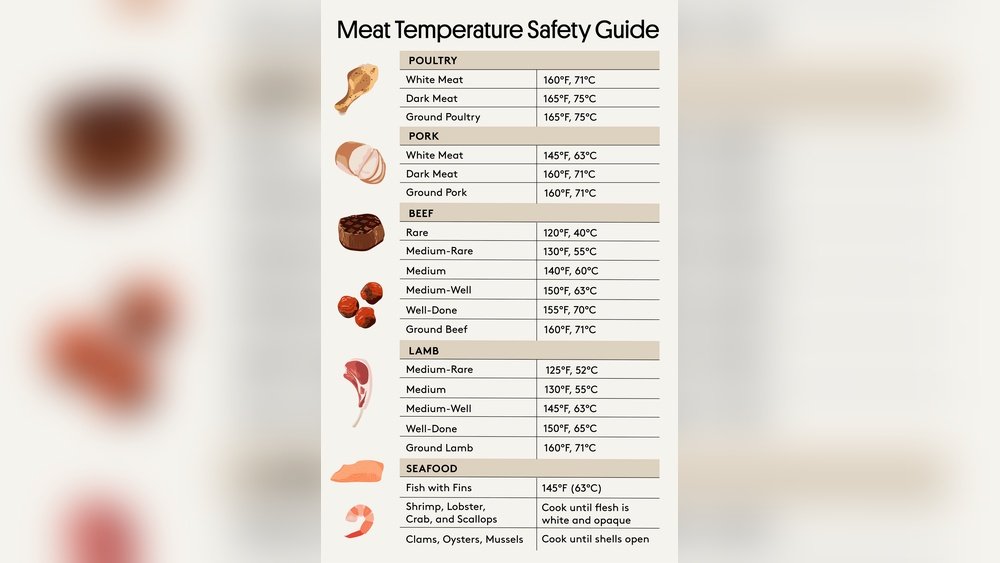
- Monitor with a Thermometer: Check internal temperature for doneness.
- Refill Pellets if Needed: For longer cooks, check the hopper now and then.
- Rest and Serve: Let meats rest before slicing for juicier results.
- Clean Up: Brush grates, empty the drip tray, and store pellets in a dry place.
A common beginner mistake is forgetting to check the pellet level during a long cook. If you run out, the fire will go out and you may have to restart the grill.
Pellet Consumption And Operating Costs
Many people wonder how much fuel a pellet grill uses and what it costs to operate.
- Average Pellet Use: Most grills burn 1–2 lbs of pellets per hour at 225°F. At higher temperatures, consumption can rise to 3 lbs per hour.
- Pellet Cost: A 20-lb bag of premium food-grade pellets costs $15–$25. This means it costs about $0.75–$2 per hour to run your grill.
Compared to propane or charcoal, the cost is similar or slightly less, depending on local prices.
Pellet Consumption Comparison Table
Here’s how pellet use compares with other fuels:
| Fuel Type | Average Use per Hour | Typical Cost per Hour |
|---|---|---|
| Wood Pellets | 1–2 lbs | $0.75–$2 |
| Charcoal Briquettes | 1–1.5 lbs | $1–$2 |
| Propane | 0.25–0.5 lbs | $0.50–$1.50 |
| Natural Gas | Varies | $0.30–$0.80 |
Cleaning And Maintenance
Pellet grills are low-maintenance, but regular cleaning will keep your grill working well and your food tasting great.
Cleaning Steps
- Empty the Drip Tray: After each cook, remove and clean the drip tray and grease bucket.
- Brush the Grates: Use a grill brush to clean off food particles.
- Vacuum the Fire Pot: Every 3–5 cooks, vacuum out ash from the fire pot and bottom of the grill.
- Wipe Down Surfaces: Clean the lid and outside with a damp cloth.
- Check the Auger: If you notice jams, check for damp or stuck pellets.
- Store Pellets Properly: Moisture ruins pellets, so keep them sealed and dry.
Regular maintenance can prevent problems like flameouts, poor heating, or smoke buildup.
Popular Pellet Grill Brands
There are many brands to choose from, each with its own strengths. Here are a few of the most respected names in pellet cooking:
- Traeger: The original pellet grill brand. Known for reliability and wide range of models.
- Pit Boss: Offers affordable grills with large cooking areas.
- Camp Chef: Popular for advanced features and good value.
- Green Mountain Grills: Known for Wi-Fi connectivity and portable models.
- Rec Tec: Focuses on high-end, durable grills with strong warranties.
- Z Grills: Good value for beginners and budget shoppers.
Each brand has different models, features, and price points. It’s worth checking reviews and comparing specs before buying.
Pellet Cooking Safety Tips
Pellet grills are safer than many other types, but you should still follow some basic safety rules:
- Keep the grill at least 10 feet from buildings.
- Never use indoors or in a garage.
- Always use food-grade pellets.
- Unplug before cleaning or maintenance.
- Let the grill cool completely before covering or storing.
- Check for grease buildup to avoid fires.
- Do not block air vents.
One thing beginners often forget is to check the power cord and connections regularly. Frayed cords or loose plugs can be a safety hazard.
Common Pellet Cooking Mistakes And How To Avoid Them
- Using the Wrong Pellets: Only use food-grade pellets. Heating pellets may contain chemicals.
- Not Preheating: Always let your grill reach the target temperature before adding food.
- Ignoring Pellet Level: Running out of pellets mid-cook can ruin your meal.
- Skipping Regular Cleaning: Ash and grease buildup can affect performance and safety.
- Expecting Charcoal Sear: Pellet grills are great for smoking and roasting, but may not give the same sear as a charcoal grill without a dedicated searing area.
- Neglecting Rest Time: Let meats rest after cooking for juicier results.

Advanced Pellet Cooking Tips
If you want to take your pellet cooking to the next level, try these ideas:
- Experiment with Pellet Blends: Mix different woods for unique flavors.
- Use a Water Pan: Adds moisture and helps regulate temperature during long cooks.
- Reverse Sear Steaks: Smoke at low temperature, then finish with a quick sear for perfect doneness.
- Try Cold Smoking: Some grills let you cold smoke cheese, fish, or nuts by running at very low temperatures.
- Monitor with Wi-Fi: Many modern grills connect to your phone, so you can watch temps from inside.
- Cook Multiple Foods at Once: Use the large surface to smoke meats, grill veggies, and bake bread all at once.
Many beginners forget that pellet grills lose heat quickly when the lid is opened. Try to limit how often you check your food for better results.
Pellet Cooking Recipes: Three Popular Dishes
Smoked Brisket
- Ingredients: 1 whole brisket (10–12 lbs), salt, pepper, garlic powder, food-grade hickory pellets.
- Instructions:
- Trim excess fat from the brisket.
- Season generously with salt, pepper, and garlic powder.
- Preheat pellet grill to 225°F with hickory pellets.
- Place brisket fat-side up on the grill.
- Smoke until internal temp reaches 195–203°F (about 10–14 hours).
- Let rest 1 hour before slicing.
Pellet Grilled Pizza
- Ingredients: Pizza dough, tomato sauce, mozzarella cheese, toppings, food-grade oak pellets.
- Instructions:
- Stretch dough on a pizza stone or cast-iron pan.
- Add sauce, cheese, and toppings.
- Preheat grill to 450°F with oak pellets.
- Bake pizza for 12–15 minutes until crust is golden.
Smoked Salmon
- Ingredients: Salmon fillets, olive oil, lemon, dill, food-grade apple pellets.
- Instructions:
- Brush salmon with oil, sprinkle with dill and lemon juice.
- Preheat grill to 225°F with apple pellets.
- Smoke salmon for 1–2 hours until it flakes easily.
These recipes show the variety of foods you can make with a pellet grill, from classic barbecue to pizza and fish.
Environmental Impact Of Pellet Cooking
Pellet cooking is often seen as a more eco-friendly option compared to other fuels. Here’s why:
- Pellets are made from sawdust, a waste product of the lumber industry.
- They burn cleaner, creating less ash and smoke.
- Many pellet manufacturers use sustainable forestry practices.
However, pellet grills do require electricity, and the manufacturing and shipping of pellets do have an environmental footprint. Still, for most users, pellet cooking is a greener choice than charcoal.
For more about pellet production and sustainability, you can read this helpful overview from the Wood Pellet Wikipedia page.
Pellet Cooking For Beginners: Quick Start Guide
If you are just starting, here’s a summary to help you get going:
- Buy a reliable pellet grill that fits your needs and budget.
- Choose a few types of food-grade pellets to try.
- Start with simple recipes like smoked chicken or pork chops.
- Always preheat your grill.
- Use a meat thermometer to avoid overcooking.
- Keep pellets dry and your grill clean.
- Don’t stress about perfection—pellet grills are forgiving!
With a little practice, you’ll be making delicious smoked and grilled foods with ease.
Frequently Asked Questions
What Foods Can I Cook On A Pellet Grill?
You can cook almost anything—brisket, ribs, chicken, vegetables, pizza, bread, fish, and even desserts like pies or cookies. Pellet grills excel at smoking and roasting, but many can also grill and bake.
How Long Do Wood Pellets Last In The Hopper?
It depends on your grill and temperature. At low heat (225°F), a full hopper (10–20 lbs) might last 8–20 hours. Higher temperatures burn pellets faster, so always check the hopper during long cooks.
Are Pellet Grills Good For Searing Steaks?
Traditional pellet grills don’t get as hot as charcoal, but some newer models have sear plates or allow direct flame contact. For best results, look for a grill with a dedicated searing area or finish steaks in a cast-iron pan.

Credit: www.amazon.com
Can I Leave My Pellet Grill Outside?
Yes, but use a waterproof cover to protect it from rain and snow. Moisture can damage both the grill and pellets. If possible, store your grill in a sheltered area during winter.
Is Pellet Smoke Safe For Food?
Yes, if you use food-grade pellets made from pure hardwood. Avoid heating pellets, which may contain chemicals or binders not safe for cooking.
Pellet cooking brings together great flavor, convenience, and versatility. Whether you’re a beginner or a seasoned grill master, a pellet grill can open up a world of new cooking options right in your backyard. Experiment with different woods, try new recipes, and enjoy the modern way to grill, smoke, and bake.