Instant‑Read Thermometers: The Ultimate Guide for Perfect Cooking
Instant‑read Thermometers: A Complete Guide
Imagine slicing into a juicy steak, only to find it undercooked. Or serving roast chicken at a family dinner, unsure if it’s safe. Every cook, whether beginner or experienced, faces these moments. That’s where instant‑read thermometers step in. They make cooking easier, safer, and more reliable by giving you a fast, accurate temperature reading. Today, these tools are found in home kitchens, restaurants, and even labs. But what makes them so special? How do you choose the right one? How do you use it correctly? This guide covers everything you need to know about instant‑read thermometers, from their design and function to practical tips, common mistakes, and expert advice.
What Is An Instant‑read Thermometer?
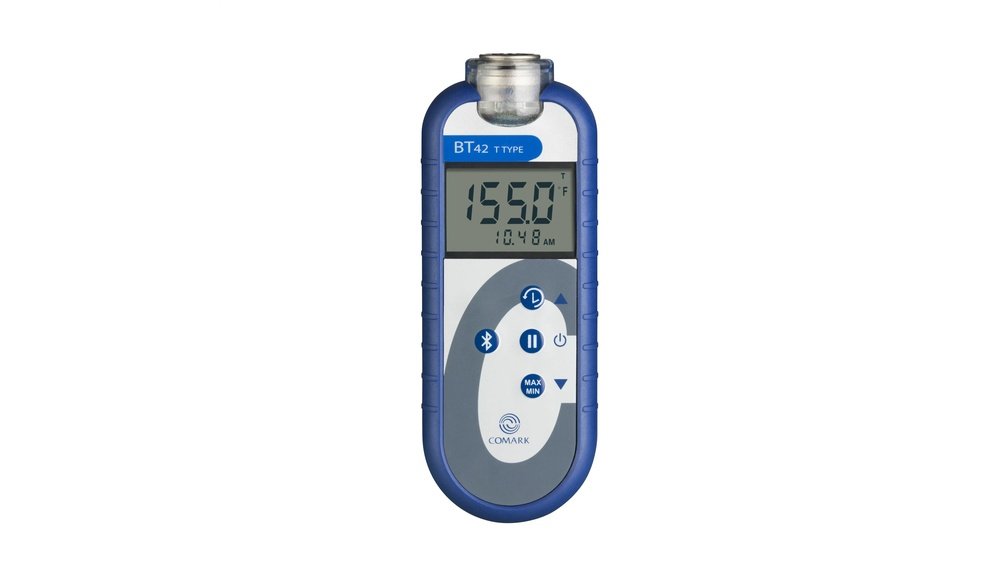
An instant‑read thermometer is a small device used to quickly measure the temperature of food. Unlike traditional thermometers that stay in food while it cooks, instant‑read models are inserted for just a few seconds to get a fast reading. Most are handheld, with a metal probe that touches the food. The temperature appears almost instantly on a digital screen or dial.
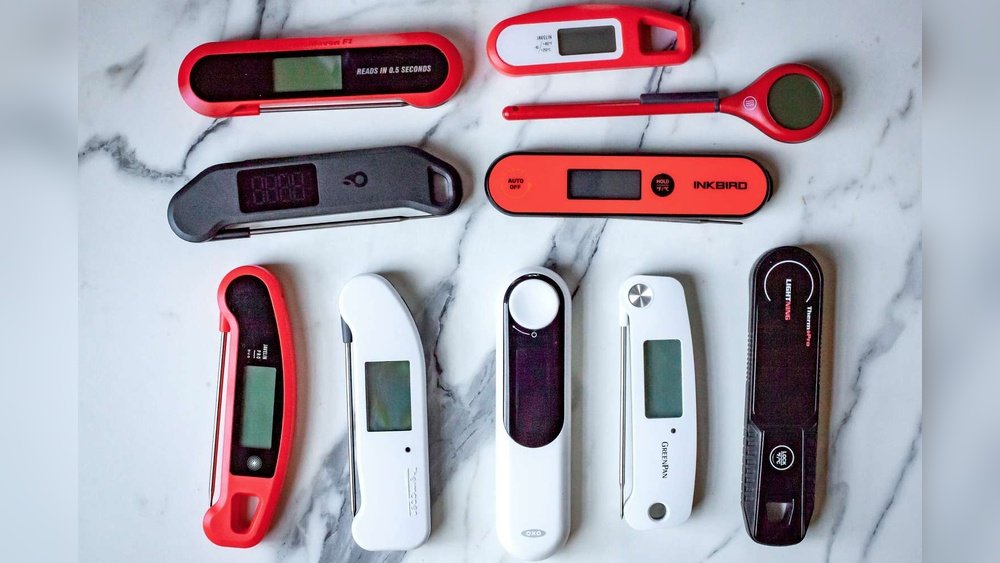
Types Of Instant‑read Thermometers
There are several types of instant‑read thermometers, each with unique features:
1. Digital Probe Thermometers
These use electronic sensors and display the temperature on a screen. They are fast, usually reading in 2–5 seconds, and highly accurate.
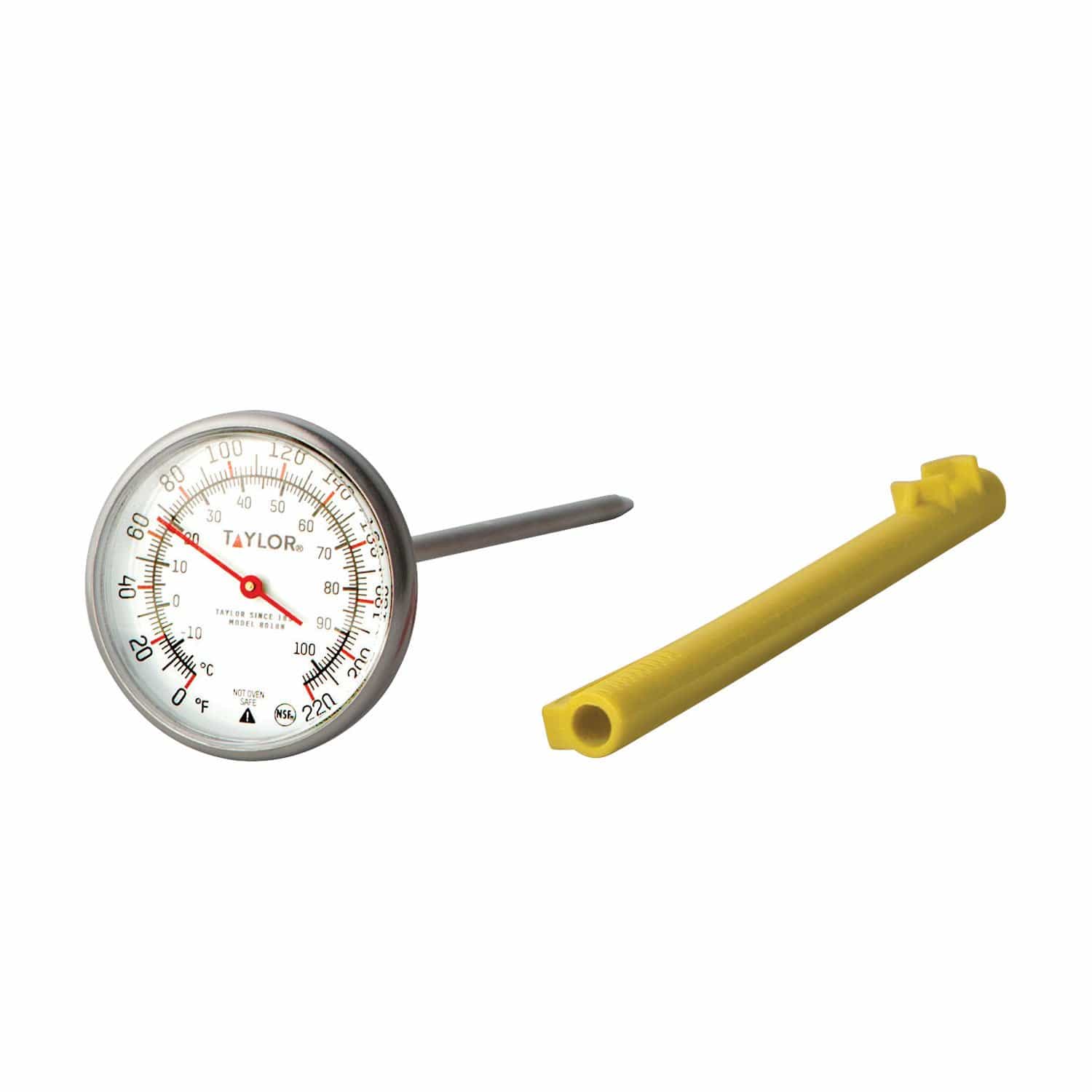
2. Dial (analog) Thermometers
These have a mechanical dial and needle. They take longer to read, often 15–30 seconds, and are less precise.
3. Infrared Thermometers
These measure surface temperatures without touching the food. They are quick but not suitable for internal temperatures.
4. Thermocouple Thermometers
Common in professional kitchens, these use a sensitive probe and measure temperature in 1–2 seconds. They cost more but are very accurate.
How Instant‑read Thermometers Work
Most instant‑read thermometers use a thermistor or thermocouple sensor. When you insert the probe into food, it detects the heat and sends a signal to the display. Digital models convert this signal into a number you can read. Analog models use a metal coil that expands with heat, moving the needle.
The key feature is speed. You don’t leave the thermometer in the food while cooking. Instead, you insert it for a few seconds, check the reading, and remove it. This lets you check doneness without losing heat or ruining presentation.
Why Use An Instant‑read Thermometer?
Instant‑read thermometers are not just gadgets—they solve real problems in the kitchen.
Food Safety
Cooking meat to the right temperature prevents foodborne illness. For example, chicken must reach at least 165°F (74°C) inside to kill bacteria like Salmonella. Ground beef should reach 160°F (71°C). Guessing or relying on color can be risky—many foods look done before they are safe.
Perfect Cooking Results
Different foods need different temperatures for the best taste and texture. For steak, rare is 125°F (52°C), medium is 135°F (57°C), and well done is 155°F (68°C). Baking bread? You want an internal temperature of 190–210°F (88–99°C). Using a thermometer means you don’t overcook or undercook.
Consistency And Professionalism
Restaurants rely on instant‑read thermometers for consistency. If you want to cook like a pro, this tool helps deliver the same results every time. It’s especially useful for recipes that need precision, like candy making or sous vide cooking.
Saving Money And Reducing Waste
Overcooked food is tough and dry. Undercooked food goes uneaten. Both waste money. An instant‑read thermometer helps you cook just right, reducing waste and saving on groceries.
Key Features To Look For
Choosing an instant‑read thermometer can be confusing. Brands offer dozens of models, each with different features. Here’s what matters most:
Speed
A good instant‑read thermometer should deliver a reading in less than 5 seconds. Thermocouple models are the fastest, followed by digital thermistors. Dial models are slower and less convenient.
Accuracy
Look for accuracy within ±1°F (±0. 5°C). Most digital thermometers meet this standard. Cheap models may be less reliable, especially over time.
Display
A clear, easy-to-read display is vital. Backlit screens help in low light. Large numbers mean you don’t have to squint. Some models have rotating screens for left- or right-handed use.
Probe Length
A longer probe (about 4–6 inches) keeps your hands away from heat and works for thick cuts of meat. Short probes are fine for thinner foods.
Durability
Choose thermometers with sturdy construction, waterproofing, and reliable buttons. Models with stainless steel probes last longer. Some are shock-resistant and withstand drops.
Battery Life
Most digital models use coin batteries. Look for units with long battery life or auto-off features to save power.
Calibration
Being able to calibrate your thermometer ensures ongoing accuracy. Some models allow manual calibration, while others require professional adjustment.
Price
Prices range from $10 to $100+. More expensive models usually offer better speed, accuracy, and durability. For home use, quality models cost $20–40.
Additional Features
Some thermometers have extra features:
- Hold function keeps the last reading on screen.
- Alarm alerts you at set temperatures.
- Magnetic back for easy storage.
- Foldable probe for compact storage.
Comparing Popular Instant‑read Thermometers
Let’s compare three popular models to see how they stack up:
| Model | Type | Speed (Seconds) | Accuracy (±°F) | Price (USD) | Special Features |
|---|---|---|---|---|---|
| Thermapen ONE | Thermocouple | 1 | 0.5 | 99 | Auto-rotating display, waterproof |
| Javelin Pro Duo | Digital Probe | 2–3 | 0.9 | 49 | Backlit, hold function |
| CDN DTQ450X | Digital Probe | 3–5 | 1 | 22 | Quick read, compact |
:max_bytes(150000):strip_icc()/ThermoWorks-Thermapen-ONE-ddd35cf7a2fe45909385058411b5ab5b.jpg)
Credit: www.seriouseats.com
How To Use An Instant‑read Thermometer Correctly
Even the best thermometer won’t help if you use it wrong. Here’s how to get accurate readings every time:
Step‑by‑step Guide
1. Insert The Probe Properly
Place the probe in the thickest part of the food, avoiding bones, fat, or gristle. For thin foods, insert sideways.
2. Wait For The Reading
Wait until the numbers stop changing. For digital models, this is usually 2–5 seconds; for dial, up to 30 seconds.
3. Check Multiple Spots
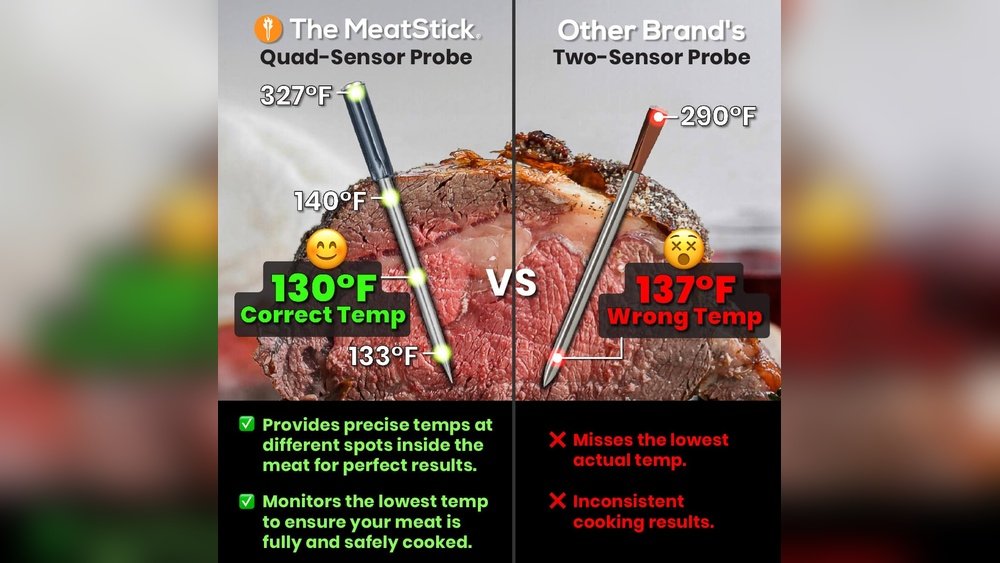
Large roasts or turkeys can have hot and cold spots. Check in more than one place for accuracy.
4. Clean After Each Use
Wash the probe with soap and water before and after each measurement. This prevents cross‑contamination.
5. Avoid Touching Bone Or Pan
Bones and pans conduct heat differently and give false readings.
Practical Example: Testing Roast Chicken
To check if roast chicken is done:
- Insert the probe into the thickest part of the thigh, not touching bone.
- Wait for the reading.
- The temperature should be at least 165°F (74°C).
Common Mistakes
Many beginners make errors with instant‑read thermometers:
- Not inserting deep enough: Results in cooler readings.
- Touching bone or pan: Gives false high readings.
- Using on surface only: Doesn’t show internal doneness.
- Not cleaning probe: Spreads bacteria.
Instant‑read Thermometers Vs. Other Thermometers
Instant‑read thermometers are different from “leave‑in” models. Here’s a comparison:
| Type | Use | Speed | Accuracy | Suitable For |
|---|---|---|---|---|
| Instant‑Read | Quick check, removed after reading | 2–5 seconds | High | Meats, baked goods, general cooking |
| Leave‑In (Oven) | Stays in food during cooking | Continuous | Medium | Roasts, slow cooking |
| Infrared | Measures surface only | Instant | Variable | Grills, pans |
Instant‑read thermometers are best for quick checks and accuracy. Leave‑in models are useful for slow cooking but can be less precise. Infrared thermometers are good for checking pan or grill temperatures but not internal food temperature.
Credit: www.taylorusa.com
Using Instant‑read Thermometers In Different Foods
Instant‑read thermometers are versatile. Here’s how to use them in common foods:
Meat And Poultry
- Steak: Insert into the thickest part, away from fat.
- Chicken: Probe the thigh for whole birds, breast for pieces.
- Ground Meat: Insert in the center.
Fish
Fish cooks quickly. Insert the probe into the thickest part. Look for 145°F (63°C) for safety.
Baking
- Bread: Internal temperature should be 190–210°F (88–99°C).
- Cake: Insert probe near the center; most cakes finish at 200–210°F (93–99°C).
Candy Making
Candy thermometers are usually leave‑in, but instant‑read models can work for quick checks. Sugar syrup must reach exact temperatures for texture.
Sous Vide Cooking
Sous vide uses water baths to cook food at precise temperatures. Instant‑read thermometers help verify final doneness after searing.
Calibration And Maintenance
How To Calibrate Your Thermometer
Accuracy fades over time. To keep your thermometer reliable, calibrate it regularly.
- Ice Water Method:
Fill a glass with ice and water. Insert the probe. It should read 32°F (0°C). Adjust if needed.
- Boiling Water Method:
Boil water. Insert probe. It should read 212°F (100°C) at sea level. Adjust if needed.
Some thermometers have a calibration button or screw. Check the manual.
Cleaning And Storage
Clean the probe after every use with soap and water. Avoid submerging digital models unless waterproof. Store with the probe folded or covered to protect the tip. Replace batteries as needed.
Expert Tips For Better Results
Tip 1: Use For Resting Meat
After cooking, meat continues to cook as it rests. Check temperature after 5–10 minutes of resting to avoid overcooking.
Tip 2: Avoid Rapid Temperature Changes
Moving from cold to hot food can affect readings. Let the probe adjust for a few seconds between tests.
Tip 3: Check Thin Foods Sideways
For foods like burgers or fish fillets, insert the probe sideways to reach the center.
Tip 4: Use For Leftovers
Reheating leftovers? Check the center temperature to ensure they reach 165°F (74°C) for safety.
Tip 5: Don’t Rely On Color
Many people judge doneness by color. Instant‑read thermometers give objective results.
Instant‑read Thermometers In Restaurants And Labs
Restaurants use instant‑read thermometers for:
- Health inspections: Meeting safety standards.
- Consistent recipes: Delivering the same quality every time.
- Training staff: Teaching proper cooking techniques.
Labs and food manufacturers use high‑precision instant‑read thermometers to check production quality and safety.
Latest Innovations In Instant‑read Thermometers
Modern thermometers offer new features:
- Wireless connectivity: Bluetooth models send readings to smartphones.
- Dual probes: Measure two foods at once.
- Smart alarms: Notify when target temperature is reached.
- Waterproof and shockproof designs: Durable for tough environments.
Some brands combine instant‑read and leave‑in features for versatility.
Real‑world Data: Thermometer Usage And Impact
Surveys show that using instant‑read thermometers reduces foodborne illness. According to the CDC, nearly 48 million Americans get sick from food each year. Proper cooking lowers this risk. In professional kitchens, instant‑read thermometers help meet strict health codes.
Home cooks who use thermometers report fewer failed meals and more confidence. One study found that 77% of cooks who adopted instant‑read thermometers improved their food quality.
Buying Mistakes Beginners Make
Many buyers make errors when choosing instant‑read thermometers:
- Choosing based only on price: Cheap models often lack accuracy.
- Ignoring probe length: Short probes can be unsafe for thick foods.
- Not checking for calibration: Some models can’t be calibrated, leading to unreliable results.
- Overlooking display quality: Hard-to-read screens are frustrating.
- Buying unnecessary features: Fancy extras don’t help if basic speed and accuracy are missing.
Before buying, consider your main cooking tasks, preferred speed, and budget.
Comparing Features: What Matters Most?
To help you decide, here’s a summary of key features and their importance:
| Feature | Importance | Who Needs It |
|---|---|---|
| Speed | High | All cooks, professionals |
| Accuracy | High | Safety, precision recipes |
| Display | Medium | Older users, low-light kitchens |
| Probe Length | Medium | Thick cuts, grilling |
| Durability | Medium | Busy kitchens, outdoor cooking |
| Calibration | Medium | Frequent users, professionals |
| Extras | Low | Tech fans, specialized uses |

Credit: buji.ph
Environmental Impact And Sustainability
Instant‑read thermometers use small batteries and metal probes. Most are reusable for years, reducing waste compared to disposable models. Some brands offer rechargeable options or use recyclable materials.
When a thermometer stops working, recycle batteries properly. Avoid throwing electronics in the trash. Choose models from brands with good environmental practices.
Instant‑read Thermometers For Special Diets
If you follow a special diet—like low-carb, paleo, or gluten-free—temperature control is important. For example, some gluten-free breads need exact baking temperatures to avoid gummy texture. Instant‑read thermometers help ensure recipes turn out right.
Using Instant‑read Thermometers For Outdoor Cooking
Grilling and barbecue require precision. Instant‑read thermometers help avoid overcooked steak or raw chicken. For smokers, check brisket or ribs for perfect tenderness. Insert the probe into the thickest part, avoid bone, and monitor for desired temperature.
Trusted Resources And Further Learning
For deeper knowledge, visit Serious Eats. This site reviews top thermometers and offers expert cooking advice.
Frequently Asked Questions
What Is The Difference Between Instant‑read And Leave‑in Thermometers?
Instant‑read thermometers are used for quick checks and removed after reading. Leave‑in thermometers stay in the food while it cooks, giving continuous readings. Instant‑read models are faster and more accurate, while leave‑in models are useful for slow cooking.
How Do I Clean My Instant‑read Thermometer?
Clean the probe with soap and water after every use. Avoid submerging the digital body unless it’s waterproof. For stubborn stains, use a soft cloth with mild detergent. Dry before storage.
Can Instant‑read Thermometers Be Used For Liquids?
Yes, you can use instant‑read thermometers for soups, sauces, and drinks. Insert the probe into the center of the liquid, avoid touching the pot, and wait for the reading.
What Temperature Should Cooked Meat Reach?
It depends on the meat:
- Chicken: 165°F (74°C)
- Ground beef: 160°F (71°C)
- Steak (medium): 135°F (57°C)
- Fish: 145°F (63°C)
Using an instant‑read thermometer ensures food is cooked safely.
Why Is My Thermometer Reading Wrong?
Possible reasons include:
- Improper insertion (touching bone or pan)
- Outdated calibration
- Low battery
- Damaged probe
Calibrate regularly and follow instructions for accurate results.
Instant‑read thermometers have changed modern cooking. They make food safer, tastier, and more consistent. Whether you’re grilling, baking, or roasting, these tools give you confidence and control. Choosing the right model and using it correctly is easy with the right information.
With instant‑read thermometers, you don’t have to guess—just cook, check, and enjoy.