Cutting Boards: Top Choices for Every Kitchen in 2026
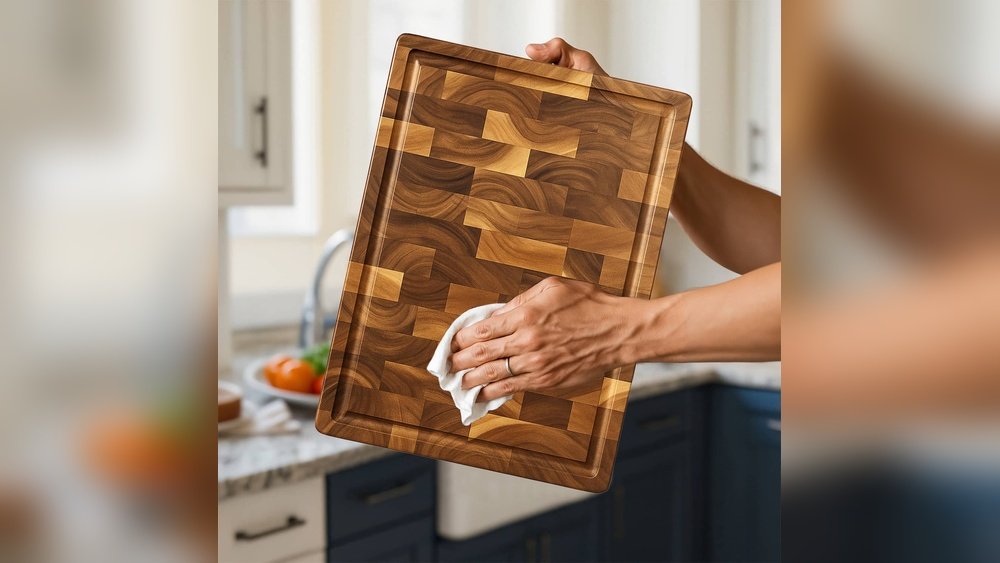
Cutting boards are a simple tool, but they play a big role in every kitchen. Whether you cook every day or just sometimes, a good cutting board can make your life easier, safer, and more enjoyable. There are many types, sizes, and materials, and each one suits different needs.
Choosing the right cutting board is not only about style—it’s about hygiene, durability, and how you prepare food. If you want to avoid mistakes, keep your kitchen safe, and make cooking smoother, understanding cutting boards is important.
Cutting boards have changed over the years. Today, you can find boards made from wood, plastic, bamboo, glass, and even stone. Each material has pros and cons, and some are better for certain tasks. For example, some boards are safer for cutting meat, while others are gentle on knives.
Many people don’t know that the wrong board can damage knives, harbor bacteria, or even make food taste different.
In this article, we’ll look at the main types of cutting boards, their advantages and disadvantages, how to care for them, what mistakes to avoid, and how to choose the best board for your needs. We’ll also compare popular materials, discuss hygiene, and answer common questions.
By the end, you’ll know how to pick a cutting board that fits your kitchen and keeps your food safe.
Types Of Cutting Boards
The material of a cutting board affects everything: hygiene, knife safety, durability, and even the feel while chopping. Let’s explore the most common types.
Wood Cutting Boards
Wood cutting boards are classic and loved by many chefs. They are usually made from hardwoods like maple, walnut, cherry, or teak. These boards are gentle on knife edges, making them a favorite for people who want their knives to stay sharp.
Advantages:
- Gentle on knives
- Attractive look
- Self-healing surface (small cuts close over time)
- Good for dry foods like bread or vegetables
Disadvantages:
- Can absorb moisture and odors
- Not dishwasher safe
- Needs regular oiling
- Can warp if not cared for
An interesting fact: End-grain wood boards (with the grain facing up) are often used in professional kitchens because they are tougher and heal from knife cuts better than edge-grain boards.
Plastic Cutting Boards
Plastic cutting boards are common in homes and restaurants because they are easy to clean and affordable. Most are made from polyethylene or polypropylene.
Advantages:
- Dishwasher safe
- Lightweight and cheap
- Can be color-coded (for food safety)
- Non-porous, so less likely to absorb bacteria
Disadvantages:
- Can get deep grooves where bacteria hide
- Can be slippery if wet
- Not as gentle on knives as wood
- Often needs replacement after heavy use
Many restaurants use colored plastic boards—red for meat, green for vegetables, yellow for poultry—to prevent cross-contamination.
Bamboo Cutting Boards
Bamboo cutting boards are popular as an eco-friendly choice. Bamboo is actually a grass, not wood, and grows quickly. These boards are harder than most woods, making them durable.
Advantages:
- Sustainable and eco-friendly
- Hard and durable
- Lightweight
Disadvantages:
- Can be tough on knife edges
- Needs oiling like wood
- Can split if soaked in water
Bamboo boards cost less than hardwood boards, but their hardness can dull knives faster if you chop often.
Glass Cutting Boards
Glass cutting boards are not common in professional kitchens but are found in some homes. They are usually made from tempered glass.
Advantages:
- Easy to clean
- Does not absorb odors or stains
- Can be used as a serving tray
Disadvantages:
- Very hard—can damage knives
- Slippery surface
- Noisy and uncomfortable for chopping
Most experts recommend avoiding glass boards for everyday chopping because they can quickly ruin knife edges.
Composite And Stone Cutting Boards
Composite boards are made from resin or synthetic materials. Stone boards (like marble or granite) are rare and mainly used for pastry work.
Advantages:
- Composite boards are tough and dishwasher safe
- Stone boards are good for rolling dough
Disadvantages:
- Can be expensive
- Stone boards are heavy and can break if dropped
- Hard surfaces can dull knives quickly
Composite boards are a good choice for people who want something between wood and plastic, but they usually cost more.
Comparing Cutting Board Materials
To help you choose, here’s a side-by-side comparison of popular materials:
| Material | Knife Friendliness | Hygiene | Durability | Ease of Cleaning | Price Range |
|---|---|---|---|---|---|
| Wood | Excellent | Good | High | Moderate | $20-$150 |
| Plastic | Moderate | Excellent | Moderate | Easy | $10-$40 |
| Bamboo | Fair | Good | High | Moderate | $15-$60 |
| Glass | Poor | Excellent | High | Easy | $10-$50 |
| Composite | Good | Excellent | High | Easy | $30-$120 |
A non-obvious insight: The knife-friendliness of a board is more important than most people realize. Boards that are too hard (like glass or stone) can make your knives dull much faster, which can lead to unsafe chopping and more frequent sharpening.
Choosing The Right Cutting Board
Picking the right cutting board depends on your kitchen habits, budget, and what foods you prepare. Here are some practical steps and tips.
Consider Your Cooking Style
- If you cook meat often, choose a plastic board for raw meat and poultry. You can put it in the dishwasher for thorough cleaning.
- If you chop lots of vegetables or bread, a wood board is gentle and pleasant to use.
- For bakers, stone or marble boards are good for rolling dough, but not for chopping.
Size Matters
Cutting boards come in sizes from small (about 8 x 10 inches) to huge (24 x 18 inches). Think about your kitchen space and what you cook.
- Small boards are good for quick tasks like slicing fruit.
- Medium boards (12 x 16 inches) are versatile for daily cooking.
- Large boards are best for big families or people who prep many ingredients at once.
A practical tip: If you have space, keep two boards—a small one for fruit or snacks and a large one for meal prep.
Weight And Portability
Heavy boards (like thick wood or stone) stay in place but can be hard to move. Lighter boards (plastic, bamboo) are easier to carry and clean.
Hygiene And Food Safety
Food safety is critical. Never use the same board for raw meat and ready-to-eat foods like bread or salad. Color-coded plastic boards help avoid cross-contamination.
A second non-obvious insight: Even if you clean your board, deep grooves can trap bacteria. Replace plastic boards when grooves are too deep to clean.
Budget And Longevity
Plastic boards are cheap and easy to replace. Wood boards cost more but last longer with care. Bamboo is affordable and eco-friendly. Composite boards are expensive but durable.
Caring For Cutting Boards
Proper care keeps your board safe, clean, and long-lasting. Here’s how to maintain each type.
Cleaning Wood Boards
- Hand wash with warm, soapy water. Never soak or put in the dishwasher.
- Dry right away with a towel.
- Every month, rub food-grade mineral oil on the board to keep it from drying out.
Don’t use vegetable oils—they can go rancid and make your board smell.
Cleaning Plastic Boards
- Wash with hot, soapy water or put in the dishwasher.
- If stains or odors remain, scrub with baking soda or a bleach solution (one tablespoon bleach per gallon of water).
- Replace the board when grooves are too deep.
Cleaning Bamboo Boards
- Treat like wood boards—hand wash and dry quickly.
- Oil regularly to prevent cracks.
Cleaning Glass, Stone, And Composite Boards
- Glass and stone boards are dishwasher safe.
- Composite boards can usually go in the dishwasher, but check the manufacturer’s instructions.
Removing Odors And Stains
- For garlic or onion smells, rub the board with half a lemon and salt, then rinse.
- For stains, use baking soda paste and scrub.
Storing Cutting Boards
- Store upright to let air flow and prevent moisture buildup.
- Don’t stack wet boards, as trapped moisture leads to mold.
Cutting Board Mistakes To Avoid
Many people make mistakes with cutting boards that can cause safety issues or damage.
- Using the same board for raw meat and vegetables. This spreads bacteria and can cause food poisoning.
- Putting wood boards in the dishwasher. The heat and water warp and crack the wood.
- Letting boards stay wet. Moisture leads to warping, cracking, and mold.
- Using glass boards for chopping. This can ruin knife edges and even cause chips or cracks.
- Not replacing plastic boards with deep grooves. Bacteria hide in these cuts and are hard to remove.
- Using old, smelly boards. Odors mean bacteria are trapped inside.
- Oiling with the wrong oil. Only use mineral oil or board-specific oil—never olive or vegetable oil.
Cutting Board Hygiene: What Science Says
Studies show that bacteria can survive on cutting boards, especially after cutting meat. Wood boards absorb bacteria but can kill some of them as the board dries. Plastic boards don’t absorb, but grooves can trap bacteria.
A 2015 study found that wood boards are safer for dry foods, but plastic boards are better for raw meat, especially when washed in hot water or a dishwasher.
Some countries require restaurants to use color-coded plastic boards for different foods. If you want extra safety, follow this system at home.
Cutting Boards And Knife Care
Your board affects the life of your knives. Hard boards (glass, stone, bamboo) can dull blades quickly. Soft boards (wood, plastic) keep knives sharper.
A practical tip: If you buy expensive knives, invest in a good wood board. It protects your knives and saves money on sharpening.
Cutting Board Features To Look For
When shopping, look for these features:
- Juice grooves: Channels around the edge to catch liquid from meat or fruit.
- Handles: Make carrying easier.
- Non-slip feet or grips: Prevents sliding while chopping.
- Thickness: Thicker boards last longer and don’t warp easily.
- Reversible sides: One side for meat, one for veggies.
Don’t forget: The best board is one you’ll actually use and clean regularly.
Cutting Board Trends And Innovations
In recent years, cutting boards have evolved. Some new trends:
- Antibacterial boards: Some boards use materials that slow bacteria growth.
- Flexible boards: Thin plastic mats that bend to pour chopped food directly into a pot.
- Smart boards: Boards with built-in scales or phone holders for recipes.
A unique insight: Some high-end boards have removable trays underneath to catch scraps or juices, making meal prep cleaner.
Cutting Boards In Different Cultures
Different countries use different boards. In Japan, wooden boards (called “hangiri”) are used for sushi rice. In Italy, large wood boards are used for bread and cheese. In the US, plastic boards are popular for their easy cleaning.
A practical tip: If you like international cooking, consider having more than one board—each suited for different foods.
Environmental Impact Of Cutting Boards
Wood and bamboo boards are natural and biodegradable. Bamboo grows quickly and is easy to replace. Plastic boards are not biodegradable, but some are made from recycled materials.
A non-obvious insight: If you care about the environment, choose bamboo or recycled plastic boards. Avoid stone and glass boards—they require lots of energy to produce.
Cutting Board Safety
Safety is more than just food hygiene. Boards should be stable and not slip. Avoid boards with uneven surfaces or cracks.
A practical tip: Place a damp towel under a board to keep it from sliding. Some boards come with built-in non-slip pads.
Cutting Board Sizes And Uses
Here’s a quick guide to board sizes and what they’re best for:
| Size (inches) | Best Use | Typical Material |
|---|---|---|
| 8 x 10 | Fruit, snacks | Plastic, bamboo |
| 12 x 16 | General meal prep | Wood, plastic |
| 18 x 24 | Large meals, multiple ingredients | Wood, composite |
Choose the size based on your kitchen and cooking habits.
Cutting Board Brands And Recommendations
Some trusted brands for cutting boards include:
- John Boos: Famous for thick, durable wood boards.
- OXO: Known for easy-to-clean plastic boards.
- Epicurean: Makes composite boards that are dishwasher safe.
- Totally Bamboo: Popular for eco-friendly bamboo boards.
- Joseph Joseph: Innovative boards with color-coding and smart features.
When buying, check reviews and make sure the board fits your needs.
Cutting Board Maintenance Calendar
A simple maintenance schedule keeps your boards in top shape.
- Daily: Wash and dry after each use.
- Weekly: Check for grooves or cracks.
- Monthly: Oil wood or bamboo boards.
- Yearly: Replace plastic boards if grooves are deep or if smells persist.
Cutting Board Myths
There are many myths about cutting boards. Here are a few clarified:
- “Wood boards are unsafe.” Not true—wood can kill bacteria as it dries.
- “Plastic boards are always safer.” Only if you clean and replace them often.
- “Glass boards are best for hygiene.” Yes, but they ruin knives.
- “You only need one board.” Using more than one board prevents cross-contamination.
Cutting Board Accessories
Some helpful accessories:
- Board oils: For wood and bamboo, keep them from drying out.
- Scrapers: To clean off crumbs and bits.
- Storage racks: To keep boards upright and dry.
A practical tip: Buy a scraper for wood boards—removes crumbs without water.
Cutting Boards For Special Diets
If you have allergies or eat gluten-free, consider using separate boards for allergen foods. This prevents cross-contact.
A unique insight: Many people with gluten allergies use color-coded boards to avoid mistakes.
:max_bytes(150000):strip_icc()/sea-tier-3-primary-wooden-cutting-boards-nsimpson-337-1-16a927e52855443d88fc9e06c9b78543.jpeg)
Credit: www.seriouseats.com
Cutting Board Life Span
Wood boards can last 10–20 years with care. Plastic boards last 2–5 years. Bamboo boards last around 5–10 years. Composite boards can last over a decade.
Replace boards sooner if they crack, smell, or have deep grooves.
Cutting Boards In Restaurants
Restaurants use multiple boards—usually color-coded—for food safety. Staff clean boards after each use and replace them often.
A practical tip: You can copy this system at home for safer cooking.

Credit: www.nytimes.com
Data On Cutting Board Usage
Here are some numbers:
- In the US, over 70% of homes use plastic boards for raw meat.
- Wood boards are used in 55% of homes for bread and vegetables.
- 90% of chefs prefer wood boards for knife safety.
A unique insight: Chefs often keep at least two boards in the kitchen—one for meat, one for veggies.
Cutting Board Faqs
:max_bytes(150000):strip_icc()/sea-tier-3-primary-plastic-cutting-boards-nsimpson-336-b01e9c61520b4d7eb5f4923273feea7b.jpeg)
Credit: www.seriouseats.com
Frequently Asked Questions
What Is The Best Material For A Cutting Board?
The best material depends on your needs. Wood boards are gentle on knives and look attractive. Plastic boards are easy to clean and safer for raw meat. Bamboo boards are eco-friendly but harder on knives. For most kitchens, having both wood and plastic boards is ideal.
How Do I Clean And Disinfect A Cutting Board?
For wood boards, wash by hand with warm water and soap. Dry immediately. For plastic boards, you can use the dishwasher or wash with hot water and soap. To disinfect, use a solution of one tablespoon bleach per gallon of water, rinse well, and dry.
How Often Should I Replace My Cutting Board?
Replace plastic boards when they have deep grooves or start to smell. Wood boards can last many years if cared for properly, but replace them if they crack or smell. Bamboo boards should be replaced if they split. Regularly check all boards for damage.
Can I Use The Same Cutting Board For All Foods?
No. Always use separate boards for raw meat and ready-to-eat foods. This prevents cross-contamination. Many people use color-coded boards to keep things safe.
Are Glass Cutting Boards Safe To Use?
Glass boards are safe for hygiene, but they damage knife edges and can be slippery. Most experts do not recommend glass boards for daily chopping. Use them for serving or pastry work instead.
Cutting boards are a basic but essential tool in every kitchen. They protect your countertops, keep your knives sharp, and help you prepare food safely. Whether you choose wood, plastic, bamboo, or composite, the right board makes cooking more pleasant and safe. Remember, good care and smart choices keep your board—and your kitchen—in top shape. If you want more detailed information or scientific studies about cutting board hygiene, visit Wikipedia. With this guide, you can confidently select, use, and maintain the best cutting board for your kitchen.