BBQ Pellet Types: A Guide to Flavor and Performance
Barbecue Pellet Types: A Complete Guide For Smoky Flavor Lovers
When you smell smoky meat cooking over a grill, you know something good is happening. In recent years, BBQ pellet grills have become very popular for home cooks and pros. One reason is the wide variety of bbq pellet types you can use. Each pellet brings its own flavor, aroma, and cooking style to your barbecue. But with so many options, how do you choose the right one for your grill and your taste buds? This guide will help you understand everything about BBQ pellet types, so you can cook with confidence and create food that makes people ask, “How did you do that?”

What Are Bbq Pellets?
BBQ pellets are small, cylindrical pieces made from compressed hardwood sawdust. They are designed for use in pellet grills and smokers. The main purpose of these pellets is to provide consistent heat and add smoky flavor to food.
Most BBQ pellets are about the size of a pencil eraser. The manufacturing process starts with drying hardwood sawdust, then compressing it under high pressure. There are no artificial binders or chemicals in quality pellets; the natural lignin in wood binds them together.
Benefits Of Bbq Pellets
- Consistent flavor and burn
- Easy temperature control in pellet grills
- Clean smoke for better-tasting food
- Less ash compared to charcoal or wood chunks
Not all pellets are created equal. The type of wood, how it’s processed, and even the brand can affect your barbecue results.
How Bbq Pellets Are Made
Understanding how pellets are made helps you see why some perform better than others.
- Wood selection: Only certain hardwoods are used. Softwoods like pine add unpleasant flavors and burn too fast.
- Drying: Moisture is removed from the wood to ensure a clean burn.
- Grinding: Wood is ground into fine sawdust.
- Compression: The sawdust is pressed into pellet shape using heat and pressure.
- Cooling and packaging: Pellets are cooled, then bagged for sale.
Quality pellets use 100% hardwood. Some cheaper brands add fillers or use softwood, which can lead to more ash or off-flavors. Always check the label for “100% hardwood” if you want the best results.
Main Types Of Bbq Pellets
BBQ pellets come in many flavors, each made from a different wood species. The most popular types are:
- Hickory
- Mesquite
- Apple
- Cherry
- Oak
- Maple
- Pecan
- Alder
- Blends
Let’s look at each one in detail.
Hickory Pellets
Hickory is the most classic BBQ wood in the US, especially in the South. It gives a strong, smoky, slightly sweet flavor. Hickory is great for:
- Ribs
- Pork shoulder
- Brisket
- Bacon
Hickory can be intense. For delicate meats like chicken or fish, it might be too strong unless mixed with milder woods.
Mesquite Pellets
Mesquite is popular in Texas-style BBQ. It creates a bold, earthy, sometimes spicy smoke. Mesquite burns hot and fast.
Best for:
- Beef (especially brisket)
- Lamb
- Wild game
Be careful—mesquite can overpower food if used too much. Try blending with oak or fruit woods for balance.
Apple Pellets
Apple wood is sweet and mild. It adds a light fruitiness that works well with:
- Chicken
- Turkey
- Pork chops
- Vegetables
Apple pellets are a favorite for smoking ham and giving a subtle, crowd-pleasing flavor.
Cherry Pellets
Cherry is another fruitwood with a sweet, slightly tart smoke. It gives a beautiful red color to meats, making it a favorite for presentation.
Use cherry for:
- Chicken wings
- Ham
- Duck
- Fish
It pairs well with oak or hickory for extra depth.
Oak Pellets
Oak offers a medium-strong flavor, stronger than fruitwoods but milder than hickory or mesquite. It’s very versatile and burns evenly.
Great for:
- Beef
- Pork
- Sausage
- Pizza
Oak is often used as a base in pellet blends.
Maple Pellets
Maple gives a sweet, subtle smoke. It’s good for those who prefer less intense flavors.
Perfect for:
- Vegetables
- Chicken
- Pork
- Cheese
Try maple for smoking breakfast sausage or salmon.
Pecan Pellets
Pecan is part of the hickory family but much milder and nuttier. It’s sweet, rich, and versatile.
Best for:
- Poultry
- Pork
- Baked goods (yes, you can smoke desserts!)
- Fish
Pecan pairs well with fruitwoods for extra complexity.
Alder Pellets
Alder is the traditional wood for smoking salmon in the Pacific Northwest. It’s very mild, with a delicate, slightly sweet flavor.
Use alder for:
- Fish
- Shrimp
- Vegetables
- Chicken
It’s a good choice for people new to BBQ pellet cooking.
Pellet Blends
Many brands sell blends, mixing woods like hickory, oak, and cherry. Blends give a more balanced smoke and are good for all-purpose cooking.

Comparing Bbq Pellet Types
Choosing the right pellet starts with your taste preference and what you’re cooking. Here’s a quick comparison of the most popular BBQ pellet types:
| Pellet Type | Flavor Strength | Best For | Common Pairings |
|---|---|---|---|
| Hickory | Strong | Pork, Ribs, Brisket | Oak, Cherry |
| Mesquite | Very Strong | Beef, Lamb | Oak, Apple |
| Apple | Mild/Sweet | Pork, Poultry, Veggies | Cherry, Maple |
| Cherry | Mild/Sweet | Ham, Fish, Chicken | Oak, Pecan |
| Oak | Medium | Beef, Pizza, Sausage | Hickory, Cherry |
| Maple | Mild/Sweet | Chicken, Pork, Cheese | Apple, Alder |
| Pecan | Mild/Nutty | Poultry, Fish, Baked Goods | Apple, Cherry |
| Alder | Very Mild | Fish, Veggies | Maple, Apple |
Specialty And Rare Bbq Pellet Types
Besides the main pellet types, some brands offer unique or regional woods. These are less common but can make your barbecue stand out.
Plum
Plum wood gives a sweet, floral smoke. It works well with pork and poultry, adding a subtle fruitiness.
Peach
Peach pellets are popular in the southern US. They’re mild and sweet, perfect for chicken, ribs, or even smoking fruits.
Grape
Grape wood is rare but loved by some pitmasters for its unique, light aroma. It’s great for poultry and seafood.
Mulberry
Mulberry is similar to apple but a bit stronger. It’s excellent for pork and gives a nice golden color to the meat.
Walnut
Walnut has a strong, slightly bitter smoke. It’s best mixed with milder woods. Use it for beef or game, but avoid with poultry.
Bourbon Barrel
Some companies make pellets from recycled bourbon barrels. These add a hint of whiskey to your smoke—great for brisket or steak.
Single-species Vs. Blended Pellets
When shopping, you’ll see 100% single-species pellets and blends.
- Single-species pellets give a pure, focused flavor (e.g., 100% cherry).
- Blends offer a balanced profile and can help avoid overpowering smoke.
Blends are often cheaper since they use oak as a base. For example, a “Hickory Blend” might be 70% oak, 30% hickory. Check the ingredient list if you want a true single-wood flavor.
Food Pairings And Pellet Matching
The best pellet for your grill depends on what you’re cooking and your flavor preference. Here are some classic pairings:
| Food | Recommended Pellets | Notes |
|---|---|---|
| Brisket | Hickory, Mesquite, Oak | Strong woods stand up to bold beef flavor |
| Pork Ribs | Hickory, Apple, Cherry | Mix for sweet and smoky balance |
| Chicken | Apple, Cherry, Maple | Fruitwoods add sweetness, don’t overpower |
| Fish | Alder, Apple, Maple | Mild woods preserve delicate flavor |
| Vegetables | Maple, Alder, Cherry | Try fruitwoods for a light touch |
| Baked Goods | Pecan, Maple, Apple | Surprisingly good for breads and desserts |
How To Choose The Right Bbq Pellet Type
Selecting the right pellet can be overwhelming. Here’s how to make a smart choice:
- Think about flavor strength. Strong woods (hickory, mesquite) are best for red meats. Mild woods (apple, maple, alder) are better for poultry and fish.
- Consider the food. What are you cooking most often? Match pellets to your main dishes.
- Experiment. Try small bags of different pellets. Mixing woods is common and can create unique flavors.
- Buy quality. Cheap pellets may have fillers or bark, which can give off flavors. Look for “100% hardwood” on the bag.
- Read reviews. Some brands burn hotter or produce more ash. Experience from other grillers is valuable.
Non-obvious Insights
- Pellet size can affect your grill’s performance. Not all brands use the same pellet diameter or length. If your grill jams or feeds unevenly, try switching brands.
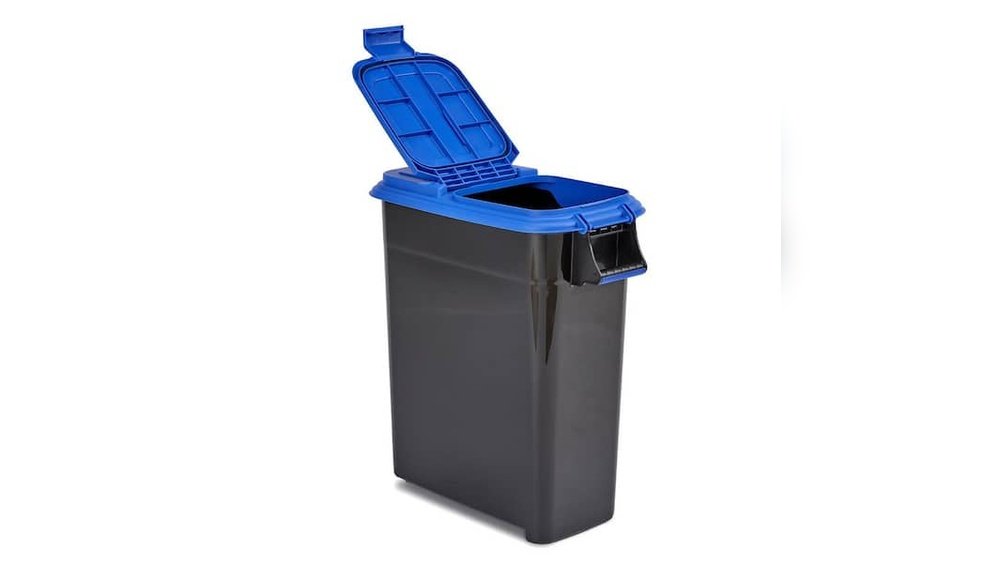
- Storage matters. Pellets absorb moisture quickly. Always keep them in a sealed container or bag, or they won’t burn well and can rot.
Performance: Burn Rate And Ash Production
A good BBQ pellet should burn evenly, create steady smoke, and leave little ash. Here’s what affects this:
- Wood density: Hardwoods burn slower and produce more heat.
- Moisture content: Ideal is below 8%. High moisture means more steam, less smoke.
- Presence of bark: Bark burns faster and makes more ash.
Low-quality pellets can clog your grill’s auger or firepot, causing temperature swings. Clean-burning pellets mean less cleaning and better flavor.
Brand Differences And What To Watch For
There are many pellet brands—Traeger, Pit Boss, Lumber Jack, CookinPellets, and others. Here’s what makes them different:
- Ingredient transparency: Some brands list exact wood percentages, others don’t.
- Heat output: Some pellets burn hotter (measured in BTUs).
- Ash content: High-ash pellets need more cleaning.
- Price: Don’t be fooled by cheap options—they may use fillers or chemicals.
Some brands are famous for certain woods. For example, Lumber Jack is known for strong hickory, while CookinPellets makes popular 100% hardwood blends.
Are Flavored Pellets Real Or Artificial?
You may see “flavored” pellets—bourbon, maple, or even Jack Daniel’s. True flavored pellets use wood from real barrels or trees. But some brands use oils or flavor additives. Pure hardwood is always better for flavor and safety.
Check the bag for “no artificial flavors” or “no oils added. ” If the pellet smells fake or sweet before burning, it might have additives.
How Pellet Types Affect Cooking
Each pellet type changes more than just flavor:
- Heat output: Dense woods like oak and hickory burn hotter than apple or alder.
- Smoke color: Stronger woods make darker smoke, which can add a deeper smoke ring to meats.
- Color of food: Cherry and pecan can give meat a reddish or golden tint—great for presentation.
Some pitmasters choose pellets based on the visual result as much as taste.
:max_bytes(150000):strip_icc()/faw-weber-hickory-all-natural-hardwood-pellets-greg-baker-7-6cf9a4aec354414aabace75fd2673bfd.jpeg)
Credit: www.foodandwine.com
Storage And Handling Of Bbq Pellets
Pellets must be kept dry. If they get wet, they swell and fall apart, making them useless. Store in:
- Airtight bins
- Thick plastic bags
- Cool, dry locations
Open bags can absorb humidity even in a few hours. Using wet pellets can clog your grill and ruin your cook.
Tip:
- Don’t pour all pellets into your hopper at once. Only fill what you’ll use in a session. This keeps the rest fresh.

Common Mistakes When Using Bbq Pellets
- Using the wrong pellet for the food: Mesquite for fish, for example, can be too strong.
- Storing pellets in humid places: Causes breakdown and poor burning.
- Buying the cheapest pellets: Often full of fillers, bark, and chemicals.
- Not cleaning out old pellets: Old, dusty pellets clog your grill.
- Ignoring the burn rate: Some pellets burn faster, meaning you need to refill more often.
- Mixing incompatible woods: Some flavors clash (e.g., mesquite and apple).
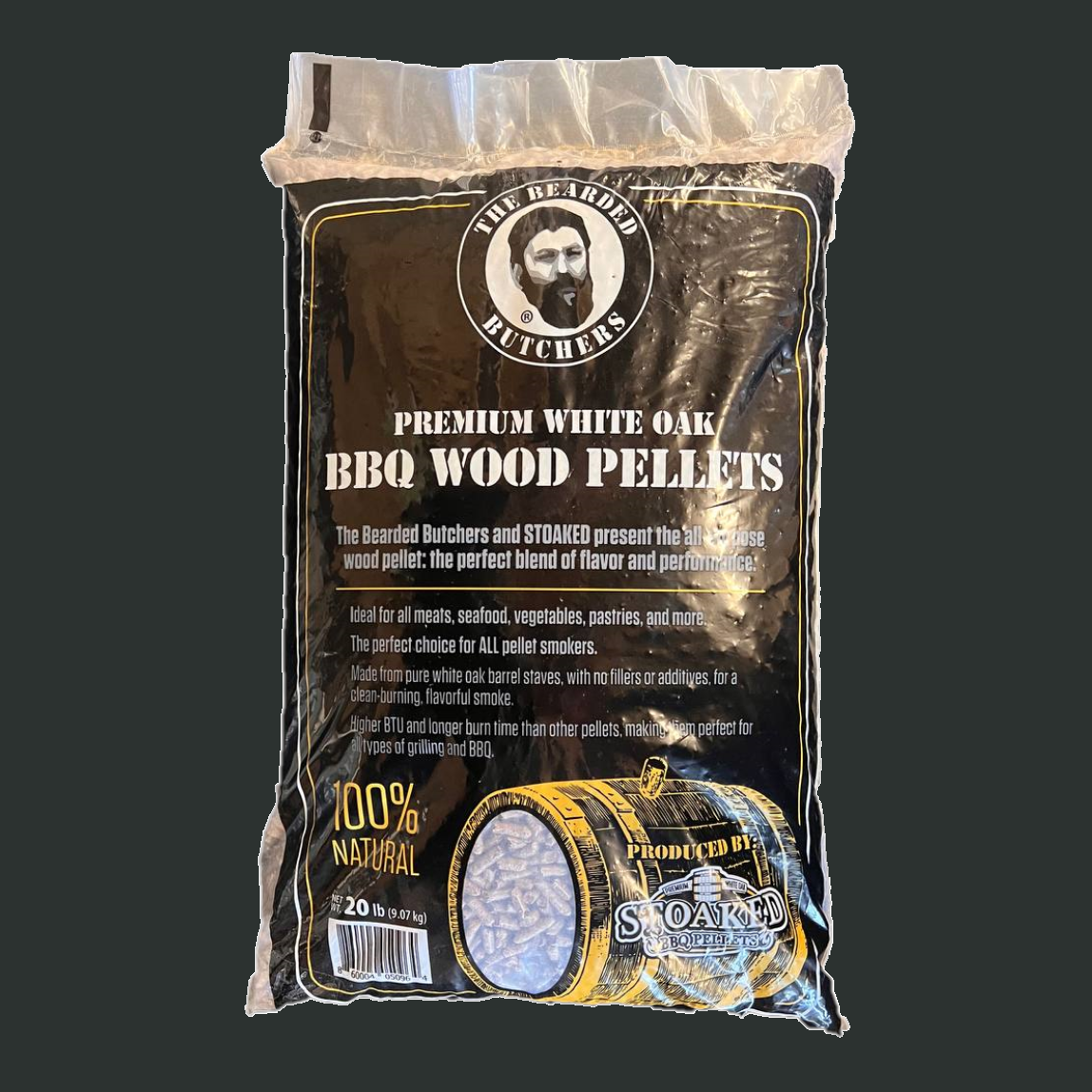
Credit: beardedbutchers.com
Environmental Impact Of Bbq Pellets
BBQ pellets are often marketed as eco-friendly. Here’s why:
- Made from recycled sawdust (waste from lumber mills)
- No chemicals or binders in quality brands
- Less ash and emissions than charcoal
But, not all pellets are the same. Some manufacturers use unsustainable wood sources or add fillers. Check for brands that use certified sustainable wood, like those with FSC (Forest Stewardship Council) certification.
According to the Pellet Fuels Institute, pellet grills produce less than 1% of the ash created by a charcoal grill for the same amount of food.
Cost: Are Some Pellets Worth More?
BBQ pellets cost between $0. 60 and $1. 20 per pound in the US. Premium woods or single-species pellets are more expensive, while blends are cheaper.
A 20-pound bag usually lasts for 10 to 20 hours of cooking, depending on your grill and temperature.
- Cheaper isn’t always better: Poor-quality pellets burn faster and produce more ash.
- Premium pellets: May last longer and give more flavor, making up for the higher price.
Diy: Can You Make Your Own Bbq Pellets?
Some people try to make pellets at home using pellet presses. While possible, it’s rarely worth it for most people. You need:
- A pellet mill (expensive)
- Dry, clean sawdust from food-safe hardwoods
- Time and effort
Most home presses can’t match the quality or density of commercial pellets, and you risk making pellets that don’t burn well. For most, store-bought pellets are the best choice.
Health And Safety Tips
- Only use food-grade pellets. Heating or animal bedding pellets can contain chemicals or softwoods that are unsafe for cooking.
- Don’t burn flavored pellets with artificial additives.
- Keep pellets away from moisture and pests.
- Clean your grill regularly to avoid old ash or dust affecting flavor.
Pellet Smoker Vs. Traditional Smoking
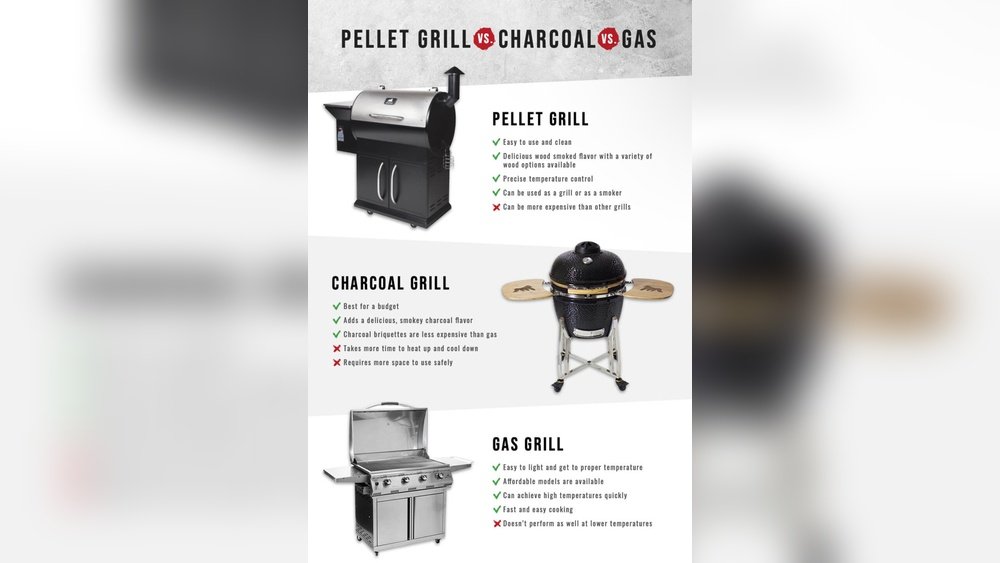
Pellet grills offer convenience and control, but some BBQ lovers say traditional wood or charcoal gives a different flavor. Here’s a quick look:
- Pellet grills: Easy to use, steady temperature, milder smoke
- Stick burners/charcoal: More hands-on, stronger smoke, can be harder to control
Some find pellet smoke subtle—using stronger woods or adding a smoke tube can boost flavor.
Real-world Example: How Pellet Choice Changed A Cook
A backyard griller tried hickory for all foods but found chicken turned out too smoky and bitter. Switching to apple and cherry pellets made the chicken juicy and sweet, while still keeping ribs flavorful with a blend of hickory and oak.
This small change improved every meal.
Non-obvious insight: The “right” pellet depends on your personal taste and the specific recipe, not just tradition or what’s popular.
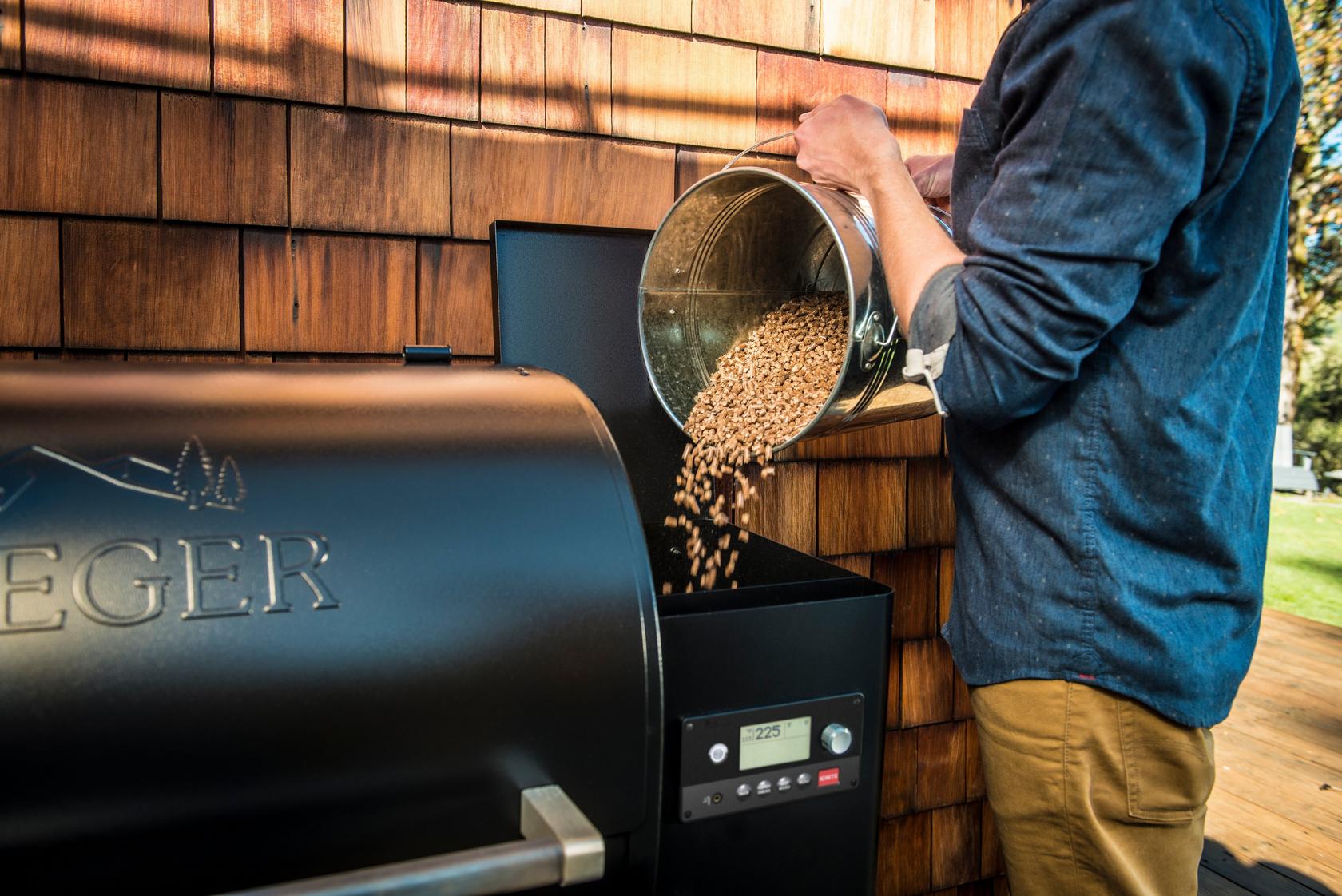
Credit: www.traeger.com
Popular Brands And Their Best Pellets
Here are a few well-known brands and their standout options:
- Traeger: Offers a wide range, known for blends and consistency
- Pit Boss: Affordable, often oak-based blends
- Lumber Jack: Real 100% hardwood, single-species options
- CookinPellets: Good for pure flavor, no fillers
- Bear Mountain: Sustainable sourcing, unique blends
Try different brands to see which burns best in your grill.
Where To Buy Bbq Pellets
You can find BBQ pellets at:
- Hardware stores (Home Depot, Lowe’s)
- Outdoor and BBQ specialty shops
- Online retailers (Amazon, brand websites)
Always check for freshness and proper packaging. Avoid bags with holes or moisture.
For more on pellet manufacturing and standards, see the Pellet Fuel Wikipedia page.
Frequently Asked Questions
What’s The Difference Between Food-grade And Heating Pellets?
Food-grade pellets are made from pure hardwood with no additives, chemicals, or softwoods. Heating pellets (for stoves) may use pine or other woods, and often contain chemicals not safe for cooking. Only use food-grade pellets for BBQ.
Can I Mix Different Pellet Types In My Grill?
Yes! Mixing is common and can create more complex flavors. For example, blend hickory with apple for balanced smoke. Just make sure both are food-grade and stored properly.
How Long Do Bbq Pellets Last In Storage?
If kept dry and sealed, pellets can last 6-12 months, sometimes longer. If they feel soft, break easily, or look swollen, they may have absorbed moisture and should be replaced.
Are Bbq Pellets Gluten-free And Allergen-free?
Most are, since they contain only pure wood. However, check labels if you have severe allergies or sensitivities. Some specialty pellets (like bourbon barrel) may use wood exposed to grains.
Does Pellet Size Or Shape Matter For My Grill?
Yes. Some grills are sensitive to pellet length or diameter. If your grill jams or has uneven feeding, try a different brand. Always use pellets recommended by your grill’s manufacturer.
Final Thoughts
BBQ pellet types are the secret ingredient that can take your barbecue from average to unforgettable. Whether you prefer the bold punch of mesquite, the sweet touch of apple, or a balanced blend, there’s a pellet for every taste and dish.
Remember to match your pellet to your food, buy quality, and keep pellets dry for the best results. Experiment with different types, and you’ll discover flavors that make every cookout special.
With the right pellets, your grill is more than a cooking tool—it’s a flavor machine. Happy grilling!