Heat‑Resistant Gloves: Top Picks for Ultimate Hand Protection
Heat-resistant Gloves: Essential Protection For Work And Home
Few people realize how much the right gloves can change your safety and productivity. Whether you’re baking in the kitchen, welding metal, or working with chemicals, heat-resistant gloves protect your hands from burns and injuries. Many people only think about gloves when they see someone welding or handling hot pans, but these gloves play a key role in many industries—and even at home.
In the past, people used basic leather or cotton gloves and hoped for the best. Today, advanced materials and smart designs offer much better protection against heat. But not all heat-resistant gloves are equal. Some are made for extreme temperatures, some for comfort, and others for flexibility.
Choosing the right pair requires understanding your needs, materials, and how gloves are tested.
Let’s explore everything you need to know about heat-resistant gloves: how they work, where they’re used, how to choose the best pair, common mistakes, and practical advice for keeping your hands safe.
What Are Heat-resistant Gloves?
Heat-resistant gloves are made to protect your hands from burns, heat exposure, and even sparks or molten metal. They are used in many jobs—welding, glass manufacturing, cooking, chemical labs, and more. Some gloves are also good for handling cold materials, but their main purpose is to prevent heat-related injuries.
How Do They Work?
These gloves use special materials and layers to block heat transfer. They can resist direct contact with hot objects, radiant heat, or even splashes of molten metal. Most gloves combine thermal insulation with outer coatings that reflect or absorb heat.
Key Features
- Temperature resistance: Gloves are rated for specific maximum temperatures, often between 250°F (121°C) and 3000°F (1648°C) for industrial gloves.
- Material layers: Some gloves have multiple layers—outer shell, insulation, inner lining—for better protection.
- Dexterity: Good gloves let you grip objects and move your fingers easily.
- Length: Longer gloves protect wrists and forearms.
Materials Used In Heat-resistant Gloves
The material is the heart of any heat-resistant glove. Different materials offer different levels of protection, comfort, and flexibility. Here are the most common materials:
Aramid Fibers
Aramid fibers like Kevlar and Nomex are strong, lightweight, and resist heat up to 800°F (427°C). They are often used for welding, glass manufacturing, and automotive work. Kevlar gloves can also resist cuts, making them popular in many industries.
Leather
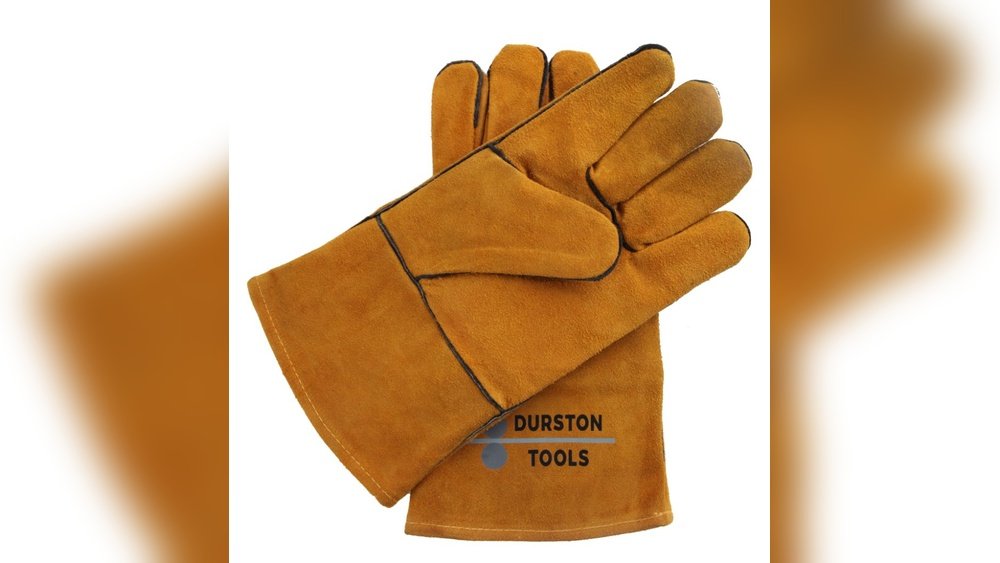
Leather is classic and effective. It offers good heat protection, especially when layered, and is flexible for handling tools. Cowhide, goatskin, and pigskin are common types. Leather gloves are used for welding, foundries, and construction.
Silicone
Silicone is flexible, waterproof, and resists heat up to 450°F (232°C). Silicone oven gloves are popular for cooking and baking, offering good grip and easy cleaning.
Cotton
Cotton gloves are cheap and comfortable, but only protect against moderate heat (up to 250°F/121°C). They are useful for light kitchen work and handling warm objects, but not for extreme heat.
Aluminized Fabrics
Aluminized gloves use a reflective coating to protect against radiant heat. They are used in foundries, glass plants, and situations where workers face intense heat but don’t touch hot objects directly. These gloves can resist temperatures up to 2000°F (1093°C).
Neoprene And Nitrile
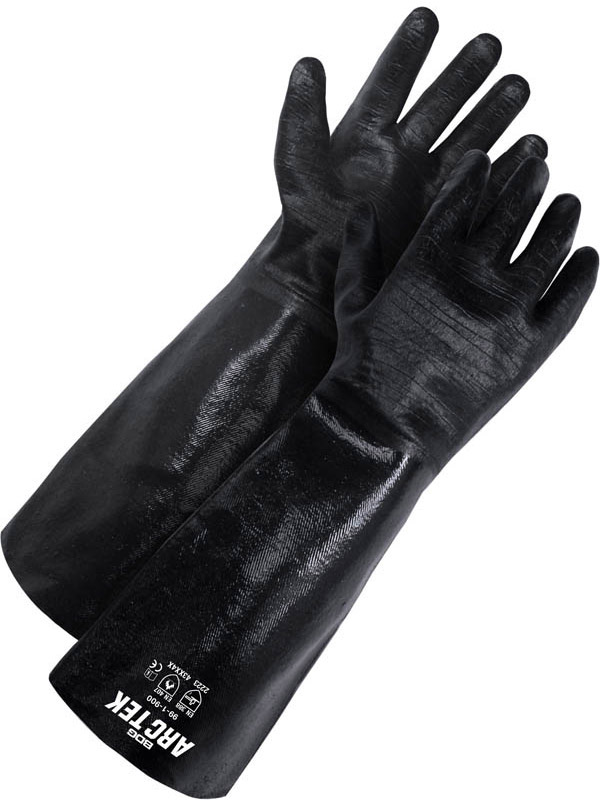
Neoprene and nitrile offer heat resistance plus chemical protection. These gloves are used in laboratories, chemical plants, and situations where workers handle hot, hazardous substances.
Wool And Other Insulating Linings
Some gloves include wool or other insulating materials as a lining. These help slow heat transfer and keep hands comfortable.
Material Comparison
To help you see the differences, here’s a comparison of common materials:
| Material | Max Temp (°F) | Cut Resistance | Chemical Resistance | Common Uses |
|---|---|---|---|---|
| Kevlar | 800 | High | Low | Welding, metalwork |
| Leather | 500 | Medium | Low | Welding, construction |
| Silicone | 450 | Low | Medium | Cooking, baking |
| Aluminized | 2000 | Low | Low | Foundries, glass plants |
| Neoprene | 400 | Low | High | Labs, chemical plants |
| Cotton | 250 | Low | Low | Light kitchen work |
Types Of Heat-resistant Gloves
Choosing the right glove depends on your work, environment, and comfort needs. Here are the main types:
Welding Gloves
Welding gloves are thick, often made from leather or aramid fibers, and protect against heat, sparks, and cuts. They usually have long cuffs to shield forearms. MIG, TIG, and stick welding gloves differ in thickness and dexterity.
Oven Gloves
Oven gloves are used in kitchens for baking, cooking, and grilling. Most are made from silicone or cotton, sometimes with extra insulation. Some have fingers, others are mitts.
Foundry Gloves
Foundry gloves protect against extreme heat and molten metal. They are often made from aluminized fabrics and have extra length.
Laboratory Gloves
Lab gloves combine heat and chemical resistance. Neoprene and nitrile are common, sometimes with inner insulation.
Firefighter Gloves
Firefighter gloves must resist flames, heat, and cuts. They use a mix of leather, aramid fibers, and moisture barriers.
Glass Handling Gloves
Glass manufacturing gloves focus on heat resistance and cut protection. Kevlar or similar fibers are used.
Automotive And Industrial Gloves
In automotive and industrial environments, workers need gloves that balance heat resistance and flexibility for tool handling.
Glove Type Comparison
Here’s a quick overview comparing types:
| Glove Type | Main Material | Heat Resistance | Dexterity | Key Features |
|---|---|---|---|---|
| Welding | Leather, Kevlar | High | Medium | Spark, cut protection |
| Oven | Silicone, Cotton | Medium | High | Grip, comfort |
| Foundry | Aluminized | Very High | Low | Radiant heat |
| Lab | Neoprene, Nitrile | Medium | Medium | Chemical resistance |
| Firefighter | Leather, Aramid | High | Medium | Flame, cut resistance |
How Are Heat-resistant Gloves Tested?
Manufacturers use strict tests to check how gloves handle heat. These tests help workers trust the gloves for safety.
Common Tests
- Contact heat test: Measures how much heat passes through the glove when touching a hot object.
- Radiant heat test: Checks protection from heat waves, such as those near furnaces.
- Molten splash test: Tests resistance to splashes of molten metal.
- Cut and abrasion tests: Important for gloves used with sharp materials.
Standards
Several standards guide heat-resistant glove testing:
- EN 407: European standard for gloves protecting against thermal risks.
- ASTM F1060: US standard for heat and flame resistance.
- NFPA 1971: For firefighter gloves.
Gloves are labeled with scores for heat, cut, and abrasion resistance. Always check these ratings before buying.
Where Are Heat-resistant Gloves Used?
Many people think only welders or firefighters need these gloves. In reality, heat-resistant gloves are used in many places.
Industrial Workplaces
- Foundries: Workers handle molten metal and face extreme heat.
- Glass manufacturing: High temperatures and sharp edges.
- Metal fabrication: Welding, grinding, and cutting.
Kitchens And Food Industry
- Bakeries: Handling hot trays and ovens.
- Restaurants: Cooking, grilling, and cleaning hot surfaces.
- Home kitchens: Baking, roasting, and grilling.
Laboratories And Chemical Plants
- Chemical handling: Hot substances and dangerous chemicals.
- Research labs: Experiments with heat and flames.
Emergency Services
- Firefighters: Entering burning buildings and rescue work.
- Paramedics: Sometimes need protection from heat during emergencies.
Automotive And Maintenance
- Car repair: Handling hot engines, exhausts, and metal parts.
- Industrial maintenance: Fixing machines that get hot.
Less Obvious Uses
- Camping: Handling hot pots, grills, or campfires.
- Art and crafts: Working with glass, ceramics, or metals.
Choosing The Right Heat-resistant Gloves
Making the right choice can be tricky. Many people pick gloves that are too thin, too bulky, or not rated for their needs. Here’s how to choose wisely.
1. Identify Your Main Risks
Ask yourself: What temperature will I face? Will I handle sharp objects, chemicals, or flames? Your risks decide your glove type.
2. Check Temperature Ratings
Don’t just guess. Look for gloves rated for the highest temperature you’ll face. For example, baking gloves may need 450°F (232°C), but welding requires much higher.
3. Assess Dexterity And Comfort
If you need to use tools or pick up small items, look for flexible gloves. Thick gloves can be safe, but may limit movement.
4. Consider Length
Short gloves protect hands. Long gloves protect wrists and forearms. Choose based on your job.
5. Review Cut And Abrasion Resistance
For work with sharp objects or rough surfaces, choose gloves with high cut and abrasion scores.
6. Look For Special Features
Some gloves have non-slip grips, extra insulation, or waterproof coatings. Pick features that help your work.
7. Try Before You Buy
If possible, try gloves on. Check fit, feel, and grip. Poor fit leads to mistakes and discomfort.
8. Read Labels And Certifications
Always check for standards like EN 407 or ASTM F1060. Certified gloves are safer.
9. Budget Wisely
Cheap gloves can cost more in injuries. Invest in quality, but don’t overspend on features you don’t need.
10. Ask Experts
If unsure, ask safety managers or experienced workers. They know which brands and types last longest.
Glove Selection Checklist
To make it easier, here’s a quick checklist:
- What is the maximum temperature?
- Is cut or chemical resistance needed?
- Do I need high dexterity?
- Should gloves be long or short?
- Are certifications present?
- Does the glove fit well?
Care And Maintenance Of Heat-resistant Gloves
Even the best gloves wear out. Proper care keeps them safe and effective.
Cleaning
- Leather: Wipe with damp cloth, dry naturally. Avoid soaking.
- Silicone: Wash with soap and water, air dry.
- Aramid and cotton: Machine wash, but check label for instructions.
- Neoprene/nitrile: Rinse after use, avoid harsh chemicals.
Storage
Store gloves away from direct sunlight, moisture, and chemicals. Hang or lay flat. Don’t fold or crush.
Inspection
Check gloves for holes, burns, or worn areas before use. Damaged gloves can fail quickly.
Replacement
Replace gloves when:
- Material is worn or thin
- Holes or tears appear
- Gloves lose insulation
- Certifications expire
Practical Tips
- Rotate gloves if you use them daily.
- Label gloves by task to avoid confusion.
- Don’t use heat-resistant gloves for chemicals unless rated.
Common Mistakes When Using Heat-resistant Gloves
Even experienced workers make mistakes. Here are some to avoid:
Using Wrong Gloves
Many people use cotton gloves for welding or cheap oven mitts for grilling. Wrong gloves can lead to burns.
Ignoring Ratings
Some gloves look tough but aren’t tested for high temperatures. Always check ratings.
Overestimating Protection
Heat-resistant gloves can fail if used beyond their limits. Don’t assume all gloves handle all heat.
Poor Fit
Loose gloves slip, tight gloves restrict movement. Both cause accidents.
Not Inspecting Gloves
Small holes or burns can make gloves unsafe. Always check before use.
Using Damaged Gloves
A glove with a hole is no longer heat-resistant. Replace damaged gloves.
Forgetting About Dexterity
Thick gloves may protect, but poor grip can cause drops or mistakes.
Not Cleaning Gloves
Dirty gloves can hide damage and reduce performance.
Using Gloves For Wrong Tasks
Don’t use heat-resistant gloves for chemicals unless rated. Don’t use oven mitts for welding.
Credit: www.bobdalegloves.com
Innovations In Heat-resistant Gloves
Modern gloves are much safer and more comfortable than older types. Here’s what’s new:
Advanced Materials
New fibers like PBI and Dyneema offer better heat and cut protection. Some gloves use layered materials for multiple hazards.
Touchscreen Compatibility
Some gloves let you use phones or tablets without removing them. Useful in labs or industry.
Improved Grip
Modern gloves use silicone dots or textured surfaces for better grip.
Moisture Barriers
Firefighter gloves now include moisture barriers, keeping hands dry and safe.
Custom Fit
Some brands offer adjustable straps or custom sizing.
Data And Smart Features
A few high-tech gloves have sensors to measure heat or alert users to high temperatures.
Real-world Examples And Case Studies
Industrial Welding
A large US steel plant switched to high-end Kevlar gloves. Workers reported 40% fewer burns and better grip on tools. This improved productivity and reduced injury costs.
Food Industry
A bakery chain used silicone oven gloves. Workers could handle hot trays faster, reducing wait time and burns. Silicone gloves lasted longer and were easier to clean.
Firefighters
A city fire department upgraded to gloves with moisture barriers and Kevlar lining. Firefighters noticed less hand fatigue and fewer injuries during long rescues.
Laboratory Work
Researchers handling hot chemicals switched to neoprene gloves. They found these gloves gave better protection and lasted longer than old cotton gloves.

Credit: www.appartement-zillertal.tirol
Heat-resistant Gloves For Home Use
Many people only think about gloves for work. But using heat-resistant gloves at home makes cooking, grilling, or DIY safer.
Cooking
Silicone gloves protect from hot pans, grills, and ovens. They are flexible, easy to clean, and last longer than cotton mitts.
Bbq And Grilling
For BBQ, look for gloves with long cuffs and good grip. Leather or silicone work well.
Diy And Repairs
If you work with hot tools or engines, heat-resistant gloves prevent burns.
Camping
Handling campfires, hot pots, or grills is safer with proper gloves.
Extra Tips For Home Use
- Choose gloves with good grip for slippery pans.
- Look for waterproof gloves if handling liquids.
- Always check temperature ratings.
Environmental Impact And Sustainability
Heat-resistant gloves can be made from synthetic or natural materials. Some brands now use recycled fibers or eco-friendly coatings.
Disposal
Gloves should be disposed of carefully. Some can be recycled, but most go to landfill.
Eco-friendly Options
Look for brands using recycled materials or offering take-back programs.

Credit: www.wellslamontindustrial.com
Price And Value
Heat-resistant gloves range from $5 for basic kitchen mitts to over $100 for industrial gloves.
What Affects Price?
- Material quality
- Certifications
- Extra features (touchscreen, moisture barrier)
- Brand reputation
Value Tips
- Don’t buy cheap gloves for high-risk jobs.
- For kitchen use, silicone gloves offer best value.
- In industry, certified gloves reduce injury costs.
Heat-resistant Gloves: Global Market Trends
The market for heat-resistant gloves is growing. In 2026, the global market was valued at over $1. 5 billion, expected to reach $2. 1 billion by 2027.
Growth Drivers
- Rising safety standards in industry
- More people cooking at home
- New materials and designs
Regional Trends
North America and Europe lead the market, but Asia-Pacific is growing fast. More factories and safety rules drive demand.
Heat-resistant Gloves: Myths And Facts
Many people believe myths about heat-resistant gloves. Let’s clear up some facts.
Myth: All Gloves Resist Heat Equally
Fact: Gloves are rated for specific temperatures. Using the wrong glove can cause burns.
Myth: Thicker Gloves Are Always Safer
Fact: Thickness helps, but material and design matter more.
Myth: Only Workers Need Heat-resistant Gloves
Fact: Home cooks, campers, and DIY fans benefit too.
Myth: Heat-resistant Gloves Last Forever
Fact: Gloves wear out. Always inspect and replace when needed.
Frequently Asked Questions
What Is The Highest Temperature Heat-resistant Gloves Can Handle?
Some industrial gloves can handle up to 3000°F (1648°C), such as aluminized foundry gloves. Most kitchen gloves resist 450°F (232°C), while welding gloves range from 800–1500°F (427–816°C). Always check the glove’s rating for your specific task.
Can Heat-resistant Gloves Protect Against Cuts And Chemicals?
Not all heat-resistant gloves protect against cuts or chemicals. Kevlar gloves resist cuts, while neoprene or nitrile gloves handle chemicals. Choose gloves tested for multiple hazards if your work requires it.
How Long Do Heat-resistant Gloves Last?
Glove lifespan depends on use, material, and care. Industrial gloves may last months with heavy use, while kitchen gloves can last years. Always inspect for wear, holes, or damage. Replace gloves if insulation is reduced or certifications expire.
Are Heat-resistant Gloves Machine Washable?
Some gloves (cotton, aramid) can be machine washed. Leather should be wiped and dried naturally. Silicone gloves are easy to wash by hand. Always check the manufacturer’s care instructions.
Where Can I Find Certified Heat-resistant Gloves?
Certified gloves are sold by safety supply stores and major retailers. Look for EN 407, ASTM F1060, or NFPA 1971 labels. For more details, see Wikipedia’s glove article.
Heat-resistant gloves are more than just a safety tool—they’re a smart investment. Whether you work in a dangerous job or just love to cook, the right gloves protect your hands, improve your confidence, and help you work faster and safer.
Remember to choose wisely, care for your gloves, and replace them when needed. This simple step can prevent serious injuries and make every task more comfortable.