Pellet Storage Solutions: Maximize Space and Keep Fuel Fresh

Pellets are widely used today for heating homes, industrial operations, and even animal feed. Whether you use wood pellets for stoves or biomass pellets for large boilers, one thing is clear: pellet storage matters. Poor storage leads to damaged pellets, loss of energy, mold, and even safety risks. Many people focus on buying quality pellets, but ignore where and how they keep them. In this guide, you’ll learn everything you need to know about storing pellets—what works, what doesn’t, and how to protect your investment.
What Are Pellets?
Pellets are small, cylindrical pieces made from compressed materials. The most common types are:
- Wood pellets: Made from sawdust and wood shavings, used for heating.
- Biomass pellets: Created from agricultural waste or other plants, used for energy.
- Animal feed pellets: Processed grains and vitamins for livestock.
Pellets are popular because they are efficient, easy to transport, and simple to use. However, they are sensitive to moisture, temperature, and contamination. That’s why proper storage is essential.
For example, wood pellets have a diameter of about 6–8 millimeters and a length of 10–30 millimeters. This small size makes them easy to handle but also means they can absorb water quickly if not stored correctly. Biomass pellets often include materials like straw, corn stalks, or even nutshells, but all share the same storage risks.
Animal feed pellets might look similar but are designed to deliver nutrition, so keeping them clean and dry is critical for animal health.
Why Pellet Storage Is Important
You might think storing pellets is simple—just keep them dry. But there are several factors that affect pellet quality:
- Moisture: Pellets absorb water fast. Wet pellets break apart, lose energy value, and can grow mold.
- Temperature: Extreme heat or cold changes pellet properties. Heat can cause pellets to expand or crack. Cold may make them brittle.
- Contamination: Dust, pests, and chemicals ruin pellets.
- Safety: Poor storage can lead to fire risks, especially with wood pellets.
Statistics show that up to 15% of pellets can be lost or damaged if stored badly. For large users, this means thousands of dollars wasted.
Most people think only rain is a problem, but even high humidity can be enough to spoil a batch over time. For example, a garage with a leaky window can cause a slow but steady increase in pellet moisture, leading to invisible damage at first.
This is why professional pellet users often invest in monitoring equipment, but even home users should be aware of small changes in their storage environment.
Another issue is cross-contamination. If pellets are stored near chemicals, fuels, or even strong-smelling items like paint, they can absorb odors or dangerous substances. This is especially important for animal feed pellets, as livestock can get sick from contaminated feed.
Types Of Pellet Storage
Indoor Storage
Indoor storage is the best option for most users. It protects pellets from weather, pests, and contamination.
Advantages:
- Controlled environment
- Lower risk of moisture
- Easy access
Disadvantages:
- Requires space inside
- Needs good ventilation
Common indoor storage options include plastic bins, metal containers, and storage rooms. For home users, a garage or basement works well.
You can also use specially designed pellet storage cabinets. These cabinets often have seals to keep out air and moisture and may include a small viewing window so you can quickly see how many pellets remain. Some people even build custom wooden boxes lined with plastic for extra protection.
Outdoor Storage
Outdoor storage is possible, but you must protect pellets from rain, snow, and temperature changes.
Advantages:
- Saves indoor space
- Can store large volumes
Disadvantages:
- Higher moisture risk
- Needs strong covers
Typical outdoor storage includes silos, covered sheds, or large bags. Always use waterproof covers and check regularly for leaks.
One tip for outdoor storage is to build a simple platform with cinder blocks and wood planks. This keeps pellets off the ground and helps prevent water from seeping in. For larger volumes, shipping containers are sometimes used. If you use a container, make sure it is ventilated to prevent condensation buildup inside.
Bulk Storage
Bulk storage is for commercial or industrial users. Pellets are stored in large silos, hoppers, or warehouses.
Advantages:
- Handles high volumes
- Efficient for large-scale operations
Disadvantages:
- Expensive setup
- Needs monitoring systems
Bulk storage requires careful planning. Sensors can measure moisture and temperature to protect pellet quality.
Factories and large farms often use automatic conveyor belts or augers to move pellets from storage to use points. These systems save labor but must be kept clean and checked for jams or leaks. Some modern silos have computerized systems that log data and alert staff if conditions change, which helps avoid sudden spoilage.
Key Factors For Proper Pellet Storage
Moisture Control
Moisture is the biggest enemy of pellets. Even small amounts of water can break pellets apart.
Best practices:
- Keep pellets off the ground.
- Use airtight containers.
- Install dehumidifiers in humid areas.
- Check for leaks and condensation.
A study found that pellets stored at humidity below 60% retain their quality for up to one year.
It’s important to remember that even the air inside a closed room can carry moisture. In some climates, humidity rises overnight and drops during the day. This cycle can slowly damage pellets if not managed. Using desiccant packs or moisture absorbers in bins adds extra protection, especially in changing weather.
Temperature Stability
Temperature swings can damage pellets. Keep storage areas between 40°F and 80°F for best results.
- Avoid direct sunlight.
- Insulate storage rooms in cold areas.
- Use temperature sensors for bulk storage.
For example, in hot climates, storing pellets near a metal wall exposed to the sun can cause “hot spots” that crack or dry out pellets. In very cold areas, if pellets freeze and then thaw, water can condense inside bags.
Good insulation and keeping bags off cold floors prevents these problems.
Ventilation
Pellets produce gases as they age, especially wood pellets. Good ventilation prevents buildup of dangerous gases like carbon monoxide.
- Install vents in storage rooms.
- Never store pellets in sealed areas without airflow.
A simple vent or window is enough for home storage, but larger silos may require powered fans. Always check that vents are not blocked by dust or packaging material.
Pest Prevention
Rodents and insects can chew through bags and eat pellets. They also contaminate pellets with droppings.
- Use metal or thick plastic bins.
- Check bags for holes.
- Clean storage areas regularly.
Don’t underestimate how persistent mice and rats can be. They can squeeze through tiny gaps, so seal all cracks and check often, especially in rural areas.
Fire Safety
Pellets are flammable. Keep storage away from heat sources, open flames, and electrical outlets.
- Store in cool, dry places.
- Install fire extinguishers nearby.
- Never smoke near pellet storage.
Even static electricity or a spark from a faulty outlet can ignite a pile of dry pellets, so always check electrical safety in storage areas.
Credit: massivedimension.com
Pellet Storage Containers And Solutions
Bags
Most pellets are sold in 20-40 lb plastic bags. These bags are convenient for home users.
- Store bags on shelves or pallets, not directly on floors.
- Keep bags sealed until use.
- Avoid stacking bags too high; they may burst.
Many people don’t realize that even small tears in bags can let in moisture or pests. Tape any damaged bags and use them first. When opening a bag, use clean hands or tools to avoid introducing dirt.
Bins And Boxes
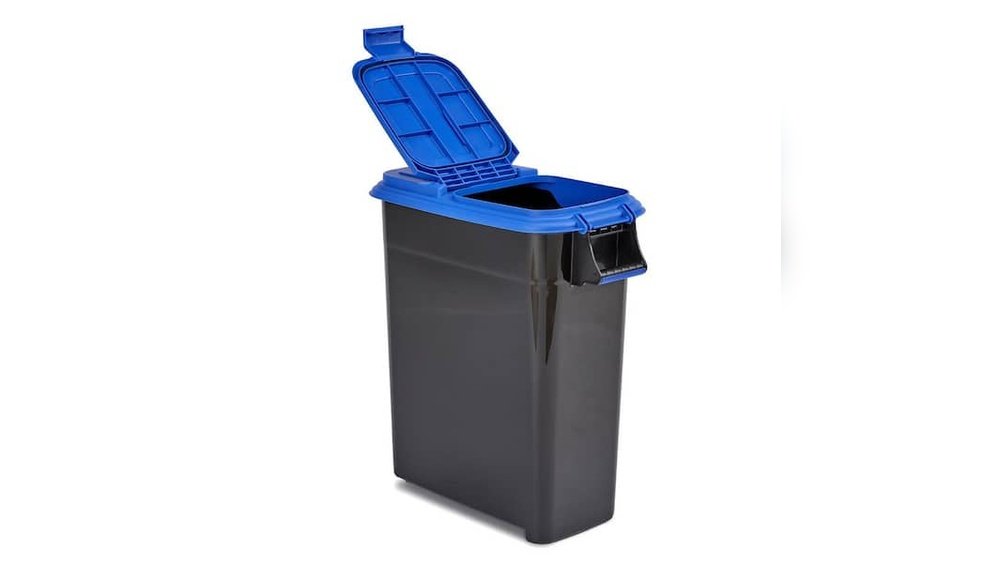
Plastic and metal bins are popular for storing small amounts of pellets.
- Choose bins with tight lids.
- Label bins by type and date.
- Clean bins before refilling.
Stackable bins are a good choice for limited space. Some bins have wheels, making it easy to move them closer to your stove or boiler when needed.
Silos
Silos are used for bulk storage. They can be made from metal, concrete, or plastic.
- Silos must be waterproof.
- Install moisture and temperature sensors.
- Use automatic feeders for easy pellet delivery.
Modern silos sometimes have sloped floors to help pellets flow out smoothly. For farms, outdoor silos should be checked for rust or cracks, as even a small leak can affect many tons of pellets.
Pallets
Stacking pellet bags on wooden or plastic pallets keeps them off the ground.
- Place pallets in dry, ventilated areas.
- Cover with tarps for extra protection.
Plastic pallets are better in damp conditions because they don’t absorb water. Be careful not to overload pallets, as they can crack or collapse.
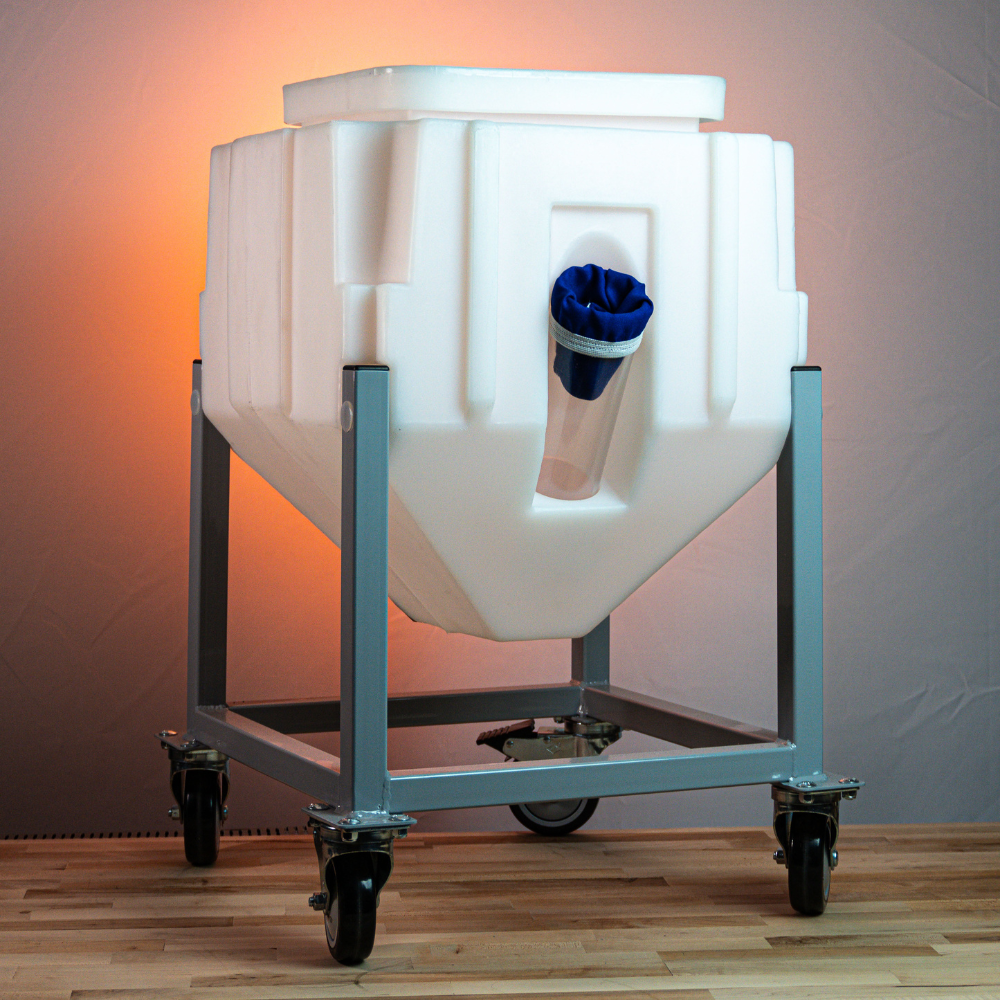
Hopper Systems
Hoppers are funnel-shaped containers used in large operations.
- Connect hoppers to feeding systems.
- Regularly check for blockages.
Pellets sometimes “bridge” inside hoppers—this means they stick together and stop flowing. Gently tapping the hopper or using a vibrating system can keep pellets moving.
Comparison: Storage Options
Here’s a quick comparison of common pellet storage options for home and commercial use:
| Storage Type | Capacity | Moisture Protection | Ease of Access | Cost |
|---|---|---|---|---|
| Bags | Low | Medium | High | Low |
| Bins | Medium | High | High | Medium |
| Silos | Very High | High | Medium | High |
| Pallets | Medium | Low | High | Low |
| Hoppers | High | Medium | Medium | Medium |
Pellet Storage For Homes
Many people use wood pellet stoves to heat their homes. Storing pellets correctly keeps them dry and ready for use.
Best Practices
- Store pellets near the stove, but not too close to heat.
- Use bins or bags that can hold at least one week’s supply.
- Keep extra pellets in a dry basement or garage.
- Check pellets before loading—look for dust, mold, or broken pieces.
If you have small children or pets, keep bins closed and out of reach. Some users add a small scoop or cup inside the bin to make daily loading easier.
Mistakes To Avoid
- Leaving pellets in open bags.
- Storing pellets in damp areas like bathrooms or laundry rooms.
- Forgetting to clean bins between refills.
Another common mistake is not rotating stock. Use the “first in, first out” method—always finish the oldest pellets before opening new bags. This prevents old pellets from sitting too long and losing quality.
Example: Small Home Storage
Sarah lives in Vermont and uses a wood pellet stove. She keeps her pellets in 30 lb bags stacked on a wooden pallet in her garage. She checks the bags for tears and only brings enough pellets for one week inside. By keeping the garage dry and ventilated, her pellets stay fresh all winter.
If Sarah sees condensation on her garage windows, she runs a small fan to improve airflow. She also keeps a flashlight nearby to quickly inspect for pests or leaks during cold, dark winter months.
Pellet Storage For Commercial Use
Factories and farms use tons of pellets every month. Their storage needs are different.
Bulk Storage Systems
- Silos with automated feeders
- Warehouses with climate control
- Hoppers connected to production lines
Some commercial facilities schedule deliveries to match consumption, reducing the amount of time pellets spend in storage. This “just-in-time” strategy cuts spoilage but requires reliable suppliers.
Monitoring And Maintenance
Large users must monitor storage conditions:
- Use sensors for moisture and temperature.
- Schedule regular cleaning.
- Inspect for pests and leaks.
Many companies set up digital monitoring dashboards. These systems send automatic alerts if humidity or temperature rises too high. Maintenance teams then act quickly to fix problems before pellets are lost.
Data: Commercial Pellet Loss
A survey by the Pellet Fuel Institute found that poor storage causes up to 10% loss in pellet quality for commercial users. Upgrading storage systems can cut losses to under 2%.
This is especially true for companies in humid or rainy regions. Investing in better storage pays off quickly when you avoid wasted product and the cost of cleaning up spoiled pellets.
Example: Industrial Storage
A pellet factory in Michigan uses steel silos with electronic moisture monitors. They store pellets for up to 6 months and maintain quality by checking sensors daily. If humidity rises above 60%, they activate dehumidifiers.
The factory also trains all staff on how to react if a sensor alarm sounds. This quick response keeps pellets safe and prevents downtime.
Outdoor Pellet Storage Tips
Outdoor storage is common where space is limited. But it needs extra care.
Protection From Weather
- Use waterproof covers or tarps.
- Place pellets on raised platforms to avoid floods.
- Build simple sheds with sloped roofs.
Try not to let covers rest directly on pellet bags. Leave a small air gap for ventilation. This helps avoid condensation, which can be just as damaging as rain.
Seasonal Storage
- In winter, check for snow and ice buildup.
- In summer, protect from direct sunlight.
In regions with heavy snow, reinforce sheds so they don’t collapse under the weight. In hot, sunny areas, consider painting sheds white to reflect heat.
Example: Outdoor Storage Solution
Mark stores biomass pellets in large bags under a shed in his backyard. He uses heavy-duty tarps and checks for moisture weekly. He keeps pellets off the ground using wooden pallets.
Mark also places a thermometer and a small weather station inside the shed. This helps him spot any sudden changes and protect his pellets from unexpected weather.
How Long Can Pellets Be Stored?
Pellet shelf life depends on storage conditions:
- Dry, cool storage: Pellets last up to 2 years.
- Humid or hot areas: Pellets may spoil in months.
Signs that pellets are bad:
- Soft, crumbly texture
- Mold growth
- Strong, musty smell
Always use older pellets first. Label storage containers with purchase dates.
Another tip: If you have leftover pellets from last season, do not mix them with a new batch. Use them up first, or set them aside for less important uses, like starting a fire outdoors.
Common Problems In Pellet Storage
Moisture Damage
Pellets absorb water easily. Even small leaks can ruin a batch. Always check storage for leaks.
A dripping pipe, a spilled drink, or even wet boots can introduce moisture. Always keep the storage area clean and dry.
Mold
Mold grows in damp, dark places. It makes pellets unsafe to burn or feed.
Moldy pellets may look slightly green or black, and sometimes have a fuzzy surface. Burning moldy pellets can release harmful spores into the air.
Dust And Fines
Broken pellets create dust. Too much dust reduces efficiency and may clog feeding systems.
Regularly sweep the storage area and gently handle bags to reduce dust. Some pellet users buy special screens to separate dust from good pellets before use.
Pest Infestation
Rats, mice, and insects can chew through bags and contaminate pellets.
Store pellets away from animal food or garbage, as these attract pests. If you see droppings or chewed bags, act quickly to solve the problem.
Fire Risks
Pellets are combustible. Poor storage near heat sources increases fire risk.
Check for any frayed wires or exposed outlets near storage. Make sure nobody stores flammable liquids or chemicals nearby.
Solving Pellet Storage Issues
Moisture Solutions
- Use airtight bins.
- Install dehumidifiers.
- Check regularly for leaks.
For large storage spaces, consider using industrial fans to keep air moving and prevent damp spots.
Mold Prevention
- Keep storage dry and ventilated.
- Clean containers and rooms.
- Use anti-mold treatments if needed.
Some people sprinkle food-grade diatomaceous earth in storage bins to absorb extra moisture. Make sure any product used is safe for your pellet type.
Dust Control
- Handle pellets gently.
- Clean storage areas.
- Use filters or screens in feeding systems.
Don’t use powerful vacuums, as they may break more pellets and make dust worse. A soft brush or broom works better.
Pest Defense
- Seal all entry points.
- Use metal bins.
- Set traps if needed.
Peppermint oil on cotton balls can help repel mice but does not replace regular checks and sealing gaps.
Fire Safety Measures
- Store pellets away from flammable materials.
- Install fire extinguishers.
- Train staff on fire safety.
Check extinguishers every six months and make sure everyone knows where they are.
Pellet Storage In Different Climates
Cold Regions
- Insulate storage rooms.
- Keep pellets away from freezing walls.
- Use indoor storage when possible.
Extreme cold can make pellets brittle, so avoid sudden temperature changes.
Humid Areas
- Use dehumidifiers.
- Store pellets in airtight containers.
- Check for condensation.
Using a humidity gauge helps track changes in storage rooms.
Hot Climates
- Avoid direct sunlight.
- Use ventilated sheds.
- Monitor temperature.
Consider using reflective covers for outdoor storage to reduce heat gain.
Comparison: Storage Performance In Various Climates
| Climate | Recommended Storage | Risks | Extra Precautions |
|---|---|---|---|
| Cold | Indoor, insulated | Freezing, brittleness | Insulation, temperature checks |
| Humid | Airtight bins, dehumidifiers | Mold, moisture | Humidity control, frequent checks |
| Hot | Ventilated, shaded sheds | Expansion, cracking | Sun protection, ventilation |

Credit: bournesenergy.com
Pellet Storage For Animal Feed
Animal feed pellets must be kept fresh and safe for livestock.
Best Practices
- Store in clean, dry rooms.
- Use bins with tight lids.
- Avoid exposure to chemicals or pesticides.
If possible, store feed pellets separately from other farm supplies. This reduces the risk of cross-contamination.
Mistakes To Avoid
- Storing feed near cleaning products.
- Using dirty containers.
- Leaving feed bags open.
Old feed can attract insects or go stale, so check bags and bins regularly.
Example: Farm Storage
A dairy farm in Wisconsin keeps feed pellets in metal bins inside a shed. They clean bins monthly and keep pellets away from chemicals.
They also rotate feed stock weekly to keep feed fresh and reduce the risk of illness in their cattle.
How To Choose The Right Storage Solution
Selecting a storage method depends on:
- Volume: How many pellets do you use?
- Location: Do you have indoor or outdoor space?
- Budget: Can you invest in silos or bins?
- Climate: Is your area humid, cold, or hot?
Questions To Ask
- How long do I need to store pellets?
- Can I monitor moisture and temperature?
- Is my storage area secure from pests?
- Can I access pellets easily?
Data: Storage Investment Vs. Loss
A study in Europe showed that investing $500 in storage upgrades reduced pellet losses by 80% over one year.
This includes adding moisture sensors, sealing cracks, and buying better bins. For large users, small changes in storage can mean big savings.
Non-obvious Insights For Pellet Storage
- Stacking Height Matters: Don’t stack bags too high. The bottom bags may burst or be crushed. Limit stacks to four bags high unless using strong pallets.
- Rotate Stock Regularly: Always use older pellets first. This prevents spoilage and keeps pellets fresh.
- Check for Odors: Pellets should not smell musty. If you notice a strong smell, check for mold or contamination.
- Monitor Gas Build-Up: Wood pellets can release carbon monoxide. Always ventilate storage rooms, especially if you store large amounts.
- Label Containers: Write purchase dates and pellet type on bins. This helps track freshness and prevents mix-ups.
Some home users miss the importance of regular inspection. A 5-minute check each week can save a whole season’s supply.
Pellet Storage Maintenance Checklist
- Inspect storage weekly for leaks, mold, and pests.
- Clean bins and containers before refilling.
- Check humidity and temperature regularly.
- Rotate stock—use oldest pellets first.
- Keep storage area organized and labeled.
- Test fire extinguishers annually.
Add a reminder on your phone or calendar to help you remember these tasks.

Credit: www.amazon.com
Pellet Storage Accessories
Several accessories make pellet storage easier and safer:
- Moisture sensors: Monitor humidity in storage.
- Temperature monitors: Alert if heat rises.
- Automatic feeders: Move pellets from storage to stoves or boilers.
- Vacuum systems: Clean dust and fines from storage areas.
- Heavy-duty tarps: Protect outdoor pellets.
Some advanced bins have digital displays showing current conditions. For large silos, remote data loggers can send alerts to your phone or computer.
Pellet Storage Myths
- “Pellets don’t spoil.” Pellets can become unusable if exposed to moisture.
- “Outdoor storage is fine without covers.” Rain and humidity quickly damage pellets.
- “Any bin will work.” Cheap bins may break or leak. Invest in quality containers.
- “Pellets are safe from pests.” Rodents and insects love feed pellets.
- “More storage is always better.” Extra storage only helps if managed correctly.
Another myth is that wrapping bags in plastic is enough. Without airflow, condensation can still form and cause problems.
Environmental Impact Of Pellet Storage
Proper storage prevents waste and reduces environmental harm. Damaged pellets cannot be burned or fed, leading to landfill disposal. Moldy pellets release harmful spores when burned.
Choosing eco-friendly bins, monitoring conditions, and reducing losses helps protect the environment. Some companies use recycled materials for storage containers.
Also, good storage means fewer deliveries, cutting down on transportation emissions and fuel use.
Safety Guidelines For Pellet Storage
- Keep storage areas locked and secure.
- Never store pellets near chemicals or fuel.
- Train staff and family on safe handling.
- Post signs warning about fire risks.
For large facilities, post emergency procedures in several languages if needed.
How To Store Pellets Long-term
Long-term storage needs special care:
- Use airtight containers.
- Store in cool, dry places.
- Check pellets monthly for spoilage.
- Use moisture absorbers (like silica gel).
- Clean containers before adding new pellets.
If storing for longer than one year, check pellets every few months and keep detailed records.
Future Trends In Pellet Storage
Technology is improving pellet storage. New solutions include:
- Smart bins with automatic moisture monitoring.
- Remote sensors that alert users about storage issues.
- Eco-friendly containers made from recycled plastics.
Large companies now use computerized silo systems to track pellet quality. These innovations help reduce waste and increase efficiency.
In the future, home users may see affordable “smart” bins with phone alerts or even bins that order new pellets automatically when supplies run low.
Pellet Storage Case Studies
Home User Success
Jane upgraded her pellet storage from plastic bags in a shed to sealed bins in her basement. She reduced pellet loss by 90% and saved money on heating.
She also noticed less dust around her stove and fewer pests in her storage area.
Factory Improvement
A pellet processing plant installed moisture sensors in their silos. They cut quality losses from 8% to 1%, saving $10,000 a year.
Staff say that now they spend less time cleaning up spoiled pellets and more time on production.
Farm Upgrade
A poultry farm switched from old feed bags to metal bins with tight lids. Pellet spoilage dropped, and animal health improved.
The farmer also reported that feeding was faster and less wasteful, as pellets stayed dry and easy to handle.
Frequently Asked Questions
How Do I Know If My Pellets Have Spoiled?
Check for signs like soft texture, mold, and musty smell. Spoiled pellets break apart easily and may look discolored. If you see these signs, do not use the pellets.
You might also notice that spoiled pellets create more smoke or less heat when burned.
Can I Store Pellets Outside All Year?
Yes, but you must use waterproof covers, raised platforms, and check for moisture often. Outdoor storage needs extra care to prevent weather damage.
In very wet or snowy regions, consider moving pellets indoors during the worst weather months.
What Is The Best Container For Pellet Storage?
Airtight bins made of plastic or metal are best. They protect against moisture and pests. For bulk storage, silos with sensors are ideal.
If you need to move pellets often, choose bins with wheels or handles.
How Often Should I Check My Pellet Storage?
Check storage at least once a week for leaks, pests, and spoilage. In humid climates, check more often.
Quick checks catch small problems before they become expensive disasters.
Are Pellets Dangerous To Store?
Pellets are flammable and can release gases. Store them away from heat sources, ventilate storage areas, and keep fire extinguishers nearby.
Never store pellets with gasoline, oil, or strong chemicals.


Pellet storage is not just about keeping things dry. It’s about protecting your investment, saving money, and staying safe. Whether you store pellets at home, on a farm, or in a factory, follow the best practices in this guide. Use the right containers, monitor conditions, and act quickly if you see problems.
With proper storage, your pellets will stay fresh, efficient, and ready for use.
For more details on pellet safety and storage, visit the Wood Pellet Wikipedia.