Chimney Starters: The Ultimate Guide to Quick and Easy Grilling
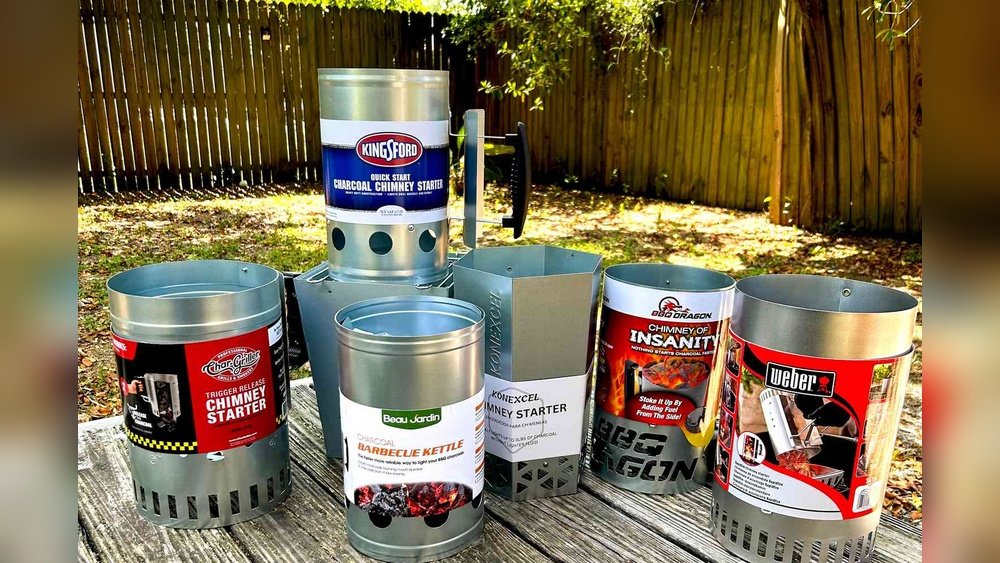

Grilling over charcoal is a ritual for many outdoor cooks. The aroma of smoke, the sizzle of meat, the anticipation of a perfectly grilled meal—all start with one crucial step: lighting the coals. If you’ve ever struggled with lighter fluid, slow-starting fires, or uneven heat, you know how frustrating this step can be. That’s where chimney starters come in. These simple but clever tools have changed the way people light charcoal, offering a cleaner, faster, and more reliable way to get your grill going. Whether you’re a weekend griller or an aspiring pitmaster, understanding chimney starters can transform your outdoor cooking.
What Is A Chimney Starter?
A chimney starter is a metal cylinder designed to hold charcoal and create the perfect conditions for lighting it quickly and evenly. It usually has a handle, a heat shield, and a wire or perforated platform inside to separate the charcoal from the fire source below. By stacking charcoal above a small fire starter (like crumpled newspaper or a wax cube), the chimney design concentrates heat and airflow. This makes the charcoal ignite faster—often in 15-20 minutes.
Chimney starters have been popular among barbecue fans for decades. They are praised for their simplicity, safety, and ability to produce hot, evenly-lit coals. Unlike lighter fluid, chimney starters don’t leave chemical smells or tastes on your food. This is one reason why many grilling experts and competition teams use them.
How Chimney Starters Work
The science behind chimney starters is straightforward but effective. The cylinder shape acts like a chimney, drawing air up from the bottom. When you light the material under the charcoal, hot air rises through the coals. This airflow feeds the fire, causing the charcoal to catch more quickly from the bottom up.
Here’s a basic breakdown:
- Place a fire starter (newspaper, paraffin cube, etc.) Under the empty chimney.
- Fill the chimney with charcoal.
- Light the fire starter at the bottom.
- As the fire burns, heat and flames are pulled up through the coals.
- In 15-20 minutes, the charcoal is ashed over and ready to pour into your grill.
The main benefit is uniform ignition. All the coals reach the same temperature at once, making it easier to control cooking heat.

Credit: www.amazon.com
Types Of Chimney Starters
Not all chimney starters are the same. Over the years, brands and inventors have tweaked the design for different needs. Here are the main types you’ll find:
Standard Metal Cylinder
The classic style, usually made of galvanized steel or aluminum. It’s durable, affordable, and works with most grills.
Rapid-light Chimneys
Some models have extra vents or a cone-shaped bottom to boost airflow. These can light charcoal even faster but may cost more.
Compact/travel Chimneys
Smaller versions are designed for portability. They hold less charcoal—good for camping or tailgating but not ideal for large grills.
Electric-assisted Chimneys
A few modern chimneys have built-in electric heating elements. Plug them in, and they heat the coals directly. These are less common and require a power source.
Custom Or High-end Models
Some brands offer features like foldable handles, heat-resistant grips, or stainless steel construction for long life.
Below is a comparison of common chimney starter types:
| Type | Material | Charcoal Capacity | Best For |
|---|---|---|---|
| Standard | Galvanized Steel | 5-7 lbs | Home Grilling |
| Rapid-Light | Aluminum/Steel | 5-7 lbs | Quick Start |
| Compact | Aluminum | 2-4 lbs | Camping/Travel |
| Electric-Assisted | Steel + Element | 4-6 lbs | Electric Start |
Why Use A Chimney Starter?
Many people ask why they should bother with a chimney starter when lighter fluid is easy to find. The answer is simple: chimney starters are better for food, the environment, and your grilling experience.
Chemical-free Cooking
Lighter fluid can leave an unpleasant chemical taste and odor. Chimney starters use only heat and airflow, so your food tastes pure.
Even Heating
A chimney starter lights all the coals at the same time, giving you an even bed of heat. This makes it easier to cook everything from steaks to vegetables.
Faster And More Reliable
Most chimney starters can have your coals ready in 15-20 minutes. Lighter fluid can take longer, especially on windy days.
Safer Than Liquid Starters
There’s less risk of flare-ups, explosions, or burns. You also avoid spills that can damage decks or lawns.
Environmentally Friendly
No chemical runoff, fumes, or single-use products. Most fire starters are recyclable or compostable.

Credit: www.amazon.com
How To Use A Chimney Starter: Step-by-step
Lighting charcoal with a chimney starter is easy, but there are a few tips that can make the process even smoother.
1. Gather Your Supplies
You will need:
- Chimney starter
- Charcoal (briquettes or lump)
- Lighter or long match
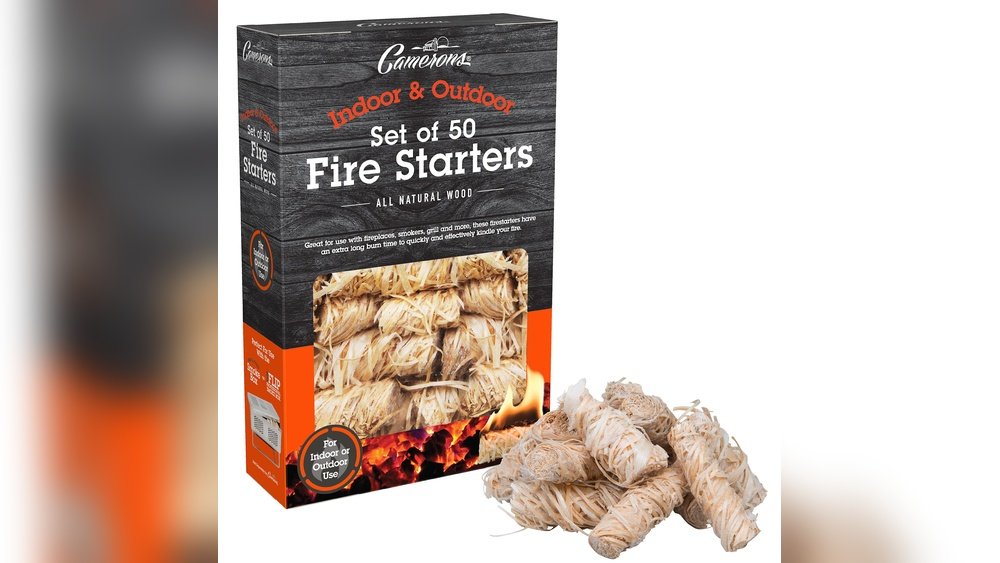
- Fire starter (newspaper, wax cube, or paraffin square)
- Heat-resistant gloves (recommended)
- Grill
2. Prepare The Chimney
Open the grill and remove the cooking grate. Place the empty chimney starter on the lower (charcoal) grate.
3. Add Fire Starter
Crumple 2-3 sheets of newspaper, or use a wax or paraffin cube. Place this under the chimney. Make sure it’s centered and not sticking out.
4. Fill With Charcoal
Pour your desired amount of charcoal into the chimney. For most grills, fill it to the top for high heat, or halfway for lower heat.
5. Light The Fire Starter
Carefully light the newspaper or starter under the chimney using a long match or lighter.
6. Wait For Ignition
Let the chimney do its work. In 15-20 minutes, the top coals will be covered in gray ash. This means they are ready.
7. Pour And Arrange
Using gloves, lift the chimney by the handle and pour the hot coals into the grill. Arrange as needed for direct or indirect cooking.
8. Start Grilling
Replace the cooking grate, let it heat for a few minutes, then start cooking.
Practical Tips
- For windy days, shield the chimney with a metal pan or grill lid to help ignition.
- If the coals aren’t catching, add more fire starter and relight.
- Never use lighter fluid with a chimney—it’s unnecessary and dangerous.
Choosing The Best Chimney Starter
With so many options, finding the right chimney starter can be confusing. Here’s what really matters when choosing:
Material And Build Quality
Stainless steel is more rust-resistant but often costs more. Heavy-duty steel lasts longer and is less likely to warp from heat.
Handle Design
Look for a heat-resistant handle with a sturdy grip. Some models add a second handle for safer pouring.
Charcoal Capacity
A typical full-size chimney holds enough for a 22-inch kettle grill. Compact models are lighter but won’t light as many coals.
Airflow And Ventilation
Extra vents or a cone-shaped bottom help speed up the process. Check for well-placed holes near the base.
Price
Most chimney starters cost $15–$40. Pricier models offer better materials or added features.
Brand Reputation
Trusted brands like Weber, Char-Broil, and Oklahoma Joe’s are popular for a reason—they work well and last.
Here’s a quick comparison of popular models:
| Brand | Material | Handle Type | Capacity | Average Price |
|---|---|---|---|---|
| Weber Rapidfire | Aluminized Steel | Plastic/Heat Shield | 80 briquettes | $20–$25 |
| Char-Broil SureFire | Stainless Steel | Plastic/Heat Shield | 60 briquettes | $25–$35 |
| Oklahoma Joe’s | Steel | Wood/Heat Shield | 75 briquettes | $18–$30 |
| Generic Compact | Aluminum | Plastic | 40 briquettes | $10–$15 |
Charcoal Types And Chimney Starters
The kind of charcoal you use can affect your lighting experience. The two main types are briquettes and lump charcoal.
Briquettes
Uniform in size, easy to stack, and burn evenly. They are the easiest to light in a chimney and are ideal for most grilling.
Lump Charcoal
Made from pure wood, burns hotter and faster, but pieces are irregular. You may need to shake the chimney to settle the lumps and avoid air pockets.
Blended Charcoal
Some brands mix hardwood and softwood. These light quickly but burn out faster.
Pro Tip
For lump charcoal, fill the chimney loosely. Don’t pack it tight, or airflow will be blocked, slowing ignition.
Common Mistakes When Using A Chimney Starter
Even simple tools can trip up beginners. Here are a few common mistakes to avoid:
- Overfilling the Chimney: Too much charcoal blocks airflow and slows ignition.
- Packing Fire Starter Too Tightly: Newspaper needs space to burn. Over-packing leads to poor flames.
- Ignoring Safety: The metal gets extremely hot. Always use heat-resistant gloves.
- Pouring Coals Too Early: Wait until the top layer is ashed over. If you pour early, coals may not be fully lit.
- Using Lighter Fluid: Never add fluid to a chimney—it’s not needed and is dangerous.
How To Clean And Maintain Your Chimney Starter
Taking care of your chimney starter ensures it lasts for many seasons. Here’s how:
Cleaning
- After each use, shake out ash and charcoal bits.
- For a deeper clean, rinse with water and scrub with a stiff brush.
- Dry thoroughly to prevent rust.
Maintenance
- Store indoors or in a dry place to avoid rust.
- If rust appears, scrub with steel wool and apply a light coat of cooking oil.
- Check handles and shields for loose screws or wear.
When To Replace
If the metal is warped or the bottom falls out, it’s time for a new one. Most good chimneys last 3-5 years with regular use.
Alternatives To Chimney Starters
While chimney starters are the best method for most, there are other ways to light charcoal. Each has pros and cons.
Electric Charcoal Starters
These plug-in devices heat coals directly. They work well but need a power source and don’t start coals as evenly.
Lighter Fluid
Quick but risky. Can leave chemical flavors and cause flare-ups. Most experts recommend avoiding it.
Fire Starter Blocks
Wax or wood fiber cubes can be used alone, but they are slower and less even than a chimney.
Propane Torch
Some barbecue enthusiasts use a propane torch for rapid lighting. This method is fast but not as safe or even.
Self-lighting Charcoal
Charcoal with added chemicals can be lit with a match. It’s convenient but can affect flavor and is not recommended for low-and-slow smoking.
Advanced Techniques And Tips
Once you’ve mastered the basics, chimney starters can help with more than just lighting coals. Here are some advanced ideas:
Two-zone Fire Setup
Use a full chimney to create a two-zone fire—one side with hot coals for searing, one cooler for indirect cooking.
Smoking Wood
Mix a handful of wood chips with the charcoal before lighting. This adds smoke flavor right from the start.
Lighting More Than One Chimney
For large grills or smokers, use two chimneys at once for double the heat.
Re-lighting Used Coals
A chimney starter is perfect for giving partially used coals a second life—just mix with fresh charcoal and light as usual.
Direct Cooking In The Chimney
You can sear steaks right on top of a full, hot chimney using a small grate. This creates restaurant-quality crust in seconds.
A Non-obvious Insight
Most beginners don’t realize that a chimney starter can help you control grilling temperature. By adjusting the amount of charcoal and where you pour it, you can fine-tune your grill’s heat for anything from burgers to slow-cooked ribs.
Safety Tips For Using Chimney Starters
Charcoal and fire are always a risk. Follow these safety rules:
- Always set the chimney on a fire-safe surface (grill, bricks, or concrete).
- Wear heat-resistant gloves and avoid loose sleeves.
- Keep children and pets away.
- Never leave a lit chimney unattended.
- Let the starter cool before handling or storing.
Remember, the metal gets extremely hot—never touch it with bare hands.
Environmental Impact
Using a chimney starter is one of the most eco-friendly ways to light a grill. There are no chemicals, no single-use plastics, and less smoke compared to lighter fluid.
- Newspaper and wax cubes are biodegradable.
- Metal chimneys last for years and are recyclable at end of life.
- Clean-burning fires produce less air pollution.
For those wanting to minimize their footprint, choose natural fire starters and use lump charcoal from sustainable sources.

Chimney Starters In Competition Barbecue
Professional barbecue teams often use chimney starters to ensure consistent results. In competitions, every detail matters. A poorly lit fire can ruin hours of preparation.
- Time-saving: Teams can light multiple chimneys for large smokers.
- Consistency: Even heat is crucial for perfect brisket or ribs.
- Flavor: Judges notice chemical flavors—chimneys keep the taste pure.
Some teams even use custom-made, extra-large chimney starters for big events.
Popular Brands And Where To Buy
You can find chimney starters in most hardware stores, home centers, and online retailers. Popular brands include:
- Weber: The Rapidfire is a classic, well-reviewed choice.
- Char-Broil: Offers both standard and rapid-light models.
- Oklahoma Joe’s: Known for rugged, heavy-duty designs.
- Kingsford: Sells affordable, basic models.
Online stores like Amazon, Home Depot, and Lowe’s carry a wide selection. Always check reviews and confirm the handle and shield quality before buying.
Real-world Examples: Chimney Starter Success Stories
Family Bbqs
Many home cooks have shared that switching to a chimney starter made their grilling more enjoyable. Meals started faster, and there were fewer complaints about chemical smells.
Restaurant Kitchens
Some steakhouses use industrial-sized chimney starters to quickly light lump charcoal for high-heat cooking. This helps them serve food faster during busy hours.
Camping Trips
Compact chimney starters are popular with campers and overlanders. They work with small portable grills and even campfires, offering a reliable way to cook off-grid.
Community Cookouts
At large events, organizers often line up several chimney starters to keep the food coming. This system is safer and more efficient than lighter fluid.
Chimney Starters Vs. Other Lighting Methods
How do chimney starters compare to other ways of starting a charcoal fire? Here’s a summary:
| Method | Speed | Flavor Impact | Safety | Cost |
|---|---|---|---|---|
| Chimney Starter | Fast (15-20 min) | None | High | Low |
| Lighter Fluid | Medium (20-25 min) | Chemical Taste Possible | Medium | Low |
| Electric Starter | Medium (20-30 min) | None | High | Medium |
| Self-Lighting Charcoal | Fast (10-15 min) | Chemical Taste Likely | Medium | High |
The Future Of Chimney Starters
While the basic design has changed little, innovation continues. Some new models use lighter, rust-proof materials or fold for easy storage. Others are designed for specific grills or to start specialty coals. Even with new technology, the classic chimney remains popular because it simply works.
Sustainable grilling is also a trend. Manufacturers now offer chimneys made from recycled steel or with packaging that doubles as a fire starter. This appeals to eco-conscious cooks.
Troubleshooting Common Problems
Charcoal Not Lighting
- Use more fire starter or dry newspaper.
- Check for wet or old charcoal.
- Make sure the chimney is not overloaded.
Too Much Smoke
- Avoid damp fire starter or unseasoned wood.
- Let the coals ash over before cooking.
Handle Gets Hot
- Some models have poor heat shielding. Wrap the handle in a towel or upgrade to a better design.
Warping Or Rust
- Clean and dry after each use.
- Store indoors when possible.
Accessories To Enhance Your Chimney Starter Experience
There are a few add-ons that make using a chimney starter even better:
- Heat-resistant gloves: Essential for safe pouring.
- Long matches or lighters: Keep your hands away from flames.
- Charcoal scoop: Makes filling the chimney easier.
- Fire starter cubes: Burn longer and more reliably than newspaper.
- Ash bucket: For safe disposal of spent coals.
These accessories are inexpensive and boost both safety and convenience.

Credit: en.wikipedia.org
Diy Chimney Starters: Can You Make Your Own?
Some creative grillers make DIY chimney starters from empty coffee cans or large food cans. While this can work in a pinch, homemade versions lack the safety features (like insulated handles and heat shields) of commercial models. For regular use, a store-bought chimney is safer and lasts longer.
If you do try a DIY version, always wear gloves and never use plastic or painted cans.
Myths And Misunderstandings About Chimney Starters
Myth 1: You Need Lighter Fluid Anyway
Not true. Chimney starters are designed to work without any fluid or chemicals.
Myth 2: They’re Only For Big Grills
There are compact models for small grills and travel.
Myth 3: They’re Dangerous
Used correctly, chimney starters are much safer than lighter fluid.
Myth 4: All Chimney Starters Are The Same
Quality and features vary widely. The handle and shield make a big difference in comfort and safety.
Myth 5: Only Pros Use Them
Chimney starters are just as useful for beginners. In fact, they make grilling easier for everyone.
When Not To Use A Chimney Starter
There are a few rare situations where a chimney starter might not be ideal:
- No fire-safe surface: Don’t use on grass, wood, or flammable ground.
- High winds: Strong gusts can blow sparks or tip the chimney.
- Indoors: Never use inside a house, garage, or enclosed space—carbon monoxide is deadly.
In these cases, consider using an electric starter or gas grill instead.
The Role Of Chimney Starters In Outdoor Cooking Culture
Chimney starters are more than just a tool—they’re part of grilling culture. They symbolize patience, tradition, and a love of real fire-cooked food. Many grillers take pride in lighting their fire the old-fashioned way, gathering friends and family while the coals get ready.
In some countries, chimney starters are a sign of serious barbecue skill. In others, they’re a simple solution for a better meal. Either way, they’re here to stay.

Frequently Asked Questions
What Is The Best Fire Starter To Use With A Chimney Starter?
Natural fire starters like crumpled newspaper or wax cubes work best. They burn long enough to ignite the charcoal but don’t add any off-flavors. Avoid synthetic or heavily scented starters.
How Long Does It Take To Light Charcoal With A Chimney Starter?
Most chimneys will have hot, ashed-over coals in 15 to 20 minutes. The exact time depends on the charcoal type, weather, and how full the chimney is.
Can You Use A Chimney Starter For Lump Charcoal?
Yes, chimney starters work well with lump charcoal. Just avoid packing the pieces too tightly, as airflow is key to fast ignition.
Is A Chimney Starter Worth The Money?
Absolutely. For $15–$40, a chimney starter gives you faster, cleaner, and safer charcoal lighting. It also makes your food taste better by avoiding chemicals.
Where Can I Learn More About Charcoal Grilling Techniques?
A great resource for grilling tips is the AmazingRibs.com website, which offers guides, reviews, and recipes for all levels.
Charcoal grilling starts with a good fire, and chimney starters make that simple and reliable. Whether you’re a casual griller or a barbecue enthusiast, this tool belongs in your outdoor kitchen. With a little practice, you’ll never look back—and your food will thank you.