Lump Charcoal vs Briquettes: Which Is Best for Grilling?
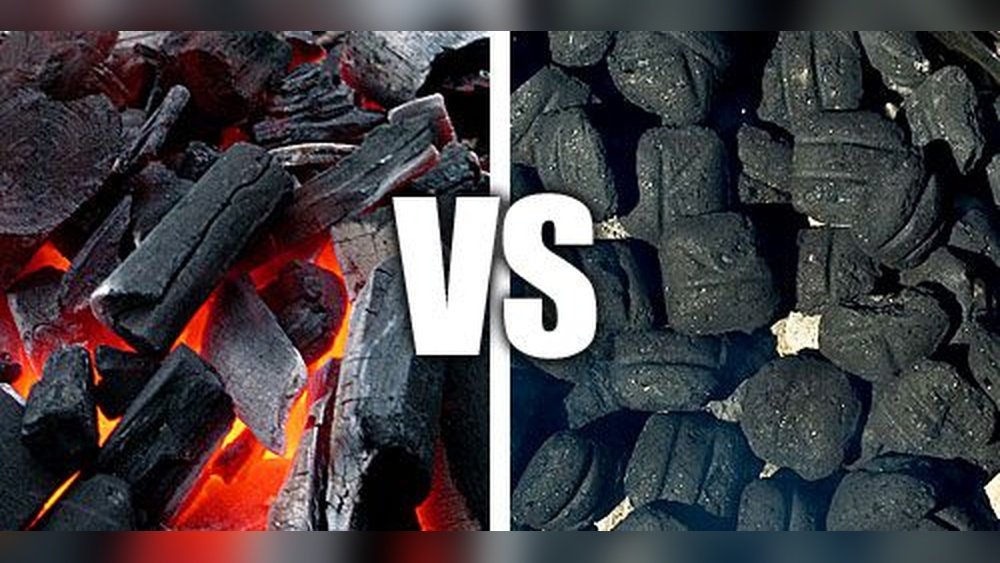
Grilling is more than just cooking—it’s a tradition, a skill, and sometimes even an art. But before you fire up your grill, there’s an important choice to make: lump charcoal or briquettes? Both are popular fuels for outdoor cooking, but they offer very different experiences. Whether you want quick searing, slow smoking, or consistent heat, your decision shapes the flavor, performance, and even cost of your barbecue. Let’s break down the differences, advantages, and drawbacks, so you can choose the best fuel for your grill and your taste.
What Are Lump Charcoal And Briquettes?
If you’re new to grilling, these two fuels might look similar, but they’re made in very different ways.
Lump charcoal is made by burning wood in a low-oxygen environment, turning it into pure carbon. It keeps the original shape of the wood, so every piece looks different—some big, some small.
Briquettes are manufactured from wood byproducts, sawdust, and sometimes additives. They’re pressed into uniform shapes, usually squares or rectangles. This makes them easy to stack and measure.
The main difference is purity: lump charcoal is almost all carbon, while briquettes may contain fillers, binders, and chemicals.
How Lump Charcoal Is Made
Lump charcoal starts with hardwood—oak, hickory, maple, or other dense woods. The wood is placed in a kiln or pit and heated to high temperatures with very little oxygen. This process, called pyrolysis, removes water, sap, and volatile compounds, leaving behind pure carbon.
There are no additives, so the charcoal is natural. The shape depends on how the wood breaks, which means uneven sizes.
Benefits Of Lump Charcoal Production
- Pure carbon: No chemicals or fillers.
- Natural wood flavor: Brings smoky taste to food.
- High heat: Burns hotter than briquettes.
- Quick lighting: Starts faster because it’s porous.
Drawbacks
- Irregular pieces: Some burn faster, some slower.
- More expensive: Production is slower and uses quality wood.
How Briquettes Are Made
Briquettes are made differently. Wood scraps and sawdust are mixed with binders (like starch), and sometimes chemicals to help them burn or light faster. The mixture is pressed into uniform shapes and then heated.
Some brands add borax (to release from molds), limestone (for ash color), or even petroleum-based accelerants for quick lighting.
Benefits Of Briquette Production
- Uniform shape: Easy to arrange and measure.
- Long burn time: Made to last longer than lump.
- Consistent heat: All pieces burn at the same rate.
- Cheaper: Uses waste materials.
Drawbacks
- Additives: May affect taste or release odors.
- Slower start: Needs more time to light.
Key Differences Explained
Let’s look at the main differences between lump charcoal and briquettes in a clear way.
| Feature | Lump Charcoal | Briquettes |
|---|---|---|
| Material | Pure hardwood | Wood byproducts + additives |
| Shape | Irregular, natural | Uniform, square |
| Flavor | Strong smoky | Milder, sometimes chemical |
| Heat Output | High (up to 1200°F) | Moderate (up to 1000°F) |
| Lighting Time | Quick (10-15 mins) | Slower (15-25 mins) |
| Burn Duration | Shorter | Longer |
| Price | Higher | Lower |
| Additives | None | Present |
| Ash Production | Less | More |

Credit: www.bigdogspices.com.au
Cooking Performance: Heat, Burn Time, And Control
Choosing the right fuel affects how your food cooks. Let’s compare performance in real grilling situations.
Heat Output
Lump charcoal can reach high temperatures, often up to 1200°F. This is perfect for searing steaks or grilling pizza.
Briquettes usually max out at about 1000°F. They’re better for slow cooking, like ribs or brisket.
Burn Time
Briquettes burn longer and more evenly. If you’re planning a long barbecue, they’re easier to manage.
Lump charcoal burns faster, so you may need to add more during a long cook.
Temperature Control
With lump charcoal, heat rises quickly and cools fast when you close vents. Briquettes change temperature more slowly, which helps with steady cooking.
Practical Example
If you’re grilling burgers for a crowd, briquettes give you stable heat and less stress. For a quick steak or thin pizza, lump charcoal’s extra heat makes a crisp crust.
Flavor Impact: How Each Changes Your Food
Most grillers agree: the fuel affects taste.
Lump charcoal gives a deep, smoky flavor. Because it’s pure wood, the smoke contains natural compounds like guaiacol and syringol. These create classic barbecue taste.
Briquettes can have a milder smoke, sometimes with a chemical smell if they contain lighter fluid or accelerants. Some brands use natural binders, but others add chemicals.
Non-obvious Insight
Few beginners realize that lump charcoal’s smoke changes as it burns. Early smoke is strong, but as the charcoal turns white, the flavor becomes milder. If you want bold flavor, add food when the charcoal is still glowing and just turning gray.
Lighting And Ease Of Use
Lighting your grill quickly is important, especially if you’re hungry or have guests waiting.
Lump charcoal lights fast with a chimney starter or firelighter. It’s porous and dry, so flames catch easily.
Briquettes are denser and need more heat to start. A chimney starter or electric lighter works, but it takes a few extra minutes.
Common Mistake
Beginners often use lighter fluid to speed up the process. This can leave a chemical taste and is not recommended, especially with lump charcoal. Instead, use a chimney starter or natural firelighters.
Ash And Cleanup
Ash isn’t just messy—it affects airflow and temperature in your grill.
Lump charcoal produces less ash. This makes cleanup easier and helps keep vents clear.
Briquettes create more ash because of the fillers and binders. If you’re using a small grill or smoking for hours, you may need to clear ash during cooking.
Non-obvious Insight
Ash can act as an insulator. If ash builds up, it can block air flow and lower your grill’s temperature. Always clear ash between cooking sessions for best results.
Environmental Impact
Many grillers worry about the environmental footprint of their fuel.
Lump charcoal is made from hardwood, often from sustainable sources. Look for brands certified by the Forest Stewardship Council (FSC). This means the wood is harvested responsibly.
Briquettes use wood scraps, which reduces waste. But the additives and chemicals can create pollution during production or burning.
Data Point
A study by the Environmental Protection Agency (EPA) found that burning charcoal releases carbon monoxide and fine particles. Lump charcoal produces fewer pollutants per pound than briquettes with chemicals.
Price And Availability
You’ll find both fuels in stores, but prices vary.
Lump charcoal is usually more expensive. A 20-pound bag costs $1–$2 per pound.
Briquettes are cheaper. A 20-pound bag costs $0.50–$1 per pound.
Comparison Table: Price Per Pound
| Fuel Type | Average Price (USD/lb) | Burn Time (hours per 20 lb) |
|---|---|---|
| Lump Charcoal | $1.50 | 6-8 |
| Briquettes | $0.75 | 10-12 |
Safety Considerations
Safety matters, especially when grilling at home.
Lump charcoal is natural and usually safe. Just avoid lighter fluid.
Briquettes can be safe, but some brands use chemicals that release fumes. Always read the label and choose brands with natural ingredients.
Fire Risk
Both fuels can create sparks. Keep your grill away from flammable objects and always have water or a fire extinguisher nearby.
Which Is Better For Smoking, Grilling, Or Baking?
Each fuel works better for certain cooking styles.
Smoking
Briquettes are best for smoking. Their steady heat lets you cook for hours without adding fuel. For ribs, brisket, or pulled pork, briquettes keep your smoker at the right temperature.
Grilling
Lump charcoal is ideal for grilling. High heat gives you seared steaks, crispy chicken skin, and charred vegetables.
Baking
For baking (like pizza or bread), lump charcoal is preferred. It creates a hot, even environment in ceramic or brick ovens.
Choosing For Different Grills
Your grill type matters when picking fuel.
Kamado And Ceramic Grills
Lump charcoal is best. It burns clean, reaches high heat, and works well in closed systems.
Kettle And Barrel Grills
Both fuels work. Briquettes are easier for long cooks, lump for fast grilling.
Gas Grills With Charcoal Trays
Briquettes fit better due to their shape and uniform burn.
Real-life Examples And Tips
Let’s look at how grillers use each fuel.
Lump Charcoal Story
Mike, a barbecue fan in Texas, uses lump charcoal for steak nights. He likes the wood flavor and high heat. His tip: arrange the charcoal in a pyramid for even lighting.
Briquette Story
Sarah, from Chicago, smokes brisket every weekend. She uses briquettes for steady heat. Her tip: mix a few wood chunks with briquettes for extra smoke.
Practical Tips
- Store charcoal in a dry place to avoid moisture.
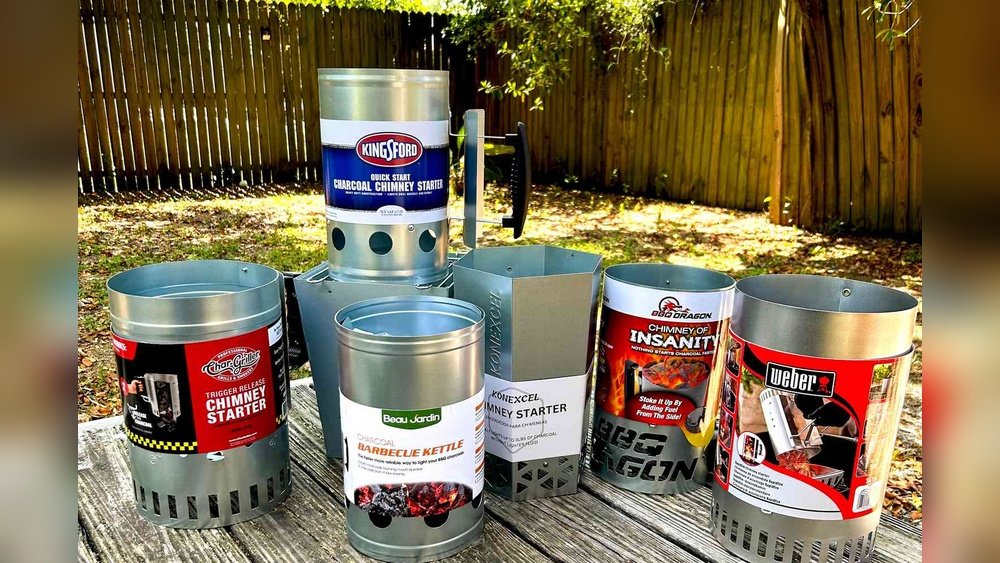
- Use a chimney starter for safe, fast lighting.
- If grilling fish or vegetables, lump charcoal gives a cleaner taste.
- For long cooks, add briquettes slowly to avoid temperature spikes.
Common Mistakes Beginners Make
- Using lighter fluid: This can ruin flavor and create safety hazards.
- Ignoring ash buildup: Ash blocks air and lowers heat.
- Mixing fuels randomly: Each burns differently; mixing can make temperature control difficult.
- Not checking grill vents: Vents manage airflow and heat—keep them clear.
- Buying the cheapest brand: Cheap fuels may contain more chemicals, leading to bad taste.
How To Store Charcoal And Briquettes
Moisture ruins charcoal. Always keep your bags in a dry, covered spot. If the fuel gets wet, it won’t light well and may create bad smoke.
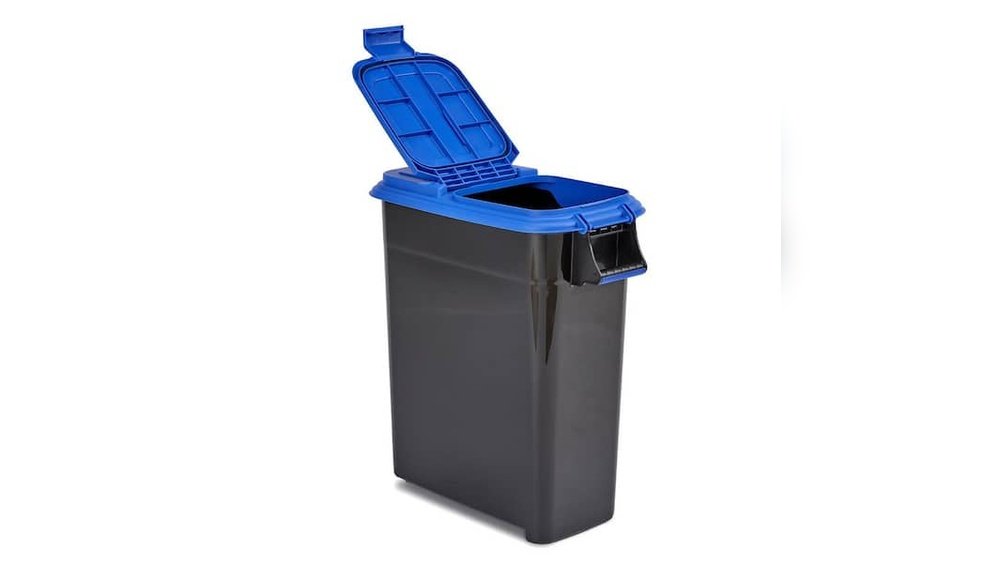
Some people use airtight bins or large buckets. Avoid storing fuel in garages with high humidity.
How To Light Charcoal Without Chemicals
The safest way to light either fuel is with a chimney starter. Fill the starter with charcoal or briquettes, add crumpled newspaper or natural firelighters, and light from below. In 10–20 minutes, the coals are ready.
Electric starters also work well. Never use gasoline or alcohol—they’re dangerous and can cause explosions.
The Science Behind Charcoal Burning
Charcoal burns by oxidation. When you add air, the carbon combines with oxygen, releasing heat. Lump charcoal reacts faster because it has more surface area.
Briquettes burn slower because they’re dense and packed. The binders help them keep shape, but reduce airflow.
Non-obvious Insight
Temperature is affected by how you arrange the fuel. A tight pile creates high heat. Spreading coals out lowers temperature for slow cooking.
Health Considerations
Some grillers worry about health risks.
Lump charcoal is safer because it’s pure. Briquettes with chemicals can create fumes, but many brands now use natural binders. Always check the label.
Cooking over charcoal creates polycyclic aromatic hydrocarbons (PAHs), which are linked to cancer. To reduce risk, don’t let fat drip onto the coals. Use drip pans or cook lean meats.
Impact On Grill Maintenance
More ash means more cleaning. Briquettes make more ash, so you’ll need to empty your grill more often.
Lump charcoal’s low ash helps keep vents open, which makes maintaining temperature easier.
How To Pick The Right Fuel For You
Choosing the right fuel depends on your cooking style, taste, and budget.
Ask Yourself:
- Do you want strong smoky flavor? Choose lump charcoal.
- Do you need steady heat for hours? Briquettes are best.
- Is price important? Briquettes cost less.
- Are you worried about chemicals? Lump charcoal is pure.
Advanced Tip
Some grillers use a mix: lump charcoal for flavor and briquettes for stability. If you try this, keep fuels in separate zones to control heat.
Popular Brands And What Makes Them Different
Brands matter. Some use pure hardwood, others use more additives.
Lump Charcoal Brands
- Royal Oak: Uses American hardwood.
- Jealous Devil: Large pieces, strong flavor.
- Rockwood: FSC certified, eco-friendly.
Briquette Brands
- Kingsford: Most popular, easy to find.
- Weber: Uses natural binders.
- Duraflame: Long-burning, good for smoking.
When choosing, read reviews and try small bags first. Some brands burn hotter or cleaner than others.

Credit: www.youtube.com
Myths And Misconceptions
Many people believe myths about charcoal.
- “Briquettes are all chemicals.” Not true—some brands use only wood and starch.
- “Lump charcoal is always better.” Depends on your needs; briquettes offer stability.
- “All charcoal tastes the same.” Different woods give different flavors.
Comparing Charcoal For Indoor Vs Outdoor Cooking
Charcoal should only be used outdoors. Burning it indoors is dangerous due to carbon monoxide. There are electric grills for indoor cooking if you need them.
Charcoal Alternatives
If you want to avoid charcoal, there are alternatives:
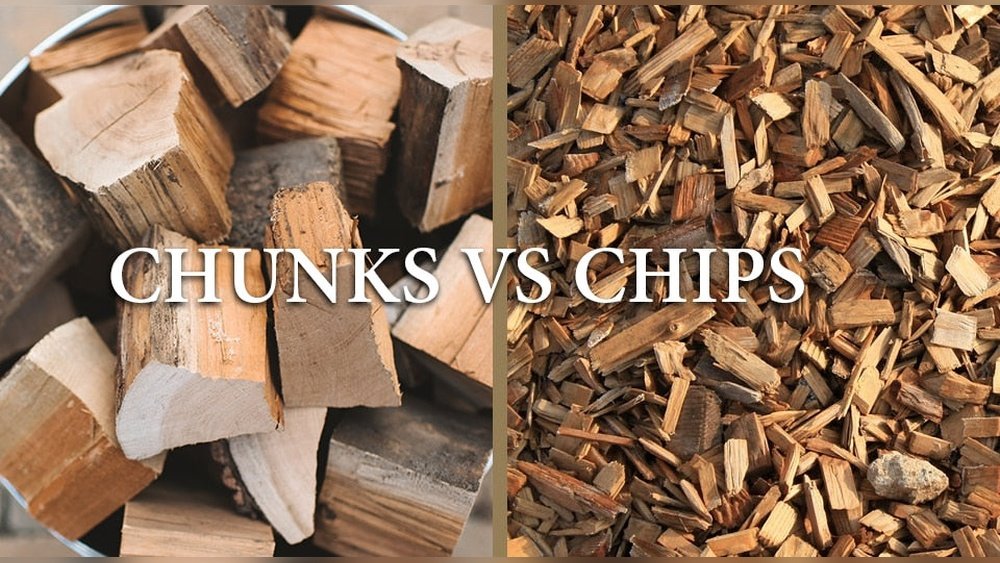
- Wood chips: Give strong smoke, but burn fast.
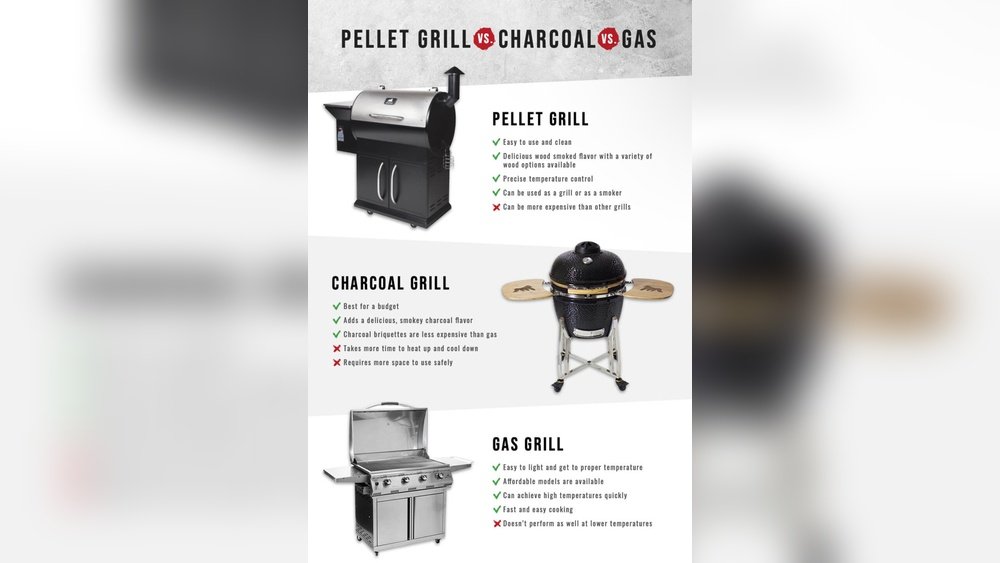
- Pellets: Used in pellet grills, easy to control.
- Gas: Clean, but less flavor.
Charcoal remains the favorite for flavor and tradition.
How Charcoal Affects Food Texture
High heat from lump charcoal creates a Maillard reaction—brown, crispy surfaces. Briquettes give a softer texture with slower cooking.
Some foods, like chicken wings, benefit from high heat. Others, like pork shoulder, need slow, steady cooking.
Longevity And Storage Life
Both fuels last for years if dry. Lump charcoal absorbs moisture faster, so keep it sealed.
Briquettes are harder and store well, but check for mold or odor before using.
Choosing Charcoal For Special Diets
If you’re cooking for someone with allergies, avoid briquettes with chemical additives. Lump charcoal is safe for most people.

Credit: abc30.com
The Future Of Charcoal
As grilling grows, many companies make eco-friendly fuels. Look for brands using sustainable wood and natural binders.
Research shows demand for lump charcoal is rising, especially among food lovers who want pure flavor.
Charcoal In Professional Cooking
Top chefs use both fuels. Lump charcoal is used for quick searing in restaurants. Briquettes are used in catering for big events.
Some chefs mix fuels for best results.

Charcoal And Briquettes Around The World
Different countries prefer different fuels.
- US: Briquettes are most common.
- Argentina: Lump charcoal is traditional for asado.
- Japan: Binchotan, a special lump charcoal, is used for yakitori.
Comparing Charcoal For Different Foods
| Food Type | Best Fuel | Reason |
|---|---|---|
| Steak | Lump Charcoal | High heat for searing |
| Brisket | Briquettes | Long, steady burn |
| Pizza | Lump Charcoal | Hot oven, crisp crust |
| Chicken | Briquettes | Consistent heat |
| Vegetables | Lump Charcoal | Clean flavor |
| Pork Shoulder | Briquettes | Hours of cooking |
How To Get The Most Out Of Your Charcoal
- Arrange fuel for zones: Hot side for searing, cooler side for slow cooking.
- Add wood chunks for extra smoke.
- Use a grill thermometer for temperature control.
- Keep grill lid closed to trap heat.
Charcoal And Briquettes In Outdoor Events
At parties, briquettes are popular for their long burn. Lump charcoal is used for quick grilling.
Some caterers use both, starting with lump for fast cooking, then switching to briquettes for slow dishes.
The Role Of Charcoal In Food Culture
Charcoal grilling is part of many traditions. In the US, it’s linked to backyard barbecues. In Asia, it’s used for street food.
Choosing the right fuel honors the culture and improves flavor.
Comparing Charcoal And Briquettes: Summary
- Lump charcoal: Pure, fast, flavorful, high heat, less ash, more expensive.
- Briquettes: Uniform, steady, cheaper, longer burn, more ash, some additives.
Your choice depends on what you cook, your taste, and your grill.

Frequently Asked Questions
What Is The Difference Between Lump Charcoal And Briquettes?
Lump charcoal is made from pure hardwood, burned without oxygen until only carbon remains. It has irregular shapes and burns hot and fast. Briquettes are made from wood scraps, mixed with binders and sometimes chemicals, pressed into uniform shapes. They burn longer and more evenly.
Does Lump Charcoal Give Better Flavor Than Briquettes?
Yes, lump charcoal often gives a stronger smoky flavor. It’s pure wood, so the smoke tastes natural. Briquettes can taste milder, and some brands use additives that may affect flavor.
Are Briquettes Safe To Use For Grilling?
Most briquettes are safe if you choose brands with natural binders and no chemicals. Always read the label. Avoid using lighter fluid, which can release harmful fumes.
Which Fuel Is Better For Long Smoking Sessions?
Briquettes are better for long smoking sessions. They burn steadily for hours, making it easier to keep a constant temperature.
How Can I Light Charcoal Without Using Chemicals?
Use a chimney starter or electric lighter. Place charcoal or briquettes in the starter, add newspaper or natural firelighters, and light from below. Avoid lighter fluid or gasoline—they can be dangerous and change the taste.
If you want to learn more about charcoal production and environmental impact, visit Wikipedia.
Charcoal grilling is a skill worth mastering, and understanding the fuel makes every meal better. Whether you choose lump charcoal or briquettes, use them wisely, stay safe, and enjoy the flavors only fire can bring.