Fire Starters: Ignite Your Next Adventure with These Top Picks
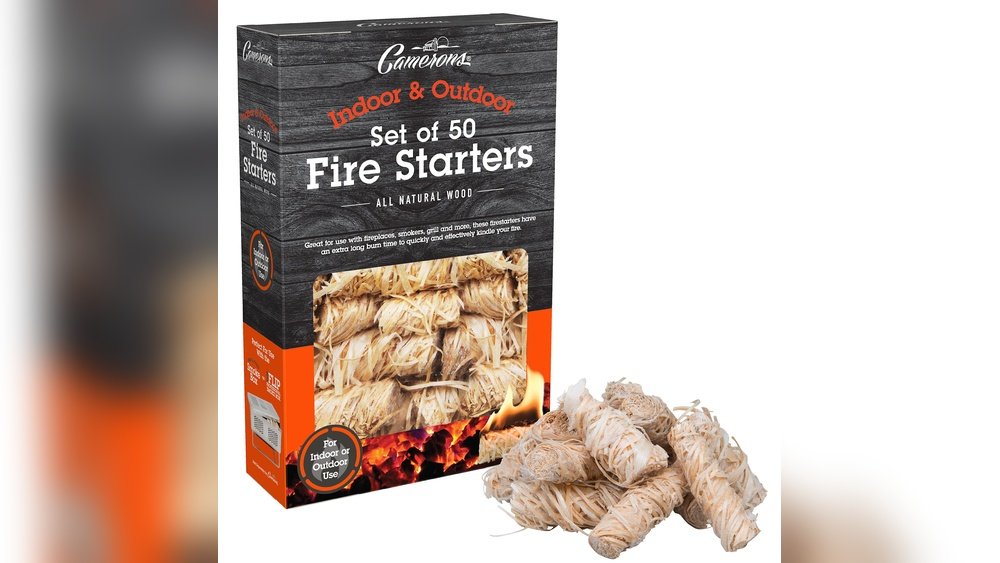
Fire Starters
Starting a fire has always been a key human skill. From early humans huddled around campfires to modern hikers lighting a stove in the woods, fire starters have played a huge role in survival, comfort, and progress. Today, fire starters are not just for emergencies. They are important for camping, backyard cooking, survival kits, and even home fireplaces. With so many types and uses, understanding fire starters can help you choose the right one, stay safe, and enjoy the warmth and utility of fire wherever you are.
This article explores the world of fire starters in detail. You’ll learn how they work, the different types, how to use them safely, and which are best for specific situations. Whether you are a seasoned outdoors person or just want to light a cozy fire at home, this guide will give you everything you need to know.
What Is A Fire Starter?
A fire starter is any tool, material, or device designed to help start a fire easily. It can be as simple as dry leaves or as modern as a battery-powered plasma lighter. The goal is always the same: to provide enough heat to ignite kindling and fuel.
Fire starters come in many forms. Some focus on producing sparks, while others rely on chemical reactions or fuel sources. The best fire starters are reliable, safe, and easy to use, even in tough conditions.
A good fire starter does three things:
- Ignites easily – It should work with little effort or skill.
- Works in various conditions – Wind, rain, and cold should not prevent it from working.
- Is portable and safe – It should be easy to carry and not dangerous to store.
Understanding the basics makes it easier to choose the right one for your needs.
The History Of Fire Starters
Fire starting is as old as humanity. Early people used friction methods like rubbing sticks together. Later, flint and steel became popular in many cultures because they could make hot sparks reliably.
By the 1800s, matches appeared. The first friction matches were dangerous and unreliable, but technology improved quickly. In the 20th century, the lighter revolutionized fire starting, making it fast and simple.
Today, we have a huge variety. Modern fire starters include waterproof matches, magnesium blocks, electric spark generators, and chemical tablets. Yet, the core idea remains unchanged: making fire easier and safer.
One insight many miss is how the evolution of fire starters tracks with human migration and technology. For example, as people moved into wetter climates, they needed better waterproof options. Also, many traditional methods are still used because they work well in specific environments, like flint and steel in cold, dry places.
Types Of Fire Starters
Not all fire starters are equal. Each type has strengths and weaknesses. Here’s a closer look at the most common options.
Matches
Matches are small sticks coated with chemicals that ignite when struck against a special surface. They are cheap, light, and easy to use.
- Strike-anywhere matches can be lit on almost any rough surface.
- Safety matches need a specific striking pad.
- Waterproof matches have coatings to work in wet weather.
Matches are widely available but can fail if they get wet. Always store them in a waterproof container.
Lighters
Lighters use fuel to produce a flame. There are three main types:
- Disposable lighters (like BIC)
- Refillable lighters (like Zippo)
- Butane torch lighters
Lighters are quick and simple. Some work poorly in wind or cold, but windproof models are available.
Ferrocerium Rods (ferro Rods)
A ferro rod is a metal stick that gives off hot sparks when scraped with steel. These sparks can light dry tinder easily.
- Works when wet
- Lasts for thousands of strikes
- Needs some skill to use
Many survivalists prefer ferro rods because they are reliable and durable.
Flint And Steel
This old method uses a piece of flint and a carbon steel striker. Striking the steel against flint creates small sparks. It works best with char cloth or very fine tinder.
- Durable, but requires practice
- Not as hot as ferro rods
- Still popular with bushcrafters
Magnesium Fire Starters
These use a block of magnesium with a built-in ferro rod. You scrape shavings off the magnesium block, pile them on your tinder, then strike the rod to ignite the magnesium.
- Burns very hot, even when wet
- Good for emergencies
- Shavings can be hard to collect in wind
Fire Starter Sticks, Cubes, And Tabs
These are pre-made fuels that light easily and burn hot. Examples include fatwood sticks, paraffin cubes, and hexamine tablets.
- Great for starting fires in wet or windy weather
- Easy to carry
- Some leave residue or smell
Electric Fire Starters
Modern technology brings plasma lighters and electric arcs. These use batteries to create a hot spark or arc that lights tinder.
- Rechargeable
- Windproof
- May fail if batteries die
Homemade Fire Starters
Many people use cotton balls dipped in petroleum jelly, dryer lint, or wax-dipped cardboard as cheap, effective fire starters.
- Affordable and easy to make
- Can be customized for your needs
- Not as durable as commercial products
Chemical Fire Starters
Products like stormproof matches and firepaste use chemicals to light even when wet or windy.
- Reliable in extreme conditions
- Can be expensive or toxic
Below is a simple comparison of popular fire starter types:
| Type | Waterproof | Windproof | Durability | Skill Needed |
|---|---|---|---|---|
| Matches | Sometimes | No | Low | Very Low |
| Lighters | No | Some | Medium | Very Low |
| Ferro Rod | Yes | Yes | High | Medium |
| Magnesium Block | Yes | Yes | High | Medium |
| Fatwood Sticks | Yes | Yes | High | Low |
| Plasma Lighter | Yes | Yes | Medium | Very Low |
How Fire Starters Work
Understanding how fire starters work can make you more confident and successful. All fire starters follow the same scientific principle: you need heat, fuel, and oxygen to create fire.
Here’s how the most common types work:
- Friction-based: Rubbing two materials creates heat, which lights tinder.
- Spark-based: Striking steel or ferrocerium produces hot sparks that catch on tinder.
- Chemical-based: Chemicals ignite when struck, exposed to air, or mixed.
- Fuel-based: A flame directly lights tinder, as with a lighter or match.
A key insight: even the best fire starter is useless without good tinder. Dry, fine tinder is the real secret to easy fire starting. Beginners often forget to prepare enough tinder before trying to start a fire.
Choosing The Right Fire Starter
Your choice depends on the situation. Here’s what to consider:
Environment
- Wet conditions: Use waterproof matches, magnesium blocks, or chemical tabs.
- Windy weather: Plasma lighters, ferro rods, or fatwood sticks are best.
- Cold climates: Avoid butane lighters; they can fail in freezing temperatures.
Purpose
- Camping: Carry two types for backup. Matches and a ferro rod are a good combo.
- Backpacking: Choose light, compact options like waterproof matches or a small ferro rod.
- Emergency kits: Reliability matters most; include waterproof matches and a chemical option.
- Home fireplace: Fatwood or fire starter cubes are easy and clean.
Skill Level
- Beginners: Lighters, matches, or pre-made fire starter cubes are safest.
- Experienced: Ferro rods and flint and steel offer durability and challenge.
Cost
- Budget: Homemade fire starters save money.
- Willing to invest: High-end plasma lighters or stormproof matches offer more features.
Here’s a quick overview of fire starter choices by activity:
| Activity | Best Fire Starter Type | Backup Option |
|---|---|---|
| Camping (general) | Lighter + Waterproof Matches | Ferro Rod |
| Backpacking | Mini Lighter | Magnesium Block |
| Survival | Ferro Rod | Fatwood Sticks |
| Home Fireplace | Fire Starter Cubes | Fatwood |
| Emergency Kit | Waterproof Matches | Stormproof Tablets |
How To Use Common Fire Starters
Using a fire starter is not just about lighting a spark or flame. The right technique makes a big difference. Here are practical steps for the most popular types.
Using Matches
- Prepare your fire lay with dry tinder and kindling.
- Remove one match. Strike it quickly against the box.
- Hold the flame downward to light the tinder, not the kindling.
- Once the tinder catches, add more kindling slowly.
Tips: Store matches in a waterproof case. Avoid using all your matches at once—save some for emergencies.
Using A Lighter
- Build your fire structure with plenty of tinder.
- Hold the lighter close to the tinder. Shield the flame from the wind with your hand.
- Flick the wheel or press the button to ignite.
- Once the tinder is burning, add more fuel gradually.
Tip: If using a butane lighter in cold weather, warm it in your pocket first.
Using A Ferro Rod
- Gather very fine, dry tinder (cotton balls, dry grass, birch bark).
- Hold the ferro rod near the tinder.
- Use the striker at a sharp angle, scraping quickly to shower sparks onto the tinder.
- Blow gently to encourage the flame.
Common mistake: Beginners often hold the rod too far from the tinder, so the sparks miss. Keep it close for best results.
Using Magnesium Fire Starter
- Scrape a small pile of magnesium shavings onto your tinder.
- Hold the built-in ferro rod near the pile.
- Strike to shower sparks onto the magnesium.
- The magnesium will burn hot and ignite the tinder.
Tip: Prepare shavings before you need them, especially in wind or rain.
Using Fatwood Or Fire Starter Cubes
- Place a piece under your kindling and larger wood.
- Light the fatwood or cube directly with a match or lighter.
- Once burning, add fuel as the fire grows.
Practical advice: Fatwood is sticky with resin and lights easily even when damp.
Using A Plasma Lighter
- Touch the electric arc to the tinder.
- Hold for a few seconds until the tinder catches.
- Add kindling as the fire grows.
Insight: Plasma lighters do not work well with thick or wet tinder. Always have dry tinder ready.
Best Fire Starters For Survival Situations
In survival, reliability is everything. You need fire for warmth, cooking, and signaling. Here are the most trusted options:
- Ferro rods: Work in all weather, last years.
- Magnesium blocks: The hot magnesium burns even if tinder is damp.
- Waterproof storm matches: Light in wet or windy conditions.
- Fatwood sticks: Natural, long-burning, and reliable.
A smart survival kit includes at least two methods. Redundancy is key—never depend on just one fire starter.
It’s also wise to practice using your chosen fire starters before an emergency. Many people only learn about their tools when it’s already too late.
Fire Starters For Camping And Outdoor Recreation
Campers want fire for cooking, warmth, and socializing. The best fire starters for camping are easy to use, light to carry, and reliable in all weather.
Popular choices:
- Disposable lighters: Cheap and easy. Carry extras.
- Waterproof matches: Pack in a dry case.
- Ferro rods: Great backup.
- Fire starter cubes or sticks: For stubborn or wet wood.
Many campers pack two or three types. For example, use a lighter for the first fire and save matches or a ferro rod for backup.
One tip: Always collect more tinder than you think you need. Wet mornings or sudden rain can make fire starting much harder.
Fire Starters For Home Use
At home, fire starters are useful for fireplaces, wood stoves, grills, and fire pits. Here, safety and cleanliness matter more than weight or size.
Good options:
- Fire starter cubes: Made from wax and wood, they burn clean and long.
- Fatwood sticks: Natural, pleasant smell, no chemicals.
- Electric fire starters: For charcoal grills or fireplaces, these heat up and light fuel without a flame.
Avoid using flammable liquids like gasoline indoors; they are dangerous and unnecessary.
Homemade Fire Starters: Easy Diy Solutions
Making your own fire starters can save money and be fun. Here are three effective homemade options:
- Cotton Balls with Petroleum Jelly
- Dip cotton balls in petroleum jelly.
- Store in a small, sealed bag.
- Lights quickly and burns for several minutes.
- Egg Carton Fire Starters
- Fill each cup of a cardboard egg carton with dryer lint.
- Pour melted wax over the lint.
- Break off a section to use. It lights easily and burns hot.
- Wax-Dipped Pinecones
- Dip dry pinecones in melted candle wax.
- Let them cool and store in a bag.
- Great for fireplaces and campfires.
Homemade fire starters are customizable. Add a few drops of essential oil for scent, or use sawdust for a longer burn.
Fire Starters And Safety
Fire can be dangerous. Always follow these safety tips:
- Never leave a fire unattended.
- Keep water or sand nearby to put out the fire if needed.
- Check local fire regulations before lighting fires outdoors.
- Store fire starters safely away from children and heat sources.
- Extinguish fires completely before leaving.
A common mistake is underestimating wind. Even a small fire can spread quickly in dry, windy weather.
Environmental Impact Of Fire Starters
Not all fire starters are eco-friendly. Some contain chemicals or plastics that can harm the environment. Here’s what to keep in mind:
- Fatwood is natural and renewable.
- Matches are biodegradable, but boxes may contain chemicals.
- Some fire cubes are made from petroleum wax—use sparingly in the wild.
- Electric lighters are reusable, reducing waste.
Always pack out used fire starter materials, especially in protected areas. Choose natural options when possible.
Fire Starting In Challenging Conditions
Bad weather can make fire starting hard. Here’s how to succeed:
Wet Weather
- Use waterproof matches, fatwood, or magnesium shavings.
- Build a small shelter with rocks or sticks to protect your fire from rain.
- Look for dry tinder inside logs or under bark.
Wind
- Shield your fire starter with your body or rocks.
- Dig a small pit to block the wind.
- Use windproof lighters or storm matches.
Cold
- Store lighters and matches in a warm pocket.
- Use magnesium blocks or ferro rods—they work even in freezing weather.
- Gather extra tinder; cold air makes fires harder to start.
One overlooked trick: Split wet wood to expose dry insides. Even in rain, the heart of a log is often dry.
Fire Starter Myths And Mistakes
Many people believe myths about fire starters. Here are a few:
- Myth: You only need one fire starter.
- Fact: Always carry a backup.
- Myth: All fire starters work in any weather.
- Fact: Some fail in wet, windy, or cold conditions.
- Myth: More fuel means easier fire.
- Fact: Too much fuel smothers the flame. Start with tinder, then add kindling.
Common mistakes include using damp tinder, not preparing enough kindling, and striking ferro rods too far from the tinder.
Modern Innovations In Fire Starters
Technology has changed fire starting. Some innovations include:
- USB rechargeable plasma lighters: Spark without flame or fuel.
- Stormproof matches: Burn even underwater.
- Eco-friendly cubes: Made from natural wax and wood fibers.
- Multi-tools with built-in fire starters: Knives with ferro rods for emergencies.
Some of these new tools are more expensive but offer features like windproof flames, waterproof casings, and built-in safety locks.
Fire Starter Maintenance And Storage
To ensure your fire starters work when needed:
- Keep matches and lighters dry.
- Replace old lighters before they run out.
- Store ferro rods and magnesium blocks with a striker.
- Check batteries in electric lighters regularly.
- Keep everything together in a waterproof bag.
Many people forget to test their fire starters before a trip. Always check that they work at home.
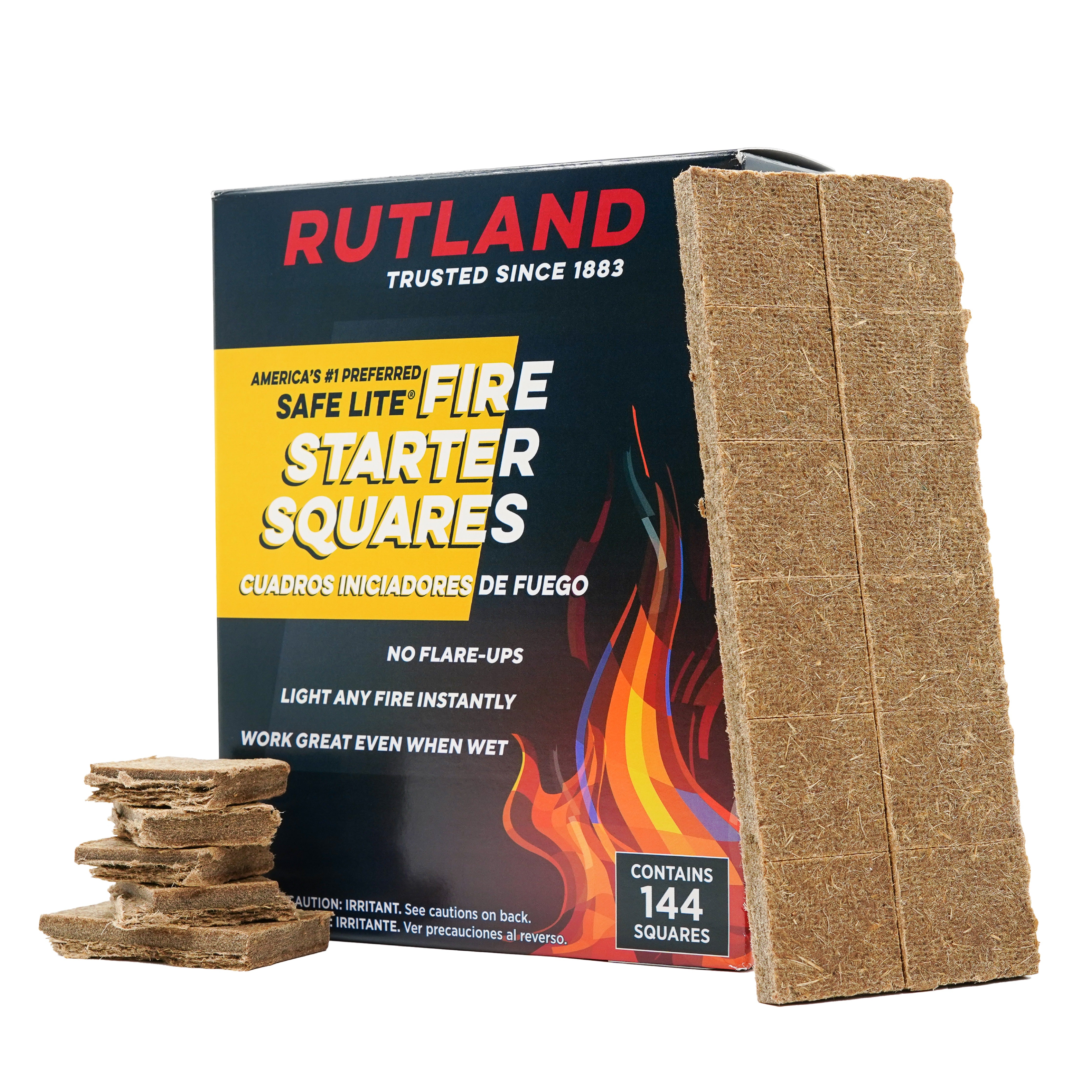
Credit: rutland.com
Fire Starters Around The World
Different cultures have unique fire starting traditions. Some examples:
- In Sweden, the fire steel has been a tradition for centuries.
- Australian Aboriginal people used fire sticks and friction drills.
- In Japan, char cloth and steel are still used in traditional tea ceremonies.
Learning regional fire starting methods can be useful when traveling or exploring new environments.
Legal And Ethical Considerations
Lighting fires is not always allowed. In many parks or during dry seasons, open fires are banned. Always:
- Check local laws and rules.
- Use stoves or fire pans where fires are restricted.
- Practice Leave No Trace principles to protect nature.
Never light fires under trees or near dry grass. Use designated fire rings where provided.
Comparing Popular Fire Starter Brands
With so many brands, it’s hard to know which to trust. Here’s a look at a few well-known names:
| Brand | Type | Key Feature | Price Range (USD) |
|---|---|---|---|
| Light My Fire | Ferro Rod | Reliable in wet weather | $10–$20 |
| UCO | Stormproof Matches | Burns in wind/rain | $5–$15 |
| Zippo | Lighter | Refillable, durable | $15–$30 |
| BIC | Disposable Lighter | Cheap, easy to find | $1–$5 |
| Exotac | Ferro Rod/Lighter | Premium, waterproof | $15–$40 |
When picking a brand, look for real-world reviews and test performance, not just price.
Fire Starters And Emergency Preparedness
Fire is essential in disasters. Every emergency kit should have:
- At least two types of fire starter
- Waterproof storage
- Extra tinder (cotton balls, dryer lint, fatwood)
- A small knife or scraper
Practice using your kit before an emergency. In a crisis, you won’t have time to learn.
The Role Of Tinder And Kindling
Fire starters are only half of the equation. Good tinder and kindling make fire building much easier.
- Tinder: Fine, dry material that lights easily (cotton, dry grass, birch bark)
- Kindling: Small sticks or wood pieces that catch from the tinder
Prepare more tinder and kindling than you think you’ll need. Wet weather can make these in short supply.
Real-world Example: Starting A Fire In The Rain
Imagine you’re camping and a sudden storm hits. Everything is wet. Here’s what to do:
- Find dry material: Look inside logs, under rocks, or break open branches.
- Use a waterproof fire starter: Magnesium block or stormproof match.
- Build a shelter: Use your body, gear, or rocks to protect the fire.
- Light the tinder: Use your fire starter close to the tinder.
- Add kindling slowly: Don’t smother the flame.
Practicing these steps before you need them is key. In a real emergency, you’ll be ready.


Credit: www.amazon.com
Fire Starter Use In Modern Survival Training
Modern survival training includes fire starting as a core skill. Many schools teach:
- Multiple techniques: Friction, spark, chemical, and electric
- Tinder selection: Natural and artificial materials
- Fire lays: Different structures for different uses (teepee, log cabin, star)
- Safety and ethics: Minimize impact and prevent wildfires
A good survival course can show you the strengths and weaknesses of each type.
Fire Starter Accessories
Some accessories make fire starting easier:
- Tinder tins: Store dry tinder safely.
- Fireproof gloves: Protect hands from burns.
- Spark strikers: Designed for use with ferro rods.
- Waterproof bags: Keep everything dry.
Don’t overlook these simple tools—they can make the difference in tough situations.
Children And Fire Starters
Teaching kids about fire starters is important for safety. Always:
- Supervise use closely
- Teach fire safety rules first
- Start with matches or cubes, not ferro rods
- Make it educational, not just fun
Children should know how to put out a fire, not just start one.
Myths About “one-strike” Fire Starters
Many products claim to light a fire with a single strike. While some are very effective, real-world conditions often require more effort.
- Dry conditions help.
- Tinder quality matters more than the fire starter itself.
- Practice improves your “one-strike” success.
Don’t trust your safety to marketing promises alone.

Credit: www.walmart.com
Fun And Unusual Fire Starter Experiments
For those who like to experiment, try these:
- Steel wool and a 9V battery: Touch the battery to the steel wool; it heats up and lights.
- Magnifying glass: Focus sunlight on tinder for a flame.
- Chips or snack foods: High fat content helps them burn.
These methods are more for learning and fun than for serious survival, but they show the science behind fire starting.
Fire Starters For Special Needs
Some people have limited hand strength or dexterity. Products designed for them include:
- Electric button lighters
- Long-handle fire starter sticks
- Flame-free options for safety
Always choose the tool that matches your abilities and environment.
Where To Buy Fire Starters
You can find fire starters at:
- Outdoor stores (REI, Cabela’s, Bass Pro Shops)
- Online retailers (Amazon, specialty sites)
- Hardware stores (for home-use cubes and fatwood)
- Survival gear shops
For reliable information, check reviews and recommendations from real users. The Wikipedia page on firelighting has more details on types and history.
Frequently Asked Questions
What Is The Most Reliable Fire Starter For Survival?
Ferro rods are widely considered the most reliable because they work in all weather, last thousands of strikes, and don’t rely on fuel. Carry a backup like waterproof matches for emergencies.
Are Homemade Fire Starters Safe To Use Indoors?
Yes, if made from safe materials like cotton balls with petroleum jelly or wax-dipped egg cartons. Avoid anything with chemicals or flammable liquids. Always ventilate indoor fires.
Can I Carry Fire Starters On A Plane?
Most airlines ban lighters, matches, and fuel in checked bags. Solid fire starters like ferro rods are usually allowed, but always check your airline’s specific rules before traveling.
How Do I Start A Fire In Wet Conditions?
Use waterproof fire starters like magnesium shavings, stormproof matches, or fatwood. Find dry tinder inside logs or under bark, and build a wind/rain shelter for your fire.
What’s The Difference Between A Ferro Rod And Flint And Steel?
A ferro rod (ferrocerium) produces a shower of hot sparks and is easier to use. Flint and steel make smaller, cooler sparks and require more skill and better tinder.
Lighting a fire is about preparation, skill, and the right tools. Whether you’re in the backyard or the backcountry, the right fire starter can turn a challenge into a warm, rewarding experience. With practice and knowledge, you’ll be ready for any situation—one spark at a time.