Charcoal Storage Solutions: Keep Your Fuel Fresh and Dry
Storing Charcoal: The Complete Guide
Charcoal has been used for centuries in cooking, heating, art, and even medicine. Whether you grill every weekend, use charcoal for water filtration, or run a business that sells charcoal products, one thing is clear: proper charcoal storage is essential. Storing charcoal the right way keeps it dry, safe, and ready for use whenever you need it. Many people overlook this step and find their charcoal ruined by moisture, pests, or other problems. Understanding the best storage practices will save you money, protect your investment, and make your charcoal last longer.
In this guide, you’ll learn everything about charcoal storage. You’ll discover why it matters, how different types of charcoal react to storage, and the best methods to keep your charcoal in top condition. We’ll also cover storage solutions for small homes, large businesses, and outdoor adventures.
Plus, you’ll find answers to the most common questions people ask about storing charcoal. Let’s get started.
Why Proper Charcoal Storage Matters
Charcoal is a natural material that absorbs moisture from the air. When charcoal gets wet, it becomes difficult to light, produces less heat, and can even grow mold. This is especially true in humid climates, where charcoal can spoil quickly if left unprotected.
Bad storage can cause these problems:
- Wasted money: Damp or moldy charcoal often needs to be thrown away.
- Poor performance: Wet charcoal burns unevenly and creates more smoke.
- Health risks: Moldy charcoal can release harmful spores.
- Safety hazards: Storing charcoal incorrectly can lead to fires or dangerous fumes.
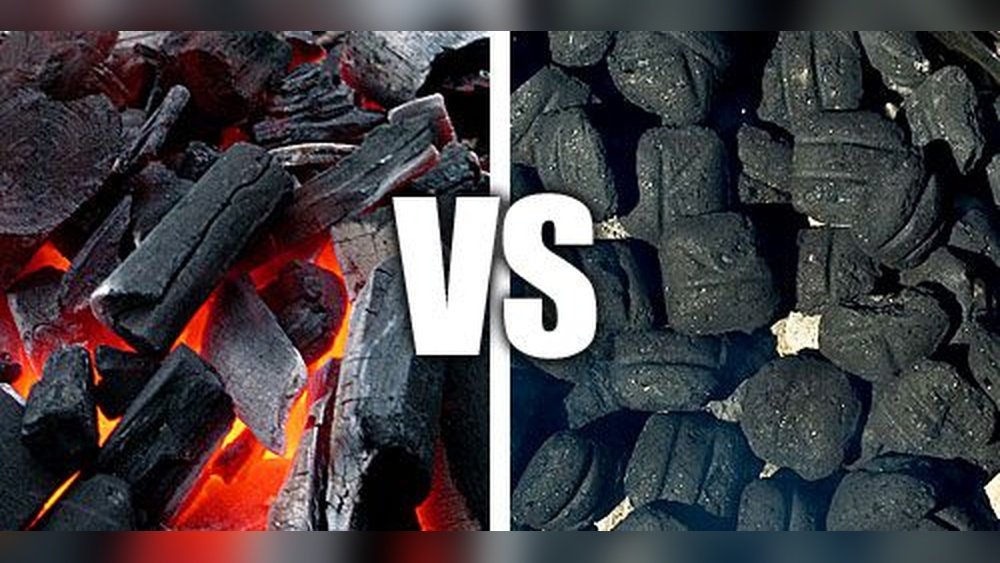
Besides, some charcoal types are more sensitive than others. For example, lump charcoal absorbs moisture faster than briquettes. Knowing these differences helps you choose the right storage method.
It’s easy to think charcoal is tough and will last forever, but it’s actually quite fragile when exposed to the wrong environment. Even small amounts of humidity can make a big impact. In some cases, charcoal left open for just one night during a rainy season can become unusable.
People who live in coastal areas or places with frequent storms often see their charcoal ruined more quickly than those in dry regions.
Another risk is contamination. If charcoal picks up chemical fumes from nearby paint or gasoline, it can affect both its performance and safety. This is often ignored, but the impact can be serious, especially when charcoal is used for cooking food.
Storing charcoal safely is not only about keeping it dry but also about keeping it clean and free from anything that might harm your health.
Types Of Charcoal And How They Affect Storage
Not all charcoal is the same. The type you use affects how you should store it. Here are the main types and their storage needs.
Lump Charcoal
Lump charcoal is made by burning wood in a low-oxygen environment. It’s popular for grilling because it lights quickly and burns hot. Lump charcoal is very porous, so it absorbs moisture easily.
Storage tips:
- Needs airtight storage to prevent humidity.
- Keep away from strong odors, as it can absorb them.
- Store in smaller amounts if you live in a humid area to reduce risk.
Lump charcoal can also break easily into smaller pieces or dust. If you store it in a container that’s too big or heavy, the pieces at the bottom might become crushed and less useful. To avoid this, use a container that allows you to take out charcoal gently.
Charcoal Briquettes
Briquettes are made from charcoal dust mixed with binders like starch and sometimes additives for easy lighting. They are dense and uniform.
Storage tips:
- Less sensitive to moisture than lump charcoal but still needs dry storage.
- Keep the bag sealed after opening.
- If using self-lighting briquettes, store away from heat sources.
Briquettes are generally more stable, but they can still absorb water over time. Some brands use paper bags that are not waterproof, so consider transferring them to a sealed bin if you plan to store them for months.
Activated Charcoal
This type is processed for medical, filtration, or odor-control use. It’s highly absorbent and reacts quickly to moisture and odors.
Storage tips:
- Must be kept in airtight containers.
- Store away from chemicals and strong smells.
- Even a small amount of humidity can make activated charcoal less effective.
Activated charcoal is often sold in small quantities, and sometimes in glass jars. If you buy in bulk, divide it into smaller jars to avoid exposing the entire batch every time you open the container.
Special Charcoal Products
Some charcoal is mixed with lighter fluid (easy-light briquettes) or comes in single-use packs. These need to be kept away from heat and flames.
Storage tips:
- Store in cool, dry places.
- Follow manufacturer instructions.
- If using for camping, keep packs in a waterproof bag.
Some special charcoal products are wrapped in plastic, but the packaging can break down in the sun or extreme heat. Check regularly for any signs of damage.
| Charcoal Type | Sensitivity to Moisture | Best Storage |
|---|---|---|
| Lump Charcoal | High | Airtight container |
| Briquettes | Medium | Sealed bag or bin |
| Activated Charcoal | Very High | Airtight jar |
| Easy-Light Briquettes | Medium | Cool, dry shelf |
Main Enemies Of Charcoal In Storage
Charcoal may seem tough, but it faces several enemies during storage. Understanding these threats helps you choose the best storage solution.
Moisture
This is the number one threat. When charcoal absorbs water from the air, it becomes useless for grilling or heating. Even small amounts of humidity can cause problems over time.
Humidity doesn’t just come from rain or leaks. It can build up in closed garages, basements, or storage sheds—even in places that feel dry. If you live where humidity is high most of the year, consider adding moisture absorbers (like silica gel) to your container.
These small packets draw in excess water and can make a big difference.
Odors
Charcoal is like a sponge for smells. If stored near paint, gasoline, or garbage, it can pick up these odors and transfer them to your food or other uses.
A non-obvious example: storing charcoal next to pet food or cleaning supplies in a closet can make your next barbecue taste strange. Even mild odors can linger. If you notice your charcoal smelling odd, it’s best not to use it for cooking.
Pests
Mice, insects, and other pests may chew through bags or build nests in your charcoal, especially if it’s stored in a garage or shed.
Some insects, like ants or beetles, can be drawn to the starch in briquettes. If you see holes in your charcoal bag or container, check for pest activity and clean the area before refilling.
Sunlight And Heat
Direct sunlight or high temperatures can degrade packaging and, in some cases, activate chemicals in certain charcoal products.
Sunlight can also cause condensation inside containers, especially plastic bins. If you notice water droplets inside your bin, wipe it dry and move it to a cooler spot.
Physical Damage
Charcoal can break into dust if handled roughly or if heavy things are placed on top.
Over time, too much dust can make charcoal harder to light and cause it to burn less efficiently. Always move containers gently, and don’t store heavy items on top of your charcoal bin.
Best Storage Containers For Charcoal
Choosing the right container is key to keeping your charcoal dry, safe, and clean. Here are some popular options with their pros and cons.
Metal Bins
Metal bins with tight lids are a classic choice. They keep out moisture and pests and are fire-resistant.
Pros:
- Very durable
- Protects against rodents
- Fire-safe
- Can be used outdoors if painted or galvanized
Cons:
- Can rust if not painted or galvanized
- Heavy to move when full
- May dent if dropped
If your area is prone to flooding, metal bins can help keep charcoal safe as long as the lid seals tightly. Some metal bins have rubber seals for extra protection.
Plastic Storage Bins
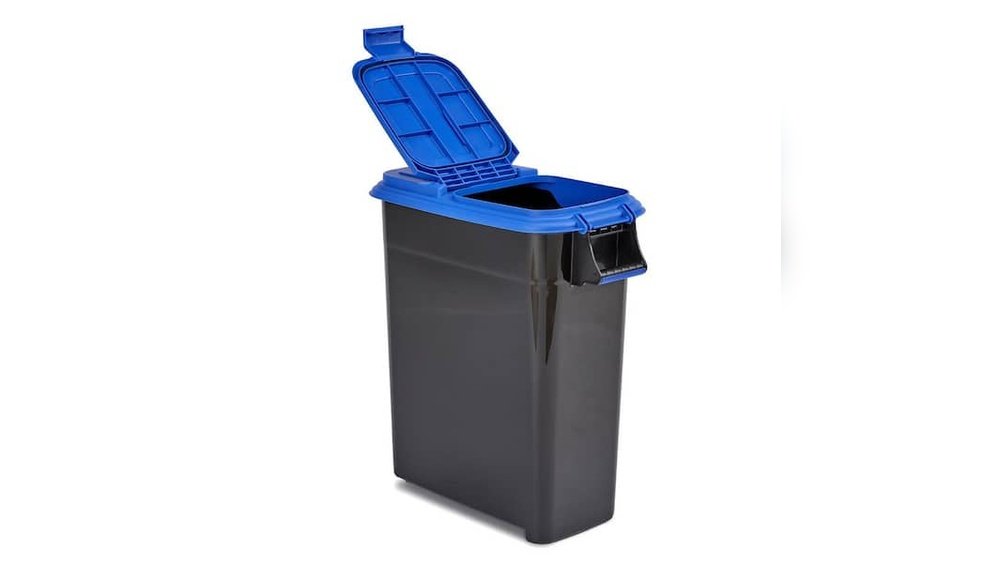
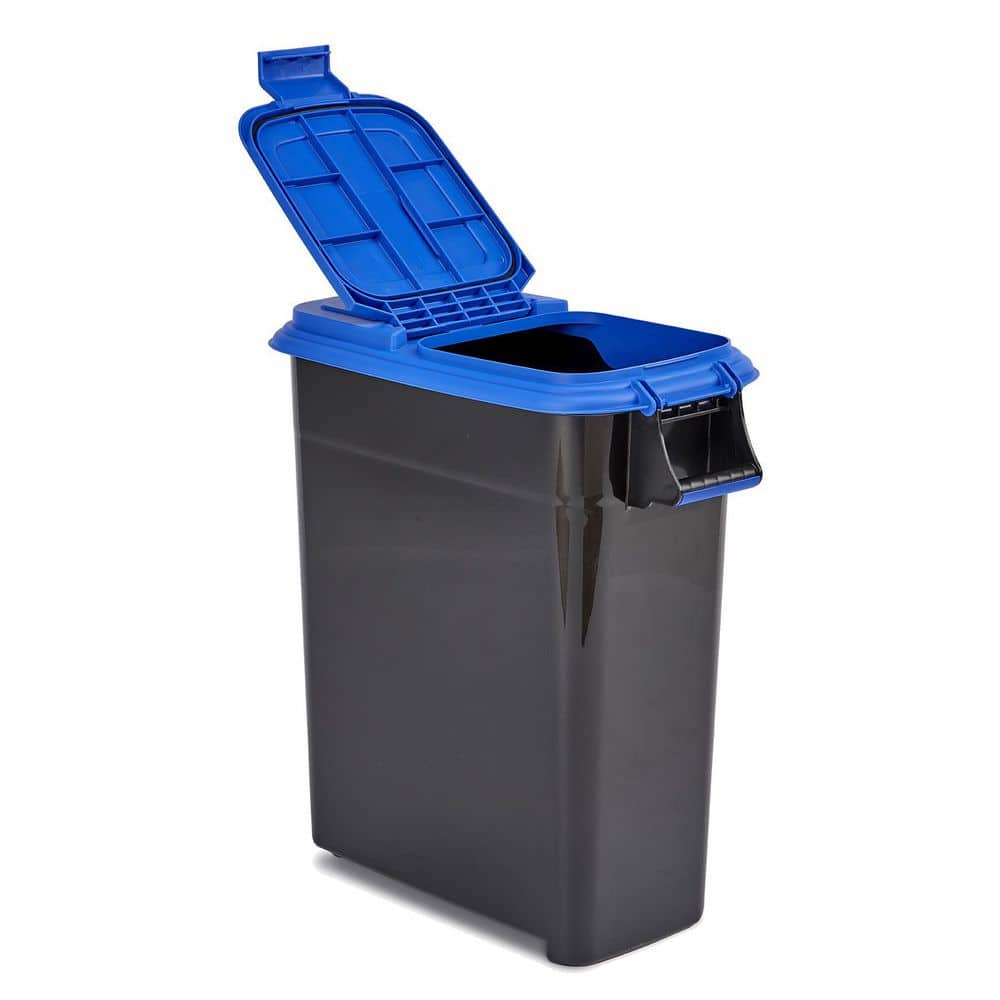
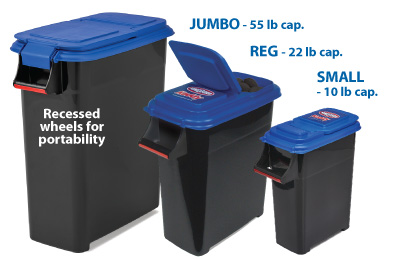
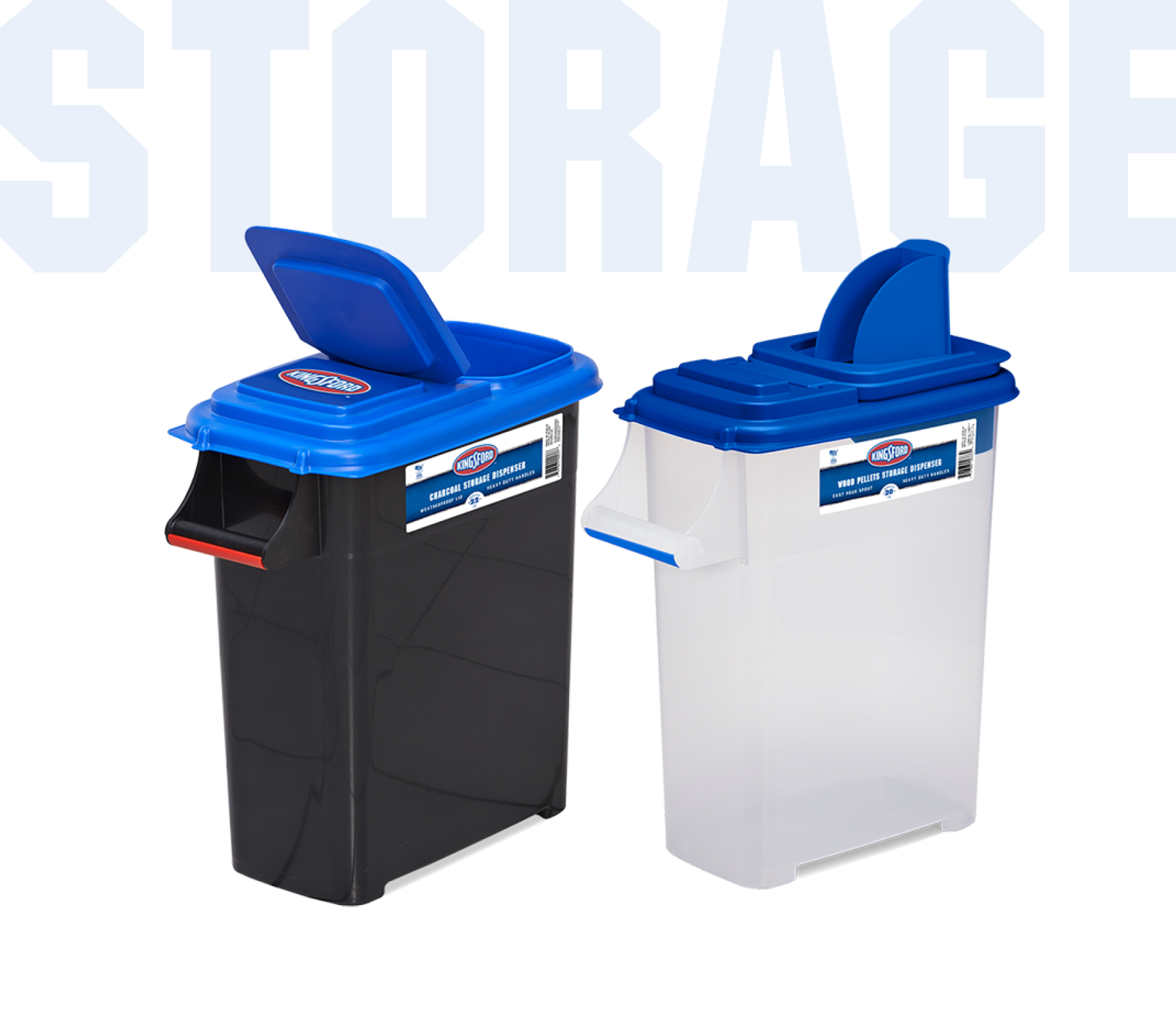
Heavy-duty plastic bins with sealing lids are common in homes. They’re lightweight and often have handles.
Pros:
- Lightweight
- Easy to carry
- Won’t rust
- Many sizes available
Cons:
- Not as fire-resistant as metal
- Can crack in extreme cold
- May warp in direct sunlight
Choose bins made from thick, high-quality plastic. Cheap bins may break or let water seep in during storms.
Original Charcoal Bags
Some people keep charcoal in the original packaging. This is okay for short-term storage indoors, but not ideal for long-term use.
Pros:
- No extra cost
- Designed for charcoal
- Easy to transport
Cons:
- Not waterproof
- Easy for pests to chew through
- Tears easily
If you use charcoal often, keeping it in the bag can work. If not, transfer leftover charcoal to a sealed container after opening.
Airtight Food-storage Containers
If you buy small amounts, using a kitchen-grade airtight food container works well, especially for activated charcoal.
Pros:
- Very airtight
- Keeps out odors
- Easy to see how much is left
Cons:
- Expensive for large amounts
- Not always stackable
Glass jars work well for small batches, but avoid plastic if storing in hot areas.
Diy Storage Solutions
Some people use old paint buckets (thoroughly cleaned), trash cans, or barrels. These can be effective if sealed properly.
Pros:
- Inexpensive
- Can store large quantities
- Easy to customize
Cons:
- May not be truly airtight without modifications
- Risk of leftover chemicals if not cleaned well
Add a rubber gasket to the lid for extra moisture protection. If you use a trash can, make sure it’s food-grade or thoroughly cleaned.
Here’s a quick comparison of common charcoal storage containers:
| Container Type | Moisture Protection | Pest Resistance | Portability |
|---|---|---|---|
| Metal Bin | High | High | Medium |
| Plastic Bin | High | Medium | High |
| Charcoal Bag | Low | Low | High |
| Airtight Food Container | Very High | High | Low |
Pro Tip: Never store charcoal directly on concrete floors. Concrete can “sweat” and release moisture, especially in humid weather.
Credit: www.homedepot.com
Where To Store Charcoal: Indoors Vs Outdoors
Your storage location is as important as your container. Here are the best places to keep your charcoal and why.
Indoor Storage
Storing charcoal indoors protects it from rain, humidity, and temperature swings.
Best places:
- Garage (if dry and well-ventilated)
- Basement (if no water leaks or dampness)
- Pantry or utility closet
- Unused cabinets (away from food)
What to avoid:
- Laundry rooms (can be humid)
- Rooms with chemical fumes or strong odors
- Under sinks with plumbing leaks
If you have limited space, look for unused corners or shelves. Just make sure there is airflow to prevent humidity buildup.
Outdoor Storage
If you must store charcoal outside, extra care is needed.
Best practices:
- Use a weatherproof bin with a tight lid
- Raise the bin off the ground (on a shelf or pallet)
- Keep out of direct sunlight
- If possible, use a covered patio or porch
Bad outdoor storage spots:
- Directly on grass or soil
- Under leaky roofs
- Next to BBQ grills (can be a fire risk)
- Near garden chemicals
Non-obvious insight: Even outdoor bins marked “waterproof” can sweat inside during big temperature changes. Always check for condensation inside the lid.
Here’s a visual showing good and bad storage locations:

How Long Does Charcoal Last In Storage?
Charcoal can last a long time if stored well. But its shelf life depends on the type, container, and environment.
- Lump charcoal: Up to 2-3 years if kept dry and airtight. Can last longer but may lose easy-lighting quality.
- Briquettes: 1-2 years is typical. Additives can break down over time, making them harder to light.
- Activated charcoal: Lasts several years in sealed containers, but can absorb odors and moisture if left open.
Once charcoal absorbs moisture, its performance drops quickly. Sometimes, slightly damp charcoal can be dried out and used, but it will never perform as well as fresh.
Tip: Always label containers with the date of purchase and type of charcoal.
If you use charcoal for emergencies, check it every few months. Rotate your supply to make sure you always have fresh charcoal on hand. This is especially important for businesses or anyone who relies on charcoal for regular cooking.
Credit: www.buddeez.com
Charcoal Storage For Homes With Limited Space
Not everyone has a garage or shed. Urban grillers or apartment dwellers need creative solutions.
Under-sink Or Closet Storage
If you use only a small amount, a plastic bin or airtight container fits neatly under the sink or in a closet. Just make sure it’s away from cleaning chemicals.
For even more protection, wrap the charcoal bag in a plastic trash bag before placing it in the bin. This adds a second layer against leaks or humidity.
Stackable Bins
Use stackable plastic bins for small spaces. Choose bins that seal tightly to prevent moisture.
Stackable bins can also help you organize different types of charcoal. For example, one bin for lump charcoal and another for briquettes. Label each bin clearly so you don’t mix up products.
Balcony Or Patio Boxes
For those with a balcony, waterproof deck boxes work well. Keep the charcoal in a sealed bag inside the box for extra protection.
Some deck boxes come with built-in locks, which is helpful if you share space with others or want to keep kids away from your charcoal.
Extra tip: If you live in a very humid area, add a silica gel packet or other desiccant inside your container.
Silica gel is cheap and widely available. You can buy large packets online and replace them every few months. Some people also use rice in a sock as a homemade moisture absorber.

Storing Charcoal For Restaurants And Businesses
Businesses that use large amounts of charcoal need more robust storage solutions.
Bulk Storage Rooms
Restaurants often store charcoal in dedicated rooms. These rooms should be:
- Dry and well-ventilated
- Away from heat sources and chemicals
- Equipped with metal shelving to keep bags off the floor
- Monitored for humidity
If possible, install a humidity sensor in your storage room. This helps you catch problems before they ruin your stock.
Pallet Storage
For very large quantities, store charcoal on pallets in a warehouse. Wrap with plastic sheeting to keep out moisture.
Pallets also help air circulate around the bags, reducing the risk of dampness. If your business receives charcoal by the ton, consider stacking pallets with space between them to allow airflow.
Fire Safety
Local fire codes may require metal bins, sprinkler systems, or fire extinguishers nearby. Always check regulations.
Some areas have strict rules about storing charcoal near kitchens or public spaces. If unsure, ask your local fire department for advice.
Inventory Management
Rotate stock so older charcoal is used first. This prevents waste and ensures fresh product for customers.
Keep a log of purchase dates and check bags regularly for signs of spoilage. If you notice any dampness or unusual smell, move the affected bags to a separate area and inspect them carefully.
Non-obvious insight: Some businesses use dehumidifiers in storage rooms to control humidity. This is especially helpful in tropical climates.
Dehumidifiers are not expensive and can save money by preventing spoilage. If you store more than 100kg of charcoal at a time, consider investing in one.
Charcoal Storage For Outdoor Adventures
If you camp, hike, or cook outdoors, you need your charcoal to stay dry and portable.
Zip-top Bags
For single-use trips, heavy-duty zip-top bags keep charcoal dry in your backpack.
Choose freezer-grade bags for extra strength. If you expect rain, double-bag your charcoal and squeeze out as much air as possible.
Waterproof Canisters
Plastic or metal canisters with screw lids are great for river trips, boating, or rainy weather.
Some canisters are designed for food but work well for charcoal. If you use a metal canister, check for rust before packing.
Pre-portioned Packs
Some campers pre-measure charcoal into small bags for each meal. This saves space and keeps unused charcoal dry.
For group camping, label each pack with the meal it’s meant for. This makes cooking easier and reduces waste.
Safety tip: Never store charcoal near campfires or stoves. Keep it in a separate bag or bin.
If you’re camping in bear country, store charcoal with other non-food items to avoid attracting animals. Charcoal itself isn’t food, but packaging can carry scents.
Mistakes To Avoid When Storing Charcoal
Even experienced grillers make mistakes with charcoal storage. Avoid these common errors:
- Leaving bags open: Even one night of humidity can ruin a bag.
- Storing near chemicals: Charcoal absorbs fumes that can make your food taste bad or be unhealthy.
- Stacking heavy objects: This crushes the charcoal and creates dust.
- Forgetting old stock: Use older charcoal first to prevent waste.
- Ignoring local climate: In humid areas, extra protection like desiccants or dehumidifiers is a must.
- Using cracked bins: A small crack can let in moisture and pests.
- Not labeling containers: Without dates, it’s easy to lose track of freshness.
If you notice your charcoal is hard to light or burns poorly, check your storage method. Small changes can make a big difference.
Creative Storage Ideas For Charcoal
Sometimes you need to think outside the box. Here are some creative storage ideas:
- Repurposed ammo boxes: Metal, airtight, and compact.
- Old coolers: Keep out moisture and are easy to carry.
- PVC pipe sections: For small amounts, cap both ends for a waterproof solution.
- Vintage flour bins: Add charm to your grilling area and keep charcoal dry.
- Sealed glass jars: For activated charcoal or small batches.
Note: Make sure any reused container is clean and free of chemicals.
If you want to decorate your grilling space, paint your storage container with waterproof paint or add labels for a personal touch.
How To Dry Out Damp Charcoal
If your charcoal gets damp but not soaked, you may be able to save it.
Steps To Dry Charcoal:
- Spread charcoal pieces in a single layer on a baking tray or outdoor surface.
- Place in direct sunlight for several hours, turning occasionally.
- For faster results, use a low oven (under 200°F) for an hour—never leave unattended.
- Store immediately in a dry, sealed container.
If you have a lot of charcoal to dry, use a fan in a warm room to speed up the process. Avoid drying charcoal in humid environments.
Warning: Do not try to dry out “easy light” briquettes in an oven, as they may give off fumes.
How To Store Charcoal Ash Safely
After using charcoal, you’ll have ash to dispose of. Store ash safely to avoid fire risks.
- Let ash cool completely (at least 48 hours after use).
- Store in a metal bucket with a lid, away from flammable materials.
- Never dump hot ash in the trash or garden.
Ash can be used in compost, as an ice-melt on driveways, or thrown out with regular waste after cooling.
Some people use ash to reduce odors in trash cans or as a mild fertilizer for their garden. Make sure the ash is from pure charcoal, not briquettes with additives, before using it in compost.
Charcoal Storage For Long-term Emergency Use
Some people keep charcoal as an emergency fuel. Long-term storage needs extra care.
- Use metal bins with gasket-sealed lids.
- Store in a climate-controlled area.
- Rotate stock every 1-2 years.
- Keep away from food to avoid odor transfer.
- Check containers every few months for moisture or pests.
Extra tip: For very long-term storage, vacuum-sealing small bags inside a bigger container adds protection.
Vacuum-sealing removes air and keeps moisture out, making it easier to store charcoal for years without spoilage.
Environmental Impact Of Charcoal Storage
While storing charcoal, also consider the environment:
- Use reusable containers instead of single-use plastics.
- Recycle original bags if possible.
- Store only what you’ll use to avoid waste.
- Donate extra charcoal to neighbors or charities before it goes bad.
- Avoid burning spoiled charcoal, as it can release harmful chemicals.
For more on charcoal’s environmental effects, see the Charcoal Wikipedia page.
Comparing Charcoal Storage Methods
To help you choose, here’s a data-driven look at the pros and cons of each method.
| Storage Method | Dryness Protection | Cost | Pest Safety | Best For |
|---|---|---|---|---|
| Metal Bin | Excellent | Medium | High | Home/Business |
| Plastic Bin | Good | Low | Medium | Home/Apartment |
| Airtight Food Jar | Excellent | High | High | Activated Charcoal |
| Original Bag | Poor | Low | Poor | Short-Term |
| Outdoor Deck Box | Good (if sealed) | Medium | Medium | Patio/Balcony |
Visual Guide: Good Charcoal Storage
A picture says more than words. Here’s an example of proper charcoal storage using a metal bin with a tight lid, kept off the ground and away from sunlight.

Frequently Asked Questions
How Do I Know If My Charcoal Has Gone Bad?
If your charcoal is damp, crumbly, or smells musty, it’s likely gone bad. Mold or visible moisture means it’s unsafe to use, especially for cooking. Good charcoal should be dry, lightweight, and have a wood-like smell.
If you notice charcoal turning white, sticky, or breaking into powder, it’s probably spoiled. Don’t risk using it.
Can I Store Charcoal In My Basement?
Yes, if your basement is dry and well-ventilated. Avoid basements with water leaks, flooding, or high humidity. Always use a sealed container and keep it off the floor.
If your basement has a dehumidifier, use it when storing charcoal. Avoid placing containers near sump pumps or washing machines.
Is It Safe To Store Charcoal In The House?
It’s safe as long as you keep it away from open flames and heat sources. Store in a sealed bin, and avoid placing it near chemicals, food, or areas used by children or pets.
If you have pets, choose a bin with a lock or latch to prevent accidental access.
How Should I Dispose Of Old Or Bad Charcoal?
If the charcoal is not moldy or contaminated, use it for odor control in garages or compost bins. Moldy or chemical-soaked charcoal should be disposed of in the regular trash, but never burned.
If you’re not sure, check local waste rules—some cities have special disposal programs.
What’s The Best Way To Store Charcoal For Camping Trips?
Use a waterproof, airtight bag or container. Zip-top bags work for small amounts, while screw-top canisters or plastic jars are better for longer trips or wet environments.
If you travel to areas with heavy rain, pack charcoal with your gear inside a dry sack.
Proper charcoal storage doesn’t have to be complicated, but it makes a huge difference. With the right container and a dry, safe spot, your charcoal will always be ready for your next barbecue, emergency, or adventure. Whether you use a metal bin, a plastic tote, or a creative DIY solution, staying ahead of moisture and pests will keep your fuel in top shape.
Happy grilling and safe storing!
Credit: www.kingsford.com