Hot & Fast BBQ: Expert Tips for Quick, Flavorful Grilling
Hot & Fast Bbq: The Complete Guide For Modern Pitmasters
Barbecue means different things to different people. In some places, it’s a slow, gentle process that takes all day. In others, it’s a social event with friends, meat, and fire. But in recent years, a new trend has fired up the BBQ world—hot & fast BBQ. This style flips tradition on its head, using higher temperatures to cook delicious smoked meat in a fraction of the time. Many backyard cooks and professional pitmasters are embracing this method for its speed, flavor, and surprising tenderness.
If you’re curious about hot & fast BBQ, you’re in the right place. Whether you’re a seasoned griller or just starting out, this guide will give you everything you need: from the science of cooking, to choosing the right meat, to tips and tricks for results that rival low-and-slow classics. You’ll also find practical tables, real-world examples, and honest advice about when hot & fast is the perfect choice.
What Is Hot & Fast Bbq?
Hot & fast BBQ is a method where meat is cooked at higher temperatures—usually between 300°F and 400°F—for a much shorter time than traditional BBQ, which typically uses temperatures around 225°F. Instead of smoking a brisket for 12-16 hours, hot & fast cooks it in 4-6 hours without losing its juicy texture or smoky flavor.
Why is this method gaining popularity? Time is one reason. Many people simply don’t have a whole day to dedicate to barbecue. But there’s more to it. Hot & fast can create a flavorful bark, keep meat moist, and even allow you to cook for a crowd with less stress.
The end result is often nearly indistinguishable from low-and-slow, and some fans say it’s even better.
The Science Behind Hot & Fast Bbq
When you cook meat, several things happen. The Maillard reaction gives you that rich brown crust. Fat renders, making the meat juicy. Collagen breaks down, turning tough cuts into tender bites. Hot & fast BBQ speeds up these processes by raising the heat, but it also requires careful technique to avoid drying out the meat.
At higher temperatures, the surface browns quickly and the inside cooks faster. The key is to manage heat and moisture, so the meat stays tender. Wrapping meats like brisket or pork shoulder in foil (known as the Texas Crutch) is common to prevent drying out and to push through the “stall”—the point where meat seems to stop cooking because moisture is evaporating.
Hot & Fast Vs Low & Slow: Key Differences
It’s important to understand how hot & fast BBQ compares to the traditional low & slow style. Here’s a side-by-side look:
| Aspect | Hot & Fast BBQ | Low & Slow BBQ |
|---|---|---|
| Cooking Temp | 300–400°F | 200–250°F |
| Cook Time (Brisket) | 4–6 hours | 12–16 hours |
| Bark Development | Faster, darker bark | Gradual, deep bark |
| Smoke Flavor | Milder, wood choice is critical | Deeper smoke ring |
| Risk of Drying | Higher (without wrapping) | Lower, but can overcook |
| Best For | Quick events, weeknights | All-day cooks, competitions |
Why Choose Hot & Fast Bbq?
Hot & fast BBQ is not just about saving time. There are several reasons why you might prefer this style:
- Convenience: You can start cooking after lunch and still serve dinner.
- Flavor: The higher heat creates a more robust, caramelized bark.
- Juiciness: Meat can stay just as moist if you manage the process well.
- Flexibility: Great for parties, family events, or when you’re short on time.
- Modern Taste: Many people prefer the slightly different texture and flavor.
One thing beginners often miss: hot & fast isn’t just for brisket. It works beautifully for ribs, chicken, and even pork shoulder. But you must adapt your techniques to each cut.
Essential Equipment For Hot & Fast Bbq
You don’t need a fancy smoker to get started, but some tools make things easier.
Smokers & Grills
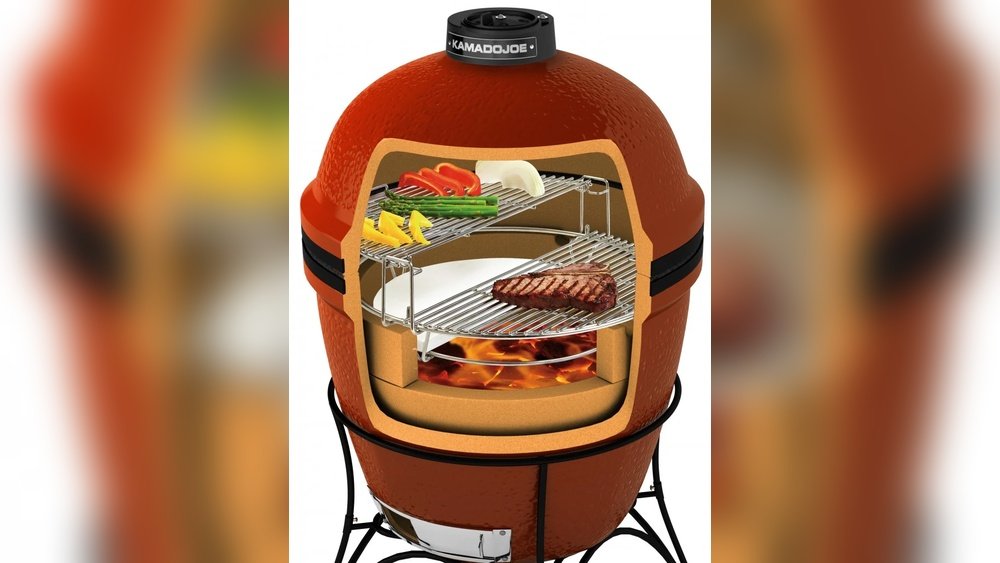
Almost any smoker or grill can be used for hot & fast BBQ. Here are some popular options:
- Kettle Grills: Like the classic Weber. Great for versatility.
- Drum Smokers: Used by many competitors for fast, even cooking.
- Offset Smokers: Can be used, but need good fire management.
- Pellet Grills: Set and forget, but watch for temperature swings.
Thermometers
A reliable instant-read thermometer is essential. At high heat, meat can overcook quickly. Use a probe thermometer to monitor the internal temperature without opening the lid too often.
Fuel & Wood
- Charcoal: Lump charcoal gives higher heat and cleaner flavor.
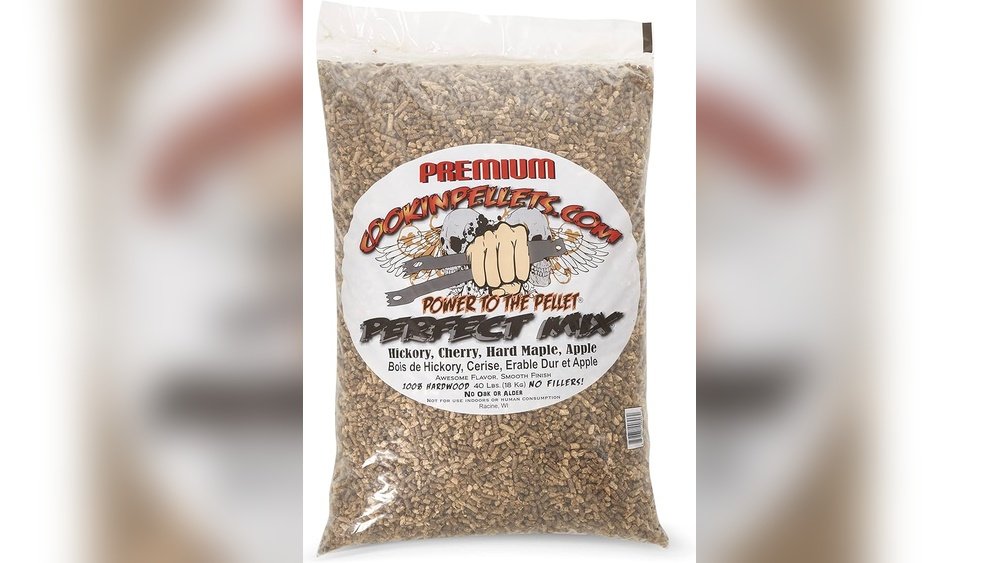
- Wood Chunks/Chips: Use hickory, oak, or fruit woods for smoke. Avoid over-smoking, as high heat can make smoke flavors harsh.
- Gas Grills: Possible, but harder to get real smoke flavor.
Accessories
- Heat-resistant gloves
- Foil or butcher paper (for wrapping)
- Water pan (optional, to keep humidity up)
- Spray bottle (for spritzing meat)
Choosing The Right Meats For Hot & Fast Bbq
Some cuts work better than others for hot & fast BBQ. Here’s a quick guide:
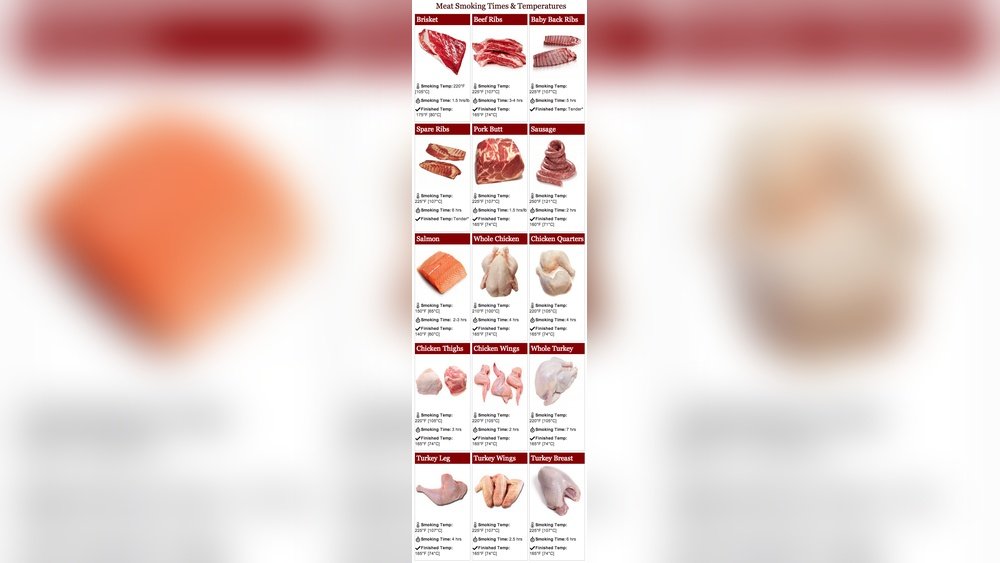
| Meat | Best Cut for Hot & Fast | Approx. Cook Time | Tips |
|---|---|---|---|
| Brisket | Whole packer, 12–15 lbs | 4–6 hours | Wrap at 165°F, rest well |
| Pork Butt | Boston butt, 6–8 lbs | 4–5 hours | Wrap to avoid drying |
| Ribs | Spare or baby back | 2–3 hours | Spritz to keep moist |
| Chicken | Whole, thighs, wings | 1–2 hours | High heat crisps skin |
| Tri-tip | Whole tri-tip roast | 45–60 minutes | Reverse sear for best crust |
Non-obvious insight: Thicker meats like brisket and pork butt actually respond well to hot & fast because the higher heat helps break down collagen quickly. But always watch for thinner cuts—they can go from juicy to dry in minutes.
How To Cook Hot & Fast Bbq: Step-by-step
Let’s walk through a typical hot & fast BBQ cook, using brisket as an example. The principles apply to other meats too.
1. Preparation
Start with a well-marbled brisket (USDA Choice or higher is best). Trim excess fat, leaving about 1/4 inch. Apply a simple rub—salt, pepper, and a touch of paprika work well. Let the brisket sit at room temperature for 30-60 minutes while you prepare the smoker.
2. Fire Up The Smoker
Light your fuel and bring the smoker to 325°F. Use a mix of charcoal and a few chunks of your preferred wood. Let the smoker stabilize for 15-20 minutes to ensure even heat.
3. The First Smoke
Place the brisket fat side up on the grate. Insert a probe thermometer into the thickest part of the flat. Close the lid and let the brisket smoke for 2 hours. Check every 45 minutes, spritzing with apple juice or water to keep the surface moist.
4. Wrapping
When the internal temp hits 160–170°F, remove the brisket and wrap it tightly in heavy-duty foil or butcher paper. This prevents drying and speeds up the final cook.
5. Finish Cooking
Return the wrapped brisket to the smoker. Continue cooking at 325°F until the internal temp reaches 203°F. Test for tenderness with a probe; it should slide in easily.
6. Rest And Slice
Rest the brisket, still wrapped, in a cooler or warm oven for 1–2 hours. This step is critical—it allows juices to redistribute, making the meat moist.
7. Serve
Slice against the grain and enjoy. The bark should be crisp, the inside juicy and tender.
Practical tip: For ribs or chicken, use the same basic method, adjusting the cook time. Always rest larger cuts before slicing.
Hot & Fast Bbq For Ribs, Pork, And Chicken
Each type of meat benefits from slightly different handling. Here’s what you need to know:
Ribs
Cook at 300–325°F for 2–3 hours. After the first hour, wrap in foil with a splash of apple juice. Unwrap for the last 30 minutes to firm up the bark. Spritz ribs every 30-40 minutes for best results.
Pork Shoulder
This cut does well at 325°F. After 2 hours, wrap in foil and continue until the internal temperature reaches 205°F. Rest for 30-60 minutes before shredding.
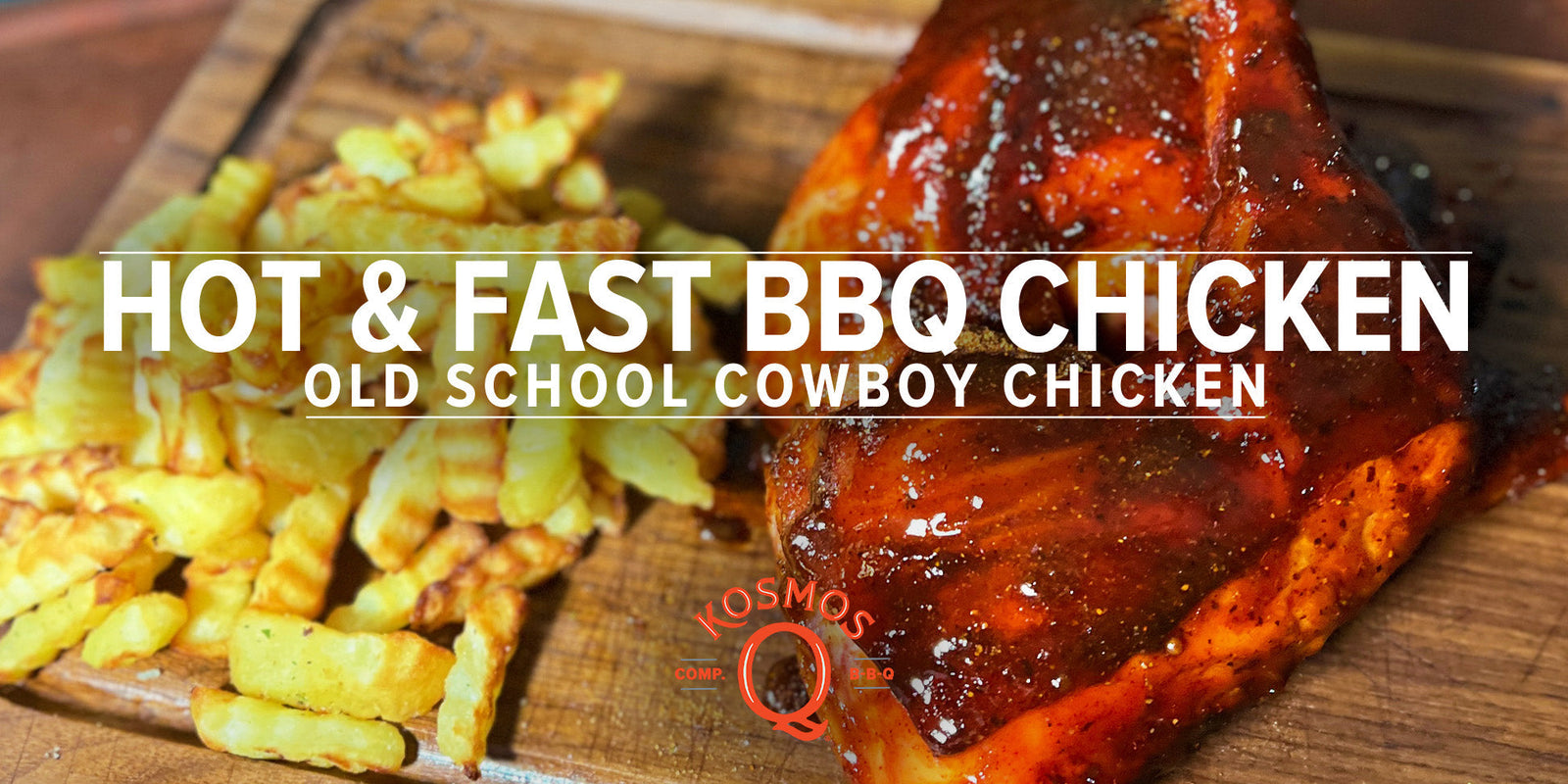
Chicken
Chicken is perfect for hot & fast. Whole chickens or parts can be cooked at 350–375°F. High heat gives crispy skin, but watch closely—chicken dries out quickly. Cook to an internal temp of 165°F.
Credit: kosmosq.com
Hot & Fast Bbq: Common Mistakes And How To Avoid Them
Even experienced cooks run into trouble. Here are some classic errors—and how to sidestep them:
- Skipping the Rest: Resting is just as important as cooking. Without it, juices run out and meat is dry.
- Over-Smoking: High heat amplifies smoke flavors, so use less wood. Strong woods like mesquite can turn bitter.
- Not Wrapping on Time: If you wait too long to wrap, the bark can burn or meat can dry.
- Using Lean Meat: Hot & fast works best with well-marbled cuts. Lean meats dry out rapidly.
- Ignoring Temperature Spikes: Watch your smoker—high heat can swing fast. Use a reliable thermometer.
Non-obvious insight: Humidity matters more with hot & fast. If your smoker runs dry, add a water pan to help prevent burning and tough bark.
The Best Rubs And Sauces For Hot & Fast Bbq
The heat of hot & fast BBQ can change the way flavors develop. Choose rubs and sauces with these tips in mind:
- Simple Rubs: Salt, pepper, garlic powder, and paprika are reliable. Avoid sugar-heavy rubs, which can burn at high temps.
- Bold Sauces: Try tangy vinegar-based sauces for pork, or spicy-sweet glazes for chicken. Apply sauce only in the last 15 minutes to avoid burning.
- Experiment: Hot & fast intensifies flavors, so even a light rub can go a long way.
Wood Selection: Getting The Smoke Just Right
The type and amount of wood you use is more important than many realize. At high temps, heavy smoke can turn harsh.
- Fruit woods (apple, cherry): Mild, sweet, and forgiving.
- Hickory or oak: Stronger, but use only small chunks.
- Avoid mesquite unless you love bold, sometimes bitter smoke.
Tip: For hot & fast, use about half the wood you would for a low & slow cook. You want a light blue smoke, not thick white clouds.
Hot & Fast Bbq For Parties And Events
One major advantage of hot & fast BBQ is how well it fits parties and gatherings. You don’t have to start the night before, and you can serve fresh, hot food at just the right time.
Planning Your Cook
- Estimate 1/2 pound of cooked meat per adult.
- Stagger start times if cooking multiple meats.
- Have sides ready, as BBQ cooks quickly.
Serving Tips
- Slice just before serving to keep meat juicy.
- Keep food warm in a cooler or low oven if guests arrive late.
- Offer a variety of sauces for different tastes.
Pro tip: Cook ribs and chicken hot & fast, then finish with brisket for a BBQ feast in under six hours.
Hot & Fast Bbq In Competition
Many BBQ competitors now use hot & fast methods. The reason? Consistency and timing. When judges want tender, juicy meat at a precise time, hot & fast gives more control and less risk of overcooking.
Differences From Backyard Cooking
- Competitors use drum smokers for even heat.
- Meat is wrapped tightly with butter or broth for moisture.
- Meat is sliced and sauced just before turn-in.
Example: The “Hot & Fast Brisket” method won the American Royal BBQ contest—proof this style is more than a shortcut.
Hot & Fast Vs Grilling: What’s The Difference?
People often confuse hot & fast BBQ with grilling. While both use high heat, they’re not the same.
| Feature | Hot & Fast BBQ | Grilling |
|---|---|---|
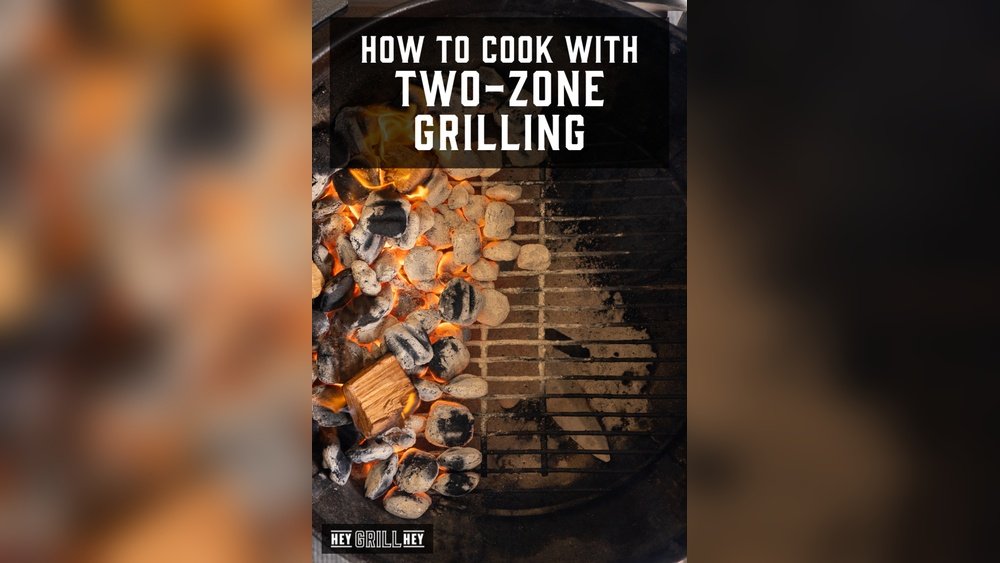
| Heat Source | Indirect (smoke and convection) | Direct (over flame or coals) |
| Cook Time | 1–6 hours | 5–30 minutes |
| Flavor | Smoky, deep bark | Charred, grilled flavor |
| Best For | Large cuts (brisket, ribs) | Steaks, burgers, chicken breasts |
Bottom line: Hot & fast BBQ is about smoking meat at higher temps, not just grilling.
Credit: kosmosq.com
How To Convert Low & Slow Recipes To Hot & Fast
Many classic BBQ recipes can be adapted for hot & fast. Here’s how:
- Increase Cooking Temp: Move from 225°F to 325–350°F.
- Shorten Cook Time: Expect to finish in one-third the time.
- Monitor Internal Temp: Meat will reach target temp faster.
- Wrap Sooner: Start wrapping 60–90 minutes in.
- Rest Well: Higher heat needs more resting time for juices to settle.
Not all recipes will convert perfectly. Some very thick cuts may need a mix of methods. Test and adjust as needed.
Hot & Fast Bbq: Myths And Misunderstandings
You may hear some common myths about hot & fast BBQ:
- “It’s not real BBQ.” Not true—many top pitmasters use hot & fast with great results.
- “Meat will be dry.” With good technique, hot & fast can be as juicy as low & slow.
- “You can’t get a smoke ring.” Hot & fast still produces smoke rings, though sometimes lighter.
The real test is in the taste, not the tradition.
Health And Safety Tips
Cooking at higher temps means food safety is even more important:
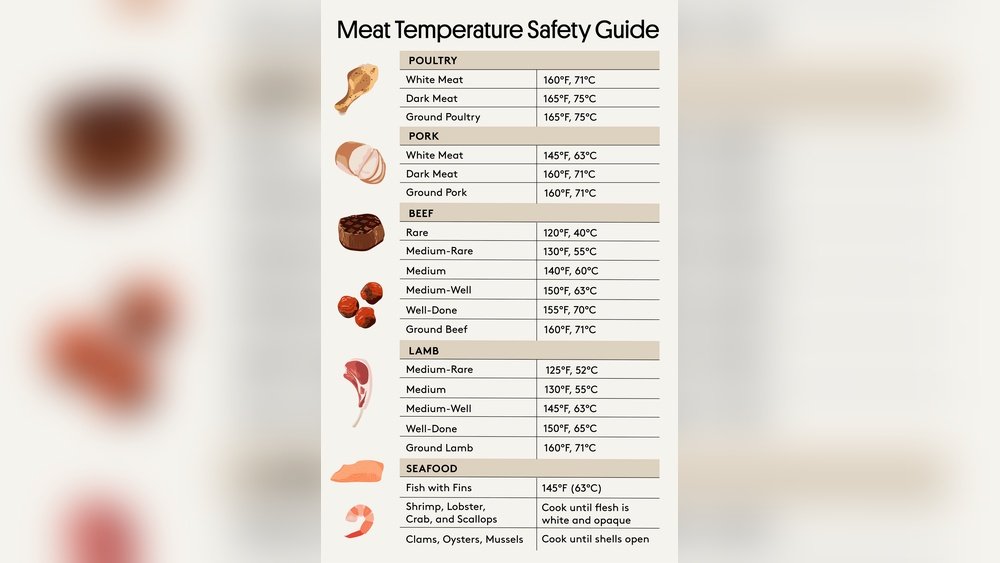
- Use a thermometer—never guess doneness.
- Avoid cross-contamination by washing hands and surfaces.
- Rest meat to let juices redistribute.
- Don’t eat undercooked chicken—always reach 165°F.
Data point: According to the USDA, bacteria multiply quickly between 40–140°F. Hot & fast BBQ reduces this risk by spending less time in the “danger zone.”
Hot & Fast Bbq Around The World
The hot & fast approach isn’t limited to American BBQ. Many cultures use similar methods:
- South African braai: Fast, high-heat cooking with wood.
- Brazilian churrasco: Rotisserie meats over hot coals.
- Australian barbie: Lamb, beef, and seafood cooked quickly.
Each tradition brings its own flavors and techniques. The core idea—great food, fast—is universal.
Hot & Fast Bbq For Beginners: Getting Started
If you’re new, start small. Try ribs or chicken first. Here’s a simple plan:
- Pick a meat with good fat content (ribs, chicken thighs).
- Use a reliable grill or smoker—kettle grills are perfect.
- Season lightly and control your fire.
- Wrap when color looks good, not just by time.
- Rest, slice, and taste the difference.
You’ll learn quickly how small changes in temp or timing affect results. Keep notes for next time.
Advanced Hot & Fast: Tricks From Pitmasters
Once you’re comfortable, try these advanced tips:
- Butter Bath: Wrap ribs with a little butter, honey, and brown sugar for extra moisture.
- Layered Rubs: Apply a base rub, then a finishing rub after wrapping for deep flavor.
- Mop Sauces: Brush on thin sauces during cooking for extra bark and shine.
- Reverse Sear: For tri-tip or pork loin, cook at 275°F, then finish over direct heat for crust.
Insider tip: Some pitmasters use a “power rest”—wrapping meat in towels in a cooler for up to 3 hours. This keeps it hot and juicy until serving time.
Hot & Fast Bbq: Costs And Efficiency
Hot & fast BBQ can be more fuel-efficient. Because you’re cooking for less time, you use less charcoal or wood overall—even though the fire is hotter.
Example: Cooking a 14-lb brisket:
- Low & Slow: 12 hours at 225°F, 15 lbs charcoal, 6 wood chunks.
- Hot & Fast: 5 hours at 325°F, 10 lbs charcoal, 3 wood chunks.
The shorter cook also means less waiting and more time with friends.
Hot & Fast Bbq For Weeknights
One of the best reasons to try hot & fast BBQ is for regular weeknight meals. With a little planning, you can enjoy smoked ribs or chicken after work.
- Prep meat in the morning, keep in the fridge.
- Fire up the grill when you get home.
- Cook and eat before sunset.
Time saved: Instead of dedicating a whole Saturday, you can enjoy BBQ any night.

Credit: www.amazon.com
Hot & Fast Bbq And Nutrition
Cooking hot & fast doesn’t make meat less healthy. In fact, shorter cook times can mean less fat loss and more retained nutrients. But watch for charring—burnt meat can contain compounds best avoided in large amounts.
- Trim excess fat before cooking.
- Avoid burning rubs and sauces.
- Use fruit wood for a milder smoke.
Data: A study by the National Institutes of Health found that moderate BBQ consumption is not linked to major health risks when cooked properly (NIH Research).
Hot & Fast Bbq: Real-world Success Stories
Many people have switched to hot & fast with great results. Take Sarah from Texas, who started using this method for family gatherings:
“Before, I spent all day tending the fire. Now, I can cook ribs and brisket in a few hours, and my family says it tastes even better. The bark is amazing, and I’m not exhausted by dinnertime. ”
Or Mike, a competition pitmaster:
“I was skeptical, but hot & fast helped me win my first BBQ contest. With less babysitting, I could focus on flavor and presentation. ”
Hot & Fast Bbq: Environmental Impact
Because you burn less fuel overall, hot & fast can be more environmentally friendly than all-day cooks. Using lump charcoal and careful fire management reduces smoke and emissions.
- Use high-quality lump charcoal—less ash, less waste.
- Burn only as much wood as needed for light smoke.
- Clean your smoker regularly for efficient burning.
Hot & Fast Bbq: When Not To Use It
Hot & fast is not perfect for every situation. Avoid it for:
- Very large roasts (over 20 lbs)—heat may not reach center safely.
- Lean meats—they dry out easily.
- Delicate fish—may fall apart at high heat.
For these, stick with lower temps or indirect grilling.
Hot & Fast Bbq: Step-by-step Photos
To make things even clearer, here are three images that show the process:
*Brisket just placed on a hot smoker, ready for the first stage of cooking. *

*Wrapping brisket tightly in butcher paper for the final stage—key to juicy results. *

*Beautifully sliced hot & fast brisket with a dark bark and juicy center. *
Frequently Asked Questions
What Meats Are Best For Hot & Fast Bbq?
Brisket, pork butt, ribs, and chicken all work well. Look for cuts with good marbling—fat helps keep them moist at high heat. Avoid lean cuts, which can dry out quickly.
How Do I Avoid Burning My Meat When Cooking Hot & Fast?
Use less wood for smoke, wrap meats when they reach the right color, and monitor temperatures closely. Spritzing with water or apple juice helps prevent burning.
Can I Use My Regular Grill For Hot & Fast Bbq?
Yes! Kettle grills, drum smokers, and even pellet grills work for hot & fast. Just set up for indirect heat and keep the temperature steady between 300–400°F.
Does Hot & Fast Bbq Taste Different From Low & Slow?
Hot & fast BBQ has a slightly different bark and sometimes milder smoke flavor, but with good technique, most people can’t tell the difference. Some even prefer it for the crispy bark and juicy texture.
Is Hot & Fast Bbq Safe?
Yes, if you monitor internal temperatures and rest the meat properly. Always use a food thermometer, rest large cuts, and avoid eating undercooked poultry.
Hot & fast BBQ is more than a shortcut—it’s a revolution in flavor, convenience, and fun. It opens up smoked meats to busy families, weeknight cooks, and anyone who wants great results without an all-day commitment. With the right techniques, tools, and a little practice, you can master this modern BBQ style and impress your friends any night of the week.