Ultimate Outdoor Grill Kitchen: The Perfect Backyard Setup
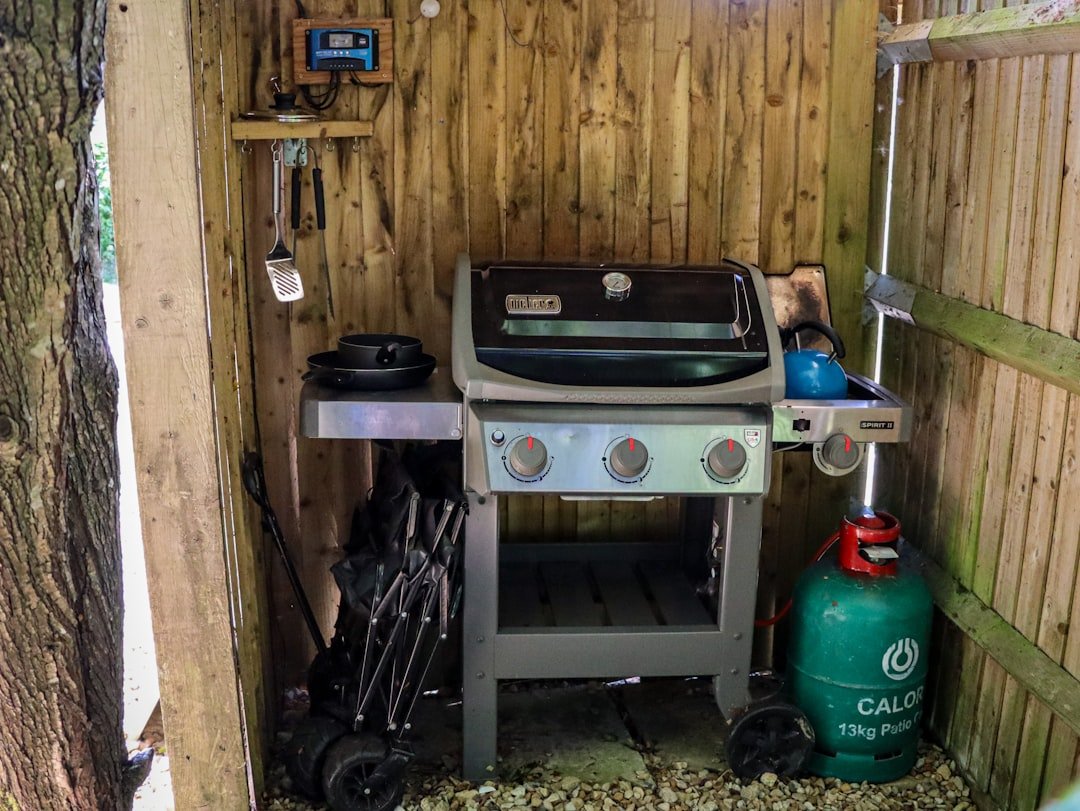
So, you’re dreaming of an outdoor kitchen – a place where you can grill, entertain, and genuinely enjoy your backyard. The main question on everyone’s mind is, “How do I build the perfect setup?” Well, it’s not as daunting as it seems, and the good news is, a “perfect” setup is highly personal. It’s about blending functionality with your lifestyle and budget, creating a space that feels like a natural extension of your home. Forget the overly complicated blueprints; we’re going to talk about practical steps and considerations to get you flipping burgers and mixing drinks in your dream outdoor kitchen sooner than you think.
Before you even think about buying a grill, take a step back and really consider what you want this space to be. This isn’t just about throwing some equipment out back; it’s about creating an experience.
Define Your Vision
What does your ideal outdoor kitchen look like? Is it a simple grilling station for weeknight dinners, or an elaborate entertaining hub for large gatherings? Do you envision a pizza oven, a smoker, or perhaps a full bar? Sketch out your ideas, even if they’re rough. Think about how you’ll use the space, who you’ll be entertaining, and what kind of cooking you’re most likely to do outdoors. This initial brainstorming will guide all your subsequent decisions.
Consider Your Space and Layout
Take a good, hard look at your backyard. How much usable space do you have? Are there existing structures like a patio or deck that you can build upon? Think about proximity to your indoor kitchen – will you be carrying ingredients back and forth? Consider the sun’s path throughout the day and prevailing winds. You don’t want to be constantly squinting while grilling or have smoke blowing directly into your guests’ faces. A common layout is an L-shape or U-shape, offering good workflow, but a straight-line design can work well in narrower spaces.
Budgeting for Your Dream Kitchen
This is where the rubber meets the road. Outdoor kitchens can range from a few hundred dollars for a basic portable grill and prep table to tens of thousands for a fully custom, built-in setup. Be realistic about what you can spend. Factor in not just the appliances, but also materials for countertops, cabinetry, flooring, and utilities (gas, electric, water). It’s often smarter to invest in quality core components that will last, even if it means scaling back on some of the bells and whistles initially. Remember, you can always add to your outdoor kitchen over time.
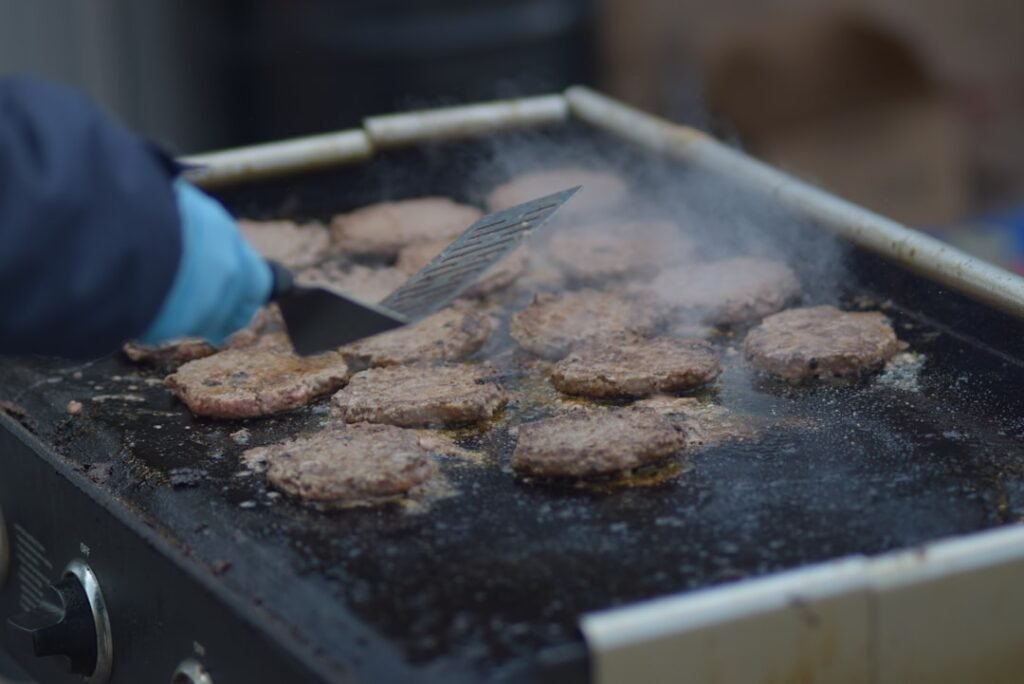
If you’re considering enhancing your outdoor cooking experience, you might find it beneficial to explore the features of an electric griddle, which can complement your outdoor grill kitchen perfectly. For a detailed review of one such option, check out this article on the Blackstone Electric Griddle, which highlights its nonstick surface and versatile cooking capabilities. You can read more about it here: Blackstone Electric Griddle Review.
Core Components: The Heart of Your Outdoor Kitchen
These are the absolute essentials that will make your outdoor kitchen functional.
The Grill: Your Culinary Centerpiece
This is undoubtedly the star of the show. There are numerous options, each with its own advantages.
Gas Grills
Often the most popular choice due to their convenience. They heat up quickly and offer precise temperature control. You’ll choose between natural gas (if you have a line run) or propane tanks. Natural gas is more convenient as you never run out, but requires professional installation. Look for features like multiple burners, side burners, and rotisserie kits. Stainless steel construction is a good indicator of durability.
Charcoal Grills
For the purists who love the smoky flavor and high heat. Charcoal grills require more time to heat up and more attention during cooking, but the taste they impart is undeniable. Options range from classic kettle grills to ceramic kamado grills, which are excellent for smoking and low-and-slow cooking.
Pellet Grills
A fantastic hybrid, combining the convenience of gas with the flavor of wood smoke. Pellet grills burn compressed wood pellets, offering excellent temperature control and the ability to smoke, grill, and even bake. They’re becoming increasingly popular for their versatility.
Specialty Grills and Appliances
Beyond the main grill, consider a built-in pizza oven for authentic pies, a smoker for tender meats, or even a griddle for breakfast duty. These additions significantly expand your outdoor culinary repertoire.
Countertops: Prep and Serve
You’ll need ample space for food preparation, plating, and serving.
Material Choices
The most common choices for outdoor countertops include granite, quartz, concrete, and stainless steel. Granite is durable and weather-resistant, offering a natural look. Quartz is also durable but can be susceptible to UV fading over time. Concrete offers a modern, industrial aesthetic and is highly customizable. Stainless steel is hygienic and withstands the elements well, often used in professional kitchens.
Practical Considerations
Think about durability, ease of cleaning, and resistance to heat and stains. Darker countertops can get very hot in direct sunlight, something to consider. Ensure you have enough counter space on either side of your grill for prep and landing hot items.
Storage: Keeping Things Organized
A well-designed outdoor kitchen needs smart storage solutions.
Cabinetry Options
Outdoor-rated cabinetry is crucial. Materials like marine-grade polymer, stainless steel, and sealed wood are excellent choices. Marine-grade polymer is incredibly durable, weather-resistant, and comes in various colors. Stainless steel offers a sleek, modern look and excellent longevity. Sealed hardwoods can also work but require more maintenance.
Drawers and Shelves
Consider drawers for utensils, grilling tools, and smaller items. Shelves are great for larger pots, pans, and serving ware. Ensure they are weather-sealed to protect contents from moisture and pests. Roll-out trash bins are also a highly practical addition.
Enhancing Your Experience: Beyond the Basics
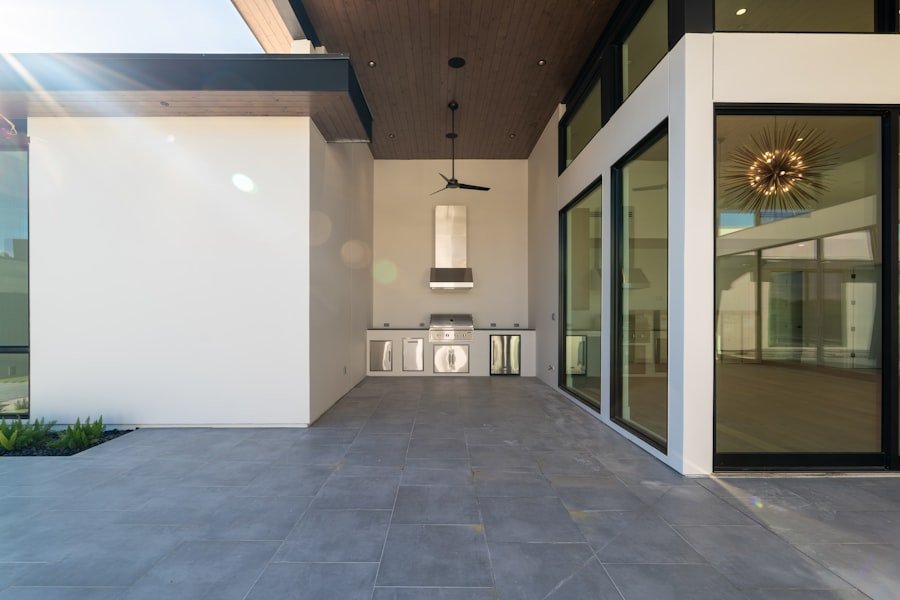
Once you have the core components covered, think about what will truly elevate your outdoor kitchen.
Utility Connections: Powering Your Paradise
This is a critical, often overlooked, aspect of outdoor kitchen design.
Gas Lines
If you opt for a natural gas grill, professional installation of a gas line is essential. This eliminates the need for propane tank refills and provides a consistent fuel source. Ensure it’s done to code by a licensed professional.
Electrical Outlets
You’ll need outdoor-rated electrical outlets for blenders, small appliances, lighting, and charging devices. Plan for several GFCI (Ground Fault Circuit Interrupter) protected outlets in convenient locations.
Water and Drainage
A sink in your outdoor kitchen is a game-changer for handwashing, rinsing produce, and general cleanup. You’ll need both a water supply line and a drainage system. Consider a hot water connection if you plan on doing a lot of dishwashing outdoors.
Refrigeration: Keeping Things Cool
An outdoor refrigerator or beverage cooler is a luxury that quickly becomes a necessity.
Outdoor-Rated Appliances
It’s crucial to use outdoor-rated refrigerators, as they are designed to withstand wider temperature fluctuations and environmental conditions. They come in various sizes, from compact beverage coolers to full-sized refrigerators.
Ice Makers and Beverage Centers
For the ultimate entertaining experience, an outdoor ice maker ensures you never run out of cubes. Beverage centers are also a popular addition, keeping drinks chilled and easily accessible without constantly opening the main fridge.
Lighting: Setting the Mood and Ensuring Safety
Good lighting serves both practical and aesthetic purposes.
Task Lighting
Overhead lighting or under-cabinet lights focused on your grill and prep areas are essential for cooking after dark. This ensures you can see what you’re doing and reduces the risk of accidents.
Ambient Lighting
String lights, path lights, and subtle uplighting can create a warm and inviting atmosphere. Consider dimmable options to adjust the mood.
Seating and Dining Areas: The Social Hub
An outdoor kitchen isn’t complete without a comfortable place to enjoy your culinary creations.
Bar Seating
Integrating a bar-height counter with stools creates a social hub where guests can chat with the chef. This is perfect for casual dining and appetizers.
Dining Tables and Chairs
If space permits, a dedicated dining table allows for more formal meals and comfortable long gatherings. Choose outdoor-rated furniture that can withstand the elements.
Materials and Durability: Built to Last

Your outdoor kitchen needs to endure the elements, so material selection is paramount.
Weather-Resistant Construction
Everything from your cabinetry to your fasteners should be designed for outdoor use. Look for marine-grade stainless steel hardware, weather-sealed joints, and materials that resist UV fading, moisture, and temperature changes.
Flooring Choices
Consider materials like pavers, stamped concrete, natural stone, or outdoor tile. They should be non-slip, easy to clean, and durable enough to handle spills and heavy foot traffic. Gravel or decomposed granite can work for a more rustic look but may require more maintenance.
Pest Control and Maintenance
Designing with pest control in mind can save you headaches. Seal any gaps in cabinetry, ensure proper drainage to avoid standing water (a mosquito breeding ground), and consider enclosing storage areas. Regular cleaning and maintenance of your appliances and surfaces will extend their lifespan and keep your outdoor kitchen looking its best.
If you’re considering enhancing your outdoor cooking experience, you might find it beneficial to explore the features of an electric smoker, which can complement your outdoor grill kitchen perfectly. For a detailed review of one such model, check out this insightful article on the electric smoker. This addition can elevate your culinary skills by allowing you to experiment with different smoking techniques, making your outdoor gatherings even more enjoyable.
Professional Help: When to Call in the Experts
| Feature | Specification |
|---|---|
| Grill Type | Gas, Charcoal, Pellet |
| Cooking Area | 500-1000 square inches |
| BTU Output | 20,000-60,000 BTU |
| Material | Stainless Steel, Cast Iron |
| Additional Features | Side Burner, Rotisserie, Warming Rack |
While some DIY is possible, certain aspects of an outdoor kitchen project are best left to professionals.
Gas, Electrical, and Plumbing
Always hire licensed and insured professionals for any gas, electrical, or plumbing work. Incorrect installations can be dangerous and costly to fix. They’ll ensure everything is up to code and safe.
Structural Elements and Permitting
If your outdoor kitchen involves significant structural changes, extensive built-in elements, or is attached to your home, you may need building permits. A contractor can help navigate these requirements and ensure your project complies with local regulations.
Design and Consultation
If you’re feeling overwhelmed or want a truly custom design, consider consulting with an outdoor living designer or landscape architect. They can help with layout, material selection, and overall aesthetic integration with your existing backyard.
Building the ultimate outdoor grill kitchen is an investment in your lifestyle, offering a fantastic space to cook, entertain, and relax. By carefully planning, choosing durable materials, and considering both functionality and aesthetics, you can create a backyard oasis that you’ll enjoy for years to come. It’s about more than just a place to cook; it’s about creating memories.