Ultimate Portable Campfire Grill: A Must-Have for Outdoor Cooking
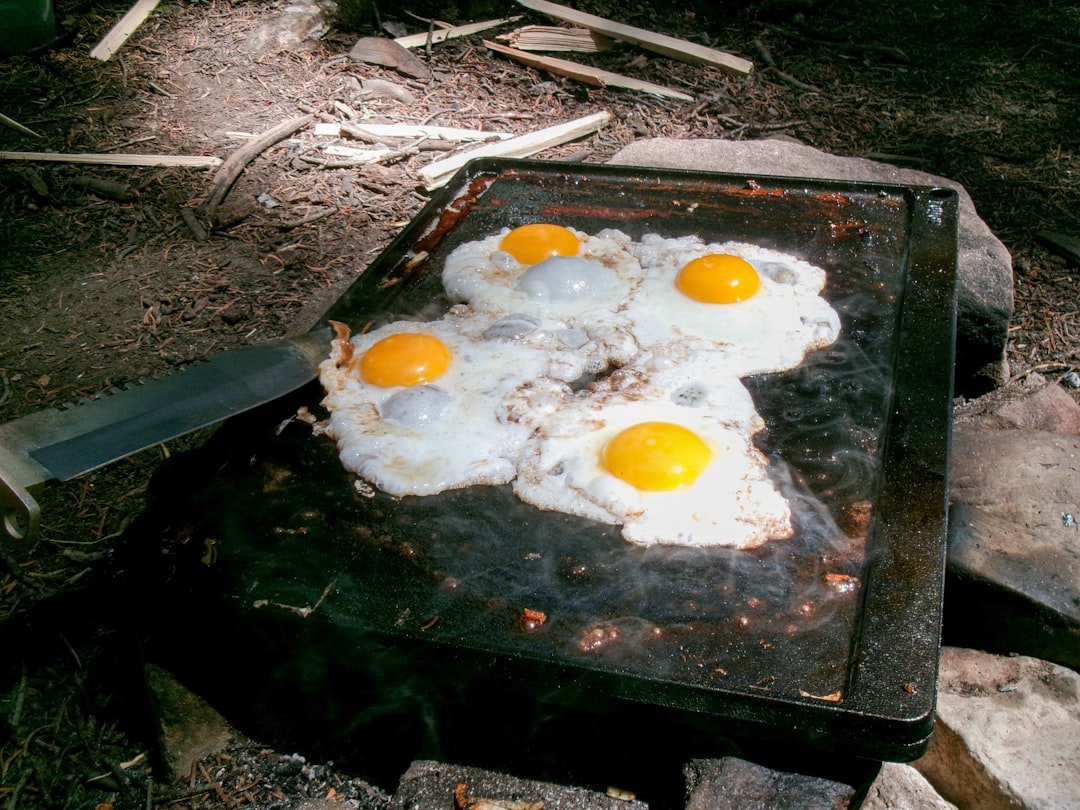
If you’re wondering whether a portable campfire grill is truly a “must-have” for outdoor cooking, the short answer is yes, if you enjoy cooking over an open flame and want more control and versatility than simply balancing food on sticks. It transforms a basic campfire into a functional, adaptable cooking station, making outdoor meals easier, safer, and much more enjoyable.
Think of it this way: a campfire is fantastic for warmth and ambiance. But try cooking anything beyond a marshmallow directly on the flames, and you’re quickly introduced to the challenges of uneven heat, dropped food, and ash-covered meals. A portable campfire grill solves these issues by providing a stable, elevated cooking surface. It’s essentially turning your campfire into a proper cooktop, allowing you to grill, boil, fry, or even bake with a Dutch oven, all over the same heat source.
Beyond the Basic Stick Roast
While hot dogs on sticks have their charm, a grill expands your culinary horizons significantly. You can grill steaks, chicken, fish, and vegetables with proper sear marks and even cooking. You can place pots and pans on it for simmering stews or boiling water for coffee. This versatility is what truly makes it a game-changer for anyone serious about outdoor cooking. It elevates the experience from mere sustenance to enjoyable, well-prepared meals.
Safety and Convenience Boost
Cooking directly on coals or flames can be unpredictable. A grill keeps your food elevated, reducing charring and the risk of burning. It also provides a stable platform, preventing pots from tipping over and spilling hot contents. This added safety, especially when cooking around children or in variable conditions, is a major advantage. Plus, the convenience of having a dedicated cooking surface means less fumbling and more focus on enjoying the outdoors.
If you’re considering enhancing your outdoor cooking experience, you might find it helpful to read about the benefits of using a portable campfire grill. For a detailed review of a high-quality option, check out this article on the stainless steel campfire grill grate. This resource provides insights into its durability, ease of use, and how it can elevate your camping meals, making it a great companion to any portable grill setup.
Key Features to Look for in a Portable Campfire Grill
Not all portable grills are created equal. To get the most out of your investment, consider these features carefully.
Material Matters: Durability and Heat Retention
The material of your grill dictates its longevity, weight, and how well it cooks.
Stainless Steel: The All-Rounder
Stainless steel is a popular choice for good reason. It’s highly resistant to rust and corrosion, making it durable for outdoor use. It’s also relatively easy to clean. While it might be a bit heavier than aluminum, its robust nature means it can handle high temperatures without warping and will last for many years with proper care. It also conducts heat evenly, which is crucial for good grilling.
Cast Iron: For the Serious Griller
If you’re after excellent heat retention and those perfect sear marks, cast iron is hard to beat. Once heated, it holds temperature exceptionally well, creating a consistent cooking surface. However, cast iron is heavy and requires more maintenance (seasoning) to prevent rust. It’s fantastic for car camping where weight isn’t an issue, but less ideal for backpacking.
Aluminum: Lightweight and Easy
Aluminum grills are typically the lightest option, making them great for backpacking or when weight is a primary concern. They heat up quickly but also lose heat quickly. While rust-resistant, they aren’t as durable as stainless steel or cast iron and can warp at very high temperatures. They’re often coated with non-stick surfaces, which can degrade over time with high heat.
Size and Portability: Matching Your Adventure
How you plan to transport and use your grill will heavily influence the size and design you choose.
Compact and Foldable: Backpacking Buddy
For hikers and backpackers, a grill that folds down small and weighs very little is paramount. Look for designs that collapse into a compact package, often with a carrying case. These are usually made from lighter materials like aluminum or thin stainless steel. While smaller, they still provide enough surface area for a couple of steaks or a small pot.
Medium-Sized for Car Camping: Versatile and Roomy
If you’re car camping, you have more leeway with size and weight. A medium-sized grill offers a larger cooking surface, allowing you to cook for a family or group. These often feature sturdy legs that fold out and might include additional features like hooks for utensils or a side prep area. They still pack down reasonably well but aren’t designed for strapping to a backpack.
Heavy-Duty and Large: Base Camp Beast
For dedicated base camps or backyard fire pits, a large, heavy-duty grill offers maximum cooking capacity and stability. These are often made from thicker steel or cast iron and can support multiple heavy pots or a large amount of food. Portability is less of a concern here, as they’re typically moved in a vehicle or kept semi-permanently in one spot.
Height Adjustment: The Secret to Heat Control
This is arguably one of the most important features for effective campfire cooking.
Multi-Level Legs: Simple and Effective
Many grills come with legs that allow for a couple of different height settings. This is a basic but effective way to control heat. Lower for searing, higher for slower cooking or keeping food warm. It’s a good entry-level option that offers decent flexibility.
Screw-Mechanism or Chain Adjustment: Precision Control
Some more advanced models feature a screw-mechanism or a chain system that allows for continuous, precise height adjustment. This is incredibly useful for fine-tuning your cooking temperature. You can raise or lower the grill in small increments, which is essential when dealing with unpredictable campfire heat. This feature is particularly valuable for baking in a Dutch oven or slow-cooking.
Swivel Design: Away from the Heat
Certain grills, especially those designed for permanent fire pits, might incorporate a swivel arm. This allows you to swing the grill away from the direct heat to check food, add fuel, or prevent overcooking without having to lift the entire structure. It adds a layer of convenience and safety.
Stability: A Non-Negotiable
A wobbly grill is a recipe for disaster. Ensure the design you choose offers excellent stability on uneven ground.
Sturdy Legs and Wide Base: Foundation First
Look for grills with robust legs that spread out to create a wide, stable base. Some designs have legs that stake into the ground, offering even more security. The thicker the material of the legs, the less likely they are to bend or collapse under weight.
Integrated or Separate Stand: Options for Different Needs
Some grills come with integrated legs that fold out, while others are designed to sit on a separate stand or directly on rocks around the fire. Integrated legs often offer better stability as they are part of a unified design. If using a separate stand, ensure it’s equally robust and compatible with your grill.
Types of Portable Campfire Grills
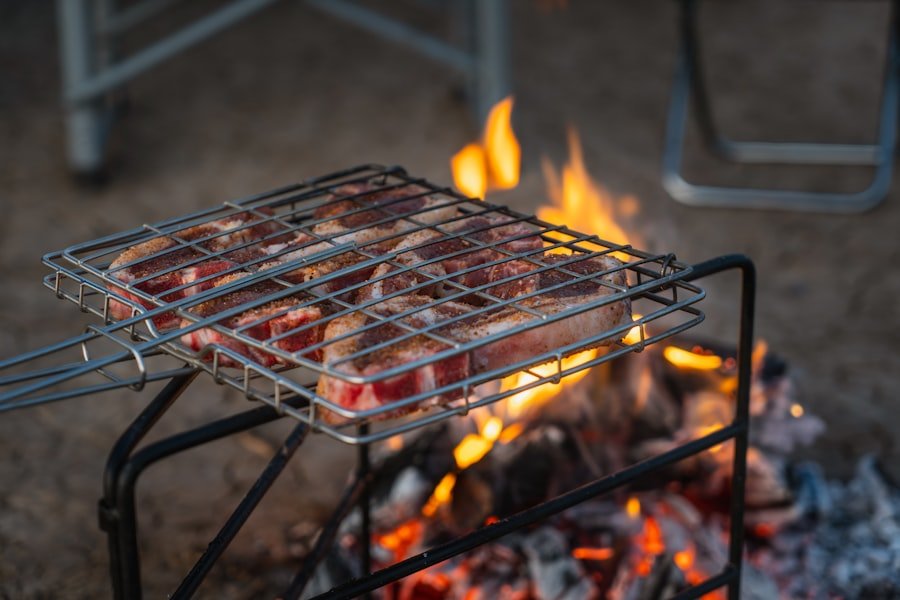
Understanding the different designs can help you narrow down your choices based on your specific needs.
Grate-Only Style: The Minimalist’s Choice
This is the simplest form – essentially just a metal grate with folding legs.
Pros: Lightweight, Compact, Affordable
Grate-only grills are incredibly light and fold down very small, making them perfect for backpacking or minimal setups. They are also generally the most affordable option. They do exactly what they say: provide a cooking grate.
Cons: Less Stable, Limited Features
Their minimalist design often means less stability on uneven ground. They typically lack height adjustment and other features, meaning you’re reliant on the fire’s natural heat distribution. They’re best for basic grilling and boiling.
Grill Grate with Integrated Legs: The Versatile Workhorse
This is probably the most common and popular style for general camping.
Pros: Good Balance of Portability and Stability, Often Height Adjustable
These grills offer a good compromise between portability and functionality. The integrated legs provide better stability than grate-only models, and many come with height adjustment features. They often fold flat for transport.
Cons: Can Still be Bulky, Not Always Backpacking-Friendly
While generally portable, some larger models might still be a bit bulky for dedicated backpackers. Weight can also be a factor depending on the material.
Grill Grate with Stake/Pole System: Adjustable and Adaptable
These grills feature a grate that attaches to a central pole or stake driven into the ground.
Pros: Excellent Height Adjustment, Can Swivel, Very Stable When Staked
The stake system allows for very precise height adjustment and often enables the grill to swivel away from the fire. When properly staked, they are incredibly stable. This design is great for managing hot spots.
Cons: Requires Soft Ground for Staking, Can be More Complex to Set Up
The obvious drawback is the need for soft ground to drive the stake into. If you’re camping on solid rock, this style won’t work. Setup can also be a bit more involved than just unfolding legs.
Over-the-Fire Pit Grills: The Permanent Solution
These are typically heavier, more robust grills designed to sit over a dedicated fire pit, often found in established campsites or backyards.
Pros: Maximum Stability, Large Cooking Surface, Often Multi-Functional
These are built for heavy use and offer the largest cooking surfaces. They are very stable and can often support significant weight. Some include hooks for hanging pots or rotisserie attachments.
Cons: Not Portable for Camping, Heavy and Bulky
As the name suggests, these are not designed for portability. They are too heavy and bulky to take camping unless you have a very specific, permanent base camp setup.
Getting the Most Out of Your Portable Campfire Grill
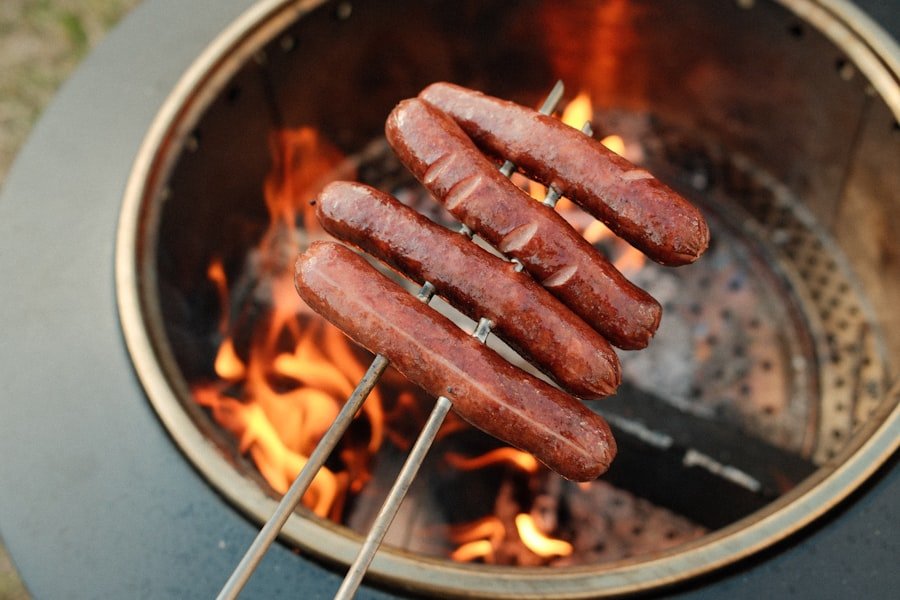
Having the right grill is just the first step. Knowing how to use it effectively will make all the difference.
Fire Management: The Art of Even Heat
The campfire itself is your heat source, and managing it properly is crucial for successful grilling.
Coals vs. Flames: Know Your Heat Zones
Direct flames are good for quick searing, but primarily you want to cook over hot coals. Coals provide a more consistent, even heat. Aim to build your fire to produce a good bed of coals before you start cooking. Keep some wood burning on the side to replenish your coal bed as needed.
Spreading the Love: Distributing Coals
Once you have a good amount of coals, spread them out evenly under your grill for consistent heat. For multi-zone cooking (e.g., searing on one side, keeping warm on the other), you can arrange coals thicker in one area and thinner in another.
Feeding the Fire: Maintaining Temperature
Don’t let your fire die down entirely. Gradually add small pieces of wood to the edges of your coal bed to maintain a steady temperature. Avoid adding large logs directly under the grill while cooking, as this can create too much smoke and uneven heat.
Essential Accessories: Enhancing Your Setup
A few key tools will make your grilling experience smoother.
Tongs and Spatula: The Basics
Long-handled tongs and a sturdy spatula are indispensable for safely handling food over an open flame. Look for heat-resistant materials.
Heat-Resistant Gloves: Safety First
Protect your hands from intense heat and errant sparks. Good quality, heat-resistant gloves are a must-have for adjusting logs, coals, or the grill itself.
Grill Brush and Scraper: Keeping it Clean
Cleaning your grill after each use not only extends its life but also prevents food from sticking. A wire brush and scraper will make this job much easier.
Carrying Bag/Case: Protection and Portability
Many grills come with a dedicated carrying bag, which protects the grill during transport and keeps your other gear clean from soot. If yours doesn’t, consider finding a durable bag that fits it well.
Cleaning and Maintenance: Longevity is Key
Proper care will ensure your grill serves you for many adventures.
Clean After Every Use: Prevent Buildup
As soon as the grill cools down, clean off any food residue. A grill brush and some elbow grease usually do the trick. For stubborn bits, you can soak it in hot, soapy water if the material allows (avoid cast iron for prolonged soaking).
Seasoning Cast Iron: The Rust Blocker
If you have a cast iron grill, it’s crucial to season it regularly. This involves applying a thin layer of cooking oil and baking it at a high temperature. This creates a non-stick surface and protects against rust.
Dry Thoroughly: The Rust Enemy
Before storing, ensure your grill is completely dry. Moisture is the number one cause of rust, especially for steel and cast iron. If possible, let it air dry in the sun, or wipe it down thoroughly.
Proper Storage: Ready for the Next Trip
Store your grill in a dry place, preferably in its carrying bag. This protects it from dust, moisture, and accidental damage.
If you’re considering enhancing your outdoor cooking experience, you might find the portable campfire grill to be an excellent addition to your gear. Not only does it provide a convenient way to grill your favorite foods, but it also complements other outdoor cooking appliances. For instance, you can read about the benefits of using a digital electric smoker in this insightful article on the Masterbuilt 40-Inch Digital Electric Smoker, which highlights how it can elevate your culinary adventures while camping or hosting backyard gatherings.
Common Mistakes to Avoid
| Feature | Description |
|---|---|
| Material | Stainless steel |
| Size | Compact and portable |
| Weight | Lightweight, easy to carry |
| Cooking Area | Enough space for grilling |
| Assembly | Easy to set up and dismantle |
Even experienced campers can fall into these traps.
Not Cleaning Thoroughly
Leaving food residue on your grill not only makes the next cleanup harder but can also attract pests, harbor bacteria, and lead to rust. It can also impart unwanted flavors to your next meal.
Overcrowding the Grill
Resist the urge to throw everything on at once. Overcrowding lowers the grill’s temperature, leads to uneven cooking, and makes it difficult to flip or move items. Cook in batches if necessary.
Forgetting Fire Safety
Always be mindful of fire safety. Keep a bucket of water or a shovel nearby, never leave a fire unattended, and ensure your fire is completely out before leaving your campsite. The grill itself will get very hot, so handle with care.
Lack of Heat Management
Just plunking food onto a grill over roaring flames rarely yields good results. Take the time to build a proper coal bed and adjust the grill height or coal distribution to achieve the desired cooking temperature. Patience here pays off in delicious meals.
In conclusion, a portable campfire grill isn’t just another gadget; it’s an essential tool for anyone who loves cooking outdoors. It elevates the simple act of cooking over a fire into a refined, enjoyable culinary experience, offering control, versatility, and safety that traditional campfire cooking simply can’t match. Choose wisely, care for it well, and your ultimate portable campfire grill will open up a world of delicious outdoor meals.