Indoor Barbecue Grills: Bringing the BBQ Experience Inside
Ever wonder if you could get that smoky, grilled flavor without having to brave the elements? The short answer is yes, you absolutely can! Indoor barbecue grills are a game-changer, letting you enjoy the taste of a backyard cookout from the comfort of your kitchen, rain or shine. They’ve come a long way from just glorified George Foreman-style appliances and now offer a genuinely satisfying grilling experience indoors.
Let’s face it, outdoor grilling isn’t always practical. Weather can be a big deterrent, from freezing winters to scorching summers or unexpected downpours. Living in an apartment or condo often means no outdoor space, or restrictions on open flames. Indoor grills sidestep all these issues, opening up a world of grilling possibilities regardless of where you live or what the forecast says.
Weather-Proof Feasts
Imagine having perfectly seared steaks in December, or grilled vegetables in a July heatwave without breaking a sweat (or freezing your fingers off). Indoor grills make this a reality. No more cancelled BBQ plans due to a sudden shower or the onset of winter. You get that consistent grilling satisfaction year-round.
Apartment-Friendly Options
For city dwellers or folks in smaller living spaces, an outdoor grill simply isn’t an option. Indoor grills provide a fantastic alternative, allowing you to enjoy grilled favorites without violating lease agreements or fire safety codes. Many models are compact and easy to store, making them ideal for smaller kitchens.
Convenience and Control
Grilling outside often means trips back and forth for ingredients, tools, and keeping an eye on the food. With an indoor grill, everything is right at hand. You also have more precise temperature control compared to many charcoal grills, leading to more consistent results and less guesswork.
If you’re considering enhancing your outdoor cooking experience, you might find our article on the Black+Decker Fire Pit particularly interesting. This review delves into the features and benefits of using a fire pit for outdoor grilling and entertaining, making it a great complement to indoor barbecue grills. To read more about it, visit this link.
Different Types of Indoor Grills Explained
Indoor grills aren’t a one-size-fits-all category. There are several distinct types, each with its own quirks, benefits, and ideal uses. Understanding these differences will help you choose the right fit for your home and grilling habits.
Electric Contact Grills (Clamshell Style)
These are probably what most people think of when they hear “indoor grill.” They feature two heated plates that cook food from both sides simultaneously. Think George Foreman, but many modern versions offer far more versatility.
- How They Work: Food is placed between two non-stick heating plates that clamp together, cooking both sides at once. Grease and drippings typically fall into a removable tray below.
- Best For: Quick cooking of thinner items like chicken breasts, burgers, paninis, and vegetables. They excel at creating those characteristic grill marks.
- Pros: Fast cooking, less flipping, often compact and easy to store, generally straightforward to clean. Many have adjustable top plates to accommodate thicker cuts.
- Cons: Can press out some juices from meats if not used carefully, limited surface area on smaller models, doesn’t offer true ‘open grill’ sensation.
Electric Open Grills (Griddles with Grill Plate Option)
These resemble traditional outdoor grills more closely, often featuring a flat heating element with a griddle-style plate or an interchangeable grill grate. They cook food from one side, requiring you to flip.
- How They Work: Food rests on a heated grilling surface (often non-stick cast aluminum or ceramic). Heat emanates from below, mimicking a grill grate. Some models come with a lid, others are open. Heating elements can be embedded or coiled beneath the grate.
- Best For: Steaks, fish fillets, skewers, corn on the cob, and anything you’d typically manage on an outdoor grill. Good for larger cuts or multiple items at once.
- Pros: More traditional grilling experience, allows for more control over searing and browning, often larger cooking surfaces than contact grills, some can double as griddles.
- Cons: Requires flipping, can produce more smoke than contact grills due to open design, might take up more counter space.
Infrared Indoor Grills
These are a newer, more advanced option that use infrared technology for cooking. They’re designed to reach extremely high temperatures and cook very efficiently.
- How They Work: Instead of direct contact or coil heat, infrared grills use powerful infrared heating elements that radiate intense heat directly to the food. This heat is less susceptible to air currents, leading to more even cooking. Some models have elements above the food for searing, often referred to as “broiler-style.”
- Best For: Achieving a restaurant-quality sear on steaks and chops, cooking thicker cuts quickly and evenly, retaining juices.
- Pros: Intense, even heat, excellent searing capabilities, often very efficient, can cook food faster.
- Cons: Can be more expensive, less common in the indoor grill market, may require a bit of a learning curve to master the high heat.
Stovetop Grills
These are simple grill pans designed to be used on your existing stovetop. While not technically “electric grills,” they offer a similar indoor grilling experience.
- How They Work: A cast iron or aluminum pan with raised ridges is heated directly on a gas or electric stovetop burner. The ridges create grill marks and allow fat to drain away.
- Best For: Convenient, occasional grilling of smaller items. Great for vegetables, thin cuts of meat, or achieving a quick sear.
- Pros: Inexpensive, no extra electricity needed, easy to store (like a regular pan), works with existing kitchen equipment.
- Cons: Can produce a lot of smoke without proper ventilation, heat distribution might be uneven depending on the stovetop, less precise temperature control, requires more manual labor (flipping, watching heat).
Choosing Your Ideal Indoor Grill: What to Consider
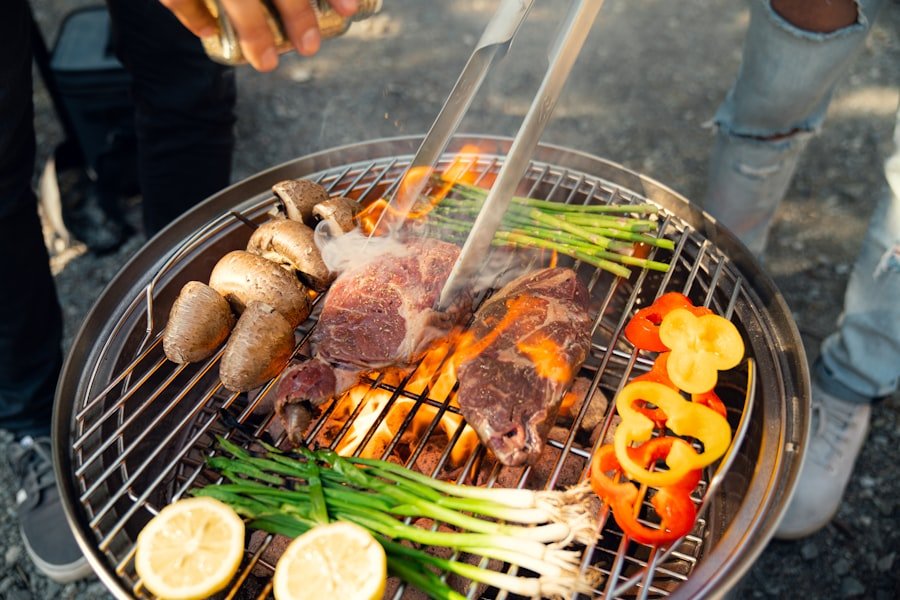
With so many types available, how do you pick the right one? It comes down to understanding your specific needs, cooking habits, and kitchen setup.
Cooking Surface Area and Capacity
Consider how many people you typically cook for. A small contact grill might be fine for one or two people, but if you’re feeding a family or entertaining, you’ll want a larger open grill or a contact grill with a generous cooking surface.
- Small (e.g., 60-100 sq inches): Ideal for singles or couples, quick meals, limited counter space.
- Medium (e.g., 100-150 sq inches): Good for 2-4 people, moderate meal prep.
- Large (e.g., 150+ sq inches): Suitable for families, entertaining, batch cooking.
Temperature Control and Settings
Precise temperature control is key to good grilling. Look for models with adjustable thermostats, multiple heat settings, or even specific temperature readouts. This allows you to go from a gentle warm to a high sear, ensuring your food is cooked perfectly.
- Adjustable Thermostat: Essential for versatility, letting you cook a range of foods.
- Preheat Indicators: Handy lights that tell you when the grill has reached the desired temperature.
- Specific Temperature Readouts: For advanced control and consistent results, especially for delicate items.
Smoke Management and Ventilation
This is a big one for indoor grilling. While no electric grill produces the intense smoke of charcoal, they will generate some vapor and aroma as food cooks. Good ventilation is crucial.
- Built-in Fans: Some models feature active smoke extraction systems that pull smoke and odors down into a water tray or filter. These are often labeled “smokeless grills.”
- Removable Drip Trays: While not directly for smoke, these catch grease which, when burned, is a primary source of smoke. Easy-to-remove trays help reduce this.
- Kitchen Hood: A good overhead range hood is your first line of defense against cooking odors and steam, regardless of the grill type.
- Window Ventilation: Opening a window near your cooking area can also help, especially for stovetop grills.
Ease of Cleaning
Grilled food is delicious, but the cleanup can be a pain. Look for features that make the process as smooth as possible.
- Non-stick Surfaces: A must-have for easy food release and wipe-down.
- Removable Grill Plates: Plates that can be detached and put in the dishwasher are a huge time-saver.
- Dishwasher-Safe Parts: Drip trays, spatulas, and other accessories are a bonus if they can go in the dishwasher.
- Grease Run-Off Channels: Efficient channels and large drip trays minimize pooling grease on the cooking surface.
Additional Features to Consider
Beyond the basics, some features can enhance your grilling experience.
- Floating Hinge (Contact Grills): Allows the top plate to adjust to the thickness of your food, ensuring even pressure and cooking.
- Interchangeable Plates: Some models offer reversible plates (grill on one side, griddle on the other) or specialized plates for waffles, etc., adding versatility.
- Timers: Built-in timers can help prevent overcooking.
- Power Cord Length: A seemingly minor detail, but crucial for placement on your counter.
- Footprint and Storage: How much counter space will it occupy, and how easy is it to store when not in use?
Getting the Best Results: Tips for Indoor Grilling
Just like outdoor grilling, there’s a little finesse involved in getting the most out of your indoor setup. These tips will help you achieve delicious, juicy, and perfectly cooked food every time.
Preheat Thoroughly
Don’t rush the preheating process. A fully preheated grill surface is essential for good searing and preventing food from sticking. Wait for the indicator light (if any) or give it a good 5-10 minutes to reach its target temperature.
Don’t Overcrowd the Grill
This is a common mistake. Putting too much food on the grill at once drops the surface temperature significantly, leading to steaming instead of searing. Cook in batches if necessary, allowing enough space around each item for even heat distribution.
Mind Your Marinades and Oils
While marinades add flavor, excessive drippy marinades can cause smoking and flare-ups (even on an electric grill, liquid hitting a hot element can vaporize quickly). Pat dry marinated items before grilling. Use only a light brush of high-smoke point oil directly on the food or the grill plates, not dousing everything. Avoid butter for cooking, as it burns easily.
Ventilation is Key
Even with “smokeless” grills, you’ll still get some steam and food aromas. Always use your kitchen’s range hood. If you don’t have one, open a nearby window and consider a fan to create cross-ventilation. This isn’t just about smell; it’s about managing humidity and preventing any lingering cooking odors.
Clean As You Go (Carefully!)
A clean grill performs better. For contact grills, often a quick wipe-down with a damp cloth or paper towel immediately after cooking while still warm (but unplugged!) can save a lot of scrubbing later. For open grills, a dedicated grill brush (nylon bristles for non-stick) can help. Always refer to your manufacturer’s cleaning instructions.
If you’re considering enhancing your grilling experience, you might find it helpful to explore the features of indoor barbecue grills. These versatile appliances can bring the joy of outdoor cooking right into your kitchen, allowing you to enjoy grilled meals year-round. For a deeper understanding of different grilling options, check out this insightful article that reviews the Traeger Pro 780 grill, which offers a unique blend of technology and flavor that can elevate your culinary skills.
Beyond Meat: What Else Can You Grill Indoors?
| Brand | Model | Price | Size | Power |
|---|---|---|---|---|
| Weber | Q1400 | 199 | 189 sq in | 1560 W |
| George Foreman | GGR50B | 69 | 240 sq in | 1600 W |
| Cuisinart | GR-4N | 79 | 100 sq in | 1500 W |
Indoor grills aren’t just for burgers and chicken. They’re incredibly versatile and can be used to prepare a wide array of delicious dishes.
Vegetables Galore
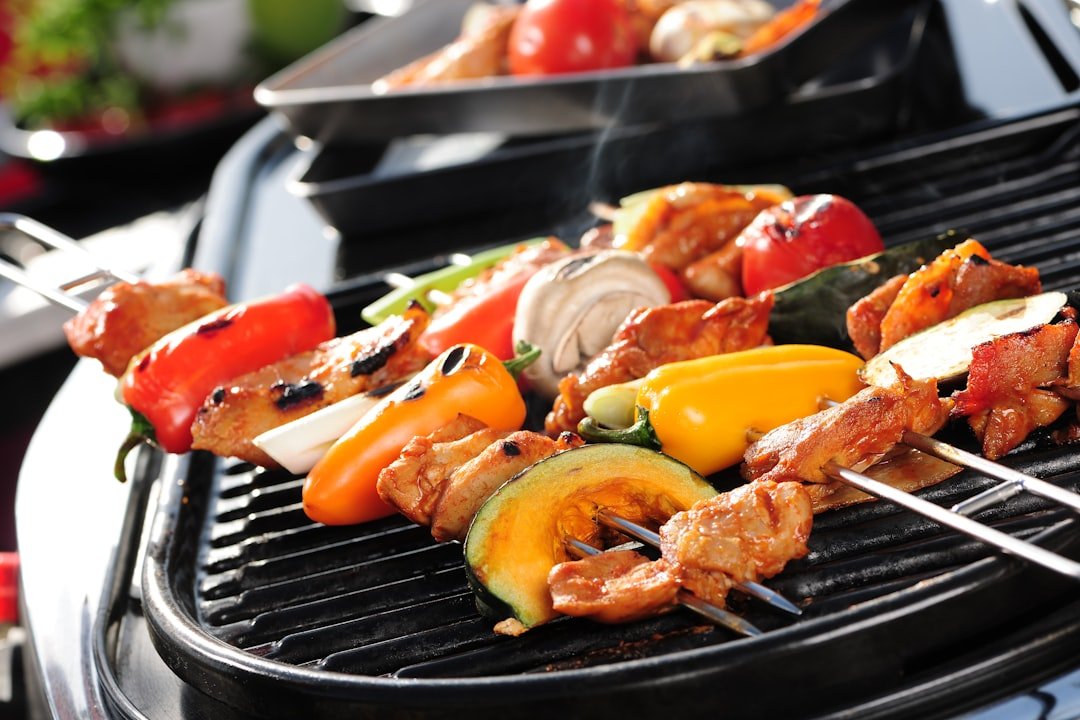
Grilling vegetables brings out their natural sweetness and gives them a wonderful smoky char. Think asparagus, bell peppers, zucchini, eggplant, corn on the cob, onions, and even potatoes (pre-boiled for best results). A simple toss with olive oil, salt, and pepper is often all you need.
Seafood Delights
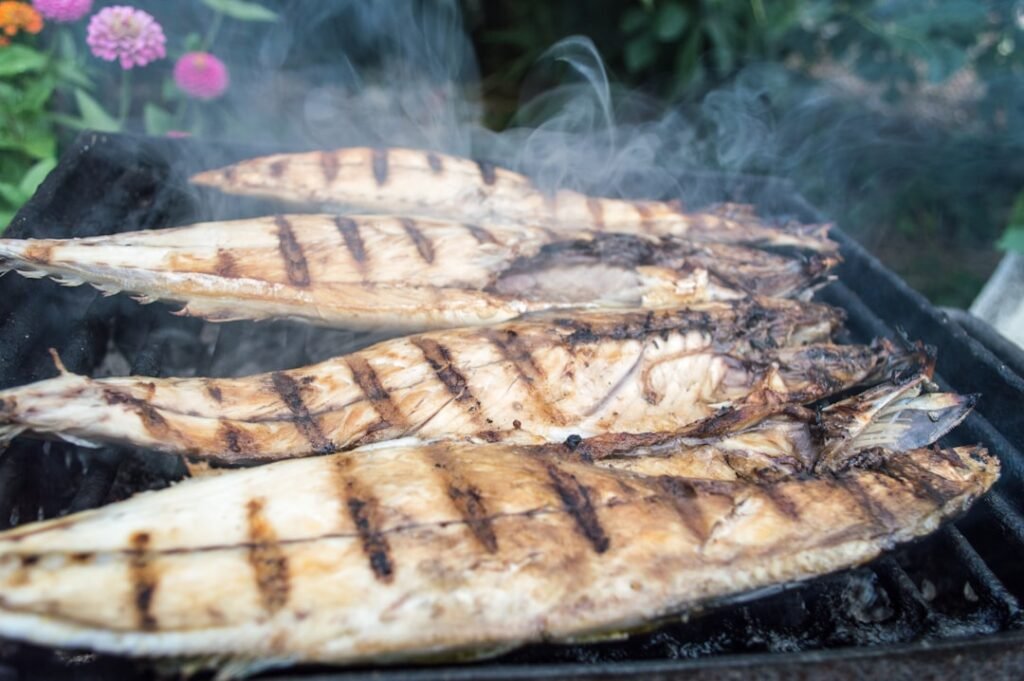
Delicate fish fillets (salmon, cod, tilapia), shrimp, scallops, and even squid can be perfectly cooked on an indoor grill. The key is not to overcook them. Their quick cooking time makes them ideal for contact grills or open grills with good temperature control.
Fruit for a Sweet Finish
Grilled fruit is a surprisingly delicious treat. Pineapple slices, peaches, bananas (especially great with a drizzle of honey and a scoop of ice cream), or apple slices can all develop a lovely caramelized flavor and attractive grill marks.
Sandwiches and Paninis
Electric contact grills excel at making perfectly pressed and toasted sandwiches and paninis. Load them up with cheese, deli meats, and veggies for a quick and satisfying meal.
Pizza and Flatbreads
Smaller pizzas or flatbreads can get a fantastic crispy crust and even some grill marks on an open indoor grill. Pre-bake the dough slightly to prevent sticking.
The Future of Indoor Grilling: Innovation on the Horizon
The indoor grilling market is continually evolving. We’re seeing more sophisticated designs, better materials, and features aimed at making the indoor grilling experience even more authentic and convenient.
Enhanced Smoke Capture
Manufacturers are investing heavily in improving built-in smoke extraction systems, employing stronger fans and more efficient filtration to make truly “smokeless” grilling a reality, even with fattier meats.
Smart Features and Connectivity
Expect more grills with app control, pre-set programs for different types of food, precise temperature monitoring via Bluetooth, and even integration with smart kitchen ecosystems. This could mean perfectly cooked food with minimal guesswork.
Higher Performance Heating Elements
Advances in heating technology will lead to grills that heat up faster, maintain more consistent temperatures across the entire surface, and achieve hotter searing temperatures, rivaling some outdoor gas grills. Infrared technology will likely become more prevalent.
Sustainable and Durable Materials
As consumers become more environmentally conscious, we’ll see more grills made with durable, long-lasting materials and non-toxic, PFOA-free non-stick coatings.
Indoor barbecue grills are no longer a novelty; they’re a legitimate and convenient way to enjoy the flavors of the grill year-round, right in your own kitchen. With the right choice and a few practical tips, you can elevate your home cooking and bring that irresistible BBQ experience indoors, no matter the weather.