Top Outdoor Kitchen Materials for Your Dream Backyard
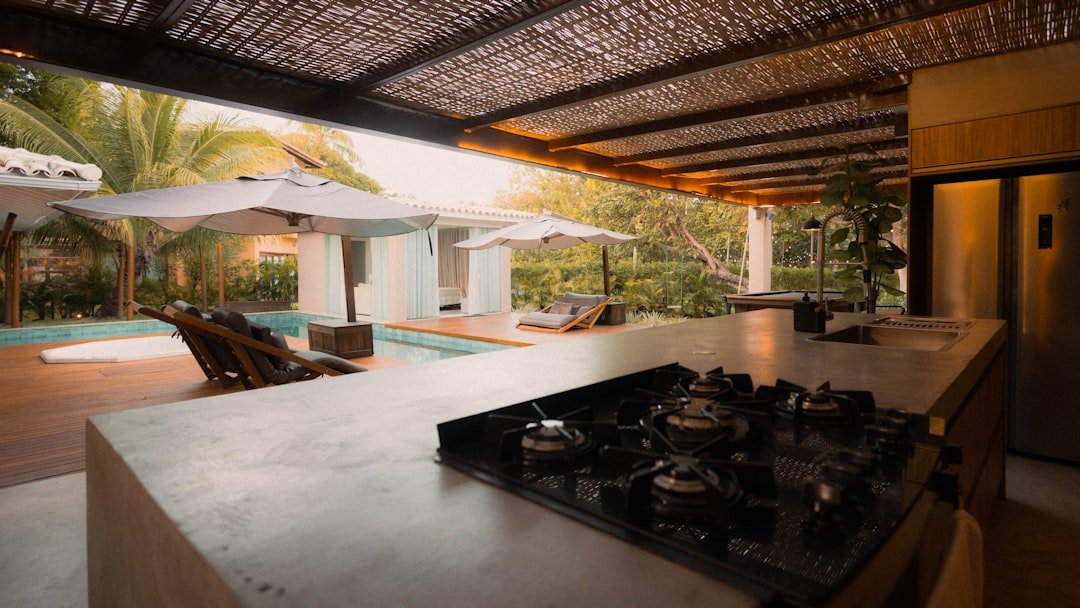
So, you’re dreaming about that perfect outdoor kitchen? Maybe you’re picturing smoky grilled dinners with friends, leisurely Sunday brunches under the sun, or just a genuinely fantastic spot to whip up a quick meal without being cooped up inside. That’s awesome! But one of the biggest questions you’ll bump into is: what in the world are these things made of? Choosing the right materials is key – it’s what keeps your kitchen looking good, standing up to the weather, and functioning smoothly for years to come.
You’re probably thinking, “Can my kitchen even survive the rain, sun, and snow?” The short answer is yes, if you pick the right stuff. Forget about flimsy plastic or wood that warps after one soggy summer. We’re talking about materials that are built to last, look great, and handle whatever Mother Nature throws at them. So, let’s dive into the nitty-gritty of what makes a great outdoor kitchen.
When you think of outdoor kitchens, stone probably comes to mind. And for good reason! It’s a classic for a reason: it’s incredibly durable, looks fantastic, and can be styled in so many ways. Plus, it’s a natural material, which for many people, just feels right for an outdoor space.
Granite: The Resilient Workhorse
Granite is a superstar in the outdoor kitchen world. It’s a hard, igneous rock that’s pretty much impervious to scratches, stains, and heat. Think about it: it can handle a hot pot straight off the grill without flinching.
Weather Resistance
Granite is naturally resistant to things like UV rays (so it won’t fade), rain, and freezing temperatures. It’s a tough cookie that can handle a wide range of climates. You won’t have to worry about it cracking or discoloring from harsh sun or frost.
Maintenance Needs
One of the best things about granite is its low maintenance. You’ll want to seal it periodically, maybe once a year or every couple of years, depending on the sealant used and how much you use your kitchen. This just helps prevent staining. Otherwise, a good wipe-down with soap and water is usually all you need. It’s not going to demand a whole lot of your time.
Design Versatility
This is where granite really shines. It comes in an astonishing array of colors and patterns. From deep blacks and creamy whites to vibrant blues and earthy greens, you can find granite that perfectly complements your existing backyard aesthetic or completely transforms it. The natural veining and speckling give each slab a unique character, meaning your counter or base will be one-of-a-kind.
Natural Stone Veneer: The Aesthetic Appeal
While full granite countertops are great, sometimes you want that stone look for your cabinets or structure without the full expense or weight. That’s where natural stone veneer comes in. It’s a thinner layer of real stone that gives you the same gorgeous aesthetic but with more flexibility.
Cladding Applications
Stone veneer is perfect for cladding the exterior of your outdoor kitchen island, walls, or even columns. It creates a seamless, built-in look that feels incredibly high-end and solid. It’s a fantastic way to tie your outdoor kitchen into the natural landscape of your yard.
Installation Considerations
Installation usually involves adhering the veneer to a sturdy backing material, like concrete board, using a specialized adhesive. While it’s generally easier than installing full stone blocks, it still requires proper preparation and technique to ensure it lasts. If you’re handy, it can be a DIY project, but many opt for professional installation for a flawless finish.
Durability and Longevity
When installed correctly, stone veneer is very durable. It’s essentially stone, so it shares many of the same resilience qualities. It can withstand the elements and continue to look beautiful for decades. It’s a material that ages gracefully.
Slate: For a Unique, Sophisticated Look
Slate offers a different kind of elegance. It has a naturally cleft surface and comes in beautiful muted tones, often with subtle variations in color within a single piece. It’s a bit more rustic and sophisticated than granite, depending on how it’s used.
Heat and Weather Resistance
Slate is excellent at handling heat, making it suitable for areas around grills. It’s also naturally weather-resistant, though some types of slate can be more porous than others, so sealing becomes a bit more important for stain prevention. Frost resistance is generally good too.
Surface Texture and Feel
The natural cleft surface of slate provides a unique texture that can be quite appealing. It offers a bit of natural slip resistance, which is a nice bonus in an outdoor setting. It feels substantial and grounded.
Maintenance and Sealing
Like granite, slate benefits from periodic sealing to protect against stains and moisture. The frequency will depend on the type of slate and the sealant used. Cleaning is typically straightforward with mild soap and water.
Stainless Steel: The Modern, Sleek Performer
If your style leans more modern, or if you’re after that professional kitchen vibe, stainless steel is your go-to. It’s incredibly practical, easy to clean, and gives off a clean, professional look that’s hard to beat for an outdoor space.
The Advantages of Stainless Steel
Stainless steel is a fantastic material for outdoor kitchens because it’s designed to withstand harsh environments. It’s non-porous, rust-resistant (especially when you choose the right grade), and has a sleek, contemporary look.
Ranging Grades for Durability
Not all stainless steel is created equal. For outdoor kitchens, you’ll want to look for marine-grade or 304 stainless steel. This grade has a higher nickel and chromium content, making it much more resistant to corrosion, especially in coastal or humid environments. Cheaper grades might look good initially, but they can spot and rust over time.
Ease of Cleaning and Sanitation
This is where stainless steel truly excels. Its non-porous surface means spills and grime don’t soak in. A quick wipe with a damp cloth and a mild cleaner is usually all it takes to keep it spotless. This makes it incredibly hygienic and practical for preparing food.
Resistance to Rust and Corrosion
While all steel can rust under certain conditions, the higher grades of stainless steel are remarkably resistant. Proper cleaning and maintenance, like avoiding abrasive cleaners or steel wool that can scratch the surface and create rust points, will help maintain its appearance and longevity.
Applications in Outdoor Kitchens
Stainless steel can be used for just about every component of your outdoor kitchen, from the cabinets and countertops to the appliances themselves.
Countertops and Work Surfaces
Stainless steel countertops are incredibly functional. They’re durable, hygienic, and have a cool, modern feel. They can handle anything you throw at them, literally.
Cabinetry and Doors
Stainless steel cabinets offer a sleek and unified look for your outdoor kitchen. They are extremely durable and easy to clean, making them a practical choice for storing your outdoor cooking essentials. They also provide excellent protection against pests.
Built-in Grills and Appliances
Many high-end outdoor grills and appliances are constructed from stainless steel. This ensures they can withstand the elements and match the rest of your kitchen’s aesthetic. It’s a cohesive look that screams professional.
Wear and Tear Considerations
While durable, stainless steel can get scratched. It’s a material that shows signs of use, which some people find adds character, while others prefer to maintain a pristine look. The grade of the steel will also impact its resistance to dents and dings. Regular cleaning with the right products will help minimize superficial scratches.
Concrete: Customizable and Modern
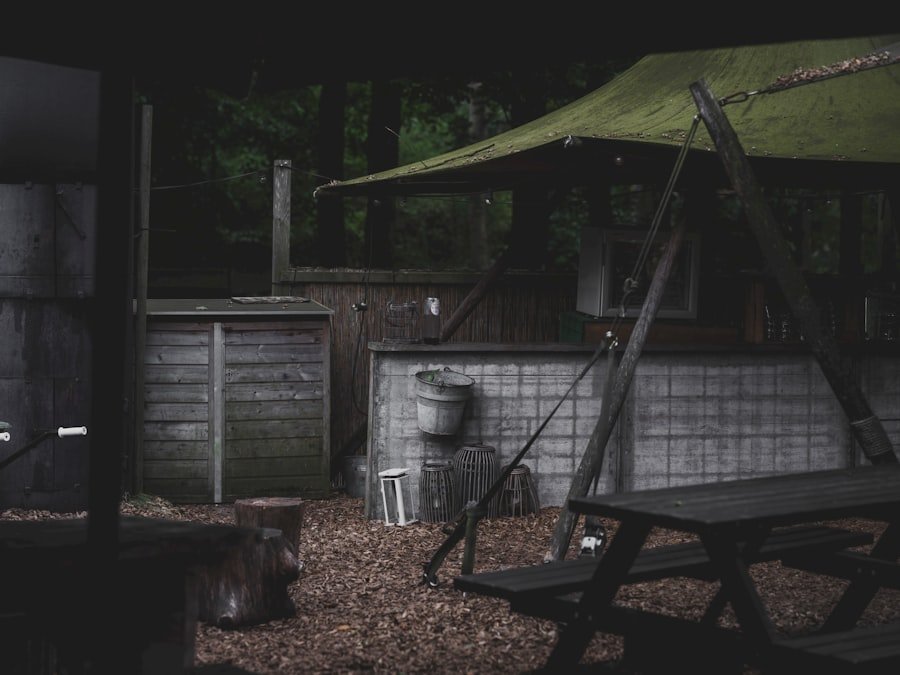
Concrete might not be the first material that springs to mind for a dream kitchen, but it’s become a seriously popular option for outdoor spaces. It’s incredibly versatile, can be shaped and colored in just about any way you can imagine, and offers a unique, modern aesthetic.
The Versatility of Concrete
Concrete isn’t just grey and boring anymore. Modern techniques allow for a huge range of finishes, colors, and textures, making it a highly customizable material for your outdoor kitchen.
Custom Shaping and Molds
One of the biggest advantages of concrete is its ability to be cast into virtually any shape. This means you can have custom-designed countertops with integrated sinks, unique bar tops, or even built-in seating. You’re not limited by standard sizes or forms.
Color and Finish Options
Forget drab grey. Concrete can be pigmented to match your desired color palette. You can also achieve various finishes, from smooth and polished to rough and textured. This allows for a truly bespoke look that can be seamlessly integrated into your backyard design.
Durability and Strength
When properly mixed, poured, and cured, concrete is exceptionally strong and durable. It can withstand heavy use, extreme temperatures, and the elements. It’s a material that’s built to last, and with the right sealants, it can be highly resistant to stains and water.
Sealing and Maintenance for Longevity
Concrete’s porous nature means sealing is crucial for its outdoor kitchen application. Without proper sealing, it can absorb stains from food, grease, and other spills, and be susceptible to freeze-thaw cycles.
Importance of Proper Sealing
A good quality sealant will create a barrier that protects the concrete from moisture, stains, and etching from acidic substances. Different types of sealants offer varying levels of protection and finishes, so it’s worth researching what’s best for your specific needs.
Regular Cleaning and Re-sealing Practices
Regular cleaning with pH-neutral cleaners is important to maintain the sealant and prevent damage. You’ll also need to re-apply sealant periodically, typically every 1-3 years, depending on the sealant type and the exposure your kitchen experiences. This is an ongoing but manageable part of concrete ownership.
Potential for Cracking
While durable, concrete can crack over time, especially with extreme temperature fluctuations or if not properly reinforced. Good construction practices and expansion joints can help mitigate this, but it’s something to be aware of. It’s always wise to consult with experienced concrete contractors.
Tile: Decorative and Functional Options
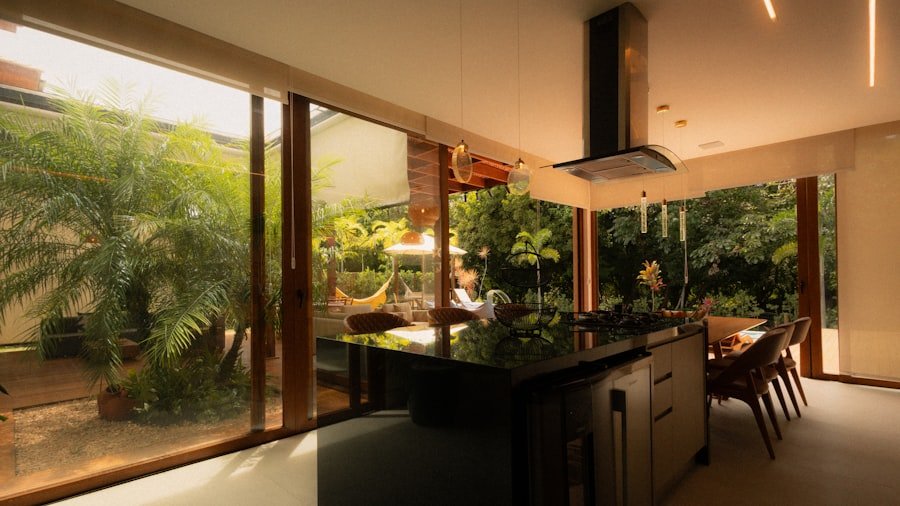
Tile is a fantastic choice for outdoor kitchens because it offers both incredible aesthetic appeal and practical functionality. It’s durable, easy to clean, and comes in a vast array of styles, colors, and patterns to suit any design.
Ceramic and Porcelain Tiles: The Go-To Choices
Ceramic and porcelain tiles are the most common and reliable options for outdoor kitchen applications. They hit a sweet spot between beauty, durability, and cost.
Frost Resistance and Freeze-Thaw Cycles
For outdoor use, it’s absolutely critical to choose tiles that are frost-resistant. Porcelain tiles, in particular, are fired at higher temperatures and are denser, making them less porous and thus more resistant to damage from freezing and thawing. Ceramic tiles can also be suitable if they are specifically rated for exterior use and are denser varieties. Always check the tile’s specifications for frost-proof ratings.
Water Absorption Rates
Lower water absorption is key for outdoor tiles. Tiles with very low water absorption rates are less likely to crack or spall (flake off) when exposed to moisture and temperature changes. Porcelain tiles generally have the lowest water absorption rates, making them ideal for outdoor environments.
Slip Resistance for Safety
Safety is paramount, especially when you’re cooking and likely to have wet hands or spills. Many outdoor tiles are manufactured with textured surfaces or specific ratings for slip resistance. Look for tiles with a higher coefficient of friction (COF) to ensure a safer walking and working surface. Matte finishes are often more slip-resistant than glossy ones.
Applications for Tile in Outdoor Kitchens
Tile can be used in a variety of ways to enhance both the look and function of your outdoor kitchen.
Backsplashes and Wall Finishes
A tiled backsplash is a classic choice that adds a pop of color, texture, and personality. It also protects your wall from splashes and grease. You can go for simple subway tiles, intricate mosaics, or bold patterned tiles.
Countertops and Tabletops
While less common than stone or concrete for countertops, tiled surfaces can be a beautiful and durable option, especially for outdoor dining tables or less heavily used work surfaces. The durability depends greatly on the quality of the tile and grout, and the substrate it’s applied to.
Flooring
Tiled flooring is a popular and practical choice for outdoor kitchens. It’s durable, easy to clean, and can withstand foot traffic and spills. The key is selecting the right type of tile and ensuring proper installation with good drainage.
Grout Considerations and Durability
The grout used between tiles is just as important as the tiles themselves. For outdoor kitchens, you need grout that is durable, resistant to stains, and can handle temperature changes.
Epoxy Grout vs. Portland Cement Grout
Epoxy grout is a more modern and often superior choice for outdoor applications. It’s non-porous, highly resistant to stains, chemicals, and cracking, and doesn’t require sealing. Portland cement grout, while more common and less expensive, is more porous, can stain, and often needs to be sealed periodically.
Sealing and Maintenance of Grout
If you use cement-based grout, regular sealing is essential to prevent staining and moisture penetration. Keeping grout lines clean is also important to maintain the overall appearance and hygiene of your tiled surfaces.
Wood: Natural Beauty with Caveats
| Material | Pros | Cons |
|---|---|---|
| Stainless Steel | Durable, easy to clean, modern look | Can show fingerprints, may scratch |
| Stone | Natural look, heat resistant | May require sealing, heavy |
| Tile | Wide variety of designs, easy to clean | Grout can stain, may chip |
Wood brings an undeniable warmth and natural beauty to an outdoor space. It can create a rustic, inviting atmosphere that many people love. However, when it comes to outdoor kitchens, wood requires careful consideration and specific types to ensure it stands up to the elements.
Choosing the Right Wood for the Outdoors
Not all wood is created equal when it comes to outdoor durability. You need species that are naturally resistant to rot, insects, and moisture.
Teak: The Premium, Weather-Resistant Choice
Teak is often hailed as the king of outdoor woods. It’s naturally rich in oils and silica, which make it incredibly resistant to water, rot, and insects. It’s also very stable and less prone to warping or cracking.
Natural Oils and Durability
The high oil content in teak acts as a natural preservative, meaning it can withstand constant exposure to the elements without deteriorating. Over time, teak exposed to the sun will weather to a beautiful silvery-grey patina, which many find very appealing.
Cost and Availability
Teak is a premium material, and its cost reflects that. It’s also important to source teak responsibly, ensuring it comes from sustainably managed forests. Its higher price point can be a barrier for some, but for those who value its exceptional longevity and aesthetics, it’s a worthwhile investment.
Cedar and Redwood: Beautiful, but with Different Needs
Cedar and redwood are beautiful, aromatic woods that are more readily available and less expensive than teak. They offer a natural resistance to decay and insects, but generally require more maintenance to perform optimally outdoors.
Natural Insect and Rot Resistance
Both cedar and redwood contain natural oils and compounds that make them resistant to wood-boring insects and decay. This makes them a better choice than many common interior woods for outdoor furniture and structures.
Maintenance and Protection
While naturally resistant, cedar and redwood will eventually degrade if left untreated. Regular cleaning, sealing, and occasional reapplication of stains or protective finishes are recommended to prolong their lifespan and maintain their appearance. Without this upkeep, they can turn grey and become more susceptible to moisture damage over time.
Using Wood in Outdoor Kitchen Structures
When using wood in an outdoor kitchen, it’s typically for elements that are less exposed to direct food contact or high-moisture areas.
Cabinetry and Accents
Wooden cabinets can look stunning in an outdoor kitchen, offering a warmer contrast to metal or stone. However, it’s crucial to ensure they are built with outdoor-grade wood and finishes. Accents like shelving, table tops, or decorative panels can also be beautifully done in wood.
Pergolas and Overhead Structures
Wood is a classic choice for pergolas, gazebos, and other overhead structures that provide shade and architectural interest. These elements are less exposed to direct spills and constant moisture compared to countertops.
Sealing and Finishes for Wood
The type of finish you apply to wood is critical for its longevity outdoors.
Marine-Grade Varnishes and Sealants
For wood that will be exposed to the elements, marine-grade varnishes and sealants are highly recommended. These products are designed to withstand harsh weather, UV rays, and moisture, providing a protective barrier that prevents water damage and rot.
Natural Oil Finishes
Natural oil finishes, like tung oil or linseed oil, can penetrate the wood and provide a more natural look and feel. They nourish the wood and offer some protection, but generally require more frequent reapplication than varnishes.
The Importance of Overall Design and Integration
Choosing the right materials is a huge part of building your dream outdoor kitchen, but it’s not the only piece of the puzzle. How these materials work together, and how your kitchen integrates with the rest of your backyard, makes all the difference.
Creating a Cohesive Aesthetic
Your outdoor kitchen shouldn’t look like a random collection of parts. Think about how the materials you choose complement each other and the overall style of your home and landscape. Do you want a sleek, modern vibe with stainless steel and polished concrete? Or a rustic feel with stone veneer and warm wood accents?
Considering Climate and Environment
The materials you select should also be appropriate for your local climate. If you live in an area with heavy rain, extreme heat, or freezing winters, you’ll need materials that can withstand those conditions without failing. Materials that are porous or prone to cracking will likely not fare well in harsh climates.
Functionality and Workflow
Beyond looks, think about how you’ll actually use the space. Where will the grill go? How much counter space do you need? Where will the fridge and sink be located? The materials you choose can influence the workflow. For instance, a highly durable countertop material is essential for a primary prep area, while a more decorative tile might be perfect for a serving bar.
Choosing the right materials is a journey, and it’s worth taking your time. By understanding the pros and cons of each option, and how they fit into your overall vision and environment, you’ll be well on your way to creating that outdoor kitchen you’ve been dreaming of. It’s about finding that perfect blend of beauty, durability, and practicality that makes your backyard the ultimate place to cook, entertain, and just enjoy being outdoors.