Bluetooth Thermometers: The Ultimate Guide for Smart Cooking
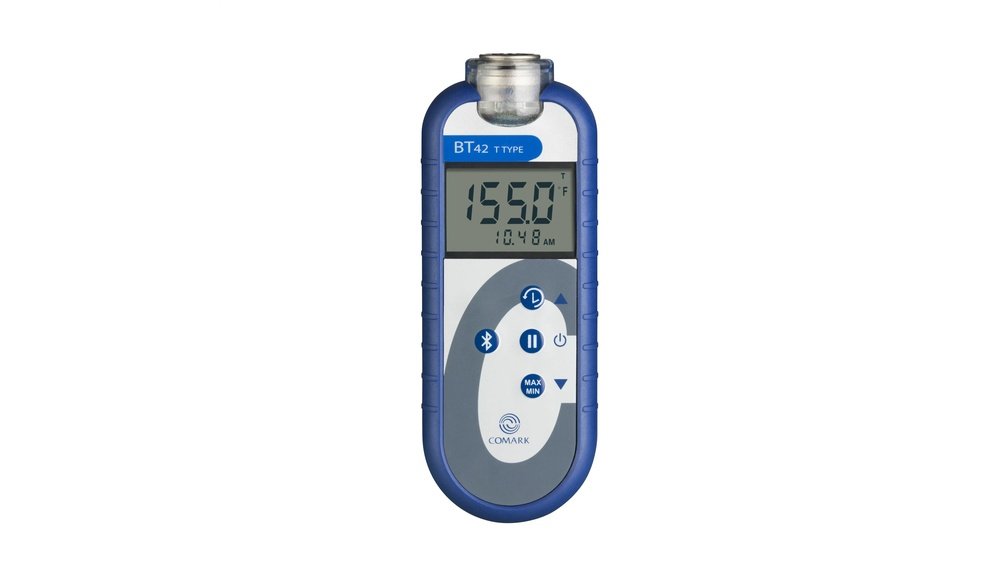
Bluetooth thermometers are changing the way people monitor temperature, whether it’s for cooking, healthcare, or industrial uses. These devices offer real-time temperature tracking, wireless data sharing, and smart alerts, making them much more convenient than traditional thermometers. As technology improves, Bluetooth thermometers are becoming more accurate, affordable, and easy to use.
This article takes a deep look at Bluetooth thermometers—how they work, where they’re used, their advantages and limitations, and what to look for when buying one. You’ll also see comparisons, practical tips, and answers to the most common questions, all explained simply.
What Is A Bluetooth Thermometer?
A Bluetooth thermometer is a wireless temperature measuring device that sends temperature readings to your smartphone, tablet, or other Bluetooth-enabled device. It uses the Bluetooth protocol—a short-range wireless technology—to transfer data in real-time. Unlike traditional thermometers, you don’t need to check the device directly. Instead, you can see the temperature and set alerts on your phone.
Most Bluetooth thermometers have a sensor (probe) that measures temperature, a Bluetooth chip, and a battery. The probe can be inserted in food, placed in a room, or attached to an object. The Bluetooth chip connects to an app, where readings are shown and recorded.
How Bluetooth Thermometers Work
When the probe senses temperature, it sends the data to the Bluetooth chip. The chip then transmits this information to your paired device—usually through a dedicated mobile app. These apps let you:
- View live temperature readings
- Set target temperatures and alerts
- Track temperature history
- Share or export data
Bluetooth thermometers are typically accurate to within 1–2°F (0. 5–1°C), though some advanced models are even more precise.
Main Types Of Bluetooth Thermometers
Bluetooth thermometers come in different forms, each designed for specific uses. Understanding the main types will help you choose the right one.
Cooking Thermometers
Bluetooth cooking thermometers are popular with chefs and home cooks. They usually have one or more probes that can be placed in meat, baked goods, or liquids. The app shows real-time readings, so you don’t have to open the oven or grill.
- Common range: -20°F to 572°F (-29°C to 300°C)
- Typical accuracy: ±1°F (±0.5°C)
- Features: Multiple probes, preset cooking modes, timers
Medical Thermometers
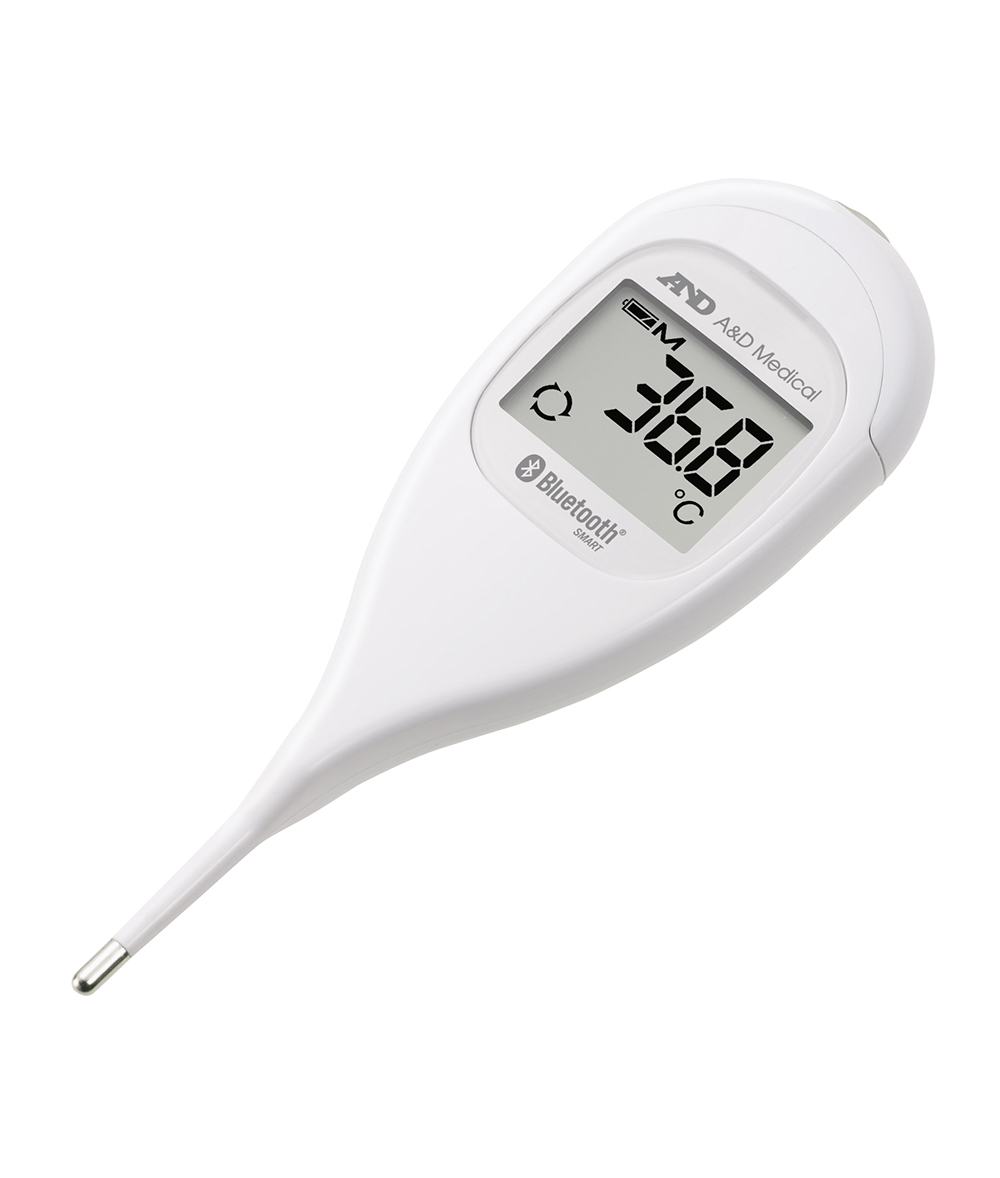
Bluetooth medical thermometers are used for checking body temperature. They’re handy for parents, nurses, and caregivers because readings are tracked digitally and can be shared with doctors.
- Common range: 89.6°F to 109.4°F (32°C to 43°C)
- Typical accuracy: ±0.2°F (±0.1°C)
- Features: Fever alerts, data logs, user profiles
Environmental Thermometers
These are used to monitor room, greenhouse, or outdoor temperatures. Bluetooth environmental thermometers often measure humidity as well.
- Common range: -40°F to 140°F (-40°C to 60°C)
- Typical accuracy: ±1°F (±0.5°C)
- Features: Humidity measurement, long battery life, remote alerts
Industrial Thermometers
Designed for factories, labs, and cold storage. Bluetooth industrial thermometers are rugged and sometimes waterproof.
- Common range: -58°F to 392°F (-50°C to 200°C)
- Typical accuracy: ±2°F (±1°C)
- Features: Data logging, high durability, integration with control systems
Credit: medical.andprecision.com
Key Features Of Bluetooth Thermometers
Choosing a Bluetooth thermometer involves understanding the features that matter most for your needs. Here are the main features to consider:
- Accuracy and Precision: Look for thermometers with at least ±1°F accuracy for cooking or medical use. Industrial applications may require tighter tolerances.
- Probe Type: Metal probes are best for food, while plastic or infrared sensors suit medical and environmental uses.
- Battery Life: Many Bluetooth thermometers use AAA batteries or rechargeable lithium-ion batteries. Average battery life is 50–200 hours.
- Bluetooth Range: Standard Bluetooth range is 30–100 feet (10–30 meters). Walls and other obstacles can reduce this.
- App Compatibility: Check if the thermometer’s app works with your device (iOS, Android, Windows).
- Alerts and Notifications: Good thermometers allow you to set high and low temperature alerts.
- Data Logging: Useful for monitoring trends and sharing with others.
- Multiple Probes: Some models allow 2–4 probes for tracking different foods or locations.
- Water Resistance: Important for outdoor or industrial use.
Comparison Of Features In Popular Bluetooth Thermometers
Here’s a quick comparison of three leading models:
| Model | Accuracy | Battery Life | Probes | Bluetooth Range | App Compatibility |
|---|---|---|---|---|---|
| ThermoPro TP25 | ±1.8°F | 150 hours | 4 | 500 feet | iOS, Android |
| MEATER Plus | ±1°F | 24 hours | 1 | 165 feet | iOS, Android |
| Govee H5075 | ±0.5°F | 365 days | 1 | 260 feet | iOS, Android |
How Bluetooth Thermometers Are Used
Bluetooth thermometers have found their way into many areas. Here are some of the most common uses, with practical examples.
Cooking And Food Safety
These devices are a favorite among barbecue fans, professional chefs, and home cooks. For example, you can monitor the internal temperature of a roast from your phone while relaxing in another room. This reduces the risk of undercooked meat and food poisoning.
- Example: You set a target temperature of 165°F for chicken. The app sends an alert when it’s reached.
- Non-obvious insight: You can track multiple dishes at once with multi-probe models, which helps when cooking for a crowd.
Healthcare And Home Monitoring
Bluetooth thermometers are great for parents who want to monitor their child’s fever overnight. Some apps record temperature history, which can be shared with doctors for better diagnosis.
- Example: A Bluetooth medical thermometer tracks temperature every hour and stores readings for a week.
- Non-obvious insight: Some models can integrate with health apps, helping you spot patterns in fevers or illness.
Environmental Monitoring
Gardeners, pet owners, and building managers use Bluetooth thermometers to keep spaces comfortable. For example, a greenhouse owner can check temperature and humidity from anywhere in the house.
- Example: The thermometer sends alerts when the greenhouse drops below 60°F.
- Non-obvious insight: Data logging helps spot slow changes, like insulation problems or failing heaters.
Industrial And Laboratory Applications
In factories, labs, or cold storage, Bluetooth thermometers provide continuous monitoring. They can send instant alerts if temperatures fall outside safe zones, preventing costly mistakes.
- Example: A warehouse manager gets notified if the freezer rises above -10°F.
- Non-obvious insight: Industrial models can log data for regulatory compliance, saving hours of paperwork.
Advantages Of Bluetooth Thermometers
Bluetooth thermometers offer several benefits over traditional designs. Here are the most important advantages:
- Convenience: You can monitor temperature remotely, which saves time and reduces risk.
- Real-Time Alerts: Instant notifications prevent overcooking or missing critical temperature changes.
- Data Tracking: Apps store temperature history, useful for analysis and sharing.
- Multi-Tasking: Track multiple readings at once, ideal for busy kitchens or large spaces.
- Safety: Reduce the risk of burns by avoiding direct contact with hot surfaces.
- Integration: Some models work with smart home systems for automation.
- Accuracy: Bluetooth thermometers often have better accuracy and calibration than analog versions.
- Portability: Most are lightweight and battery-powered, easy to carry.
Comparison: Bluetooth Vs. Traditional Thermometers
Let’s compare Bluetooth thermometers to standard digital and analog thermometers.
| Feature | Bluetooth Thermometer | Digital Thermometer | Analog Thermometer |
|---|---|---|---|
| Remote Monitoring | Yes | No | No |
| Data Logging | Yes | Limited | No |
| Accuracy | High | High | Medium |
| Alerts | Yes | No | No |
| Multiple Probes | Yes | Sometimes | No |
| Price | Medium–High | Low–Medium | Low |
Limitations And Common Challenges
While Bluetooth thermometers have many advantages, they also come with some challenges:
- Bluetooth Range: Bluetooth is limited by distance and obstacles. If you leave the signal area, readings may stop updating.
- Battery Life: Frequent use or multiple probes drain batteries faster. Rechargeable models help but require regular charging.
- App Reliability: Some apps crash or have bugs, especially if not updated often.
- Signal Interference: Other wireless devices or thick walls can interfere with Bluetooth.
- Initial Setup: Pairing and calibration can be tricky for beginners.
- Cost: Bluetooth thermometers are usually more expensive than basic models.
Data Privacy Concerns
Many users forget that Bluetooth thermometers store temperature data on their phones or in the cloud. If privacy matters, check the app’s data policy and avoid sharing sensitive information.
How To Choose The Right Bluetooth Thermometer
Selecting the best Bluetooth thermometer depends on your needs. Here’s a step-by-step guide to help you make a smart choice:
1. Define Your Use Case
- Cooking: Look for multi-probe, high-temperature models
- Medical: Choose touchless or quick-read designs
- Environmental: Pick models with humidity sensors
- Industrial: Find rugged, waterproof designs
2. Check Accuracy And Range
- For cooking, accuracy should be ±1°F or better.
- For medical, look for ±0.2°F.
- Bluetooth range should cover your workspace or home.
3. Evaluate App Features
- Does the app allow alerts, data logging, and sharing?
- Is it easy to use and regularly updated?
- Does it support your device (iOS, Android)?
4. Assess Battery And Durability
- Long battery life matters for outdoor or industrial use.
- Waterproof or heat-resistant features are important for kitchens and labs.
5. Compare Price And Warranty
- Most Bluetooth thermometers cost $30–$150.
- Check for warranties and good customer support.
6. Read Reviews And Test
- Look for real user feedback.
- If possible, test the thermometer before buying.
Key Buying Mistakes
- Ignoring app compatibility and buying a device that won’t connect
- Overlooking battery life, especially for long monitoring sessions
- Choosing a single-probe model when you need multiple readings
- Not checking accuracy for critical uses like healthcare
Setting Up And Using A Bluetooth Thermometer
Using a Bluetooth thermometer is simple, but setup matters. Here’s how to get started:
1. Unbox And Charge
- Charge the device fully or insert batteries.
- Some models need calibration before first use.
2. Install The App
- Download the manufacturer’s app from Google Play or Apple App Store.
- Make sure it’s the latest version.
3. Pair The Device
- Turn on Bluetooth on your phone or tablet.
- Open the app and follow pairing instructions.
- Some devices require you to press a button to start pairing.
4. Insert The Probe
- For cooking, insert the probe in the thickest part of the meat.
- For environmental use, place the device in the area you want to monitor.
- For medical use, follow the instructions (mouth, ear, forehead, etc. ).
5. Monitor And Set Alerts
- Check real-time readings in the app.
- Set target temperatures and alerts for notifications.
6. Data Logging And Sharing
- Export or share data as needed.
- Some apps allow cloud storage or integration with smart home systems.
Common Setup Problems
- Pairing failures: Move closer to the thermometer and try again.
- App glitches: Restart the app or device.
- Incorrect readings: Calibrate the thermometer or change the battery.
Credit: www.naturalcycles.com
Maintaining And Calibrating Bluetooth Thermometers
Keeping your Bluetooth thermometer accurate and reliable requires regular maintenance.
Cleaning
- After cooking, wipe probes with a damp cloth and mild soap.
- For medical thermometers, use alcohol wipes.
- Do not submerge electronic parts in water.
Battery Management
- Recharge or replace batteries as needed.
- Store the thermometer in a cool, dry place.
Calibration
- Some models offer calibration via the app or a physical button.
- For cooking, compare readings with a reference thermometer.
- For medical, follow the manufacturer’s guide.
Firmware Updates
- Check for app or firmware updates regularly.
- Updates can fix bugs and improve accuracy.
Popular Brands And Models
Bluetooth thermometers are offered by several well-known brands. Here are some examples:
- ThermoPro: Known for multi-probe cooking thermometers with long battery life and strong Bluetooth range.
- MEATER: Offers smart wireless meat thermometers with detailed cooking guides.
- Govee: Makes affordable environmental thermometers, often used for home monitoring.
- IHealth: Focuses on medical thermometers with fast readings and health integration.
- Inkbird: Produces rugged models for kitchens and labs, often with waterproof designs.
Top-selling Bluetooth Thermometers
| Brand | Model | Type | Key Feature | Price Range |
|---|---|---|---|---|
| ThermoPro | TP25 | Cooking | 4 probes, 500 ft range | $60–$80 |
| MEATER | Plus | Cooking | Wireless, guided cook | $99–$130 |
| Govee | H5075 | Environmental | 1 year battery, humidity | $30–$45 |
| iHealth | PT3 | Medical | Touchless, fast read | $30–$50 |
| Inkbird | IBT-4XS | Cooking | Waterproof, 4 probes | $50–$70 |

Credit: www.amazon.com
Real-world Examples And Case Studies
Bluetooth thermometers are used in many situations. Here are a few practical examples:
Restaurant Kitchens
A busy restaurant uses ThermoPro TP25 to monitor multiple dishes at once. Chefs receive alerts when steaks reach 135°F for medium-rare. This improves speed and consistency.
Home Healthcare
A parent uses an iHealth PT3 thermometer to track a child’s fever overnight. Data is shared with the pediatrician, helping to decide if a visit is needed.
Greenhouse Monitoring
A gardener places a Govee H5075 in the greenhouse. The app alerts when temperature or humidity changes, preventing plant stress.
Cold Storage In Warehouses
An industrial manager installs Inkbird IBT-4XS in cold storage. If temperatures rise above safe levels, immediate alerts help save inventory.
Bluetooth Thermometers And Smart Homes
Many Bluetooth thermometers can connect with smart home systems like Amazon Alexa or Google Home. This lets you automate routines, such as turning on fans or heaters when temperatures change.
- Example: If room temperature drops below 65°F, the smart home system turns on the heater.
- Non-obvious insight: You can set up routines to alert caregivers if a medical thermometer shows a fever.
Safety And Health Considerations
While Bluetooth thermometers are safe, there are a few health and safety tips to keep in mind:
- For cooking, always clean probes to prevent cross-contamination.
- For medical use, disinfect probes after each use.
- Never immerse the main device in water.
- Check data privacy settings if sharing medical data.
The Future Of Bluetooth Thermometers
Bluetooth thermometers are getting smarter. Future models may include:
- Integration with more smart home devices
- AI-powered cooking guides and health alerts
- Longer battery life and solar charging
- Enhanced data privacy features
According to market research, Bluetooth thermometer sales are expected to grow by 7% per year through 2030, driven by demand for remote monitoring and smart kitchens. Manufacturers are also working to improve accuracy and reduce prices, making these devices more accessible.
Frequently Asked Questions
What Is The Typical Bluetooth Range For Thermometers?
Most Bluetooth thermometers have a range of 30–100 feet, depending on the model and environment. Some advanced models, like ThermoPro TP25, offer up to 500 feet in open spaces. Walls and other obstacles can reduce this range.
Are Bluetooth Thermometers Safe For Medical Use?
Yes, Bluetooth medical thermometers are safe when used as instructed. Always disinfect the probe and follow manufacturer guidelines. For best results, choose FDA-approved models and check accuracy before use.
Can I Use Bluetooth Thermometers Outdoors?
Absolutely. Many environmental and industrial Bluetooth thermometers are designed for outdoor use. Look for waterproof and weather-resistant features. Battery life is important, as outdoor conditions can drain batteries faster.
How Accurate Are Bluetooth Thermometers?
Most Bluetooth thermometers offer accuracy within ±1°F for cooking and ±0.2°F for medical use. Environmental models are usually accurate to ±1°F. Calibration and proper placement help maintain accuracy.
Where Can I Find More Information About Bluetooth Technology?
For technical details, visit the official Bluetooth website: Bluetooth.com. It explains how Bluetooth works and its applications in devices like thermometers.
Bluetooth thermometers make temperature monitoring smarter, safer, and easier. Whether you’re cooking, caring for family, or managing a business, these devices save time and provide peace of mind. As features improve and prices drop, Bluetooth thermometers are becoming an essential tool in homes and workplaces everywhere.