Gas Vs Charcoal: Which Grill Delivers the Best Flavor?
Gas Vs Charcoal: Which Grill Is Best For You?
When summer arrives, the smell of grilled food fills the air. Many people enjoy grilling outside with family and friends. But one big question always comes up: gas or charcoal? Each type has loyal fans. Some love the smoky taste of charcoal, while others prefer the easy use of gas. Choosing the right grill can change your cooking experience and the flavor of your food. It’s not just about taste; it’s also about convenience, cost, safety, and maintenance. This guide will help you understand the differences, benefits, and drawbacks of gas and charcoal grills so you can make the best choice for your needs.

How Gas And Charcoal Grills Work
Before comparing, it’s important to know how each grill works.
Gas Grills
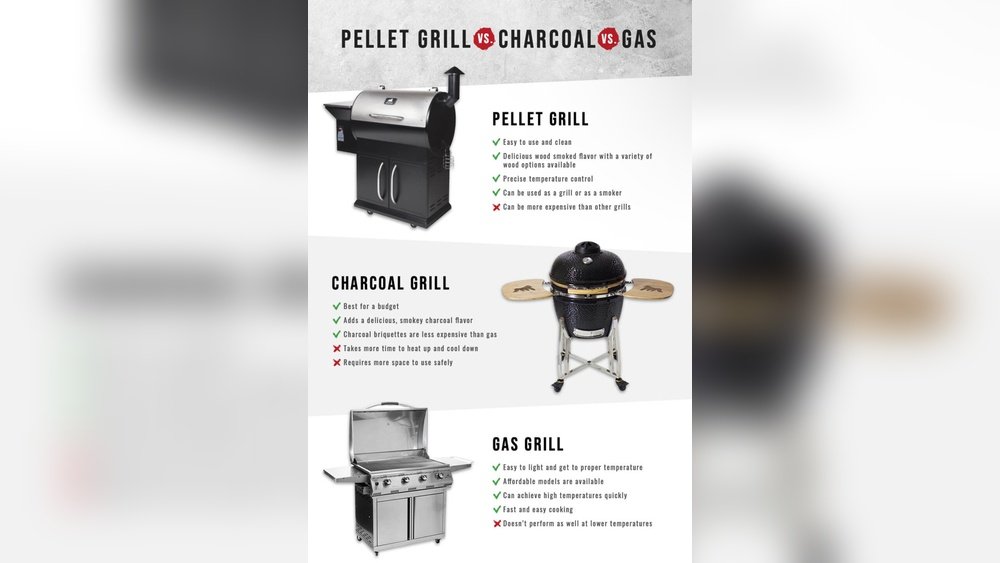
Gas grills use propane or natural gas. You connect a tank or line, turn a knob, and press an igniter. Gas flows through burners and heats the grill surface. Most gas grills have several burners so you can control heat zones. Some models include extra features like side burners, rotisseries, or lights.
Charcoal Grills
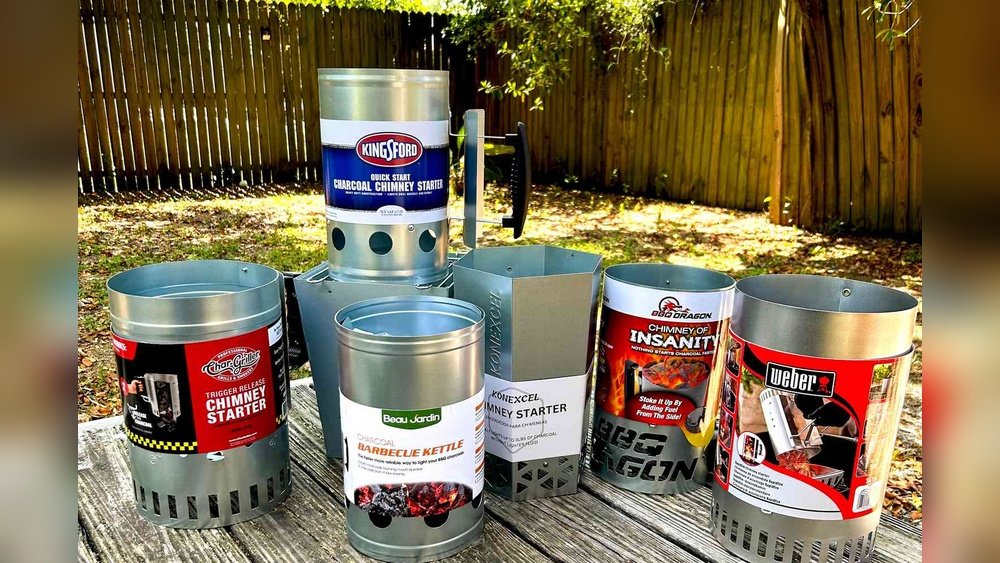
Charcoal grills use lump charcoal or briquettes. You pile the charcoal, light it with a match or lighter, and wait for the coals to heat up. Air vents control temperature. Cooking on charcoal means waiting for the coals to turn gray and hot, which takes 15–30 minutes. Charcoal grills are simpler in design, but require more attention to start and manage.
Flavor: The Heart Of The Debate
Many people choose their grill based on flavor. Let’s explore why.
Charcoal’s Smoky Taste
Charcoal grills create smoke and aroma that gas grills can’t easily match. When fat and juices drip onto hot coals, they vaporize, making food taste richer and smokier. This is called the Maillard reaction and pyrolysis, which bring out deep flavors in meat and vegetables.
Gas Grills’ Clean Cooking
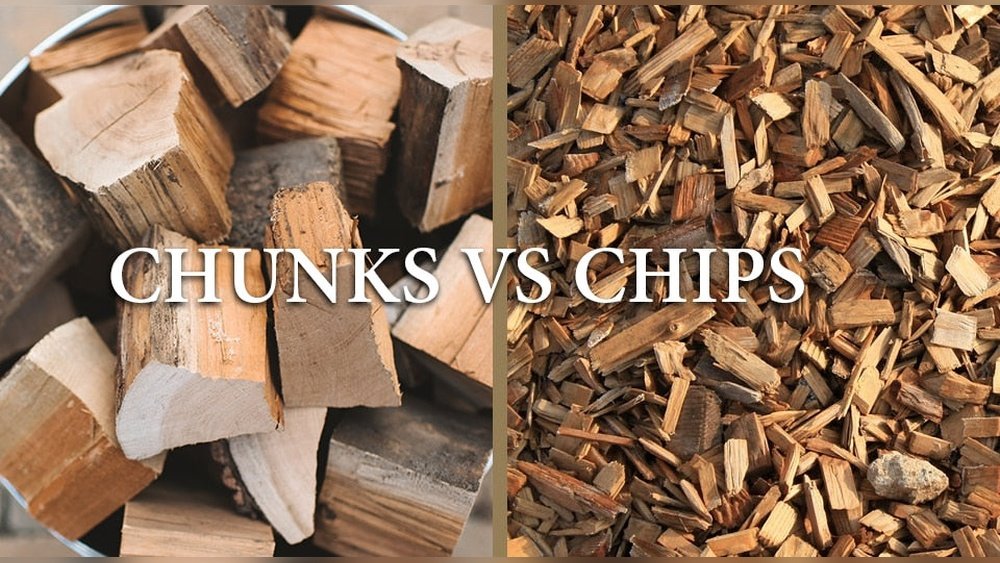
Gas grills heat up quickly and cook food with less smoke. You get a cleaner taste that’s closer to oven-cooked food. Some gas grills have smoker boxes to add wood chips for a smoky effect, but it’s usually milder than charcoal.
Real Taste Differences
A study from the University of California, Davis found that charcoal grills give food a stronger flavor due to smoke and high heat. Gas grills produce less smoke, so flavors are lighter. Many chefs agree that steak, burgers, and chicken taste more intense on charcoal.
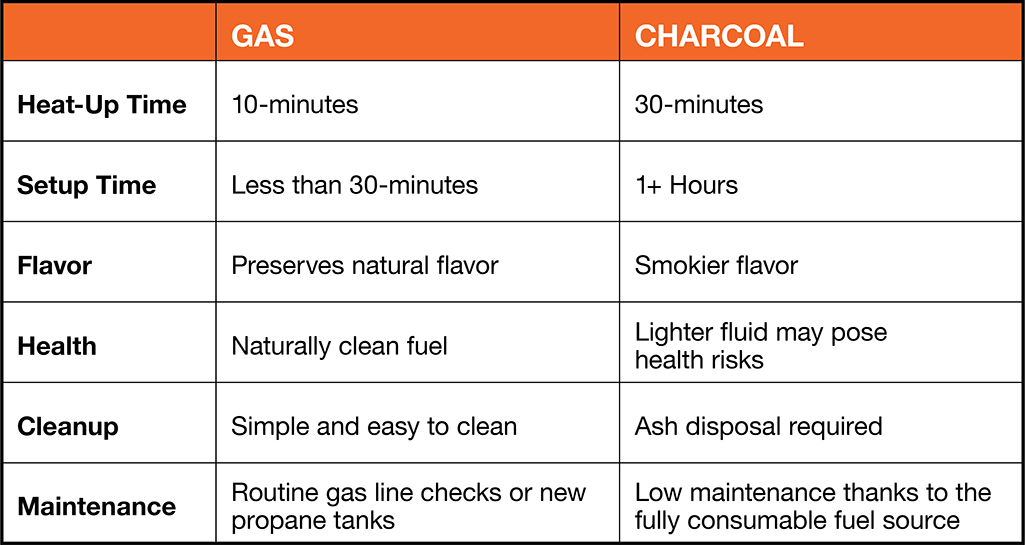
Credit: www.homedepot.com
Convenience: Which Is Easier?
Let’s look at how much work goes into grilling with gas or charcoal.
Gas Grills: Quick And Simple
Gas grills win for ease of use. You:
- Turn the knob to start
- Wait a few minutes for preheating
- Set the heat level easily
Cleaning is simple too. Just brush the grates and empty grease trays. There’s no ash to remove.
Charcoal Grills: More Steps
Charcoal grills require more steps:
- Measure and pile charcoal
- Light it and wait for coals to heat
- Adjust vents for temperature
- Clean out ashes after cooking
Some people enjoy this ritual. Others see it as extra hassle.
Setup Time Comparison
Here’s a quick comparison:
| Step | Gas Grill | Charcoal Grill |
|---|---|---|
| Setup Time | 5–10 minutes | 15–30 minutes |
| Heat Control | Easy, instant | Manual, slow |
| Cleanup | Simple, less mess | Requires ash removal |
Cost: Upfront And Ongoing Expenses
Choosing a grill isn’t just about buying it. There are ongoing costs to consider.
Buying The Grill
Gas grills are often more expensive upfront. Good models start at $200 and can go above $1,000 for premium versions. Charcoal grills range from $50 for basic models to $300+ for larger ones.
Fuel Costs
- Propane tanks cost $15–$25 to refill and last for 15–20 grilling sessions.
- Natural gas is cheaper but requires a home gas line.
- Charcoal costs about $7–$10 per 8-pound bag, which lasts for 2–3 cooks.
Maintenance Costs
Gas grills may need new burners, igniters, or hoses over time. Charcoal grills mostly need new grates or ash pans.
Long-term Value
Gas grills can last 5–10 years with care. Charcoal grills are simpler and usually last longer since there are fewer parts to break.
| Type | Initial Price | Fuel Cost (per session) | Maintenance Cost | Lifespan |
|---|---|---|---|---|
| Gas Grill | $200–$1,000+ | $1–$2 | Medium | 5–10 years |
| Charcoal Grill | $50–$300+ | $3–$5 | Low | 10+ years |
Safety: What You Need To Know
Safety is important for any grill user. Both types have risks.
Gas Grill Safety
Gas grills run on pressurized tanks. Problems can include:
- Gas leaks: Can cause fires or explosions if not checked
- Flare-ups: When grease ignites
- Burns: From hot surfaces
Always check hoses, connections, and valves before use. Keep the grill away from walls or trees.
Charcoal Grill Safety
Charcoal grills use fire and hot coals. Risks include:
- Burns: From touching coals or grates
- Carbon monoxide: Can build up if grilling indoors
- Fire hazards: Ash can stay hot for hours
Never use a charcoal grill indoors or in a garage. Always dispose of ashes safely.
Accident Statistics
According to the National Fire Protection Association, gas grills cause more fires than charcoal grills, but charcoal grills are linked to more burns and injuries. Gas grill accidents often happen due to faulty connections or leaks.
Environmental Impact
Many people want to grill in a way that’s better for the planet. Both types have effects.
Gas Grills: Cleaner Burning
Gas grills burn propane or natural gas, which create fewer pollutants. They release less carbon monoxide and soot. Gas is a cleaner fuel, but propane is a fossil fuel.
Charcoal Grills: More Emissions
Charcoal makes more carbon dioxide, soot, and ash. Lump charcoal is made from wood, which is more natural, but briquettes use additives. Making charcoal releases carbon into the air.
Sustainability
Some companies now make eco-friendly charcoal from coconut shells or recycled wood. Gas grills can use renewable gas, but it’s rare. Overall, gas grills have a smaller carbon footprint.
Cooking Performance: Heat, Control, And Results
How Do The Grills Compare When Actually Cooking Food?
Heat Output
Charcoal grills reach higher temperatures—up to 700°F or more. This is great for searing steak and making crusts. Gas grills usually top out at 500–600°F, but some premium models go higher.
Heat Control
Gas grills make it easy to change temperature. You just turn a knob. Charcoal grills require adjusting vents and moving coals. This gives skilled cooks more control, but beginners may struggle.
Cooking Space
Gas grills often have more space, extra burners, and shelves. Charcoal grills can be portable or large, but most are simpler.
Versatility
Gas grills can add accessories like rotisseries and side burners. Charcoal grills can cook with direct or indirect heat, but require more skill.
Maintenance And Cleaning
Nobody likes cleaning, but it’s important for grill safety and taste.
Gas Grill Cleaning
Gas grills need regular cleaning:
- Brush grates after each use
- Clean grease trays monthly
- Check burners for clogs
Some models have self-cleaning features.
Charcoal Grill Cleaning
Charcoal grills require:
- Removing ashes after every cook
- Brushing grates
- Cleaning vents
Ash buildup can block airflow and cause problems.
Common Mistakes
- Not cleaning grates leads to rust and bad flavors
- Ignoring gas leaks can cause fires
- Leaving ash in charcoal grills attracts moisture
Grill Sizes And Portability
Your space and lifestyle matter when picking a grill.
Gas Grills
Gas grills are often larger and heavier. They need a stable spot and sometimes a gas line. Some portable models use small propane tanks.
Charcoal Grills
Charcoal grills come in many sizes. Kettle grills are portable and easy to carry. Kamado grills are heavier but cook well. Some models are small enough for camping or tailgating.
Which Is Better For Travel?
Charcoal grills are usually easier to move. Gas grills need tanks, which can be heavy and bulky.
Weather And Seasonal Use
Weather affects how easy it is to grill.
Gas Grills
Gas grills work in most conditions. Rain or wind can affect performance, but they heat up quickly.
Charcoal Grills
Charcoal grills are harder to use in cold or wet weather. Wind can blow out flames or cool coals. Rain makes lighting charcoal tricky.
Tips For Grilling In Bad Weather
- Use a grill cover for protection
- Place grills in sheltered spots
- Avoid grilling in storms for safety
Health And Food Safety
How Does Grilling Affect Your Health?
Gas Grills
Gas grills don’t produce much smoke. This means fewer polycyclic aromatic hydrocarbons (PAHs) and heterocyclic amines (HCAs), which are linked to cancer risk.
Charcoal Grills
Charcoal grilling makes more smoke and PAHs. Drippings on hot coals produce chemicals that can stick to food. This is a concern with fatty meats.
Reducing Risks
- Trim fat from meat
- Use marinades to lower chemical formation
- Cook at lower temperatures
Grill Features And Accessories
Modern grills have many extras. Let’s see what’s available.
Gas Grill Features
- Side burners for sauces
- Rotisserie attachments
- Built-in thermometers
- LED lights for night cooking
- Smoker boxes for wood chips
Charcoal Grill Features
- Adjustable grates
- Ash catchers
- Air vents for control
- Built-in thermometers
Accessories For Both
- Grill covers
- Cleaning brushes
- Meat thermometers
- Charcoal baskets or gas regulator kits

Credit: bbqchamps.com
Popular Brands And Models
Choosing a trusted brand can make a big difference.
Gas Grill Brands
- Weber: Famous for quality and long life
- Char-Broil: Affordable and reliable
- Broil King: Powerful heat and features
- Napoleon: High-end design
Charcoal Grill Brands
- Weber: Iconic kettle design
- Kamado Joe: Ceramic grills for slow cooking
- Big Green Egg: Premium kamado grills
- Char-Griller: Good value for money
Best-selling Models
- Weber Spirit II E-310 (Gas)
- Weber Original Kettle (Charcoal)
- Kamado Joe Classic II (Charcoal)
- Char-Broil Performance Series (Gas)
Real-life Examples And Testimonials
Hearing from real users helps you decide.
Gas Grill Stories
Mark, from Texas, says: “I love my gas grill because I can start cooking in 10 minutes. It’s perfect for weekday dinners. I use it year-round, even in winter.”
Charcoal Grill Stories
Sarah, from Michigan, says: “Charcoal grilling is a family tradition. The smoky flavor is unbeatable. It takes more time, but I enjoy the process.”
Mixed Use
Some families have both types. They use gas for quick meals and charcoal for special occasions or slow-cooked barbecue.
Comparing Gas And Charcoal: Summary Table
Here’s a side-by-side look at key factors.
| Factor | Gas Grill | Charcoal Grill |
|---|---|---|
| Flavor | Clean, mild | Smoky, strong |
| Setup Time | 5–10 min | 15–30 min |
| Heat Control | Instant, easy | Manual, skilled |
| Cleaning | Simple | More work |
| Safety | Gas leaks, burns | Burns, fire, CO |
| Portability | Often large | Portable options |
| Cost | Higher upfront | Lower upfront |
| Environmental Impact | Lower emissions | Higher emissions |
Non-obvious Insights For Grill Buyers
Many beginners miss these facts when choosing a grill.
- Gas grills require annual safety checks. Hoses, valves, and burners can wear out. Ignoring these can lead to dangerous leaks. Charcoal grills don’t need this, but ash buildup can cause airflow problems.
- Charcoal grilling is better for slow-cooked BBQ. If you like ribs or pulled pork, charcoal lets you cook at low heat for hours. Gas grills can do this, but often need accessories or special burners.
- Dual-fuel grills exist. Some grills can use both gas and charcoal. These are good for people who want flexibility, but they cost more and require extra care.
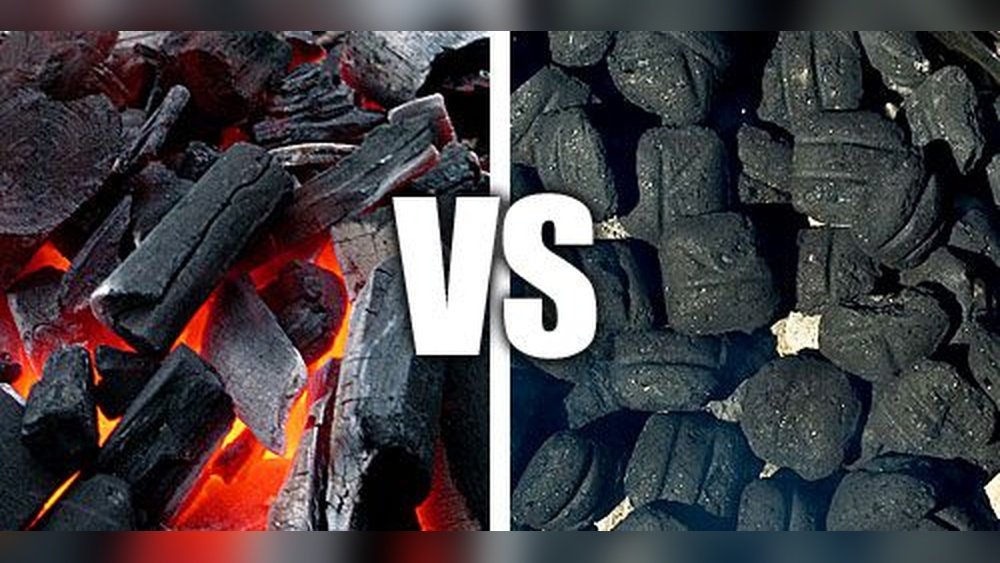
- Flavor depends on the type of charcoal. Lump charcoal burns hotter and cleaner, while briquettes last longer but contain binders and fillers. Choosing the right charcoal changes the taste.
- Gas grills lose heat quickly when the lid opens. Charcoal grills keep heat better, making them better for foods that need steady high temperatures.

Choosing The Right Grill For Your Needs
Think about your lifestyle and preferences before buying.
Ask Yourself:
- How often do you grill? If you cook several times a week, gas saves time.
- Do you love smoky flavor? Charcoal is best for rich taste.
- Do you have space for a large grill? Gas grills need more room.
- Is budget a concern? Charcoal is cheaper upfront.
- Do you want extra features? Gas grills offer more accessories.
For Beginners
Gas grills are easier to use and safer for new cooks. Charcoal grills require patience and skill but reward you with flavor.
For Experienced Grillers
Charcoal grills let you experiment with heat, smoke, and cooking style. Gas grills are great for large gatherings and quick meals.
Tips For Better Grilling
No matter which grill you choose, these tips help you get the best results.
- Preheat your grill. Gas grills need 5–10 minutes; charcoal grills need 15–30 minutes.
- Clean grates before and after cooking. This prevents sticking and bad flavors.
- Use a meat thermometer. Avoid undercooked food and improve safety.
- Arrange heat zones. On gas grills, use burners. On charcoal, move coals for direct and indirect heat.
- Let meat rest after cooking. This keeps it juicy.
- Experiment with marinades and rubs. Flavor doesn’t only come from smoke.

Credit: www.youtube.com
Common Mistakes To Avoid
Avoid these errors for safer and tastier grilling.
- Using too much lighter fluid on charcoal
- Not checking gas connections for leaks
- Leaving grill unattended
- Cooking fatty meats over direct flame
- Skipping preheating
- Neglecting cleaning
The Future Of Grilling: Trends And Innovations
Grilling technology keeps improving.
Smart Grills
Some gas grills now have Wi-Fi and Bluetooth. You can monitor temperature from your phone. Charcoal grills are also getting smart thermometers.
Infrared Burners
Infrared gas burners heat faster and cook more evenly. They’re popular in high-end gas grills.
Eco-friendly Fuels
Companies are developing biochar and renewable propane for cleaner grilling.
Hybrid Grills
Dual-fuel models let you switch between gas and charcoal. They’re perfect for people who want both convenience and flavor.
Cooking Examples: Gas Vs Charcoal
Let’s see how different foods turn out.
Steaks
Charcoal grills give steaks a strong crust and smoky flavor. Gas grills cook evenly but taste milder. Many steak lovers prefer charcoal.
Chicken
Gas grills are good for chicken because you can control heat and avoid burning skin. Charcoal adds flavor but can dry out meat if not watched closely.
Vegetables
Both grills work well. Charcoal gives a smoky taste; gas keeps veggies crisp.
Pizza
Charcoal grills can reach higher temperatures, making crispy pizza crusts. Gas grills need special stones or trays.

Frequently Asked Questions
What Is The Main Difference Between Gas And Charcoal Grills?
The biggest difference is how they heat. Gas grills use propane or natural gas and start quickly. Charcoal grills use lump charcoal or briquettes and take longer to heat up. Gas gives clean flavor; charcoal gives smoky taste.
Which Grill Is Safer?
Gas grills are safer if you check for leaks and follow instructions. Charcoal grills can cause burns and fires if not handled carefully. Never use charcoal indoors.
Is Charcoal Grilling Bad For Health?
Charcoal grilling makes more smoke and chemicals like PAHs and HCAs, which may increase cancer risk. You can lower risks by trimming fat, using marinades, and cooking at lower temperatures.
Can I Use Both Gas And Charcoal In One Grill?
Yes, some hybrid grills let you use both fuels. These models cost more but offer flexibility for different foods and occasions.
Which Grill Is Better For Beginners?
Gas grills are easier for new cooks. They’re quick to start and simple to use. Charcoal grills require more skill and attention but reward you with strong flavor.
—
Grilling is a fun way to cook and share meals. Both gas and charcoal grills have unique benefits. Gas gives you convenience and safety, while charcoal delivers smoky flavor and tradition. Your best choice depends on your taste, lifestyle, budget, and space. Take time to consider what matters most for you. With the right grill, you’ll enjoy tasty food and good times for years to come. For more detailed information on grill safety and types, you can visit Consumer Reports.