Brisket Rubs: Top Recipes for Mouthwatering BBQ Flavor
The Art And Science Of Brisket Rubs
Brisket is one of the most beloved cuts in barbecue. When cooked right, it becomes tender, juicy, and full of flavor. But the magic starts long before the brisket hits the smoker or oven. The real secret lies in the brisket rub—a blend of spices, herbs, and other ingredients that transforms plain meat into a mouthwatering feast.
Many people think brisket rubs are just about adding spice or heat. But a great rub does much more. It builds layers of flavor, helps form a tasty crust (called “bark”), and even draws out moisture to make the meat more tender.
Whether you’re a backyard beginner or a seasoned pitmaster, learning about brisket rubs can take your barbecue to a new level. This guide will help you choose, mix, and use rubs with confidence.
What Is A Brisket Rub?
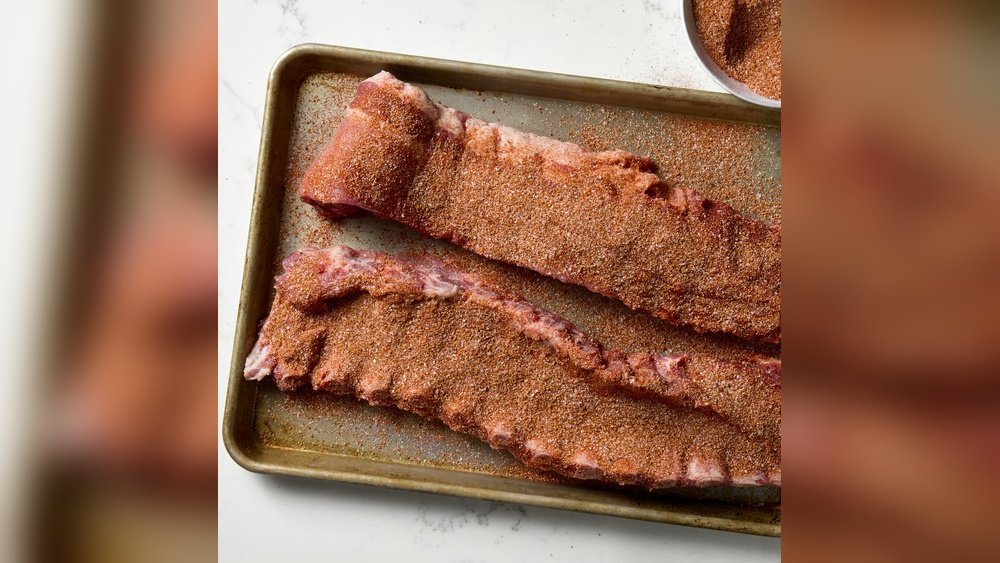
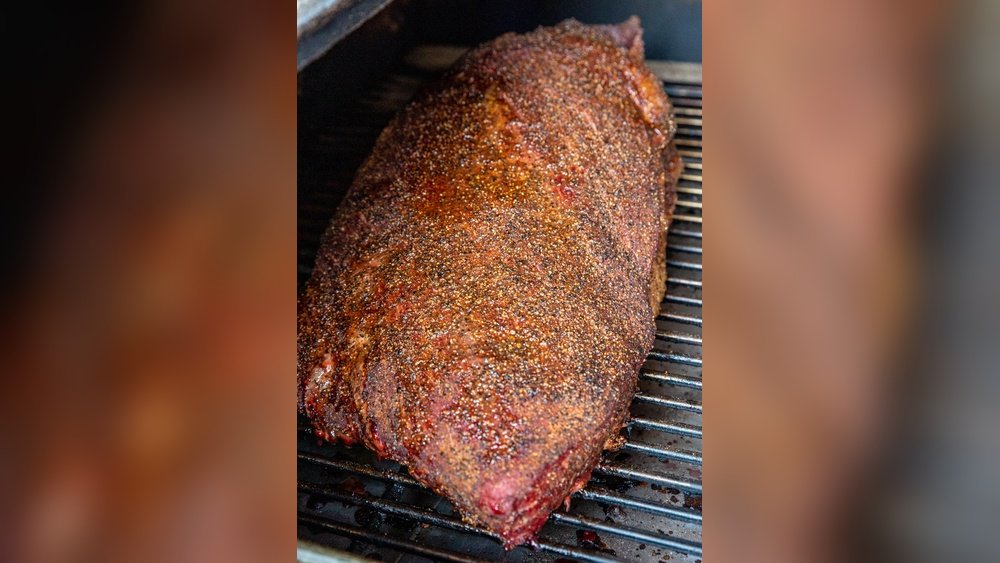
A brisket rub is a mixture you sprinkle or massage onto the surface of brisket before cooking. It usually contains salt, pepper, spices, herbs, and sometimes sugar. The rub sticks to the meat, creating a flavorful crust as it cooks. Some rubs are simple, while others include many ingredients.
Dry Rub Vs. Wet Rub
There are two main types:
- Dry rubs use only dry ingredients like spices and salt.
- Wet rubs mix dry ingredients with liquids (like oil, vinegar, or mustard).
Most brisket recipes use a dry rub, but wet rubs can help the flavors stick better. The choice depends on your cooking style and taste.
Key Ingredients In Brisket Rubs
The base ingredients in brisket rubs are simple, but small changes can make big differences.
Salt
Salt is the most important. It pulls out moisture, helps flavors penetrate, and improves texture. Most rubs use kosher salt because it sticks well and has a clean taste.
Pepper
Black pepper adds heat and aroma. Coarse ground pepper is best for brisket, creating a classic Texas-style bark.
Sugar
Sugar helps caramelize the crust. Brown sugar adds sweetness and color, while white sugar is milder. Not all rubs use sugar, especially in traditional Texas barbecue.
Spices
Common spices include:
- Paprika (adds color and mild flavor)
- Garlic powder
- Onion powder
- Chili powder
- Cayenne pepper (for heat)
Herbs
Herbs like oregano, thyme, and rosemary can add freshness and complexity.
Other Additions
Some rubs include:
- Mustard powder
- Coriander
- Cumin
- Coffee grounds (for richness)
Each ingredient changes the flavor profile. For example, a rub with cumin and coriander tastes more earthy, while one with paprika and brown sugar is sweeter.
Classic Brisket Rub Recipes
Let’s look at a few popular rub recipes. These are proven favorites among barbecue fans.
1. Texas-style Simple Rub
This is the gold standard in Texas barbecue.
Ingredients:
- 2 tablespoons kosher salt
- 2 tablespoons coarse black pepper
Mix and apply generously. That’s it. The focus is on the meat and smoke.
2. Sweet And Smoky Rub
Great for those who love a hint of sweetness.
Ingredients:
- 2 tablespoons kosher salt
- 2 tablespoons black pepper
- 1 tablespoon brown sugar
- 1 tablespoon paprika
- 1 teaspoon garlic powder
- 1 teaspoon onion powder
Mix well and cover the brisket evenly.
3. Spicy Rub
Perfect if you want a kick of heat.
Ingredients:
- 2 tablespoons kosher salt
- 2 tablespoons black pepper
- 1 tablespoon chili powder
- 1 teaspoon cayenne pepper
- 1 teaspoon garlic powder
- 1 teaspoon cumin
This rub adds bold flavor and spice.
4. Herb-infused Rub
Ideal for oven-roasted brisket.
Ingredients:
- 2 tablespoons kosher salt
- 2 tablespoons black pepper
- 1 tablespoon dried thyme
- 1 tablespoon dried rosemary
- 1 teaspoon garlic powder
- 1 teaspoon onion powder
Herbs make the brisket aromatic and savory.
5. Coffee-based Rub
For a deep, rich bark.
Ingredients:
- 2 tablespoons kosher salt
- 2 tablespoons black pepper
- 1 tablespoon ground coffee
- 1 tablespoon brown sugar
- 1 teaspoon paprika
Coffee adds bitterness and complexity.
How To Apply Brisket Rubs
Applying a rub is easy, but doing it right makes a big difference.
Step-by-step Guide
- Trim the brisket. Remove excess fat, but leave a thin layer for flavor.
- Pat dry. Use paper towels to remove moisture. Rubs stick better to dry meat.
- Apply the rub. Sprinkle or massage the rub evenly over all sides.
- Let it rest. For best results, let the brisket sit with the rub for at least 1 hour (or overnight in the fridge).
Wet Rubs And Binders
Sometimes people use a “binder” like mustard or olive oil to help the rub stick. Spread a thin layer over the meat before adding the rub. Mustard doesn’t change the flavor much, but helps form a crust.
Brisket Rubs: Homemade Vs. Store-bought

Some people mix their own rubs, others buy ready-made blends. Both have pros and cons.
Homemade Rubs
Pros:
- You control ingredients and flavors.
- Usually cheaper.
- Easy to adjust salt and spice levels.
Cons:
- Takes time to measure and mix.
- Can be inconsistent if you change recipes.
Store-bought Rubs
Pros:
- Convenient and quick.
- Professional blends may have unique flavors.
Cons:
- Sometimes too salty or spicy.
- May include preservatives or artificial ingredients.
- Often more expensive.
If you’re new to brisket, try both to see which you prefer. Many people start with store-bought, then switch to homemade as their skills grow.
| Type | Flavor Control | Cost | Convenience | Additives |
|---|---|---|---|---|
| Homemade | High | Low | Medium | None |
| Store-Bought | Medium | High | High | Possible |
How Brisket Rubs Impact Flavor And Texture
A good rub is more than just seasoning. It changes both the taste and the texture of brisket.
Flavor
Rubs add layers of flavor. Salt and pepper give a base, while spices and herbs add complexity. Sugar brings sweetness and helps balance spicy or bitter notes. A rub can make brisket taste smoky, sweet, spicy, or earthy.
Texture
Salt pulls moisture from the surface, helping form a crust. Pepper and coarse spices create the “bark”—the dark, flavorful outer layer. Sugar caramelizes, making the bark crisp. The result is a mix of tender meat and crunchy crust.
Moisture
Many people worry a rub will dry out their brisket. But salt helps the meat hold moisture during cooking. The rub also draws out some juices, which then mix with spices to form a tasty layer.
Non-obvious Insight 1
Many beginners forget that the rub affects how smoke sticks to the meat. The bark formed by the rub acts as a glue for smoke particles, making the brisket taste richer.
Non-obvious Insight 2
Temperature matters: If your smoker is too hot, sugar in the rub can burn and taste bitter. If you cook low and slow, sugar caramelizes perfectly.
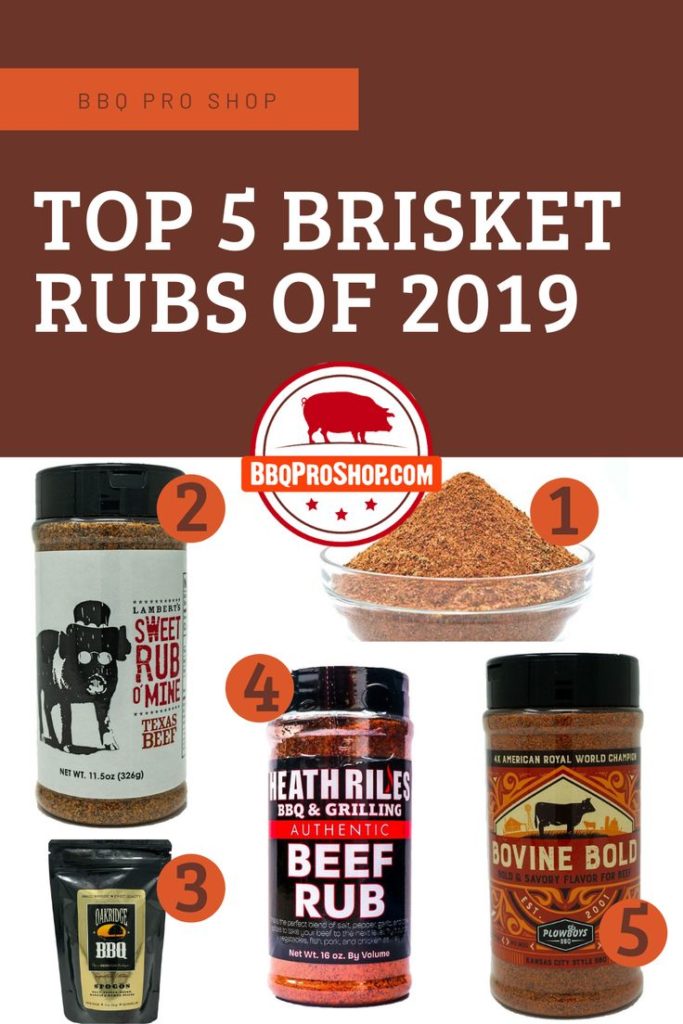
Popular Brisket Rub Brands
If you prefer store-bought rubs, here are some famous brands.
- Franklin Barbecue Rub — Known for a classic Texas flavor, mostly salt and pepper.
- Meat Church Holy Cow — Bold, peppery, with a touch of garlic and paprika.
- Bad Byron’s Butt Rub — Balanced blend, good for beginners.
- Cowboy Rub by Traeger — Smoky and slightly sweet.
- Oakridge BBQ Black Ops — Complex flavors, includes coffee and herbs.
These brands are easy to find online or at barbecue shops. Always check the ingredient list and sodium content.
Choosing The Right Brisket Rub For You
Picking a rub depends on your taste, cooking style, and the type of brisket you’re making.
Factors To Consider
- Flavor profile: Do you like spicy, sweet, smoky, or herbal flavors?
- Salt level: Some rubs are salt-heavy. Too much can make brisket taste harsh.
- Heat: If you have kids or guests who don’t like spicy food, avoid cayenne.
- Sugar content: Good for caramelization, but burns at high temperatures.
- Ingredient quality: Fresh spices make a big difference.
Example: Texas Vs. Kansas City
Texas-style brisket uses only salt and pepper. Kansas City rubs include brown sugar, paprika, and chili powder. Try both to see which you prefer.
| Style | Main Ingredients | Flavor |
|---|---|---|
| Texas | Salt, Pepper | Simple, Meaty, Smoky |
| Kansas City | Salt, Pepper, Sugar, Paprika, Chili Powder | Sweet, Spicy, Complex |
Common Mistakes When Using Brisket Rubs
Even experienced cooks can make mistakes. Here are some to avoid:
- Too much salt: Over-salting ruins brisket. Measure carefully.
- Uneven coverage: Rub must cover every part for consistent flavor and bark.
- Rubbing too early: If you apply rub days before cooking, the meat can get mushy.
- Wrong sugar: High-heat cooking burns sugar and makes brisket bitter.
- Old spices: Stale spices lack flavor. Use fresh, high-quality ingredients.
Brisket Rubs For Different Cooking Methods
Different cooking methods need different rubs.
Smoking
Smoking brisket is slow and low. Simple rubs with salt, pepper, and mild spices work best. Avoid too much sugar, which can burn.
Oven Roasting
Oven roasting is faster and uses less smoke. Herb-based rubs or ones with extra spices help compensate for less smoky flavor.
Sous Vide
Sous vide brisket cooks in water. Use a rub with strong flavors, since the meat won’t get smoky. Finish with a quick sear to form bark.
Grilling
Grilling brisket directly is rare, but if you do it, use a rub with little or no sugar. High heat burns sugar quickly.
How To Store And Preserve Brisket Rubs
Homemade rubs last a long time if stored well.
- Keep rubs in airtight containers.
- Store in a cool, dry place.
- Avoid exposure to light (spices lose flavor).
- Homemade rubs last about 6 months. Store-bought rubs may last 1 year.
Label each container with the date and recipe. This helps you track freshness.
Customizing Brisket Rubs
Don’t be afraid to change rubs to fit your taste.
Adjusting Salt And Heat
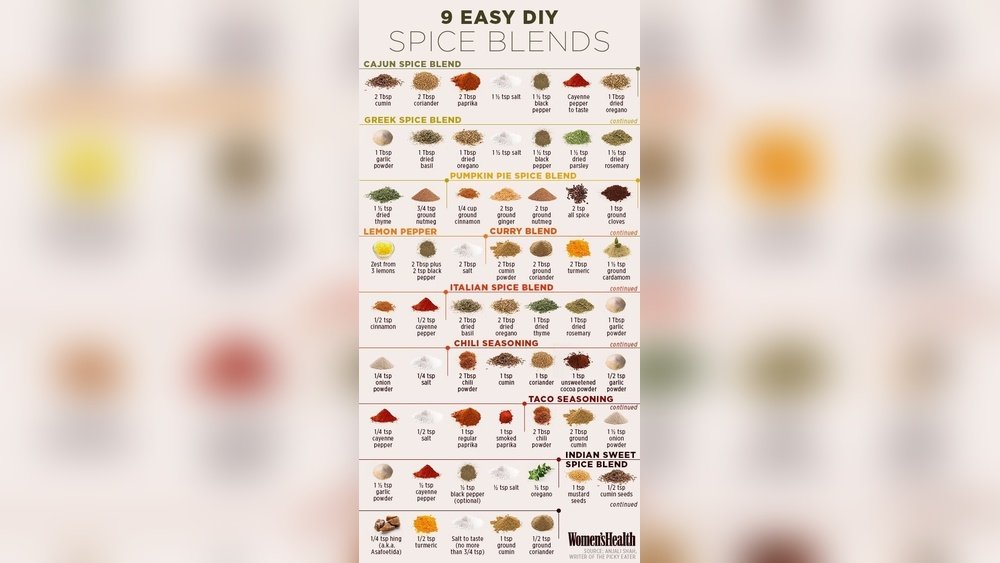
If you want less salt, cut the amount by half. If you like heat, add cayenne or chili flakes. Try new herbs or spices for unique flavors.
Experimenting
Test small batches before using on a whole brisket. Mix rubs and cook a piece of beef to see how it tastes.
Family Preferences
Some people don’t like garlic or onion. Leave them out or use less. You can also make two different rubs for guests with different tastes.
Brisket Rubs And Health Considerations
Rubs can add a lot of sodium and sugar. If you have health concerns:
- Use low-sodium salt or cut salt by 50%.
- Avoid sugar or use substitutes like stevia.
- Check store-bought rubs for additives.
Brisket itself is high in protein but can be fatty. Choose leaner cuts if you want to reduce calories.

Credit: heygrillhey.com
Advanced Rub Techniques
Once you know the basics, try advanced rub methods.
Layering Rubs
Some pitmasters apply a base rub, then a second layer with extra spices. This builds complexity.
Injecting
Instead of just rubbing, you can inject flavors inside the meat. Mix salt, spices, and broth, then inject with a syringe. This makes brisket juicy and flavorful.
Resting Time
Letting brisket sit with the rub longer (up to 24 hours) helps flavors penetrate. Cover and refrigerate during this time.
Brisket Rubs For Competition Bbq

Barbecue competitions judge brisket on taste, texture, and appearance. Competition rubs are carefully crafted.
- Often include special ingredients: Honey powder, MSG, or exotic spices.
- Balanced to impress judges with both bark and flavor.
- Usually applied in multiple layers for depth.
Teams keep their rub recipes secret. If you want to compete, experiment with unique blends and practice your technique.
Brisket Rubs Around The World
Brisket isn’t just American. Many cultures use rubs for beef.
Jewish Brisket
Uses garlic, onion, paprika, and sometimes tomato paste. Usually roasted, not smoked.
Latin American
Includes cumin, coriander, chili powder, and lime zest.
Asian
Uses soy sauce, ginger, garlic, and sesame seeds in the rub or marinade.
Each culture brings new flavors. Try global rubs for something different.
Brisket Rub Myths And Misconceptions
There are many myths about brisket rubs.
Myth 1: Only Salt And Pepper Are Good
Truth: Many rubs work well. Salt and pepper are classic, but herbs and spices can add richness.
Myth 2: Rubs Need To Be Applied Hours Before Cooking
Truth: Even 30 minutes is enough for flavor. Longer resting helps, but isn’t always needed.
Myth 3: Sugar Always Burns
Truth: Sugar burns at high heat, but cooks well at low temperatures. Adjust sugar for your cooking method.
Myth 4: More Rub Equals Better Flavor
Truth: Too much rub can overpower the meat. Use just enough to cover the surface.
Brisket Rubs And Smoke
Brisket rubs interact with smoke during cooking. The rub helps smoke stick to the meat, creating deeper flavor.
- Bark forms as smoke, rub, and meat juices combine.
- Different woods (oak, hickory, mesquite) produce different flavors.
- Rubs with herbs or spices may absorb smoke differently.
Experiment with both rub and wood types for unique results.
How To Make Your Own Signature Brisket Rub
Creating a rub that’s truly yours is rewarding. Here’s how:
- Start with a base: Salt and pepper.
- Add spices you like: Garlic, paprika, cumin, chili powder.
- Mix herbs for freshness: Thyme, rosemary, oregano.
- Test with small batches on beef slices.
- Adjust for sweetness or heat.
Keep notes. Once you find a mix you love, share it with friends and family.
Brisket Rubs For Other Meats
Brisket rubs aren’t just for beef. Try them on:
- Pork shoulder
- Chicken thighs
- Ribs
- Lamb
Adjust salt, sugar, and spice levels. Pork likes sweeter rubs, chicken benefits from herbs, lamb pairs well with cumin and rosemary.
Brisket Rubs And Sauces
Some brisket fans use sauce, others don’t. Rubs make brisket flavorful, but sauce can add moisture and tang.
- Texas barbecue: Sauce on the side.
- Kansas City: Sauce is sweet and thick.
- Carolina: Vinegar-based sauces.
If you use a rub with lots of spice or salt, pick a mild sauce. If your rub is simple, a bold sauce works well.
Brisket Rubs And Smoking Woods
Different woods change brisket’s flavor. Some pair better with certain rubs.
| Wood Type | Flavor | Best Rub Pairing |
|---|---|---|
| Oak | Medium, balanced | Salt and pepper, herb rubs |
| Mesquite | Strong, earthy | Spicy rubs |
| Hickory | Bold, smoky | Sweet and smoky rubs |
| Fruit woods (apple, cherry) | Light, sweet | Rub with brown sugar, paprika |
Try different woods and rubs to see what you like best.
Brisket Rubs For Dietary Restrictions
If you’re cooking for people with allergies or dietary needs:
- Avoid rubs with gluten or MSG.
- Use salt-free or low-salt blends.
- Choose sugar-free rubs for diabetics.
- Check all labels on store-bought rubs.
Homemade rubs let you control every ingredient.
Brisket Rubs And Marinades
Some cooks use both a rub and a marinade. Marinades add moisture and flavor inside the meat, while rubs form a crust outside.
- Apply marinade for a few hours, drain, then add rub.
- Marinades often use oil, vinegar, herbs, and spices.
Don’t over-marinate. Too much acid makes brisket mushy.
Brisket Rubs And Cooking Temperatures
Cooking temperature affects how rubs behave.
- Low and slow (225°F–250°F): Most rubs work well.
- High heat (350°F+): Avoid sugar-heavy rubs.
- Oven roasting: Rubs with herbs and garlic shine.
Monitor temperature to avoid burning spices or sugar.
Credit: www.bbqproshop.com
Brisket Rubs And Resting Meat
After cooking, brisket needs to rest. This helps juices redistribute and flavors settle.
- Rest for at least 30 minutes.
- Wrap in foil or butcher paper.
- Do not slice too soon—bark can fall apart.
A good rub helps keep the bark crisp during resting.
Brisket Rubs And Serving Styles
How you serve brisket affects which rub you choose.
- Sliced brisket: Rubs with bold spices work well.
- Chopped brisket: Milder rubs are better.
- Brisket sandwiches: Sweet rubs pair with tangy sauce.
Try different rubs for different serving styles.
Brisket Rubs And Leftovers
Brisket leftovers taste great. Rubs make them even better.
- Store cooked brisket in airtight containers.
- Reheat gently to avoid drying out.
- Use leftovers in tacos, sandwiches, or salads.
Rubs with strong spices keep flavor after reheating.
Brisket Rubs And Bbq Trends
Barbecue trends change, but rubs remain important. New flavors and techniques appear every year.
- Some pitmasters use exotic spices (like turmeric or fennel).
- Others mix global flavors: Korean, Mexican, Mediterranean.
- Health-conscious rubs use less salt and sugar.
Stay open to new ideas. Try trendy rubs, but keep classic recipes on hand.

Credit: urbancowgirllife.com
Frequently Asked Questions
What Is The Best Brisket Rub For Beginners?
A simple mix of kosher salt and coarse black pepper is perfect for beginners. It’s easy, lets the meat shine, and teaches you how smoke and beef interact.
Can I Use A Brisket Rub For Other Meats?
Yes, brisket rubs work well on pork, chicken, and lamb. Adjust salt and spice levels to fit the meat. For example, pork likes sweeter rubs, while lamb pairs with earthy spices.
How Much Rub Should I Use For A 10-pound Brisket?
Use about 1/4 cup of rub for a 10-pound brisket. Make sure you cover every side evenly. Too much rub can overpower the meat, so use just enough for a thin, even layer.
Should I Let Brisket Sit With Rub Overnight?
Letting brisket rest with rub overnight helps flavors penetrate. But even one hour is enough for good flavor. Overnight is best if you want deeper seasoning.
Are Store-bought Brisket Rubs Healthy?
Some store-bought rubs are high in salt and sugar. Always check labels. Look for blends without artificial additives. Homemade rubs let you control every ingredient, which is often healthier. For more information, see the FDA Food Labeling & Nutrition guide.
Brisket rubs are the foundation of great barbecue. Whether you make your own or buy a blend, the right rub turns a simple cut of beef into something unforgettable. Experiment, taste, and find the mix that fits your style. With time and practice, you’ll master brisket rubs and impress your guests with every cookout.