Portable & Camping Grills: Top Picks for Outdoor Cooking
If you love the outdoors, few things match the joy of cooking under the sky. The smell of sizzling food, the crackle of flames, and the taste of freshly grilled meals turn any trip into a memorable experience. But, to truly enjoy this, you need the right gear—portable and camping grills. Today’s grills are smarter, lighter, and designed for quick setup, making outdoor cooking easier and more fun than ever. Whether you’re a weekend camper, a tailgater, or someone who enjoys backyard picnics, choosing the right portable grill can make a big difference.
Finding the best grill isn’t just about picking a brand. It’s about knowing what fits your style, what fuel you can carry, and how much space you have. Some grills are perfect for small families, others are built for big groups.
Some need only a match to start, while others use push-button ignitions. In this guide, we’ll break down everything you need to know about portable and camping grills. We’ll cover types, fuel options, key features, safety, maintenance, and more—so your next adventure is delicious, safe, and hassle-free.
What Makes A Grill “portable”?
Not every grill is portable. To count as “portable,” a grill must be:
- Lightweight: Easy to carry for one person, usually under 30 pounds.
- Compact: Fits in a car trunk or small space.
- Quick to set up: Takes only a few minutes to assemble or unfold.
- Stable: Safe to use on uneven ground.
Many portable grills use folding legs, locking lids, and carrying handles. Some even have wheels for rolling over sand or gravel. Unlike large backyard grills, portable models focus on easy movement and storage.
Types Of Portable & Camping Grills
Choosing the right type depends on your cooking needs, fuel access, and group size. Here are the main types you’ll see:
1. Charcoal Grills
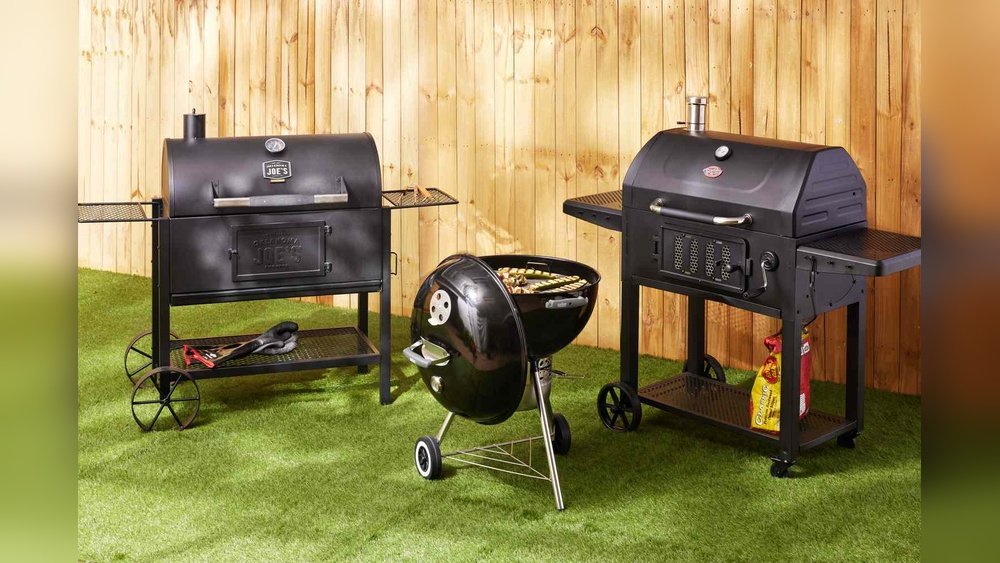
Charcoal grills are loved for their smoky flavor and simple design. They’re usually the cheapest and give food that classic grilled taste.
Pros:
- Rich, smoky flavor
- Simple mechanics—less to break
- Widely available fuel
Cons:
- Takes longer to heat up
- More cleanup (ash)
- Harder to control temperature
Charcoal grills are great for people who enjoy the process of lighting coals and don’t mind waiting a bit for food.
2. Propane (gas) Grills
Propane grills use small, pressurized tanks. They are popular for their convenience.
Pros:
- Instant heat with push-button ignition
- Easy temperature control
- Little mess—no ash
Cons:
- Tanks add weight
- Need to carry extra fuel
Many propane grills now have features like built-in thermometers and piezo igniters. They’re ideal for quick meals and beginners.
3. Electric Grills
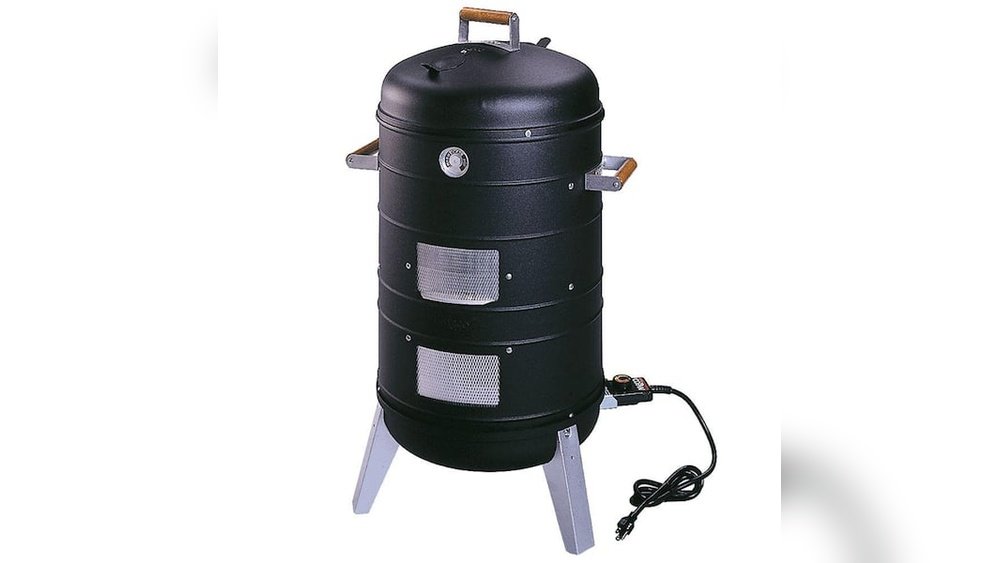
If you camp in places with power, electric grills are a clean option.
Pros:
- No flame—safer in dry areas
- Simple temperature dials
- No fuel to carry
Cons:
- Needs a power source (not for remote areas)
- Usually less powerful than gas or charcoal
Electric grills are best for RV parks, cabins, or backyard use where outlets are available.
4. Wood Pellet Grills
Pellet grills use compressed wood pellets for fuel. They combine some benefits of gas and charcoal.
Pros:
- Excellent flavor—wood smoke
- Even heat distribution
- Some have digital controls
Cons:
- Heavier and bulkier
- Need to carry pellets
- Expensive
Pellet grills are for those who want top flavor and don’t mind extra weight or cost.
5. Disposable/single-use Grills
These are lightweight, often aluminum trays with built-in charcoal.
Pros:
- Very light and compact
- Cheap
- No cleaning—throw away after use
Cons:
- One-time use only
- Not eco-friendly
- Limited cooking space
These work for quick picnics or emergencies but aren’t recommended for regular use.
Comparing Grill Types
To help you see the differences clearly, here’s a comparison:
| Type | Flavor | Setup Time | Weight | Cleanup | Cost |
|---|---|---|---|---|---|
| Charcoal | Rich, smoky | 10-20 mins | Light | Messy (ash) | Low |
| Propane | Clean, mild | 2-5 mins | Medium | Easy | Medium |
| Electric | Mild | 1-3 mins | Light-Medium | Very easy | Medium-High |
| Pellet | Smoky, wood | 10-15 mins | Heavy | Medium | High |
| Disposable | Basic | 5-10 mins | Very light | Throw away | Very low |
Key Features To Consider
Not all portable grills are equal. Here’s what really matters when making your choice:
Cooking Surface Area
Measured in square inches, this tells you how much food you can cook at once. For 2-3 people, 150-200 square inches is enough. For 4-6, look for 250+.
Weight And Size
Check both the actual weight and the packed size. Some grills fold down or have removable legs, making them easier to pack.
Build Quality
Look for stainless steel or cast iron parts. Avoid thin, painted metal—it rusts fast. Good hinges, handles, and latches matter for safety and durability.
Fuel Efficiency
Some grills use fuel quickly, especially in windy spots. Propane and pellet grills often list BTUs (British Thermal Units)—higher means more heat, but too high can waste fuel if you cook small meals.
Ease Of Cleaning
Removable ash pans, grease trays, and non-stick grates save time. If you hate scrubbing, avoid complicated grates.
Safety Features
Look for stable legs, cool-touch handles, and secure lids. Some models have flame guards, which help on windy days.
Price And Warranty
Most portable grills cost between $30 and $300. More expensive models often include better materials and longer warranties.
Credit: www.homedepot.com
Popular Portable & Camping Grill Brands
Some brands stand out for quality and innovation. Here are a few respected names:
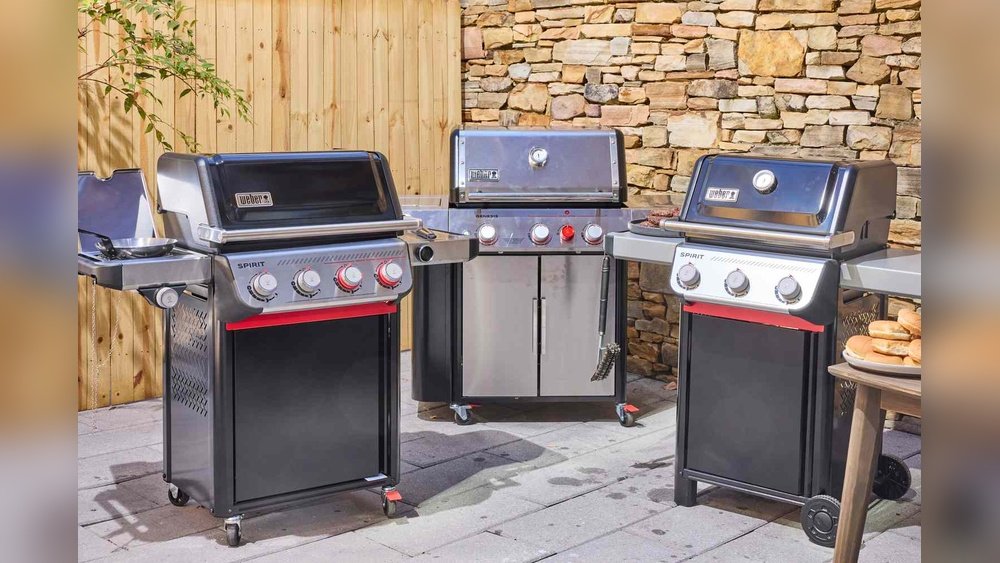
- Weber: Known for durability and design, especially in the “Q” and “Go-Anywhere” series.
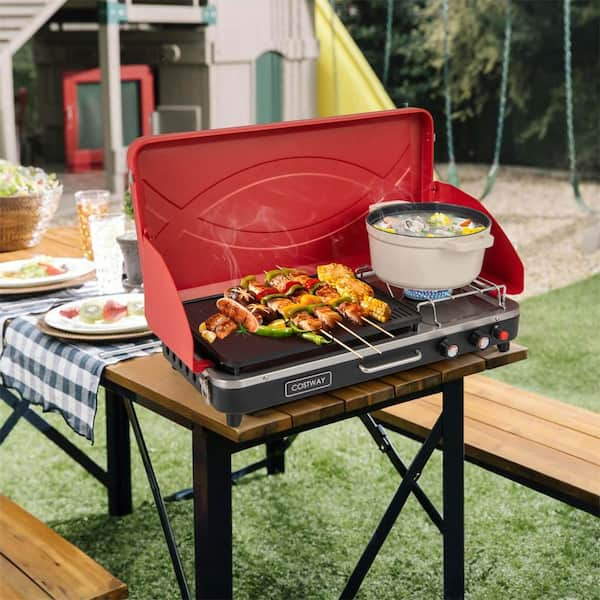
- Coleman: Reliable, easy to use, and popular with campers.
- Cuisinart: Offers both gas and charcoal options, often compact.
- BioLite: Makes wood-burning grills with fan systems for cleaner burning.
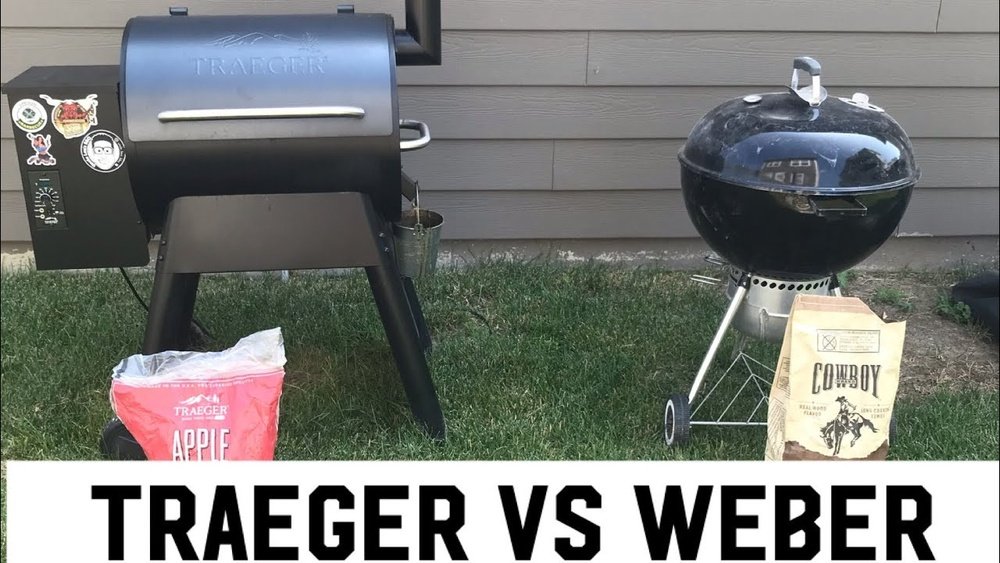
- Traeger: Famous for portable pellet grills.
Each brand has its own strengths. For example, Weber’s grills often have thick grates that keep heat well, while BioLite’s unique air system lets you cook with sticks found at camp.
How To Choose The Right Grill For Your Trip
Your choice depends on:
1. How Many People You’ll Cook For
Small groups can use compact grills, but larger families need bigger grates.
2. How You’ll Travel
Backpackers need ultralight models, while car campers can carry heavier gear.
3. What You Want To Cook
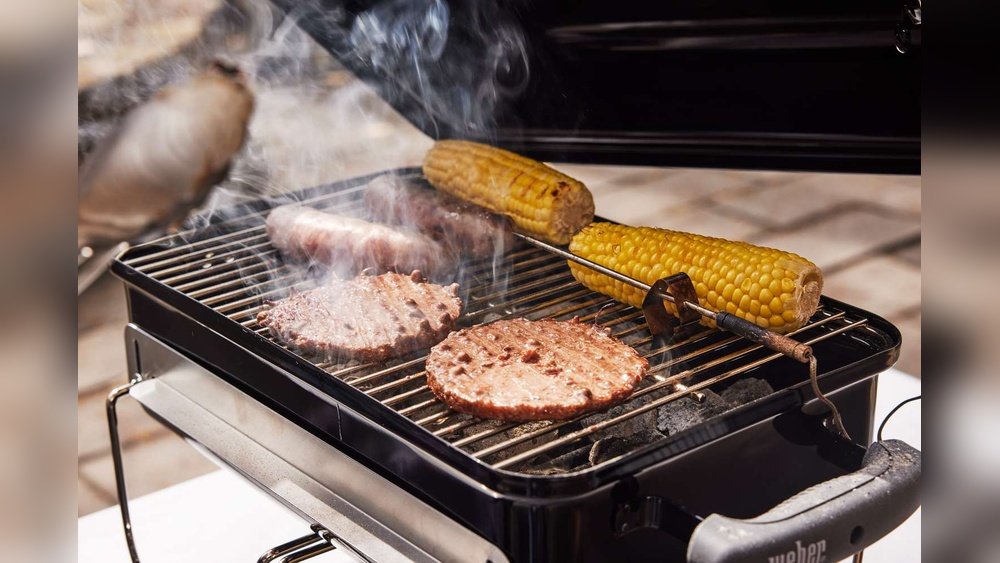
Burgers and hot dogs are easy on most grills, but if you want to bake pizza or smoke ribs, you’ll need more features.
4. Fuel Access
If you camp in remote places, wood or charcoal may be easier to find than propane tanks.
5. Fire Regulations
Some parks ban open flames—check rules before you go.
Packing And Transporting Your Grill
A good portable grill should not just be light, but also easy to carry. Some models fit into backpacks; others require a sturdy case. Here’s what to keep in mind:
- Secure all parts—nothing should rattle or leak
- Let the grill cool fully before packing
- Carry fuel in approved containers only
- If using charcoal, bring a small bag and a lighter; for propane, check tank seals
Many campers overlook the importance of a carrying bag. A bag protects your gear and keeps ash or grease from getting on other items.
Setting Up Your Grill Safely
To avoid accidents and enjoy your meal, always follow these steps:
- Pick a flat spot: Uneven ground can tip your grill.
- Clear debris: Remove dry leaves or grass within 3 feet.
- Check wind direction: Point vents away from tents or people.
- Assemble fully: Don’t skip steps—unstable parts can cause burns.
- Check fuel connections: For gas grills, ensure all seals are tight.
- Have water or a fire extinguisher nearby: Accidents can happen quickly.
Remember, some parks only allow grills with lids and ash catchers to reduce fire risk.
Cooking Tips For Delicious Outdoor Meals
Grilling outdoors can be tricky, especially if you’re new to portable grills. Here’s how to get great results:
Preheat Your Grill
Always preheat for 5-10 minutes. This helps food cook evenly and prevents sticking.
Use The Right Tools
Pack long tongs, a spatula, and a grill brush. Small kitchen tools can lead to burns.
Control The Heat
- For charcoal, spread coals evenly for high heat; make a two-zone fire (more coals on one side) for both searing and slow cooking.
- For gas, use dials to set temperature, and keep the lid closed as much as possible.
Don’t Overcrowd
Leave space between food items—this lets air and heat move evenly.
Rest Your Meat
Let meat rest a few minutes after cooking. This keeps it juicy.
Try Foil Packets
For veggies, potatoes, or even fish, wrap them in aluminum foil with spices and a little oil. Place the packet on the grill—no sticking, no mess.
Clean As You Go
Wipe grates with a grill brush after each use. This is easier when the grill is still warm.
Common Mistakes To Avoid
Even experienced campers make errors. Watch out for these:
- Bringing too much or too little fuel: Always pack extra, but don’t overload your car or backpack.
- Starting with dirty grates: Food will stick and taste bad.
- Cooking with the lid open (for gas grills): This wastes heat and fuel.
- Leaving the grill unattended: Flames can flare up quickly, especially with fatty foods.
- Ignoring local fire bans: Always check rules—some parks ban charcoal or open flames during dry seasons.
Credit: flamekingproducts.com
Cleaning And Maintaining Your Grill
A well-kept grill lasts longer and cooks better. Here’s how to keep yours in top shape:
After Each Use
- Let the grill cool, then brush grates clean.
- Empty ash pans or grease trays into a safe container.
- Wipe the outside with a damp cloth—food particles can attract animals.
At Home
- Wash grates with warm, soapy water.
- For gas grills, check burners for clogs.
- Store grills in a dry place—never leave them wet.
A non-obvious tip: Season cast iron grates with oil after cleaning. This prevents rust and creates a non-stick surface.
Grill Accessories Worth Packing
Some add-ons make a big difference outdoors:
- Grill thermometer: Check internal meat temperature for safety.
- Grill light: Helpful for evening cooking.
- Collapsible tables: For food prep and serving.
- Heat-resistant gloves: Avoid burns when moving hot parts.
- Wind guards: Shields flames on breezy days.
- Reusable grill mats: Prevent small foods from falling through grates and make cleanup faster.
Comparing Top Portable Camping Grills (2026)
Let’s look at a few popular models, their key specs, and who they’re best for:
| Model | Type | Cooking Area (sq in) | Weight (lbs) | Special Feature |
|---|---|---|---|---|
| Weber Q1200 | Propane | 189 | 29.5 | Cast aluminum body |
| Coleman RoadTrip 285 | Propane | 285 | 49 | Swappable cooktops |
| Cuisinart CCG-190 | Charcoal | 150 | 2 | Super compact |
| BioLite FirePit+ | Wood/Charcoal | 130 | 20 | Airflow fan |
| Traeger Ranger | Pellet | 184 | 60 | Digital controller |
For solo travelers, the Cuisinart CCG-190 is ultra-light. For serious cooks, the Traeger Ranger brings wood-fired flavor in a portable box.
Fuel Options: What You Need To Know
Charcoal
- Readily available, cheap
- Adds flavor but messy to carry
- Needs proper disposal—never dump ashes in the woods
Propane
- Sold in 1 lb. Or 16 oz. Bottles (most common)
- Clean, easy, but can run out fast
- Always check for leaks before use
Wood & Pellets
- Pellets are efficient and give great flavor
- Wood can be gathered (where allowed), but don’t use wet wood
- Some parks ban wood fires—check first
Electricity
- Best for RVs, cabins, or “glamping”
- Needs a reliable outlet—carry a long cord
A practical tip: For longer trips, bring both a main fuel and a backup (for example, propane plus a disposable charcoal grill).
Environmental Impact And Leave No Trace
Grilling outdoors can harm the environment if not done carefully. Here’s how to reduce your impact:
- Use grills with lids and ash catchers to prevent fire risk.
- Never dump ashes or grease in streams or on the ground.
- Avoid disposable grills unless there’s a proper trash system.
- Clean your site—leave no trace of food or trash.
- Use local firewood only (if allowed)—transporting wood can spread pests.
Some newer grills are designed to be more eco-friendly, using recycled materials or solar-powered fans.
When To Choose A Portable Grill Over A Campfire
Campfires are traditional, but grills often win for these reasons:
- Faster setup and cleanup
- Safer in windy or dry areas
- More even cooking (less burnt food)
- Allowed in more locations, especially during fire bans
If you want the flavor of real fire but need control and safety, a portable grill is a smart compromise.
Real-world Examples: Grilling On Different Adventures
Car Camping
You have space, so bring a larger propane grill or pellet grill. You can cook full meals, even pizza or roasted chicken.
Backpacking
Weight matters most. Choose a tiny charcoal grill, or a lightweight wood burner. Some ultralight grills fold down to the size of a notebook.
Beach Or Park Picnics
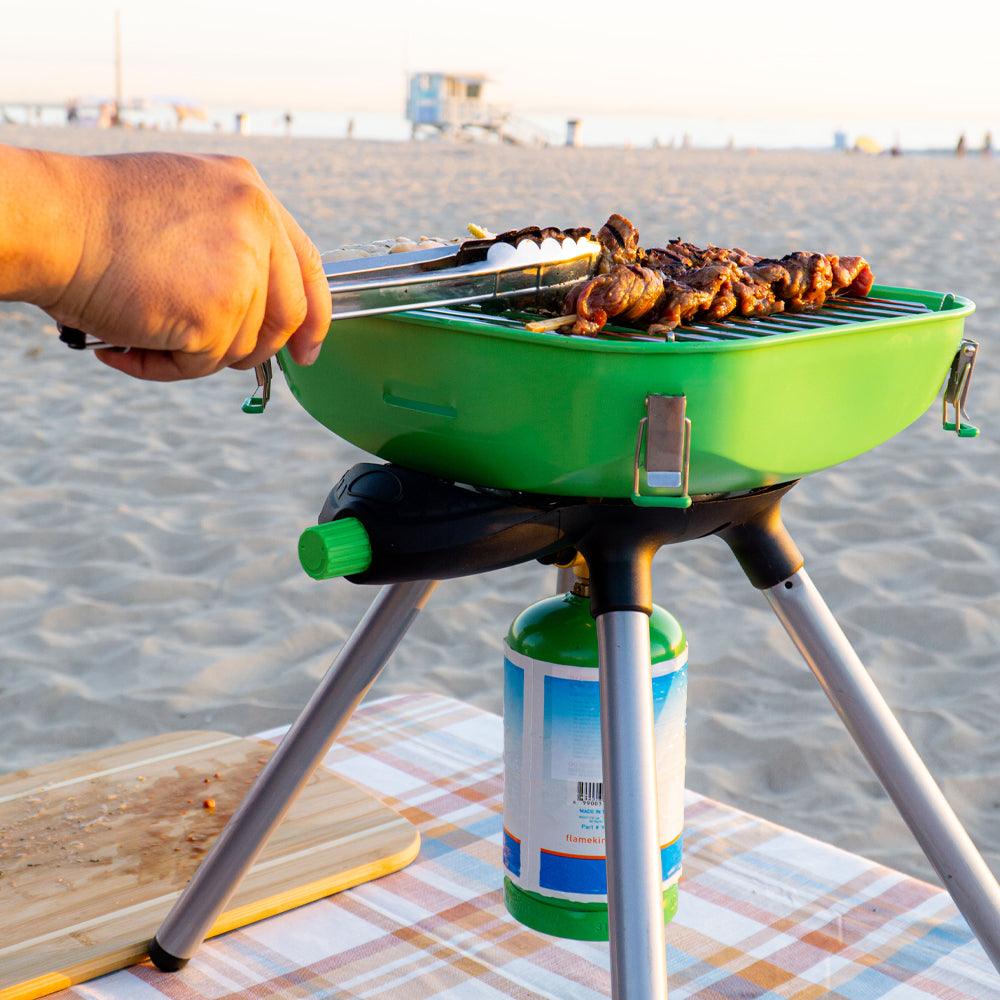
Disposable or tabletop grills are handy. Look for wind guards—beaches are windy! Always check local rules, as some parks ban open flames.
Rv Trips
Electric or large gas grills work well. You have power and space, so enjoy more features. Some RVers install slide-out grill trays.
Festivals Or Tailgating
Quick-setup propane grills are best. You’ll want to cook fast, feed a crowd, and pack up easily.
Safety: More Than Just Flames
Cooking outdoors brings extra risks. Take these steps:
- Keep children and pets away from hot grills.
- Don’t leave grills unattended—wind can spread embers.
- Use only approved fuel—never use gasoline or lighter fluid on gas grills.
- For charcoal, use a chimney starter (safer than lighter fluid).
- Extinguish all coals fully before packing up.
A non-obvious safety tip: Always check local weather. Sudden winds can blow sparks far. If strong winds are forecast, postpone grilling.
Maintenance: Tips For A Longer Lasting Grill
- Store grills indoors or in a weatherproof bag.
- Oil moving parts to prevent rust.
- For propane grills, check hoses for cracks before each trip.
- Replace worn grates or burners promptly.
- Tighten all screws and handles—loose parts are a common cause of accidents.
Many campers forget to clean the grease tray. Over time, this can cause dangerous flare-ups.
Grilling For Special Diets And Needs
Outdoor cooking isn’t just for burgers. Here’s how to grill for everyone:
- Vegetarians: Grill marinated veggies, tofu, or veggie burgers.
- Gluten-free: Use foil packets for fish or potatoes, and grill gluten-free bread.
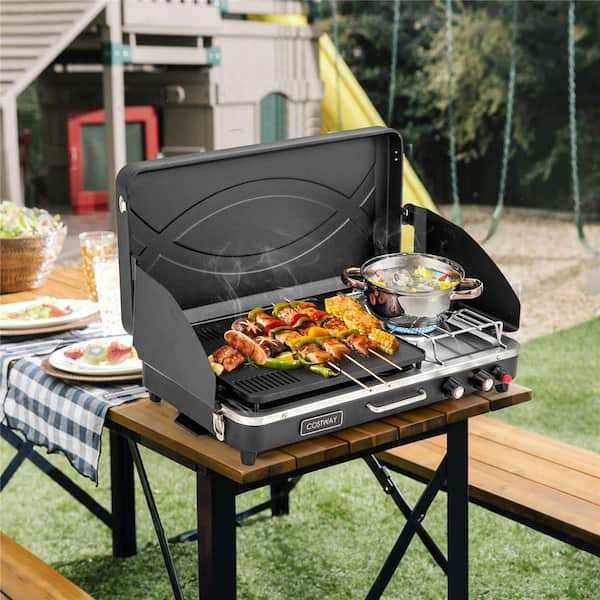
- Kids: Bring skewers for kebabs or grill fruit slices for dessert.
A smart idea: Use separate sections of the grill (or foil) to avoid cross-contamination for allergies.
Credit: www.homedepot.com
Quick Recipes For Camping Grills
Classic Burgers
- 1 lb ground beef or plant-based meat
- Salt, pepper
- Buns, toppings
Shape patties, season, grill 3-4 minutes per side.
Grilled Veggie Skewers
- Bell peppers, onions, zucchini, mushrooms
- Olive oil, salt, pepper
Thread onto skewers, brush with oil, grill 8-10 minutes.
Campfire Foil Potatoes
- 2 large potatoes, sliced
- 1 tbsp butter
- Salt, herbs
Wrap in foil, grill 20-25 minutes.
Grilled Pineapple Rings
- Fresh pineapple, sliced
- Sprinkle of cinnamon
Grill 2-3 minutes per side for a sweet treat.
Cost Breakdown: What To Budget For
Portable grills range widely in price. Here’s what to expect:
- Entry-level charcoal: $25–$50
- Mid-range propane: $80–$200
- High-end pellet: $250–$400
Add extra for fuel, utensils, and cases. A good grill is an investment—cheaper models may not last as long.
Where To Buy And What To Look Out For
Buy from reputable outdoor stores or directly from the manufacturer. Check for:
- Warranty: At least 1 year is good
- Customer reviews: Look for comments on build quality and after-sales support
- Replacement parts: Some brands offer grates or burners separately
A smart move: Visit the grill in person if possible, to test the weight, handle comfort, and setup.
Trends In Portable Grills (2026 And Beyond)
The market is growing fast, with new ideas each year:
- Smart grills: Some pellet grills now have Bluetooth controls.
- Solar-powered fans: Improve burn efficiency for wood grills.
- Eco-friendly materials: Bamboo handles, recycled steel, or biodegradable parts.
- Multi-fuel options: Some new models run on both gas and charcoal.
These innovations aim to make grilling easier, greener, and more flexible for all kinds of campers.
Portable Grills Vs. Other Outdoor Cooking Gear
How do portable grills compare to alternatives like camp stoves or fire pits? Here’s a look:
| Gear Type | Best For | Pros | Cons |
|---|---|---|---|
| Portable Grill | Grilling, searing, flavor | Great taste, even cooking | Heavier than stoves |
| Camp Stove | Boiling, frying, simmering | Ultralight, fast setup | No grill flavor |
| Fire Pit | Large groups, ambiance | Warmth, big meals | Slow, needs wood |
For most campers, a portable grill hits the sweet spot between taste, ease, and safety.
Packing Checklist For Grilling Success
Before your trip, make sure you have:
- Grill and fuel
- Utensils (tongs, spatula, brush)
- Cleaning supplies
- Fire extinguisher or water bucket
- Food and seasonings
- Thermometer
- Aluminum foil
- Trash bags
- Heat-proof gloves
- Backup lighter or matches
A non-obvious tip: Pack a small cutting board—it makes food prep much easier and keeps things sanitary.
Frequently Asked Questions
How Do I Clean My Portable Grill If I’m Camping Without Water?
Scrape off big food bits with a grill brush while the grates are still warm. Wipe with a paper towel. For stubborn spots, sprinkle a little coarse salt and scrub. Save a small water bottle for a quick rinse, but deep cleaning can wait until you’re home.
Is It Safe To Use A Portable Grill On A Picnic Table?
Yes, but place a fireproof mat or some foil under the grill to protect the table from heat or grease. Always check if the table is level, and never leave the grill unattended.
What’s The Best Way To Store Fuel For A Camping Grill?
Store propane tanks upright, away from direct sun, and never inside a hot car. Keep charcoal in a sealed bag to stay dry. For wood or pellets, use a waterproof container. Always check for leaks before transport.
Can I Use My Portable Grill Inside A Tent Or Rv?
No—never use grills indoors or in enclosed spaces. Even if there’s no visible flame, grills produce carbon monoxide, which is deadly in small areas. Always grill outside in open air.
Where Can I Learn More About Outdoor Cooking Safety?
You can find detailed safety tips and guidelines at the National Park Service website.
Cooking outdoors is one of life’s great pleasures, and with the right portable or camping grill, you can enjoy tasty, safe, and memorable meals anywhere. Take time to pick the right grill, learn its quirks, and follow safety steps. With a bit of practice, you’ll be the grill master everyone wants on their next adventure.