Mastering the Flat Top Griddle Grill: Tips and Techniques
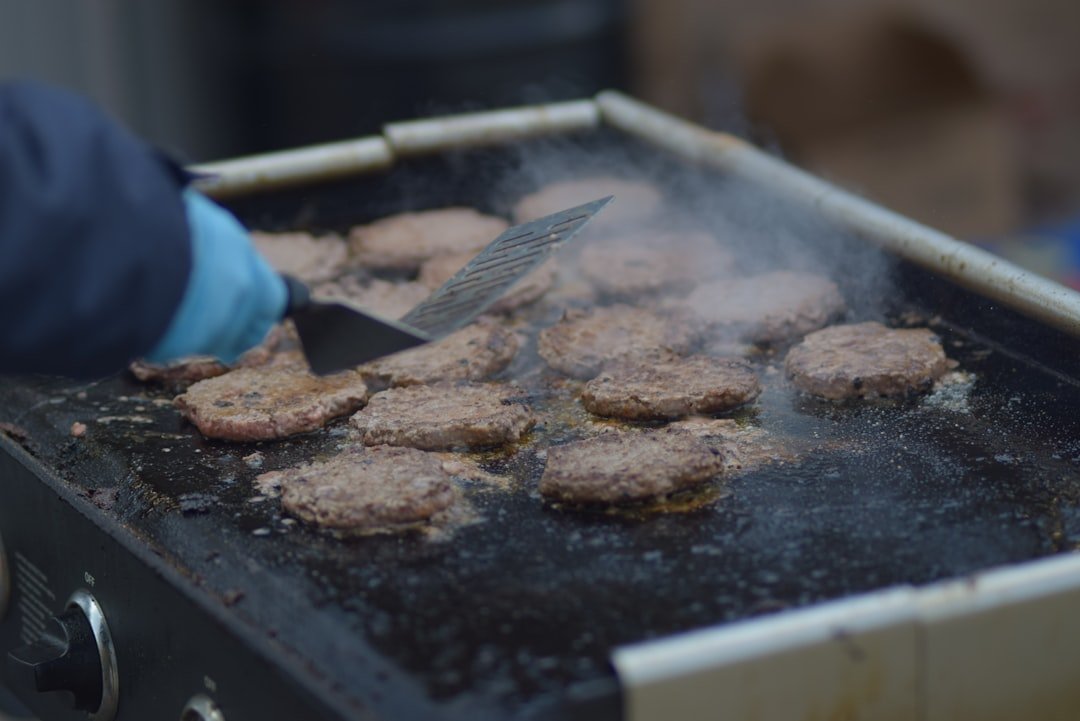
You might be wondering what makes a flat top griddle grill so appealing, especially when you’ve got a perfectly good grill already. The honest answer? It’s versatility and the incredible crust it delivers on so many foods. Forget food falling through the grates or fighting flare-ups; a flat top is like having a giant, super-efficient frying pan outdoors. It’s fantastic for everything from searing steaks to cooking delicate seafood, and even making breakfast. If you’ve got one, or are thinking about getting one, here’s how to really make the most of it.
Before you even think about tossing burgers on, the griddle needs a solid foundation. This isn’t just about getting it hot; it’s about preparing the surface so your food doesn’t stick and you get that amazing crust we talked about.
Preheating: Patience is Key
This is probably the most crucial step and the one most people rush. A griddle that isn’t properly preheated will lead to sticking and uneven cooking.
How Hot is Hot Enough?
Different foods need different temperatures, but as a general rule, you want to let your griddle heat up for a good 10-15 minutes on medium-high heat. You’ll know it’s ready when a drop of water sizzles and evaporates almost instantly. Don’t crank it to the absolute maximum straight away; gradual heating is better for the metal.
What About Different Fuel Sources?
Whether you have a propane-powered standalone griddle or one that attaches to your gas grill, the principle of preheating remains the same. For electric griddles, give them a similar amount of time to reach consistent temperature.
Seasoning Your Griddle: Building a Non-Stick Surface
This is where the magic of a flat top truly shines. Seasoning creates a natural non-stick layer, similar to a cast-iron skillet. Without it, you’ll be scraping and scrubbing endlessly.
The Initial Seasoning Process
When you first get your griddle, it likely has a protective coating on it. You’ll need to clean this off thoroughly with soap and water, then dry it completely. After that, apply a very thin layer of a high smoke point oil (like canola, vegetable, or grapeseed oil) all over the surface. Heat the griddle to medium-high until it starts to smoke, then let it cool down a bit. Repeat this process 2-3 times.
Maintenance Seasoning: Keeping it Smooth
After each cooking session, once the griddle has cooled slightly, give it a quick wipe down with a damp cloth. Then, apply another thin layer of oil. This light seasoning after each use is what builds and maintains that fantastic non-stick surface over time. Don’t skimp on this; it’s your best friend.
What Kind of Oil to Use?
Stick to oils with high smoke points. These can withstand the high temperatures of the griddle without burning off and becoming acrid. Avoid less robust oils like olive oil for the seasoning process and high-heat cooking.
If you’re considering enhancing your outdoor cooking experience, you might find our article on the Blackstone Tailgater Portable Gas Grill particularly helpful. This versatile grill not only complements the functionality of a flat top griddle grill but also offers portability and convenience for tailgating or camping trips. To learn more about its features and benefits, check out the article here: Blackstone Tailgater Portable Gas Grill Review.
Cooking Techniques for Maximum Flavor
Once your griddle is preheated and seasoned, it’s time to put it to work. The flat surface opens up a world of cooking possibilities that a traditional grill can’t match.
The Perfect Sear: Achieving That Maillard Reaction
This is what flat tops are legendary for. The even, direct heat contact creates an incredible crust on meats.
Steak & Burgers: The classics
For steaks, get your griddle screaming hot. Place your seasoned steak on the hot surface and don’t touch it for a few minutes. This allows that beautiful crust to form. Flip and repeat. For thicker cuts, you might need to finish them indirectly or on the cooler side of the griddle to reach your desired internal temperature without burning the outside. Burgers are similar – a hot griddle means a quick sear and a juicy interior.
Delicate Meats and Seafood: No Escapees
Think about salmon, shrimp, scallops, or even fish fillets. On a traditional grill, these can fall through the grates or stick badly. On a flat top, they cook beautifully and evenly. A little oil, a medium-high heat, and a few minutes per side is all it takes.
Cooking Without Fear of Flare-Ups
One of the biggest advantages of a flat top is the absence of traditional flare-ups. Any grease or drippings simply fall into the grease trap, meaning you can cook fatty foods like bacon or burgers without smoke filling the air and scorching your food.
Bacon Bliss: Crispy Perfection
Forget splattering grease all over your stovetop. Lay strips of bacon directly onto your preheated griddle. The fat will render out, and you’ll get perfectly crispy bacon without the mess. You can even cook it in batches without worrying about burning remnants sticking to the surface.
Searing Fattier Cuts: Ribeyes and Pork Belly
These cuts can be tricky on a grate grill, but a flat top handles them with ease. The fat renders down, and the even heat ensures a beautiful sear on all sides without the risk of flames igniting the fat and causing bitterness.
Beyond the Grill: More Than Just Meats
The flat top isn’t exclusive to savory dishes. Its versatility extends to some surprising and delicious applications.
Breakfast Bonanza: Pancakes, Eggs, and More
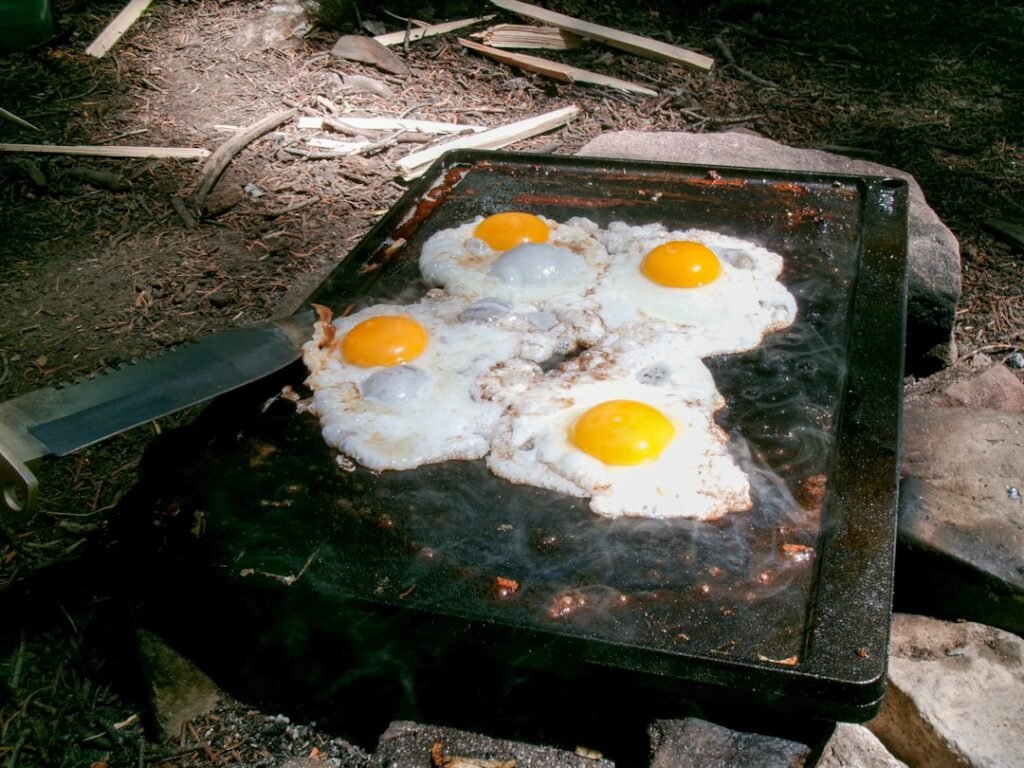
This is where many people fall in love with their flat tops. Imagine cooking a dozen pancakes simultaneously, perfectly golden brown. Or frying eggs with crisp, lacy edges. Bacon, sausage, hash browns – it’s all effortless on a griddle. The even heat ensures everything cooks uniformly.
Smash Burgers: The Ultimate Crust
If you have a passion for burgers, a flat top is your best friend for smash burgers. Roll your seasoned balls of meat, place them on the hot griddle, and use a sturdy spatula to firmly press them down. This creates maximum surface contact, resulting in an incredibly thin patty with a super-crispy, deeply caramelized crust.
Stir-fries and Fried Rice: Outdoor Flavor
You can absolutely make stir-fries and fried rice on your griddle. Get it hot, add your oil, and then your ingredients. The large surface area allows everything to cook quickly and evenly, giving it that authentic, slightly smoky flavor you can only get from outdoor cooking.
Essential Tools for Griddle Mastery
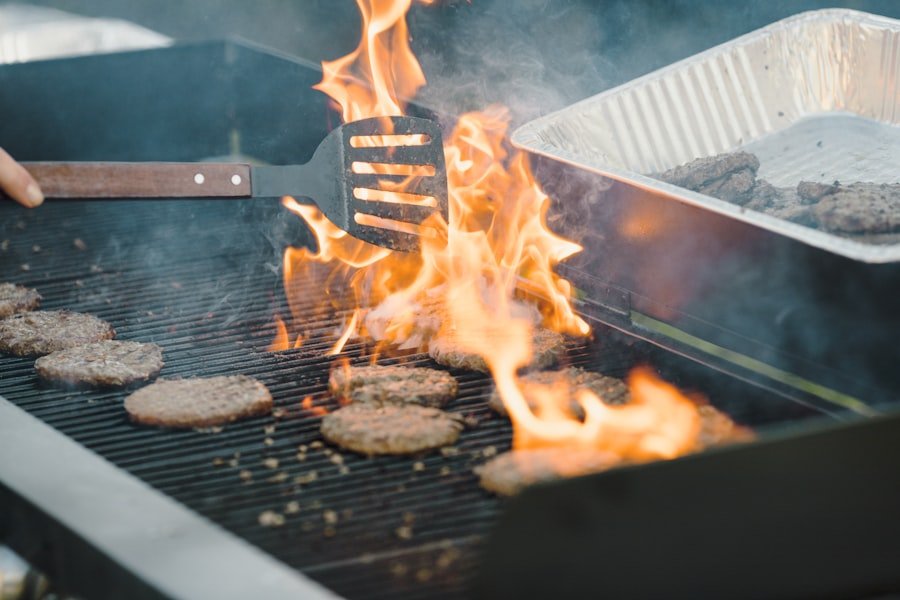
Just like any specialized cooking setup, a few well-chosen tools can make a huge difference in your griddle experience. Think of them as your culinary sidekicks.
The Mighty Spatula: Your Primary Weapon
You’ll likely need more than one type of spatula, and they should be substantial.
Wide, Flat Blades: For Flipping and Scraping
Invest in wide, flat, and sturdy metal spatulas. These are essential for flipping burgers, steaks, fish, and pancakes without tearing or breaking them. They’re also your go-to for scraping any stuck-on bits after cooking. Choose ones with comfortable handles that won’t get too hot.
The “Burger Flipper”: A Must-Have
Specifically, a sturdy, wide spatula is often called a “burger flipper” for a reason. It needs to be strong enough to get under a patty without bending, and wide enough to catch the whole thing.
Squeeze Bottles: For Precision and Ease
These aren’t just for kids’ parties; squeeze bottles are invaluable for griddle cooking.
Oil Application: Even and Controlled
Fill them with your cooking oil for precise application. You can easily drizzle oil around your food, onto vegetables, or to create a thin layer between cooking batches. This is far more controlled than trying to pour oil from a jug.
Sauce and Marinade Delivery: Flavor Control
They’re also great for adding marinades or sauces during cooking, helping you create glazes or add extra flavor without over-application.
Cleaning Supplies: Keeping it Pristine
A clean griddle is a happy griddle, and it’s crucial for continued success.
Scrapers and Brushes: Tackling Tough Bits
A good quality griddle scraper (often a flat metal edge) is vital for removing stubborn residue. A stiff bristle brush (designed for griddles, not your house cleaning!) can also help lift debris after scraping.
Dedicated Towels and Rags: For Wiping and Oiling
Have separate, dedicated cloths or paper towels for scraping, wiping, and oiling. You don’t want to mix grease from cooking with your general cleaning rags.
Other Helpful Gadgets: Elevating Your Game
- Tongs: For moving food around without piercing it, especially delicate items.
- Lids or Domes: Useful for steaming vegetables on the griddle or melting cheese quickly.
- Heat-Resistant Gloves: Always a good idea when working with high heat.
Cleaning and Maintenance: The Unsung Heroes
This is probably the least glamorous part, but it’s incredibly important for the longevity and performance of your griddle. A well-maintained griddle will last for years and cook better every time.
Post-Cooking Cleanup: The Immediate Steps
Don’t let food residue sit and harden. The best time to clean is while the griddle is still warm (but not scorching hot).
Scraping Away Residue
Use your metal scraper to push all food particles and excess grease towards the grease trap. Do this while the griddle is still warm enough to loosen things up, but cool enough to handle safely.
Wiping Down: The Oil and Shine
Once the bulk of the debris is removed, use a damp cloth or paper towel to wipe down the surface. Then, apply a thin layer of cooking oil (as mentioned in the seasoning section) to protect and maintain the non-stick surface.
Deep Cleaning: For When Things Get a Little Sticky
Even with regular cleaning, occasionally, you might need to do a more thorough deep clean.
Using Water (Carefully)
If you have stubborn, burnt-on bits, you can carefully add a small amount of water to the warm griddle to help loosen them. Scrape it off immediately, and be careful of steam. Don’t flood the griddle, especially if it’s a portable unit.
Avoiding Harsh Chemicals
Generally, you want to avoid harsh chemical cleaners on your griddle surface. They can strip away the seasoning and even damage the metal over time. Stick to mechanical scraping and gentle cleaning methods.
Protecting Your Investment: Storage and Care
How you store your griddle can also impact its longevity.
Covering Up: Protection from the Elements
If your griddle is an outdoor unit, always cover it when not in use. This protects it from rain, dust, and other debris that can lead to rust.
Rust Prevention: A Little Oil Goes a Long Way
If you do notice any signs of rust, don’t panic. You can usually remove it with steel wool and then re-season the affected area. Regular oiling after cleaning is your best defense against rust.
If you’re considering investing in a flat top griddle grill, you might find it helpful to read a related article that reviews various indoor grill options. This comprehensive review can provide insights into different models and their features, helping you make an informed decision. For more details, check out the article on indoor grills and griddles here.
Troubleshooting Common Griddle Problems
| Feature | Specification |
|---|---|
| Material | Stainless steel |
| Cooking surface | Flat top |
| Size | Various sizes available |
| Heat source | Gas or electric |
| Temperature control | Adjustable thermostat |
Even seasoned griddle users run into issues now and then. Here are some common problems and how to fix them.
Sticking Food: The Dreaded Problem
This is usually a sign that your griddle isn’t properly seasoned or hot enough.
Re-seasoning is Your Solution
If food is consistently sticking, dedicate a cooking session to re-seasoning it thoroughly as described in the beginning. This usually resolves the issue. Ensure you’re also using enough cooking oil during the actual cooking process.
Temperature Check
Make sure your griddle is adequately preheated. If you throw food on a cold or lukewarm surface, it’s going to stick.
Uneven Heating: Hot and Cold Spots
This can be frustrating, especially when cooking multiple items.
Rotate Your Food
If you notice hot spots, simply rotate your food. Move items from hotter areas to cooler ones and vice versa.
Understanding Your Griddle
Some griddles naturally have slightly hotter zones. Learn your griddle’s quirks and adjust your cooking accordingly. For propane units, ensure all burners are functioning correctly and evenly.
For Built-in Griddles
If you have a built-in griddle, ensure the burners beneath are evenly spaced and functioning correctly. Sometimes adjusting the gas flow can help.
Grease Management Issues: A Messy Situation
If grease isn’t properly managed, it can drip onto your burners (on propane models) or create a fire hazard.
Clean the Grease Trap Regularly
Make sure you’re emptying and cleaning the grease trap after every few uses, or as needed depending on what you’re cooking. A clogged trap is a recipe for disaster.
Using Channels Effectively
Many griddles have channels that direct grease towards the trap. Ensure these are clear of debris.
Smoke Overload: Too Much of a Good Thing?
While some smoke is natural with high-heat cooking, excessive smoke can be unpleasant.
Check Your Oil
Are you using an oil with a high enough smoke point for the temperature you’re cooking at? If your oil is smoking heavily before your food even hits the griddle, it’s likely too low a smoke point or the griddle is too hot for that specific oil.
Cleanliness Matters
A griddle with burnt-on residue can produce excessive smoke. Ensure your griddle is clean and properly seasoned.
By understanding these common issues and their solutions, you’ll be well-equipped to handle any challenge and continue enjoying the fantastic results a properly mastered flat top griddle can deliver. It’s a learning curve, for sure, but a very rewarding one.