Reverse Sear Ribeye: Unlock Juicy, Restaurant-Quality Steaks
The perfect ribeye steak is more than a meal. It’s an experience. When you crave a juicy, tender, and flavorful steak, the reverse sear method stands out. Many steak lovers agree: reverse searing gives you more control, better texture, and a delicious crust. But what makes it special, and how do you master it? Whether you’re grilling for friends or cooking for yourself, learning how to reverse sear a ribeye will upgrade your steak game.
This guide covers everything you need to know. You’ll discover the science behind reverse searing, step-by-step instructions, tips for choosing the best ribeye, common mistakes to avoid, and practical advice for getting restaurant-quality results at home. If you’re new to steak cooking or want to improve your skills, you’ll find answers here.
Let’s explore why reverse sear ribeye is the steak technique every home cook should know.
What Is Reverse Sear?
Reverse searing is a two-step cooking method. First, you cook the steak slowly at a low temperature. This can be done in an oven or on a grill. Once the steak reaches your desired doneness, you finish it with a quick, high-heat sear.
This forms a beautiful crust without overcooking the inside.
Traditional searing starts with high heat, then finishes at lower heat. Reverse searing flips this process. The benefits are clear:
- Even cooking: The steak cooks evenly from edge to edge. With the low, slow method, you avoid gray bands and get a uniform pink center.
- Juicy texture: Slow cooking keeps juices inside. The muscle fibers stay relaxed, so less moisture escapes.
- Perfect crust: The final sear creates a crisp, flavorful outside. That means every bite has a satisfying crunch and deep flavor.
Reverse sear is especially useful for thick cuts like ribeye steak. Thicker steaks often dry out or cook unevenly with traditional methods. Reverse searing solves this problem by letting you approach your target temperature slowly, reducing the chance of overcooking.
Another bonus: reverse searing gives you a larger “window of doneness.” If you get distracted for a few minutes, your steak won’t go from perfect to ruined. This makes the method forgiving for beginners.
Why Ribeye Is Ideal For Reverse Sear
Ribeye is famous for its rich marbling—lines of fat running through the meat. This fat melts during cooking, adding flavor and tenderness. Ribeye is also thicker than many other cuts, which makes it perfect for reverse searing.
Here’s why ribeye works so well:
- Marbling keeps the steak juicy. As the fat melts, it bastes the meat from the inside.
- Thickness ensures the inside cooks gently. Thin steaks can dry out before you get a good crust.
- Flavor intensifies as the fat melts. Ribeye already has a robust, beefy taste, and slow cooking brings this out.
- Texture is tender without being chewy. You get a satisfying bite that’s never tough.
Another point: ribeye is forgiving. Even if you’re a little off on timing, the fat content helps cover small mistakes. That’s why it’s a favorite for home cooks and professionals alike.
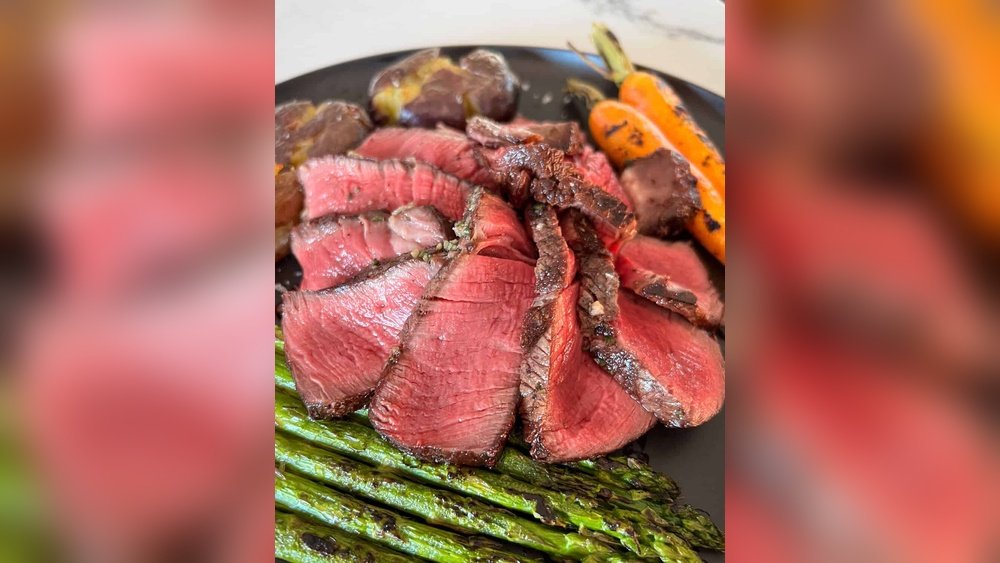
If you use reverse sear on ribeye, you get a steak with a soft, moist center and a crispy, caramelized crust. The combination of gentle heat and finishing sear makes the most of this premium cut.
Choosing Your Ribeye
Picking the right ribeye is the first step to steak greatness. Not all ribeyes are equal. Here’s what to look for:
- Thickness: Aim for steaks at least 1.5 inches thick. Thicker steaks (up to 2 inches) are even better for reverse sear.
- Marbling: Look for white streaks of fat throughout the meat. More marbling means more flavor and juiciness.
- Color: The best ribeyes are bright red, not brown or gray. Bright color means freshness.
- Dry-aged or wet-aged: Dry-aged ribeye has deeper flavor but costs more. Wet-aged is more common and still delicious.
If you’re shopping, these grades matter:
- Prime: Highest quality, lots of marbling. Best for special occasions.
- Choice: Good marbling, affordable. A solid option for most cooks.
- Select: Less marbling, lower price. May be drier and less flavorful.
Here’s a simple comparison:
| Grade | Marbling | Flavor | Price (per lb) |
|---|---|---|---|
| Prime | High | Rich, tender | $20–$30 |
| Choice | Medium | Good | $12–$18 |
| Select | Low | Lean | $8–$12 |
Tip: If you can, choose a ribeye with a thick “eye” of fat in the center. This melts during cooking and boosts flavor.
Another insight: If you see ribeyes labeled “bone-in,” they can be even more flavorful. The bone helps insulate the meat, leading to a juicier steak. However, boneless ribeye is easier to sear and slice.
Tools And Ingredients
You don’t need fancy equipment, but some tools make the process easier:
- Meat thermometer: Essential for checking doneness. Instant-read digital thermometers are best for accuracy.
- Wire rack: Helps air circulate around the steak, so the bottom doesn’t steam.
- Sheet pan: For oven cooking. It also catches drips.
- Cast iron skillet: For the final sear. Cast iron holds heat well, which helps create a good crust.
- Tongs: To flip the steak safely and avoid piercing the meat.
Main ingredients:
- 1 ribeye steak (1.5–2 inches thick)
- Kosher salt
- Freshly ground black pepper
- High-heat oil (like canola or avocado)
- Optional: Garlic, butter, herbs (rosemary or thyme)
Extra detail: If you want to experiment, try finishing with a sprinkle of flaky sea salt or a drizzle of olive oil. Small touches can add a burst of flavor without overpowering the steak.
The Science Behind Reverse Sear
Reverse searing works because of how heat affects meat. When you cook steak slowly, the temperature rises gently. The proteins relax, and the fat melts. This keeps the steak juicy and prevents overcooking.
The final sear triggers the Maillard reaction. This is a chemical process where proteins and sugars in the meat react to high heat, forming a tasty brown crust.
Here’s how the temperatures compare:
| Doneness | Internal Temp (°F) | Texture |
|---|---|---|
| Rare | 120–125 | Cool red center |
| Medium Rare | 130–135 | Warm red center |
| Medium | 140–145 | Pink center |
| Medium Well | 150–155 | Light pink |
| Well Done | 160+ | No pink |
Reverse searing lets you hit these temps exactly. There’s less risk of overcooking.
Non-obvious insight: The slow rise in temperature helps break down collagen in the meat, making the steak even more tender. Also, slow cooking helps fat render fully, so you get more flavor and less greasy texture.
Step-by-step Guide: Reverse Sear Ribeye
Ready to cook? Here’s a clear process for reverse searing ribeye steak.
1. Prepare The Steak
- Remove steak from refrigerator at least 45 minutes before cooking. This prevents the center from staying cold and ensures even cooking.
- Pat dry with paper towels. Removing moisture helps form a better crust.
- Sprinkle kosher salt and black pepper generously on both sides. Salt draws out flavor and seasons the meat deeply.
- Optional: Add garlic powder, but keep it simple for best flavor.
Tip: Leaving the steak at room temperature helps it cook evenly.
Extra detail: For even more flavor, you can dry brine your steak by salting it and letting it rest uncovered in the fridge overnight. This step is optional, but it can create an even better crust and deeper taste.
2. Slow-cook The Ribeye
You can use an oven or a grill. Both work well.
Oven Method
- Preheat oven to 225°F (107°C). This low temperature cooks the steak gently.
- Place steak on wire rack over a sheet pan. This setup helps heat circulate for even cooking.
- Cook until internal temp reaches 10–15°F below your target. For medium rare, aim for 120°F.
- This takes 30–60 minutes, depending on thickness. Thicker steaks may need closer to an hour.
Extra insight: If you want to add a hint of smoke, place a few wood chips in a foil pouch and put it in the oven alongside your steak. This is not traditional, but it gives a subtle smoky aroma.
Grill Method
- Set grill for indirect heat (place coals or burners on one side). Keep the steak away from direct flames.
- Place steak on the cool side. Close the lid to maintain even temperature.
- Cook slowly, checking the internal temperature every 15–20 minutes.
Tip: Use a meat thermometer to check progress. Don’t guess.
Another detail: If your grill runs hot, prop the lid open slightly to keep temperatures low.
3. Rest The Steak
- Remove steak from oven or grill.
- Let it rest 10–15 minutes.
- This redistributes juices and prevents dryness.
Extra info: Resting also allows the steak’s exterior to cool slightly, so when you sear it, you don’t overcook the inside.
4. Sear The Steak
- Heat a cast iron skillet or grill to high—over 500°F if possible.
- Add a tablespoon of oil. Wait until it shimmers but doesn’t smoke heavily.
- Sear steak for 45–90 seconds per side.
- Optional: Add butter, garlic, and herbs during searing. Tilt the pan and spoon butter over the steak for added richness.
- Flip the steak to get a golden-brown crust.
Tip: Don’t overcrowd the pan. Sear one steak at a time for best results.
Non-obvious insight: Sear the fat cap (the edge with the most fat) by holding the steak upright with tongs for 30–45 seconds. This step renders more fat and boosts flavor.
5. Final Rest And Serve
- Let steak rest 5–10 minutes after searing.
- Slice against the grain for tenderness.
- Serve with your favorite sides.

Extra serving tip: Warm your serving plates in the oven (turned off but still warm) for a restaurant-style presentation. Steak stays hot longer.
Practical Tips For Perfect Reverse Sear
Some advice can make a big difference, especially if you’re new to steak cooking.
- Don’t skip the resting steps. Resting before and after searing keeps the steak juicy.
- Use a good thermometer. Cheap thermometers can be off by 10 degrees.
- Dry the steak well. Moisture prevents a good crust.
- Don’t rush the sear. High heat is key, but give it time.
- Use thick steaks. Thin steaks cook too quickly and can dry out.
Beginners often miss these points:
- Temperature carryover: After searing, the steak’s temp rises 5–10°F. Plan for this, or you’ll overcook.
- Salt early: Salting 45 minutes before cooking improves flavor and texture.
Another tip: Don’t poke the steak with a fork. Use tongs to avoid losing juices.
Common Mistakes And How To Avoid Them
Reverse searing is simple, but some errors can ruin your steak.
- Cooking too fast: If you cook at high temperature during the slow phase, the steak dries out.
- Skipping the thermometer: Guessing doneness leads to overcooked or undercooked steak.
- Not drying the steak: Wet surface won’t sear properly.
- Searing for too long: Over-searing can burn the crust and make it bitter.
- Using too much oil: Excess oil can fry rather than sear.
If you avoid these mistakes, your steak will be tasty and tender.
Non-obvious mistake: Don’t use olive oil for searing. Its smoke point is lower than canola or avocado oil, so it can burn and add bitterness.

Credit: twokooksinthekitchen.com
Reverse Sear Vs. Traditional Sear
You might wonder how reverse sear compares to the classic method. Let’s look at the differences.
| Method | Step 1 | Step 2 | Result |
|---|---|---|---|
| Reverse Sear | Low temp slow cook | High heat sear | Even doneness, juicy, crisp crust |
| Traditional Sear | High heat sear | Low temp finish | Can be uneven, less juicy, crust may be thin |
Reverse sear gives you more control, especially with thick steaks. Traditional sear works for thin cuts but can be unpredictable.
Added insight: If you like your steak rare or medium rare, reverse sear is especially helpful. Traditional searing often overcooks the outside before the center is done.
Flavor Boosters: Enhancing Your Ribeye
You can add extra flavor to your steak during the searing step. Here are some ideas:
- Butter baste: Add butter to the pan and spoon it over the steak. This step is called “arroser” in French cooking.
- Garlic: Toss whole garlic cloves in the pan for aroma. Slightly crushed garlic gives the best flavor.
- Herbs: Rosemary or thyme add earthy notes. Place them in the hot oil for a few seconds to release their oils.
- Peppercorns: Crush and sprinkle for a spicy kick. Use freshly cracked pepper for bold taste.
Tip: Don’t overload the steak with seasonings. Ribeye’s natural flavor shines best.
Another detail: You can also try a finishing drizzle of chimichurri or salsa verde if you want a fresh, herby note.
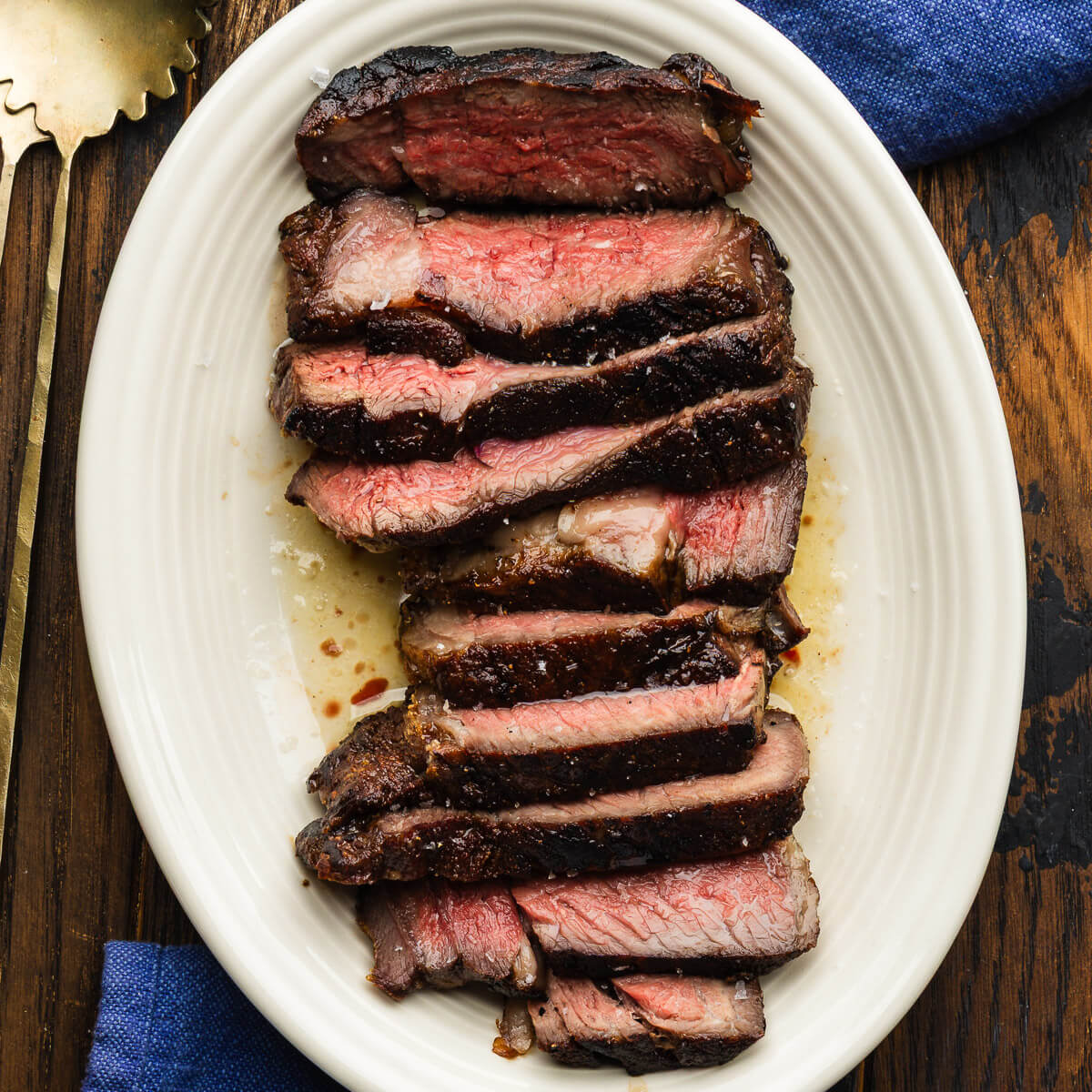
Credit: www.sipandfeast.com
Sides And Pairings For Reverse Sear Ribeye
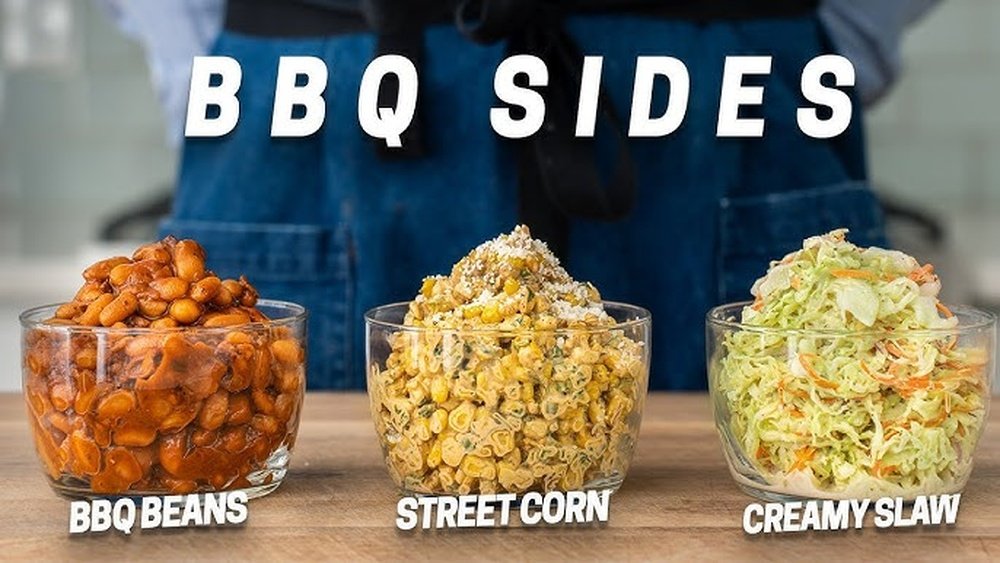
A great steak deserves the right side dishes. Here are some classic pairings:
- Roasted potatoes: Crispy outside, soft inside.
- Grilled asparagus: Adds freshness and crunch.
- Creamed spinach: Rich and smooth; balances the steak’s bold flavor.
- Simple salad: Lightens the meal and helps cleanse the palate.
- Red wine: Cabernet Sauvignon or Malbec are excellent choices. These wines have enough body to match ribeye’s richness.
Data point: According to a 2026 survey, over 60% of Americans prefer potatoes as their steak side.
Extra pairing: Freshly baked bread is also a great addition. It helps soak up juices from the steak.
Reverse Sear For Special Diets
Reverse sear ribeye can fit many diets:
- Keto: Ribeye is high in fat, low in carbs. A perfect fit.
- Gluten-free: No wheat or gluten in steak or basic seasonings.
- Paleo: Natural ingredients only.
If you need to avoid dairy, skip the butter. For low-sodium, use less salt.
Extra advice: For Whole30, use ghee instead of butter for basting, and double-check your seasonings for added sugars or starches.
Cooking Reverse Sear Ribeye Outdoors
Reverse sear isn’t just for the kitchen. It works well on grills, too. Here’s how:
- Set up grill for indirect heat.
- Place steak away from direct flame.
- Cover and cook slowly.
- Finish with direct, high heat for the sear.
Tip: Use wood chips for smoky flavor.
Added detail: If you use a charcoal grill, bank coals to one side for indirect heat. For gas grills, turn off one side and keep steak on the cool side until ready to sear.
How Restaurants Use Reverse Sear
Many steakhouses use reverse sear for thick cuts. They cook steaks in low ovens, then finish them on blazing-hot grills or pans. This gives customers a steak with a perfect crust and juicy center.
Example: At high-end restaurants, steaks are often cooked sous vide (in water baths) at low temp, then seared to finish. Reverse sear is similar, but easier for home cooks.
Non-obvious fact: Some restaurants even finish steaks with a blow torch to get a fast, even crust without raising the internal temperature.
Reverse Sear Ribeye For Beginners
If you’re new to steak cooking, start simple:
- Buy a thick, Choice-grade ribeye.
- Use just salt and pepper.
- Cook in oven, then sear in cast iron.
- Use a thermometer to check doneness.
With practice, you can add butter, herbs, and try grilling.
Non-obvious insight: Many beginners overcook during the sear. Remember, the steak is almost done before searing—just brown the outside.
Another tip: Keep a notebook and jot down temperatures and times. This helps you perfect your technique for next time.
Advanced Reverse Sear Techniques
Once you’re comfortable, try these ideas:
- Compound butter: Mix herbs and garlic into butter, melt over steak.
- Sous vide: Cook steak in water bath at exact temp, then sear.
- Smoked ribeye: Use wood chips during slow cook for deep flavor.
These techniques take more time but can impress guests.
Pro insight: Try searing with clarified butter (ghee). Its higher smoke point lets you get a deep crust without burning.
Reverse Sear Ribeye Recipe (summary)
Here’s a concise recipe for quick reference:
Ingredients
- 1 ribeye steak (1.5–2 inches thick)
- Kosher salt
- Black pepper
- 1 tbsp oil (canola or avocado)
- Optional: 2 tbsp butter, 2 garlic cloves, 2 sprigs rosemary
Instructions
- Salt and pepper steak, let sit 45 minutes.
- Preheat oven to 225°F.
- Place steak on wire rack over sheet pan.
- Cook until internal temp is 120°F (for medium rare).
- Rest 10 minutes.
- Heat skillet to high, add oil.
- Sear steak 60 seconds per side. Add butter, garlic, herbs.
- Rest 5 minutes. Slice and serve.
Prep time: 45 minutes
Cook time: 1 hour
Servings: 1–2

How Reverse Sear Improves Steak Quality
Reverse sear is more than a trend. It’s a proven method for better steak. Here’s why:
- Texture: Slow cooking keeps the steak soft and moist. No tough, dry edges.
- Crust: High heat creates a thick, tasty crust. Every bite is satisfying.
- Flavor: Fat melts and caramelizes, boosting taste. The flavor is deep and complex.
- Consistency: You get predictable results every time. No guessing required.
Data: According to America’s Test Kitchen, reverse seared steaks are 30% juicier than traditionally seared steaks.
Extra insight: The gentle heat also helps preserve the steak’s nutrients, as extreme temperatures can break down some vitamins.
Reverse Sear Ribeye For Parties And Events
Cooking for a crowd? Reverse sear makes it easier:
- Cook several steaks at once in the oven.
- Sear each steak quickly before serving.
- Guests get hot, fresh, perfectly cooked steaks.
Tip: Use a large sheet pan and wire rack. Plan for 1 steak per person.
Extra advice: Stagger your searing so each steak is served hot and fresh. You can keep cooked steaks warm in a low oven (about 170°F) if needed.
Cleaning Up After Reverse Sear
Reverse searing is not messy if you prepare. Here’s how to clean up:
- Use foil under the wire rack to catch drips.
- Wipe skillet while hot (carefully!) To remove stuck bits.
- Wash thermometer and tongs in hot, soapy water.
Tip: Let pan cool before washing to prevent warping.
Added detail: For stubborn bits on your cast iron, use coarse salt as a scrubber with a paper towel, then rinse and dry.
Reverse Sear Ribeye: Nutrition Facts
Ribeye is rich in protein and fat. Here are the numbers for a 12 oz steak:
- Calories: 900
- Protein: 60g
- Fat: 70g
- Carbs: 0g
- Iron: 30% of daily value
If you trim fat or use less butter, calories drop.
Extra info: Ribeye is also a good source of B vitamins, zinc, and selenium. These nutrients support energy and immune health.
Reverse Sear In Different Cultures
Reverse sear isn’t just American. Chefs around the world use slow cooking and high-heat finishing for meats.
- French: Often use slow oven roasting then sear in butter.
- Argentinian: Cook steaks slowly over charcoal, finish with flame.
- Japanese: Use slow sous vide, then torch for crust.
The method changes, but the goal is the same—juicy, flavorful steak.
Cultural note: In Brazil, picanha (a top sirloin cap) is cooked over low heat, then crisped over coals—another form of reverse sear.
Reverse Sear Ribeye For Meal Prep
Reverse sear can work for meal prep:
- Cook steaks to rare or medium rare.
- Cool and refrigerate.
- Reheat by searing in hot pan.
Tip: Don’t overcook on reheat. Sear just enough to warm and brown.
Another idea: Slice leftover ribeye thinly for steak salads or sandwiches. The reverse sear method keeps leftovers moist.
Reverse Sear Faq: Solving Common Problems
If your steak isn’t perfect, here’s what might be wrong:
- Dry steak: Overcooked or didn’t rest enough.
- No crust: Surface too wet, pan not hot enough.
- Undercooked center: Didn’t cook long enough in oven.
- Burnt crust: Seared too long or oil smoked.
Insight: Use the same pan for each steak to keep things consistent.
Extra troubleshooting: If your steak is gray instead of brown after searing, it probably wasn’t dry enough or your pan wasn’t hot enough.
:max_bytes(150000):strip_icc()/__opt__aboutcom__coeus__resources__content_migration__serious_eats__seriouseats.com__images__2017__02__20170217-reverse-sear-steak-02-d86b7f4676d240c196acf6903523c99f.jpg)
Credit: www.seriouseats.com
Best Practices For Reverse Sear Ribeye
Some final advice for reliable results:
- Choose thick steaks: Thin cuts don’t benefit as much.
- Salt ahead: Let flavors develop.
- Use high heat for sear: Don’t be afraid of smoke.
- Rest after each step: Prevents dry meat.
- Slice against grain: Makes steak easier to chew.
Master these, and your ribeye will be the star of any meal.
Frequently Asked Questions
How Long Does It Take To Reverse Sear A Ribeye?
It depends on thickness and oven temp. For a 1. 5-inch ribeye, expect 45–60 minutes in the oven at 225°F, plus 5–10 minutes for searing and resting. Total time is about 1 hour 15 minutes.
What’s The Best Internal Temperature For Ribeye?
Most people prefer medium rare, which is 130–135°F. For rare, aim for 120–125°F. Use a thermometer for accuracy.
Can I Reverse Sear On A Gas Grill?
Yes. Set up indirect heat, place steak away from flames, cook slowly, then move to high heat for the sear. Gas grills work well for this method.
Is Reverse Sear Healthy?
Ribeye is high in protein and fat. Reverse searing doesn’t add unhealthy ingredients. If you use less butter and oil, it’s a healthy way to cook steak.
Where Can I Learn More About Steak Cooking Methods?
You can find detailed guides at Serious Eats. They offer science-backed advice and recipes.
Enjoying Reverse Sear Ribeye At Home
Reverse searing ribeye gives you control, flavor, and restaurant-quality results. Whether you cook in an oven or on a grill, the method is simple and reliable. With the right steak, a good thermometer, and a hot pan, you can create an unforgettable meal.
Try the reverse sear method next time you crave steak—you’ll taste the difference. And as you gain confidence, experiment with flavors, sides, and advanced techniques. Steak night will never be the same.
Enjoy your perfectly cooked, juicy ribeye—made by you, for you.