Ultimate Guide to Outdoor Grills
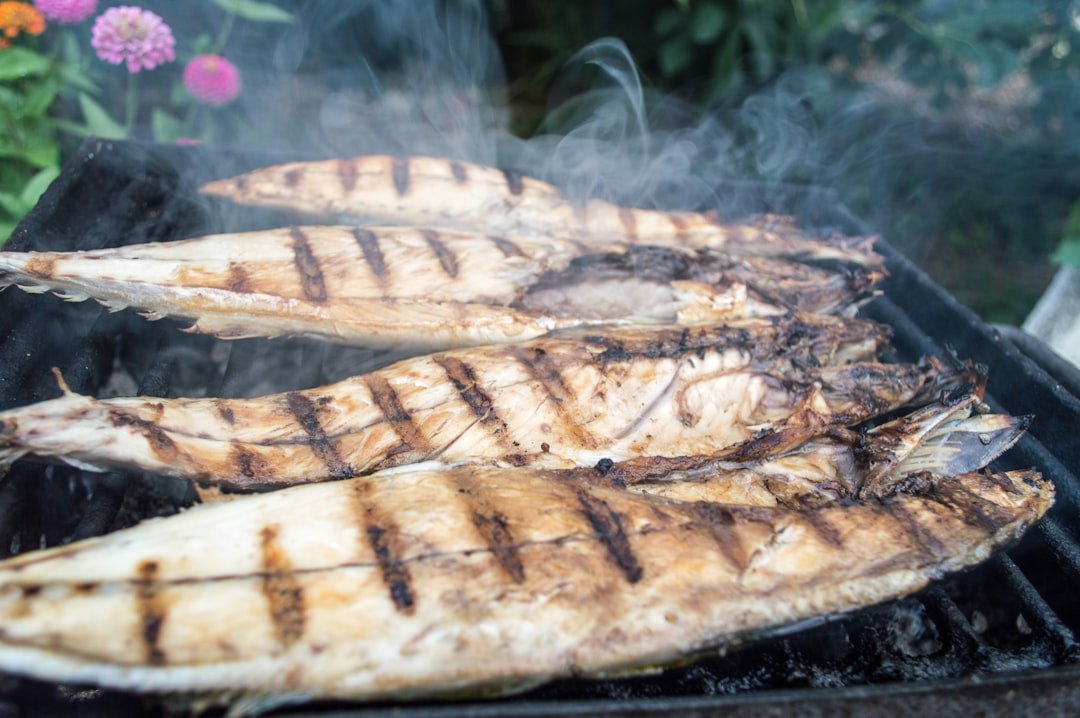
So, you’re looking to up your outdoor cooking game? Fantastic! Grilling is one of the most satisfying ways to prepare food, bringing out amazing flavors and making any backyard gathering feel a bit more special. Whether you’re a seasoned grill master or just starting out, figuring out the best grill for your needs can feel a bit overwhelming. Let’s dive into what makes a good grill and how to choose one that’s perfect for you.
Before we get into the nitty-gritty of grill types, let’s have a quick think about what you actually need. This is the most crucial step to avoid buying something you’ll regret.
How Much Do You Cook?
This might seem obvious, but it’s worth considering. Are you usually cooking for two, or are you hosting the neighborhood block party?
- Solo or Couple: A smaller grill, maybe with two burners, will be more than sufficient. It heats up faster, uses less fuel, and takes up less space.
- Family of 3-4: You’ll likely want a grill with at least three burners to give you enough space and temperature control for different items.
- Larger Gatherings: Look for grills with four or more burners, or consider a larger surface area. Multi-level racks can also be helpful for keeping food warm.
What’s Your Budget?
Grills can range from under a hundred bucks to several thousand. Knowing your budget upfront will help narrow down your options considerably.
- Entry-Level ($100-$300): You’ll find basic propane grills with limited features, or smaller charcoal options. Good for casual grilling.
- Mid-Range ($300-$800): This is where you’ll find a good balance of features, durability, and performance. Most people land in this category.
- High-End ($800+): Expect premium materials, more advanced features (like side burners, rotisseries, smart technology), and superior build quality.
Where Will It Live?
Think about the space you have available. A massive grill might look impressive, but it’ll be a pain if it’s crammed into a tiny corner.
- Balcony/Small Patio: Compact gas grills or smaller charcoal kettles are your best bet. Always check local regulations regarding grilling on balconies.
- Standard Patio/Deck: You’ll have more flexibility with size and type.
- Large Yard: No real space constraints, but consider how easy it is to move if needed.
If you’re looking to enhance your outdoor cooking experience, you might also be interested in exploring the benefits of a chiminea for your backyard gatherings. A chiminea not only provides warmth but also serves as a unique cooking option. For a detailed review of one such product, check out this article on a metal chiminea fire pit: Metal Chiminea Fire Pit Review.
Propane vs. Charcoal: The Age-Old Debate
This is often the first big decision you’ll make. Both have their loyal following, and honestly, both can produce fantastic food.
Propane Grills: The Convenience Kings
Propane grills are all about ease of use and speed.
- Quick Startup: Turn a dial, hit the igniter, and you’re usually ready in 10-15 minutes.
- Temperature Control: Easy to adjust the heat with burner knobs. This is great for beginners and for cooking different foods simultaneously.
- Cleanliness: Generally cleaner to operate than charcoal, with less ash to deal with.
- Fuel Management: You need to keep an eye on your propane tank levels. Running out mid-cook is never fun. You can buy extra tanks or connect to a larger natural gas line if available.
Charcoal Grills: The Flavor Purists
Charcoal grilling is often associated with that classic smoky flavor and the ritual of building a fire.
- Flavor: Many swear that charcoal imparts a superior smoky flavor that propane can’t quite replicate.
- High Heat Potential: Charcoal can get incredibly hot, ideal for searing steaks and achieving a great crust.
- The Process: There’s a certain satisfaction in building and managing a charcoal fire. It’s a more involved experience.
- Cleanup: Dealing with ash is part of the process. It can be messy.
- Learning Curve: Achieving and maintaining consistent temperatures can be more challenging for beginners compared to propane.
Pros and Cons at a Glance
| Feature | Propane Grills | Charcoal Grills |
| :- | : | : |
| Ease of Use | Very High (quick start, easy temp control) | Moderate (requires fire management & patience) |
| Startup Time | 10-15 minutes | 20-30 minutes (plus ash disposal time) |
| Flavor | Good, but typically less smoky than charcoal | Excellent smoky flavor, depth of taste |
| Temperature Control | Precise and easy | Requires skill and practice |
| Cleanup | Relatively easy (no ash) | More involved (ash disposal) |
| Portability | Can be heavy, but generally stable | Kettles are very portable, larger ones less so |
| Cost (Initial) | Wide range, generally comparable to charcoal | Wide range, some very affordable options |
| Cost (Fuel) | Propane tanks need refilling/exchanging | Charcoal bags are relatively inexpensive |
Gas Grill Features to Consider
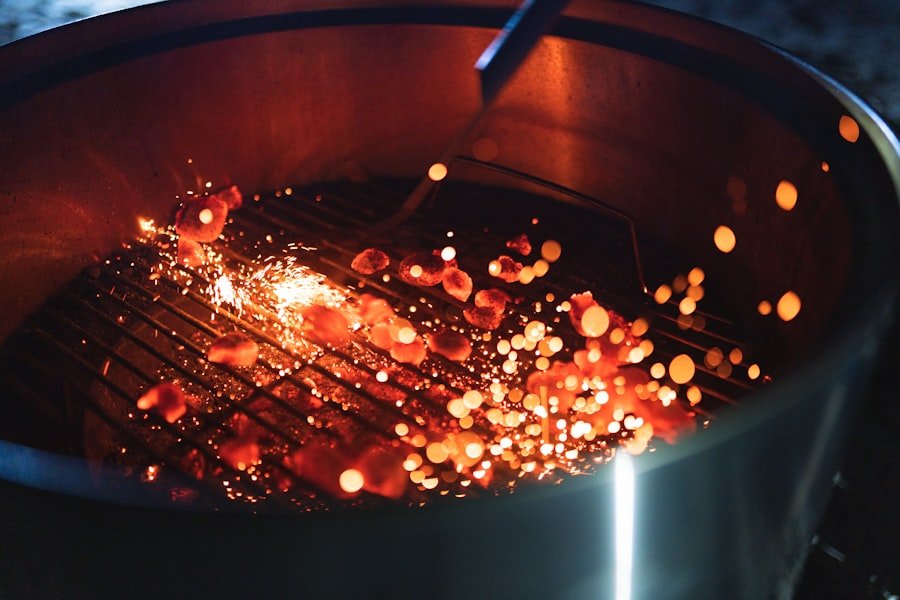
If you’re leaning towards propane, there are several specific features that can make your grilling experience much better.
Burner Configuration and Power
The number and placement of burners really matter for cooking flexibility.
- Number of Burners: As mentioned, 2-3 for smaller needs, 4+ for larger families or entertaining. More burners mean more independent heat zones.
- BTUs (British Thermal Units): This is a measure of heat output. Don’t get too hung up on the absolute highest number. Look for a grill around 8,000-10,000 BTUs per burner. More important is how well the grill distributes that heat and maintains it.
- Even Heat Distribution: Check reviews for how evenly the grill heats up across the grates. Some cheap grills have hot spots.
Grate Material: The Foundation of Your Sear
The material your grates are made of significantly impacts heat retention, searing ability, and durability.
- Stainless Steel: Durable, easy to clean, and resistant to rust. It’s a popular choice for good reason. Look for heavier gauge stainless steel for better heat retention.
- Cast Iron: Excellent heat retention and creates fantastic sear marks. However, it rusts easily if not seasoned and maintained properly. Often coated with porcelain or enamel to mitigate this.
- Porcelain-Enameled Cast Iron: Combines the heat retention of cast iron with a protective, non-stick coating. A good middle ground, but the coating can chip over time.
Side Burners and Other Extras
These can add a lot of functionality.
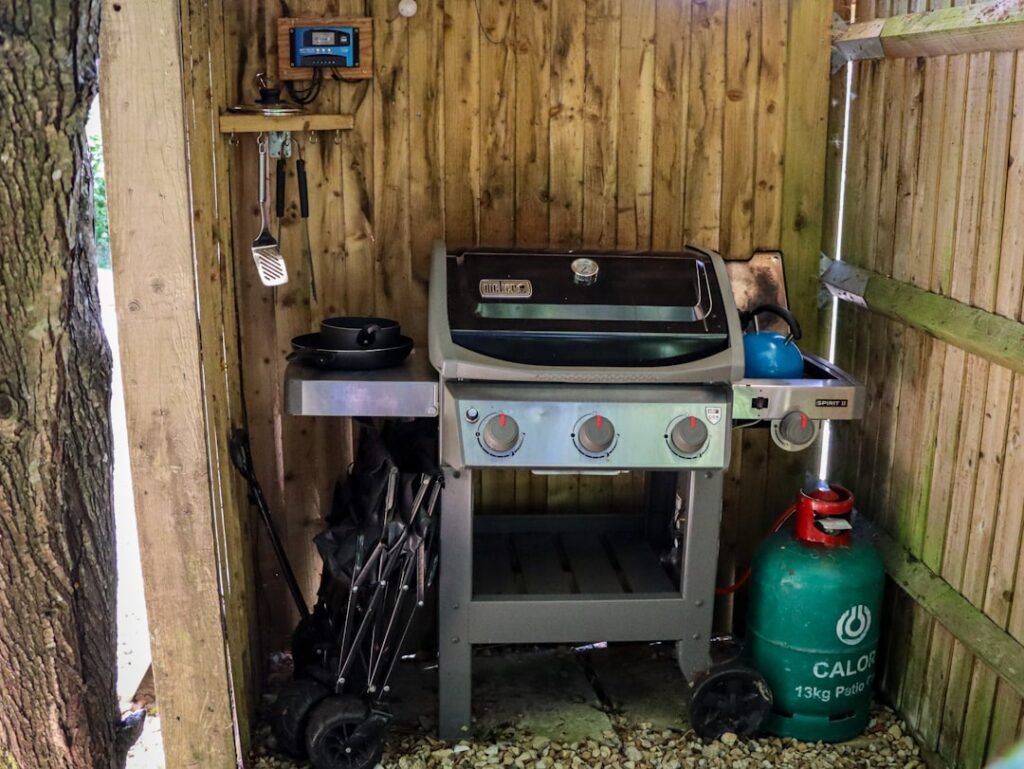
- Side Burner: Great for making sauces, boiling corn, or sautéing vegetables while you grill. Look for models with cast iron or stainless steel grates on the side burner.
- Rotisserie: Perfect for slow-roasting whole chickens or roasts. Usually comes as an accessory that needs to be assembled.
- Warming Racks: Essential for keeping cooked food warm without further cooking it.
Ignition System
You want a reliable ignition that works every time.
- Electronic Ignition: Most common and usually works with a battery or built-in igniter.
- Igniter Button: Simple push-button system. Look for units with multiple ignition points for each burner for better reliability.
Charcoal Grill Types and Their Nuances
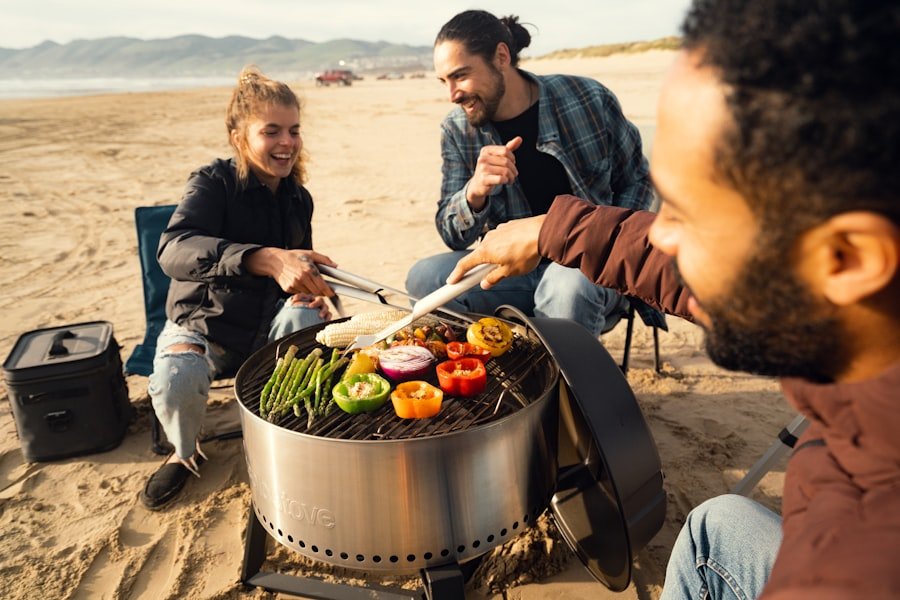
For those who love the charcoal flavor, there’s more than just the classic kettle.
The Iconic Kettle Grill
The Weber Kettle is a legend for a reason. It’s versatile, affordable, and produces fantastic results.
- Simplicity: Its design is brilliant. The lid allows for lid-down cooking (convection) and temperature control via adjustable vents.
- Portability: Easy to move around in the yard or take on camping trips.
- Versatility: Can be used for direct grilling (burgers, steaks), indirect grilling (roasts), smoking, and even baking pizzas.
- Ventilation: The bottom and lid vents are key to controlling airflow and temperature. Learning to use them is part of the charcoal grilling art.
Kamado Grills: The Ceramic All-Rounders
These large, egg-shaped ceramic grills are an investment, but they offer incredible versatility.
- High Insulation: The ceramic construction is incredibly efficient, holding heat for extended periods and using less fuel.
- Temperature Range: Can go from low-and-slow smoking temperatures (150°F/65°C) to searing hot (700°F/370°C) with ease.
- Durability: Made from thick ceramic, they are built to last.
- Cost: They are significantly more expensive than kettle grills.
- Learning Curve: While versatile, mastering the precise temperature control can take time.
Bullet Smokers and Other Dedicated Smokers
If your primary goal is smoking, a dedicated smoker might be a better fit.
- Dedicated Design: These are built from the ground up for smoking, offering excellent heat and smoke control.
- Water Pan: Often feature a water pan to help maintain moisture and regulate temperature.
- Types: Come in various forms, including vertical smokers (like the “bullet” style), offset smokers, and pellet smokers.
Fueling Your Charcoal Grill
The type of charcoal you use can impact flavor and burn time.
- Lump Charcoal: Made from charred wood. Burns hotter and cleaner than briquettes, and often imparts a more natural wood flavor. It’s also more expensive.
- Charcoal Briquettes: Uniform in shape and size, made from compressed charcoal dust and binders. They burn more consistently and for longer than lump charcoal. Easier to find and cheaper.
If you’re considering upgrading your outdoor cooking experience, you might find it helpful to explore a detailed review of the Napoleon Rogue XT 425 BBQ Grill, which highlights its features and performance. This grill is designed for those who appreciate both functionality and style in their outdoor cooking setups. For more insights, check out the article here to see if it meets your grilling needs.
Pellet Grills: The Tech-Savvy Hybrid
| Grill Type | Price Range | Fuel Type | Cooking Area |
|---|---|---|---|
| Charcoal Grill | 20 – 300 | Charcoal | 200 – 700 sq. in. |
| Gas Grill | 100 – 2000 | Propane or Natural Gas | 300 – 1000 sq. in. |
| Electric Grill | 50 – 500 | Electricity | 100 – 400 sq. in. |
Pellet grills blend the convenience of gas with the smoky flavor of charcoal. They are increasingly popular, and for good reason.
How They Work
A hopper holds wood pellets, which are automatically fed into a fire pot by an auger. An electric heating element ignites the pellets, and a fan circulates the smoke and heat.
- Set-it-and-Forget-it: You set the desired temperature on a digital controller, and the grill does the rest.
- Consistent Temperatures: Known for their exceptional temperature accuracy and ability to maintain it.
- Smoke Flavor: Produce a consistent, mild smoke flavor depending on the pellets used.
- Versatility: Can grill, smoke, roast, bake, and even sear (though some require a specific searing function or accessory).
- Power Source: Requires electricity to operate the auger, fan, and controller, meaning you need access to an outlet.
- Pellet Variety: You can use different wood pellets (hickory, mesquite, applewood, pecan) to impart different flavors to your food.
Things to Look for in a Pellet Grill
- Temperature Range: Can it reach high enough temps for searing?
- Hopper Size: A larger hopper means you can cook longer without refilling.
- Controller Type: Digital controllers offer more precise temperature management.
- Build Quality: Look for sturdy construction and good insulation.
- Ease of Cleaning: Pellet grills can create creosote, so cleaning mechanisms are important.
Maintenance and Care: Keeping Your Grill Grilling
No matter what type of grill you choose, proper maintenance is key to its longevity, performance, and safety.
Cleaning Your Grates
This is the most frequent task.
- After Every Cook: While the grates are still warm, use a grill brush to scrape off any food residue. This is much easier than when it’s cold and baked on.
- Deep Cleaning: Periodically, you might need to give them a more thorough scrub. For stainless steel and porcelain-coated grates, soap and water will do. For cast iron, season them after cleaning to prevent rust.
Cleaning the Interior
- Grease Management: Most grills have a grease tray or drip pan. Empty and clean this regularly to prevent grease fires.
- Scraping the Burners: For gas grills, ensure the burner ports are clear of debris so heat can escape evenly.
- Ash Removal: For charcoal grills, remove ashes after they’ve cooled completely.
Exterior Maintenance
- Wipe Down: Regularly wipe down the exterior with a damp cloth.
- Protect from Elements: Consider a grill cover to protect your grill from rain, sun, and snow. This is especially important for materials like cast iron and for grills not stored in a sheltered area.
- Rust Prevention: For metal exteriors, a light coating of cooking oil can help prevent rust, particularly in humid climates.
Protecting Your Investment
- Read the Manual: Seriously, it’s there for a reason! It contains specific instructions for your grill model.
- Regular Inspections: Check hoses and connections on gas grills for leaks (use soapy water; if it bubbles, you have a leak). Look for any signs of wear and tear.
Choosing the right grill is a rewarding process. By understanding your needs, considering the different types, and knowing what features are important, you’ll be well on your way to enjoying delicious grilled meals for years to come. Happy grilling!