Mastering the Art of BBQ: Grills and Griddles
So, you want to elevate your outdoor cooking game beyond just charring hot dogs? You’ve come to the right place. The simple answer to mastering BBQ with grills and griddles lies in understanding their distinct strengths and weaknesses, and then learning how to leverage them for different types of food. It’s not about one being “better” than the other, but rather about choosing the right tool for the job – or, even better, using both in conjunction. Let’s dig in.
At their core, grills and griddles both use direct heat to cook food outdoors. However, the way they deliver and interact with that heat is fundamentally different, leading to vastly different results.
The Grill: Open Flames and Smoky Flavors
Think classic backyard BBQ: smoky aromas, beautiful sear marks, and the distinct taste of food cooked over an open flame. That’s the grill.
Direct Heat and Char
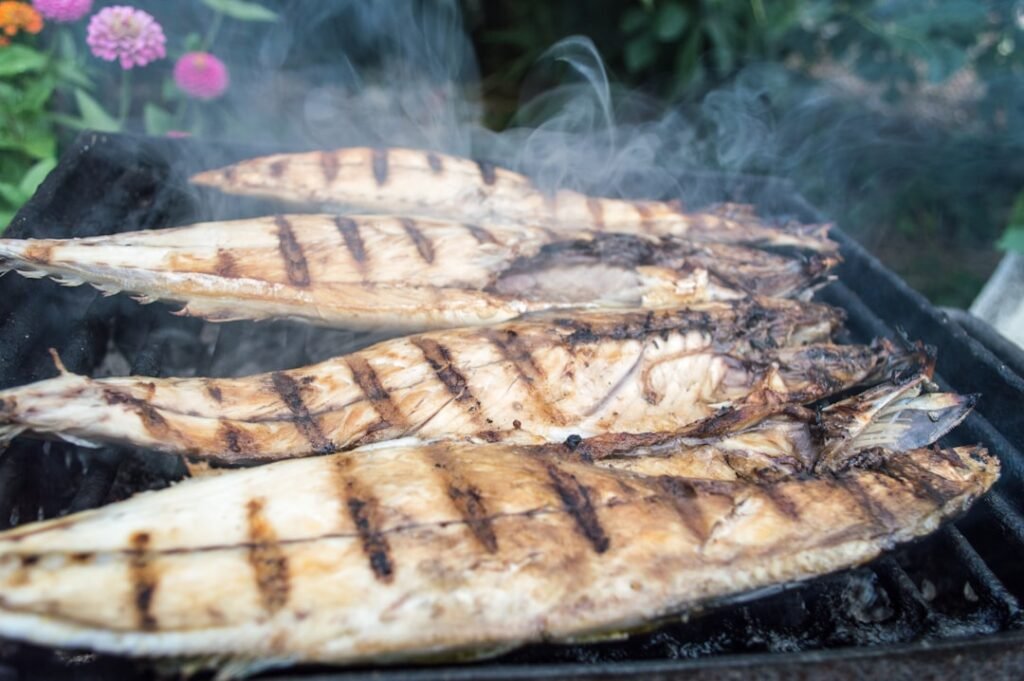
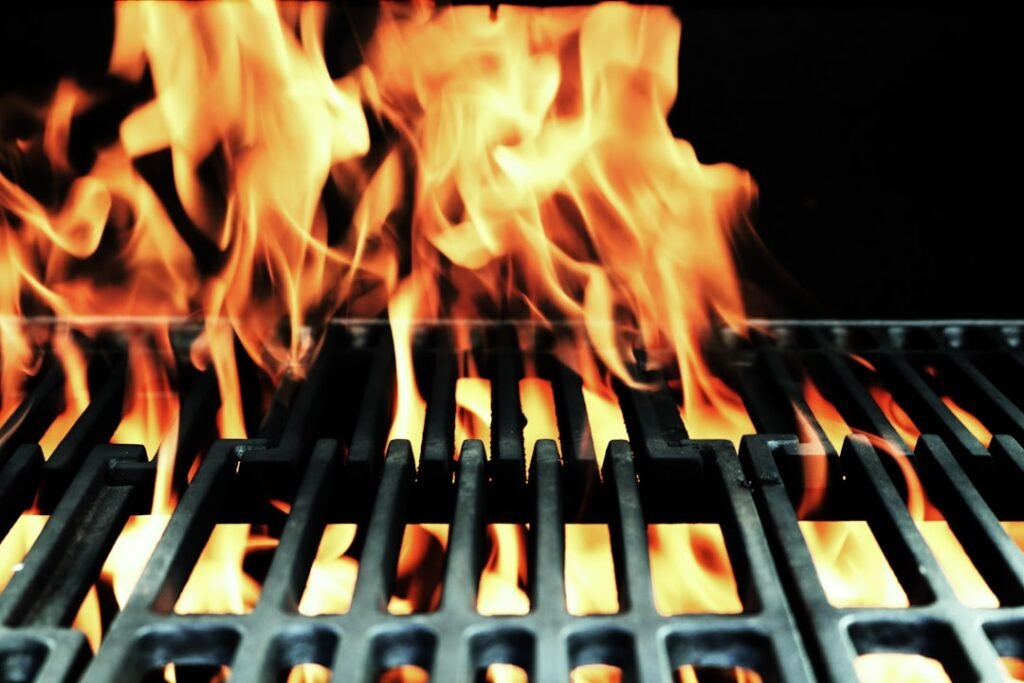
Grills expose your food directly to the heat source, whether it’s charcoal, gas, or wood. This direct exposure leads to higher temperatures on the food’s surface, creating those coveted grill marks through the Maillard reaction. The open design also allows for smoke from the fuel to infuse the food, imparting that characteristic BBQ flavor.
Smoke Infusion
This is arguably the grill’s biggest advantage. Whether you’re using charcoal, wood chips, or even a gas grill with a smoker box, the ability to impart smoky flavors is a game-changer for dishes like brisket, ribs, and pulled pork. The smoke penetrates the food, adding depth and complexity that’s hard to replicate otherwise.
Flare-Ups and Fat Management
One of the challenges with grills, especially with fattier meats, is managing flare-ups. Dripping fat hits the hot coals or burners, igniting and potentially burning your food. While some love a little char, excessive flare-ups can lead to an acrid taste. This requires constant attention and techniques like two-zone cooking (one hot, one cooler) to move food away from direct flames.
Best for Searing and Roasting
Grills excel at searing steaks, burgers, chicken, and vegetables where you want that distinct char and smoky flavor. They’re also fantastic for larger cuts of meat that benefit from a combination of direct and indirect cooking, essentially roasting them with a smoky twist.
The Griddle: Uniform Heat and Even Cooking
Imagine a giant, flat-top pan that you can use outdoors. That’s a griddle. It offers a completely different cooking experience.
Flat Surface, Consistent Heat
Unlike a grill’s grates, a griddle provides a continuous, flat cooking surface. This means incredibly even heat distribution across the entire surface, eliminating hot spots and cold spots often found on grills. This consistency is a huge boon for certain types of food.
No Direct Flame Exposure
Because the food is cooked on a solid surface, there’s no direct exposure to open flames. This eliminates flare-ups entirely, making fat management much simpler. It also means no smoky flavor infusion from the fuel itself, though you can still add smoke indirectly if you want.
Superior Searing and Crust Development
While grills create char marks, griddles develop a full, even crust across the entire surface of the food. Think about a diner burger with that beautiful, all-over crust, or perfectly seared scallops. The griddle’s consistent contact with the heat allows for maximum Maillard reaction, resulting in incredible flavor and texture.
Grease Management and Flavor Building
Griddles often have a grease management system, like a drip tray, to collect excess fat. However, that fat can also be used to cook other ingredients, building layers of flavor. Imagine cooking bacon and then using that bacon grease to cook eggs or potatoes right afterward.
Best for Breakfasts, Stir-fries, and Delicate Foods
Griddles are king for breakfast items like pancakes, eggs, bacon, and hash browns. They’re also fantastic for stir-fries, fajitas, smash burgers, and even delicate items like fish fillets or shrimp that might fall through grill grates.
If you’re looking to elevate your outdoor cooking experience, you might find our related article on BBQ grills and griddles particularly helpful. It explores various options and features that can enhance your grilling game, making it easier to prepare delicious meals for family and friends. For more insights, check out this informative piece on the Ninja Grill Kit: Ninja Grill Kit Review.
When to Reach for Your Grill
Now that we understand the core differences, let’s talk about practical applications. When is your grill the undeniable champion?
Classic BBQ Meats
This is where the grill shines. Think:
Steaks and Chops
For a perfectly seared steak with those iconic grill marks and a smoky finish, a grill is your best bet. The high heat creates a beautiful crust, and the smoke complements the rich flavor of the meat. Experiment with different wood chips (hickory, mesquite, oak) for varying smoke profiles.
Burgers (Traditional Style)
While smash burgers are a griddle specialty, a classic, thick burger cooked on a grill offers a different experience. The slightly smoky flavor and the char from the grates are what many people associate with a backyard burger.
Ribs and Brisket
For these low-and-slow BBQ staples, a grill (especially a smoker-style grill or one with a good indirect heat setup) is essential. The smoke penetration over several hours transforms tough cuts into tender, flavorful masterpieces.
Chicken (Whole or Pieces)
Grilling chicken, especially bone-in pieces or a whole spatchcocked chicken, offers fantastic flavor and crispy skin. Using indirect heat for the majority of the cooking time and then finishing with direct heat for crisping is a common and effective technique.
Vegetables with a Smoky Char
Many vegetables benefit immensely from grilling.
Asparagus, Corn, Bell Peppers
The high heat caramelizes the natural sugars in vegetables, and the slight char adds a delicious bitterness that balances the sweetness. Corn on the cob, asparagus, and sliced bell peppers are excellent choices.
Root Vegetables
Even heartier vegetables like sweet potatoes or onions can be grilled, developing a lovely smoky flavor and tender interior. Par-boiling tougher root vegetables slightly before grilling can help ensure they cook through evenly.
Pizza and Bread
Believe it or not, a grill can make fantastic pizza.
Grilled Pizza
Using a pizza stone or a cast iron pan on a grill can replicate some of the high-heat characteristics of a brick oven, resulting in a crispy crust and perfectly cooked toppings. The subtle smoky flavor adds another dimension.
Grilled Bread and Flatbreads
Focaccia, pita bread, or even just slices of sourdough can be grilled for a few minutes to achieve a delightful smoky char and crispy texture, perfect for serving with dips or as a side.
When to Fire Up Your Griddle
The griddle might be less traditional for “BBQ” in some circles, but it’s an incredibly versatile tool that unlocks a whole new world of outdoor cooking.
Breakfast Bonanza
This is where griddles truly shine.
Pancakes, French Toast, and Waffles
The even heat and large surface area of a griddle are perfect for cooking multiple pancakes or slices of French toast simultaneously, ensuring a consistent golden-brown finish.
Eggs and Bacon
Say goodbye to crowded stovetop pans. A griddle allows you to cook a feast of eggs (scrambled, fried, omelets) and bacon all at once, using the bacon fat to cook other items for extra flavor.
Hash Browns and Breakfast Burritos
Achieve that perfect crispy crust on hash browns, or easily assemble and cook breakfast burritos without them sticking or falling apart.
Smashed Burgers and Melts
For certain types of burgers and sandwiches, the griddle is king.
Smash Burgers
This is the griddle’s signature burger. By pressing the patty onto the hot surface, you create an incredible Maillard crust across the entire surface of the patty, locking in juices and flavor.
Grilled Cheese and Paninis
The consistent, even heat of a griddle is ideal for achieving perfectly golden-brown, crispy bread and melted cheese in grilled cheese sandwiches or paninis.
Philly Cheesesteaks
The griddle is essential for authentic Philly cheesesteaks, allowing you to thinly slice and cook steak, onions, and peppers, and then melt cheese directly on top, all on one surface.
Delicate Foods and Stir-fries
Foods that struggle on grill grates find a happy home on a griddle.
Fish and Seafood
Delicate fish fillets (like cod, tilapia, or salmon) and seafood (scallops, shrimp) cook beautifully on a griddle without sticking or falling through the grates. The even sear creates a lovely crust.
Fajitas and Stir-fries
The high, even heat of a griddle is perfect for quickly cooking thinly sliced meats and vegetables for fajitas or stir-fries, ensuring everything is tender-crisp.
Fried Rice
Using the residual heat and fat from other cooked items, you can easily whip up a flavorful fried rice right on the griddle.
The Best of Both Worlds: Using Both Simultaneously
Here’s where the “mastering” part really comes in. Many outdoor cooking setups now offer a combination of grill grates and a griddle surface. If you have the space or the equipment, using both simultaneously unlocks incredible versatility.
Two-Zone Cooking on Steroids
Imagine searing a steak on the hot griddle for that perfect crust, then moving it to the cooler grill side to finish cooking with a touch of smoke. Or, searing chicken thighs on the griddle and then transferring them to the grill for smoky flavor and crispy skin.
Complementary Sides
While your ribs are smoking low and slow on the grill, you can be whipping up a batch of grilled corn or cheesy potatoes on the griddle. Cook your burgers on the grill for char, and simultaneously sauté onions and mushrooms on the griddle for toppings.
Brunch Extravaganza
Hosting a big brunch? Grill up some smoky breakfast sausages and bacon, while simultaneously making stacks of pancakes and frying eggs on the griddle. This dramatically increases your cooking capacity and variety.
Managing Different Cook Times
Some foods cook faster than others. You can use the grill for longer-cooking items and the griddle for quick-cooking accompaniments, ensuring everything finishes at the same time.
When it comes to outdoor cooking, understanding the differences between BBQ grills and griddles can significantly enhance your culinary experience. For those looking to dive deeper into this topic, you can explore a comprehensive resource that outlines essential tips and tools for selecting the best options for your needs. Check out this informative article on selecting the best BBQ grills and tools to ensure you make the right choice for your next backyard gathering.
Essential Tools and Techniques for Each
| Product | Price | Material | Size |
|---|---|---|---|
| Gas Grill | 299 | Stainless Steel | 4 Burner |
| Charcoal Grill | 149 | Cast Iron | 22 inches |
| Electric Griddle | 89 | Non-stick Coating | 20 x 10 inches |
Having the right tools and knowing a few key techniques will make a huge difference.
Grill Essentials
Quality Grates
Cast iron or heavy-duty stainless steel grates retain heat better and provide better sear marks. Keep them clean!
Grill Brushes and Scrapers
Clean grates prevent sticking and ensure even cooking.
Meat Thermometer
Crucial for ensuring meats are cooked to the correct internal temperature for safety and doneness.
Tongs and Spatula
Long-handled tools are a must for safety.
Two-Zone Cooking Setup
Learn how to create a hot side for searing and a cooler side for indirect cooking. This is a game-changer for control.
Indirect Heat (for Roasting and Smoking)
Mastering indirect heat allows you to cook larger cuts of meat slowly without burning, and to incorporate smoke effectively. This might involve using a water pan for moisture.
Griddle Must-Haves
Good Spatulas (Metal and Flexible)
You’ll want a sturdy metal spatula for smashing burgers and scraping, and a flexible one for flipping delicate items.
Scraper and Squeeze Bottles
A flat metal scraper is essential for cleaning the griddle surface. Squeeze bottles are great for oil and water (for steam cleaning).
Dome Lids
For melting cheese or creating a steaming effect (like for vegetables), a griddle dome is incredibly useful.
Heat Management
While griddles are generally more even, understanding how to create slightly hotter and cooler zones on your griddle surface (if it has multiple burners) is beneficial.
Seasoning
If you have a cast iron griddle or a carbon steel one, understanding how to properly season and maintain it is key to a non-stick surface.
Final Thoughts: Practice Makes Perfect
Ultimately, mastering both grilling and griddling comes down to practice. Experiment with different foods, temperatures, and techniques. Don’t be afraid to try new things. Pay attention to how your food reacts to each cooking surface and adjust accordingly. You’ll quickly develop an intuitive understanding of which tool is best for which culinary endeavor. Enjoy the journey of becoming a true outdoor cooking maestro!