The Ultimate Gas and Charcoal Combi Grill: The Best of Both Worlds
So, you’re eyeing a gas and charcoal combi grill, huh? Thinking about whether it’s truly the “best of both worlds” or just a fancy way to have two grills in one? The short answer is: yes, it absolutely can be. A good combi grill lets you harness the speed and convenience of gas for weeknight searing and the rich, smoky flavor of charcoal for weekend feasts, all from the same unit. The key is understanding what makes a combi grill truly excel and whether that fits your grilling style.
Why Bother with a Combi Grill?
Let’s be honest, a dedicated gas grill is great for quick meals and consistent heat. A dedicated charcoal grill delivers that undeniable smoky depth. So, why would you want one that does both? It boils down to versatility and space.
The Convenience Factor
This is where gas shines. You flick a switch, turn a knob, and you’re preheated and ready to cook in minutes. No waiting for coals to ash over, no fiddling with chimneys. This is a game-changer for busy weeknights when you want grilled burgers or chicken without a fuss.
The Flavor King
Charcoal is where the magic happens for many barbecue aficionados. The smoky essence it imparts to food is hard to replicate. For slow-cooked ribs, brisket, or anything where that deep, complex flavor is paramount, charcoal is often the preferred choice.
Space Saving Smarts
If your backyard real estate is limited, a combi grill offers a dual-grilling experience without needing two separate, bulky units. This can be a significant advantage for apartment dwellers, condo owners, or anyone who values a tidy patio.
What’s the Catch?
It’s not all sunshine and perfectly grilled steaks. Combi grills can be more complex, sometimes leading to a compromise on the performance of each individual fuel type. We’ll get into that.
If you’re considering enhancing your outdoor cooking experience, you might find it helpful to read an article that reviews various grill options, including the benefits of a gas and charcoal combi grill. This type of grill offers the versatility of both cooking methods, allowing you to enjoy the convenience of gas while also achieving the smoky flavor that charcoal provides. For a detailed review of a large stainless steel grill that could complement your grilling setup, check out this article: Large Stainless Steel Grill Review.
Anatomy of a Combi Grill: What to Look For
Not all combi grills are created equal. Understanding their construction and features will help you pick one that actually delivers on its promise.
The Two-Zone Setup
Most combi grills feature distinct cooking zones for gas and charcoal. This is crucial. You want a clear separation so that the heat from one side doesn’t unduly influence the other.
The Gas Side
- Burner configuration: Look for multiple burners (typically 2-4) that allow for different heat zones on the gas side. This means you can sear on high heat while keeping other items warm or cooking them gently on lower heat.
- BTU output: While BTUs aren’t the only measure of heat, a decent output (around 10,000-12,000 BTUs per burner) is a good indicator of potential searing power.
- Ignition system: A reliable electronic ignition is a must for quick startups.
The Charcoal Side
- Adjustable charcoal tray: This is a really important feature. The ability to raise or lower the charcoal grate allows you to control the heat intensity more precisely. Lower for gentle cooking, higher for searing.
- Ash collection: A removable ash catcher makes cleanup significantly easier. Nobody enjoys sweeping ash out of their grill.
- Ventilation: Good airflow is essential for charcoal grilling. Look for adjustable vents on the lid and/or the firebox to control oxygen flow and, therefore, temperature.
Build Quality and Materials
This is where durability comes into play. A grill is an investment, and you want it to last.
Stainless Steel vs. Porcelain Enamel
- Stainless steel: Generally more durable, corrosion-resistant, and aesthetically pleasing. However, it can be more expensive.
- Porcelain enamel: A good budget-friendly option that’s easy to clean. However, it can chip and rust over time if not well maintained.
Grates: Cast Iron or Stainless Steel?
- Cast iron: Excellent heat retention and searing marks. Requires seasoning and can rust if not properly cared for.
- Stainless steel: Durable, rust-resistant, and easier to clean. May not retain heat as well as cast iron.
The Lid and Insulation
A well-insulated lid is critical for maintaining even temperatures, especially on the charcoal side. Look for a lid that seals well and ideally has some internal insulation to prevent heat loss. This will make your charcoal burn more efficiently and maintain consistent cooking temperatures.
Mastering the Gas Side: Speed and Precision
The gas side of a combi grill is your workhorse for everyday grilling. It’s about getting food cooked efficiently and to the right temperature with minimal fuss.
Weeknight Warrior: Quick Meals Made Easy
Imagine coming home after a long day, wanting grilled chicken but not wanting to wait for coals. With the gas side, it’s a simple matter of turning the knobs.
Searing Perfection
The high heat from gas burners is ideal for achieving a beautiful sear on steaks, chicken breasts, and pork chops. Get those grill marks and lock in those juices quickly.
Indirect vs. Direct Heat
Understanding how to use your gas burners for both direct (food directly over the flame) and indirect (food alongside the flame, with burners off or on low) cooking is key. This allows for versatility, from searing to roasting.
Temperature Control: Your Best Friend
Gas grills offer immediate and precise temperature adjustments. This is invaluable for controlling the cooking process.
Zone Cooking on Gas
If your gas side has multiple burners, you can create different temperature zones. This is great for cooking multiple items at once at their ideal temperatures. For example, searing some burgers on one side while gently warming some buns on the other.
Using a Grill Cover
When not in use, a grill cover is essential to protect your combi grill from the elements, extending its lifespan and keeping it looking good.
Harnessing the Charcoal Power: Depth and Smoke
This is where the “best of both worlds” truly comes into play. The charcoal side is for when you want to elevate your grilling beyond simple cooking.
The Art of the Smoke Ring
For that quintessential barbecue flavor, charcoal is your go-to. The embers and smoke infuse food with a depth that gas alone can’t replicate.
Wood Chunks and Chips
To further enhance smoky flavor, consider adding wood chunks or chips (like hickory, mesquite, or applewood) to your charcoal. This is where you can really get creative with different flavor profiles.
Low and Slow BBQ
When you’re aiming for fall-off-the-bone ribs or a tender brisket, the charcoal side is your domain. Mastering low-and-slow cooking on charcoal will unlock a new level of deliciousness.
Controlling the Heat: A Skill to Develop
Charcoal grilling requires a bit more finesse than gas. It’s about managing the heat source.
The Bed of Coals
The arrangement of your charcoal matters. A single layer for direct heat, or banking coals to one side for indirect heat.
The Chimney Starter Advantage
A chimney starter is almost essential for quickly and efficiently getting your charcoal lit and ready to cook. It ensures a more even burn from the start.
Vent Management is Key
Remember those vents? They are your primary tool for controlling the temperature on the charcoal side. Open them up for more oxygen and higher heat; close them down to choke the flames and lower the temperature.
If you’re considering enhancing your outdoor cooking experience, you might want to explore the benefits of a gas and charcoal combi grill, which offers the versatility of both fuel types. For a deeper understanding of outdoor cooking options, check out this insightful article on fire pits that can complement your grilling setup. You can read more about it here. This combination can elevate your gatherings, providing a perfect balance of flavor and convenience.
Hybrid Cooking: The Best of Both Worlds in Action
The real magic of a combi grill is the ability to leverage both gas and charcoal for a single meal or cooking session.
The Perfect Sear, Then Smoke
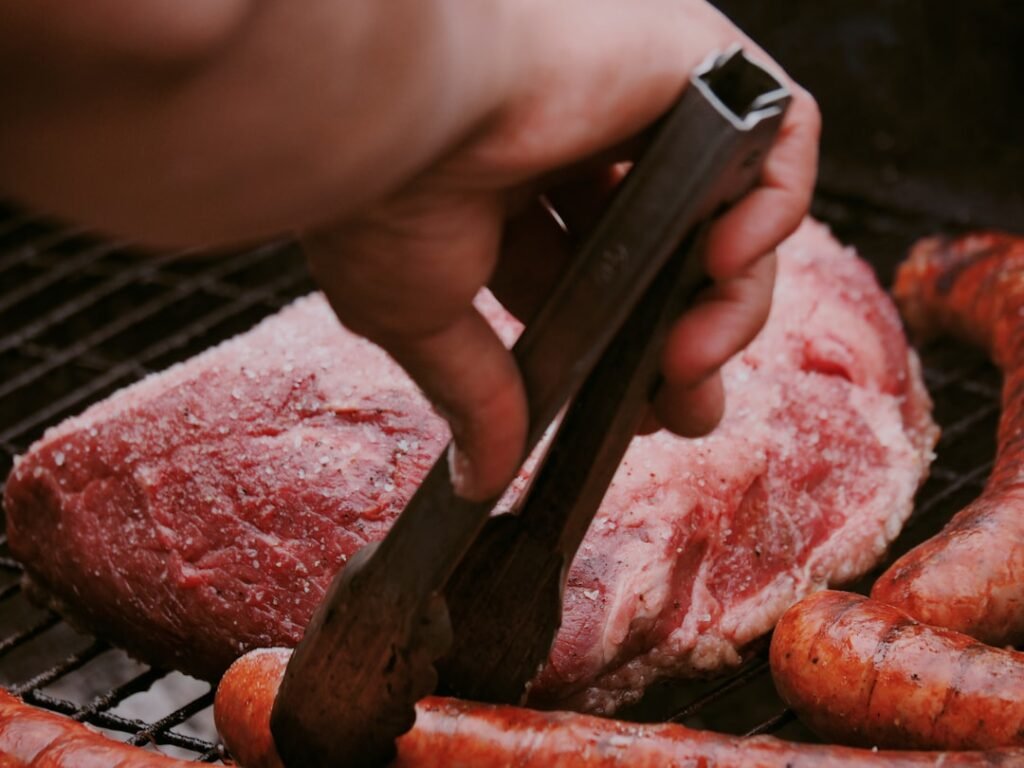
Imagine searing a thick steak on the hot gas side to get that perfect crust, then moving it to the cooler, smoky charcoal side to finish cooking indirectly and absorb some smoky notes. This is a classic combi maneuver.
Multi-Meal Mastery
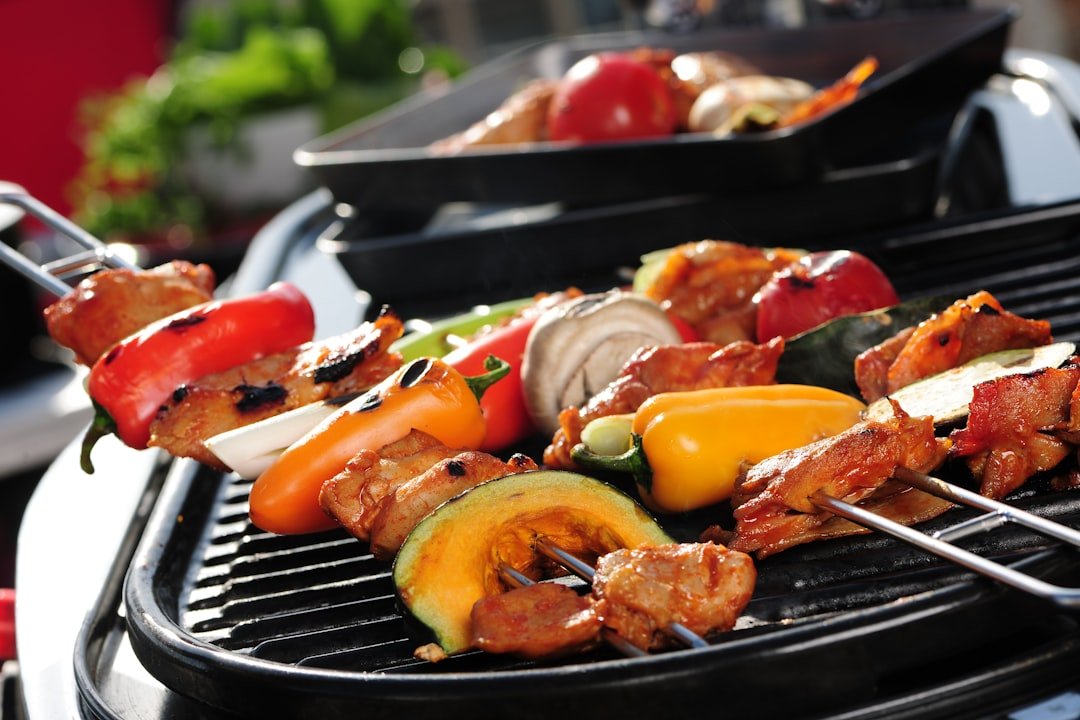
You can cook quick-cooking items like hot dogs and burgers on the gas side while simultaneously slow-smoking chicken thighs on the charcoal side. This is incredibly efficient for feeding a crowd.
Transitioning Between Fuels
- Gas to Charcoal: Once your gas grill is hot, you can light your charcoal in a chimney starter. By the time your gas food is done, your charcoal should be ready.
- Charcoal to Gas: This is a bit trickier. You’d typically cook your charcoal items first. Once they’re done, you can let the coals die down or remove them, then light up the gas side for a quick sear or to finish cooking other items.
Cleaning and Maintenance: A Unified Approach
Because you have two grilling systems, maintenance is doubled, but it’s manageable if you stay on top of it.
Regular Cleaning
- Grates: Clean your grates after every use, regardless of the fuel type. Brushing off debris and then wiping down with a bit of oil while warm is a good habit.
- Burner Ports (Gas): Periodically check for clogs in the gas burner ports. A stiff brush or a paperclip can often clear them.
- Ash Removal (Charcoal): Make sure to empty the ash catcher on the charcoal side after it cools completely.
Deeper Cleans
- Inside the Firebox: For both sides, periodically scrape down the interior of the firebox to remove built-up grease and food residue.
- Grease Management: Ensure grease traps and drip pans are clean and emptied regularly to prevent flare-ups and potential fires.
Seasonal Checks
- Gas Lines and Connectors: For the gas side, inspect gas lines and connections for any signs of wear or leaks.
- Rust Prevention: On the charcoal side, especially if it’s made of steel, consider applying a high-heat grill lubricant or a light coat of cooking oil after cleaning and drying to prevent rust.
Who is a Combi Grill For?
Ultimately, a combi grill is best suited for the enthusiast who appreciates both speed and flavor, and who might be limited by space.
The Weekend Warrior Who Needs Weekday Speed
If you love the idea of a big weekend barbecue but often find yourself wishing for a quick grilled meal on a Tuesday night, a combi grill bridges that gap perfectly.
The Space-Conscious Griller
For those with smaller patios or balconies, a combi grill offers the functionality of two grills in one, saving valuable space.
The Explorer of Flavors
If you enjoy experimenting with different cooking methods and flavors – from searing to smoking – a combi grill gives you the tools to do it all.
The Budget-Conscious Dual-Griller
While not always the cheapest option, a good combi grill can sometimes be more economical than buying two separate, high-quality gas and charcoal grills.
Not for Everyone?
If you only ever grill burgers and hot dogs on gas, or you only do low-and-slow smoking on charcoal, you might be better served by dedicated units. A combi grill’s strength is its ability to do both well, but it’s a compromise compared to highly specialized equipment.
In conclusion, a gas and charcoal combi grill isn’t just a gimmick. When designed well and used to its full potential, it’s a powerful and versatile tool that can genuinely offer the best of both grilling worlds. It requires understanding its components, mastering its individual functions, and then creatively combining them to unlock a whole new dimension of outdoor cooking.