Pellet Grill Vs Offset Smoker: Which Is Best for BBQ Lovers?
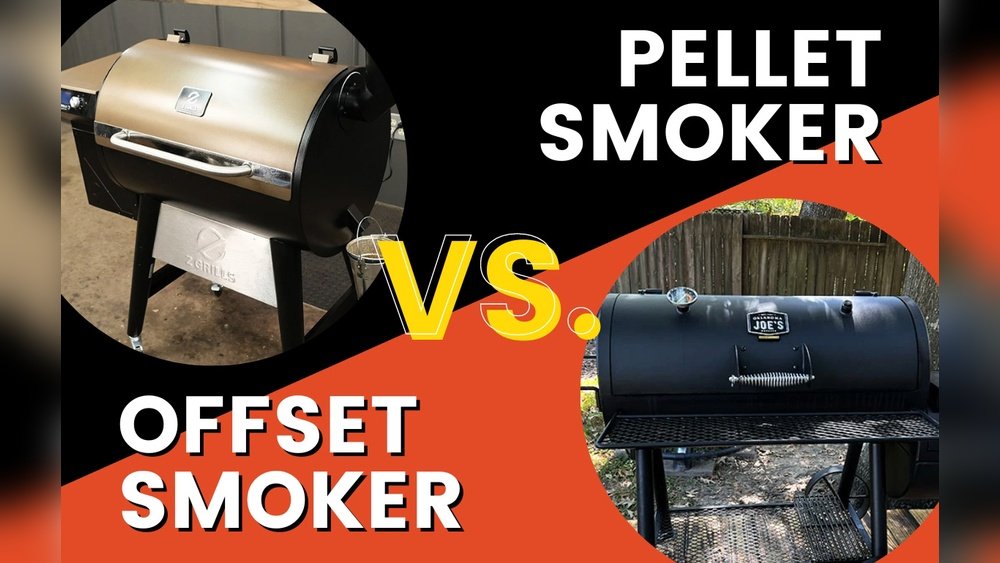
Pellet Grill Vs Offset Smoker: Which Is Right For You?
If you love the flavor of smoked meats, you’ve probably seen two main options: pellet grills and offset smokers. Both promise rich, smoky taste and tender results. But they work in different ways, require different skills, and offer unique experiences. Choosing the right one isn’t just about price or brand—it’s about how you like to cook, what flavors you crave, and how much time you want to spend tending your smoker.
In this guide, you’ll discover the real differences between pellet grills and offset smokers. You’ll learn about their design, performance, taste results, ease of use, and costs. You’ll see how they compare in real-world situations, including temperature control, smoke quality, maintenance, and even safety.
By the end, you’ll know exactly which fits your backyard, your cooking style, and your taste buds.
Pellet Grills: Modern Convenience Meets Smoky Flavor
Pellet grills are a newer invention compared to offset smokers. They use compressed wood pellets as fuel. With an electric system, they automatically feed pellets into a firepot, keeping a steady temperature. Many people call pellet grills “set it and forget it” smokers because you can control them with digital screens—or even your phone.
How Pellet Grills Work
Pellet grills use a hopper (a container for pellets) on one side. An auger, powered by electricity, moves pellets from the hopper to a small firepot. There, a hot rod ignites the pellets. A fan spreads heat and smoke throughout the cooking chamber.
The grill’s controller keeps the temperature stable by adjusting how many pellets are fed and how much air blows.
Most pellet grills let you pick a temperature, just like an oven. Some models even let you set timers, smoke levels, or connect to Wi-Fi for remote control. This makes them very user-friendly, especially for people who want to smoke meat without constantly watching the fire.
Some advanced controllers can even adjust the pellet feed rate based on outside temperature, so you get more precise results.
A helpful example: Let’s say you want to make pulled pork for a party. With a pellet grill, you can season your pork shoulder, place it inside, set the temperature to 225°F, and go do other things. The grill will keep the heat steady for 10–12 hours, freeing you to prepare sides or entertain guests.
Key Features
- Automatic temperature control: No need to watch the fire constantly.
- Easy ignition: Just press a button or turn a dial.
- Consistent heat: Great for slow smoking or baking.
- Versatility: Can smoke, grill, roast, or bake.
- Cleaner burn: Fewer ashes and smoke particles.
- Fuel efficiency: Pellets burn slowly, so you use less fuel for long cooks.
- Built-in safety features: Many models have auto-shutoff or error warnings.
Popular Brands And Models
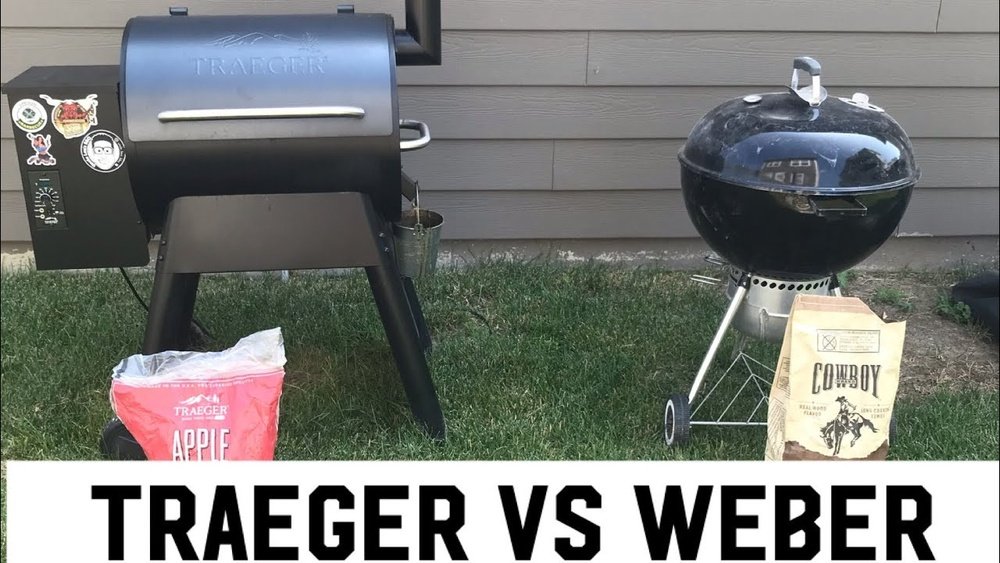
Some leading pellet grill brands include Traeger, Pit Boss, Camp Chef, and Green Mountain Grills. Traeger, for example, started the pellet grill trend in the 1980s and still leads the market today. Prices range from $350 for simple models up to $2,000+ for large, feature-rich units.
Pit Boss offers affordable models with lots of features, while Camp Chef is known for its modular accessories like pizza ovens or sear boxes. Green Mountain Grills are popular for their Wi-Fi control and compact design, making them great for smaller patios or for taking on trips.
When choosing a brand, check not just the price, but also the warranty, customer support, and availability of replacement parts.
Typical Use Cases
Pellet grills are ideal for people who:
- Want easy, reliable cooking.
- Prefer consistent results.
- Like to cook for crowds or families.
- Enjoy experimenting with different wood pellet flavors.
- Need to multitask during long cooks.
- Live in neighborhoods where heavy smoke could bother neighbors, since pellet grills give off less visible smoke.
For example, if you often host friends for weekend barbecues but don’t want to stand by the smoker all day, a pellet grill fits perfectly. You can set it up, check on your phone while inside, and join the party.
Non-obvious Insight: Pellet Quality Matters
Many beginners don’t realize that the quality of wood pellets affects flavor and performance. Cheap pellets often have fillers or binders, which produce less smoke and can clog the auger. Always check for 100% hardwood pellets.
Another detail: The moisture content of pellets is important. Wet or old pellets can swell, jam the auger, or burn unevenly. Store your pellets in a sealed container indoors or in a waterproof bin to avoid this common problem.
Offset Smokers: Traditional Smoke, Hands-on Cooking
Offset smokers are the classic choice for barbecue lovers. They use wood and charcoal to produce real smoke, with the fire in a separate chamber (the “offset” box) attached to the main cooking area. Smoke and heat travel from the firebox into the main chamber, cooking food indirectly.
How Offset Smokers Work
In an offset smoker, you build a fire in the firebox using wood logs or charcoal. The firebox sits lower and to the side of the cooking chamber. Heat and smoke move horizontally into the main chamber, surrounding the meat.
Vents let you adjust airflow and temperature.
Offset smokers require regular attention. You must add fuel, manage the fire, and check temperatures often. This hands-on process is part of the appeal for many barbecue purists. Some cooks enjoy the ritual of tending the fire, smelling the smoke, and making adjustments as needed.
It’s a skill that improves with practice, and many people find it relaxing and rewarding.
For example, to smoke a rack of ribs, you might start with lump charcoal to get the fire going, then add chunks of hickory wood for smoke flavor. Every hour, you open the firebox, add more wood, and adjust the vents to keep the temperature around 250°F.
This hands-on approach is more involved, but many say it’s part of the fun.
Key Features
- Strong smoke flavor: Intense, authentic barbecue taste.
- Large cooking space: Good for big cuts like brisket or ribs.
- Manual control: Adjust heat and smoke by hand.
- Heavy steel construction: Holds heat well.
- Classic design: Often seen in BBQ competitions.
- Customizable setup: You can add baffles, extra thermometers, or water pans to modify heat and smoke.
- No need for electricity: Works anywhere, even off-grid.
Popular Brands And Models
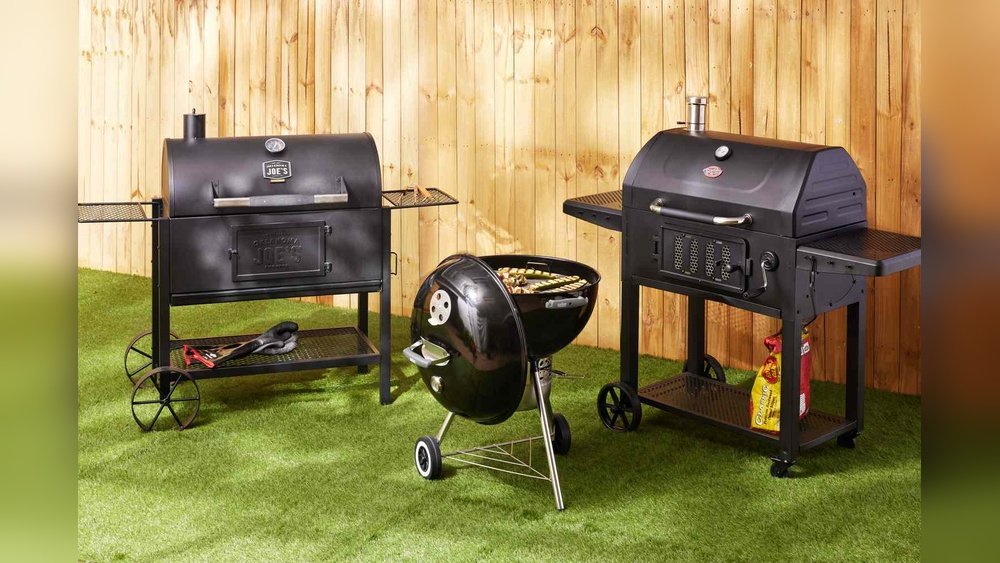
Offset smokers come in many styles and sizes. Well-known brands include Oklahoma Joe’s, Weber, and Dyna-Glo. Prices range from $200 for entry models to $3,000+ for custom-built units.
Oklahoma Joe’s is famous for solid construction and value, while Weber’s Smokey Mountain cooker is a smaller, vertical style offset that’s easier to control. Dyna-Glo offers affordable options, but may need upgrades for best results. Many serious pitmasters eventually buy custom or competition-grade smokers made by small shops, which can last a lifetime.
Typical Use Cases
Offset smokers are best for people who:
- Want deep, smoky flavor.
- Enjoy the ritual of tending a fire.
- Like traditional barbecue.
- Often cook large pieces of meat.
- Don’t mind spending hours watching over their smoker.
- Want to learn fire management skills—useful for other types of barbecue or open fire cooking.
- Have the space for a larger, heavier smoker.
Some barbecue teams and enthusiasts use offset smokers for practice before entering competitions. The hands-on nature teaches you to control smoke and heat for perfect results.
Non-obvious Insight: The Importance Of Seals And Thickness
Many cheap offset smokers leak heat and smoke, making temperature control difficult. Look for thick steel and tight seals. If you buy a budget model, you may need to upgrade seals or add insulation.
Another detail: The size and shape of the firebox also matter. If the firebox is too small, you’ll struggle to keep a steady fire for long cooks. Some owners add gasket seals or use high-heat silicone to reduce leaks and save fuel.

Credit: bepbbq.com
Comparing Pellet Grills And Offset Smokers
The real decision comes down to several factors: flavor, ease of use, versatility, cost, and maintenance. Let’s break them down.
Flavor Differences
Pellet grills create mild, clean smoke. The flavor is subtle, often described as “wood-fired” but not overpowering. Some pellet grills let you adjust smoke levels, but most won’t match the intensity of a traditional smoker.
Offset smokers produce bold, rich smoke. Because you burn real wood, the meat absorbs strong flavors—especially over long cooks. The type of wood (oak, hickory, mesquite, etc.) makes a big difference.
Example: If you cook brisket for 12 hours on an offset smoker, you’ll taste deep, layered smoke. On a pellet grill, the smoke is lighter and the meat’s natural flavors come through more.
Another subtle point: Some experienced cooks use smoke tubes or add pellets directly to offset smokers to fine-tune flavor. But the basic difference remains: offsets give you that “backyard barbecue” punch, while pellet grills are cleaner and gentler.
Temperature Control
Pellet grills excel at holding steady temperatures. You set your desired heat, and the grill does the rest. This is ideal for recipes that need precise control, like pork shoulder or turkey.
Offset smokers require skill and patience. You must adjust vents, add fuel, and monitor the fire. Temperatures can swing if you’re not careful. For experienced cooks, this isn’t a problem—but beginners may struggle.
A useful tip: If you’re new to offsets, buy a couple of good digital thermometers. One for the grate and one for the meat. This helps you learn your smoker’s heat patterns and avoid burning or undercooking food.
Cooking Versatility
Pellet grills are more flexible. Besides smoking, you can grill burgers, bake pizza, or roast vegetables. Some models reach high temperatures for searing. With their digital controllers, you can cook almost anything.
Offset smokers focus on low-and-slow barbecue. You can grill over the firebox, but it’s not their main strength. Most offset smokers aren’t good for baking or roasting.
Some pellet grills even have direct-flame options for steak searing, and they can double as outdoor ovens for bread or desserts—a feature rarely possible on an offset smoker.
Maintenance And Cleaning
Pellet grills require less cleaning. They produce fewer ashes, and most have drip trays for grease. You need to empty the ash cup and wipe down the grates.
Offset smokers make more mess. Ash builds up in the firebox, and grease drips inside the cooking chamber. You must clean out ashes and scrub the grates regularly.
One detail: Because offsets use real wood, creosote can build up on the walls. This sticky residue can affect flavor and even cause fires if not cleaned. Pellet grills rarely have this problem.
Cost
Pellet grills tend to cost more up front. Entry-level models start around $350, but most people spend $700–$1,500. You’ll also pay for electricity and pellets.
Offset smokers are cheaper, with some models under $250. However, higher-end offsets cost as much as premium pellet grills. You’ll spend money on wood and charcoal, but not electricity.
Don’t forget to factor in accessories: pellet grills may need covers, extra racks, or Wi-Fi adapters. Offset smokers might need thermometers, gaskets, or fire management tools.
Safety
Pellet grills are generally safer. The fire is contained, and the grill shuts off automatically if it overheats or runs out of pellets. Offset smokers have open flames and hot surfaces—so you must watch closely, especially around children.
Another safety note: Because offsets use more wood, sparks can escape from the firebox. Always smoke on a non-flammable surface, away from dry grass or leaves.
Table: Direct Comparison
Here’s a quick look at how pellet grills and offset smokers stack up:
| Feature | Pellet Grill | Offset Smoker |
|---|---|---|
| Flavor | Mild, clean smoke | Bold, intense smoke |
| Temperature Control | Automatic, precise | Manual, skill required |
| Versatility | Smoke, grill, bake, roast | Mostly smoke, some grill |
| Ease of Use | Easy, “set and forget” | Hands-on, constant attention |
| Maintenance | Simple, less ash | Frequent, more ash |
| Safety | Contained fire, safer | Open flame, caution needed |
| Cost | Higher, $350–$2,000 | Lower, $200–$3,000 |
Real-world Examples: Cooking Brisket, Ribs, And Chicken
Let’s look at three popular barbecue dishes and see how each smoker performs.
Brisket
Brisket is a tough cut that needs hours of slow cooking. On a pellet grill, you set the temperature (225°F is common) and let it cook for 10–14 hours. The grill keeps heat steady, and the brisket comes out tender, with a light smoke ring.
Offset smokers require more work. You must manage the fire, add wood every hour, and watch the temperature. But the result is often a brisket with deep smoke flavor, strong bark (crust), and a thicker smoke ring.
A non-obvious tip: Many top barbecue restaurants use offset smokers for brisket because customers want that signature smoke flavor. At home, if you want a more pronounced smoke ring, an offset smoker is the way to go.
Ribs
Pellet grills produce juicy, tender ribs with mild smoke. Many people use the “3-2-1” method: 3 hours smoke, 2 hours wrapped, 1 hour unwrapped. You can easily adjust temperature and timing.
Offset smokers deliver ribs with bold flavor and a chewy bark. You need to check often, adjusting vents and adding fuel. The process is longer, but many barbecue fans prefer the result.
Extra tip: On pellet grills, you can experiment with pellet flavors (apple, cherry, hickory) for different taste results. On offsets, the wood you burn is your main flavor tool.
Chicken
Pellet grills shine with chicken. You can smoke at low heat or roast at higher temperatures. The meat stays moist, and the skin gets crisp.
Offset smokers produce smoky chicken, but the temperature swings can dry out the meat or make skin rubbery. It takes more skill to get perfect results.
Pro tip: If you want crispy chicken skin on a pellet grill, finish at 400°F for the last 10–15 minutes. On offsets, try moving the chicken closer to the firebox for a short time to help crisp the skin.
Table: Dish Performance
Here’s a side-by-side look at how each smoker performs for brisket, ribs, and chicken:
| Dish | Pellet Grill | Offset Smoker |
|---|---|---|
| Brisket | Tender, mild smoke ring | Deep flavor, strong bark |
| Ribs | Juicy, easy timing | Bold flavor, chewy bark |
| Chicken | Moist, crisp skin | Strong smoke, skill needed |
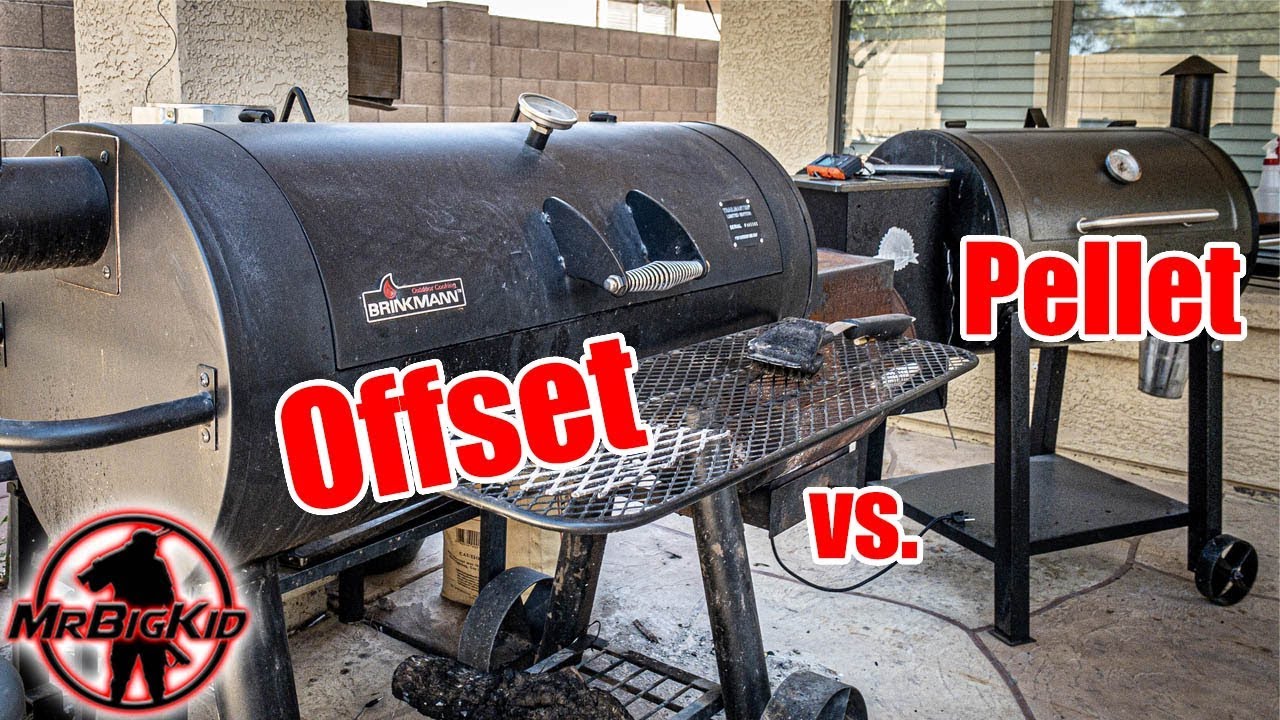
Credit: www.youtube.com
Pellet Grill Pros And Cons
Understanding the strengths and weaknesses helps you decide if a pellet grill is right for you.
Pros
- Easy to use: Digital controls make cooking simple.
- Consistent results: Less risk of burnt or undercooked food.
- Versatile: Can smoke, grill, bake, and roast.
- Cleaner operation: Less ash and grease mess.
- Remote control: Some models offer Wi-Fi and app connectivity.
- Safer in family settings: Lower risk of flare-ups or burns.
- Quick preheat: Heats up faster than traditional smokers.
Cons
- Flavor limitations: Smoke is lighter than traditional methods.
- Requires electricity: Not portable in remote locations.
- Higher upfront cost: Good models are expensive.
- Reliance on pellets: Must use pellet fuel; not compatible with logs or charcoal.
- Potential for breakdowns: More parts can fail, like augers or controllers.
- Not for heavy rain: Electronics can be sensitive to weather.
Non-obvious Insight: Weather Impacts Performance
Pellet grills can struggle in cold or windy weather, as the electric heater works harder to maintain temperature. Some models offer insulation or blankets, but it’s worth considering if you live in a cold climate.
Another tip: If you cook in the winter, start with extra pellets and preheat longer to avoid heat loss when opening the lid.
Offset Smoker Pros And Cons
Offset smokers appeal to those who love traditional barbecue, but they come with challenges.
Pros
- Authentic smoke flavor: Strong, layered taste.
- Manual control: Adjust fire and smoke to your liking.
- No electricity needed: Good for camping or remote spots.
- Large cooking capacity: Great for big gatherings.
- Classic style: Looks impressive in the backyard.
- Can use different fuel: Wood, charcoal, or a mix.
- Lasts for years: Heavy steel models are very durable.
Cons
- Harder to master: Steep learning curve for beginners.
- Frequent tending: Must watch the fire closely.
- Messy cleanup: More ash, grease, and soot.
- Temperature swings: Hard to keep steady heat.
- Heavy and bulky: Not easy to move or store.
- Weather can affect fire: Wind and rain change heat and smoke flow.
Non-obvious Insight: Offset Smokers Can Be Upgraded
Many owners improve their offset smokers with aftermarket parts. Adding temperature gauges, custom seals, or heat baffles can solve problems and boost performance.
Some people even weld extra metal to the firebox for better heat retention, or build windbreaks to cook in tough conditions.
Choosing The Right Smoker: What Really Matters
It’s easy to get lost in features and specs, but what matters most is your cooking style and goals. Here are the top things to consider:
1. Flavor Preference
If you want strong, traditional barbecue flavor, offset smokers win. For milder, cleaner smoke, pellet grills are better.
2. Ease Of Use
Pellet grills are best for beginners or busy cooks. Offset smokers require patience and practice. If you’re often multitasking or have young kids, pellet grills let you cook without constant supervision.
3. Cooking Versatility
Pellet grills allow you to smoke, grill, bake, and roast. Offset smokers are mainly for smoking. If you enjoy making homemade pizza, bread, or even desserts outdoors, pellet grills can do it all.
4. Cost And Maintenance
Pellet grills cost more up front and need electricity. Offset smokers are cheaper, but require more cleaning and upgrades. Remember, budget offsets may need work—like adding seals or extra thermometers.
5. Space And Portability
Pellet grills are heavy but often have wheels. Offset smokers are large and bulky. Consider your backyard space and storage.
6. Fuel Availability
Pellet grills need pellets, which can be hard to find in some areas. Offset smokers use wood and charcoal, available almost everywhere. If you live in a rural area, you may have easy access to firewood for offsets.
7. Weather Resistance
Pellet grills may struggle in extreme cold. Offset smokers handle cold well, but need more fuel. Cover your smoker in bad weather, and consider insulation for pellet grills if you cook year-round.
Table: Key Factors For Choosing
Here’s a summary of what to focus on:
| Factor | Pellet Grill | Offset Smoker |
|---|---|---|
| Flavor | Mild, clean | Bold, layered |
| Ease of Use | Beginner-friendly | Skill needed |
| Versatility | Multi-purpose | Mostly smoking |
| Maintenance | Easy | Frequent |
| Portability | Limited | Limited |
| Weather Resistance | Needs insulation | Handles cold |
| Fuel | Pellets only | Wood/charcoal |
Common Mistakes When Choosing
Many buyers make mistakes that lead to disappointment. Here’s what to watch out for:
- Ignoring size: Some smokers are too big for small patios. Measure your space first.
- Choosing cheap models: Low-cost smokers often leak heat and smoke, causing bad results.
- Overlooking fuel costs: Pellets and wood add up over time. Calculate ongoing expenses.
- Misjudging skill level: Offset smokers are hard for beginners. Pellet grills are easier.
- Skipping research: Always check reviews and user feedback before buying.
- Not considering weather: If you live in a windy or cold area, look for insulated models or plan for extra fuel.
- Forgetting about accessories: Some smokers need covers, extra racks, or tools. Add these to your budget.

Credit: www.youtube.com
Maintenance Tips For Pellet Grills And Offset Smokers
Proper maintenance keeps your smoker running and your food tasting great.
Pellet Grill Maintenance
- Clean the grease tray after each cook.
- Vacuum out ashes every few uses.
- Check the auger for jams.
- Wipe down grates with a grill brush.
- Store pellets in a dry place; moisture ruins them.
- Inspect wiring and controllers for signs of wear.
- Run a “burn-off” cycle at high heat to clean out food drippings.
Offset Smoker Maintenance
- Remove ashes after each use.
- Scrub grates and chamber with a wire brush.
- Oil the firebox to prevent rust.
- Check for leaks and reseal as needed.
- Store under a cover to protect from rain and snow.
- Empty grease traps or pans.
- Once a year, season the inside with cooking oil to prevent rust and improve flavor.
A little extra effort can add years to your smoker’s life and keep your food tasting its best.
Pellet Grill Vs Offset Smoker: The Final Verdict
Both pellet grills and offset smokers can make amazing barbecue. The right choice depends on your flavor preferences, skill level, and lifestyle. If you want easy, consistent cooking and don’t mind milder smoke, a pellet grill is perfect. If you crave bold flavor and enjoy tending a fire, an offset smoker is the way to go.
For beginners, pellet grills offer less stress and more versatility. For experts or those who want to learn, offset smokers reward patience and practice with unbeatable taste.
If you want deep technical details or historical info about smoking technology, you can check Wikipedia’s smoker page.
Frequently Asked Questions
What Is The Main Difference Between Pellet Grills And Offset Smokers?
The main difference is the fuel and control. Pellet grills use wood pellets and automatic temperature control with electricity. Offset smokers use wood logs or charcoal, and you control heat and smoke manually.
Which Produces Stronger Smoke Flavor?
Offset smokers produce a stronger, deeper smoke flavor because they burn real wood and charcoal. Pellet grills give a milder, cleaner taste due to the way pellets burn.
Are Pellet Grills Easier For Beginners?
Yes. Pellet grills are much easier for beginners because they keep steady heat, require little supervision, and often have digital controls. Offset smokers need more skill and attention.
Can You Grill On Both Pellet Grills And Offset Smokers?
You can grill on both, but pellet grills are better for grilling because they can reach higher temperatures and offer more control. Offset smokers are mainly for smoking; grilling is possible but not their strength.
How Much Maintenance Do Pellet Grills And Offset Smokers Need?
Pellet grills need regular cleaning of grease trays and ash cups, but it’s simple. Offset smokers need frequent ash removal, scrubbing, and checking for leaks. Maintenance is higher for offset smokers.
No matter which you choose, both can deliver mouthwatering barbecue. The key is to match your smoker to your cooking style, space, and taste for the best results.