Kamado Grill Guide: Mastering Flavorful Outdoor Cooking
Kamado Grill Guide
Cooking outdoors is more than just making food—it’s about creating memories with friends, family, and the flavors of fire. In recent years, one type of grill has captured the imagination of both backyard beginners and seasoned pitmasters: the kamado grill. With its egg-shaped design and centuries-old history, the kamado stands out from gas and kettle grills for its heat control, versatility, and ability to turn simple ingredients into something extraordinary.
But what exactly is a kamado grill? Why are so many barbecue lovers switching to this style? If you’ve ever wondered how to choose, use, and get the most from a kamado, you’re in the right place. This guide will walk you through everything you need to know—from the basics of kamado construction to advanced cooking tips, common mistakes, and comparisons with other grills.
By the end, you’ll know exactly why the kamado isn’t just a trend, but a tool that transforms the way you cook outdoors.
What Is A Kamado Grill?
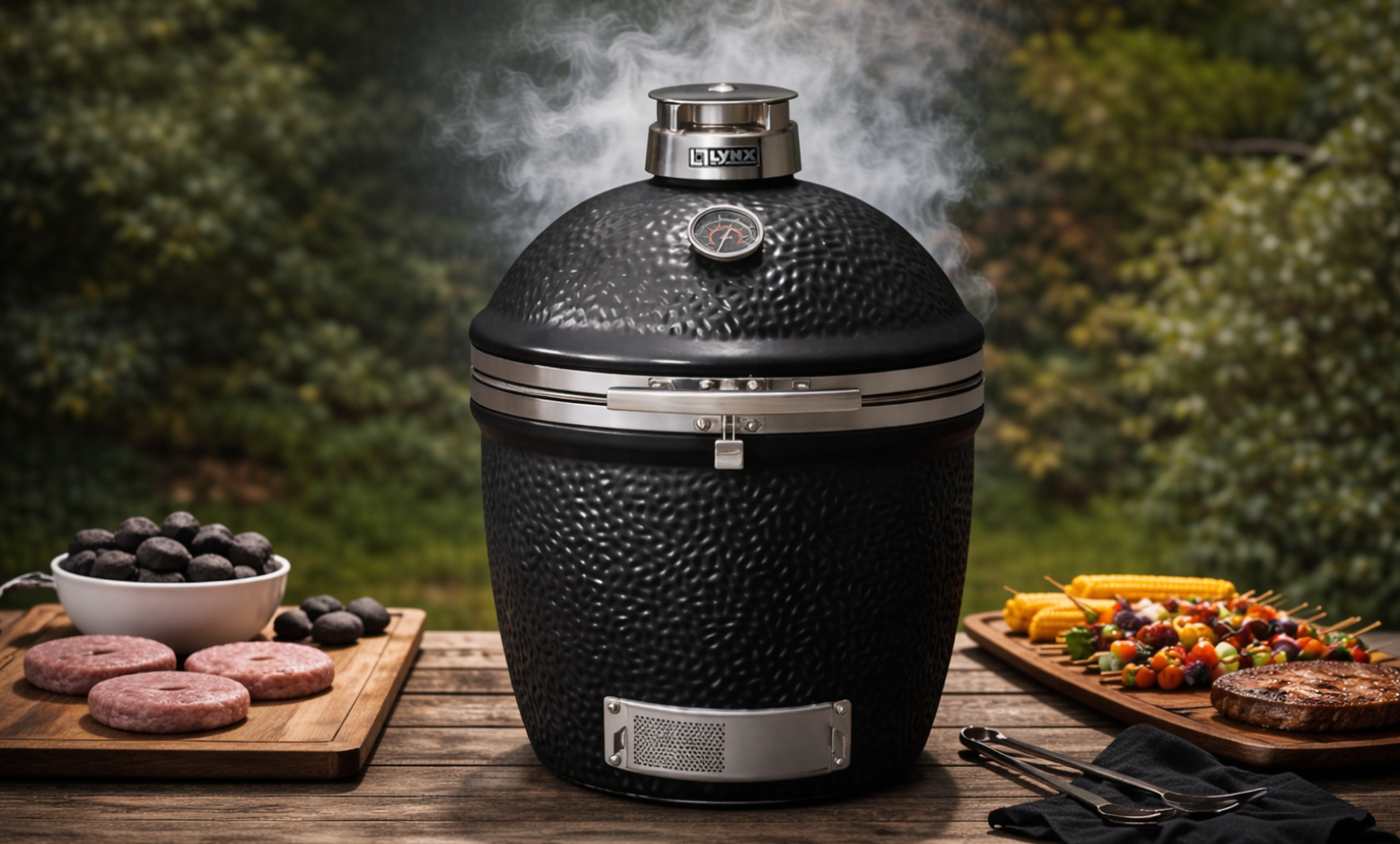
A kamado grill is a thick-walled, egg-shaped cooker. Traditionally made from ceramic, these grills use charcoal as fuel and can hold heat for hours at a time. The unique shape, heavy lid, and adjustable air vents allow for precise temperature control. This means you can grill, smoke, roast, or bake, all on the same unit.
The origins of kamado grills date back over 3,000 years to clay cooking vessels in China and Japan. The modern kamado, popularized in the West by brands like Big Green Egg and Kamado Joe, combines ancient wisdom with modern engineering.
Most kamados today use ceramic or heat-resistant materials, making them extremely efficient at holding heat and moisture.
Main Features
- Thick ceramic walls: Hold heat and moisture for juicy results.
- Egg shape: Promotes even airflow and cooking.
- Charcoal fuel: Gives authentic wood-fired flavor.
- Vents: Control temperature by adjusting oxygen flow.
- Versatile cooking: Grill, smoke, bake, or roast.
Why People Love Kamado Grills
Kamado grills are famous for two things: flavor and flexibility. The tight seal and ceramic walls keep food moist, while charcoal and wood chunks create smoky, rich tastes. Unlike gas or metal grills, kamados can cook at low-and-slow smoking temperatures or get blazing hot for steaks and pizzas. You get the best of both worlds—smoky barbecue and crispy crusts.
Kamado Grill Vs. Other Grill Types
Before investing in a kamado, it helps to understand how it compares to other popular grills. Here’s a side-by-side look at the main differences.
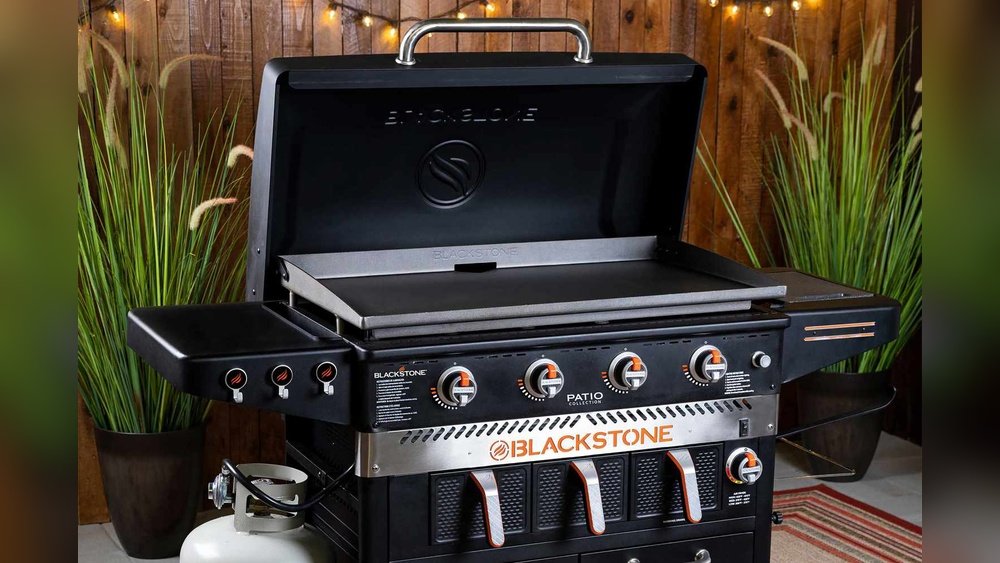
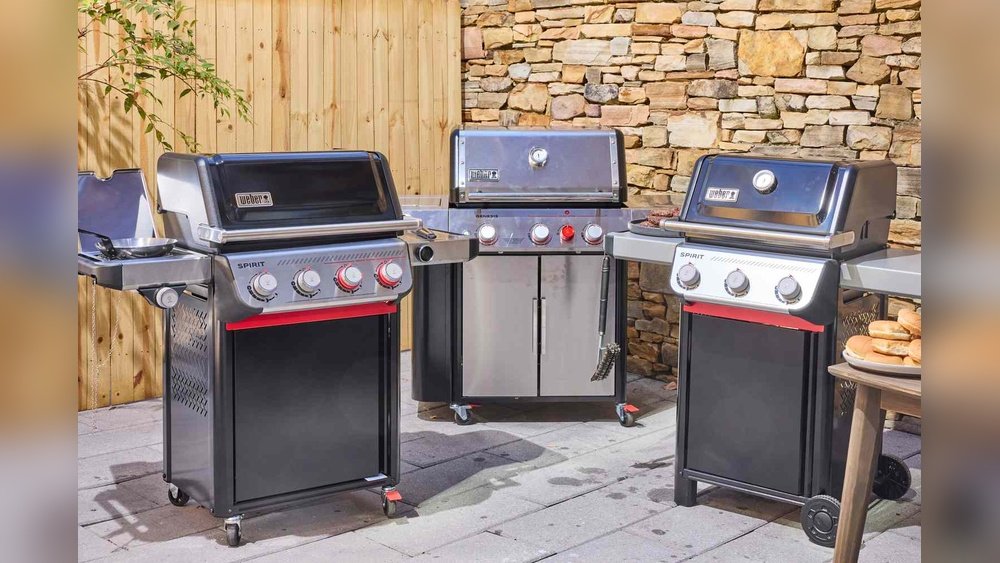
| Feature | Kamado Grill | Gas Grill | Kettle Grill | Pellet Grill |
|---|---|---|---|---|
| Fuel | Charcoal/wood | Propane/Natural Gas | Charcoal | Wood pellets |
| Heat Retention | Excellent (ceramic walls) | Fair | Good (thin metal) | Good |
| Temperature Range | 200°F–750°F+ | 250°F–600°F | 225°F–600°F | 150°F–500°F |
| Smoking Ability | Excellent | Poor–Fair | Good | Excellent |
| Moisture Retention | Very high | Medium | Low-Medium | Medium |
| Price Range | $$–$$$$ | $–$$$ | $–$$ | $$–$$$ |
| Setup Time | Medium | Fast | Medium | Fast |
Key Insights
- Kamado grills offer the best heat and moisture retention, making them perfect for slow-cooked barbecue and baking.
- Gas grills are fast and easy, but lack the smoky flavor and moisture control.
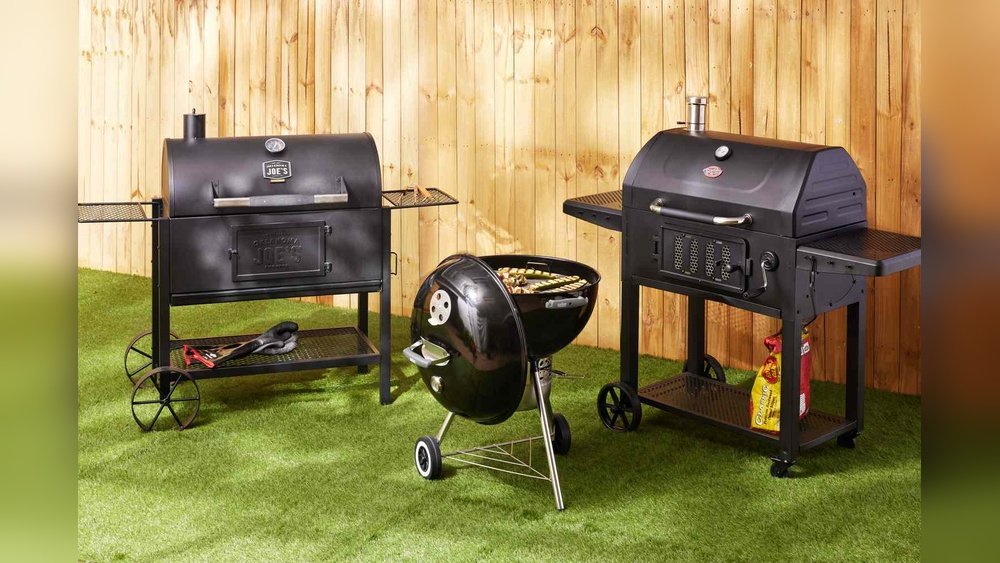
- Kettle grills are cheap and versatile but can’t match the temperature control of a kamado.
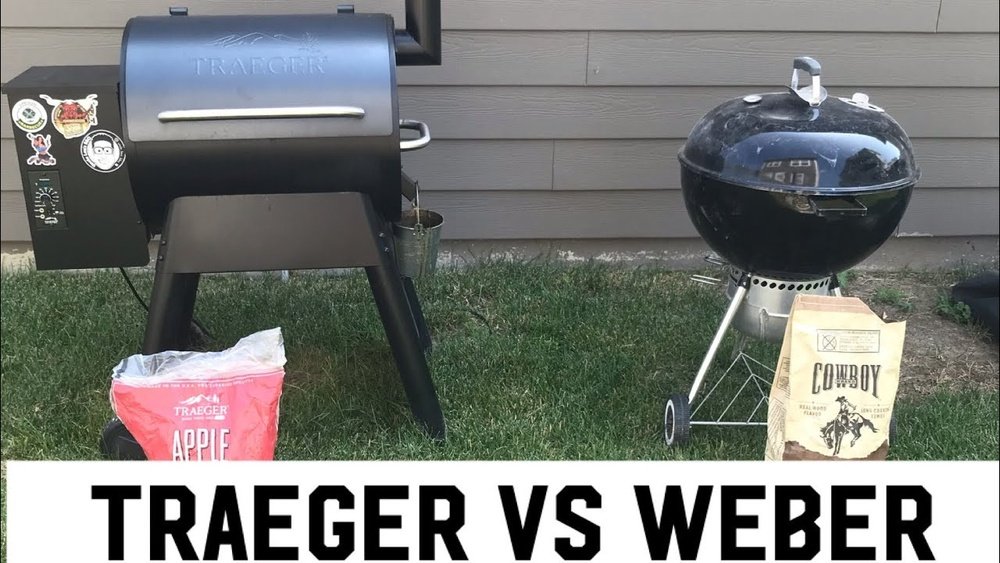
- Pellet grills are simple for smoking but can’t reach the extreme high temps for pizza or searing.
Types Of Kamado Grills
Not all kamado grills are the same. The market now offers a range of options, varying by material, size, features, and price. Here are the main types you’ll find:
1. Ceramic Kamado Grills
The classic kamado grill is made of thick ceramic. This material holds heat incredibly well and lasts for decades if cared for. Ceramic kamados are usually heavier and more expensive but deliver the best flavor and performance.
Popular brands: Big Green Egg, Kamado Joe, Primo
2. Metal Kamado Grills
Some kamado grills use double-walled steel or aluminum instead of ceramic. These are lighter, less fragile, and often cheaper. However, they can’t hold heat or moisture as well as ceramic.
Popular brands: Char-Griller Akorn, Vision Grills
3. Portable Kamado Grills
Smaller kamados (often 13–18 inches) are designed for camping or tailgating. They’re lighter and easier to move but have less cooking space.
Popular brands: MiniMax Big Green Egg, Kamado Joe Jr.
4. High-end Luxury Kamados
These models offer advanced features like built-in thermometers, air lift hinges, multi-level grates, and premium finishes. They cost more but give a top-of-the-line experience.
Popular brands: Komodo Kamado, Vision Pro S
5. Budget Kamado Grills
Some brands offer entry-level models with thinner ceramics or metal construction, basic vents, and simple stands. They’re great for beginners, but may not last as long.
Popular brands: Lifesmart Kamado, Char-Griller Akorn Jr.
What To Remember
- Ceramic is best for heat/moisture but is heavy and costly.
- Metal is lighter and cheaper but less efficient.
- Small kamados are portable but limit your cooking space.
- Luxury models bring convenience and style but at a premium price.
How Does A Kamado Grill Work?
A kamado’s design gives it unique cooking power. Here’s how the parts and airflow system work together:
The Parts
- Base: Holds the charcoal and ash.
- Firebox: Where you build the fire.
- Cooking grates: Where you place your food.
- Dome lid: Seals in heat and smoke.
- Top vent: Releases heat and controls air flow.
- Bottom vent: Lets oxygen in to control the fire.
- Gasket: Makes a tight seal between the base and lid.
Airflow And Heat Control
- Air enters through the bottom vent.
- Charcoal burns in the firebox, creating heat and smoke.
- Heat rises and circulates around the dome.
- Top vent lets hot air and smoke out, controlling temperature.
- Adjusting vents lets you fine-tune from low (smoking) to high (searing) temperatures.
The thick walls and tight seal keep moisture in, so food doesn’t dry out even after hours of cooking.
Cooking Zones
You can create direct heat (over the coals) for searing, or indirect heat (coals on one side, food on the other) for slow roasting and smoking. Some kamados have special accessories for multi-level cooking or dividing the grill.
Choosing The Right Kamado Grill
A kamado grill is an investment. Picking the right model means thinking about your space, budget, and cooking style. Here’s what matters most:
Size
Kamados are measured by the diameter of the cooking grate. Common sizes:
- Small (13–15 inches): Good for 2–4 people or travel.
- Medium (16–18 inches): Great for a family of 4–6.
- Large (18–24 inches): Feeds a crowd, fits big cuts like brisket.
- XL (24+ inches): Commercial use or big parties.
Tip: Most home cooks are happy with a large (18-inch) model.
Material Quality
- Ceramic: Best heat retention, long life, but heavy and fragile.
- Steel/Aluminum: Lighter, less expensive, but less efficient.
Check for a tight-fitting lid, sturdy hinges, and quality gaskets.
Accessories And Features
- Ash drawer: Easier cleaning.
- Side shelves: Prep space.
- Built-in thermometer: Monitors temperature.
- Multi-level grates: More cooking flexibility.
- Heat deflectors: For indirect cooking and baking.
- Grill stands/carts: Mobility and storage.
Price
Kamado grills range from around $150 for small steel models to over $5,000 for luxury ceramics. Most good-quality ceramic models fall between $700–$1,500.
Warranty And Support
A longer warranty shows confidence in build quality. Big brands often offer lifetime warranties on ceramics.
Brand Reputation
Look for brands with strong customer support and good community resources. Big Green Egg and Kamado Joe have large user groups and plenty of online recipes.
Setting Up Your Kamado Grill
First-time assembly can be tricky because of the weight and tight parts. Here’s a practical overview of what to expect:
- Unbox carefully. Ceramic pieces are heavy and can chip if dropped.
- Assemble stand/cart. Do this first to avoid lifting later.
- Place firebox and fire ring inside the base.
- Install grates and accessories as directed.
- Check vents and gasket for a tight seal.
- Cure the grill (for some brands). Do a low-temp burn to set the ceramics.
Always follow your brand’s instructions. Two people are recommended for lifting large ceramic parts.
Safety Tip
Never move a hot kamado or leave it unattended with the lid open—flashbacks (sudden flames) can occur if oxygen rushes in.
Lighting And Using Your Kamado Grill
Kamado grilling starts with building the right fire. Here’s how to get started:
Lighting The Charcoal
- Use lump charcoal for best results. Avoid briquettes, as they can create more ash and less heat.
- Build a mound of charcoal in the firebox.
- Light with a natural fire starter or electric starter. Avoid lighter fluid—it can affect the taste and damage ceramics.
- Open both vents fully until the fire is burning well (about 10–15 minutes).
Setting The Temperature
- Once coals are glowing, close the lid.
- Adjust the bottom vent for airflow in.
- Fine-tune with the top vent for airflow out.
- Let temperature stabilize for 10–20 minutes before adding food.
Pro Insight: Kamado grills respond slowly to vent changes—small adjustments go a long way. Beginners often overcorrect and end up chasing the temperature.
Cooking Techniques
- For smoking/low-and-slow: Add wood chunks or chips, set vents for a low temperature (225–275°F), and use a heat deflector.
- For grilling: Use direct heat and open vents for higher temperatures.
- For baking (pizza, bread): Use a pizza stone and hold temps around 500–700°F.
Common Kamado Cooking Methods
Kamados are all about versatility. Here are the main techniques you’ll use:
Grilling
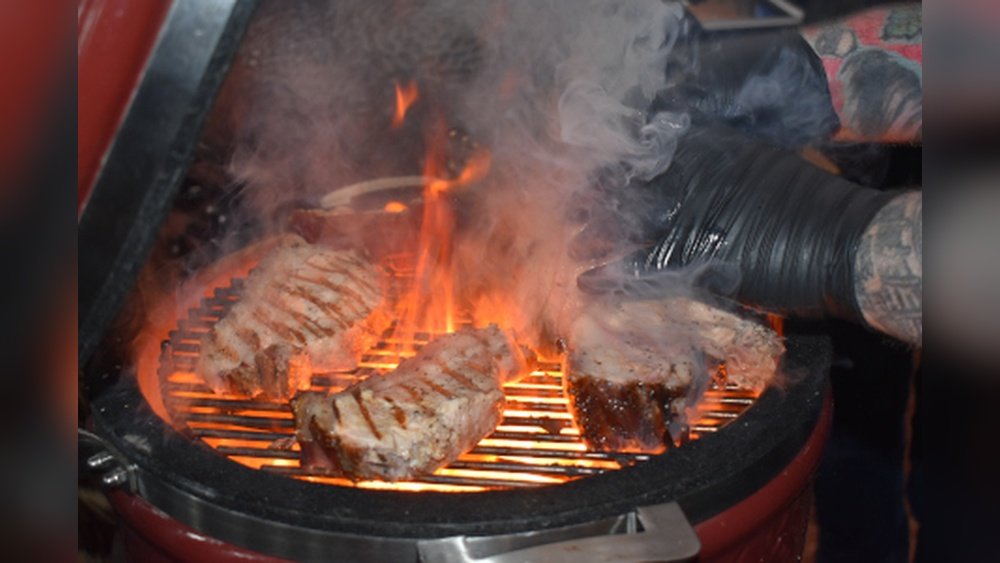
Sear steaks, burgers, or vegetables directly over the hot coals. Kamados can reach 600°F+ for the perfect crust.
Smoking
Set up for indirect heat, add wood chunks, and cook large cuts like brisket or pork shoulder at low temperature for hours. The ceramic walls and tight seal make kamados natural smokers.
Roasting
Perfect for whole chickens, turkeys, or prime rib. Use a heat deflector, roast pan, or rack for even cooking.
Baking
With a pizza stone, you can bake artisan bread or crispy pizzas. Kamados hold steady high heat like a wood-fired oven.
Searing
Open the vents wide and get the grill blazing hot. Sear steaks or chops for a restaurant-quality crust.
Example: Cooking A Pizza On A Kamado
- Preheat with a pizza stone to 600–700°F (takes 30–40 minutes).
- Stretch your dough, add toppings, and slide onto the stone.
- Bake with the lid closed for 5–8 minutes.
- Result: Crispy base, smoky flavor, melty cheese.
Kamado Grill Accessories Worth Having
While you can cook almost anything with just the basics, certain accessories make kamado grilling even more enjoyable.
Essential Accessories
- Heat deflector/plate setter: Creates an indirect cooking zone for smoking, roasting, and baking.
- Pizza stone: For baking bread and pizza.
- Ash tool: Helps clean out ash easily.
- Charcoal basket: Organizes fuel and improves airflow.
- Grill grippers/tongs: For safe handling of hot grates.
Nice-to-have Upgrades
- Cast iron grate: For better searing marks.
- Rotisserie kit: For perfect chicken or roasts.
- Digital thermometer: Monitors food and grill temps without opening the lid.
- Rib rack: Cooks multiple racks upright to save space.
- Drip pan: Catches fat, prevents flare-ups.
- Cover: Protects from rain, snow, and UV.
Pro Tip
You don’t need every accessory at once. Start with basics, then add what matches your cooking style. For example, pizza fans will want a stone, while barbecue lovers will prioritize a rib rack and heat deflector.
Cooking Tips And Best Practices
Kamado grilling is simple to start, but a few techniques can take your results from good to unforgettable. Here’s advice most beginners miss:
Let The Grill Stabilize
Kamados hold heat so well that sudden temperature changes are slow. Always let your grill come to the target temperature and stabilize for at least 10–15 minutes before adding food. This avoids temperature swings and ensures even cooking.
Use Lump Charcoal
Lump charcoal burns hotter, cleaner, and leaves less ash than briquettes. It also gives your food that classic wood-fired taste.
Avoid Lighter Fluid
Never use lighter fluid in a ceramic grill. It can soak into the ceramic and leave off-flavors for weeks.
Control Moisture
Kamados keep food moist naturally, so there’s no need for water pans. In fact, adding water can make bark (the flavorful crust on barbecue) soft instead of crisp.
Practice Vent Control
Both the bottom and top vents matter. Small vent changes can cause big temperature shifts over time. If you overshoot your target temp, close vents slightly and be patient.
Don’t Open The Lid Too Often
Every time you open the lid, you lose heat and smoke. Trust your thermometer and only check when necessary.
Rest Your Meat
After cooking, let large cuts of meat rest for 10–20 minutes under foil. This redistributes juices for better texture and flavor.
Clean Ash Regularly
A full ash pan reduces airflow and makes temperature control harder. Clean out ash after every few cooks for best results.
Experiment With Wood Flavors
Try adding hickory, apple, cherry, or mesquite wood chunks for different smoke profiles. Each wood type pairs best with certain meats—apple for pork, hickory for beef, cherry for poultry.
Cleaning And Maintenance
Proper care keeps your kamado grill working like new for years. Here’s what to do:
After Each Use
- Let the coals burn out with the lid closed.
- When cool, remove leftover ash from the firebox.
- Brush the cooking grate with a grill brush.
Deep Cleaning (every Few Months)
- Remove all internal parts (firebox, grates, heat deflector).
- Vacuum or scoop out built-up ash and debris.
- Scrape any grease from the inside walls.
- Clean the vents to ensure they open/close smoothly.
Gasket Care
Gaskets keep your grill sealed. Check for wear every 6–12 months. If the seal is cracked or missing, replace it for best performance.
Mold And Odors
If your grill smells musty (from rain or humidity), do a high-temp burn: light a full load of charcoal, open vents, and let the grill get very hot (600°F+) for 30–60 minutes. This sterilizes the inside.
Cover And Storage
Always use a weatherproof cover if your grill sits outside. In winter, store accessories indoors to avoid rust.
Pro Insight
Ceramic is fragile—never use water or harsh chemicals to clean the interior. The heat will naturally sterilize and burn off residue.
Troubleshooting Common Kamado Grill Problems
Even the best kamado grill can have issues. Here’s how to handle the most common ones:
Temperature Won’t Rise
- Check for blocked vents or full ash pan.
- Use dry lump charcoal—wet or old charcoal burns poorly.
- Open both vents fully to start, then adjust.
Temperature Won’t Drop
- Close vents nearly all the way. Be patient; ceramic holds heat for a long time.
- If you still can’t lower the temperature, remove some burning charcoal with tongs.
Uneven Cooking
- Use a heat deflector for indirect heat.
- Rotate food if needed—kamados cook evenly, but hotspots can happen if the fire isn’t centered.
Cracked Ceramic
- Small cracks can sometimes be repaired with high-temp cement.
- Contact your manufacturer if under warranty—most offer replacements.
Difficult Lid
- Check for misaligned hinges or worn gaskets.
- Lubricate hinges with food-safe oil if needed.
Off-flavor In Food
- Avoid lighter fluid.
- Clean out old grease and ash.
- Burn off residue at high temperature.

Credit: www.amazon.com
Kamado Grill Recipes To Try
The kamado’s versatility shines with recipes that use its heat retention and smoky flavor. Here are three dishes to get you started:
1. Classic Pulled Pork
Ingredients:
- 5–7 lb pork shoulder (Boston butt)
- 3 tbsp barbecue rub
- Lump charcoal and hickory or apple wood chunks
Instructions:
- Rub pork with seasoning.
- Set up grill for indirect heat at 250°F with heat deflector.
- Add 2–3 wood chunks.
- Smoke pork until internal temp hits 195–205°F (8–10 hours).
- Rest, then shred.
2. Kamado-grilled Pizza
Ingredients:
- 1 pizza dough (store-bought or homemade)
- 1/2 cup pizza sauce
- 1 cup mozzarella cheese
- Toppings of choice
Instructions:
- Heat grill to 600°F with pizza stone.
- Stretch dough, add sauce, cheese, and toppings.
- Bake 5–8 minutes with lid closed.
3. Herb-roasted Chicken
Ingredients:
- 1 whole chicken (4–5 lbs)
- 2 tbsp olive oil
- 2 tbsp mixed herbs (rosemary, thyme, parsley)
- Salt and pepper
Instructions:
- Rub chicken with oil, herbs, salt, and pepper.
- Set up grill for indirect heat at 375°F.
- Roast 1–1.5 hours until 165°F in the thickest part.
- Rest 15 minutes, then carve.
Kamado Grill Myths And Misconceptions
Many new users hear myths about kamado grills. Let’s clear up a few:
Myth 1: Kamado Grills Are Only For Smoking
Fact: Kamados excel at smoking, but they also grill, bake, roast, and sear. With the right setup, you can cook almost anything.
Myth 2: Kamados Are Hard To Use
Fact: While temperature control takes practice, kamados are simple once you learn vent basics. Many owners find them easier than offset smokers or stick-burners.
Myth 3: You Must Use Expensive Charcoal
Fact: Quality lump charcoal is best, but it doesn’t have to be pricey. Avoid flavored briquettes or anything with chemicals.
Myth 4: Ceramic Grills Break Easily
Fact: Modern ceramics are strong and designed to last decades with care. Don’t drop them and avoid rapid temperature changes, but normal use is safe.
Myth 5: You Can’t Use A Kamado In Winter
Fact: Kamados are excellent in cold weather. The thick walls keep the heat in—even when it’s snowing.
Kamado Grill Brands: A Quick Comparison
With so many options, it helps to see how top brands stack up. Here’s a head-to-head look at a few leaders:
| Brand | Main Material | Popular Sizes | Price Range | Warranty | Unique Features |
|---|---|---|---|---|---|
| Big Green Egg | Ceramic | Mini–XLarge | $$$–$$$$ | Lifetime (ceramic) | Huge community, lots of accessories |
| Kamado Joe | Ceramic | Jr.–Big Joe | $$$–$$$$ | Lifetime (ceramic) | Divide & Conquer grates, air lift hinge |
| Char-Griller Akorn | Steel | Jr.–Large | $–$$ | 5 years (body) | Budget-friendly, lighter weight |
| Primo | Ceramic | Oval, Large, XL | $$$–$$$$ | Lifetime (ceramic) | Oval shape for split zones |
| Vision Grills | Ceramic/Steel | Classic, XL | $$–$$$ | Lifetime (ceramic) | Easy ash cleanout, digital temp options |
Kamado Grilling In All Seasons
One of the best-kept secrets is how well kamado grills perform year-round.
In Summer
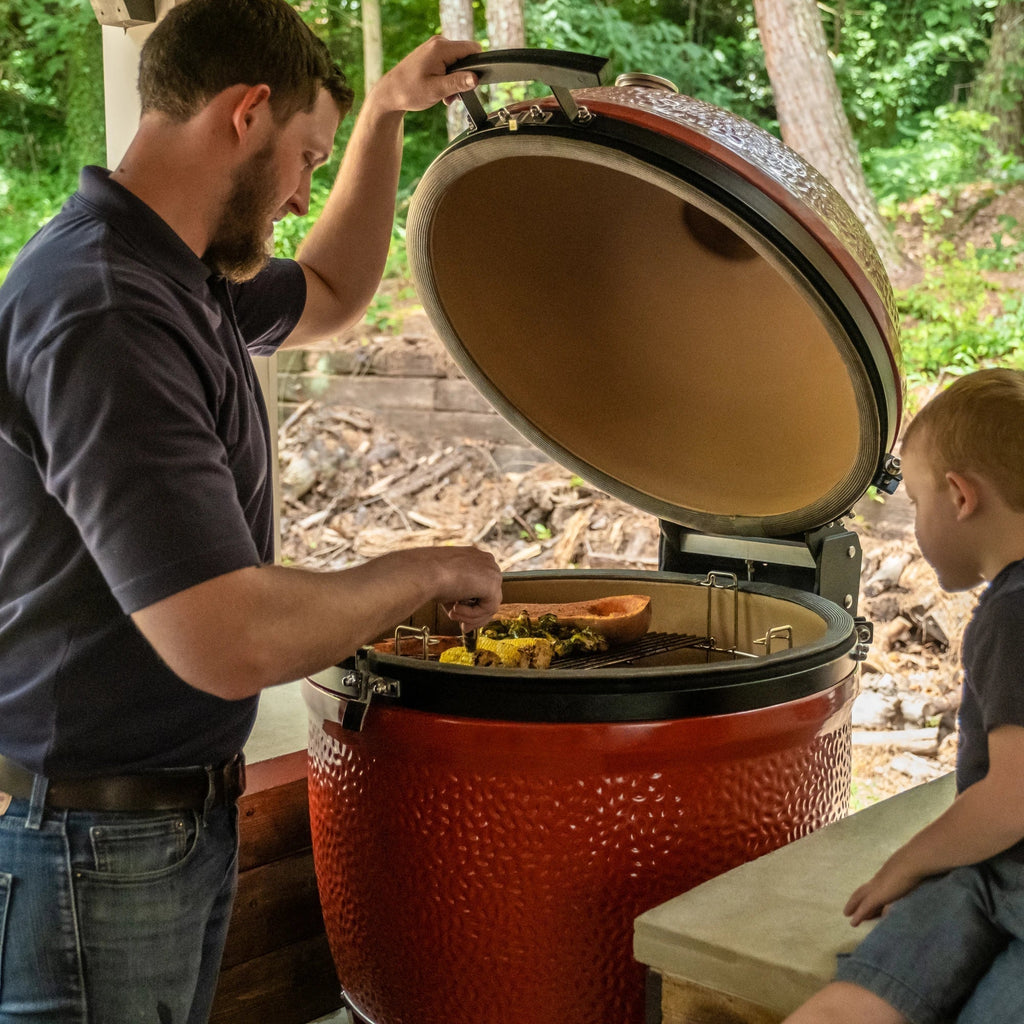
The thick ceramic keeps the heat inside, so the outside stays cooler than metal grills. This means more comfortable cooking, even in hot weather.
In Winter
Unlike thin metal grills that lose heat in the cold, kamados are nearly unaffected by outside temperatures. You may use a little more charcoal, but you can grill or smoke in snow or freezing weather.
Pro Tip: In wet weather, always close vents and cover the grill after use to protect metal parts from rust.
Credit: www.kamadojoe.com
Sustainability And Fuel Efficiency
Kamado grills are not just about great food—they’re also efficient.
- Charcoal lasts longer: A kamado uses up to 50% less charcoal per cook than metal grills.
- Less waste: Lump charcoal produces less ash.
- No gas needed: No propane or electricity required.
If you care about sustainability, kamados are a smart choice.
Who Should (and Shouldn’t) Buy A Kamado Grill?
Ideal For
- BBQ lovers who want smoky flavor and juicy results.
- Outdoor cooks who enjoy experimenting (baking, roasting, smoking).
- Anyone in cold climates who grills year-round.
Not Ideal For
- People needing fast weeknight grilling: Kamados take longer to light than gas grills.
- Those who don’t want heavy equipment: Even small ceramic kamados are heavy.
- Anyone with limited outdoor space: They need a safe, stable spot.
Real-world Kamado Stories
Hearing from actual users helps you understand the kamado’s impact.
- Kelly, Texas: “I switched from a gas grill to a kamado and was shocked at the difference. My brisket came out juicier, and I can make pizza just like a wood-fired oven.”
- Marcus, Ohio: “I cook in the snow. My kamado doesn’t care if it’s 20°F outside. I smoked ribs for six hours with no problem.”
- Linda, California: “The learning curve was real, but now I love the control. I bake bread and roast veggies, not just meat.”
These stories show why kamados have such a loyal following.
Kamado Grill Safety Tips
Kamados are safe when used correctly, but there are a few important rules:
- Never add lighter fluid to a hot grill—explosive flare-ups can occur.
- Open the lid slowly. If the grill’s been closed a long time, “burp” it by opening an inch, waiting a few seconds, then opening fully.
- Keep kids and pets away. Ceramic stays hot for hours.
- Use heat-resistant gloves when handling grates or accessories.
Credit: blazingembers.com
Kamado Grill Glossary
A few key terms you’ll see:
- Lump charcoal: Natural charcoal made from hardwood, not compressed briquettes.
- Heat deflector: Ceramic or metal plate used to create indirect heat.
- Divide & Conquer: Kamado Joe’s system for multi-level, multi-zone cooking.
- Burping the grill: Opening the lid slowly to release built-up heat and prevent flare-ups.
- Gasket: High-heat seal between the lid and base.
- Plate setter: Big Green Egg’s name for their heat deflector.
Where To Learn More
There are many resources to deepen your kamado knowledge. The manufacturer’s website for your model is the best place for specific instructions, warranty info, and recipes. Online communities like Kamado Guru and the BBQ Brethren offer thousands of tips and real-world advice.
For official history and technology background, see the Wikipedia page on Kamado.
Frequently Asked Questions
How Long Does A Kamado Grill Last?
A well-cared-for ceramic kamado can easily last 20 years or more. Some users have Big Green Eggs from the 1980s still working today. Steel models may need parts replaced sooner, but with proper care, they should last at least 5–10 years.
Can You Use Regular Charcoal In A Kamado Grill?
It’s best to use lump charcoal for kamados. It burns hotter, produces less ash, and gives better flavor. Regular briquettes can be used in a pinch, but avoid any with additives or lighter fluid.
Is A Kamado Grill Worth The Money?
If you love outdoor cooking and want the ability to grill, smoke, roast, and bake on one device, a kamado is worth the investment. The flavor, moisture, and versatility are hard to match with other grills.
How Do You Control The Temperature On A Kamado Grill?
Temperature is controlled by adjusting the top and bottom vents. More air means a hotter fire; less air cools it down. Always make small changes and give the grill time to stabilize before adjusting again.
Can You Leave A Kamado Grill Outside Year-round?
Yes, kamado grills are designed for outdoor use. Use a weatherproof cover and keep vents closed to protect from rain and snow. In freezing weather, avoid moving the grill, as rapid temperature changes can stress ceramics.
Kamado grills are a unique combination of ancient design and modern technology. Their unmatched heat retention, moisture control, and smoky flavor make them a top choice for anyone serious about outdoor cooking. Whether you’re new to grilling or looking to upgrade, a kamado will open up a world of possibilities in your backyard.