Ultimate Guide to BBQ Grills and Accessories
Thinking about stepping up your BBQ game this year? You’ve come to the right place. Choosing the right grill and accessories can feel a bit overwhelming with all the options out there. But don’t worry, it’s actually simpler than you think to find what genuinely suits your needs and budget. This guide will walk you through the practicalities, helping you make informed decisions so you can fire up some amazing meals.
Let’s get down to brass tacks: what kind of grilling experience are you actually looking for? There are a few main types of grills, each with its own perks and quirks.
Gas Grills: Convenience is King
For many, gas grills are the go-to. They’re super convenient, lighting up with the push of a button and offering precise temperature control. No waiting for coals to heat up, just instant grilling.
Propane vs. Natural Gas
Most gas grills run on propane tanks, which are portable and easy to swap out. If you have a natural gas line hooked up to your home, you can opt for a natural gas grill. These offer unlimited fuel, which is great, but they’re not portable and you’ll need professional installation. Think about how and where you’ll be grilling most. If it’s always in one spot on your patio, natural gas might be a good call. If you like to move your grill around or take it camping, propane is your friend.
Burner Power and Configuration
More burners generally mean more cooking zones and better heat distribution. Two or three burners are fine for smaller families or occasional grilling, while four or more are better for larger groups or if you plan on doing a lot of indirect cooking. Look for BTUs (British Thermal Units) as an indicator of cooking power, but remember that higher BTUs don’t always mean a better grill – heat distribution and grate materials play a big role too. Side burners are handy for warming sauces or cooking sides, and infrared burners can hit super high temperatures for a great sear on steaks.
Grill Grate Materials
This is more important than you might think. Cast iron grates hold and distribute heat exceptionally well, giving you those coveted sear marks. They do need seasoning and a bit more maintenance to prevent rust. Stainless steel grates are durable and easy to clean, but might not get quite as hot as cast iron. Porcelain-coated grates are a good middle-ground, offering decent heat retention and easy cleanup, but the coating can chip over time. Think about how much effort you’re willing to put into cleaning and maintenance.
Charcoal Grills: The Flavor Enthusiast’s Choice
If you’re after that distinct smoky flavor, charcoal is the way to go. It takes a bit more effort and time, but many swear by the taste.
Kettle Grills
These are classic for a reason. Simple, effective, and relatively inexpensive, kettle grills are fantastic for everything from quick burgers to low-and-slow smoking. Weber is the king here, and for good reason. They’re durable and easy to manage.
Kamado Grills
Often egg-shaped, kamado grills (like Big Green Egg or Kamado Joe) are incredibly versatile. They’re ceramic, which means they hold heat amazingly well, making them perfect for smoking, baking pizzas, roasting, and high-heat searing. They use less charcoal than traditional kettles and offer superior temperature control once you get the hang of them, but they are heavy and more expensive.
Barrel Grills/Smokers
If you’re serious about smoking large cuts of meat, a barrel smoker (often called an offset smoker) is designed specifically for that. They have a separate firebox for wood and charcoal, allowing smoke and heat to flow into the main cooking chamber. They require more attention to maintain consistent temperatures but deliver fantastic results for ribs, briskets, and pulled pork.
Electric Grills: Apartment Friendly and Convenient
For those with limited space, apartment balconies, or areas with charcoal/gas restrictions, electric grills are a practical solution. They won’t give you the same smoky flavor as charcoal or gas, but they’re quick, clean, and can still produce good results for many types of food.
Indoor vs. Outdoor Electric
Indoor electric grills are great for year-round grilling, often compact and easy to clean. Outdoor electric grills can be a good substitute for gas or charcoal when regulations prevent traditional grilling, offering more cooking space.
If you’re looking to enhance your outdoor cooking experience, you might find this article on the Weber Traveler Portable Gas Grill particularly insightful. It provides a comprehensive review of the grill’s features, portability, and performance, making it a great addition to any barbecue enthusiast’s collection. For more details, check out the full review here: Weber Traveler Portable Gas Grill Review.
Essential BBQ Accessories You’ll Actually Use
Beyond the grill itself, a few key accessories can make your grilling experience much smoother and more enjoyable. Forget the gadgets you’ll use once and then stash away – these are the workhorses.
Grilling Tools: The Core Set
You don’t need a huge set, just a few sturdy, well-made items.
Tongs
Long, sturdy tongs are a must-have for flipping and moving food. Look for ones with good grip that lock in place for easy storage. Silicone tips are great for non-stick surfaces, but stainless steel is robust for most grills.
Spatula
A good, sturdy spatula with a thin edge is crucial for burgers, fish, and anything you need to lift cleanly. The metal should be stiff enough not to flex when you’re turning heavier items.
Basting Brush
Whether it’s for BBQ sauce or oil, a silicone basting brush is easy to clean and won’t shed bristles into your food like some natural fiber brushes can.
Grill Brush or Scraper
Keeping your grates clean is paramount for flavor and longevity. A good wire brush is standard, but some prefer scrapers or stiffer brushes with scour pads for ceramic or delicate grates. Make sure it’s robust; cheap brushes can lose bristles, which is not what you want in your food.
Temperature Control: Don’t Guess, Know!
This is where many home grillers can truly step up their game. Accurate temperature is key to perfectly cooked food.
Instant-Read Thermometer
This is arguably the single most important accessory. For steaks, chicken, pork, or fish, an instant-read thermometer tells you exactly when your food is done, preventing undercooked or overcooked meals. Forget poking and prodding; temperature is king for food safety and deliciousness.
Grill Thermometer (Built-in vs. Aftermarket)
While most grills have a built-in thermometer in the lid, these are often inaccurate and primarily measure the ambient temperature at the top of the dome, not at grate level. An aftermarket grill thermometer, especially a dual-probe one that can monitor both the grill’s ambient temp and your food’s internal temp, is a huge upgrade. This is especially useful for low-and-slow cooking.
Cleaning and Maintenance: Keep It Running Smoothly
A clean grill is a happy grill, and one that performs better and lasts longer.
Grill Cover
Protect your investment. A good quality, weather-resistant grill cover will shield your grill from rain, sun, and dirt, significantly extending its lifespan. Measure your grill to get a snug fit.
Heavy-Duty Grill Cleaner (Optional)
For stubborn grease and grime, a dedicated grill cleaner can make easy work of tough spots. Always follow the manufacturer’s instructions and rinse thoroughly.
Smoking and Beyond: Expanding Your BBQ Horizons
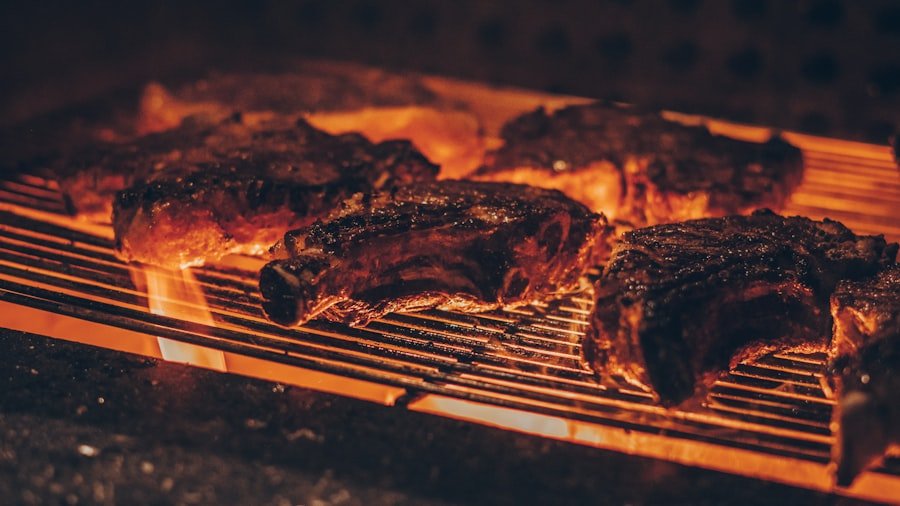
Once you’ve got the basics down, you might feel the pull towards more adventurous grilling. Smoking is a popular next step, and there are a few things to consider.
Smoking Wood: Flavor Profiles
The type of wood you use for smoking makes a big difference to the flavor profile of your food.
Chunks vs. Chips
Wood chunks burn slower and longer, ideal for extended smoking sessions. Chips are better for shorter cooks or if you just want a hint of smoke. Always soak wood chips in water for about 30 minutes before using them to prevent them from burning up too quickly.
Common Wood Types
- Hickory: Strong, classic bacon-like flavor, good with pork and beef.
- Mesquite: Very strong, pungent flavor, best for dark meats, often used in Texas BBQ. Use sparingly.
- Oak: Milder than hickory or mesquite, versatile for most meats.
- Apple/Cherry: Sweet, fruity, and mild. Excellent for poultry, pork, and fish.
- Pecan: Milder, nutty flavor, great for chicken and pork.
Smoker Box or Tube
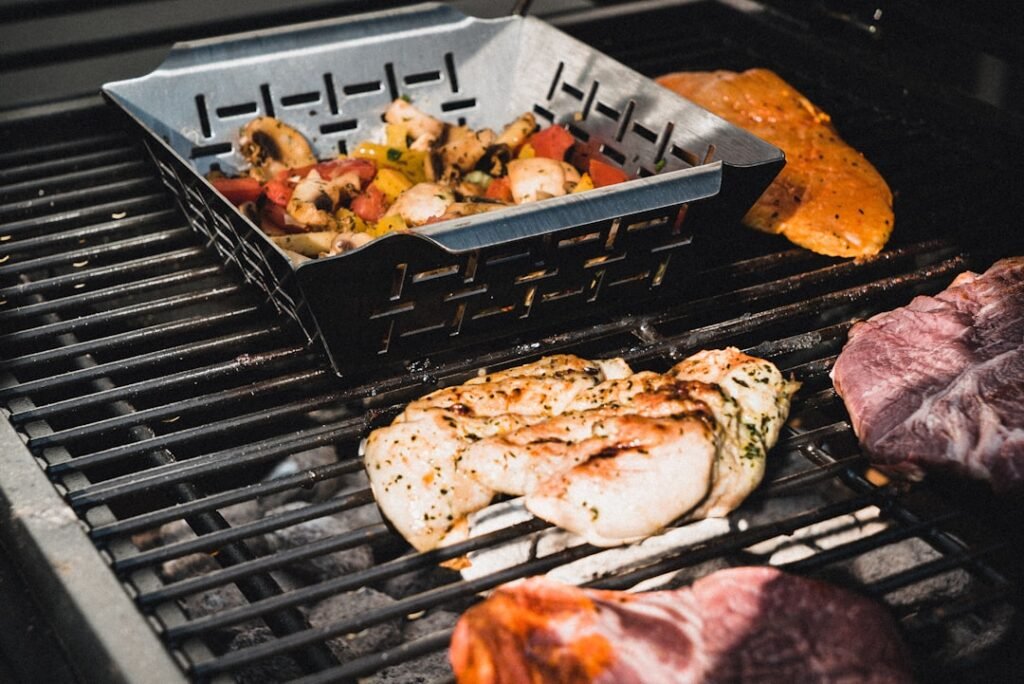
If you have a gas grill but want to add a smoky flavor, a smoker box (a metal box that holds wood chips) or a perforated smoker tube (for pellets) is a great tool. You fill it with pre-soaked wood chips or pellets and place it on your grates or over a burner.
Setup and Safety: Grilling Smart
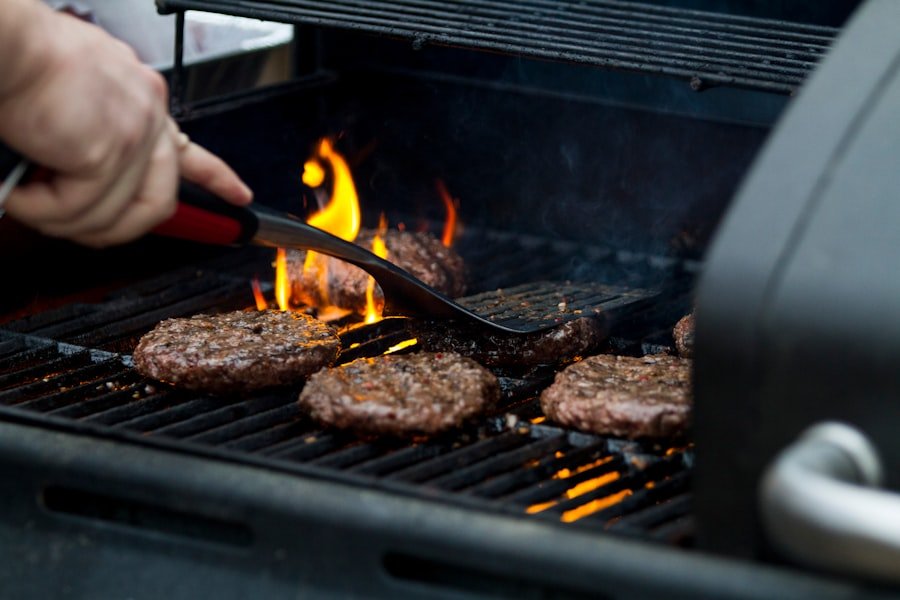
A great BBQ is a safe BBQ. A few simple practices can prevent mishaps and ensure everyone has a good time.
Grill Placement
Always place your grill on a stable, level surface away from anything flammable – think eaves, fences, low-hanging branches, or combustible materials. Leave plenty of clearance above and around it. Never grill indoors or in an enclosed space due to carbon monoxide risks.
Fuel Management
For gas grills, always check hose connections for leaks (a simple soap and water test can identify bubbles). Keep propane tanks upright and away from heat. For charcoal grills, allow coals to fully cool before disposing of them in a metal container. Never use gasoline or other flammable liquids to start charcoal – use a chimney starter or approved charcoal lighter fluid.
Fire Extinguisher/Bucket of Sand
It’s always wise to have a fire extinguisher (rated for grease fires) or a bucket of sand readily available near your grilling area. Hopefully, you’ll never need it, but it’s cheap insurance.
If you’re looking to enhance your outdoor cooking experience, exploring the right barbecue grills and accessories is essential. A great addition to any backyard setup is a fire pit, which not only provides warmth but also creates a cozy atmosphere for gatherings. For a closer look at one such option, check out this insightful review of the Pleasant Hearth Langston Fire Pit. You can find it here: Pleasant Hearth Langston Fire Pit Review. This article highlights its features and benefits, making it a valuable resource for anyone interested in outdoor entertaining.
Maintenance and Longevity: Keeping Your Grill in Top Shape
| Product | Price | Material | Size |
|---|---|---|---|
| Charcoal Grill | 89.99 | Steel | 22 inches |
| Gas Grill | 249.99 | Stainless Steel | 36 inches |
| Grill Cover | 19.99 | Polyester | 58 inches |
| Grill Tool Set | 29.99 | Stainless Steel | – |
Just like your car, your grill will perform better and last longer with a bit of regular care.
Regular Cleaning
After each use (once the grates have cooled slightly but are still warm), give your grates a good scrub with a grill brush. This prevents caked-on food from building up, which can affect flavor and heat distribution. Once a season, do a deeper clean: clean out the firebox/drip tray, check burner ports for blockages, and wipe down the exterior.
Rust Prevention
For gas grills, keep venturi tubes (where the gas mixes with air) clear to prevent rust. For cast iron grates, ensure they are properly seasoned and lightly oiled after cleaning. Store your grill under a cover when not in use.
Parts Inspection
Periodically inspect hoses, connections, and igniters on gas grills. Check charcoal grates and ash pans for rust or damage. Replacing worn parts before they fail can save you headaches later on.
If you’re looking to enhance your outdoor cooking experience, exploring the latest barbecue grills and accessories can make a significant difference. For instance, you might find it interesting to read about the innovative features of the Onlyfire Smokeless Fire Pit, which not only offers a unique cooking experience but also minimizes smoke for a more enjoyable atmosphere. You can check out the detailed review of this product by following this link: Onlyfire Smokeless Fire Pit Review. This could be a great addition to your grilling setup, allowing you to enjoy delicious meals without the hassle of excessive smoke.
The Bottom Line
Choosing the right grill and accessories boils down to understanding your needs, your budget, and the kind of grilling experience you want. Do you prioritize convenience, smoky flavor, or versatility? Start with the basics – a good grill, reliable tools, and a thermometer – and you’ll be well on your way to cooking up some fantastic meals. Don’t get caught up in endless gadgets; focus on quality and practicality. Happy grilling!