Ultimate Portable Charcoal BBQ Grill Guide
When it comes to portable charcoal grills, you’re essentially looking for a compact, efficient way to get that classic smoky BBQ flavor anywhere you go. The best portable charcoal grill is one that perfectly balances portability, cooking area, heat control, and durability for your specific needs. There’s no single “best” for everyone, but understanding these key factors will help you find your ideal match.
Sure, gas grills are convenient, and electric grills are a breeze, but there’s a certain magic to charcoal. That characteristic smoky flavor you get from real wood coals just can’t be replicated. Portable charcoal grills bring that magic to tailgates, campsites, beach days, apartment balconies, or even just smaller backyards where a full-sized grill isn’t practical. They offer a fantastic blend of flavor, affordability, and the satisfying ritual of building a fire.
Flavor and Experience
The biggest draw for charcoal is flavor. Drippings hit the hot coals, vaporize, and infuse your food with that unmistakable BBQ taste. Plus, there’s something genuinely enjoyable about managing a charcoal fire – it’s a more hands-on, traditional grilling experience.
Cost-Effectiveness
Generally, portable charcoal grills are more affordable upfront than their gas or electric counterparts. While charcoal itself is an ongoing expense, the initial investment is often lower, making them accessible to a wider range of budgets.
Versatility
Many portable charcoal grills can do more than just direct grilling. Some allow for indirect cooking, slow smoking, or even rotisserie attachments, opening up a world of culinary possibilities in a small package.
If you’re considering enhancing your outdoor cooking experience, you might also be interested in exploring the versatility of a portable charcoal barbeque grill. For a comprehensive review of a popular cooking appliance that complements outdoor grilling, check out this article on the Blackstone 1813 Griddle, which provides insights into its features and performance. You can read more about it here: Blackstone 1813 Griddle Review.
Key Features to Look For
Choosing the right portable charcoal grill means considering several practical aspects. Think about how you’ll use it most often and what features will enhance that experience.
Size and Cooking Area
This is perhaps the most crucial decision. How many people are you typically cooking for?
Cooking Grate Dimensions
Don’t just look at the overall footprint. Focus on the actual cooking surface. A 100-square-inch grate might comfortably cook two burgers and two hot dogs, while a 200+ square-inch grate could handle a family meal. Consider if you’ll be cooking directly over coals or need space for indirect heat.
Overall Footprint and Weight
If you’re hiking with it, every ounce and inch matters. If it’s for car camping or an RV, a slightly larger, heavier model might be acceptable. Measure your trunk space or backpack before committing.
Construction Material and Durability
A grill meant for travel needs to be tough.
Steel (Enamel and Stainless)
Enamel-Coated Steel: This is common and durable. The enamel provides rust resistance and is easy to clean. It can chip if knocked hard, though.
Stainless Steel: Offers excellent corrosion resistance and looks sleek. It tends to be more expensive but stands up well to the elements and frequent use.
Cast Iron Grates
Cast iron holds heat exceptionally well, leading to beautiful sear marks. However, it’s heavy and requires careful seasoning and maintenance to prevent rust.
Heat Resistance
Ensure the handles and base are designed to withstand high temperatures without deforming or becoming dangerously hot to touch during operation.
Heat Control and Airflow
Good heat control separates a decent grill from a frustrating one.
Adjustable Vents (Dampers)
Look for robust, easy-to-operate top and bottom vents. These are your primary tools for controlling airflow to the coals, which directly impacts temperature. More airflow equals hotter coals.
Grate Height Adjustments
Some grills allow you to raise or lower the cooking grate, moving food closer to or further from the coals. This is a simple but effective way to manage heat intensity for different items.
Portability and Storage
This is where “portable” really comes into play.
Folding Legs and Compact Design
Many models feature legs that fold up or detach for easier transport and storage. A design that nests components together is also a plus.
Latches and Handles
Secure latches prevent the grill from opening unexpectedly during transport. Sturdy, heat-resistant handles are essential for safe carrying.
Carrying Cases
Some premium models come with or offer optional carrying cases. These protect the grill from dings and keep charcoal dust contained.
Ash Management
Cleaning up shouldn’t be a chore.
Ash Pans and Catchers
A removable ash pan or catcher makes cleanup significantly easier. Avoid grills where you have to tip out ashes or scoop them from the bottom directly.
Easy-Clean Grates
Non-stick or porcelain-enameled grates are easier to scrape down than bare cast iron.
Types of Portable Charcoal Grills
Within the portable charcoal world, there are a few common styles, each with its own advantages.
Kettle Grills (Mini Versions)
These are scaled-down versions of the classic backyard kettle. They offer good heat retention and surprisingly versatile cooking for their size.
Pros:
- Excellent heat control due to their spherical shape.
- Often durable with stable legs.
- Good for indirect cooking if big enough.
Cons:
- Can be bulky for true “backpacking” portability.
- Ash cleanup might require tipping the whole unit.
Briefcase/Suitcase Grills
These fold flat into a compact, self-contained unit, often resembling a briefcase. They are fantastic for tight spaces and quick setups.
Pros:
- Extremely compact and easy to store.
- Very quick to set up and take down.
- Often lightweight.
Cons:
- Limited cooking area.
- Less efficient heat retention due to their open design.
- Can be less stable than other types.
Barrel Grills (Mini)
These mimic larger offset smokers or traditional barrel grills, often with a hinged lid.
Pros:
- Good for direct and sometimes indirect cooking.
- Decent cooking surface area for their footprint.
- Often more robust than briefcase styles.
Cons:
- Can be heavier and bulkier than other portable options.
- Heat control can be less precise than a kettle.
Hibachi Grills
True minimalists, hibachis are often just a simple cast iron or steel box with a grate on top. They’re all about direct, high-heat grilling.
Pros:
- Incredibly simple and durable.
- Excellent for searing.
- Good heat retention if cast iron.
Cons:
- Limited heat control.
- Not suitable for indirect cooking.
- Can be heavy (cast iron).
Practical Tips for Using Your Portable Charcoal Grill
Getting the most out of your portable charcoal grill involves a bit of practice and smart preparation.
Fuel Choices
Not all charcoal is created equal.
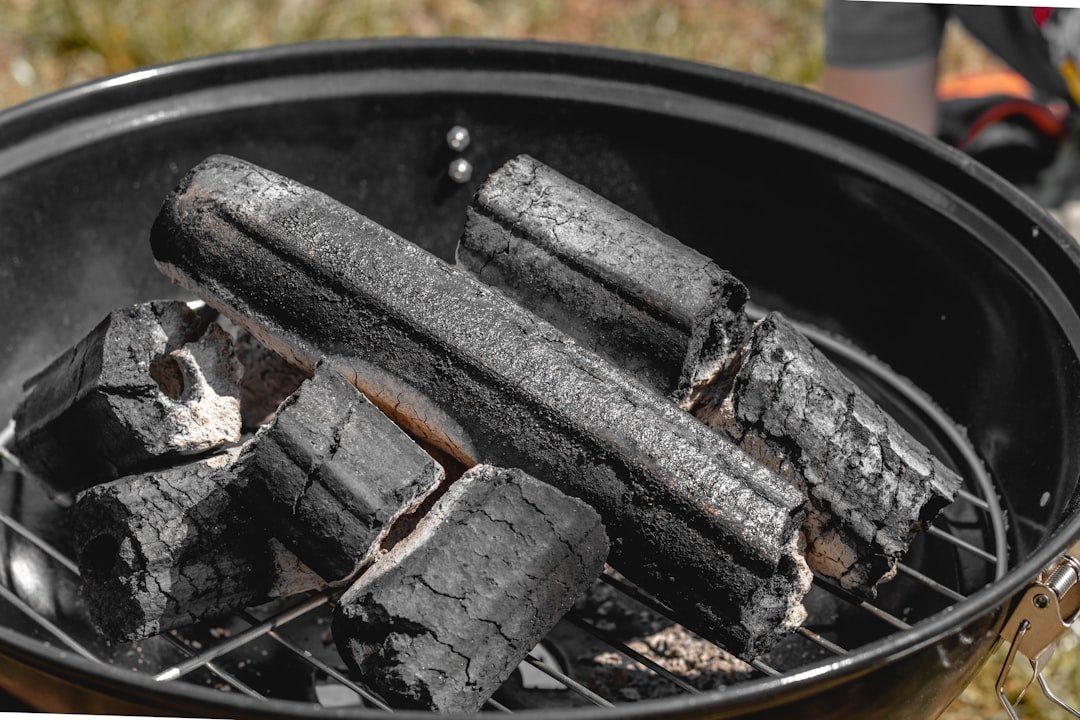
Lump Charcoal
Made from pure wood, it lights faster, burns hotter, and leaves less ash. It’s preferred by many for its natural flavor and responsiveness to airflow.
Briquettes
More uniform in size and burn time. They tend to burn longer and more consistently, which can be good for longer cooks. They often contain binders and additives, which some purists avoid.
Starter Cubes/Chimney Starter
A chimney starter is indispensable. It lights charcoal quickly and evenly without the need for lighter fluid (which leaves a chemical taste). Starter cubes or natural fire starters are great for igniting coals directly in the grill in a pinch.
Lighting Your Coals
Avoid lighter fluid! It imparts an unpleasant taste to food.
The Chimney Method
Fill the chimney with charcoal, place some newspaper or a fire starter underneath, and light it. In about 15-20 minutes, the coals will be ash-gray and ready.
Direct Grill Lighting
If you don’t have a chimney, mound your charcoal, embed a few natural fire starters, and light them. Give it time until the coals are mostly ash-gray.
Temperature Management
Mastering airflow is key.
Bottom Vents
These control the amount of oxygen reaching the coals. More open means hotter, faster burn. Partially closed means cooler, slower burn.
Top Vent (Lid Vent)
Primarily for allowing heat and smoke to escape. Keep it fully open when direct grilling. For indirect or smoking, adjust it in conjunction with the bottom vents to maintain desired temperatures.
Indirect Grilling
On larger portable grills, you can bank coals to one side and cook food on the other for gentler, slower cooking.
Cleaning and Maintenance
Extend the life of your grill with proper care.
After Each Use
Scrape the cooking grate with a stiff brush while it’s still warm. Empty the ash catcher once completely cool.
Deep Cleaning
Periodically wash the grate with soap and water. Clean out the interior of the grill body to remove accumulated grease and carbon.
Rust Prevention
If your grill isn’t stainless steel, ensure it’s completely dry before storing. A light coating of cooking oil on cast iron grates helps prevent rust. Store in a dry place, ideally under a cover or in a garage.
If you’re considering enhancing your outdoor cooking experience, you might also find it interesting to explore the benefits of a portable charcoal barbeque grill. These grills offer convenience and versatility, making them perfect for picnics or camping trips. For more insights on outdoor cooking options, check out this related article on a fire pit that can complement your grilling setup. You can read it here: 20-inch fire pit review.
Safety First!
| Feature | Description |
|---|---|
| Material | Stainless steel |
| Size | Compact and portable |
| Cooking Area | 200 square inches |
| Weight | 10 lbs |
| Assembly | Easy to assemble and disassemble |
Even small grills demand respect.
Stable Surface
Always place your grill on a flat, stable, non-combustible surface. A wobbly grill is a hazard waiting to happen.
Fire Extinguisher/Water Nearby
Keep a bucket of water, sand, or a small fire extinguisher within reach. Flare-ups can happen, especially with fattier meats.
Away from Flammables
Keep the grill well away from tents, dry grass, overhanging branches, and other combustible materials. The radiant heat from even a small grill can be surprising.
Supervise Children and Pets
Grills get extremely hot. Ensure children and pets are kept a safe distance away.
Ventilation
Never use a charcoal grill indoors or in poorly ventilated areas. Carbon monoxide poisoning is a serious risk.
Proper Ash Disposal
Always ensure ashes are completely cool before disposing of them. Place them in a metal container, not straight into a plastic trash can. It can take hours for coals to fully cool.
If you’re considering enhancing your outdoor cooking experience, you might find it useful to explore a related article that discusses the benefits of portable charcoal barbeque grills. These grills offer convenience and versatility, making them perfect for picnics, camping, or backyard gatherings. For more insights on outdoor cooking options, check out this informative piece on fire pits, which can complement your grilling setup beautifully. You can read it here: fire pit review.
Common Mistakes to Avoid
A few pitfalls can turn a great grilling experience sour.
Too Much Lighter Fluid
This leaves a chemical taste and can be dangerous with flare-ups. Invest in a chimney starter.
Impatience
Charcoal needs time to heat up and get to the right temperature. Don’t throw food on too early. Wait for those ash-gray coals.
Overcrowding the Grate
Leave some space between your food items for even cooking and easier turning. Overcrowding drops the grate temperature.
Not Cleaning After Use
Dried-on food and grease are much harder to remove later and can impart off-flavors to your next cook.
Forgetting Tools
Always pack your tongs, spatula, grill brush, and a meat thermometer. There’s nothing worse than wanting to flip a burger and having no way to do it.
With the right portable charcoal grill and a little know-how, you can bring delicious, smoky BBQ flavor to almost any adventure or small gathering. Enjoy the process and the fantastic food!