Light up Your Outdoor Kitchen with the Perfect Lighting

You’re looking to light up your outdoor kitchen, and for good reason! Good lighting isn’t just about making things visible; it transforms your outdoor cooking space into a functional, inviting extension of your home. The main thing to remember is that you’ll need a mix of task, ambient, and accent lighting to get it right. Think about how you use a kitchen indoors – you need bright lights to chop, softer lights to eat, and maybe some decorative lights to set a mood. Your outdoor kitchen is no different.
Setting up an outdoor kitchen can be a significant investment, and like any good investment, you want to make sure you can truly enjoy it. Imagine firing up the grill after dark or prepping food on a counter that’s shrouded in shadows. Not only is it frustrating, but it can also be a safety hazard. Good lighting makes your outdoor kitchen usable at any time, extending your entertaining hours and making everything from chopping vegetables to serving drinks much easier and safer. Beyond practicality, well-placed lighting enhances the aesthetics of your space, highlighting architectural features and creating a warm, welcoming atmosphere. It’s the difference between a functional workspace and a truly spectacular outdoor living area.
Safety First: No More Fumbling in the Dark
Cooking involves sharp knives, hot surfaces, and often, a bit of multitasking. Trying to do all that in dim light is a recipe for disaster (literally). Proper overhead lighting, especially over your prep areas and grill, illuminates your workspace, reducing the risk of cuts, burns, and spills. You should be able to clearly see what you’re doing, from seasoning your steaks to plating your appetizers. Consider recessed lighting or under-cabinet strips to directly illuminate these critical zones. This targeted light prevents shadows from falling exactly where you need to see most.
Extend Your Entertainment Hours
An outdoor kitchen that can only be used during daylight hours is only half an outdoor kitchen. With adequate lighting, your evening barbecues can stretch long into the night. It allows guests to mingle comfortably, helps you monitor your cooking, and transforms your backyard into a lively hub after the sun goes down. Think about those long summer evenings – you want to be out there, not confined indoors because it’s too dark to see your way around.
Enhance Ambiance and Aesthetics
Beyond pure function, lighting plays a huge role in creating the mood. Just like indoor dining, the right outdoor lighting can make your space feel cozy, sophisticated, or festive. It can highlight architectural features, draw attention to beautiful landscaping, and make your outdoor kitchen a focal point rather than just a utility area. Consider uplighting on stone columns or strip lighting under a bar counter to add a touch of drama and sophistication.
Understanding Different Types of Lighting
When it comes to lighting your outdoor kitchen, you’re not just picking one type of light. You’ll need a combination to tackle different needs. Most lighting schemes break down into three main categories: task, ambient, and accent. Each serves a distinct purpose, and a thoughtful blend of all three will give you the best results.
Task Lighting: Where the Work Gets Done
This is your functional, “get things done” light. Think bright, focused light exactly where you need it for cooking, chopping, and grilling. Without effective task lighting, your outdoor kitchen becomes a hazard and a hassle after dark.
- Under-Cabinet Lighting: This is a fantastic option for illuminating countertops and prep areas. LED strip lights are a popular choice due to their slim profile, energy efficiency, and long lifespan. They can be tucked away discreetly, providing ample light without glare. Make sure they’re rated for outdoor use and consider warmer color temperatures for a more inviting feel than harsh, sterile white light.
- Grill Lights: Some grills come with built-in lights, but if yours doesn’t, there are excellent aftermarket options. Magnetic grill lights attach directly to your grill’s hood, illuminating the cooking surface. You can also get clip-on lights or even headlamps, though those are less permanent solutions. The goal here is to see the doneness of your food clearly.
- Recessed Can Lights: If you have an overhang or a ceiling over your outdoor kitchen, recessed lights can provide excellent, unobtrusive task lighting over your main work zones. Space them evenly to avoid shadows and ensure they are damp or wet-rated for outdoor use.
Ambient Lighting: The General Glow
Ambient lighting provides overall illumination for the space, preventing it from feeling like a dark cave. It’s not meant to be super bright but rather to create a comfortable, general level of visibility. This is the foundation of your lighting scheme.
- Overhead Pendants or Chandeliers (Weather-Permitting): If your outdoor kitchen is fully covered, a stylish pendant light or even a small outdoor chandelier can serve as a central ambient light source and a decorative element. Just ensure it’s rated for outdoor use and protected from the elements. This adds a touch of interior elegance to your outdoor space.
- String Lights (Café Lights): These are incredibly popular for outdoor spaces because they instantly add a festive, relaxed vibe. Drape them over your seating area or along the perimeter of your kitchen. They provide a soft, warm glow that’s perfect for casual entertaining. Look for commercial-grade string lights for durability.
- Bollard Lights or Path Lights: While primarily used around paths, strategically placed bollard lights can contribute to the overall ambient light of a larger outdoor kitchen area, especially if it flows into a patio or seating zone. They provide soft upward or outward light.
Accent Lighting: The Decorative Touches
Accent lighting is all about highlighting features, creating visual interest, and enhancing the overall aesthetic. It’s often dimmer and more focused than ambient or task lighting and is primarily for mood and aesthetic appeal.
- Uplighting for Architectural Features: If your outdoor kitchen has stone columns, a beautiful backsplash, or textured walls, small uplights placed at the base can dramatically highlight these features after dark, adding depth and visual interest.
- LED Strip Lighting (Under Bar Countertops, Toe Kicks): Similar to under-cabinet task lighting, LED strips can be used purely for accent. Placing them beneath your bar counter or along toe kicks creates a sophisticated, floating effect and offers a subtle glow without being overpowering. Many even come with color-changing capabilities if you want to get really fancy.
- Feature Lighting for Landscaping: While not directly in the kitchen, integrating landscape lighting around your outdoor kitchen can significantly enhance its overall ambiance. Lighting nearby trees, shrubs, or water features creates a beautiful backdrop and extends the visual appeal of your space.
- Smart Lighting Systems: For the ultimate in flexibility and ambiance, consider integrating a smart lighting system. These allow you to control individual lights or groups of lights from your phone, adjust brightness, and even change color temperature. This means you can easily switch from bright task lighting to soft ambient lighting with a tap, adapting your space to any activity or mood.
Key Considerations for Outdoor Kitchen Lighting
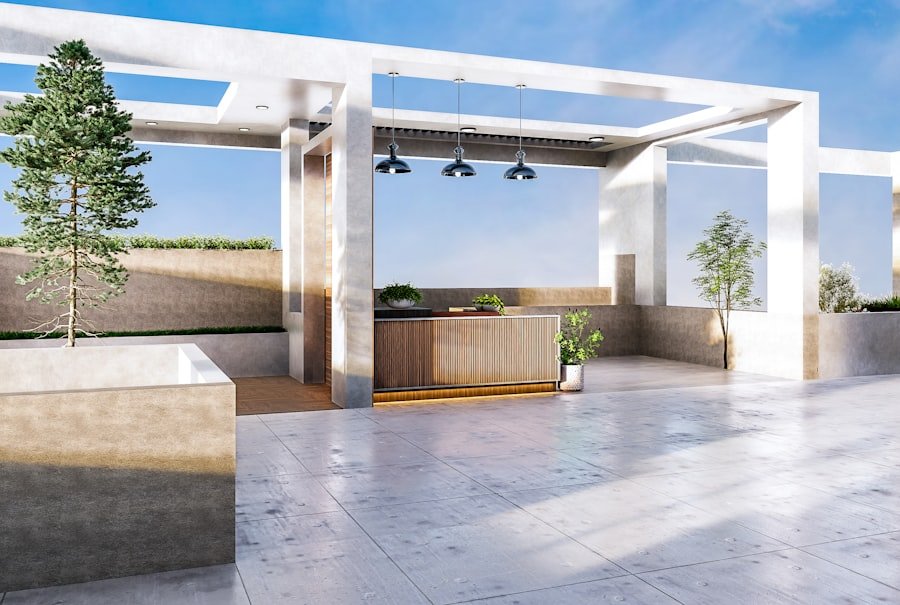
Before you start stringing up lights, there are some fundamental practicalities you need to keep in mind. Outdoor environments are much harsher than indoor ones, so durability and safety are paramount.
Weather Resistance and Durability
This isn’t an indoor kitchen; your lights will be exposed to rain, snow, humidity, and temperature fluctuations. Every light fixture you choose must be rated for outdoor use. Look for “wet-rated” or “damp-rated” fixtures, depending on their direct exposure to water.
- IP Ratings: Familiarize yourself with IP (Ingress Protection) ratings. An IP44 rating means protection against solid objects larger than 1mm and splashing water from any direction. For areas directly exposed to rain, you’ll want a higher rating, like IP65 (dust tight, protected against low-pressure water jets) or even IP67 (protected against temporary immersion).
- Materials: Choose fixtures made from durable, corrosion-resistant materials like stainless steel, powder-coated aluminum, or marine-grade brass. Plastics can be an option for certain applications, but ensure they are UV-stabilized to prevent brittleness and discoloration over time.
Electrical Requirements and Safety
Electricity and water don’t mix, and outdoor electrical work has specific safety requirements. It’s often best to consult with or hire a licensed electrician for this part of the project.
- Dedicated Circuits: Your outdoor kitchen appliances will likely require dedicated circuits. Don’t overload existing circuits. Plan for enough outlets in convenient locations, protected by weather-resistant covers.
- GFCI Protection: Absolutely critical! Ground Fault Circuit Interrupters (GFCIs) are mandatory for all outdoor outlets and are highly recommended for all outdoor lighting circuits. They quickly cut power if they detect a fault, preventing electric shock.
- Conduit and Wiring: All outdoor wiring should be run in appropriate conduit to protect it from weather and physical damage. Ensure all connections are waterproofed.
- Low-Voltage vs. Line-Voltage: Low-voltage (12V) systems are generally safer and easier for DIY installation, especially for landscape lighting. However, they require a transformer and have limitations on cable length. Line-voltage (120V) systems offer more power and flexibility but must be installed by a qualified electrician to meet code.
Light Direction and Placement
Where you put the light is just as important as the light itself. Poor placement can create glare, dark spots, or unflattering shadows.
- Avoid Glare: Don’t place bright lights directly in line of sight. Shielded fixtures or downward-facing lights are often best. If you’re using exposed bulbs (like string lights), consider lower lumen options or frosted bulbs.
- Layering Light: As mentioned, use a combination of task, ambient, and accent lighting. This layering creates depth and allows you to adjust the lighting for different activities.
- Strategic Placement for Task Areas: Ensure sufficient, shadow-free lighting over your grill, prep counters, and sink. Under-cabinet lighting excels here.
- Consider Up and Downlighting: Don’t just think about lights shining down. Uplighting can create dramatic effects on architectural elements or plants, while downlighting from an overhang provides practical illumination.
Light Color Temperature (Kelvin)
The “temperature” of light, measured in Kelvin (K), affects the mood and appearance of your space.
- Warm White (2700K-3000K): This is a softer, yellowish light, similar to incandescent bulbs. It’s often preferred for ambient and accent lighting in outdoor spaces as it creates a cozy, inviting, and relaxing atmosphere.
- Cool White (3500K-4500K): More neutral, pure white light. It’s good for task lighting where you need clarity, but can sometimes feel a bit sterile or office-like if used exclusively.
- Daylight (5000K-6500K): A very bright, bluish-white light that mimics natural daylight. Rarely used for general outdoor ambiance unless a very stark, modern look is desired; sometimes useful for specific task lighting where extreme clarity is needed.
For most outdoor kitchens, a mix of warm white for ambient and accent, and perhaps a slightly cooler white (around 3000K-3500K) for dedicated task lighting, would be ideal.
Planning Your Lighting Layout
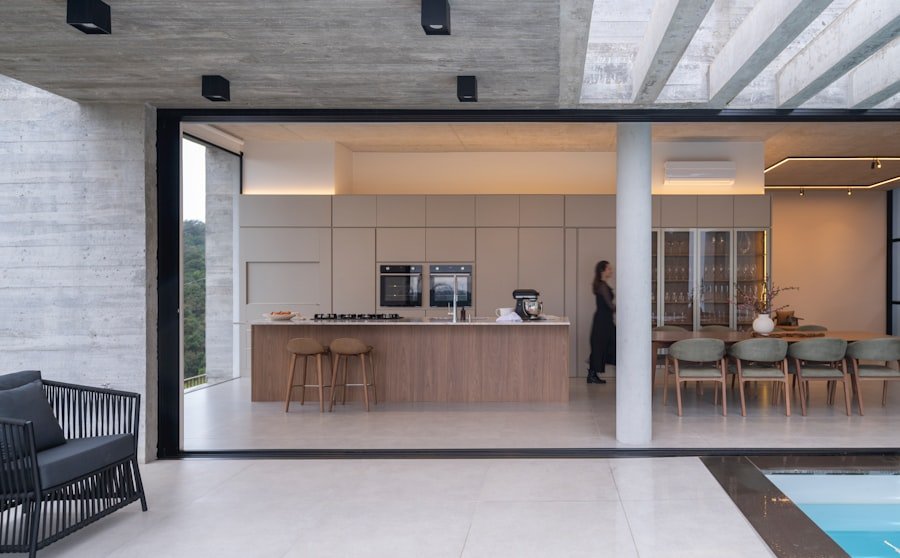
Don’t just randomly stick lights up. A well-thought-out plan will save you headaches and ensure you get the most out of your lighting. Think about the flow of your space and how it will be used.
Map Out Your Zones
Break your outdoor kitchen into distinct functional zones. This helps you determine where each type of lighting is most needed.
- Grilling Zone: This is where the cooking action happens. Needs bright task lighting.
- Prep Area: Countertops, sink – another area requiring good task lighting.
- Dining/Bar Area: Often needs softer ambient or decorative lighting.
- Storage/Utility: Perhaps a more subtle light for finding items.
- Pathways/Access: If your kitchen is separate from your main patio, light the path.
Draw It Out
Grab a piece of paper or use a simple design software. Sketch out your outdoor kitchen layout and mark where you envision different types of lights.
- Placement of Fixtures: Indicate where overhead lights, under-cabinet strips, wall sconces, or string lights would go.
- Power Sources: Mark where your electrical outlets are or where you’ll need new ones. This is crucial for planning wiring runs.
- Light Spread: A good plan considers how the light from each fixture will spread and overlap, ensuring even illumination without dark spots or excessive brightness.
Future-Proofing and Flexibility
Consider how your needs might change and build in some flexibility.
- Dimmers: Install dimmers on most, if not all, of your lighting circuits. This allows you to adjust the intensity for different activities or moods. Bright for cooking, dim for dining.
- Extra Outlets: Add a few more weather-rated outlets than you think you’ll need. You never know when you might want to plug in a portable speaker, a blender, or additional decorative lighting for a party.
- Smart Controls: As mentioned, smart lighting systems offer immense flexibility in control and customization, allowing you to adapt your outdoor kitchen’s ambiance on the fly.
Tips for Installation and Maintenance
| Outdoor Kitchen Lighting Metrics | Value |
|---|---|
| Lighting Type | LED |
| Lighting Color Temperature | 3000K-4000K |
| Lighting Coverage | 100-150 square feet |
| Power Source | Electricity |
| Weather Resistance | IP65 rated |
Once you’ve done your planning and chosen your fixtures, it’s time for installation. And don’t forget about keeping everything in good working order.
Professional vs. DIY Installation
For anything beyond simple plug-in string lights or battery-operated fixtures, it’s generally best to hire a licensed electrician.
- DIY Considerations: If you’re comfortable with basic electrical work, low-voltage landscape lighting or installing battery-operated lights might be feasible. Always turn off power at the breaker before working on any electrical circuit.
- When to Hire an Electrician: For hardwired systems, installing new circuits, running buried conduit, or anything that involves connecting to your main electrical panel, a professional is a must. They ensure safety, compliance with local codes, and proper functionality.
Regular Cleaning and Inspections
Outdoor lighting takes a beating from the elements. Regular maintenance will extend its life and ensure it continues to look and perform its best.
- Clean Fixtures: Dust, pollen, insects, and grime can accumulate on light fixtures, reducing their output and making them look unsightly. Gently clean lenses and housings with a mild soap and water solution periodically.
- Check Bulbs/LEDs: Replace burnt-out bulbs promptly. While LEDs have long lifespans, individual diodes can sometimes fail.
- Inspect Wiring and Connections: Annually (or more often if you live in a harsh climate), inspect all visible wiring for nicks, fraying, or damage. Check that all connections are secure and waterproof caps are intact.
- Test GFCI Outlets: Regularly test your GFCI outlets by pressing the “test” button (which should trip the outlet) and then the “reset” button. This ensures they are functioning correctly to protect against shock.
- Clear Debris: Keep leaves, branches, and other debris clear from around light fixtures. This prevents overheating and potential fire hazards, and helps light spread unobstructed.
Energy Efficiency
Outdoor lighting can add to your electricity bill, so consider energy-efficient options.
- LED Technology: LEDs (Light Emitting Diodes) are the undisputed champions of energy efficiency. They use significantly less power than incandescent or halogen bulbs, last for tens of thousands of hours, and come in a wide range of color temperatures and brightness levels.
- Timers and Sensors: Use timers to ensure lights are only on when needed. Dusk-to-dawn sensors automatically turn lights on when it gets dark and off at sunrise. Motion sensors can be useful for security lighting but might be too jarring for ambient kitchen lighting.
- Solar-Powered Lights: For accent lighting or smaller, less critical areas, solar-powered lights are an eco-friendly and wire-free option. Just be aware that their brightness and duration can depend on the amount of sunlight they receive daily.
By thoughtfully planning and implementing a layered lighting scheme for your outdoor kitchen, you’ll not only make it safer and more functional but also transform it into a truly captivating and inviting space that you and your guests can enjoy long after the sun goes down.