BBQ Beginner Tips: Master Grilling With These Easy Steps

Firing up the grill for the first time can feel exciting and a bit overwhelming. The smell of smoke, the sound of sizzling meat, and the joy of sharing food outside—these are all part of the barbecue experience. But if you’re new to BBQ, questions can pop up fast.
What equipment do you really need? How do you control heat? Which mistakes should you avoid? This guide is designed for anyone starting their BBQ journey, especially if you want clear, simple advice that helps you succeed the very first time.
You’ll learn the basics, pick up smart tips, and discover small details that many beginners miss. By the end, you’ll feel ready to invite friends or family for a great BBQ. Let’s get your grill journey started.
Understanding Bbq: What Makes It Special
Barbecue is more than just cooking outside. It’s a mix of slow cooking, smoky flavor, and a chance to relax with others. Unlike grilling, which is quick and hot, BBQ usually means using lower heat and cooking over a longer time. This technique brings out unique flavors that are hard to get with a kitchen oven or stove.
Key Bbq Styles
- American BBQ: Famous for slow-cooked meats like brisket and ribs. Uses wood smoke and rich sauces. Regional styles add more variety: for example, in Texas, beef brisket is king, while in the Carolinas, pulled pork with vinegar-based sauces is most popular.
- Korean BBQ: Cooks thin slices of marinated meat (like bulgogi or galbi) quickly over charcoal. Served with small side dishes called “banchan.” Often, the grilling is done right at the dining table.
- Brazilian Churrasco: Uses skewers and large cuts of meat, cooked over open flames. Servers slice meat straight onto your plate.
- Australian BBQ: Focuses on sausages (“snags”) and seafood, often on gas grills. It’s casual, with outdoor gatherings at parks or beaches.
Most beginners start with American BBQ techniques, especially for backyard gatherings. American BBQ recipes are widely available, and the equipment is easy to find. However, trying other styles as you get more comfortable can be fun and educational.
Why Bbq Is Enjoyed Worldwide
- Flavor: Smoke adds a deep, rich taste that can’t be matched by indoor cooking. The slow process also caramelizes the outside of meat, giving a unique crust and tenderness.
- Social: BBQ brings people together. Cooking outdoors means friends or family can gather around, chat, and share the experience.
- Variety: You can cook meat, fish, vegetables, and even fruit. BBQ is not just about burgers and hot dogs—grilled pineapple or peppers can be a highlight.
- Tradition: In many cultures, BBQ is tied to holidays or family events, making it more than just a meal.
Essential Bbq Equipment For Beginners
Before you grill, you need the right tools. You don’t need to buy everything, but some basics will make your BBQ easier and safer. Choosing wisely saves money and stress.
Must-have Items
- Grill: The heart of BBQ. Choose between charcoal, gas, or electric. Each type has pros and cons (see table below). Buy a grill that fits your space and the number of people you plan to serve.
- Tongs and Spatula: For flipping and moving food. Long handles keep your hands safe from heat.
- Meat Thermometer: Essential for safe, juicy results. Guessing leads to overcooked or undercooked food.
- Chimney Starter: For charcoal grills, it helps start coals without lighter fluid. Safer and gives a cleaner flavor.
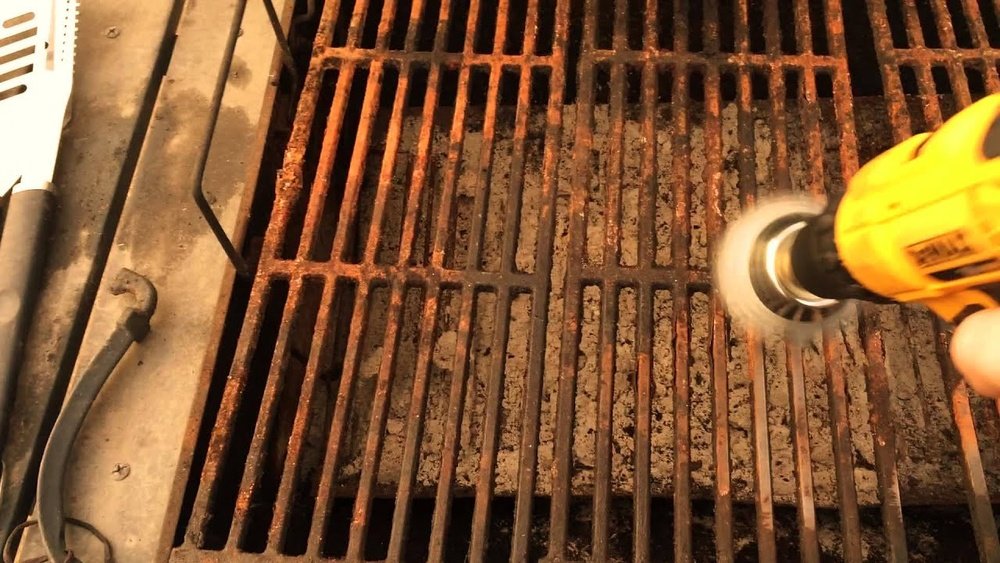
- Wire Brush: Cleans the grill grates. A clean grill prevents sticking and old flavors transferring.
- Heat-Resistant Gloves: Protect your hands from burns. Regular oven mitts can melt or catch fire.
Optional But Helpful
- Grill Basket: For vegetables or small foods. Prevents pieces from falling through the grates.
- Spray Bottle: For flare-ups or adding moisture. Spritzing water can control small flames or keep meat juicy.
- BBQ Basting Brush: For sauces and marinades. Silicone brushes are easier to clean than traditional bristles.
- Drip Pan: Catches fat and prevents flare-ups. Also useful for indirect cooking.
Comparing Grill Types
Here’s a quick look at the main grill styles:
| Type | Heat Source | Flavor | Ease of Use | Cost |
|---|---|---|---|---|
| Charcoal | Charcoal Briquettes/Lump | Smoky, strong | Medium (needs practice) | Low to Medium |
| Gas | Propane/Natural Gas | Mild, clean | Easy | Medium to High |
| Electric | Electricity | Least smoky | Very easy | Medium |
Tip: If you want classic BBQ flavor, start with charcoal. If you need quick and simple, gas is more beginner-friendly. Think about how often you’ll grill—if you plan to BBQ often, investing in a quality grill can be worth it.
Choosing Your Bbq Fuel
The fuel affects both the flavor and how easy it is to cook. Picking the right one depends on taste, convenience, and where you live.
Charcoal
- Flavor: Adds rich, smoky taste. Many BBQ lovers say nothing beats charcoal for authentic flavor.
- Best for: Traditional BBQ, slow cooking, and recipes where smoky taste is key.
- Cons: Takes time to light and control. Cleaning up ashes is messier.
Wood
- Flavor: Most complex, with many types (hickory, apple, cherry). Each wood gives a slightly different taste.
- Best for: Smoking meat, adding special flavors. Wood chunks or chips are often used with charcoal.
- Cons: Needs more skill to manage temperature. Wood can burn hot or create too much smoke if not used carefully.
Gas
- Flavor: Clean, less smoky. You can add wood chips in a smoker box for more flavor.
- Best for: Fast, easy BBQ. Good for weeknight meals or when you don’t want to wait for coals.
- Cons: Less “authentic” taste. Propane tanks must be refilled or replaced.
Electric
- Flavor: Mild, no smoke unless using wood chips. Easy to use, especially in apartments.
- Best for: Apartments or places with fire rules.
- Cons: No real smoke flavor. Must have an outlet nearby.
Non-obvious insight: Many beginners forget that the type of charcoal matters. Lump charcoal lights faster and burns hotter, while briquettes last longer and are easier to control. Also, avoid using self-lighting charcoal—it often has chemicals that can affect flavor.
Setting Up Your Grill: Safety And First Steps
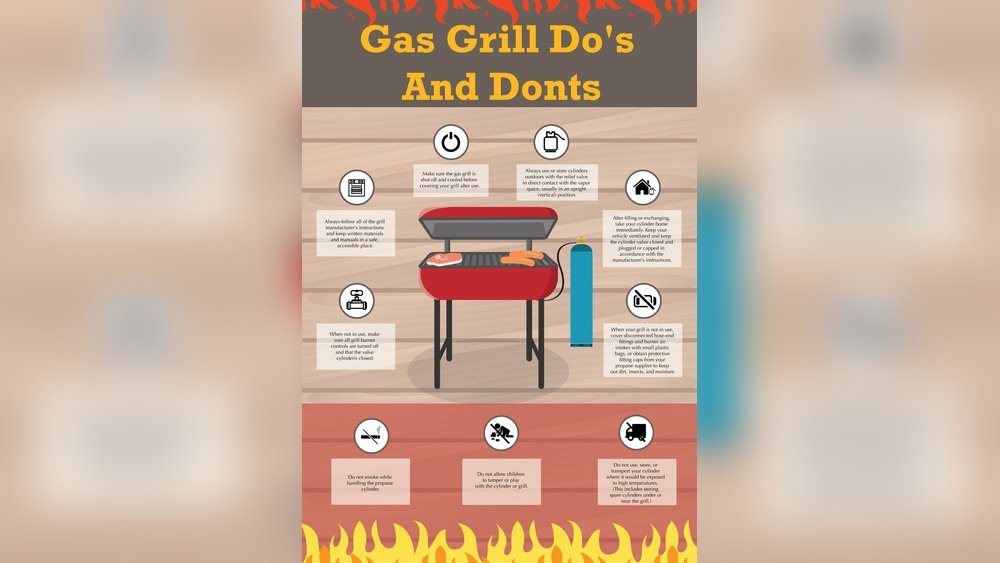
Before you cook, set up your grill in a safe place—away from walls, trees, or anything flammable. A few minutes of safety checks can prevent accidents.
- Place the grill on a flat, stable surface. Uneven ground can make grills tip or wobble.
- Keep a spray bottle or bucket of water nearby for emergencies. This is especially important for charcoal grills.
- Never use a grill indoors. Even in a garage with the door open, carbon monoxide can build up.
Pro tip: Preheat your grill for 10-15 minutes before adding food. This burns off old grease and helps prevent sticking. Also, check that air vents (on charcoal grills) are open during preheating.
Extra detail: Before lighting, make sure your grill is clean from old ashes or grease. Built-up grease can cause unexpected flare-ups and bad smells.
Bbq Basics: Understanding Heat Zones
BBQ is all about managing heat. A common mistake is cooking everything over the hottest part of the grill, which can lead to burnt outsides and raw insides.
Two-zone Cooking
This means having a hot side and a cooler side. This setup gives you more control and better results.
- For charcoal grills, pile coals on one half for high heat, leave the other side with fewer coals. You can move food back and forth as needed.
- For gas grills, turn one burner high, another low or off. The area with the burner off becomes your “safe zone.”
Use the hot side for searing, and the cooler side for slow cooking or finishing meat. This technique is key for thick cuts or foods that burn easily.
Non-obvious insight: Always have a “safe zone” (cooler side). If food starts to burn, move it to this area. For long cooks, you can add more coals to the hot side without moving your food.
Extra example: For burgers, sear on high heat for a crust, then move to the cooler side to cook through without burning.
Choosing Meat And Other Foods
You can BBQ almost anything, but some foods are easier for beginners and give you more room for small mistakes.
Beginner-friendly Choices
- Chicken thighs: Juicy, forgiving if slightly overcooked. The extra fat helps keep them moist.
- Sausages: Simple and hard to ruin. Pre-cooked sausages are even easier—just heat and brown them.
- Pork shoulder: Great for pulled pork, slow cooking. Even if you go a little long, it stays tender.
- Vegetables: Peppers, mushrooms, corn. These cook quickly and add color to your BBQ.
Avoid expensive steak or brisket until you’re comfortable with heat control. These cuts need more attention and experience.
Freshness And Marbling
Look for meat with good marbling (tiny streaks of fat). This keeps it moist. For chicken, check that it’s pink and not slimy.
Extra tip: If you buy meat in advance, keep it cold until just before cooking. Letting meat warm up for 20-30 minutes before grilling helps it cook more evenly.
Non-obvious insight: Don’t be afraid to try plant-based options. Many vegetables, like portobello mushrooms or thick eggplant slices, grill beautifully and impress vegetarian guests.
Marinating And Seasoning: Simple Ways To Boost Flavor
Marinating adds taste and helps tenderize. For beginners, simple is best. The right marinade can turn basic chicken into something special.
Basic Marinade Recipe
- 1/4 cup olive oil
- 2 tablespoons vinegar or lemon juice
- 1 tablespoon salt
- 1 teaspoon pepper
- 2 garlic cloves (crushed)
- Optional: Fresh herbs (parsley, thyme)
Mix and cover your meat for at least 30 minutes (2-4 hours is better). For tougher cuts, marinating overnight can help.
Tip: Don’t over-marinate delicate foods like fish—30 minutes is enough. Acidic marinades can start to “cook” fish or shrimp if left too long.
Dry Rubs
A dry rub is a mix of spices and sugar. Rub it into the meat before grilling. Try a simple mix:
- 2 tablespoons brown sugar
- 1 tablespoon paprika
- 1 teaspoon black pepper
- 1 teaspoon salt
Non-obvious insight: Avoid adding BBQ sauce early. Sugar burns fast—wait until the last 10-15 minutes to brush on sauce.
Extra detail: Experiment with spices you enjoy. Smoked paprika, cumin, or chili powder can add depth. Make a little extra rub and store it for next time.
Lighting Your Grill: Step-by-step
Lighting the grill can be tricky the first time. Here’s a simple guide for each type:
Charcoal Grill
- Fill a chimney starter with charcoal.
- Place crumpled newspaper or a fire starter under the chimney.
- Light the newspaper and let coals burn until covered with gray ash (15-20 minutes).
- Pour coals into the grill and spread as needed. Wear gloves for safety.
If you don’t have a chimney starter, pile charcoal in a pyramid, add a few fire starters, and light. Never use gasoline or any unsafe liquid.
Gas Grill
- Open the lid (never light with a closed lid; gas buildup can cause a fireball).
- Turn the gas on, then press the ignition button.
- Wait 10-15 minutes for the grill to preheat.
If the grill doesn’t light, turn off the gas and wait a few minutes before trying again.
Electric Grill
- Plug in the grill and set the temperature.
- Wait for it to heat up (usually 10 minutes).
Safety: Never use lighter fluid on an electric or gas grill.
Extra tip: For charcoal, arrange coals for two-zone cooking before you start grilling. For long BBQ sessions, keep extra charcoal nearby to add as needed.
Managing Grill Temperature
Temperature control is one of the hardest BBQ skills. Here’s how to get it right:
- Use a grill thermometer if your lid has one, or buy a digital one. Built-in thermometers can be inaccurate; a separate digital thermometer is more reliable.
- For charcoal, control heat by adding or removing coals, and by opening/closing vents. More air means hotter fire; less air cools it down.
- For gas, adjust the knobs. Lower the flame for slow cooking, raise it for searing.
- If the grill is too hot, move food to the cooler side.
Practical example: For chicken, aim for 350°F (175°C). For slow-cooked pork, keep it around 225°F (107°C). Don’t rush slow-cooked meats—low and slow brings out tenderness.
| Food | Best Temp (°F) | Cooking Time | Direct/Indirect Heat |
|---|---|---|---|
| Burgers | 400-450 | 6-8 min | Direct |
| Chicken Thighs | 350 | 25-30 min | Indirect |
| Pork Ribs | 225-250 | 3-4 hours | Indirect |
| Vegetables | 350-400 | 10-15 min | Direct |
Non-obvious insight: Weather affects grilling. Wind and cold outside can lower grill temperature, so watch your thermometer and adjust as needed.
Grilling Techniques For Beginners
Mastering a few techniques can make your first BBQ much better. Each method suits different foods and helps you avoid common mistakes.
Searing
This means cooking meat quickly over high heat to create a crust. Sear for a minute or two per side, then move to the cooler zone to finish. Searing locks in juices and gives a tasty, caramelized surface.
Indirect Cooking
Place food away from the heat source. This is best for large cuts like whole chicken or ribs. With indirect heat, food cooks gently, reducing the risk of burning.
Smoking
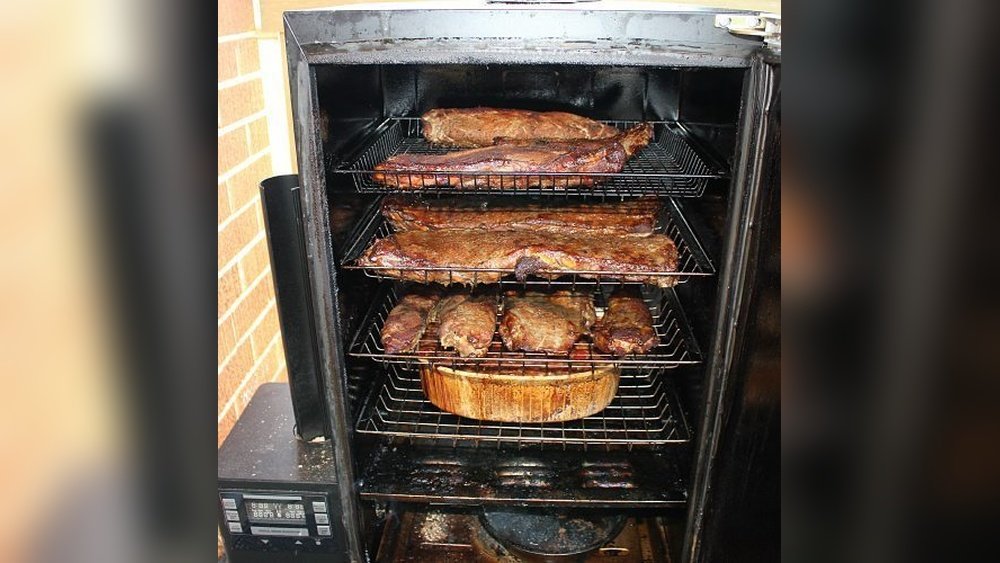
Add a few soaked wood chips (like hickory or apple) to your coals or a smoker box on a gas grill. This adds extra smoky flavor. Start with a little smoke—too much can overpower the food.
Common mistake: Beginners often flip food too much. Let it cook—turning only once or twice is best. Frequent flipping can tear food and prevent a good crust.
Extra example: For a large pork shoulder, cook with indirect heat and a handful of soaked apple wood chips for 4-5 hours. The result is tender, flavorful pulled pork.
How To Tell When Food Is Done
Guessing can lead to burnt or undercooked food. Use these methods:
- Meat thermometer: Insert into the thickest part, away from bone. This is the most reliable way.
- Visual cues: For chicken, juices should run clear; for beef, the inside should not be raw unless you want rare.
- Touch test: With practice, you can gently press steak or chicken—firmer means more cooked. But always double-check with a thermometer.
Safe minimum temperatures:
- Chicken: 165°F (74°C)
- Pork: 145°F (63°C)
- Beef (steak): 135°F (57°C) for medium-rare
- Fish: 145°F (63°C)
Non-obvious insight: Letting meat rest (covered loosely with foil) helps it finish cooking gently and keeps it juicy.
Resting Your Meat
After cooking, let your meat rest for 5-10 minutes. This allows juices to spread, making it more tender and flavorful.
Non-obvious insight: If you cut meat right away, juices will spill out, and it may taste dry. Resting is especially important for large cuts like roasts or whole chickens.
Extra detail: For small items like burgers, a couple of minutes rest is enough. For larger cuts, up to 15 minutes can help.
Cleaning Up: Grill Care Basics
A clean grill is safer and gives better flavor. Regular cleaning prevents old grease from causing fires or off tastes.
- Scrape the grates with a wire brush while still warm. This is much easier than when cold.
- Empty the ash catcher (for charcoal grills) after each use. Built-up ash can block airflow.
- Wipe the outside with a damp cloth. Grease can attract bugs or cause stains.
- Check for grease buildup in drip pans. Clean pans help prevent flare-ups next time.
Pro tip: Oil your grates lightly before cooking next time to prevent sticking. Use a folded paper towel dipped in oil, held with tongs.
Extra tip: For stubborn buildup, let the grill heat up for 10 minutes, then brush again.
Simple Bbq Recipes For Beginners
Here are a few easy recipes to get you started. These recipes use common ingredients and simple steps.
Bbq Chicken Thighs
Ingredients:
- 6 chicken thighs
- 2 tablespoons olive oil
- 1 tablespoon salt
- 1 teaspoon black pepper
- 1 cup BBQ sauce
Steps:
- Coat chicken with oil, salt, and pepper.
- Grill over indirect heat at 350°F for 25-30 minutes, turning once.
- Brush with BBQ sauce in the last 10 minutes.
Extra tip: For crispier skin, sear thighs over direct heat for 2 minutes per side, then move to indirect heat.
Grilled Vegetables
Ingredients:
- 1 bell pepper
- 1 zucchini
- 1 red onion
- 2 tablespoons olive oil
- Salt and pepper
Steps:
- Cut vegetables into thick slices.
- Toss with oil, salt, and pepper.
- Grill on direct heat, turning occasionally, for 10-15 minutes.
Serving suggestion: Sprinkle with fresh herbs or a squeeze of lemon before serving.
Sausage Skewers
Ingredients:
- 4 sausages
- 1 red pepper
- 1 green pepper
- 1 onion
- Skewers
Steps:
- Cut sausages and veggies into chunks.
- Thread onto skewers.
- Grill over medium heat for 8-10 minutes, turning often.
Serving tip: Let guests build their own skewers for fun. Use metal skewers or soak wooden ones in water for 30 minutes to prevent burning.

Credit: sipbitego.com
Common Bbq Beginner Mistakes And How To Avoid Them
- Skipping the preheat: Always preheat to avoid sticking and uneven cooking.
- Using lighter fluid: This leaves a chemical taste. Use a chimney starter instead.
- Opening the lid too much: Heat escapes, making cooking longer and less even.
- Crowding the grill: Leave space for air and smoke to circulate. Overcrowding can cause uneven cooking.
- Cooking everything on high: Not all foods need high heat; use two zones.
Non-obvious insight: Many beginners forget to check their fuel level before starting. Running out mid-cook can ruin your BBQ.
Extra tip: Arrange all your ingredients, tools, and seasonings before you start. This “mise en place” approach avoids last-minute rushing.
Bbq Safety Tips
- Keep children and pets away from the grill.
- Never leave a hot grill unattended.
- Wear proper gloves and use long-handled tools.
- Store fuel (charcoal, propane) safely, away from heat.
Emergency tip: If you get a small grease fire, close the grill lid to cut off oxygen.
Extra detail: Never pour water on a grease fire. Water can make flames spread. Always keep a fire extinguisher rated for grease fires nearby if possible.
Adding Smoke: The Secret To Real Bbq Flavor
If you want to impress, add wood smoke to your BBQ. Even a small handful of wood chips can make a big difference in taste.
Choosing Wood Chips
- Hickory: Strong, classic BBQ flavor. Great for pork and beef.
- Apple or Cherry: Sweet and mild, good for chicken or pork. These woods won’t overpower delicate flavors.
- Mesquite: Intense, use sparingly. Best for beef or bold flavors.
How to use: Soak chips in water for 30 minutes, then place them on coals or in a smoker box.
Pro tip: Start with a small handful. Too much smoke can make food taste bitter.
Non-obvious insight: Mixing wood types can create unique flavors. Try combining a mild wood with a small piece of stronger wood for balance.
Bbq Sauces: When And How To Use Them
Many beginners love sauces, but timing matters.
- Add sauce in the last 10-15 minutes of cooking. Earlier, it will likely burn.
- Brush lightly and turn the food to glaze evenly. A thin layer sticks better and caramelizes nicely.
- For a sticky finish, let the sauce bubble but not burn.
Non-obvious insight: Use sauces as a finishing touch, not a marinade. Most BBQ sauces contain sugar, which burns easily.
Extra tip: Serve extra sauce on the side so guests can add more if they want.
Sides And Extras: What To Serve With Bbq
Great BBQ is more than just meat. Simple sides make the meal complete and help balance the smoky flavors.
Popular Choices
- Corn on the cob: Grill with husks on for a smoky-sweet taste.
- Coleslaw: Crunchy and cool, good with rich BBQ meats.
- Potato salad: A filling, classic side.
- Baked beans: Sweet and hearty, easy to make ahead.
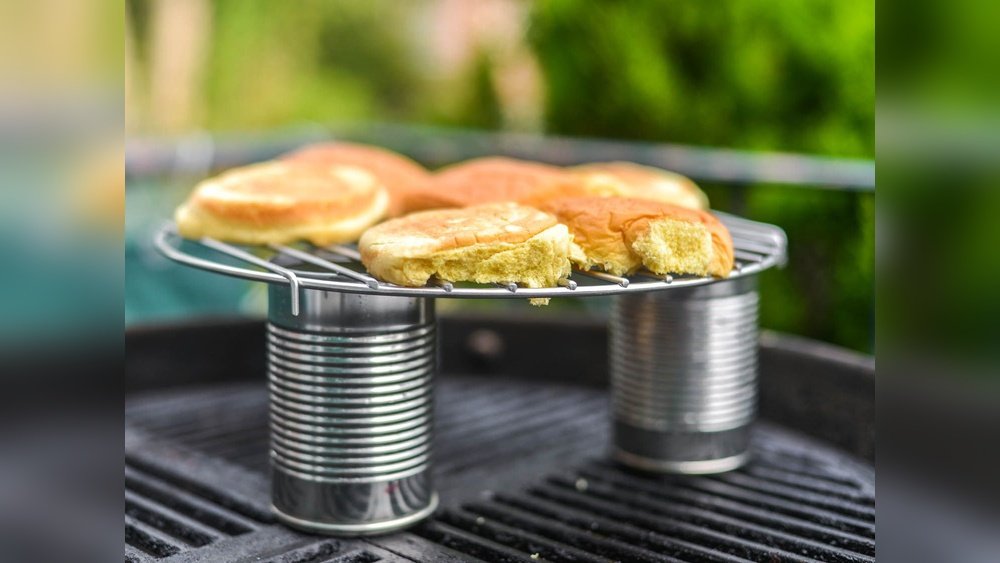
- Grilled bread: Brush slices with oil and grill for a smoky flavor.
Serving tip: Prepare sides before you start grilling, so you can focus on the BBQ.
Extra example: Fresh fruit, like watermelon or grilled peaches, makes a refreshing dessert.
Hosting Your First Bbq: Planning And Tips
A little planning makes your event smoother and more enjoyable for everyone, including you.
- Decide your menu: Choose 2-3 main items and a couple of sides. Don’t try to cook too many things your first time.
- Prepare ahead: Marinate meat and chop veggies in advance. Set out plates, napkins, and drinks before lighting the grill.
- Have enough fuel: Check charcoal or gas supply before guests arrive. Running out can cause delays or half-cooked food.
- Set up a drink station: Keep guests happy and out of your way.
Non-obvious insight: Have a backup plan (like oven space) in case of rain or grill problems. You can finish cooking in the oven if needed.
Extra tip: Keep a small cooler with ice and drinks near the grill so you don’t have to leave your post.
Cleaning Up After The Bbq
Don’t leave the mess for later. Clean while the grill is still warm. Leftover food and grease are much easier to remove now.
- Scrape grates and empty ashes.
- Wash utensils and cutting boards with hot, soapy water.
- Store leftovers safely in the fridge. Divide large pieces into smaller containers for faster cooling.
Pro tip: Wrap unused charcoal in foil to keep it dry for next time.
Extra tip: If you use disposable plates or cups, set up a recycling bin nearby to make cleanup easier.
Advancing Your Bbq Skills
Once you’ve mastered the basics, you can try:
- Smoking larger cuts (like brisket or pork shoulder). These require longer cooking and patience.
- Making your own rubs and sauces. Experiment with spices and flavors from different cuisines.
- Trying new woods for smoke flavor. Each type of wood gives a unique taste.
- Experimenting with fish or fruit. Grilled peaches, pineapple, or salmon can surprise your guests.
Non-obvious insight: Keep a BBQ journal. Write down what worked, what didn’t, and any tips for next time. This helps you improve faster.
Extra tip: Join a BBQ group online or locally. Sharing experiences and asking questions helps you learn quickly.
Credit: www.etsy.com
Comparing Charcoal And Gas Bbq For Beginners
Some people debate which is better. Here’s a direct comparison to help you decide:
| Feature | Charcoal | Gas |
|---|---|---|
| Flavor | Smokier, richer | Clean, less smoky |
| Start-up Time | 15-20 minutes | 5-10 minutes |
| Control | Manual, needs practice | Easy dial knobs |
| Cleanup | More ash, needs cleaning | Less mess |
| Cost | Generally cheaper | Higher upfront cost |
Extra insight: If you’re unsure, visit a friend with a charcoal or gas grill and try each one before buying.
Building Confidence: Practice Makes Perfect
Your first BBQ might not be perfect, but each try builds skill. Start simple, keep notes, and ask friends or family for feedback.
Non-obvious insight: Taste your food as you cook. Small adjustments in seasoning or heat can make a big difference.
Extra tip: Watch how different meats react to heat and smoke. With each session, you’ll learn what works best for your grill.

Credit: www.reddit.com
Resources For Learning More
If you want to dive deeper, check out online guides, videos, or local BBQ classes. The Wikipedia Barbecue page is a good starting point to learn about different BBQ styles around the world.
Extra resource: YouTube channels and grilling blogs often have step-by-step videos that make learning easier. Look for trusted names in BBQ for reliable advice.
Frequently Asked Questions
How Do I Avoid Burning Food On The Bbq?
Use two heat zones: one hot and one cooler. Start food on the hot side to sear, then move it to the cool side to finish cooking. Flip food only once or twice, and keep the lid closed as much as possible. Watch for flare-ups and move food away if flames appear.
Can I Bbq If I Live In An Apartment?
Yes, but check your building’s rules. Electric grills or small gas grills are often allowed on balconies. Avoid charcoal if open flames are not permitted. Always grill in a well-ventilated area.
What’s The Best Meat For A Beginner To Bbq?
Start with chicken thighs or sausages. They are forgiving, cook evenly, and taste great even if you make small mistakes. Marinated pork chops or thick-cut vegetables are also good choices.
How Do I Know When The Charcoal Is Ready?
Wait until the coals are covered in a light gray ash (about 15-20 minutes after lighting). Spread them out for even heat before adding food. If the coals are still black and smoking, they’re not ready.
Is Bbq Sauce Necessary?
No, it’s optional. Many BBQ fans enjoy meat with just a dry rub or simple seasoning. If you use sauce, add it in the last 10-15 minutes to avoid burning.
—
Barbecue is a journey, not just a meal. The more you grill, the more confident you’ll become. Start with simple recipes, build your skills, and enjoy sharing smoky, delicious food with others. With the tips and techniques in this guide, you’re ready to fire up the grill and start your BBQ adventure.