Smoked Ribs: Ultimate Guide to Perfectly Tender BBQ Every Time
Smoked Ribs: The Complete Guide For Perfect Barbecue
Few foods capture the spirit of outdoor cooking better than smoked ribs. The aroma, the deep pink smoke ring, the sticky glaze—these details turn a simple cut of meat into a dish that brings people together. For many, making smoked ribs is a journey. It combines patience, skill, and a touch of creativity. Whether you’re a weekend griller or a first-time smoker, this guide will walk you through everything you need to know to create ribs that impress every time.
Why do smoked ribs hold such a special place in barbecue? The answer is simple: they bring together the best flavors of meat, wood, spice, and time. But achieving tender, flavorful ribs is more than just throwing meat on the smoker. You’ll need to understand the science, master the details, and avoid beginner mistakes. Along the way, you’ll discover tips and insights that even seasoned pitmasters sometimes overlook.
This guide covers the entire process, from choosing the right ribs to slicing and serving. You’ll find clear steps, practical comparisons, and answers to common questions. If you want to make ribs that friends remember, read on—and get ready to fire up your smoker.
Choosing The Right Ribs
The first step to great smoked ribs is picking the right cut. Not all ribs are the same, and the type you choose will affect flavor, texture, and cooking time.
Types Of Pork Ribs
There are three main kinds of pork ribs you’ll find in stores:
| Type | Shape & Size | Meatiness | Best For |
|---|---|---|---|
| Baby Back Ribs | Curved, shorter | Lean, tender | Quick smoking, softer bite |
| Spare Ribs | Flat, longer | Meatier, more fat | Richer flavor, traditional BBQ |
| St. Louis-Style | Trimmed spare ribs | Uniform shape | Even cooking, competition BBQ |
Baby back ribs come from high on the pig’s back, near the loin. They’re shorter, leaner, and cook faster. Spare ribs are cut from the belly, below the baby backs. They’re bigger, have more fat, and offer a richer taste. St. Louis-style ribs are spare ribs trimmed to a neat rectangle—easier to cook evenly and popular in competitions.
Beef Ribs: An Alternative
While pork is classic, beef ribs are also loved by many. The most common are beef short ribs and beef back ribs. Short ribs are thick and meaty, while back ribs are longer and have less meat.
What To Look For When Buying
- Freshness: Choose ribs with a bright pink color and a little marbling (fat between the meat).
- Evenness: Look for racks that are uniform in thickness. This ensures even cooking.
- Bone Exposure: Some bone showing is fine, but avoid racks with too much bone—these may be trimmed too closely and lack meat.
Many beginners forget to check for the membrane (silver skin) on the bone side. This thin layer should be removed before cooking for better texture and flavor absorption.
Typical Sizes And Servings
- Baby back ribs: 1.5–2 lbs per rack (feeds 2–3)
- Spare ribs: 2.5–3.5 lbs per rack (feeds 3–4)
- Beef ribs: 2–4 lbs per rack (feeds 2–3)
Pro tip: It’s better to buy a little extra—ribs shrink during cooking, and leftovers are always welcome.
Equipment And Tools
Great smoked ribs don’t require fancy equipment, but certain tools make the process smoother and the results better.
Essential Gear
- Smoker: This can be a dedicated smoker, a charcoal grill, or even a gas grill with a smoker box. Offset smokers, pellet smokers, and kamado grills are all popular choices.
- Thermometer: A reliable digital thermometer is crucial. Built-in grill thermometers can be inaccurate; check both the grill temp and the meat.
- Charcoal or Wood: Lump charcoal is preferred for steady heat. Wood chunks or chips add the all-important smoke flavor.
- Water Pan: Placing a pan of water inside the smoker helps control temperature and keeps the ribs moist.
- Tongs and Gloves: Heat-resistant gloves and long tongs make handling hot ribs safe and easy.
- Foil or Butcher Paper: Used for wrapping ribs during the cooking process.
Optional, But Helpful
- Rib Rack: Holds multiple racks upright, saving space.
- Spray Bottle: For spritzing ribs with apple juice or vinegar to keep them moist.
- Basting Brush: For applying sauce or glaze.
Insider tip: Many beginners skip the water pan. It’s a simple way to avoid dry ribs, especially during long cooks.
Prepping The Ribs
Proper preparation sets the foundation for flavor and texture.
Removing The Membrane
On the bone side of each rack is a tough, silvery membrane. This should be peeled off before smoking. Use a butter knife to lift a corner, grip it with a paper towel, and pull gently. Removing the membrane helps smoke and seasonings penetrate the meat and prevents a chewy bite.
Trimming Excess Fat
Trim any thick fat or hanging pieces. Some fat is good—it adds flavor and moisture—but too much can lead to greasy ribs.
Applying A Binder (optional)
Some pitmasters rub a thin layer of mustard, olive oil, or even hot sauce onto the ribs before seasoning. This helps the spice rub stick. The flavor is subtle and doesn’t affect the finished taste.
The Spice Rub
A good dry rub is the heart of smoked ribs. You can buy pre-made rubs, but making your own allows you to control the flavor and saltiness.
Basic Rib Rub Recipe
- 1/4 cup brown sugar
- 1/4 cup paprika
- 1 tablespoon black pepper
- 1 tablespoon salt
- 1 tablespoon chili powder
- 1 tablespoon garlic powder
- 1 tablespoon onion powder
- 1 teaspoon cayenne pepper
Mix well and apply generously to all sides of the ribs. Let them sit for at least 30 minutes, or up to overnight in the fridge for deeper flavor.
Advanced tip: Try adding ground mustard, cumin, or dried herbs to personalize your rub.
Wood Selection: Flavor Matters
The type of wood you use will shape the final flavor of your smoked ribs. Each wood brings its own aroma and strength.
| Wood Type | Flavor Profile | Best For |
|---|---|---|
| Hickory | Strong, smoky, bacon-like | Pork, beef |
| Apple | Mild, sweet, fruity | Pork, poultry |
| Cherry | Mild, slightly sweet | Pork, adds color |
| Pecan | Nutty, mild | Pork, poultry |
| Oak | Medium, earthy | Pork, beef, lamb |
Hickory is classic for ribs, but can be overpowering if overused. Fruit woods like apple and cherry give a milder, sweeter smoke, perfect for those new to barbecue. Oak offers a balanced, all-purpose smoke.
Pro insight: Mixing woods can create a more complex flavor. Try a 50/50 blend of hickory and apple for a balanced profile.
Smoking Methods And Techniques
The most popular way to smoke ribs is the “low and slow” method. This means cooking at a low temperature (225–250°F) for several hours. The smoke gently penetrates the meat, breaking down collagen and creating tender, flavorful ribs.
The 3-2-1 Method (for Spare And St. Louis Ribs)
This is a classic technique, especially for beginners:
- 3 hours unwrapped: Smoke ribs directly on the grate.
- 2 hours wrapped: Wrap ribs tightly in foil or butcher paper with a little liquid (apple juice, butter, or honey).
- 1 hour unwrapped: Remove foil, apply sauce if desired, and finish smoking to set the glaze.
This method is designed for spare ribs. For baby backs, use the “2-2-1” method (reduce each stage by one hour).
Direct Smoking (no Wrap)
Some pitmasters prefer to smoke ribs the entire time without wrapping. This produces a firmer bark (crust) but can result in drier ribs if not watched closely. Spritz ribs every 30–45 minutes to keep them moist.
Setting Up Your Smoker
- Charcoal Smokers: Build a two-zone fire—coals on one side, water pan on the other. Add wood chunks on the hot coals.
- Pellet Smokers: Set temperature, fill hopper with pellets, and go.
- Gas Grills: Use a smoker box with wood chips and indirect heat.
Aim for a steady 225–250°F throughout the cook. Use vents and dampers to control airflow and temperature.
Beginner mistake: Opening the lid too often can drop the temperature and lengthen cook time. Trust your thermometer.
Step-by-step: Smoking Ribs
Here’s a detailed walk-through using the popular 3-2-1 method for spare ribs. Adjust the times for baby backs (about 5 hours total).
Ingredients
- 1 rack spare ribs (about 3 lbs)
- Rib rub (see above)
- 1/4 cup apple juice or cider
- 2 tablespoons honey (optional)
- Barbecue sauce (optional)
Equipment
- Smoker or grill with lid
- Digital thermometer
- Heavy-duty foil or butcher paper
- Water pan
Steps
- Prep the smoker: Light your charcoal, add wood chunks, and set up for indirect cooking. Place a water pan inside. Bring the temperature to 225–250°F.
- Prepare the ribs: Remove the membrane, trim fat, and apply the rub on all sides. Let sit while the smoker heats.
- Smoke (3 hours): Place ribs bone side down on the grate, away from direct heat. Close lid. Add more wood as needed to maintain steady smoke.
- Wrap (2 hours): Place ribs on a large piece of foil. Add apple juice and honey (if using), then wrap tightly. Return to smoker. This step steams the ribs, making them tender.
- Unwrap and finish (1 hour): Remove ribs from foil. Place back on the smoker. Brush with barbecue sauce if desired. Cook until the glaze sets and the ribs are tender.
- Check for doneness: Ribs are done when the meat has pulled back from the bones by about 1/2 inch, and a toothpick slides into the meat with little resistance. Internal temperature should be 195–203°F.
- Rest and slice: Let ribs rest for 10–15 minutes before slicing between the bones.

Advanced tip: For extra bark, place unwrapped ribs directly over the coals for the last few minutes, but watch closely to avoid burning.

Credit: www.foodnetwork.com
Sauces, Glazes, And Finishing Touches
While smoked ribs are delicious with just a dry rub, many people love a sticky, shiny glaze.
When To Sauce
Apply sauce during the last 30 minutes of cooking. Earlier, and the sugars can burn. Brush on several light coats, letting each layer set before adding more.
Homemade Bbq Sauce Recipe
- 1 cup ketchup
- 1/2 cup apple cider vinegar
- 1/4 cup brown sugar
- 2 tablespoons molasses
- 1 tablespoon Worcestershire sauce
- 1 teaspoon smoked paprika
- 1/2 teaspoon black pepper
- Salt to taste
Simmer for 10 minutes, stirring often.
Glazes And Finishing Sprays
Try brushing with a mix of honey and hot sauce for a sweet-spicy finish. Some pitmasters spritz with apple cider vinegar for a tangy glaze.
Regional Styles
- Kansas City: Thick, sweet, tomato-based sauces
- Memphis: Dry rub, sometimes a thin vinegar mop sauce
- Carolina: Tangy, mustard or vinegar-based sauces
- Texas: Usually beef ribs, simple salt, pepper, and light mop
Non-obvious insight: Letting ribs “rest” after saucing (off the heat) helps the glaze set and makes slicing cleaner.
Common Mistakes And How To Avoid Them
Even experienced cooks can fall into these traps:
- Cooking too hot: High heat can dry out ribs. Keep temps low (225–250°F).
- Not removing the membrane: This leads to tough, chewy ribs.
- Skipping the water pan: Results in dry, less flavorful meat.
- Using too much smoke: A little goes a long way. Over-smoking adds bitterness.
- Not letting ribs rest: Slicing too soon lets juices run out and dries the meat.
- Using only one thermometer: Check both smoker temp and meat temp for accuracy.
Practical tip: If your ribs finish early, wrap them in foil and towels and place in a cooler. They’ll stay hot for hours and get even more tender.
:max_bytes(150000):strip_icc()/172967-sweet-smoked-pork-ribs-DDMFS-001-4x3-9d0c6ba003a145b9b6e872275135857d.jpg)
Credit: www.allrecipes.com
Serving And Presentation
How you serve your smoked ribs makes a big difference in the experience.
Slicing
Use a sharp knife to cut between the bones. For a cleaner cut, slice from the underside so you can see the bone ends.
Sides That Shine
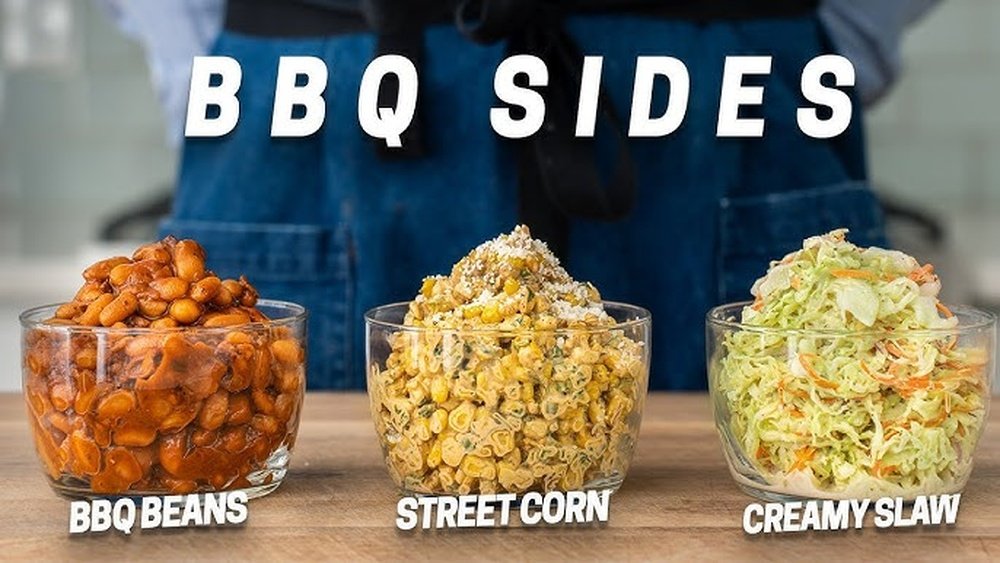
Classic rib sides include:
- Coleslaw (creamy or vinegar-based)
- Baked beans
- Potato salad
- Cornbread or rolls
- Pickles and onions
Garnishes
A sprinkle of chopped parsley or green onion adds color. Lemon wedges or pickled jalapeños give a pop of brightness.
Plating
Arrange ribs in a fanned-out stack or pile, sauce on the side. For parties, cut ribs into singles or doubles for easy grabbing.
Non-obvious insight: Serve ribs with a small bowl of apple cider vinegar or pickle brine. Guests can dip for added tang and cut through the richness.
Nutrition, Health, And Dietary Tips
Smoked Ribs Are Rich And Flavorful, But What About Nutrition?
Basic Nutrition Facts (per 4 Oz Serving, Pork Ribs)
- Calories: 320–350
- Protein: 19g
- Fat: 28g (varies by cut)
- Carbohydrates: 3–8g (mostly from rub and sauce)
- Sodium: 400–700mg (rub and sauce dependent)
Healthier Rib Tips
- Trim visible fat before cooking.
- Use less sugar in rubs and sauces.
- Serve with plenty of vegetable sides.
- Consider leaner cuts like baby backs.
Expert note: Smoking adds flavor without extra calories from frying or heavy breading.
Advanced Tips For Pitmaster-quality Ribs
Want to take your ribs to the next level? Here are strategies even seasoned cooks sometimes overlook:
The “dry Brine” Method
Sprinkle ribs with salt (about 1/2 teaspoon per pound) and refrigerate uncovered for 1–2 hours before applying the rub. This helps meat retain moisture and seasons more deeply.
Resting In A Faux Cambro
If you’re not ready to serve, wrap finished ribs in foil and place them in a small cooler lined with towels. They’ll stay hot for up to 4 hours without drying out.
The “bend Test”
Lift the rack from one end with tongs. If the meat cracks on top but doesn’t break apart, they’re ready. Overcooked ribs will fall apart; undercooked will stay stiff.
Smoke Ring
A pink smoke ring just below the surface is a sign of proper smoking. It forms when nitrogen dioxide in smoke reacts with myoglobin in the meat. It’s not required for good flavor, but it looks great.
Experiment With Spritzes
Try different liquids for spritzing: apple juice, cider vinegar, beer, or even cola. Each adds a unique flavor.
Insider insight: Don’t be afraid to adjust the process. Weather, altitude, and smoker type all affect cooking—trust your senses, not just the clock.
Smoked Ribs Around The World
While American barbecue is famous, smoked ribs appear in many cultures.
- China: Cantonese spare ribs, smoked over tea leaves and wood, glazed with hoisin or honey.
- Korea: Galbi, beef short ribs marinated and grilled, often with wood smoke.
- Jamaica: Jerk pork ribs, marinated with allspice, smoked over pimento wood.
Each version brings new spices and smoking techniques, showing how universal the love for ribs is.
For more on barbecue traditions worldwide, check the Barbecue Wikipedia page.
Cleaning Up: Caring For Your Smoker
After enjoying a great meal, proper cleanup keeps your equipment in top shape.
Cleaning Steps
- Allow the smoker to cool fully.
- Remove and discard used foil, wood, and ash.
- Scrape grates with a grill brush.
- Wash grates in warm, soapy water.
- Empty and rinse the water pan.
- Wipe down the exterior.
Maintenance Tips
- Check for rust and touch up with grill-safe paint as needed.
- Oil the grates before each cook to prevent sticking.
- Store your smoker covered and dry.
Advanced tip: Once a year, do a deep clean—remove all parts and scrub to bare metal. This prevents buildup and keeps flavors pure.
Frequently Asked Questions
What’s The Best Way To Store Leftover Smoked Ribs?
Cool ribs quickly and wrap them in foil or airtight containers. Refrigerate for up to 4 days or freeze for 2–3 months. For reheating, wrap in foil and warm in a 250°F oven until hot. Add a splash of apple juice to keep them moist.
Why Do My Smoked Ribs Turn Out Tough?
Tough ribs are usually undercooked. Collagen needs time to break down at low heat. Make sure to smoke long enough (5–6 hours for spare ribs) and check for doneness with the bend test or a toothpick.
Can I Smoke Ribs On A Gas Grill?
Yes! Use a smoker box or foil pouch filled with wood chips. Place over one burner, set the ribs on the cool side, and keep the lid closed. Maintain 225–250°F and add more chips as needed for steady smoke.
Should I Wrap Ribs In Foil Or Butcher Paper?
Both work. Foil steams ribs faster and makes them very tender, but can soften the bark. Butcher paper lets ribs breathe and keeps the crust firmer. Try both and see which texture you prefer.
How Much Smoke Flavor Is Too Much?
A thin, steady smoke is best. If you see thick, white smoke, adjust your fire—it can cause bitterness. Generally, 2–3 hours of good smoke is enough; after that, ribs won’t absorb much more.
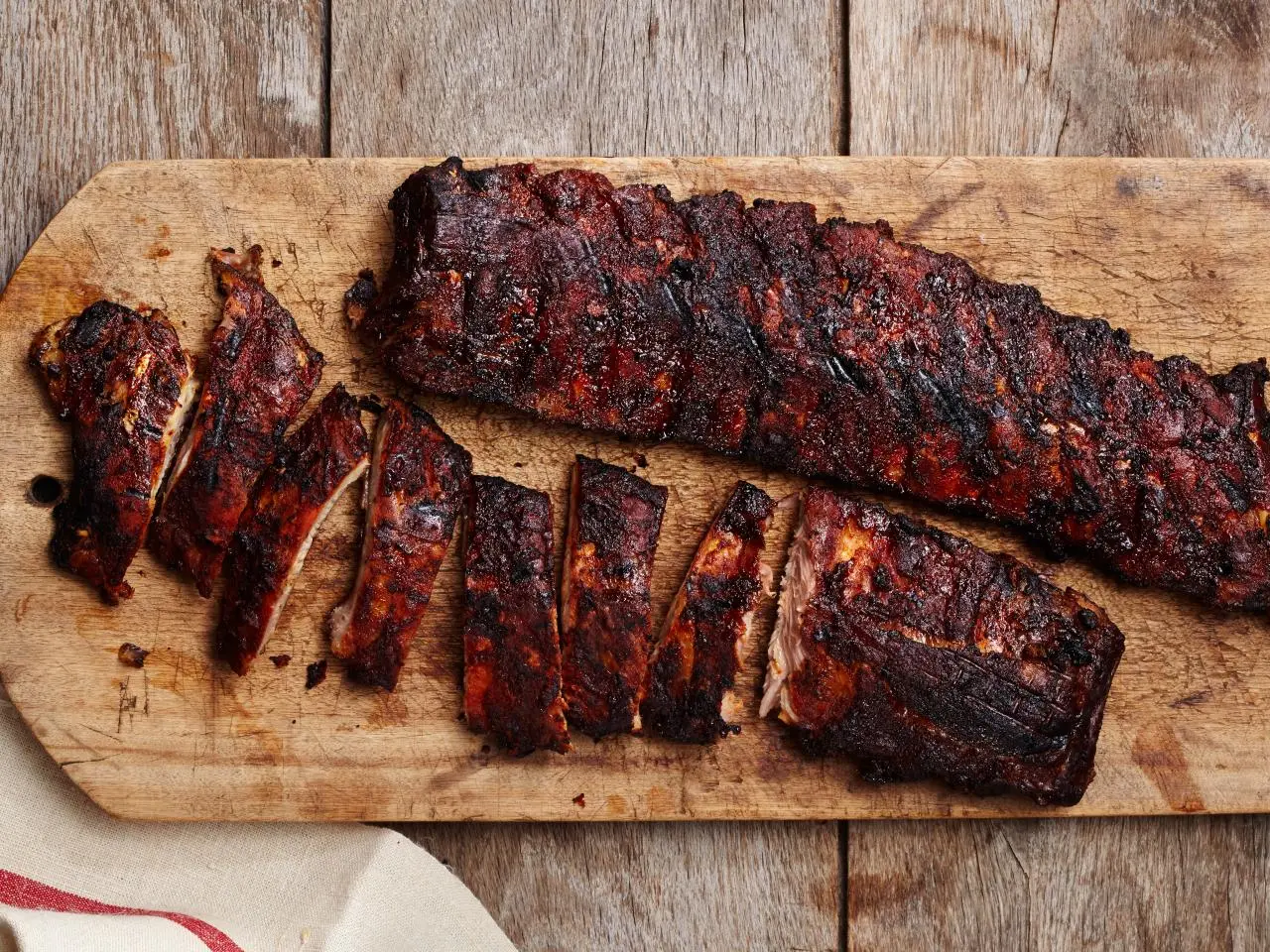
Credit: www.foodnetwork.com
Bringing It All Together
Great smoked ribs are more than just a meal—they’re an experience. From selecting the right rack to slicing and serving, each step is a chance to improve and personalize your barbecue. Along the way, you’ll discover that technique, patience, and small details make the biggest difference.
Try different woods, rubs, and sauces. Learn to trust your senses and adapt to your grill and environment.
Remember, even the best pitmasters keep learning. If your first batch isn’t perfect, keep experimenting. Every cookout is a chance to get better and share something special with family and friends. Fire up your smoker, take your time, and enjoy the process.
With practice and these tips, you’ll soon be making smoked ribs that people remember—and request again and again.