Beginner Recipes: Easy Dishes Anyone Can Cook Tonight
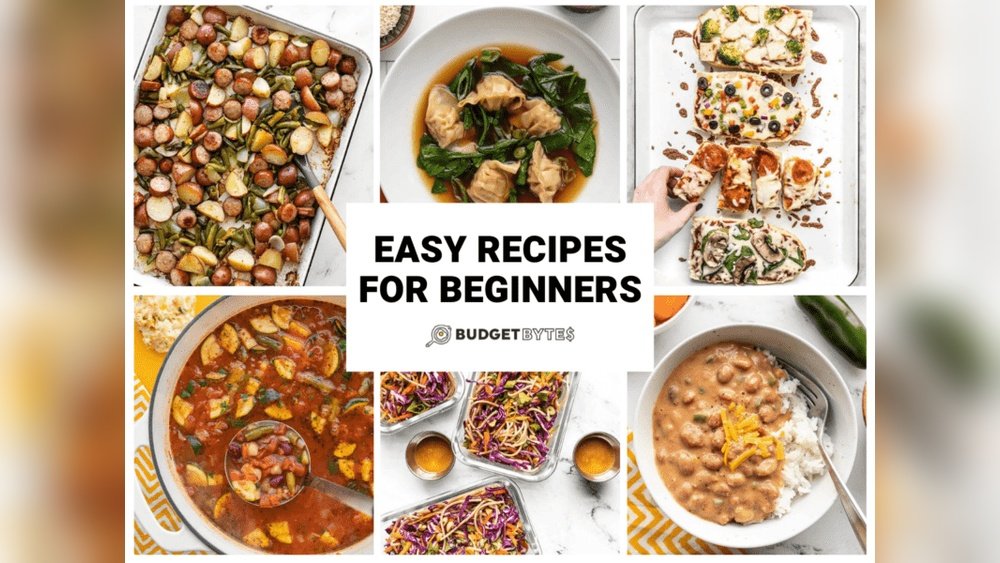
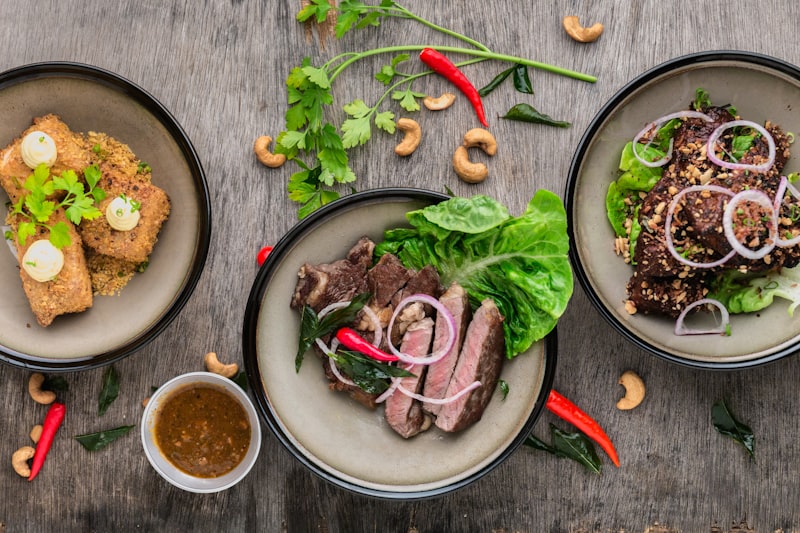
Cooking for the first time can feel overwhelming. The kitchen has many tools, ingredients, and techniques. But starting with beginner recipes makes it easier, more fun, and less stressful. You don’t need fancy equipment or special skills. You just need clear instructions, basic ingredients, and a willingness to try. This guide is designed for people who are new to cooking, want to make simple meals, or want to build confidence in the kitchen. You’ll learn practical recipes, helpful tips, and common mistakes to avoid.
Why Beginner Recipes Matter
Learning to cook at home has many benefits. You save money, eat healthier, and enjoy more control over your food. According to a 2026 survey by the Food Marketing Institute, 68% of Americans cook dinner at home at least five times per week. Cooking helps you understand what’s in your food and allows you to adjust flavors and portion sizes.
Beginner recipes focus on simplicity. They use common ingredients like eggs, rice, chicken, and vegetables. The steps are easy to follow and usually don’t take much time. These recipes teach basic cooking skills, such as chopping, sautéing, boiling, and baking. If you master these skills, you can try more advanced dishes later.
Essential Kitchen Tools For Beginners
You do not need a full set of expensive gadgets to start cooking. A few basic tools are enough for most beginner recipes. Here’s a quick comparison:
| Tool | Use | Starter Option | Upgrade (Optional) |
|---|---|---|---|
| Chef’s Knife | Chopping, slicing | Basic stainless steel | High-carbon steel |
| Cutting Board | Safe surface for chopping | Plastic | Bamboo/wood |
| Frying Pan | Sauté, fry, scramble | Nonstick 10-inch | Ceramic-coated |
| Saucepan | Boil, simmer | 2-quart aluminum | Stainless steel |
| Measuring Cups/Spoons | Accurate ingredient amounts | Plastic set | Stainless steel set |
| Mixing Bowl | Combine ingredients | Plastic/metal | Glass |
Many beginners skip measuring tools or use a dull knife, which can cause mistakes and even accidents. Invest in a sharp knife and reliable measuring cups. This makes recipes easier and safer.
Staple Ingredients For Beginners
Most beginner recipes use easy-to-find ingredients. Stock your kitchen with these basics:
- Eggs: Good for breakfast, baking, and quick meals
- Rice: Versatile side or main dish
- Chicken breast: Simple protein, cooks fast
- Pasta: Many shapes, quick to cook
- Potatoes: Can be baked, mashed, or fried
- Tomato sauce: Base for pasta, pizza, and stews
- Onions and garlic: Add flavor to many dishes
- Frozen vegetables: Easy, healthy, less waste
- Milk, butter, cheese: For creamy recipes
- Salt, pepper, basic spices: Essential for taste
Beginners often forget to check their pantry before shopping. Always look at what you already have to avoid buying too much.
Basic Cooking Skills You Need
Mastering a few basic skills will help you succeed with beginner recipes. Here are the most important ones:
- Chopping and slicing: Use a sharp knife and a stable cutting board. Learn how to cut onions, garlic, and vegetables safely.
- Boiling: Bring water to a boil for pasta, rice, or eggs. Know when to add salt and how to test doneness.
- Sautéing: Cook food quickly in a pan with a small amount of oil or butter. Stir often to prevent burning.
- Baking: Use an oven for recipes like potatoes, chicken, or muffins. Preheat the oven for best results.
- Measuring: Use cups and spoons for dry and liquid ingredients. Accurate measurements prevent mistakes.
A common mistake is skipping the preheating step in baking, which can ruin the texture of cakes or roasted vegetables.
10 Essential Beginner Recipes
Let’s dive into recipes that every beginner can try. Each recipe uses simple ingredients and clear steps. Cooking times are approximate and serve 2–4 people.
1. Scrambled Eggs
Ingredients:
- 4 eggs
- 2 tbsp milk
- 1 tbsp butter
- Salt and pepper
Instructions:
- Crack eggs into a bowl. Add milk, salt, and pepper.
- Beat well.
- Melt butter in a nonstick pan over medium heat.
- Pour eggs in. Stir gently until just cooked (about 3–5 minutes).
- Serve with toast.
Tip: Don’t overcook; eggs should be soft and creamy.
2. Simple Fried Rice
Ingredients:
- 2 cups cooked rice
- 1 cup frozen mixed vegetables
- 2 tbsp soy sauce
- 1 tbsp oil
- 1 egg (optional)
Instructions:
- Heat oil in a pan. Add vegetables, cook for 2–3 minutes.
- Push veggies to the side, crack egg in, scramble.
- Add rice and soy sauce. Stir well, cook for 4–5 minutes.
- Serve hot.
Tip: Use leftover rice for best texture.
3. Grilled Cheese Sandwich
Ingredients:
- 4 slices bread
- 2 tbsp butter
- 4 slices cheese
Instructions:
- Butter one side of each bread slice.
- Place cheese between unbuttered sides.
- Grill in a pan over medium heat, butter side down, until golden (about 2–3 minutes per side).
- Serve warm.
Tip: Try adding tomato slices for extra flavor.
4. One-pot Pasta
Ingredients:
- 8 oz pasta
- 2 cups water
- 1 cup tomato sauce
- 1 tsp salt
- 1/2 tsp pepper
- 2 tbsp grated cheese
Instructions:
- Combine pasta, water, and tomato sauce in a saucepan.
- Bring to a boil, stir often.
- Reduce heat, cook until pasta is tender (about 10–12 minutes).
- Stir in salt, pepper, cheese. Serve.
Tip: Add chopped vegetables or cooked chicken for variety.
5. Oven-baked Chicken Breast
Ingredients:
- 2 chicken breasts
- 2 tbsp olive oil
- 1 tsp salt
- 1/2 tsp pepper
- 1 tsp paprika
Instructions:
- Preheat oven to 400°F (200°C).
- Rub chicken with oil and spices.
- Place on a baking sheet.
- Bake for 20–25 minutes.
- Let rest 5 minutes, then slice and serve.
Tip: Use a meat thermometer for safety (internal temp 165°F).
6. Roasted Potatoes
Ingredients:
- 4 medium potatoes
- 2 tbsp oil
- 1 tsp salt
- 1/2 tsp pepper
- 1 tsp dried herbs (optional)
Instructions:
- Preheat oven to 425°F (220°C).
- Cut potatoes into cubes.
- Toss with oil, salt, pepper, herbs.
- Spread on baking sheet.
- Roast for 25–30 minutes, stirring halfway.
Tip: Don’t overcrowd the pan for crispier potatoes.
7. Vegetable Stir-fry
Ingredients:
- 2 cups mixed vegetables (fresh or frozen)
- 1 tbsp oil
- 2 tbsp soy sauce
- 1 tsp garlic (minced)
Instructions:
- Heat oil in a pan.
- Add garlic and veggies, stir-fry for 5–7 minutes.
- Add soy sauce, cook 2 more minutes.
- Serve with rice or noodles.
Tip: Prep all vegetables before cooking for faster results.
8. Basic Pancakes
Ingredients:
- 1 cup flour
- 1 cup milk
- 1 egg
- 2 tbsp sugar
- 1 tsp baking powder
- 2 tbsp butter
Instructions:
- Mix flour, sugar, and baking powder.
- Add milk and egg, mix until smooth.
- Melt butter in a pan.
- Pour batter, cook until bubbles form, flip, cook 1–2 minutes.
- Serve with syrup or fruit.
Tip: Don’t overmix; lumps are okay.
9. Easy Tomato Soup
Ingredients:
- 1 can (14 oz) crushed tomatoes
- 1 cup water
- 1/2 cup milk
- 1 tbsp butter
- 1/2 tsp salt
- 1/4 tsp pepper
Instructions:
- Combine tomatoes, water, butter in saucepan.
- Bring to a boil, then simmer 10 minutes.
- Stir in milk, salt, pepper.
- Serve warm.
Tip: Add basil or cream for richer flavor.
10. Simple Salad
Ingredients:
- 4 cups lettuce or mixed greens
- 1 tomato, chopped
- 1/2 cucumber, sliced
- 1/4 cup shredded cheese
- 2 tbsp dressing
Instructions:
- Combine greens, tomato, cucumber in bowl.
- Add cheese and dressing.
- Toss and serve.
Tip: Try adding nuts or grilled chicken for protein.
Common Mistakes Beginners Make
Learning to cook is about trial and error. Here are mistakes to avoid:
- Skipping prep: Not washing, chopping, or measuring before starting causes stress.
- Overcrowding the pan: Food steams instead of browns.
- Cooking on high heat: Burns food quickly. Medium heat is safer.
- Not tasting: Adjust seasoning as you cook.
- Using dull knives: Makes cutting harder and less safe.
- Ignoring recipe steps: Missing instructions can change the outcome.
Many beginners underestimate the importance of prep work. Always read the recipe fully before starting.
How To Build Cooking Confidence
Confidence grows as you practice. Here are ways to build it:
- Start small: Choose recipes with few ingredients.
- Repeat recipes: Cook the same dish several times to improve.
- Ask for feedback: Share your food with family or friends.
- Watch videos: Visual guides help understand steps.
- Keep notes: Write down what worked or failed.
A non-obvious tip is to cook recipes you already love. Familiar flavors make learning easier and more enjoyable.
Healthy Beginner Recipes
Many beginner recipes can be made healthier with small changes. Here are some ideas:
- Use olive oil instead of butter for sautéing.
- Choose whole grain pasta and bread.
- Add more vegetables to stir-fries, soups, and salads.
- Bake instead of fry to reduce fat.
- Watch salt: Use herbs and spices for flavor.
According to the Centers for Disease Control and Prevention, adults should eat at least 1.5–2 cups of fruit and 2–3 cups of vegetables per day. Add extra veggies to recipes to meet this goal.
Quick Meals For Busy Beginners
If you are short on time, these meals can be made in under 20 minutes:
- Egg salad sandwich
- Microwave scrambled eggs
- Instant oatmeal with fruit
- Tuna pasta salad
- Chicken quesadilla
Use pre-cut vegetables and rotisserie chicken for faster prep. Another overlooked tip is to cook larger batches and store leftovers for future meals.
Vegetarian Beginner Recipes
Vegetarian cooking is easy and budget-friendly. Try these simple ideas:
- Vegetable omelet: Eggs, peppers, onions, spinach
- Bean chili: Canned beans, tomato sauce, spices
- Caprese salad: Tomato, mozzarella, basil, olive oil
- Vegetable curry: Mixed veggies, coconut milk, curry powder
- Stir-fried tofu: Tofu, soy sauce, vegetables
Many beginners think vegetarian meals lack protein. Beans, lentils, eggs, and tofu are excellent sources.

Credit: thekittchen.com
Meal Planning For Beginners
Meal planning saves time and money. Here’s a basic example for a week:
| Day | Breakfast | Lunch | Dinner |
|---|---|---|---|
| Monday | Scrambled eggs | Tomato soup | Chicken breast & rice |
| Tuesday | Pancakes | Salad | Vegetable stir-fry |
| Wednesday | Oatmeal | Grilled cheese | Roasted potatoes & chicken |
| Thursday | Egg sandwich | Bean chili | One-pot pasta |
| Friday | Fruit smoothie | Tuna pasta salad | Vegetable curry |
| Saturday | Pancakes | Caprese salad | Stir-fried tofu & rice |
| Sunday | Scrambled eggs | Salad | Chicken quesadilla |
Plan meals around ingredients that can be used in multiple dishes. For example, use eggs for breakfast and dinner, or rice for stir-fry and side dishes.
Budget-friendly Cooking Tips
Cooking at home doesn’t have to be expensive. Here are ways to save money:
- Buy in bulk: Rice, pasta, beans, and frozen vegetables are cheaper in larger packages.
- Choose store brands: Often just as good as name brands.
- Plan meals: Avoid food waste by using leftovers.
- Cook in batches: Freeze portions for later.
- Shop seasonal: Fresh produce is cheaper and better quality.
Many beginners overlook store brands, but they can reduce grocery bills by 20–30%.
How To Read A Recipe
Understanding recipes is important for success. Look for these parts:
- Ingredients list: Make sure you have everything.
- Step-by-step instructions: Follow in order.
- Cooking time and temperature: Don’t guess.
- Serving size: Helps with portion control.
- Tips or variations: Try if you feel confident.
A non-obvious insight: Always check for hidden steps (like marinating or preheating) before starting.
Foods To Avoid As A Beginner
Some recipes are tricky for beginners. Avoid these until you gain more experience:
- Soufflé: Needs precise timing and technique
- Bread baking: Requires kneading, rising, and special ovens
- Deep frying: Can be dangerous and messy
- Complex sauces: Like hollandaise or béchamel
Start with simple recipes to build skill before trying advanced dishes.
Cooking For One Or Two People
Many beginner recipes serve four or more, but you can adjust easily:
- Halve the ingredients for two servings.
- Store leftovers in the fridge for up to 3 days.
- Freeze portions for future meals.
A common mistake is cooking too much and wasting food. Use measuring cups and plan ahead.
Safety Tips For Beginners
Safety is very important in the kitchen. Follow these rules:
- Wash hands before cooking.
- Clean surfaces and tools after use.
- Use oven mitts for hot pans.
- Keep knives sharp and store safely.
- Check expiration dates on ingredients.
Never use the same cutting board for raw meat and vegetables. This prevents foodborne illness.
Baking Basics For Beginners
Baking is a popular starting point for many. Try these simple ideas:
- Muffins: Mix flour, eggs, sugar, baking powder, milk. Bake at 350°F for 20 minutes.
- Cookies: Combine butter, sugar, flour, egg, chocolate chips. Bake at 375°F for 10–12 minutes.
- Banana bread: Mix mashed bananas, flour, eggs, sugar, baking soda. Bake at 350°F for 50–60 minutes.
Always preheat the oven and measure ingredients carefully. Many beginners skip measuring and end up with dry or dense baked goods.
Cooking For Kids
If you’re cooking for children, choose recipes that are simple, nutritious, and fun:
- Mini pizzas: Use bread or English muffins, tomato sauce, cheese, and toppings.
- Fruit smoothies: Blend fruit, yogurt, and milk.
- Homemade chicken nuggets: Coat chicken pieces in breadcrumbs, bake at 400°F for 15 minutes.
- Vegetable sticks: Serve with dip.
Kids enjoy helping with measuring, stirring, and decorating. This builds their interest in cooking and healthy eating.
Easy Desserts For Beginners
Try these simple desserts:
- Fruit salad: Mix chopped apples, bananas, grapes, oranges.
- Chocolate mug cake: Mix flour, sugar, cocoa, egg, milk in a mug. Microwave for 1–2 minutes.
- Yogurt parfait: Layer yogurt, fruit, granola in a glass.
- Rice pudding: Cook rice with milk, sugar, vanilla until creamy.
Desserts are a good way to practice measuring and mixing.
How To Make Recipes Your Own
Once you get comfortable, personalize recipes:
- Change spices for different flavors.
- Add vegetables or proteins.
- Swap ingredients: Use almond milk instead of dairy, or gluten-free pasta.
- Adjust portion sizes.
Experimenting is how you learn what you like. Keep notes on changes and results.
:max_bytes(150000):strip_icc()/Simply-Recipes-Unstuffed-Peppers-LEAD-4-eaeaba3e3e914f428b747104600624b5.jpg)
Credit: www.simplyrecipes.com
Beginner Recipes Around The World
International recipes can be easy, too. Try these global dishes:
- Mexican quesadilla: Tortilla, cheese, beans, cooked in a pan.
- Italian bruschetta: Toasted bread, tomatoes, basil, olive oil.
- Japanese miso soup: Miso paste, tofu, seaweed, green onion, boiled in water.
- Indian dal: Lentils, spices, cooked in water.
- Chinese stir-fry: Vegetables, soy sauce, ginger, garlic, cooked in oil.
International recipes teach new flavors and skills. Many are just as simple as local dishes.
How To Store Leftovers
Proper storage keeps food safe and fresh:
- Use airtight containers for cooked food.
- Refrigerate within 2 hours of cooking.
- Label and date containers.
- Freeze portions you won’t eat soon.
Don’t leave food out overnight. This can cause bacteria to grow.
Cooking For Special Diets
Beginner recipes can be adjusted for special diets:
- Gluten-free: Use rice, potatoes, gluten-free pasta.
- Dairy-free: Substitute almond or soy milk, vegan cheese.
- Low-carb: Use more vegetables, less bread/pasta.
- Vegan: Skip animal products, use beans, tofu, nuts.
Always read labels and check for hidden ingredients.
How To Clean Up After Cooking
Cleaning is part of cooking. Here’s a good routine:
- Wash dishes as you go.
- Wipe counters and stove.
- Clean cutting boards and knives.
- Empty trash if needed.
- Store leftovers properly.
A clean kitchen is safer and more inviting.
Cooking As A Social Activity
Cooking can be fun with friends or family. Try these ideas:
- Cook together: Divide tasks, share recipes.
- Host a meal: Invite people to taste your food.
- Join a cooking class: Local classes or online videos.
Cooking socially builds skills and confidence.
How To Find More Beginner Recipes
You can find thousands of beginner recipes online, in books, and on cooking apps. Look for recipes with:
- Simple ingredients
- Clear instructions
- Short prep times
One reliable site for recipes and cooking tips is Allrecipes.
How To Use Images And Videos
Images help you see what a recipe should look like. Videos guide you through steps. Here’s an example:

Look for step-by-step photos or short videos. This makes learning easier, especially for visual learners.
Tracking Your Progress
Keep a cooking journal. Write down:
- What you cooked
- What worked well
- What was difficult
- Changes you tried
Tracking progress helps you see improvement and remember favorite recipes.
Comparing Beginner Recipes By Prep Time
Some recipes are faster than others. Here’s a quick comparison:
| Recipe | Prep Time | Cook Time | Total Time |
|---|---|---|---|
| Scrambled eggs | 2 min | 3 min | 5 min |
| Grilled cheese | 3 min | 6 min | 9 min |
| One-pot pasta | 5 min | 12 min | 17 min |
| Oven chicken | 5 min | 25 min | 30 min |
| Roasted potatoes | 5 min | 30 min | 35 min |
Choose recipes based on your available time. Quick meals are great for busy days.
Getting Kids Involved In Cooking
Kids can help with beginner recipes. Let them:
- Wash vegetables
- Measure ingredients
- Mix batter
- Set the table
This teaches basic skills and builds confidence. Supervise closely to keep them safe.
Credit: thehealthyepicurean.com
Cooking With Limited Equipment
If you don’t have a full kitchen, use:
- Microwave: Scrambled eggs, oatmeal, mug cakes
- Rice cooker: Cook rice, steam vegetables
- Toaster oven: Bake small batches, toast bread
- Slow cooker: Make soups, stews
Many recipes can be adapted for simple equipment. Look for one-pot or one-pan dishes.

Frequently Asked Questions
What Is The Easiest Recipe For Absolute Beginners?
Scrambled eggs are one of the easiest recipes. They require only eggs, milk, butter, salt, and pepper. The steps are simple, and cooking takes less than 5 minutes.
How Can I Avoid Burning Food?
Use medium heat instead of high. Stir food often and don’t leave the kitchen while cooking. Read the recipe carefully for timing, and use timers if needed.
What Are Common Substitutions For Missing Ingredients?
You can substitute milk with water or plant milk, butter with oil, or bread with tortillas. For eggs, use applesauce or mashed banana in baking.
How Can I Make My Recipes Healthier?
Add more vegetables, use whole grains, and reduce salt and sugar. Bake instead of fry, and use olive oil or avocado oil instead of butter.
Where Can I Find Reliable Beginner Recipes Online?
Allrecipes is a trusted site with thousands of easy recipes. You can filter by skill level, ingredient, and cooking time.
—
Cooking for the first time is an adventure. Beginner recipes make it simple to start, learn, and enjoy home-cooked meals. With clear instructions, basic tools, and a little practice, anyone can cook delicious food. Use the tips and recipes in this guide to build your skills and confidence.
Remember, every cook starts as a beginner—so give yourself time to grow, experiment, and have fun in the kitchen.