Rotisserie Kits: Upgrade Your Grilling Game Effortlessly
Rotisserie Kits: The Complete Guide For Grilling Fans
Cooking food over open fire has always been special. The smell, the taste, and the fun of watching meat slowly turn and roast make grilling exciting. For many backyard cooks, a rotisserie kit is the secret to juicy chicken, tender roast beef, and perfect pork. But what exactly is a rotisserie kit? Why do so many grill fans love it? And how do you choose the right kit for your grill and cooking style? This guide will help you understand rotisserie kits, compare options, and show you how to get the best results—whether you are new to grilling or a seasoned backyard chef.
What Is A Rotisserie Kit?
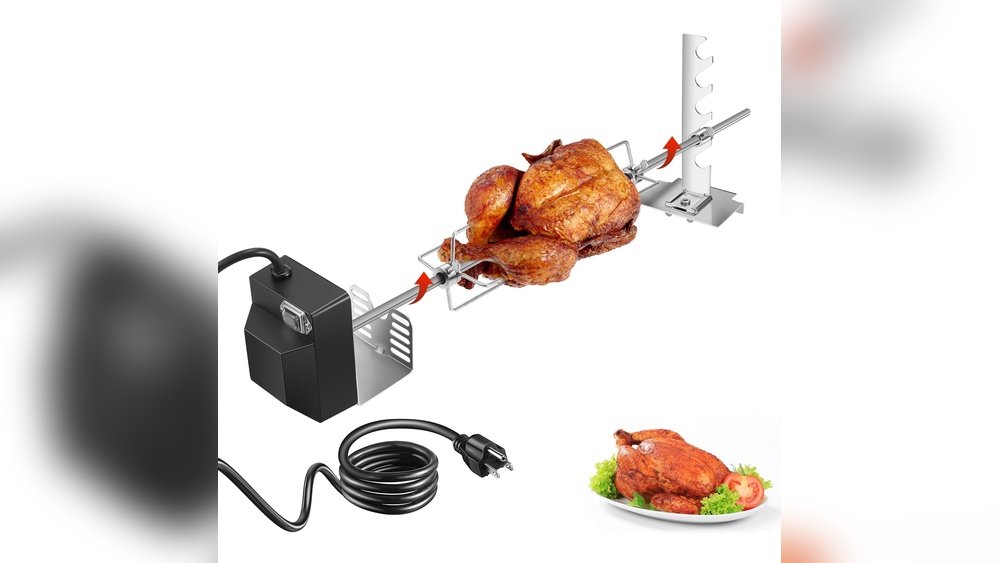
A rotisserie kit is a set of tools that lets you cook food by slowly turning it over a heat source. The turning motion keeps meat moist and cooks it evenly. Most kits include a spit rod, motor, forks, and brackets. Some kits are designed for gas grills, others for charcoal, and some for ovens.
The main parts of a rotisserie kit are:
- Spit rod: A long metal rod that holds the food.
- Motor: Turns the spit rod automatically, so you don’t have to turn it by hand.
- Forks: Hold the food in place and keep it from slipping.
- Brackets: Attach the kit to your grill or oven.
Rotisserie cooking is popular for whole chickens, large cuts of beef, pork, lamb, and even vegetables. The slow, steady turning creates a crisp outside and juicy inside. For many grill fans, it’s the best way to cook large pieces of meat.
History And Popularity Of Rotisserie Cooking
Rotisserie cooking goes back hundreds of years. In the Middle Ages, cooks used hand-turned spits to roast meat over open fires. Later, mechanical devices called “clock jacks” helped turn the spit. Today, electric rotisserie motors make the process easy and reliable.
Rotisserie cooking is popular in many countries:
- In France, rotisserie chicken is sold on street corners and markets.
- In Brazil, the churrasco style uses large rotisseries for beef and pork.
- In the US, backyard grills and ovens are often equipped with rotisserie kits.
Data from grill makers shows that sales of rotisserie kits grew by 15% in the past five years. Many grill owners now see rotisserie as a must-have feature for their outdoor setup.

Credit: kamagear.com
Types Of Rotisserie Kits
Choosing a rotisserie kit starts with knowing the main types. Each type suits different grills and cooking needs.
Gas Grill Rotisserie Kits
These kits are made for gas grills. They usually include a special bracket to mount the motor and spit rod. Many gas grills already have holes or slots for rotisserie kits.
Gas grill kits offer:
- Simple installation
- Reliable motor operation
- Consistent cooking heat
Gas grill rotisserie kits are best for chicken, turkey, beef, and pork. They cook food evenly and are easy to use.
Charcoal Grill Rotisserie Kits
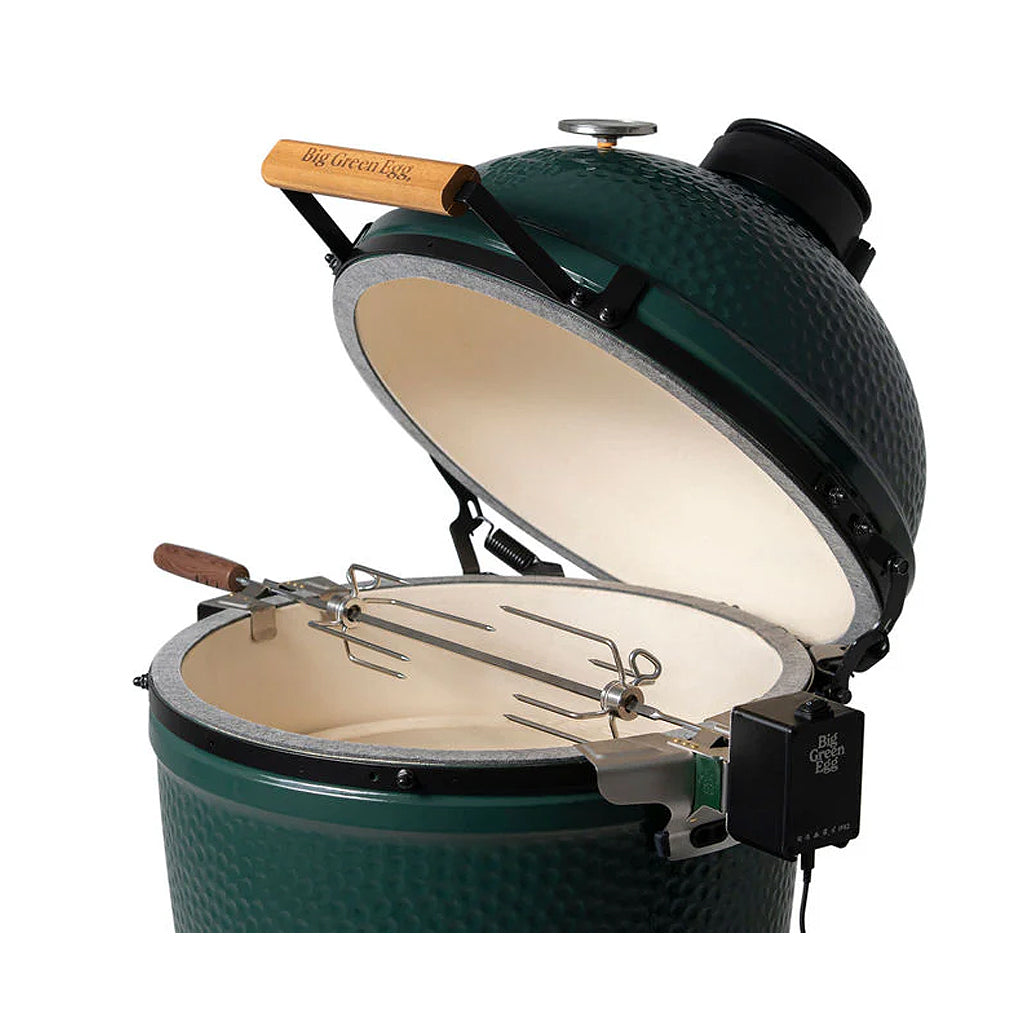
Charcoal grill kits are designed for round or kettle grills. These kits often include a ring that fits on top of the grill, raising the lid and giving extra space for the turning spit.
Charcoal kits provide:
- Smoky, rich flavor
- Adjustable heat by moving coals
- Flexibility for different foods
Charcoal rotisserie kits are favored by grill fans who want deep flavor and enjoy managing the fire.
Oven Rotisserie Kits
Some home ovens have built-in rotisserie features. For ovens without this, you can buy a rotisserie kit designed for indoor use. These kits may include a spit, forks, and a small motor.
Oven kits are good for:
- Year-round cooking
- Small kitchens
- Quick setup
Oven rotisserie kits are best for smaller meats, like chicken, Cornish hens, or small roasts.
Universal Rotisserie Kits
Universal kits are made to fit many grill types and sizes. They often include adjustable brackets and multiple forks. If you have a unique grill shape or want flexibility, a universal kit is a smart choice.
Universal kits offer:
- Wide compatibility
- Easy adjustment
- Multiple cooking options
These kits are ideal for grillers who want to try rotisserie cooking on different setups.
Main Features To Look For In A Rotisserie Kit
Buying a rotisserie kit is not just about picking any set. There are key features that matter for performance, safety, and long-term use.
Motor Strength And Reliability
The motor is the heart of a rotisserie kit. It turns the spit rod and keeps your food moving. Motors are rated by wattage and maximum weight capacity. A weak motor can stall, leading to uneven cooking or food falling off.
- Look for motors that can turn at least 20 pounds of meat.
- Choose motors with at least 4–6 watts for home use.
- Stainless steel motors resist rust and last longer.
Some kits use battery-powered motors, which are handy for camping or tailgating, but may be less powerful.
Spit Rod Length And Material
The spit rod should be long enough to fit your grill and strong enough for heavy food.
- Common lengths: 37–47 inches for most grills.
- Materials: Stainless steel is best for strength and rust resistance.
A thicker rod is better for large cuts, while thinner rods suit smaller foods.
Forks And Spit Attachments
Forks hold the food in place. Good kits have heavy-duty forks with sharp tines. Some forks are adjustable for different food sizes.
- Double forks are best for large roasts or birds.
- Extra forks can hold vegetables or multiple meats.
Non-obvious tip: Look for kits with counterweight attachments. These help balance uneven loads, making motor operation smoother.
Mounting Hardware And Compatibility
The right mounting hardware makes installation easy. Kits should include clear instructions and all parts needed. Universal kits often have adjustable brackets.
- Make sure the kit fits your grill model.
- Check for compatibility with lid and clearance space.
Some grill lids do not close fully with a rotisserie installed. Measure before buying.
Safety And Heat Resistance
Rotisserie kits get hot. Choose kits with heat-resistant handles and materials. Stainless steel and coated parts withstand high temperatures.
- Insulated handles prevent burns.
- Motors with cooling vents last longer.
Look for UL or CE safety marks on motors for extra peace of mind.
How To Install A Rotisserie Kit
Installing a rotisserie kit is simple if you follow the steps. Here is a practical guide for gas and charcoal grills.
Step-by-step Gas Grill Installation
- Check your grill: Look for rotisserie mounting holes or slots near the grill lid.
- Attach brackets: Use the included hardware to mount the motor bracket and support bracket.
- Insert spit rod: Slide the spit rod through the food, attach forks, and lock them in place.
- Mount spit: Place the spit rod on the brackets, making sure it balances evenly.
- Connect motor: Attach the motor, plug it in, and check that the spit rotates smoothly.
- Close lid: If your grill lid closes fully, you are ready to cook. If not, leave it slightly open.
Step-by-step Charcoal Grill Installation
- Add rotisserie ring: Fit the ring on top of the grill base to create space for the spit.
- Mount brackets: Attach motor and spit supports to the ring.
- Prepare spit rod: Skewer the food, attach forks, and lock them.
- Balance the spit: Adjust counterweight for even turning.
- Connect motor: Attach motor and check rotation.
- Arrange coals: Place coals on sides for indirect heat.
Non-obvious tip: For charcoal grills, keep the spit rod centered and away from direct flames. This avoids burning and keeps meat juicy.
Common Installation Mistakes
- Not balancing the spit rod: Causes uneven turning and motor strain.
- Using wrong mounting hardware: Leads to loose parts or unsafe setup.
- Overloading motor: Check weight limit before cooking large meats.
Always read instructions before installing and never force parts to fit.
Rotisserie Kit Comparison Table
Here is a comparison of three popular rotisserie kits for backyard grills:
| Kit Name | Motor Power | Spit Rod Length | Max Weight | Price | Best For |
|---|---|---|---|---|---|
| Weber 2290 | 6 watts | 37 inches | 20 lbs | $85 | Gas and charcoal grills |
| OneGrill Universal | 8 watts | 45 inches | 50 lbs | $110 | Large grills, heavy meats |
| BBQ Dragon Battery | Battery | 40 inches | 12 lbs | $60 | Portable, camping |
This table helps you see main differences in power, size, and price. Always match the kit to your grill and cooking needs.
Benefits Of Using A Rotisserie Kit
Rotisserie kits offer many advantages over standard grilling.
Even Cooking
The turning motion ensures all sides of the food get the same heat. This prevents dry spots and burnt areas.
Juicier Meat
Rotisserie cooking locks in juices. The meat bastes itself as it turns, making it moist and flavorful.
Crisp Skin
Chicken and pork get a crispy, golden skin without burning. The slow rotation helps render fat evenly.
Hands-free Cooking
With the motor turning the spit, you can relax. No need to flip or check food constantly.
Versatility
You can cook:
- Whole chickens
- Turkeys
- Roast beef
- Pork loin
- Lamb leg
- Vegetables
Rotisserie kits let you try new recipes and impress guests.
Healthier Meals
Fat drips away from meat as it turns. This means less greasy food and fewer calories.
Non-obvious insight: Rotisserie cooking is great for tough cuts of meat. The slow heat tenderizes and breaks down fibers, making even cheaper cuts delicious.
Popular Foods For Rotisserie Cooking
Rotisserie kits are famous for chicken, but they can cook many foods.
Chicken
Whole chicken is the classic rotisserie meal. It cooks evenly and gets crispy skin. Most rotisserie motors can handle one or two chickens at a time.
Turkey
Small turkeys (10–14 lbs) fit most home rotisserie kits. Perfect for holidays when you want juicy, flavorful turkey.
Beef
Cuts like prime rib, roast beef, and brisket taste amazing on the rotisserie. The even cooking keeps meat tender.
Pork
Pork loin, shoulder, and ribs turn out juicy and flavorful. Rotisserie cooking melts fat and gives a crisp finish.
Lamb
Leg of lamb is a popular choice. The rotation helps cook the thick meat evenly.
Vegetables
Large vegetables like eggplant, bell peppers, and onions can be skewered and cooked on a rotisserie. They get smoky flavor and soft texture.
Creative Recipes
Some grill fans cook fish, tofu, or even dessert items like pineapple on the rotisserie. Experimenting brings new flavors and fun.
How To Use A Rotisserie Kit: Practical Steps
Using a rotisserie kit is easy if you follow these steps.
1. Prep The Meat
- Clean and dry the meat.
- Season with salt, pepper, and herbs.
- Tie with kitchen twine for even shape (especially chicken and turkey).
2. Skewer The Meat
- Slide the spit rod through the center of the meat.
- Attach forks and tighten them to hold the meat firmly.
3. Balance The Spit
- Use a counterweight if available.
- Make sure the meat spins evenly and does not wobble.
4. Heat The Grill
- For gas grills: Preheat to 350–400°F.
- For charcoal grills: Arrange coals for indirect heat.
5. Start Rotisserie
- Mount spit rod and connect motor.
- Close grill lid (or leave slightly open if needed).
- Check the rotation for smooth turning.
6. Monitor Cooking
- Check internal temperature with a meat thermometer.
- Baste meat every 30–45 minutes for extra flavor.
7. Finish And Rest
- Remove spit rod and forks safely.
- Let meat rest for 10–15 minutes before slicing.
Non-obvious tip: For extra crisp skin, finish chicken or pork with high heat for last 10 minutes.
Rotisserie Kit Maintenance And Cleaning
Taking care of your rotisserie kit keeps it working for years.
Cleaning Steps
- Remove spit rod and forks after cooking.
- Wash with hot soapy water.
- Scrub off grease and burned bits.
- Dry thoroughly to prevent rust.
Motors should never be washed. Use a damp cloth to clean the exterior.
Maintenance Tips
- Oil spit rod and forks lightly to prevent rust.
- Store in a dry place.
- Check motor cord and plug for damage.
- Lubricate motor bearings if needed (follow instructions).
Non-obvious insight: Clean forks and spit immediately after cooking. Dried grease is much harder to remove.
Rotisserie Kit Safety Tips
Rotisserie cooking involves heat and moving parts. Safety is important.
- Always use heat-resistant gloves when handling spit rod.
- Keep children away from the grill during rotisserie operation.
- Don’t overload the motor—check weight limits.
- Make sure spit rod is locked securely in brackets.
- Let the spit rod cool before cleaning.
- Never leave the motor running unattended.
Motors should be plugged into a GFCI outlet for safety. If using battery-powered motors, check battery life before starting.
Rotisserie Kit Accessories
Many kits come with extra tools to improve your cooking experience.
Popular Accessories
- Baskets: Hold smaller foods like vegetables or fish.
- Counterweights: Balance uneven loads.
- Additional forks: For cooking multiple pieces.
- Heat shields: Protect motor from grill heat.
- Thermometers: Monitor internal meat temperature.
Non-obvious tip: Some baskets rotate with the spit rod, letting you cook fries, shrimp, or small snacks.

Credit: rotoq360.com
How To Choose The Right Rotisserie Kit
Choosing the right kit depends on your grill, cooking style, and budget.
Grill Size And Shape
Measure your grill before buying. The spit rod must fit across the cooking area. Universal kits work for many grill shapes, but check for lid clearance.
Motor Power
Pick a motor that matches your cooking needs. For large meats, choose higher wattage and weight capacity.
Material Quality
Stainless steel is best for long-term use. Avoid kits with plastic parts near the heat.
Accessories
Look for kits with extra forks, baskets, and counterweights. These add flexibility.
Price
Rotisserie kits range from $50 to $200. Higher-priced kits usually have stronger motors and better materials.
Non-obvious insight: Kits with adjustable brackets are easier to install and fit more grill types.
Warranty And Support
Choose kits with at least one-year warranty. Good customer support makes installation and troubleshooting easier.
Rotisserie Kit Buying Mistakes To Avoid
Even experienced grillers make mistakes when buying rotisserie kits.
- Buying a kit that doesn’t fit your grill: Always check measurements.
- Choosing a weak motor: Leads to uneven cooking and motor failure.
- Picking low-quality materials: Causes rust and breaks quickly.
- Ignoring accessories: Limits cooking options.
- Not reading reviews: Misses real-world user feedback.
Avoid these errors by planning ahead and researching.
Rotisserie Kit Performance Data Table
Here’s performance data for three rotisserie kits based on user reviews:
| Kit Name | Ease of Installation | Motor Reliability | Food Quality | Durability | Overall Score |
|---|---|---|---|---|---|
| Weber 2290 | 8.5/10 | 8/10 | 9/10 | 8/10 | 8.5/10 |
| OneGrill Universal | 9/10 | 9/10 | 9.5/10 | 9/10 | 9.2/10 |
| BBQ Dragon Battery | 7/10 | 7/10 | 8/10 | 7.5/10 | 7.8/10 |
This data helps you compare real-world performance and reliability.
Rotisserie Cooking Tips And Tricks
Getting the best results from your rotisserie kit takes practice. Here are expert tips.
Use Kitchen Twine
Tie meat tightly so it cooks evenly and doesn’t flop around. Loose meat leads to uneven cooking.
Balance The Load
Always balance the spit rod. Use a counterweight or adjust forks. A balanced load keeps the motor running smoothly.
Baste Frequently
Basting adds flavor and keeps meat moist. Use a mix of oil, herbs, and spices. Baste every 30–45 minutes.
Monitor Temperature
Use a digital meat thermometer. Chicken should reach 165°F, beef roasts 135–145°F, pork 145°F.
Let Meat Rest
Resting meat after cooking keeps juices inside. Wait 10–15 minutes before slicing.
Experiment With Marinades
Marinades add flavor and tenderness. Try lemon, garlic, herbs, or spice mixes.
Try Vegetables
Rotisserie kits aren’t just for meat. Try skewering peppers, onions, or eggplant for a tasty side.
Non-obvious insight: For extra crisp skin, rub chicken or pork with baking powder before cooking.
Rotisserie Kit Troubleshooting
Sometimes problems happen during rotisserie cooking. Here’s how to fix them.
Motor Not Turning
- Check power supply or batteries.
- Make sure spit rod is not overloaded.
- Inspect motor for damage or overheating.
Meat Slipping Off
- Tighten forks.
- Use kitchen twine to secure meat.
- Don’t overload spit rod.
Uneven Cooking
- Balance spit rod.
- Arrange heat source evenly.
- Rotate coals or adjust gas burners for consistent heat.
Burned Meat
- Move spit rod away from direct flames.
- Lower grill temperature.
- Baste meat for extra moisture.
Forks Not Holding Food
- Use double forks.
- Skewer meat through thickest part.
- Tighten fork screws fully.
Rotisserie Kit Brands And Models
Several brands make reliable rotisserie kits.
Weber
Weber is a top brand for grill accessories. Their rotisserie kits fit most gas and charcoal grills.
Onegrill
OneGrill offers universal kits with strong motors and extra accessories.
Bbq Dragon
BBQ Dragon makes portable, battery-powered kits for camping and tailgating.
Napoleon
Napoleon kits are known for high quality and sturdy materials.
Char-broil
Char-Broil kits fit many grill models and offer good value.
When choosing a brand, check user reviews and warranty details.
Rotisserie Kit Price Comparison Table
Here’s a price comparison for popular rotisserie kits:
| Brand | Model | Price | Motor Power | Warranty |
|---|---|---|---|---|
| Weber | 2290 | $85 | 6 watts | 1 year |
| OneGrill | Universal | $110 | 8 watts | 2 years |
| Napoleon | Heavy Duty | $145 | 10 watts | 2 years |
| BBQ Dragon | Battery | $60 | Battery | 1 year |
Compare prices and features to find the right kit for your budget.
Rotisserie Kit Recipes: Quick Ideas
Rotisserie kits are perfect for simple, tasty recipes.
Rotisserie Chicken
- 1 whole chicken (4–5 lbs)
- 2 tablespoons olive oil
- 1 tablespoon salt
- 1 tablespoon pepper
- 1 tablespoon garlic powder
- 1 lemon, sliced
Rub chicken with oil, salt, pepper, and garlic. Stuff lemon slices inside. Tie legs and wings. Skewer and cook on rotisserie at 375°F for 90 minutes. Baste every 30 minutes.
Rotisserie Pork Loin
- 3 lbs pork loin
- 2 tablespoons olive oil
- 1 tablespoon rosemary
- 1 tablespoon thyme
- 1 tablespoon salt
Rub pork with oil and herbs. Skewer and cook at 350°F for 75 minutes. Check for 145°F internal temperature.
Rotisserie Vegetable Basket
- 2 bell peppers, sliced
- 1 onion, sliced
- 1 eggplant, cubed
- 2 tablespoons olive oil
- Salt and pepper
Toss veggies with oil and seasoning. Place in rotisserie basket. Cook for 45 minutes at 350°F.
Non-obvious tip: Try pineapple or peaches in the basket for a sweet treat.
Rotisserie Kit For Outdoor And Indoor Cooking
Rotisserie kits work for outdoor grills and indoor ovens.
Outdoor Grills
Gas and charcoal grills offer smoky flavor and crisp skin. Outdoor kits are ideal for large meats and parties.
Indoor Ovens
Oven kits let you cook rotisserie meals year-round. Smaller kits are best for chickens and roasts.
Portable Kits
Battery-powered kits are great for camping, tailgating, or picnics.
Rotisserie Kit Environmental Impact
Rotisserie cooking can be eco-friendly.
- Uses less fuel than standard grilling (motor turns food faster).
- Fat drips away, making cleanup easier.
- Stainless steel kits last longer and reduce waste.
Non-obvious insight: Avoid kits with disposable plastic parts. Choose metal for durability and less environmental impact.
Rotisserie Kit For Beginners
If you are new to rotisserie cooking, start with a simple kit and small meats.
- Practice with chicken or pork loin.
- Read instructions carefully.
- Watch online videos for setup tips.
Mistakes happen, but with practice you will get juicy, tasty results.
Rotisserie Kit For Advanced Grillers
Experienced grillers can try:
- Multiple meats at once (chicken and pork).
- Exotic recipes (lamb, duck, fish).
- Custom baskets for snacks.
Advanced users may want high-power motors and extra accessories.
Rotisserie Kit Community And Resources
Join grilling forums or groups for tips and recipes. Many grill fans share advice and troubleshooting help. For more information, see Weber’s Rotisserie Guide.
Frequently Asked Questions
What Foods Can I Cook With A Rotisserie Kit?
You can cook whole chickens, turkeys, beef, pork, lamb, fish, and vegetables. Most kits handle 15–50 lbs of food, depending on motor strength.
Can I Use A Rotisserie Kit On Any Grill?
Most kits fit standard gas and charcoal grills. Universal kits adjust to many grill sizes. Always check your grill’s size and mounting points before buying.
How Do I Clean A Rotisserie Kit?
Remove spit rod and forks, wash with hot soapy water, and dry fully. Never wash the motor—clean with a damp cloth only. Oil metal parts to prevent rust.
Is Rotisserie Cooking Healthier Than Standard Grilling?
Yes. Fat drips away as meat turns, making food less greasy. Rotisserie cooking also keeps meat juicy without extra oil or butter.
What Should I Do If The Rotisserie Motor Stops During Cooking?
Check power supply or batteries. Make sure spit rod is not overloaded. Inspect motor for overheating or damage. Let motor cool before restarting.
Rotisserie kits make grilling easier, tastier, and more fun. With the right kit, you can cook restaurant-quality meals at home. Whether you’re a beginner or a seasoned griller, rotisserie cooking is a skill worth learning. Start with simple recipes, follow safety tips, and enjoy the flavor and excitement of turning your meals into a true backyard feast.
Credit: ceramicgrillstore.com