Kamado Smoking Tips: Master Flavorful BBQ Like a Pro
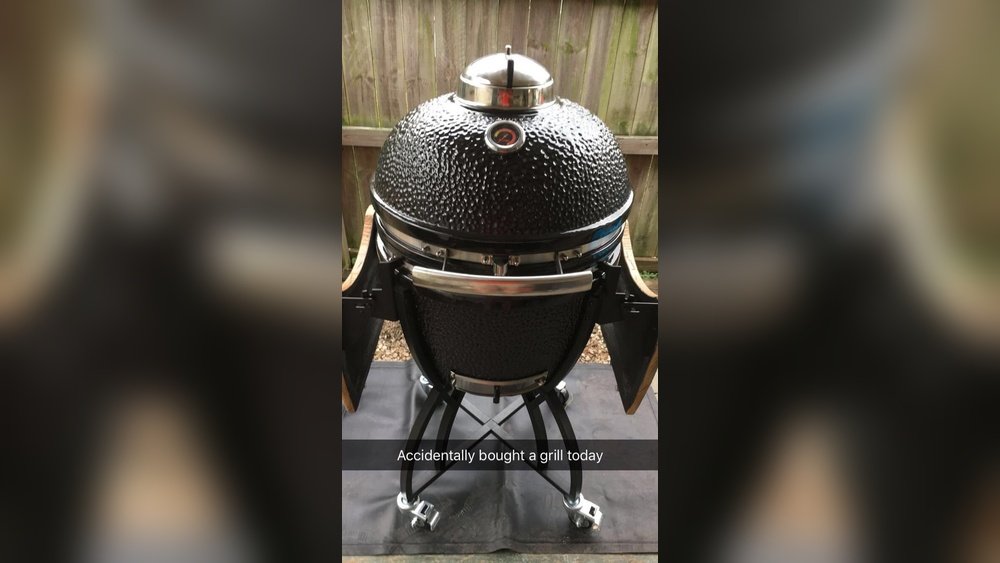
Smoking with a kamado grill is a rewarding journey for anyone who loves barbecue. The unique design of the kamado—an egg-shaped ceramic cooker—makes it a favorite for both beginners and experts. With its tight seal, thick walls, and versatile airflow control, a kamado can smoke, grill, roast, and bake with outstanding results. But to get truly great smoked food, you need more than just a good grill. Mastering kamado smoking takes practice, knowledge, and a few insider tricks. Let’s dive into proven tips and insights that will help you unlock smoky perfection, whether you’re working with a Big Green Egg, Kamado Joe, or another brand.
Why Kamado Grills Are Special For Smoking
Kamado grills have been used for thousands of years, starting with clay ovens in Asia. Today’s ceramic models are famous for their heat retention and moisture control. The thick ceramic keeps temperatures steady for hours, which is perfect for low-and-slow smoking. The tight lid and adjustable vents let you control airflow with precision, helping you keep the smoke and heat just right.
One thing beginners often miss: kamados are more fuel-efficient than most other smokers. You’ll use less charcoal, and the smoke flavor is cleaner because of the steady burn. However, these grills react more slowly to changes than metal smokers. That means you need patience and gentle adjustments.
Choosing The Right Charcoal And Wood
The fuel you use makes a big difference in the flavor and consistency of your smoked food.
Lump Charcoal Vs. Briquettes
Lump charcoal is the best choice for kamado smoking. It’s made from pure hardwood, burns hotter, and produces less ash than briquettes. Briquettes can work, but many have fillers and chemicals that affect flavor. Lump charcoal also makes it easier to reach and maintain low, steady temperatures.
Wood Chunks Vs. Chips
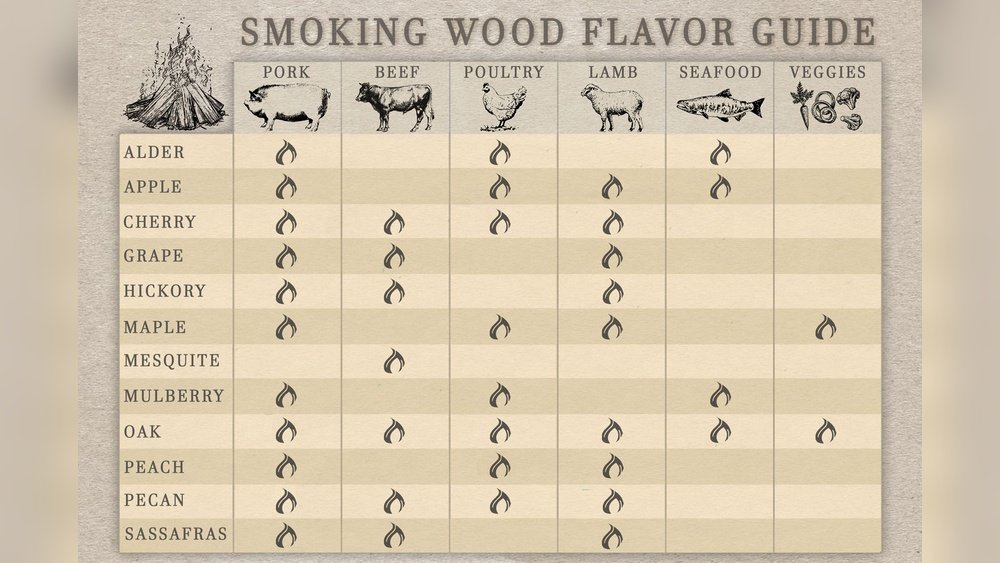
For smoking, use wood chunks instead of chips. Chunks burn longer and give a more stable smoke. Chips burn up quickly and can make the fire too smoky or bitter if overused. Place a few wood chunks throughout the charcoal before lighting. Popular woods for smoking include:
- Hickory – strong, classic smoke
- Apple – mild, sweet flavor
- Cherry – fruity and gentle
- Oak – balanced, versatile
Avoid softwoods like pine, as they can make food taste unpleasant.
How Much Wood To Use
A common mistake is using too much wood. Start with 2–3 chunks for most meats. Too much smoke can make food taste bitter or acrid. It’s better to add more later than to fix over-smoked meat.

Credit: www.reddit.com
Setting Up Your Kamado For Smoking
Getting your grill ready is a key step for a successful smoke.
Clean Out Old Ash
Before each smoke, remove old ash from the bottom of the grill. Ash blocks airflow and makes it hard to keep a steady temperature. Use an ash tool or small brush to clean the firebox and vents.
Arrange Your Charcoal
Build a pile of lump charcoal in the center of the firebox. Mix in wood chunks as you go. For long smokes, fill the firebox almost to the top.
Use A Fire Starter
Use a natural fire starter like a wax cube or tumbleweed. Avoid lighter fluid—it can make food taste bad and is unsafe in a ceramic grill.
Let The Fire Settle
After lighting, let the fire burn with the lid open for 10–15 minutes. This helps burn off any volatile gases in the charcoal. Close the lid and adjust the vents to start controlling the temperature.
Mastering Temperature Control
Kamado smoking is all about steady temperature. Most smoking happens between 225°F and 275°F. Here’s how to hit and hold your target:
Adjusting The Vents
Your kamado has a bottom vent (for intake) and a top vent (for exhaust). Air in = hotter fire; less air = cooler fire.
- For 225°F, start with the bottom vent open about 1/2 inch and the top vent a little wider.
- For higher temps, open both more.
- Make small changes and wait 5–10 minutes to see the effect.
Use A Digital Thermometer
Built-in dome thermometers are often 25–50°F off. Clip a digital thermometer probe to the cooking grate for accurate readings. Consider wireless or Bluetooth models for easy monitoring.
The Heat Deflector
A heat deflector or “plate setter” is essential for smoking. It creates indirect heat by blocking the fire. Place it above the charcoal but below the cooking grate. Without it, meat will cook too fast and dry out.
Temperature Zones And Stability
Kamados sometimes have hotter spots near the edges. Try to place meat in the center of the grate. If you need more space, rotate your food halfway through cooking.
Don’t chase temperature swings. Kamados adjust slowly. If the temp creeps up, close the vents slightly and wait. Overreacting leads to more problems.
Choosing The Right Meat For Smoking
Some cuts are better for smoking than others. Kamados do best with:
- Pork shoulder (Boston butt) – forgiving and flavorful
- Beef brisket – classic, but needs practice
- Ribs (pork or beef) – tender and smoky
- Whole chicken or turkey – stays juicy
- Salmon – quick, gentle smoke
Meats with more fat and connective tissue (like brisket or pork shoulder) do especially well. Lean cuts can dry out, so brine or marinate them first.
Preparing Meat For The Kamado
Good prep makes a big difference in your final result.
Dry Brining
Sprinkle kosher salt evenly on your meat 1–24 hours before cooking. This helps the meat stay juicy and boosts flavor. For large cuts, salt the night before and keep it in the fridge.
Rubs And Marinades
Season your meat with a dry rub or marinade. For most barbecue, a simple rub of salt, pepper, paprika, garlic, and brown sugar works well. Rubs add flavor and help form a tasty “bark. ”
Let Meat Warm Up
Take meat out of the fridge 30–60 minutes before smoking. Cold meat lowers grill temperature and cooks unevenly.
Water Pans And Moisture Control
A water pan is a common tool for smoking, but do you need one in a kamado? Here’s what you need to know.
Using A Water Pan
Placing a pan of water on the heat deflector helps keep humidity up and stabilizes temperature. This is especially helpful in dry climates or for long cooks like brisket.
- Fill the pan halfway with hot water before adding meat.
- You can add herbs, beer, or juice for extra aroma, but the effect is subtle.
When To Skip The Water Pan
Kamados naturally hold moisture well. For short smokes or small cuts, you may not need a water pan. If you like a crispier bark, skip the water.
Watch For Excess Condensation
If you see water dripping from the lid, the humidity may be too high. Remove the pan or reduce the water level.
Smoke Management: Clean Vs. Dirty Smoke
Not all smoke is good smoke. Clean, thin blue smoke gives the best flavor. White, billowing smoke can make food taste bitter.
How To Get Clean Smoke
- Use dry, seasoned wood chunks.
- Let the fire burn for 10–15 minutes before closing the lid.
- Don’t overload with wood—2–3 chunks are enough for most cooks.
- Make sure your vents are open enough for proper airflow.
A common mistake is closing the vents too much, which creates dirty smoke. Keep the fire burning clean and steady.
Adding Meat To The Grill
When your kamado is at the right temperature and smoke looks good, it’s time to add the meat.
- Place meat in the center of the cooking grate for even heat.
- Insert a thermometer probe into the thickest part of the meat.
- Close the lid quickly to avoid temperature loss.
If you’re smoking different meats, put larger cuts on first. Add smaller or quicker-cooking items later.
Managing The Smoke Session
Kamado smoking is a long, slow process. Here’s how to keep things running smoothly.
Check Every Hour
Open the lid only when necessary. Every hour, check your thermometer readings and charcoal level. Add more lump charcoal if needed.
Spritz Or Mop As Needed
For some meats, spritzing with apple juice or a vinegar-water mix helps keep the surface moist and adds flavor. Use a spray bottle, and do it quickly so you don’t lose too much heat.
Wrapping Meat
When smoking brisket or pork shoulder, many pitmasters wrap the meat in foil or butcher paper once it reaches 150–170°F. This keeps it moist and helps push through the “stall” (when temperature stops rising).
Foil gives a softer bark, while butcher paper keeps it firmer. Try both to see which you prefer.
When Is Your Meat Done?
Don’t go by time alone. Use a thermometer to check internal temperature.
- Brisket and pork shoulder: 195–205°F for tender, juicy results
- Ribs: 190–203°F, or until the meat pulls back from the bone
- Chicken: 165°F in the thickest part
- Salmon: 135–140°F for moist, flaky fish
Another tip: for brisket and pork, check for probe tenderness. Insert a skewer or thermometer—if it slides in with little resistance, it’s ready.
Resting And Slicing
Resting is crucial. Let meat sit, tented loosely with foil, for at least 30 minutes (up to 2 hours for large cuts). This lets juices redistribute and makes slicing easier.
Slice brisket against the grain for tenderness. For pork shoulder, pull it apart with forks or gloved hands.
Kamado Smoking Tips For Different Foods
Here are some specific tips for classic smoked dishes:
Brisket
- Trim excess fat, but leave a 1/4-inch layer.
- Smoke at 250°F for 10–16 hours, depending on size.
- Wrap when bark is set and temperature stalls.
- Rest at least 1 hour before slicing.
Pork Shoulder
- Score the fat cap for better seasoning.
- Smoke at 225–250°F for 8–12 hours.
- Pull when internal temp is 200°F and probe tender.
Ribs
- Remove the membrane from the back.
- Use the 3-2-1 method: 3 hours smoke, 2 hours wrapped, 1 hour unwrapped.
- Sauce in the last 30 minutes if desired.
Chicken
- Spatchcock (remove the backbone) for even cooking.
- Smoke at 275°F for crispier skin.
- Brine overnight for juicier meat.
Salmon
- Use milder woods like apple or cherry.
- Smoke at 200–225°F for 1–2 hours.
- Check for doneness at 135°F.
Common Mistakes And How To Avoid Them
Many people run into the same problems when learning to smoke on a kamado. Here’s how to avoid them:
- Starting with too much fuel: Overfilling the firebox can make it hard to keep low temps. Use only what you need.
- Opening the lid too often: This causes temperature swings and extends cooking time.
- Not letting the fire settle: Wait until you have clear blue smoke before adding food.
- Using too much wood: A little goes a long way. Too much smoke can ruin the flavor.
- Ignoring airflow: Blocked vents or ash buildup will smother the fire.
- Trusting the dome thermometer: Always use a grate-level digital thermometer for accuracy.
- Not resting the meat: Cutting too soon means dry, less flavorful results.
Tools And Accessories That Make Smoking Easier
The right gear can make kamado smoking more enjoyable and consistent.
- Digital meat thermometer: Essential for tracking temps.
- Heat deflector/plate setter: Needed for indirect cooking.
- Charcoal basket: Helps with fuel management and cleanup.
- Drip pan: Catches fat and keeps your grill clean.
- Long tongs and gloves: For safety and easy handling of hot food.
- Ash tool: Makes cleaning out the firebox simple.
- Wireless/Bluetooth thermometer: Lets you monitor temps from a distance.
Kamado Smoking Vs. Other Smokers
How does kamado smoking compare to other popular smoker types? The table below highlights the main differences.
| Smoker Type | Heat Retention | Fuel Efficiency | Moisture Control | Learning Curve |
|---|---|---|---|---|
| Kamado | Excellent | Very High | Excellent | Moderate |
| Offset | Good | Low | Good | High |
| Pellet | Good | High | Good | Easy |
| Electric | Fair | High | Fair | Very Easy |
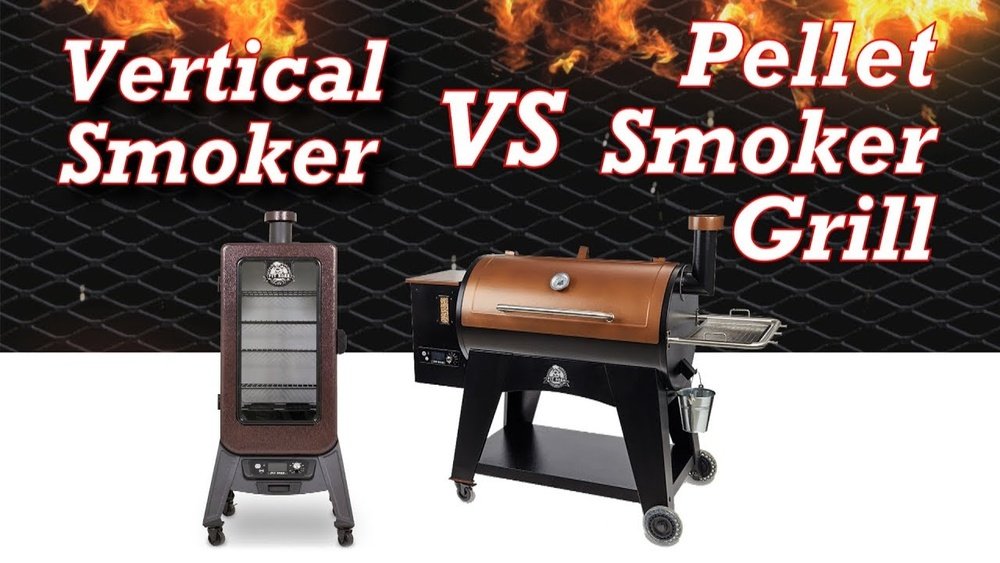
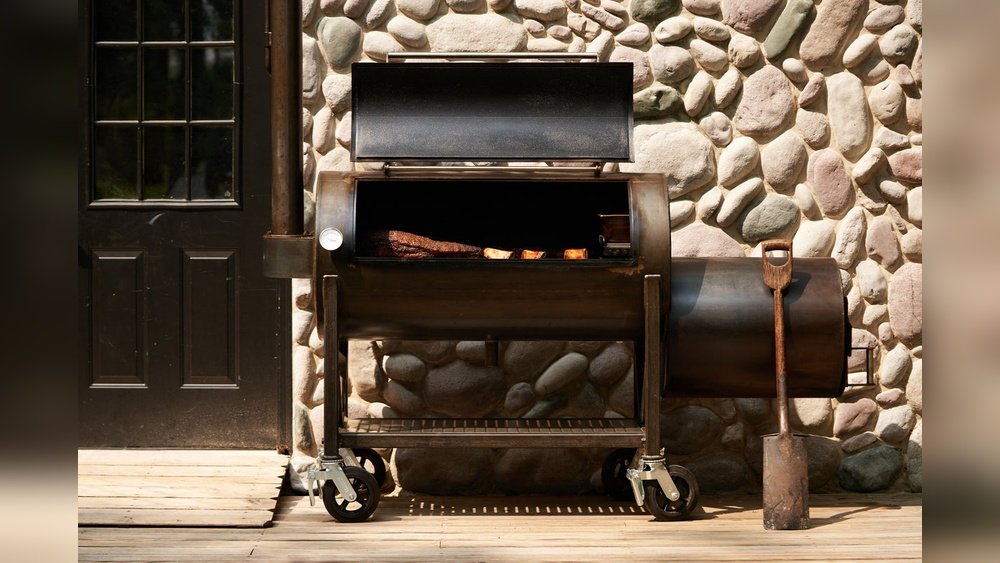
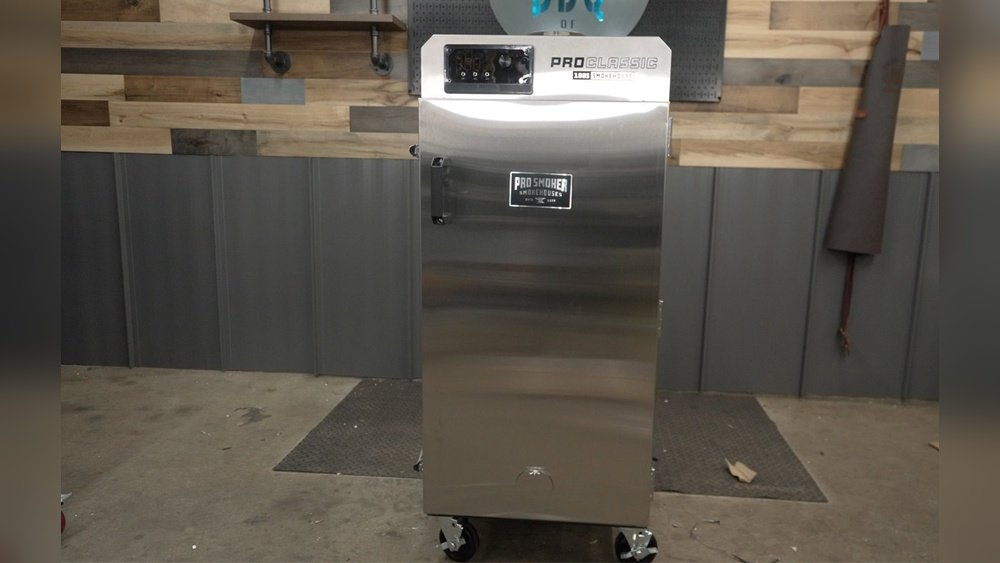
Kamados excel at holding steady heat and moisture, making them great for brisket and pork shoulder. Offsets offer more smoke flavor but are harder to control. Pellet smokers are easy but may not get as “smoky. ” Electric smokers are the easiest but often lack depth of flavor.
Credit: www.reddit.com
Safety Tips For Kamado Smoking
Kamado grills are heavy and get very hot. Safety should always come first.
- Never use lighter fluid or gasoline.
- Open the lid slowly to avoid flare-ups and “flashback” (hot air rushing out).
- Use heat-resistant gloves when adjusting vents or handling hot parts.
- Keep children and pets away while cooking.
- Place the grill on a stable, non-flammable surface.
Always let the grill cool fully before cleaning or moving.
Cleaning And Maintaining Your Kamado
A well-maintained kamado lasts a lifetime.
After Each Cook
- Remove leftover ash with an ash tool.
- Brush the cooking grate while still warm.
- Wipe down the lid and base if needed.
Deep Cleaning
Every few months, do a deep clean:
- Remove all parts and vacuum out ash.
- Scrape off grease from the heat deflector and grate.
- Check for cracks in the ceramic.
- Reassemble carefully, making sure gaskets are in good shape.
Gasket Care
The gasket on the lid creates a tight seal. Over time, it can wear out. Replace it if you see gaps or crumbling.
Weather And Kamado Smoking
Kamados work well year-round, but weather can affect your cook.
Cold Weather
Ceramic holds heat well, but extra fuel is needed for very cold days. Use a grill cover when not in use.
Wind
Wind can affect vent settings. Shield your grill if possible, and check temperature more often.
Rain
Kamados are weather-resistant, but avoid opening the lid in rain. Water can drip onto the fire and create steam.
Troubleshooting Common Problems
Even experienced pitmasters run into issues. Here’s how to fix them:
Can’t Get To Temperature
- Check for ash blocking vents.
- Use dry lump charcoal.
- Make sure the lid and vents are closed tightly.
Temperature Too High
- Close vents slightly.
- Remove some fuel if needed (use tongs or a charcoal rake).
- Wait—kamados cool down slowly.
Bitter Or Acrid Smoke Flavor
- Use less wood.
- Let the fire burn clean before adding food.
- Make sure vents aren’t closed too much.
Uneven Cooking
- Rotate meat halfway through.
- Use a heat deflector.
- Check for hot spots on the grill.
Dry Meat
- Use a water pan.
- Don’t overcook—check temps with a thermometer.
- Rest meat before slicing.
Experimenting With Flavor
Kamado smoking is as much art as science. Once you master the basics, try new things:
- Mix different wood types for unique flavors.
- Try new rubs, brines, or marinades.
- Smoke vegetables (like mushrooms or peppers) for a side dish.
- Use fruit wood for dessert items (like smoked peaches).
Don’t be afraid to take notes on what works and what doesn’t. Keeping a cooking log helps you improve with each cook.
Kamado Accessories: What’s Worth It?
There are many accessories on the market. Some are helpful, others are just “nice to have. ”
| Accessory | Usefulness | Notes |
|---|---|---|
| Heat Deflector | Essential | Needed for indirect smoking |
| Charcoal Basket | Very Useful | Makes fuel management easy |
| Wireless Thermometer | Very Useful | Monitor temps remotely |
| Pizza Stone | Optional | For baking and crisp crust |
| Cast Iron Grate | Optional | Great for searing after smoking |
| Rib Rack | Optional | More ribs in less space |
Start with essentials, then add as you find new needs or interests.
Real-world Kamado Smoking: A Brisket Example
Let’s walk through a typical kamado smoking session for brisket.
- Clean the grill: Remove ash and old charcoal.
- Fill with lump charcoal: Mix in 3–4 hickory chunks.
- Light the fire: Use a wax cube. Let burn with lid open for 10 minutes.
- Set up the heat deflector: Place over the firebox.
- Stabilize temp: Close lid, adjust vents for 250°F.
- Prep brisket: Dry brine with salt overnight, apply rub before cooking.
- Add brisket: Place in center, insert thermometer probe.
- Monitor temps: Keep between 240–260°F for 10–14 hours.
- Wrap at the stall: When brisket hits 160°F and bark is set.
- Finish: Remove at 203°F internal temp and probe tender.
- Rest: Wrap in towels, let sit for 1–2 hours.
- Slice and serve: Cut against the grain for best results.
With practice, you’ll learn how your specific kamado responds, and you’ll develop your own style and timing.
Two Non-obvious Insights For Kamado Smoking
- Ceramic “heat soak” matters: Kamados take time to reach a true stable temperature, as the ceramic itself must heat up. If you rush, the grill can overshoot or swing. Always let the whole grill (not just the air inside) come to temp before cooking.
- Use the “daisy wheel” for fine control: The top vent (often called a daisy wheel) is for fine-tuning. Once you’re close to your target temp, use very small adjustments here. Large moves on the bottom vent can cause big swings.
Going Deeper: Community And Resources
Learning from others is a shortcut to mastery. Online forums, barbecue clubs, and YouTube channels offer a wealth of advice. The Kamado Guru forum is a top resource for troubleshooting and new techniques.
You can find more detailed guides at Amazing Ribs, which offers scientific tests and recipes for all types of smokers.
Frequently Asked Questions
How Long Does Lump Charcoal Last In A Kamado When Smoking?
With a full firebox of lump charcoal, a kamado can maintain 225°F for up to 18 hours. Efficiency depends on the grill size and vent settings. For shorter smokes, you’ll use less. Always make sure to have extra charcoal on hand just in case.
Should I Soak Wood Chunks Before Using Them In My Kamado?
No. Soaking wood chunks is unnecessary and can actually delay smoke production. Wet wood steams before it smokes, which can create off-flavors. Use dry, seasoned chunks for clean, tasty smoke.
Can I Use A Kamado Grill In Winter?
Yes. Kamados are excellent in cold weather because ceramic holds heat well. You may need a little extra charcoal, and it’s helpful to use a grill cover to protect from snow or rain. Just allow extra time for the grill and ceramic to warm up.
How Do I Avoid Flare-ups When Smoking On A Kamado?
Flare-ups happen when fat drips directly onto hot coals. Always use a heat deflector and a drip pan for smoking. Open the lid slowly and keep vents adjusted to avoid sudden rushes of oxygen. If a flare-up happens, close the lid and vents to choke the fire.
What’s The Best Way To Clean A Kamado After Smoking?
Once cooled, remove ash from the firebox and brush the cooking grate. Do a deep clean every few months by removing and washing all parts. Check gaskets and replace if needed. Never use harsh chemicals—just hot water and a mild brush are enough.
Smoking with a kamado grill is a fun journey that rewards patience and care. With these tips, you’ll be on your way to creating smoky, tender barbecue that impresses friends and family every time.

Credit: www.youtube.com