Upgrade Your Grill Game with Griddles
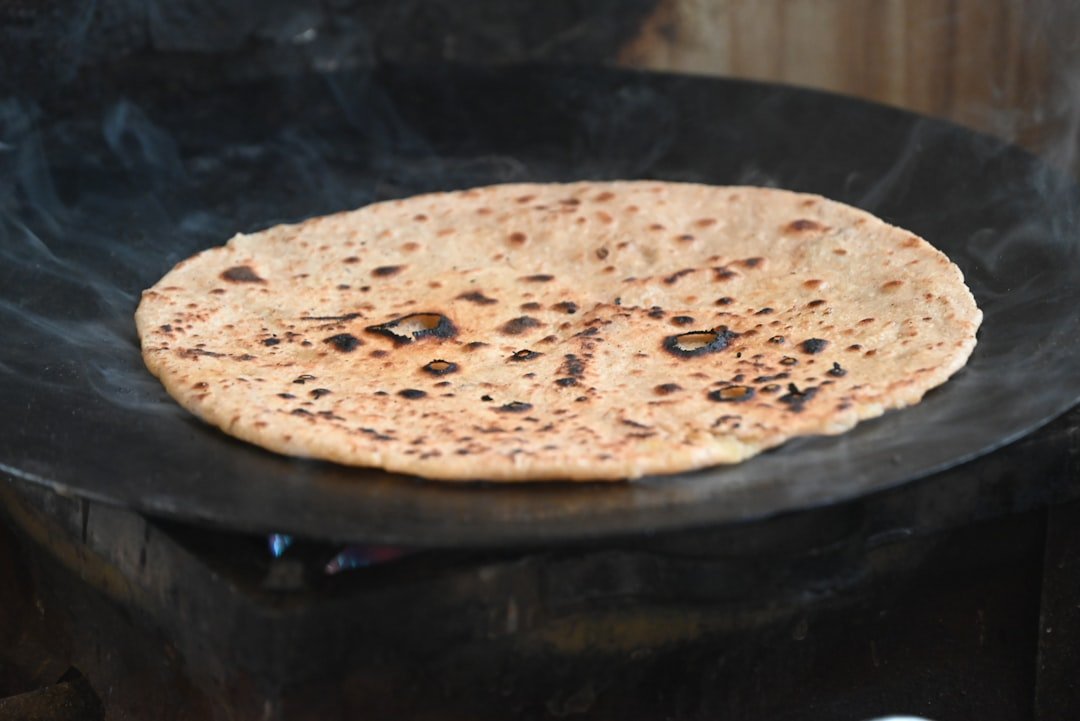
Thinking about taking your outdoor cooking to the next level? A griddle might be exactly what you need. While your trusty grill is fantastic for that smoky char and those classic grill marks, a griddle opens up a whole new world of possibilities for what you can cook on your patio or deck. Forget just burgers and hot dogs; with a griddle, you’re looking at pancakes, stir-fries, smash burgers, delicate seafood, and even breakfast spreads that would make any brunch spot jealous. It’s not about replacing your grill, but rather expanding your culinary horizons and making outdoor cooking even more versatile and delicious.
Let’s be honest, a grill is great. The sizzle, the smell, the charred edges – it’s all part of the outdoor cooking charm. But sometimes, you run into limitations, right? Thinly sliced vegetables can fall through the grates. Delicate fish can break apart. And let’s not even talk about trying to make a decent grilled cheese or perfectly cooked pancakes on those same grates. This is where a griddle truly shines. It’s essentially a flat-top cooking surface that sits on your grill (or is a standalone unit), providing a consistent, even heat that allows for a much wider range of cooking techniques.
The Versatility Unlocked
The primary advantage of a griddle is its sheer versatility. Think of it as a giant, super-powered stovetop that you can use outdoors. This means you can achieve perfect searing on thinner cuts of meat without losing bits through the grates. You can sauté onions and peppers until they’re tender and caramelized without them falling into the fiery abyss. And for things like eggs, pancakes, or even delicate seafood like shrimp or scallops, a griddle provides a smooth, controlled surface that prevents sticking and ensures even cooking. It’s the secret weapon for those who love to experiment with flavor and technique.
Mastering the Sizzle: Beyond Direct Heat
Grilling often relies on direct, high heat, which is wonderful for char. A griddle, however, allows you to manage heat in a slightly different, and often more nuanced, way. You can achieve incredible searing, similar to what you’d get from a cast-iron skillet on your indoor stove, but with the added benefit of outdoor air and the ability to cook for a crowd. This means you can get that beautiful Maillard reaction – the browning that creates complex flavors – on a variety of foods you might hesitate to put directly on grill grates.
If you’re looking to enhance your outdoor cooking experience, you might find it interesting to explore the benefits of using a griddle for your grill. Griddles can provide a versatile cooking surface that allows you to prepare a variety of dishes, from pancakes to stir-fries, right on your grill. For more insights on innovative grilling techniques, check out this related article on rooftop smokers, which can complement your grilling setup perfectly: Digital Rooftop Smoker Review.
Types of Griddles: Finding Your Fit
So, you’re intrigued. But where do you start? The world of griddles isn’t a one-size-fits-all situation. There are several main categories, each with its own pros and cons, depending on how you plan to use it and what kind of grilling setup you already have.
Griddle Inserts for Your Existing Grill
This is often the most accessible entry point for many people. These are griddle plates designed to fit directly onto the grates of your charcoal or gas grill. They’re usually made of cast iron or heavy-gauge steel. The beauty of these is that they leverage the heat source of your existing grill, meaning you don’t need to buy a whole new appliance. You simply place the insert on top of your grill grates, preheat it, and you’re ready to go.
- Pros: Affordable, utilizes existing grill, easy to store, good for smaller batches or trying out griddle cooking.
- Cons: May not fit all grills perfectly, can sometimes be tricky to maneuver, heat distribution might be influenced by your grill’s existing hot spots.
- What to look for: Ensure it’s the correct size for your grill. Cast iron offers excellent heat retention, while stainless steel can be lighter and easier to clean.
Standalone Propane Griddle Units
These are what most people picture when they think of a “flat-top grill.” They are self-contained units, typically powered by propane, with multiple independently controlled burners underneath a large, flat cooking surface. Brands like Blackstone have made these incredibly popular for good reason. They offer a substantial cooking area and precise temperature control across different zones.
- Pros: Large cooking surface, excellent temperature control with multiple burners, portable (though some are quite large), dedicated outdoor cooking stations.
- Cons: Can be a significant investment, requires its own fuel source (propane), takes up dedicated outdoor space.
- What to look for: The number and control of burners are key for versatile cooking. Consider the overall cooking area size based on how many people you typically cook for. Wheel kits are a huge plus for portability.
Pellet Grill Griddle Inserts
If you’re a fan of pellet grills, there are griddle inserts designed specifically for these. They often fit snugly into the pellet grill’s firebox area, drawing heat from the grill’s internal system. This allows you to achieve that smooth griddle surface while still benefiting from the convenience and smoke flavor of your pellet grill.
- Pros: Integrates with your pellet grill, offers a smooth cooking surface while retaining some pellet grill benefits, can be easier to clean than a full standalone unit.
- Cons: Limited to pellet grill owners, may have a smaller cooking area than standalone units.
- What to look for: Compatibility with your specific pellet grill model is paramount.
Cast Iron Griddles (for Stovetop or Grill)
While not always considered a “grill griddle” in the traditional sense, a good, heavy cast iron griddle pan or a reversible cast iron grill/griddle can be used on your outdoor gas burners (if you have them) or even placed on your grill grates for a smaller-scale griddle experience. These are incredibly durable and offer fantastic heat retention.
- Pros: Extremely durable, excellent heat retention, versatile (can be used indoors too), relatively inexpensive for the quality.
- Cons: Can be heavy, requires careful seasoning and maintenance to prevent rust, smaller cooking area.
- What to look for: Look for a good, thick casting for even heating. A reversible option with a grill side and a griddle side offers maximum utility.
The Cooking Powerhouse: What Can You Make?
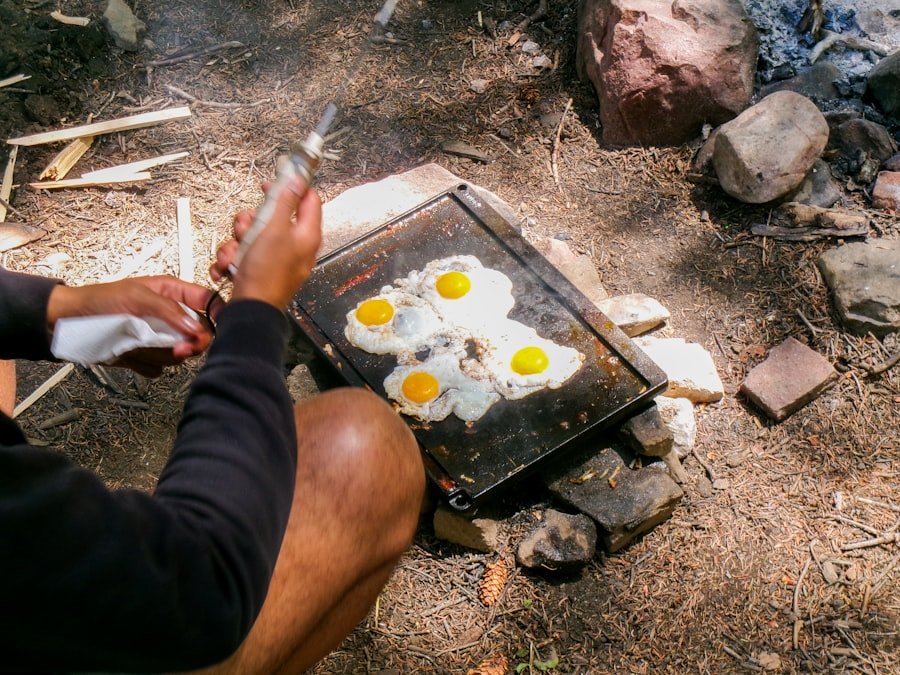
This is where the fun really begins. A griddle doesn’t just change how you cook; it expands what you can cook outdoors. Forget the limitations of grill grates and embrace a world of culinary possibilities.
The Ultimate Breakfast Spot
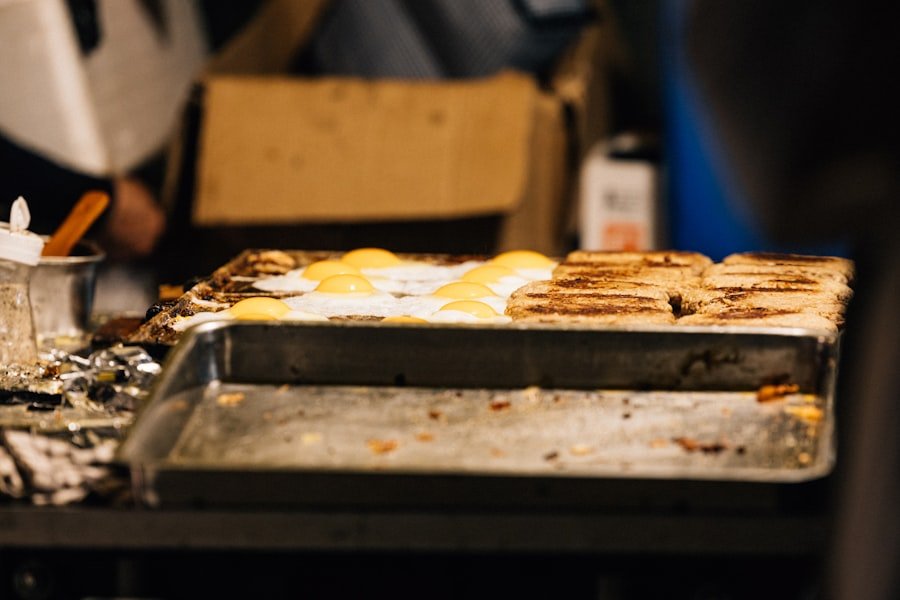
This is a no-brainer. Imagine making pancakes, French toast, bacon, and eggs all at the same time. No more juggling pans inside and out, or having half your breakfast get cold while you cook the rest. A griddle is a game-changer for weekend brunches, camping trips, or just a leisurely morning. You can get that perfect golden-brown crisp on your pancakes and cook your bacon to that ideal level of chewy-crisp without dealing with grease splattering everywhere or food falling through the grates.
- Pancake Perfection: Achieve consistent golden-brown edges and a fluffy interior. The flat surface prevents them from deflating.
- Egg-cellent Results: Fried eggs with crispy edges and perfectly runny yolks are easily achievable. Scrambled eggs cook up beautifully without any fuss.
- Bacon Bliss: Cook bacon evenly, rendering out the fat without it curling up or becoming unevenly cooked. The flat surface makes it easy to remove the cooked bacon and drain excess grease.
Smash Burgers Like a Pro
If you’re a burger enthusiast, a griddle is your new best friend. The concept of a “smash burger” is all about maximizing surface area contact with a hot griddle. You form loosely packed balls of ground beef and then, once they hit the hot griddle, you press them down firmly with a spatula. This creates an incredible sear, maximizes the Maillard reaction, and forms those crispy, lacy edges that are so addictive.
- The Smash Technique: Loosely formed patties, a hot griddle, and a firm press create maximum surface contact for superior searing.
- Crispy Edges: This method guarantees those coveted crispy, caramelized edges that are the hallmark of a great smash burger.
- Toppings galore: With the burger searing perfectly, you can toast your buns, sauté onions or mushrooms, and melt cheese all on the same griddle, creating a cohesive and delicious meal.
Beyond Burgers: Seafood, Veggies, and More
Don’t limit your griddle thinking to just burgers and breakfast. Its smooth surface makes it ideal for a surprisingly diverse array of foods.
- Delicate Seafood: Shrimp, scallops, and even thin fillets of fish can be cooked to perfection without breaking apart or sticking. They get a beautiful sear without the risk of falling through the grates.
- Sautéed Vegetables: From onions and peppers for fajitas or tacos to a medley of seasonal vegetables for a healthy side dish, you can sauté and caramelize them to perfection. No more wasted bits falling into the fire.
- Philly Cheesesteaks & Fajitas: These are practically made for the griddle. Thinly sliced meats and vegetables cook quickly and evenly, allowing for that authentic, delicious result.
- Fried Rice & Stir-fries: While you might be used to woks for stir-fries, a large griddle can actually handle these dishes surprisingly well, especially for larger crowds. The even heat distribution is key.
- Quesadillas & Grilled Cheese: Achieve that perfect golden-brown crisp on the outside and melted, gooey cheese inside. It’s a simple pleasure that the griddle elevates significantly.
Griddle Care and Maintenance: Keeping It Cooking
Like any cooking surface, your griddle will perform its best if you give it a little love and attention. Proper care not only keeps it in good working order but also enhances its non-stick properties over time.
Seasoning is Key
This is especially true for cast iron or steel griddles, whether they’re inserts or standalone units. Seasoning creates a natural non-stick layer and protects the metal from rust. It’s essentially baked-on oil.
- The Process: Typically involves cleaning the griddle thoroughly, applying a thin layer of high-smoke-point oil (like vegetable, canola, or flaxseed oil), and heating it to a high temperature until it smokes. This process is usually repeated several times when the griddle is new.
- Ongoing Maintenance: After each use, scrape off any food residue while the griddle is still warm. Then, apply a very thin coat of oil before storing. This helps maintain the seasoning and prevents rust.
Cleaning Up After the Feast
Cleaning your griddle is straightforward, but the timing and technique are important.
- During Cooking: For minor sticky bits, a metal spatula or scraper is your best friend. While the griddle is still warm (but not scorching hot), scrape away any food residue. This is much easier than trying to scrub hardened-on gunk later.
- After Cooking: Once the griddle has cooled down significantly but is still warm enough to handle, you can use a grill brush designed for flat surfaces or a stiff nylon brush with a bit of water to clean it. For stubborn spots, you can add a little water and scraper. Avoid harsh detergents, as they can strip away the seasoning.
- Drying Thoroughly: After cleaning, always dry the griddle completely, especially if it’s cast iron or steel, to prevent rust. Then, apply a light coat of oil.
Rust happens (and that’s okay!)
Don’t panic if you see a little surface rust, especially with cast iron. It’s usually fixable.
- The Fix: Scrub the rusted area with steel wool or a stiff brush until the rust is gone. Then, re-season the affected area or the entire griddle as needed.
- Prevention: Proper and consistent seasoning, along with drying and oiling after each use, is the best defense against rust. Storing your griddle in a dry place, and potentially covering it, also helps.
If you’re looking to enhance your outdoor cooking experience, you might find it interesting to explore the benefits of using griddles for grills. These versatile cooking surfaces can elevate your meals by allowing you to prepare a variety of dishes simultaneously. For more insights on outdoor cooking equipment, check out this informative article on the Camp Chef Smoke Vault, which discusses its features and benefits for barbecue enthusiasts. You can read it here: Camp Chef Smoke Vault Review.
Griddle Accessories: Leveling Up Your Setup
| Griddle Type | Material | Size | Price Range |
|---|---|---|---|
| Cast Iron | Cast Iron | Various sizes available | – |
| Steel | Stainless Steel | Multiple sizes and shapes | – |
| Aluminum | Aluminum | Standard sizes | – |
Just like with a regular grill, there are a few accessories that can make your griddle cooking experience even more enjoyable and efficient.
The Right Tools for the Job
You’ll quickly realize that standard grilling tongs aren’t always ideal for a flat surface.
- Spatulas: Invest in a good set of wide, sturdy spatulas. You’ll want at least one for flipping and another for scraping. Look for spatulas with heat-resistant handles. A wider spatula is key for easily flipping burgers, pancakes, or a whole array of fajita fillings.
- Scrapers: Dedicated griddle scrapers, often made of metal, are essential for cleaning and de-greasing.
- Squeeze Bottles: Having squeeze bottles filled with water (for steaming and lifting stuck-on bits) and oil (for greasing) makes cooking and cleaning much more convenient.
Making the Most of Your Space
Depending on your griddle type, certain accessories can enhance its functionality.
- Griddle Covers: Essential for protecting your griddle from the elements when not in use, especially for standalone units.
- Wind Guards: For standalone propane griddles, wind guards can help maintain consistent temperatures and prevent flare-ups.
- Cutting Board Inserts: Some griddles have accessories that allow you to attach a cutting board, providing a convenient prep area right next to your cooking surface.
- Tenderizers/Smashers: While a spatula works great for smashing burgers, some dedicated smash burger tools can offer more leverage and a larger surface area for pressing.
Griddle Grilling vs. Traditional Grilling: When to Choose Which
It’s not about one being superior to the other; it’s about understanding their strengths and choosing the right tool for the task.
When to Reach for the Griddle:
- Delicate Items: Fish, seafood, vegetables that might fall through the grates.
- Breakfast: Pancakes, eggs, bacon – all in one go for a true outdoor brunch experience.
- Smash Burgers: For that ultimate crispy edge and seared surface.
- Sautéing and Caramelizing: Onions, peppers, mushrooms – cooked to perfection.
- Small Items: Things like shrimp or diced vegetables that would be lost on grill grates.
- Even Cooking: When you want a consistent sear across the entire surface of your food, without worrying about hot spots from the grates.
When to Stick with the Grill:
- Smoky Flavor: The char and smoky essence that only an open flame can impart.
- Large Cuts of Meat: Roasts, whole chickens, brisket – where indirect heat and smoke are crucial.
- Ribs: That classic smoky, tender rib experience is best achieved on the grill.
- Distinct Grill Marks: If the aesthetic of grill marks is important to you.
- Foods that benefit from dripping fat: Many cuts of meat benefit from fat dripping away, flavoring the coals and creating those beautiful char lines.
By understanding the unique advantages of each, you can truly maximize your outdoor cooking capabilities, moving beyond the expected and exploring a wider, more delicious array of dishes. A griddle isn’t just a new gadget; it’s an invitation to expand your culinary repertoire and make your outdoor kitchen even more of a versatile powerhouse.