Bbq Tables: Ultimate Guide to Stylish Outdoor Dining
Barbecue Tables: The Complete Guide to Choosing, Using, and Enjoying BBQ Tables
Barbecue tables are often the center of outdoor gatherings. Imagine a sunny afternoon, the smell of grilled food in the air, and friends sitting around a sturdy, welcoming table. Whether you’re hosting a backyard party or enjoying a quiet meal outside, the right BBQ table can make everything easier and more enjoyable.
But with so many styles, sizes, and materials, picking the best one can feel confusing. This guide will help you understand BBQ tables, what features matter, and how to get the most from your investment—whether you’re a grilling beginner or a seasoned pitmaster.

What Is A Bbq Table?
A BBQ table is a table designed for outdoor cooking and dining, especially near barbecue grills. It’s more than just a place to eat. A good BBQ table serves as a prep station, a place to rest food and tools, and a center for socializing. Some have built-in features like shelves, ice buckets, or holders for grilling tools. Others are simple, sturdy tables that bring people together.
A well-designed BBQ table can change how you use your outdoor space. It can also make cooking and serving food much more efficient. With a BBQ table, you can cut vegetables, season meat, and serve guests all in one place—no more running back and forth between the kitchen and the grill.
Types Of Bbq Tables
BBQ tables come in different forms. The main types include:
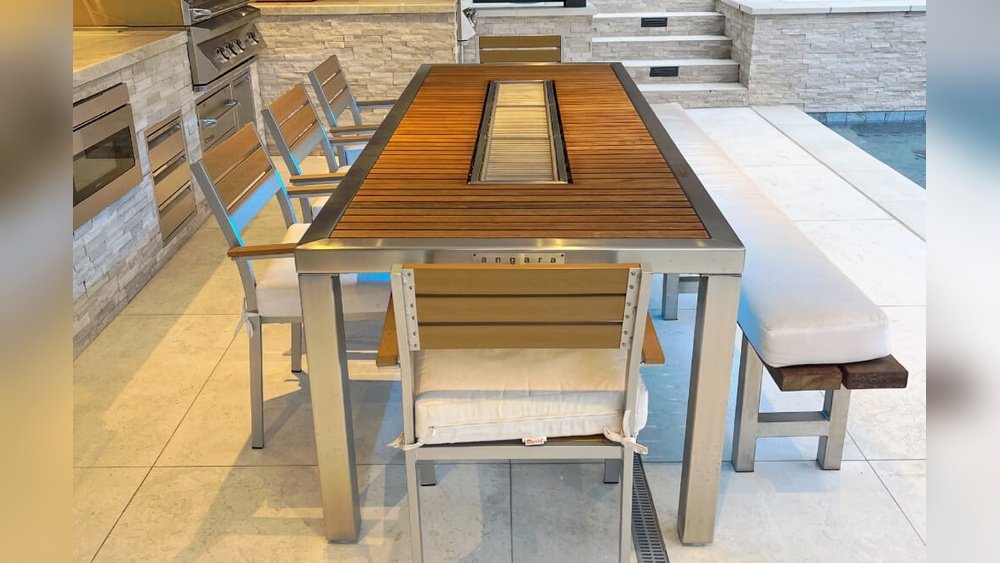
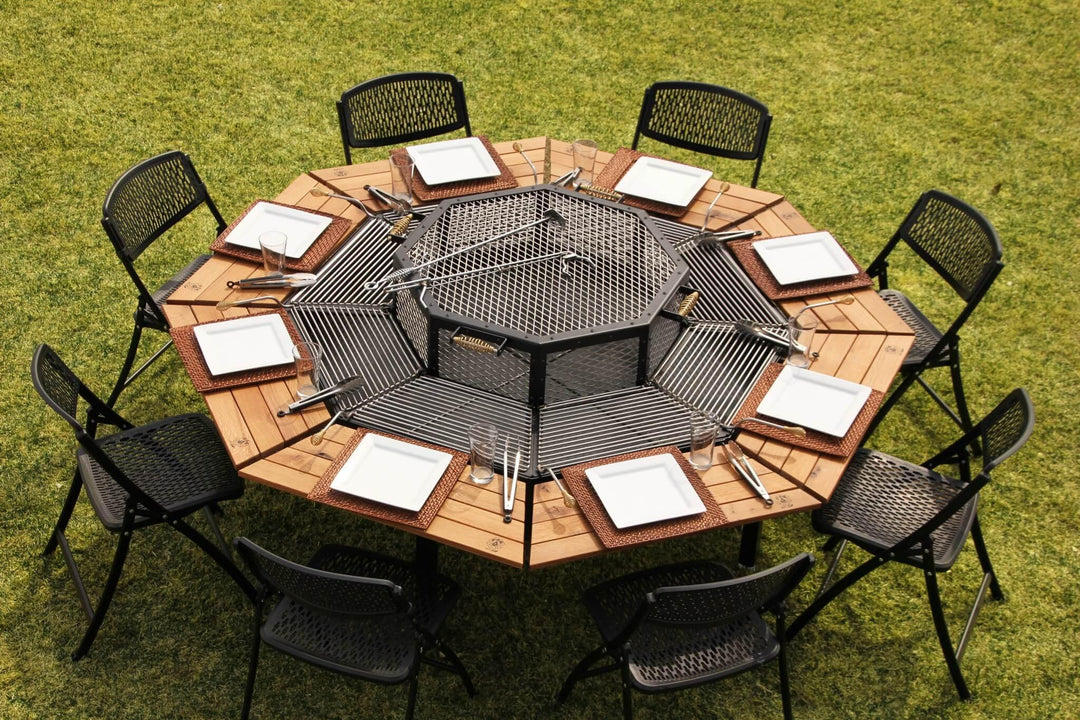
- Dining BBQ tables: These are for eating meals outdoors. They can be picnic-style benches, classic patio tables, or elegant outdoor dining sets. Some even include built-in ice buckets or lazy Susans for easy sharing.
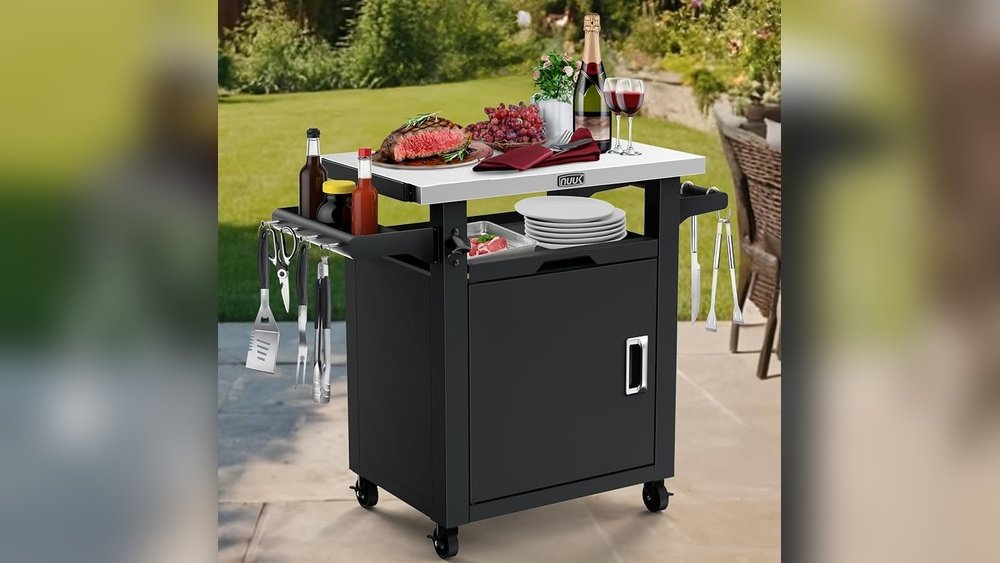
- Prep and grill station tables: These support cooking. They often have shelves, wheels, and hooks for holding tools or ingredients near the grill. Some even have cutting boards or sinks built in.
- Combo tables: Some designs combine prep space and dining, ideal for small patios or multi-purpose use. These can have adjustable or folding sections so you can switch between meal prep and eating.
- Foldable/portable BBQ tables: Lightweight and easy to move, perfect for camping or small spaces. You can take them to the park or even use them as an extra serving station when you have guests.
Each type has its strengths. For example, if you grill often, a prep table with a stainless steel top and storage may help you stay organized. If you mostly host meals, a large dining table makes more sense. If you enjoy picnics or tailgating, a portable table is a smart choice.
Key Materials Used In Bbq Tables
Material affects everything: how long the table lasts, how easy it is to clean, and how it looks in your yard. The main materials used for BBQ tables are wood, metal, plastic, and sometimes stone.
The right material can also affect the comfort and feel of your outdoor area. For example, a wooden table often feels warmer and more inviting, while metal or stone tables give a modern or professional look. Consider not just the weather but also how the material feels to the touch and how it matches your other furniture.
Wood
Wooden BBQ tables are popular because of their classic look. Teak, cedar, and eucalyptus are top choices—they resist rot and weather. Pine and fir are more affordable but need sealing to handle rain and sun.
Pros:
- Warm, natural appearance
- Durable (with proper care)
- Easy to repair (sanding, staining)
Cons:
- Needs regular maintenance (oiling, sealing)
- Can warp or crack if not cared for
Some wood tables are treated with special oils or finishes to make them more weatherproof. With regular maintenance, a good wooden table can last many years and develop a beautiful patina as it ages. If you want a table that adds charm and blends with your garden, wood is hard to beat.
Metal
Metal BBQ tables (aluminum, stainless steel, wrought iron) are strong and modern. Stainless steel is best for prep tables: it’s easy to clean and resists rust.
Pros:
- Very sturdy
- Easy to clean (especially stainless steel)
- Often weather-resistant
Cons:
- Can get hot in direct sun
- Heavy, not easy to move
Aluminum tables are lighter and rust-resistant, but they can dent more easily than steel. Wrought iron offers a classic look but needs protection from rust and may require repainting over time. Stainless steel is a favorite for serious grillers because it does not stain, and you can sanitize it quickly.
Plastic And Resin
Plastic BBQ tables are light and affordable. Newer resin models can look like wood or stone.
Pros:
- Lightweight and portable
- Low maintenance
- Often cheaper
Cons:
- Not as durable as wood or metal
- Can fade or crack over time
Resin tables are a step above basic plastic, offering extra strength and UV protection. High-quality resin can last for years, but very cheap plastic tables may become brittle in strong sun. If you want something you can move easily or use for picnics, plastic is a good choice.
Stone Or Concrete
Some high-end BBQ tables use granite, concrete, or tile tops. These are perfect for built-in outdoor kitchens.
Pros:
- Extremely durable
- Great for food prep
Cons:
- Very heavy (not portable)
- Expensive
Stone tables stay cool in the sun and can handle hot pans directly. They also resist stains from sauces or oils better than wood or plastic. However, once installed, they are nearly impossible to move without special equipment.
How To Choose The Right Bbq Table
Selecting the best BBQ table depends on your space, how you use it, and your style. Here are some key factors to consider:
1. Space And Size
Measure your patio, deck, or backyard area. Leave enough room for people to walk around the table and grill safely. A table that’s too big can make your space feel crowded, while a table that’s too small won’t be practical.
- For dining, a 6-person table usually needs at least 72 inches long.
- Prep stations can be smaller (30–48 inches) but need space for storage.
If you often have guests, consider whether you need extra chairs or benches. Remember, you’ll also need space for serving platters, drinks, and sometimes a cooler or storage bin nearby.
2. Purpose
Ask yourself how you’ll use the table most. Do you need it for food prep, dining, or both? If you entertain often, pick a table with enough seating. If you focus on grilling, look for features like:
- Shelves or racks for tools
- Hooks for utensils
- Weather-resistant tops
If your table will double as a buffet or serving station, make sure the top is easy to wipe clean. Multi-use tables can help you get more value from a small space.
3. Durability
Outdoor furniture faces sun, rain, and sometimes snow. Choose materials and finishes that can handle your local climate. Stainless steel, teak, and high-quality resin are great for year-round use.
If you live near the ocean, salty air can damage metal quickly. In cold climates, freeze-thaw cycles can crack stone if it’s not sealed. Always check how the table is built and what kind of weatherproofing it offers.
4. Maintenance
Be honest about how much time you’ll spend on upkeep. Wood needs oiling or sealing. Metal may need rust protection. Plastic is easy, but may not last as long.
Some tables have removable tops or slats that can be cleaned or replaced if they get damaged. If you’re busy or want low-maintenance furniture, look for powder-coated metal or weatherproof resin.
5. Budget
BBQ tables range from $50 for simple folding models to over $1,000 for custom outdoor kitchen islands. Set a budget, but remember: a cheap table that breaks quickly can end up costing more in the long run.
If you’re on a budget, look for tables with a good warranty or strong customer reviews. Sometimes, factory seconds or end-of-season sales offer great deals on high-quality tables.
6. Style
Choose a table that matches your outdoor décor. Modern metal, rustic wood, or sleek stone—all can work if they fit your taste.
Don’t be afraid to mix materials. For example, a metal frame with a wooden top can look stylish and be very practical.
Top Features To Look For In A Bbq Table
Small features can make a big difference. Here are some extras to look for:
- Adjustable feet for uneven ground
- Wheels for easy movement
- Integrated storage (shelves, drawers, hooks)
- Built-in bottle openers
- Umbrella holes for shade
- Foldable design for storage
Some tables even include built-in trash bins, spice racks, or side trays for serving. If you enjoy outdoor parties, these little details can make hosting much easier.
Sometimes, beginners forget about shade and end up with a table that’s too hot to use in midday sun. An umbrella hole or a portable shade structure can make outdoor meals much more comfortable.
If you have kids, look for rounded corners or benches instead of chairs to avoid bumps and bruises.
Comparing Popular Bbq Table Materials
Understanding how materials compare can help you decide what works best for your climate and lifestyle. Here’s a side-by-side look:
| Material | Durability | Maintenance | Weight | Cost | Best For |
|---|---|---|---|---|---|
| Teak Wood | Very high | Medium (oiling needed) | Medium | High | Long-term use, classic look |
| Stainless Steel | Very high | Low | High | Medium-High | Prep stations, modern style |
| Plastic/Resin | Low-Medium | Very low | Low | Low | Portability, budget-friendly |
| Concrete/Stone | Extremely high | Low | Very high | Very high | Permanent outdoor kitchens |
A non-obvious insight: the color of the material can impact how hot it gets in the sun. Dark metal or stone can become too hot to touch, while lighter colors reflect heat better.
Bbq Table Sizes And Seating Guide
Choosing the right size ensures comfort and safety. Here’s a general guide for dining tables:
| Table Length | Seats | Space Needed (min.) |
|---|---|---|
| 48 inches | 4 | 6×6 ft |
| 60 inches | 6 | 8×8 ft |
| 72 inches | 6–8 | 10×10 ft |
| 96 inches | 8–10 | 12×12 ft |
For prep tables, 24–36 inches deep is ideal for grilling, giving you space to cut, marinate, and organize.
Another tip: round tables can fit more people in tight spaces but may offer less prep area than rectangular tables.
Setting Up Your Bbq Table For Success
A BBQ table is more than just furniture—it’s a tool for better outdoor cooking and entertaining. Here’s how to get the most from your table:
Smart Placement
- Keep it close, but safe: Place the table near your grill, but not so close that smoke or heat become a problem. Leave at least 3 feet of space between the grill and the table.
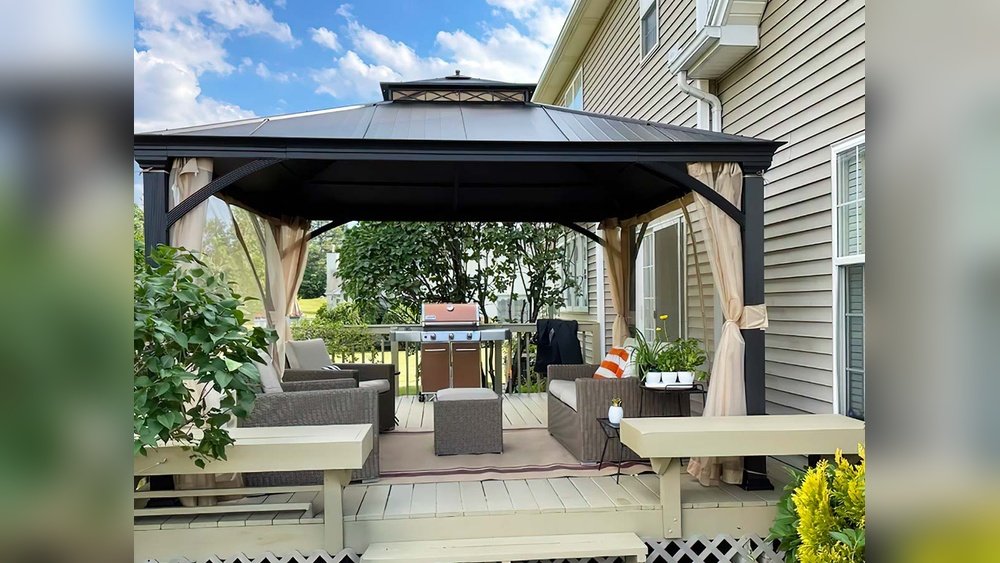
- Access to shade: If your area gets hot, set up under a tree, awning, or use an umbrella.
- Level surface: Avoid wobbly tables by placing them on a flat area. Use adjustable feet if needed.
If you want to create a dedicated outdoor kitchen zone, use pavers or a deck surface to mark the area. This helps guests know where to gather and keeps the cooking area organized.
Organizing Tools And Food
Prep tables with shelves or hooks help keep tools handy—no more running inside for tongs or spices. Store only what you need for grilling to avoid clutter.
Consider using color-coded cutting boards (one for meat, one for veggies) to prevent cross-contamination. Hang your most-used tools on hooks, but store sharp knives in a drawer or magnetic strip for safety.
Lighting
Evening barbecues are popular, but poor lighting can ruin the mood. Clip-on LED lights or solar lanterns let you grill and eat safely at night.
For a cozy look, add string lights above your table or use flameless candles for ambiance. Good lighting not only helps you cook but also makes your space feel more inviting after dark.
Cleaning And Safety
Clean surfaces before and after use, especially if prepping raw meat. Use cutting boards to protect wood or stone. Avoid placing hot pans directly on plastic tables.
Keep a spray bottle of water nearby for quick cleanups. For stone or concrete, use a non-acidic cleaner to avoid damage. Teach guests and kids to respect hot surfaces, especially if your grill is close by.
Bbq Tables For Different Lifestyles
Not everyone uses a BBQ table the same way. Here are some real-life examples of how people adapt their tables:
Family Gatherings
Large wooden tables with benches let families eat together outdoors. Some families add a bench on one side and chairs on the other for flexibility.
Consider adding waterproof seat cushions for extra comfort. If you have young kids, a bench makes it easier for them to climb on and off.
Apartment Or Condo Living
Space is tight? A small foldable BBQ table can sit on a balcony, offering just enough space for two people and a portable grill.
Look for tables with built-in handles for easy carrying, or choose a model that folds flat for storage. Some tables come with storage bins underneath for napkins or plates.
Camping
Lightweight aluminum or resin tables fold flat and fit in a car trunk. Look for models with cup holders and easy-to-clean tops.
Some camping BBQ tables have adjustable legs, so you can set them up on uneven ground. Choose tables with mesh or slatted tops to prevent water buildup if it rains.
Entertaining Large Groups
Some hosts use two tables: one for food prep and one for dining. This keeps raw food and cooked meals separate and makes big parties easier to manage.
You can also push two smaller tables together for large events, then separate them for everyday use. Having a buffet line on one table and seating on another keeps things organized.
Outdoor Kitchens
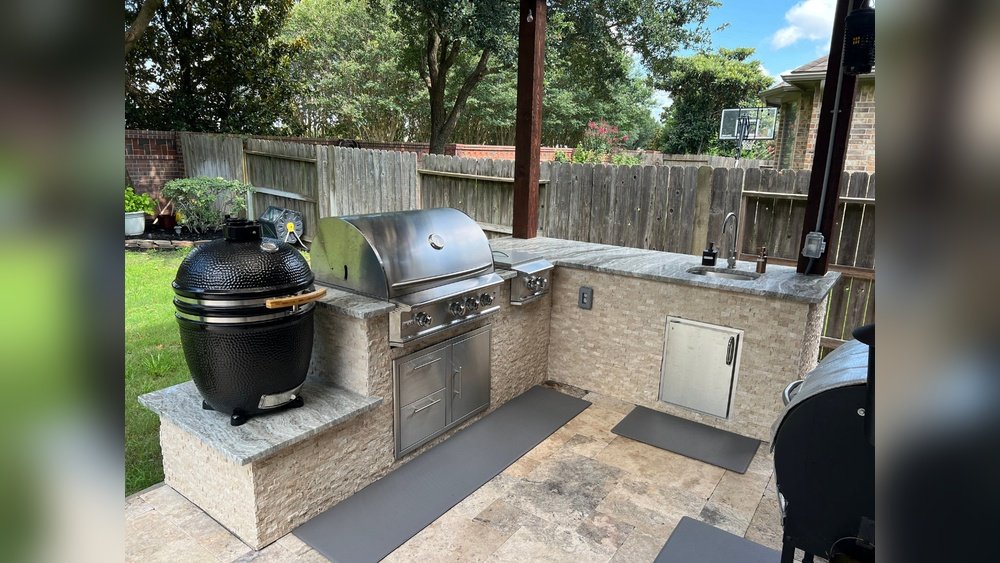
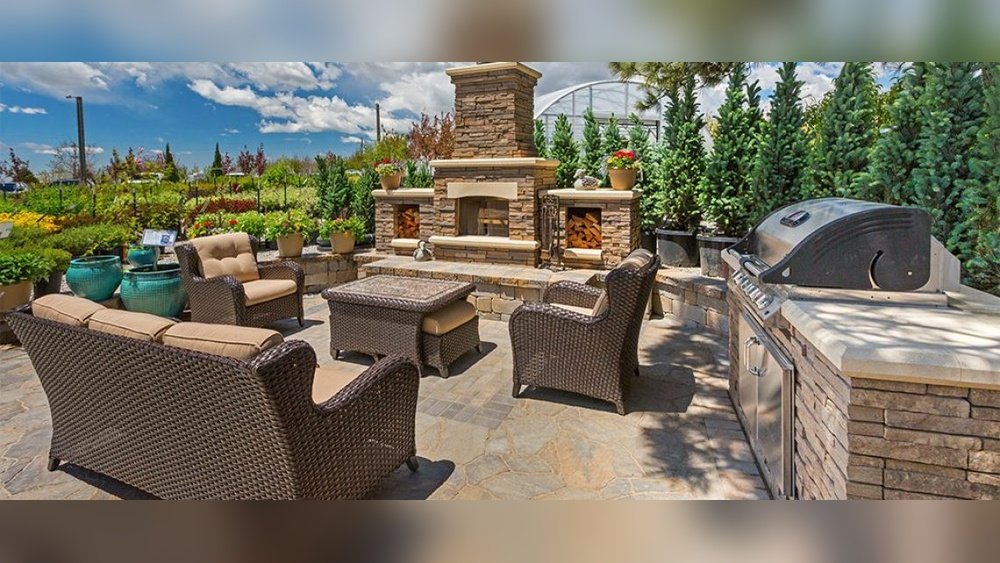
Built-in stone or concrete BBQ tables are part of permanent outdoor kitchens. These often include sinks, storage, and even built-in grills.
If you’re planning a full outdoor kitchen, consider plumbing and electrical needs. Built-in lighting, power outlets, and water lines make outdoor cooking much easier.
Maintenance Tips For Bbq Tables
Taking care of your BBQ table keeps it looking good and lasting longer. Each material needs different care:
Wood
- Wipe spills quickly to prevent stains.
- Oil or seal the table every 6–12 months.
- Cover during rain or winter for longer life.
If you see mold or mildew, clean it with a mix of vinegar and water. For stubborn stains, gentle sanding can restore the surface.
Metal
- Clean with mild soap and water.
- Check for rust, especially at joints—treat quickly.
- Store away from salty air if possible (near the ocean).
A thin layer of car wax can help protect metal surfaces from water and rust.
Plastic/resin
- Wash with soapy water and a soft brush.
- Avoid strong chemicals—they can damage the surface.
- Store out of direct sun to prevent fading.
If your table gets stained, baking soda paste can remove most marks without scratching.
Stone/concrete
- Seal the surface once a year.
- Clean spills quickly, especially oily foods.
- Avoid dropping heavy objects on the table.
Use coasters and trivets to protect from scratches and stains. Small cracks can be filled with outdoor-grade sealant.
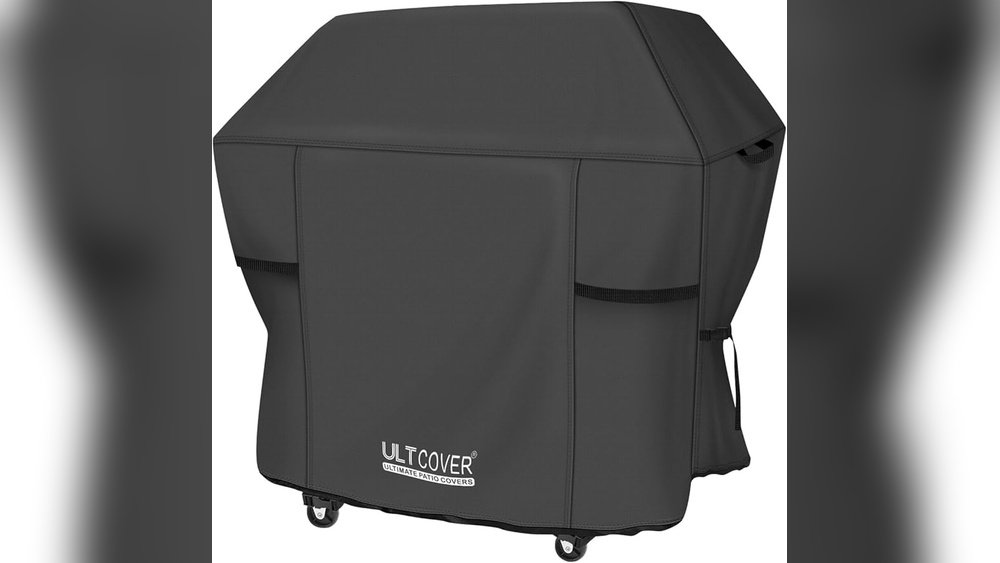
Sometimes, beginners forget to cover their tables in winter or during heavy rain, leading to unnecessary wear. Using a simple waterproof cover can double your table’s lifespan.
Safety Tips For Bbq Table Use
Barbecuing is fun, but safety matters—especially with kids or pets around. Here are some tips:
- Keep the table at least 3 feet from the grill to avoid burns.
- Store knives and sharp tools out of children’s reach.
- Use heat-resistant mats or trivets for hot dishes.
- Never place flammable items (like paper napkins) near open flames.
Pro tip: Many people forget to check for wind. On breezy days, paper plates and napkins can blow onto the grill. Use heavier plates or keep napkins in a holder.
If you use a tablecloth, secure it with clips so it doesn’t blow into the flames. Always have a small fire extinguisher or bucket of water nearby when grilling.

Credit: sbparksandrec.santabarbaraca.gov
Diy Bbq Tables: Build Your Own
If you enjoy DIY projects, building a BBQ table can save money and let you customize every detail. Here’s a basic overview for building a simple wooden prep table:
Materials Needed
- 2×4 lumber (for frame and legs)
- 1×6 boards (for tabletop)
- Screws or bolts
- Wood glue
- Sandpaper
- Sealer or exterior paint
Add-ons: Caster wheels for mobility, hooks for tools, or a shelf for storage.
Simple Steps
- Build the frame: Cut 2x4s to size for the tabletop and attach with screws.
- Attach legs: Secure four legs to the frame.
- Add shelves: If you want storage, add cross supports and a lower shelf.
- Install tabletop boards: Lay 1×6 boards across the frame, leaving small gaps for drainage.
- Sand and finish: Smooth edges and apply sealer or paint.
A basic table takes 4–6 hours to build and costs around $100–$150 in materials. For more advanced designs, plans are available online from sites like Family Handyman.
Beginners often forget to pre-drill holes for screws—this prevents the wood from splitting. Custom DIY tables can be designed to match your grill or outdoor kitchen exactly.
Bbq Table Accessories Worth Considering
A few smart add-ons can make your BBQ table even better:
- Table covers: Protects from sun and rain.
- Utensil holders: Keeps tools tidy and off the tabletop.
- Serving trays: Makes it easy to carry food from kitchen to table.
- Coolers or ice buckets: Built-in or portable for drinks.
- Bluetooth speakers: For music during gatherings.
- Lighting: Solar lanterns or string lights for evening meals.
Some accessories, like magnetic bottle openers or spice racks, can be attached directly to metal tables. If you grill at night, motion-activated lights are a helpful upgrade.

Comparing Top Bbq Table Brands
The market offers many brands, each with strengths. Here’s a quick look at some well-known names:
| Brand | Key Features | Best For | Average Price |
|---|---|---|---|
| Keter | Resin, weather-resistant, storage | Portability, easy care | $100–$300 |
| Lifetime | Folding, plastic, light | Camping, small spaces | $70–$200 |
| Weber | Stainless steel, grill-focused | Grilling prep | $200–$600 |
| Outsunny | Wood, rustic style | Backyard décor | $150–$500 |
| Sol 72 Outdoor | Wood or metal, modern look | Stylish dining | $300–$1,000 |
When comparing brands, look at reviews for durability and ease of assembly. Some brands offer extra-long warranties or replacement parts, which can be a big plus.
Common Bbq Table Mistakes To Avoid
Many first-time buyers make simple errors that can spoil their BBQ experience. Here are some common mistakes:
- Ignoring size: Buying a table that’s too big or too small for your space.
- Overlooking weather resistance: Picking a table that can’t handle your climate.
- Skipping maintenance: Forgetting to oil wood or check for rust.
- Poor placement: Putting the table too close to the grill, causing safety risks.
- Forgetting about shade: Not planning for sunny days, making the table uncomfortable.
Insider tip: Many beginners focus only on looks. Always test stability—shaky tables can spill food and drinks.
Another overlooked mistake: Not checking if the table height matches your grill or chairs. Too high or too low can make prep or dining awkward.
Trends In Bbq Tables For 2026
The world of BBQ tables is evolving, with new trends making outdoor dining better:
- Modular designs: Tables that can be rearranged or added onto.
- Eco-friendly materials: Bamboo, recycled plastic, and sustainably harvested wood.
- Integrated tech: Some tables now include wireless chargers or built-in LED lighting.
- Color choices: More options beyond brown or gray—blues, greens, and even bold reds.
- Personalization: Custom engraving or painted finishes.
Manufacturers are also focusing on easy assembly and multi-use designs—tables that switch from prep station to dining table with a few adjustments.
Some new tables even have built-in induction cooktops or coolers to keep drinks cold right at the table. These innovations show that the BBQ table is becoming more than just a place to eat—it’s a smart outdoor hub.
Bbq Table Care Throughout The Year
To keep your BBQ table at its best, adjust care for each season:
- Spring: Deep clean and check for winter damage. Oil or reseal wood if needed.
- Summer: Use covers during heavy sun or storms. Clean after each use.
- Fall: Remove leaves and debris quickly. Store cushions or fabric indoors.
- Winter: If possible, store the table in a shed or garage. If not, use a waterproof cover and lift the table slightly off the ground to prevent rot.
Many people forget that snow and ice can damage even strong tables. Taking a few minutes to cover and protect your table before winter can save money and hassle later.
If your table is left outside, check for water pooling or rust every few weeks. Small repairs now can prevent big problems later.
Credit: jaggrill.com
Frequently Asked Questions
What’s The Best Material For A Bbq Table?
The best material depends on your needs and climate. Teak wood is classic and durable, ideal for long-term outdoor use but needs maintenance. Stainless steel is perfect for prep tables—easy to clean and weather-resistant. Plastic/resin is lightweight and budget-friendly but may not last as long. For permanent setups, stone or concrete tables are extremely sturdy but not portable.
How Much Space Should I Leave Between My Bbq Table And The Grill?
For safety, leave at least 3 feet (about 1 meter) between your BBQ table and the grill. This prevents burns and allows for easy movement. If you often have kids or pets around, more space is better.
Can I Use A Regular Indoor Table As A Bbq Table?
It’s not recommended. Indoor tables often use materials that aren’t weatherproof and can warp, crack, or get damaged outdoors. Outdoor BBQ tables are designed to handle sun, rain, and temperature changes.

Credit: dixpark.org
How Do I Clean And Maintain A Bbq Table?
- Wood: Wipe spills, oil or seal regularly, cover in bad weather.
- Metal: Clean with mild soap, check for rust.
- Plastic: Wash with soapy water, store out of direct sun.
- Stone: Seal yearly, clean spills quickly.
Always check manufacturer instructions for specific care tips.
Are Foldable Bbq Tables Sturdy Enough For Grilling Prep?
Many foldable tables are sturdy, especially those with steel or aluminum frames. For heavy prep work (like chopping meat), choose a table with a solid surface and locking legs. Test stability before use. Avoid placing hot pans directly on plastic foldables.
—
A BBQ table can transform your outdoor space, making grilling and dining more enjoyable for everyone. By choosing the right size, material, and features, you’ll get years of use and many happy memories. Don’t forget to care for your table through the seasons, and use smart accessories to make every barbecue better.
With a little planning, your BBQ table will become the true heart of your backyard gatherings.