Grill Rust Removal: Easy Steps for a Sparkling Clean Grill
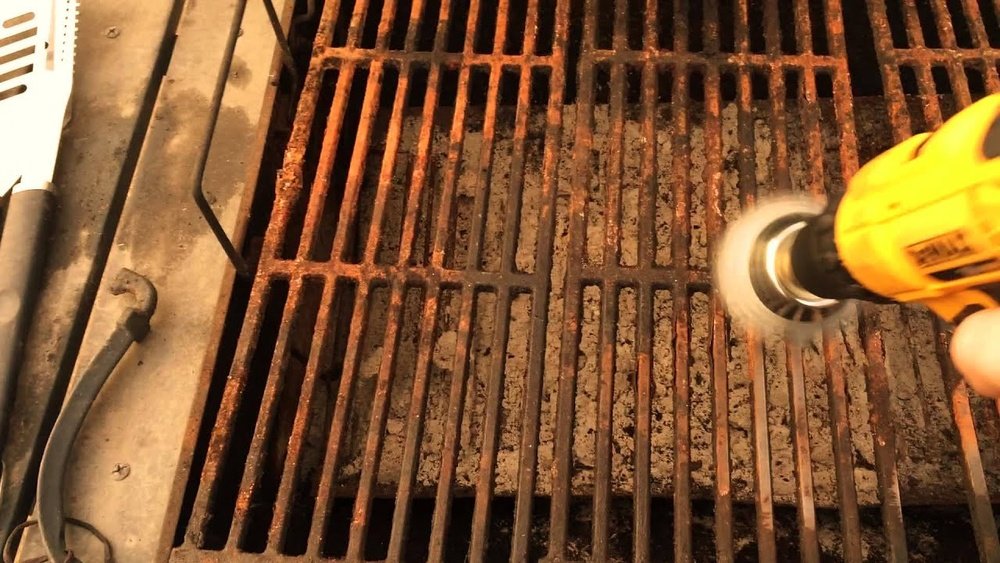

Grilling is a favorite hobby for many people. Whether you use your grill for family dinners or big parties, you expect it to be ready and safe. But over time, rust can build up on your grill. Rust is more than just ugly—it can make food taste bad and even cause health problems.
Keeping your grill clean and rust-free helps it last longer and keeps your food tasting great.
Many people think removing rust is difficult, but it’s not. With the right tools, a little effort, and some simple steps, you can get your grill looking almost new. This article explains everything you need to know about grill rust removal. You’ll find practical advice, helpful comparisons, and answers to common questions. You’ll also learn some insights most beginners miss, like how different materials react to rust and why prevention is easier than repair.
What Causes Grill Rust?
Understanding why grills rust helps you prevent it in the future. Rust is a chemical reaction between iron, oxygen, and moisture. Most grills are made of metal, so they are at risk if exposed to water or humid air.
Common Reasons For Rust
- Rain and humidity: Leaving your grill outside without a cover can cause rust quickly, especially in rainy or humid climates.
- Poor cleaning habits: Not cleaning food residue and grease after cooking can trap moisture, leading to rust.
- Low-quality materials: Cheaper grills made with thin metal or poor coatings rust faster than high-quality models.
- Salt air: If you live near the ocean, salt in the air speeds up rusting.
- Scratches and chips: Damaged grill surfaces lose protective coatings, making rust more likely.
Why It Matters
Rust can weaken the metal, making your grill unsafe. It can also cause flakes to get into your food, affecting taste and health. Knowing these causes helps you protect your grill and avoid costly repairs.
Types Of Grill Rust
Not all rust is the same. Different types need different methods to remove them.
Surface Rust
This is the most common. It appears as orange or brown spots on the grill grates or body. Surface rust is usually easy to remove and doesn’t cause much damage if treated quickly.
Deep Rust
Deep rust happens when surface rust is ignored. It eats into the metal, making holes or rough patches. Removing deep rust is harder and sometimes not possible without replacing parts.
Rust On Stainless Steel
Many grills use stainless steel because it resists rust. But stainless steel can still rust if scratched or exposed to harsh chemicals. Rust on stainless steel looks like small, dark spots.
Rust On Cast Iron
Cast iron grates are popular because they hold heat well. But they rust easily if not cared for. Rust here can cause pitting, making the surface uneven.
Identifying Rust On Your Grill
Before you start cleaning, check your grill carefully. Look for:
- Color changes: Orange, brown, or reddish spots.
- Texture: Rough, flaky, or bumpy areas.
- Holes: Deep rust can create holes in the metal.
- Stains: Rust can leave stains even after cleaning.
If you find only surface rust, you can usually fix it yourself. Deep rust might need professional help or new parts.
Tools And Materials Needed For Rust Removal
Removing rust is easier with the right tools. Here are the essentials:
- Wire brush: For scrubbing rust off grates and surfaces.
- Steel wool: Good for tough spots and corners.
- Sandpaper: Helps smooth rough areas.
- Rust remover: Chemical solutions made for grills.
- Baking soda and vinegar: Natural cleaners for mild rust.
- Protective gloves: Keeps your hands safe.
- Soft cloths: For wiping and drying.
- Bucket and water: For rinsing.
Having these tools ready makes the process faster and safer.
Step-by-step Guide: Removing Rust From Grill Grates
1. Safety First
Wear protective gloves and work in a well-ventilated area. Some rust removers have strong chemicals.
2. Remove Grates
Take out the grill grates and place them on a flat surface.
3. Scrub With Wire Brush
Use a wire brush to scrape off loose rust. Move in back-and-forth strokes. For stubborn spots, use steel wool.
4. Apply Rust Remover
If rust is thick, use a rust remover. Follow the instructions on the product. Let it sit for the recommended time.
5. Natural Cleaning (optional)
For mild rust, mix baking soda with water to make a paste. Rub it onto the rust and let it sit for 15–20 minutes. Scrub with a brush and rinse.
Or, soak the grates in vinegar overnight. The acid breaks down rust. Rinse and dry.
6. Rinse And Dry
Wash the grates with water to remove any chemicals. Dry them completely—moisture causes more rust.
7. Re-season Grates
For cast iron grates, rub with vegetable oil and heat in the grill for 30 minutes. This adds a protective layer.
8. Inspect And Repeat If Needed
Check for remaining rust. Repeat steps if necessary.
Removing Rust From Grill Body And Parts
The grill body can rust, too. Here’s how to clean it:
- Unplug and empty the grill: Remove gas tanks and leftover ashes.
- Brush off loose rust: Use a wire brush or sandpaper.
- Apply rust remover: Use products safe for grill bodies.
- Wipe and rinse: Remove cleaner and rust flakes.
- Dry completely: Use soft cloths.
- Touch up paint: Use high-temperature paint for damaged spots.
Example: Cleaning A Charcoal Grill Body
A charcoal grill left outside for a year often has surface rust. First, brush off loose flakes. Then apply a rust remover like Bar Keepers Friend. Wait as directed, then rinse and dry. If you see bare metal, use high-temp paint to prevent future rust.
Comparison: Chemical Vs Natural Rust Removal
Choosing between chemical and natural methods depends on the level of rust and your preferences.
| Method | Effectiveness | Safety | Cost | Best For |
|---|---|---|---|---|
| Chemical Remover | High (removes thick rust) | Needs gloves and ventilation | Medium to High | Heavy rust, quick results |
| Baking Soda/Vinegar | Medium (surface rust only) | Safe, natural | Low | Light rust, eco-friendly |
| Wire Brush/Sandpaper | Medium to High | Safe, but can scratch | Low | All rust, manual work |
Many people use a mix: brush first, then use a natural cleaner for stubborn spots.
Preventing Grill Rust
Preventing rust is easier than removing it. Here’s how to keep your grill in good shape:
Cover Your Grill
Always use a grill cover when not cooking. Covers protect against rain, snow, and humidity.
Clean After Each Use
Remove food bits, grease, and ashes. Scrape grates and wipe surfaces.
Dry Thoroughly
After cleaning, let the grill dry completely before covering.
Oil Your Grates
Rub cast iron and steel grates with vegetable oil after each use. Oil acts as a barrier to moisture.
Store Indoors
If possible, move your grill to a garage or shed during winter or heavy rain.
Check Regularly
Inspect your grill for rust every few weeks. Catching rust early makes it easier to fix.
Credit: beardedbutchers.com
Common Mistakes In Grill Rust Removal
Many beginners make mistakes that can damage their grill or waste time. Here are some to avoid:
- Using harsh chemicals: Not all cleaners are safe for grills. Some can damage coatings or leave dangerous residues.
- Skipping drying: If you don’t dry your grill, moisture causes new rust almost immediately.
- Scratching surfaces: Using too much force with brushes or sandpaper can remove protective layers.
- Neglecting re-seasoning: Cast iron grates need oil after cleaning. Skipping this step leads to more rust.
- Forgetting to cover: Leaving the grill exposed after cleaning invites rust back.
Grill Materials And Their Rust Resistance
Different grill materials react to rust in various ways. Choosing the right material helps you avoid problems.
| Material | Rust Resistance | Care Needed | Cost | Common Issues |
|---|---|---|---|---|
| Stainless Steel | High | Low | Medium to High | Rust spots if scratched |
| Cast Iron | Low | High | Medium | Pitting, needs seasoning |
| Porcelain-Coated Steel | Medium | Medium | Medium | Chips allow rust |
| Aluminum | Very High | Low | Medium | Corrosion, but not rust |
Stainless steel is best for resisting rust, but even it needs care. Cast iron is popular for grilling flavor, but it’s high-maintenance.
Real Data: Grill Rust Frequency
A study by the Hearth, Patio & Barbecue Association found that over 60% of grills show surface rust within two years if left outdoors without a cover. In humid states like Florida, this number rises to 75%. High-end stainless steel grills last longer, but regular cleaning is still needed.
Rust Removal For Different Grill Types
Gas Grills
Gas grills have more parts: burners, grates, and drip trays. Check all parts for rust. Clean grates as above. For burners, use a small wire brush and avoid chemicals that could damage gas lines.
Charcoal Grills
Charcoal grills are simpler. Focus on the body and grates. Ash can trap moisture, so remove it after each use.
Portable Grills
Portable grills are often made with thinner metal. Clean gently to avoid bending parts.
How Often Should You Remove Rust?
Regular cleaning keeps rust away. If you grill often, check for rust every month. In rainy climates, check every two weeks. Remove rust as soon as you see it.
Advanced Rust Removal Techniques
For stubborn rust, you might need stronger methods.
Power Tools
A drill with wire brush attachment removes thick rust quickly. Use low speed to avoid damaging the metal.
Rust Converter
Rust converters turn rust into a stable compound. Spray or paint it on deep rust areas, then cover with high-temp paint.
Replacement Parts
If rust has made holes or weakened parts, buy new grates or panels. Most brands sell replacements.
Eco-friendly Rust Removal
Many people want to avoid chemicals. Here are safe, natural methods:
- Lemon juice: The acid breaks down rust.
- Potato and baking soda: Slice a potato, sprinkle baking soda, and rub on rust.
- Salt and vinegar: Combine salt and vinegar, apply to rust, let sit, then scrub.
These methods are safe for grills and the environment.
Practical Tips For Long-lasting Grills
- Buy quality: Invest in a grill with thick stainless steel or porcelain coating.
- Keep spare parts: Replacement grates extend the grill’s life.
- Track cleaning: Write down cleaning dates to stay on schedule.
- Avoid water: Never hose down your grill—use damp cloths instead.
Expert Insight: Why Prevention Beats Removal
Most beginners focus only on cleaning after rust appears. But experts know that prevention is faster and cheaper. A grill cover and regular oiling can save hours of cleaning. Even high-end grills rust if left exposed. The best grill owners treat rust prevention as part of their routine.
Grill Rust Removal Myths
Some myths confuse beginners. Let’s clear them up:
- “Stainless steel never rusts”: False. It rusts if scratched or exposed to harsh cleaners.
- “Oil fixes all rust”: Oil protects, but it doesn’t remove existing rust.
- “All rust must be removed”: Surface rust is safe to remove. Deep rust sometimes needs replacement parts.
When To Replace Your Grill
If rust has made holes in the body or grates, the grill may be unsafe. Check for:
- Holes bigger than a quarter.
- Loose parts that wobble.
- Burners that won’t light due to rust.
Replacing the grill is safer than risking injury or bad food.

Comparing Popular Rust Removers
Choosing a rust remover can be tricky. Here’s a comparison of top products:
| Brand | Type | Effectiveness | Safety | Price |
|---|---|---|---|---|
| Bar Keepers Friend | Powder | High | Safe if rinsed well | $7 |
| WD-40 Specialist | Spray | Medium to High | Needs gloves | $9 |
| Evapo-Rust | Liquid | Very High | Non-toxic | $10 |
| Baking Soda/Vinegar | Natural | Medium | Very safe | $3 |
For most grills, Bar Keepers Friend or Evapo-Rust work well. Always rinse grates before cooking.
Health And Safety Concerns
Grilling on rusty surfaces can cause health risks. Rust is not toxic, but flakes can get into food and cause stomach issues. Chemicals used to remove rust must be rinsed off completely. Always check that grates are clean and dry before cooking.
Example: A Beginner’s Grill Rescue
Sarah, a beginner griller, left her grill outside for a year. She found orange spots and rough patches on her cast iron grates. She used a wire brush, then soaked grates in vinegar overnight. After rinsing, she rubbed oil on the grates and heated them for 30 minutes.
The rust disappeared, and her grill worked perfectly. The key was patience and following each step.
Non-obvious Insight: Rust Under The Hood
Many people forget the underside of the grill hood. Smoke and grease collect here, trapping moisture. Every few months, clean this area with a wire brush and wipe with a damp cloth. This prevents hidden rust and keeps your grill working well.
How Weather Impacts Grill Rust
Weather plays a big role. In rainy states, grills rust faster. In dry areas, rust is slower but still happens if the grill is left dirty. If you grill outside, check weather forecasts and cover your grill before storms.
Rust Removal For Grill Accessories
Don’t forget accessories like grill tools, racks, and thermometers. Clean tools with wire brushes and soak in vinegar if rusty. Dry fully before storing.
Repainting Your Grill After Rust Removal
If you remove deep rust from the grill body, repainting helps prevent more damage.
- Use high-temperature paint made for grills.
- Clean and dry the surface first.
- Apply paint in thin layers.
- Let dry as directed before using the grill.
This keeps the grill looking good and adds protection.
Grill Rust Removal For Different Budgets
You don’t need to spend a lot to keep your grill rust-free.
- Low budget: Use baking soda, vinegar, and a wire brush.
- Medium budget: Buy a rust remover and grill cover.
- High budget: Invest in stainless steel grates and professional cleaning.
Choose what works for you.
Rust Removal Timeline: How Long Does It Take?
- Surface rust: 30–60 minutes.
- Deep rust: 1–2 hours, plus drying and painting time.
- Grill body: 2–3 hours if repainting.
Plan for a half-day if you want to clean your grill fully.


Credit: www.infinibandta.org
Non-obvious Insight: Rust From Cleaning Tools
Sometimes, wire brushes leave tiny metal pieces on grates. If these rust, they can create new spots. After brushing, wipe grates with a damp cloth to remove loose bits.
Maintenance Schedule For A Rust-free Grill
- Weekly: Clean grates and wipe surfaces.
- Monthly: Inspect for rust, oil grates.
- Seasonally: Deep clean, check body and hood, repaint if needed.
Regular maintenance keeps rust away and saves money.
Choosing The Right Grill Cover
A good cover is key for preventing rust.
- Waterproof: Blocks rain and moisture.
- UV-resistant: Protects from sun damage.
- Fits tightly: Stops wind from blowing it off.
- Breathable: Prevents condensation inside.
High-quality covers last years and prevent most rust.
Frequently Asked Questions
What’s The Fastest Way To Remove Rust From Grill Grates?
Use a wire brush for loose rust, then apply a commercial rust remover. For mild rust, baking soda paste or vinegar soak works well. Always rinse and dry grates after cleaning.
Is It Safe To Cook On A Grill With Some Rust?
Small amounts of surface rust are not dangerous if removed before cooking. Deep rust or flakes can be harmful. Clean and oil grates before use for safety.
Can Stainless Steel Grills Rust?
Yes. Stainless steel resists rust, but scratches or harsh chemicals can cause rust spots. Regular cleaning and avoiding abrasive tools helps keep it shiny.
How Do I Prevent Rust After Cleaning My Grill?
Dry grates fully, oil cast iron or steel grates, and always cover your grill. Store indoors in bad weather. Regular checks stop rust before it starts.
What Should I Do If Rust Keeps Coming Back?
Check your cleaning routine, grill cover, and storage. Persistent rust means moisture is getting in. Try new covers, oil more often, and clean regularly. If rust is deep, replace parts or consider a new grill.
Grill rust removal is simple if you know what to do. With the right tools, methods, and prevention, your grill can last for years. Enjoy safe, tasty meals and make your grill the star of every barbecue. For more tips and detailed data, visit Wikipedia.
Credit: hilinelaw.com