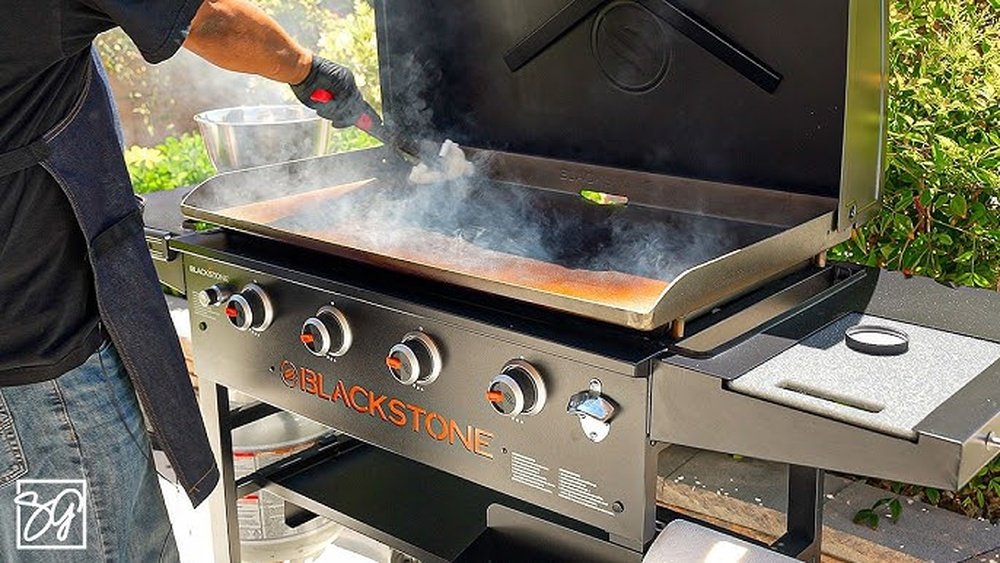
Common BBQ Mistakes: Avoid These Grilling Blunders for Success
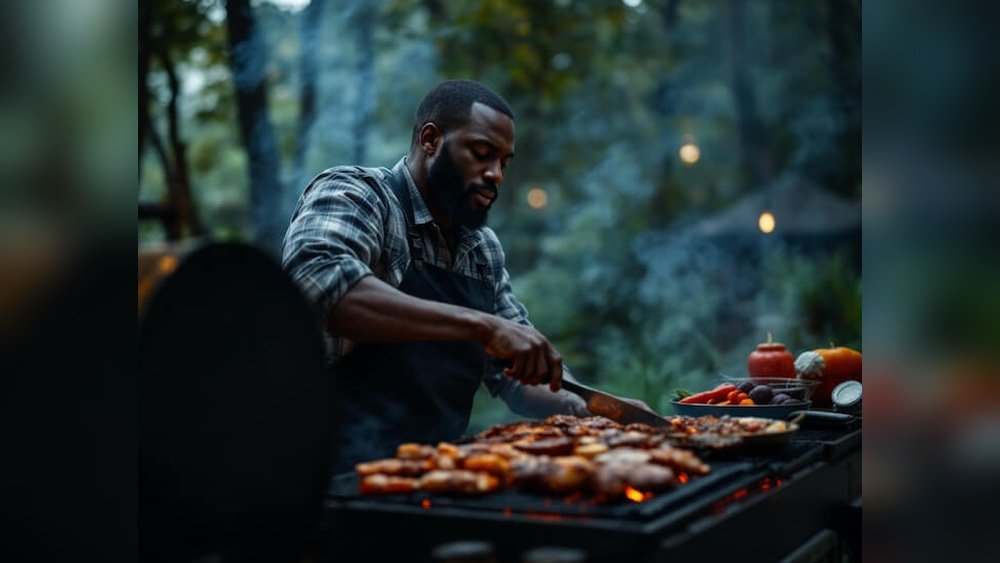

Barbecue is more than just cooking food outdoors. It’s about friends, family, and flavor. The smoky aroma, the sizzle, and the taste of grilled meat can make any day special. But even experienced grillers make mistakes that ruin the food or the experience.
Knowing the common BBQ mistakes is the first step to becoming a confident pitmaster. Whether you’re using charcoal, gas, or electric grills, avoiding these errors can turn your next barbecue into a memorable feast.
Many beginners assume BBQ is simple: just fire up the grill and toss on some meat. But the truth is, there’s a science and art behind perfect barbecue. From choosing the right tools to managing heat, every detail matters. Let’s look at the most common BBQ mistakes and how you can fix or prevent them.
Using The Wrong Grill
Choosing the right grill is essential. There are three main types: charcoal, gas, and electric. Each has its pros and cons.
Charcoal grills give you that classic smoky flavor, but they require more skill to control heat. Gas grills are easier and faster, but can lack deep flavor unless you use smoker boxes. Electric grills are convenient for apartments but rarely match the taste of charcoal or gas.
Many people buy a grill without considering their needs. If you love traditional BBQ and don’t mind extra work, charcoal is great. For quick weeknight meals, gas grills are better. For indoor grilling, electric is ideal.
A common mistake is using a small grill for a big group or an old grill with uneven heat. This leads to food that’s burnt in one spot and raw in another. Always choose a grill that fits your cooking style and crowd size.
| Grill Type | Flavor Quality | Heat Control | Best For |
|---|---|---|---|
| Charcoal | Rich, smoky | Manual, challenging | Classic BBQ, outdoor events |
| Gas | Mild, clean | Easy, adjustable | Fast meals, beginners |
| Electric | Light, less smoky | Simple, limited | Indoor, apartments |
Not Preheating The Grill
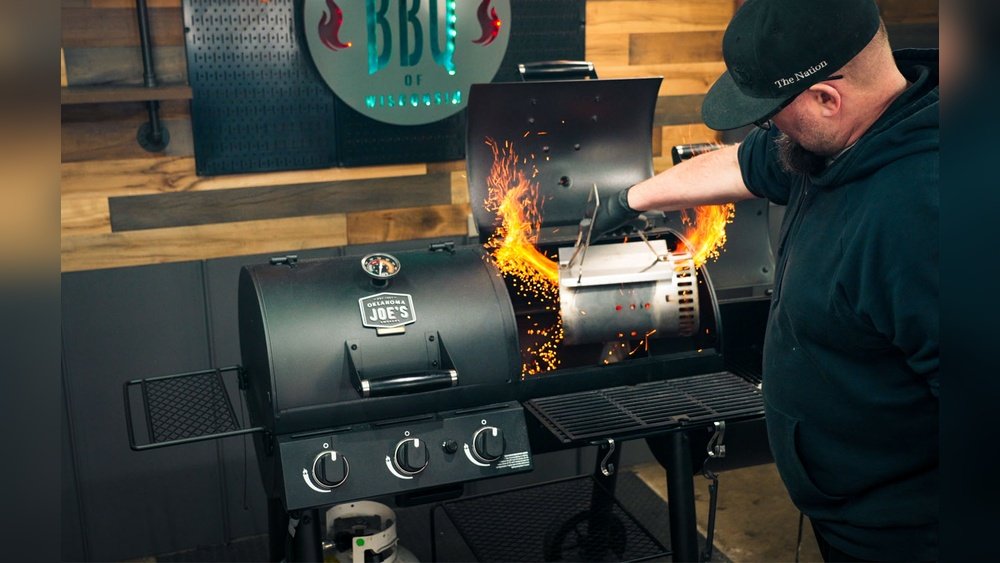
One of the most overlooked steps is preheating. Some believe you can start cooking as soon as the grill is on, but this leads to sticking and uneven cooking.
Preheating ensures the grill grates are hot, so food sears quickly and gets beautiful marks. It also burns off old residue. A cold grill makes meat stick, tears off the surface, and ruins presentation.
Always preheat your grill for at least 10-15 minutes. For charcoal, wait until the coals are covered in white ash. For gas, turn on high heat and close the lid. For electric, follow the manufacturer’s instructions.
Skipping preheating is a mistake that beginners often make. It’s easy to fix but has a big impact on taste and appearance.
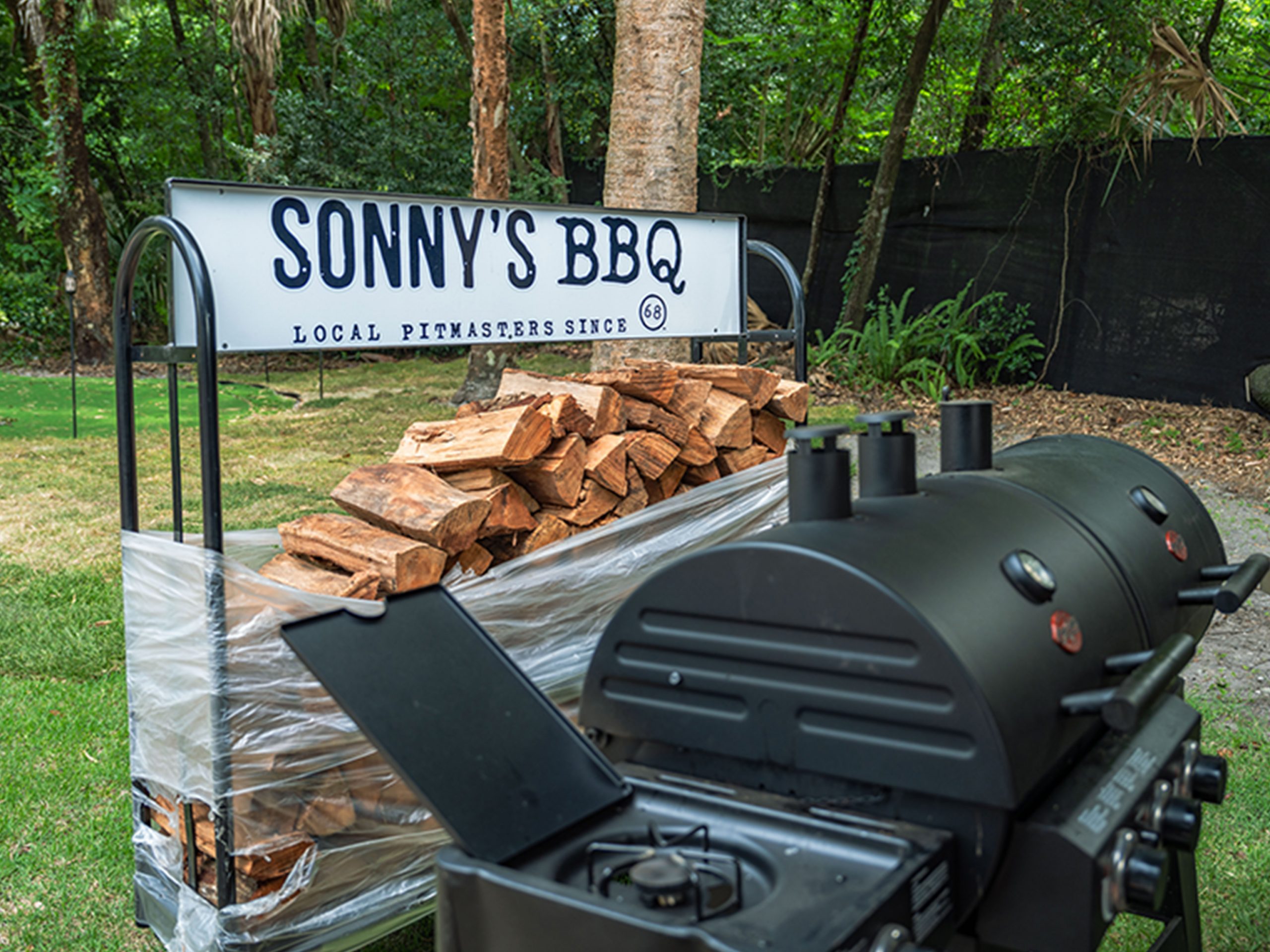
Credit: www.sonnysbbq.com
Using Dirty Grill Grates
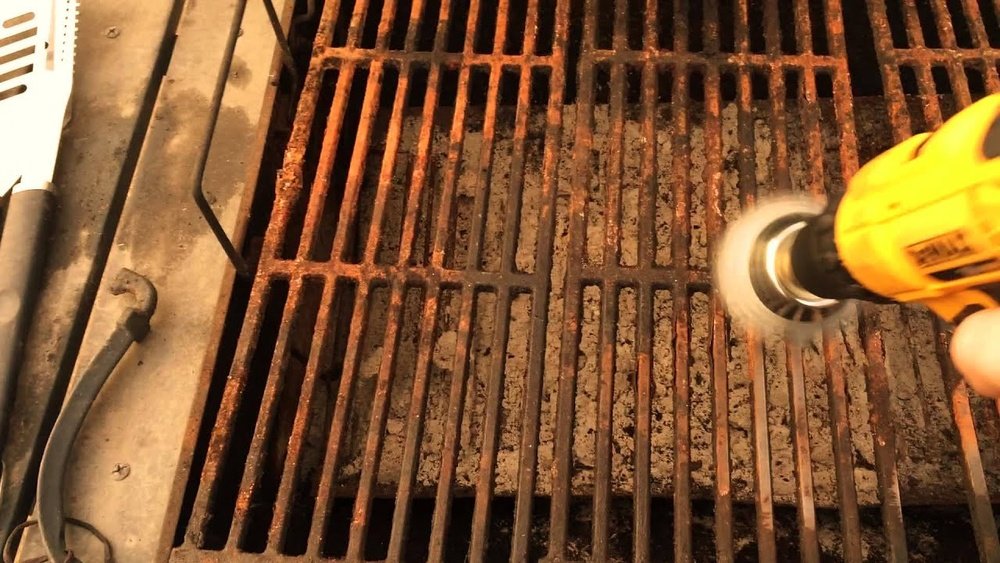
Cleaning your grill grates is more important than many think. Dirty grates can give your food a burnt, bitter taste. Old grease and leftover food can also cause flare-ups.
Many people ignore cleaning because it seems minor, but it affects flavor and safety. Bacteria and mold can grow on old food bits.
Before every BBQ, scrub the grates with a stiff brush. After cooking, clean them again while they’re still warm. This keeps your grill in top shape and your food tasting fresh.
Neglecting this step can ruin even the best recipes. Clean grates mean better sear, less sticking, and safer food.
Incorrect Heat Management
Managing heat is one of the hardest BBQ skills. Beginners often use too much heat, leading to burnt outsides and raw insides. Others use too little, making food dry and flavorless.
BBQ is not just about high heat. For thick cuts like brisket or ribs, you need indirect heat. For burgers and steaks, direct heat is best.
Divide your grill into zones: one for high heat, one for low. Move food between zones as needed. This prevents burning and keeps meat juicy.
A common mistake is cooking everything on full power. Learn to control heat, and your BBQ will be much tastier.
| Food Type | Best Heat | Cooking Time |
|---|---|---|
| Steak | Direct, high | 5-8 min |
| Chicken thighs | Indirect, medium | 20-30 min |
| Ribs | Indirect, low | 2-3 hrs |
| Vegetables | Direct, medium | 8-12 min |
Overcrowding The Grill
Putting too much food on the grill at once is a common error. It blocks airflow and makes it hard to control temperature. Overcrowding leads to steamed, not grilled, food.
Grill in batches if you have a lot of guests. Leave space between items. This allows heat to circulate and makes flipping easier.
If you’re cooking for a crowd, plan ahead. It’s better to serve tasty food in waves than bland food all at once. Overcrowding also makes it harder to avoid flare-ups.
Give your food room to cook properly. This simple tip improves both taste and texture.
Using The Wrong Tools
BBQ needs the right tools. Using kitchen forks or small tongs makes flipping hard and can tear meat. Invest in long-handled tongs, a sturdy spatula, and a meat thermometer.
Avoid metal brushes with loose bristles. They can break off and stick to food, causing health risks. Use safe grill brushes or wooden scrapers.
A good toolset includes:
- Long tongs for flipping and moving food
- Wide spatula for burgers and fish
- Meat thermometer for checking doneness
- Grill brush for cleaning grates
Don’t rely on random kitchen tools. Having proper BBQ equipment makes grilling safer and easier.
Ignoring Food Safety
Food safety is often ignored at BBQs. Raw meat can carry bacteria like salmonella and E. coli. Cross-contamination happens when you use the same utensils for raw and cooked food.
Always wash hands before and after handling raw meat. Use separate plates and tools for cooked and uncooked items.
Keep perishable foods cold until grilling. Letting meat sit outside for too long can cause food poisoning.
Check temperatures with a thermometer. Chicken should reach 165°F, pork 145°F, and beef 135-160°F depending on preference.
Ignoring food safety is a serious mistake. It can turn a fun BBQ into a health risk.
Not Using A Meat Thermometer
Guessing doneness is risky. Cutting into meat to check color is unreliable. A meat thermometer is the most accurate way to know when food is ready.
Insert the thermometer into the thickest part. Avoid bone or fat, which can give false readings.
Common safe temperatures:
- Chicken: 165°F
- Pork: 145°F
- Beef (medium): 160°F
- Fish: 145°F
Not using a thermometer leads to overcooked or undercooked food. It’s a small investment but makes a big difference.
Using Lighter Fluid Incorrectly
Lighter fluid is often used to start charcoal. But too much fluid gives food a chemical taste and can cause dangerous flare-ups.
If you use lighter fluid, let the coals burn until the smell disappears. Better yet, use a chimney starter. It lights charcoal without chemicals.
Never spray lighter fluid on hot coals. This can cause explosions. Avoid using lighter fluid on food.
Many BBQ pros recommend skipping lighter fluid completely. It’s safer and gives cleaner flavor.
Cooking Cold Meat
Putting cold meat straight on the grill is a mistake. It cooks unevenly and can become tough.
Take meat out of the fridge 20-30 minutes before grilling. Let it reach room temperature. This helps it cook more evenly and stay juicy.
Don’t leave meat out too long, especially in hot weather. Just enough time to lose the chill.
This simple step improves texture and flavor. It’s often missed but is easy to fix.

Not Letting Meat Rest
Resting meat after cooking is vital. Cutting into meat right away lets juices escape, making it dry.
Let your meat rest for 5-10 minutes after grilling. Cover loosely with foil. The juices will settle and the meat will be more tender.
Many people skip this step because they’re hungry. But patience pays off. Rested meat is tastier and juicier.
Over-marinating Or Under-marinating
Marinades add flavor and tenderness. But over-marinating can make meat mushy. Under-marinating leaves it bland.
Follow recipe times. For chicken, 1-4 hours is enough. For beef, 2-12 hours depending on the cut. Fish needs less time, usually 30 minutes to 1 hour.
Acidic marinades (with lemon or vinegar) need shorter times. Too much acid breaks down meat fibers.
Don’t marinate at room temperature. Always marinate in the fridge.
Balance is key. Get the timing right for full flavor without ruining texture.
Using Too Much Or Too Little Seasoning
Seasoning is critical. Too much salt or spice can overpower food. Too little leaves it bland.
Use salt and pepper as a base. Add herbs, spices, or rubs to match your taste. For BBQ, try paprika, garlic, onion powder, or brown sugar.
Apply seasoning evenly. Rub it in before cooking, or use a marinade.
Don’t forget to season vegetables. Many people skip this step, but it makes grilled veggies much tastier.
Taste as you go, and adjust. Finding the right balance takes practice.
Flipping Meat Too Often
Constantly flipping meat prevents good sear and can dry it out. Let meat cook undisturbed for a few minutes before turning.
For burgers and steaks, flip once during cooking. For chicken, turn every few minutes to prevent burning.
Use tongs, not a fork. Piercing meat lets juices escape.
Resist the urge to fuss. Let the grill do its job.
Not Paying Attention To Flare-ups
Flare-ups happen when fat drips onto hot coals or burners. They can burn food and cause safety hazards.
To control flare-ups, keep a spray bottle of water nearby. Move food to cooler zones if flames appear.
Trim excess fat from meat before grilling. Don’t use too much oil in marinades.
Never leave the grill unattended. Flare-ups can happen fast.
Managing flare-ups keeps your food and guests safe.
Using Cheap Charcoal Or Wood
Quality fuel makes a big difference. Cheap charcoal or wood can contain fillers and chemicals that affect taste.
Use lump charcoal or hardwood. Avoid briquettes with additives.
For smoking, choose woods like hickory, oak, or apple. Don’t use treated or painted wood.
Better fuel gives cleaner flavor and safer cooking. It’s worth spending a bit more.

Credit: www.bigpoppasmokers.com
Not Planning Ahead
BBQ needs planning. Many people rush and forget key steps: buying ingredients, marinating, cleaning, and preheating.
Make a checklist:
- Buy quality meat and vegetables
- Prep marinades or rubs
- Clean grill and tools
- Preheat and set up heat zones
- Have serving plates and utensils ready
Planning avoids stress and mistakes. It makes the BBQ smoother and more enjoyable.
Not Considering Dietary Restrictions
BBQs often focus on meat. But guests may have allergies or preferences: vegetarian, vegan, gluten-free, or halal.
Ask guests about their needs before shopping. Prepare plant-based options like grilled vegetables, tofu, or veggie burgers.
Keep veggie items separate from meat to avoid cross-contamination.
Offering variety makes everyone feel welcome and prevents awkward moments.
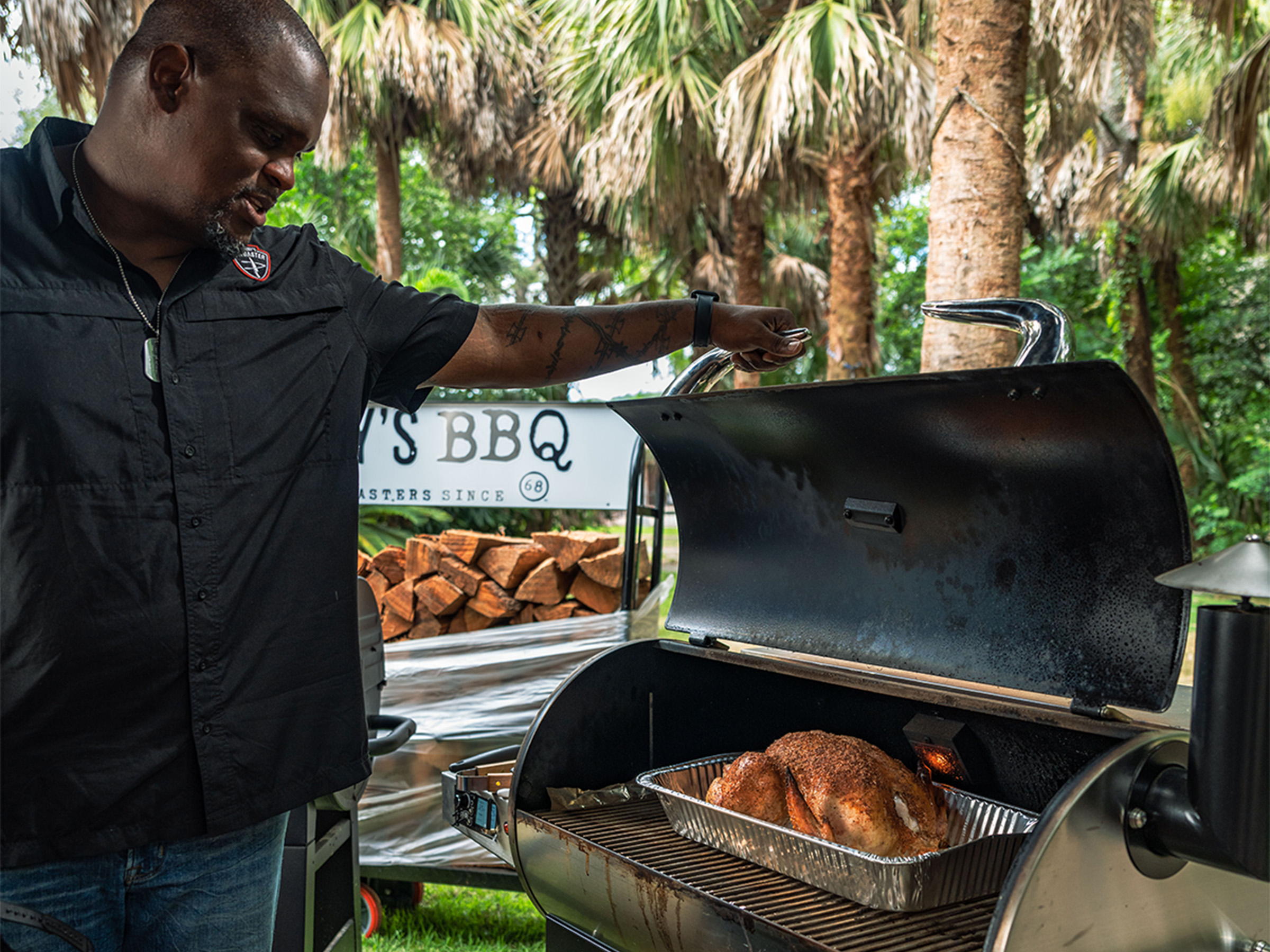
Credit: www.sonnysbbq.com
Not Using Smoke Properly
Smoke adds flavor but can be tricky. Too much smoke makes food bitter. Too little, and you miss the BBQ taste.
Use wood chips or chunks for smoking. Soak them in water for 30 minutes before adding to charcoal or gas grills.
Don’t use green wood or softwoods. They produce harsh smoke.
For gas grills, use a smoker box. For charcoal, add chips directly to the coals.
Balance smoke for a rich, not overpowering, flavor.
Skipping Temperature Control
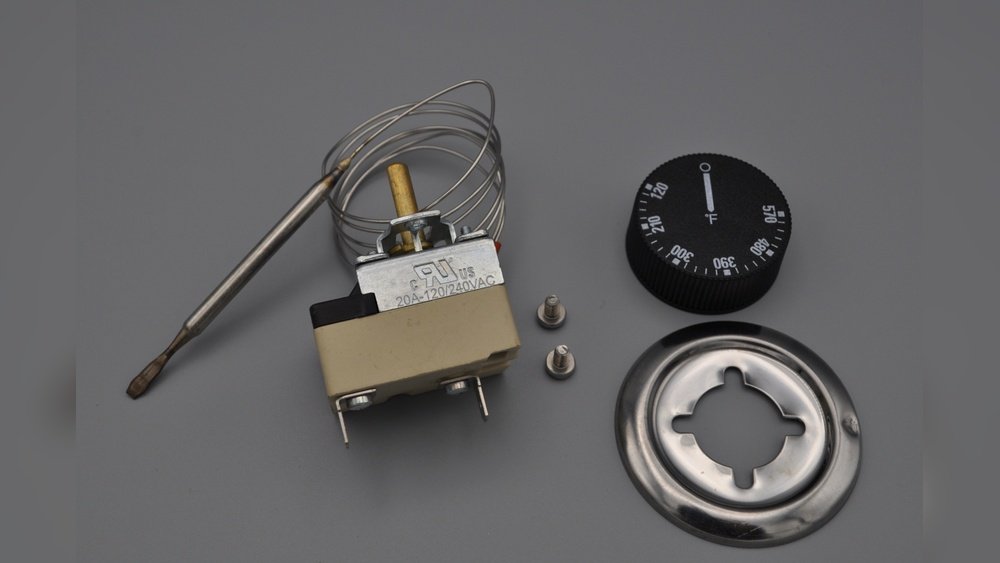
Temperature control is key for BBQ. Many people rely on guesswork. Use grill thermometers to check internal grill heat.
Different foods need different temperatures. Learn your grill’s hot and cool spots.
Adjust vents on charcoal grills or burners on gas grills. Keep a steady temperature for slow-cooked meats.
Skipping this step leads to uneven cooking and wasted time.
Not Using Foil Or Grill Baskets
Small items like veggies, shrimp, or fish can fall through grates. Using foil or grill baskets solves this.
Foil packets lock in flavor and moisture. Grill baskets make turning easy.
Many people lose food to the flames. Using these tools prevents waste and keeps food intact.
Ignoring The Weather
Weather affects BBQ. Wind, rain, or cold can change cooking times and grill performance.
Plan for shelter if needed. Keep extra fuel for cold weather. Wind can make charcoal burn faster.
Don’t let weather ruin your BBQ. Prepare ahead for smooth cooking.
Not Monitoring Food
Distraction is a big mistake. Many people start grilling, then socialize or drink, forgetting about the food.
Use timers and check food often. Don’t rely on memory.
If you’re hosting, ask someone to help watch the grill. Burnt or dry food can ruin the meal.
Stay focused. BBQ needs attention to detail.

Not Having Enough Fuel
Running out of charcoal, gas, or pellets is embarrassing and ruins the BBQ.
Calculate how much fuel you need. For charcoal, 1-2 pounds per hour is typical. For gas, check tank levels before starting.
Always have extra fuel on hand. It’s better to have too much than too little.
Not Keeping Food Warm
Serving cold food is a common mistake. If you cook in batches, keep finished items warm.
Use a warming tray, oven set to low, or foil wrap. Don’t leave food exposed to air.
Guests appreciate hot, fresh food. Plan for warming if you’re serving large groups.
Not Trying New Recipes
Many people stick to basic burgers and hot dogs. BBQ is a chance to explore new flavors.
Try recipes like grilled salmon, Korean BBQ, smoked brisket, or veggie skewers.
Experiment with sauces, rubs, and marinades. Variety makes your BBQ stand out.
Don’t be afraid to try something new. It keeps BBQ exciting.
Ignoring Presentation
Presentation matters. Even the best food looks unappetizing if thrown on a plate.
Arrange food neatly. Garnish with fresh herbs or lemon slices.
Clean plates and serving utensils are important.
A beautiful spread impresses guests and adds to the experience.
Not Cleaning Up Properly
Cleaning up is part of BBQ. Many people leave grills dirty or tools out.
Clean grates, trays, and utensils right after cooking. Cover the grill to protect it from weather.
Dispose of ashes safely. Don’t leave trash outside.
Proper cleanup extends grill life and prevents pests.
Not Learning From Mistakes
Everyone makes BBQ mistakes. The key is to learn and improve.
Ask guests for feedback. Try new techniques. Keep a BBQ journal of what worked and what didn’t.
Learning from experience makes you a better grill master.
Not Enjoying The Process
BBQ is about fun and connection. Don’t stress over perfection.
Enjoy the process: the smells, sounds, and company. Mistakes happen, but memories last.
Relax and have fun. That’s what BBQ is all about.
Frequently Asked Questions
What Is The Best Way To Clean Grill Grates?
Scrub grates with a stiff brush while they’re still warm after cooking. For deeper cleaning, soak in hot soapy water and scrub off residue. Avoid wire brushes that shed bristles.
How Do I Prevent Food From Sticking To The Grill?
Preheat the grill and oil the grates before cooking. Dry food surface and use proper seasoning. Clean grates also help prevent sticking.
What’s The Safest Way To Check If Meat Is Done?
Use a meat thermometer. Insert into the thickest part of the meat, away from bone. Check recommended temperatures for each meat type.
Can I Use Wood Chips On A Gas Grill?
Yes. Use a smoker box or wrap chips in foil with holes. Place on burners to create smoke. Soak chips for about 30 minutes before using.
How Do I Avoid Flare-ups When Grilling?
Trim excess fat, use less oily marinades, and keep a spray bottle of water nearby. Move food to cooler spots if flames appear. Never leave the grill unattended.
For more BBQ tips and safety info, visit Serious Eats.
—
Avoiding common BBQ mistakes is not just about technique—it’s about creating great food and memories. Whether you’re a beginner or a seasoned griller, paying attention to details makes a big difference. The next time you fire up your grill, remember these lessons.
Your BBQ will taste better, and your guests will be impressed. Happy grilling!